The popular food preservation platform Food in Jars has initiated its monthly Community Canning Challenge, focusing this month on the diverse and resilient categories of brassicas and root vegetables. This initiative, designed to foster practical skills and community engagement in home food preservation, encourages participants globally to explore various canning and fermentation techniques with these sturdy, nutrient-rich crops. The challenge, the first of the year, aims to provide accessible and straightforward preservation projects, making it suitable for both novice and experienced preservers.
Understanding the March Challenge: Brassicas and Root Vegetables

The March Community Canning Challenge centers on two distinct yet often overlapping categories of produce: brassicas and root vegetables. Brassicas, belonging to the Brassica genus, encompass a wide array of plants within the cabbage and mustard family, including commonly recognized items such as broccoli, cabbage, cauliflower, kohlrabi, rutabaga, and turnips. These vegetables are celebrated for their robust flavors, versatility, and significant nutritional benefits, including high levels of vitamins C and K, fiber, and various antioxidants. Their availability is particularly prominent in the northern hemisphere during this transitional period between winter and spring, though their inherent storage capabilities make them accessible year-round in many regions, including the southern hemisphere.
Root vegetables, a broader and less formal classification for preservation purposes, include crops like carrots, parsnips, radishes, and beets. These underground storage organs are known for their dense nutritional profiles, offering essential minerals, dietary fiber, and natural sweetness. While some root vegetables, such as turnips and radishes, are also members of the brassica family, the category extends to many others outside this botanical group. The selection of these particular vegetable groups for the challenge underscores a strategic choice by Food in Jars to emphasize seasonal availability, ease of acquisition, and suitability for a variety of preservation methods.
Chronology and Engagement

The Community Canning Challenge operates on a monthly cycle, with each installment introduced by a foundational post outlining the theme and objectives. For the March challenge, an introductory post was disseminated in the preceding week, setting the stage for participant engagement. Following this, the current communication provides more specific ideas and resources for involvement. Interested individuals are directed to an online registration form to formally join the challenge.
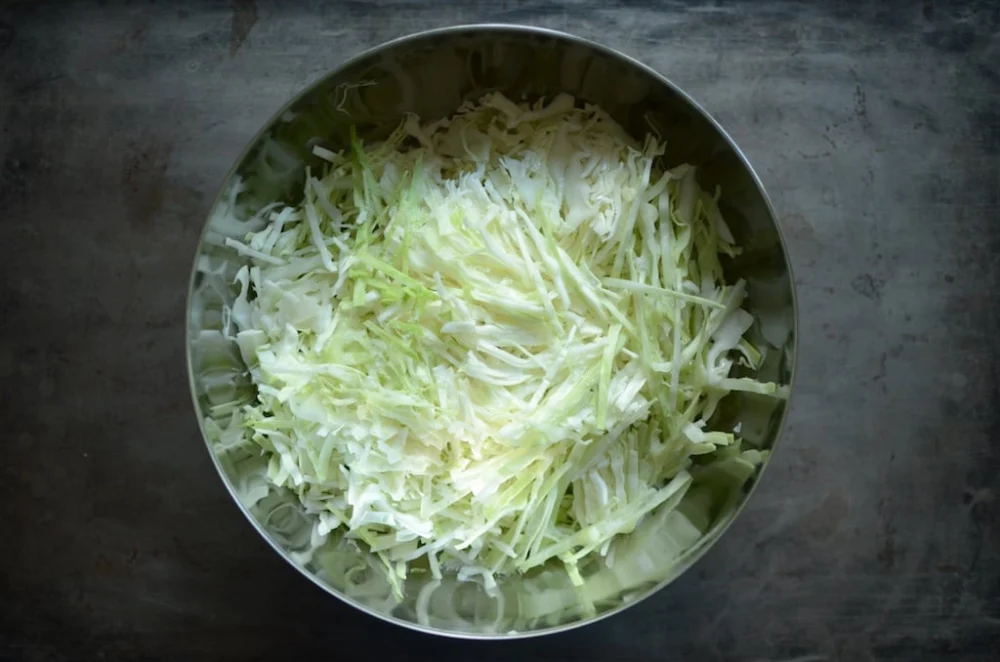
Throughout the month, participants are encouraged to engage through multiple digital channels. The Food in Jars Substack platform serves as a central hub for in-depth educational content, with all challenge-related posts made freely available to ensure broad accessibility. Concurrently, a dedicated Facebook group facilitates real-time discussions, peer-to-peer troubleshooting, and the sharing of experiences, tips, and photographic evidence of preserved creations. This multi-platform approach fosters a dynamic and supportive learning environment, enabling participants to receive guidance, share successes, and overcome common preservation hurdles collectively. Forthcoming content, such as a recipe for "Health Salad" – a quick-pickled sweet and sour cabbage East Coast deli staple – is scheduled to be released, providing tangible projects for participants to undertake.
Diverse Preservation Techniques
The chosen categories of brassicas and root vegetables are particularly amenable to a wide spectrum of food preservation techniques, making them ideal subjects for a community challenge that aims to educate and empower. The primary methods highlighted for this month’s focus include pickling (both quick and water-bath processed), fermenting, and pressure canning.
- Pickling: This method involves preserving food in an acidic solution, typically vinegar.
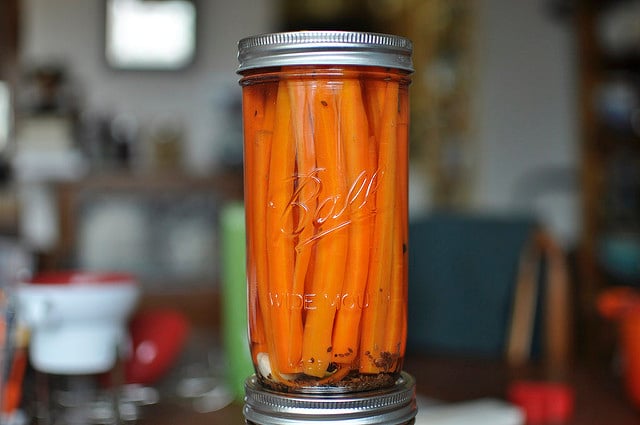
- Quick Pickles (Refrigerator Pickles): These require minimal processing and are stored in the refrigerator, offering a rapid path to flavorful preserved vegetables. The quick pickle primer previously published by Food in Jars provides comprehensive guidance on this accessible method, suggesting various brassicas and root vegetables like carrots, radishes, or cauliflower florets can be transformed into tangy, crisp additions to meals. Their simplicity makes them an excellent entry point for new canners.
- Water Bath Canning: For shelf-stable pickles, water bath canning is employed. This method involves processing jars of acidic food in boiling water to create a vacuum seal, eliminating spoilage microorganisms. Critical considerations for water bath pickled brassicas and root vegetables include ensuring adequate acidity (vinegar not diluted by more than half) and the presence of salt, which aids vinegar penetration and overall preservation effectiveness. Examples from the Food in Jars archives suitable for this method might include dilly carrots, pickled cauliflower, or various forms of pickled beets.
- Fermenting: This ancient preservation technique utilizes beneficial microorganisms to transform vegetables, creating distinct flavors and often enhancing their nutritional profile, particularly through the production of probiotics.
- Lacto-fermentation, a common method for vegetables, involves submerging vegetables in a brine solution, allowing naturally occurring lactic acid bacteria to convert sugars into lactic acid. This creates an acidic environment that inhibits spoilage and imparts unique tangy flavors. Brassicas like cabbage (for sauerkraut or kimchi) and root vegetables such as carrots or beets are prime candidates for fermentation. The challenge encourages participants to explore recipes like traditional sauerkraut, fermented carrots, or even more adventurous options like fermented kohlrabi, offering a path to deeply flavorful and probiotic-rich preserves.
- Pressure Canning: This method is indispensable for preserving low-acid foods, including many brassicas and root vegetables, ensuring their safety from Clostridium botulinum, a bacterium that thrives in anaerobic, low-acid environments. Pressure canning achieves temperatures higher than boiling water, effectively destroying these spores. Vegetables such as plain canned carrots, potatoes (though not explicitly listed, a common root vegetable), or even mixed vegetable medleys (following tested recipes) can be safely preserved using a pressure canner. While the initial article does not extensively list pressure canning recipes, the inclusion of this method signifies the breadth of preservation possibilities being encouraged. Participants are strongly advised to consult USDA-approved guidelines and tested recipes when utilizing a pressure canner due to the critical importance of precise temperature and processing times for food safety.
The Broader Context: A Resurgence in Home Preservation
The Community Canning Challenge by Food in Jars is situated within a broader global trend witnessing a significant resurgence in home food preservation. Driven by a confluence of factors, including increased interest in sustainable living, a desire for greater food autonomy, economic considerations, and heightened awareness of food origins, more individuals are turning to traditional methods of food storage.

- Sustainability and Food Waste Reduction: Home preservation directly addresses concerns about food waste by enabling individuals to process surplus produce from gardens, farmers’ markets, or bulk purchases. This minimizes spoilage and extends the usability of seasonal bounty, aligning with broader sustainability goals.
- Food Security and Economic Benefits: Preserving food at home can contribute to household food security, providing a pantry stocked with wholesome ingredients regardless of external supply chain fluctuations. Economically, buying produce in season when prices are lower and preserving it for later use can lead to substantial savings compared to purchasing out-of-season or commercially processed alternatives.
- Health and Nutritional Control: Home canners have complete control over ingredients, allowing them to avoid unwanted additives, excessive sugars, or sodium often found in commercially processed foods. This enables the creation of healthier options tailored to specific dietary needs or preferences. The nutritional value of brassicas (rich in vitamins C, K, folate) and root vegetables (good sources of fiber, vitamins A, C, and various minerals) is well-retained through appropriate preservation methods, offering sustained dietary benefits.
- Skill Development and Community Building: Initiatives like the Community Canning Challenge play a crucial role in re-popularizing traditional skills that were once commonplace. They empower individuals with practical knowledge, fostering a sense of accomplishment and self-reliance. The online community aspect further amplifies this, transforming what could be an isolated activity into a shared learning experience. Discussions on platforms like Food in Jars’ Substack and Facebook group provide invaluable peer support, allowing participants to share techniques, ask questions, and celebrate their achievements.
Expert Commentary and Safety Adherence
Marisa McClellan, the founder of Food in Jars and the driving force behind the Community Canning Challenge, implicitly emphasizes accessibility and education. While direct quotes are not provided in the source material, the design of the challenge—focusing on readily available vegetables and offering various preservation levels—suggests a commitment to demystifying the process and making it approachable for a wide audience. McClellan’s past writings and resources consistently highlight the importance of starting with reliable information and tested recipes.
Food safety is a paramount concern in all home food preservation. The challenge implicitly reinforces this by directing participants to established primers and advising caution with untested recipes. Food safety experts universally stress the critical need to adhere to scientifically tested recipes and guidelines, particularly those provided by reputable sources such as the National Center for Home Food Preservation (NCHFP) or university extension offices. This includes understanding the nuances of pH levels for water bath canning, the necessity of a pressure canner for low-acid foods, and proper jar preparation and sealing techniques. The cautionary note regarding vinegar dilution and salt content in water bath pickles directly reflects these safety principles, ensuring that the acidic environment required for safe preservation is adequately maintained.

Implications for Culinary Culture and Beyond
The Food in Jars Community Canning Challenge, through its focused monthly themes, contributes significantly to a broader cultural shift towards greater food literacy and hands-on culinary engagement. By spotlighting specific categories like brassicas and root vegetables, the challenge not only teaches preservation techniques but also educates participants about seasonality, botanical classifications, and the diverse culinary applications of these often-underappreciated crops.
The long-term implications extend beyond individual kitchens. Such initiatives foster a more informed consumer base, one that understands the effort involved in food production and preservation, potentially leading to greater appreciation for local agriculture and sustainable food systems. The collaborative nature of the challenge, leveraging online platforms, demonstrates a modern approach to reviving and sustaining traditional skills, proving that ancestral practices can thrive in the digital age. It builds resilience within communities by equipping individuals with the knowledge to manage their food resources more effectively, reinforcing a sense of self-sufficiency in an increasingly complex world.

As the challenge progresses through March, participants are poised to transform humble brassicas and root vegetables into a diverse array of preserved goods, from tangy refrigerator pickles to probiotic-rich ferments, enriching their pantries and expanding their culinary horizons while connecting with a global community of like-minded preservers. The continued success of such challenges underscores the enduring appeal and vital importance of home food preservation in contemporary society.