The art of cooking brisket is not a linear progression; rather, it is a dynamic process marked by distinct internal temperature stages. Each phase offers critical insights into the meat’s transformation, guiding pitmasters toward achieving optimal tenderness and flavor. Understanding these stages is paramount for maintaining composure during lengthy cooking times, circumventing common pitfalls, and knowing precisely when and how to intervene. This comprehensive guide delves into the key internal temperature milestones of brisket, illuminating what transpires within the meat at each juncture and how to leverage temperature as an indicator without allowing it to dictate the entire culinary endeavor.
For those seeking a consistently moist brisket, adherence to a well-defined recipe, such as the "no-fail brisket recipe" referenced by culinary experts, is crucial. This approach ensures all elements, from preparation to the final cook, contribute to a superior outcome.
The Initial Ascent: Cold to 140°F – The Warm-Up Phase
The initial phase of a brisket cook involves the meat gradually warming from its chilled state to approximately 140°F. This stage typically progresses relatively quickly, particularly with smaller cuts or when employing a higher pit temperature. During this period, there are generally no corrective actions required; the focus is on maintaining a stable pit temperature and allowing the brisket to heat evenly. Pit stability, the production of clean smoke, and a healthy dose of patience are the primary considerations for pitmasters at this juncture. This foundational stage sets the stage for the more complex transformations to follow.
Developing Character: 140°F to 160°F – Bark Formation Begins
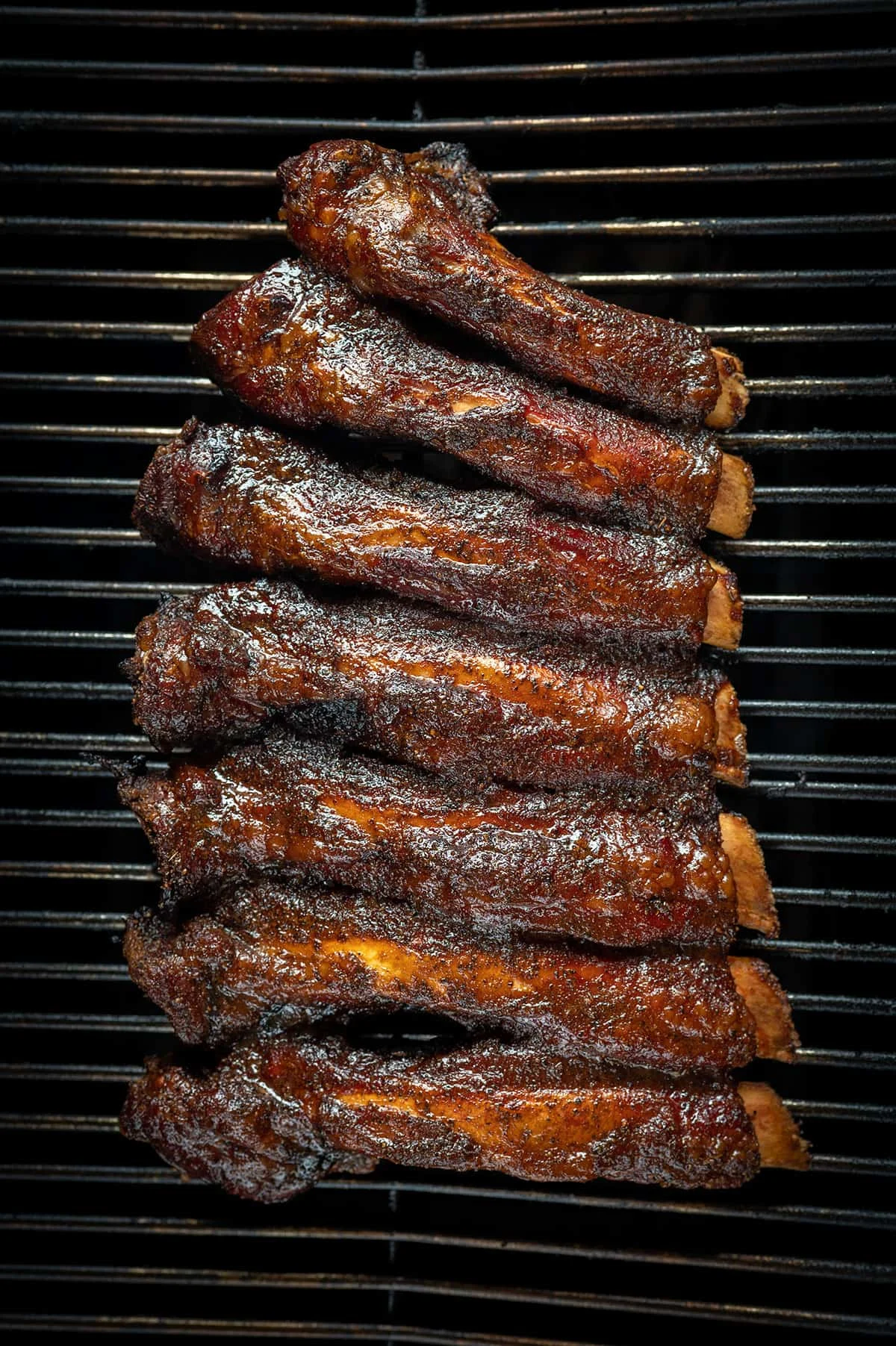
As the brisket’s internal temperature surpasses 140°F and moves toward the 160°F mark, a significant visual transformation begins. This is when the meat starts to acquire the characteristic deep, dark exterior, often referred to as "bark," that is a hallmark of expertly barbecued brisket. Color development becomes a more salient indicator of progress than the mere passage of time. At this stage, maintaining even airflow within the cooking environment and a steady heat source are paramount. Pitmasters may also begin spritzing the meat during this phase, a technique that introduces moisture and can contribute to a more desirable bark texture. The focus shifts from simple warming to actively developing the exterior appeal and flavor profile.

The Inevitable Pause: 160°F to 170°F – The Brisket Stall
The temperature range between 160°F and 170°F is notoriously known as "the brisket stall." This phenomenon occurs as moisture from the surface of the brisket evaporates. This evaporative cooling process counteracts the heat being applied by the cooking environment, causing the internal temperature to plateau or rise at a painstakingly slow rate. It is crucial to understand that this is a natural part of the cooking process and does not indicate that the brisket is not cooking. Internally, this stage is characterized by the initial breakdown of connective tissues and the rendering of fat. Many pitmasters opt to wrap the brisket during the stall, but this decision is typically made only after the bark has achieved a satisfactory appearance. Therefore, at this critical juncture, visual cues – specifically the color and texture of the bark – should take precedence over strict adherence to internal temperature readings.
The Deep Transformation: 170°F to 190°F – Collagen Breakdown Phase
Once the brisket has been wrapped or has successfully navigated the stall, its internal temperature begins to ascend once more. This period, from 170°F to 190°F, is where the most profound internal changes occur. The collagen within the connective tissues of the brisket begins to break down into gelatin. This gelatinization process is what contributes significantly to the meat’s succulence and tender texture. As the collagen transforms, the muscle fibers begin to relax and separate, making the meat exceptionally yielding. It is important to note that the brisket may appear visually "done" during this phase, exhibiting a deep color and seemingly tender appearance. However, deceptive appearances can lead to premature removal from the heat. Pitmasters must resist the urge to pull the brisket too early and instead focus on maintaining consistent heat and allowing the internal breakdown of collagen to reach its full potential. Patience here is key to unlocking the brisket’s ultimate texture.
Approaching Perfection: 190°F to 205°F+ – Approaching Doneness
The internal temperature range of 190°F to 205°F and beyond is where many briskets begin to exhibit true tenderness. However, it is vital to recognize that not all briskets will reach this state at the same temperature. At this point, internal temperature serves as a reference rather than a definitive endpoint. The true indicator of doneness is the meat’s resistance to probing. Multiple insertions of a thermometer probe into various parts of the brisket, particularly the flat and the point, are necessary to assess tenderness. Some briskets may feel perfectly tender at 195°F, while others may require temperatures of 210°F or even higher to achieve the desired texture. This stage demands a tactile assessment rather than a numerical target.
The Ultimate Benchmark: Probe Tender – The True Finish Line
The definitive criterion for a perfectly cooked brisket is not a specific internal temperature, but rather its "probe tenderness." This is the point at which a thermometer probe can be inserted into the thickest part of the brisket with minimal resistance, feeling akin to sliding into warm butter. This assessment should be conducted in both the flat and the point, as these muscles can cook at slightly different rates. The sensation of tenderness should be consistent throughout. As previously noted, this probe-tender stage can occur across a range of temperatures, from 195°F to 210°F or higher, depending on the individual cut of meat, its fat content, and the cooking method employed. Relying solely on temperature can lead to an undercooked or overcooked brisket, while mastering the probe-tender technique ensures a consistently succulent outcome.
The Crucial Intermission: Resting – The Final Stage Most People Rush
The resting period after a brisket has achieved probe tenderness is not merely an optional step; it is an integral and indispensable part of the cooking process. Skipping this crucial phase can negate hours of meticulous preparation and cooking. Once the brisket is deemed probe tender, it should be removed from the heat and allowed to rest. This resting period, ideally for a minimum of one hour and potentially up to three hours or more, allows the meat’s internal temperature to gradually decrease. More importantly, it permits the muscle fibers to relax and reabsorb the juices that have been pushed toward the center during the cooking process. This redistribution of moisture is critical for ensuring that the brisket remains succulent and flavorful when sliced. A rushed rest can result in a dry brisket, as the juices will inevitably escape when the meat is cut. Therefore, embracing the resting phase is as vital as any stage of the cooking itself.

Navigating the Cook: How to Use This Guide the Right Way
The internal temperature stages of brisket should be viewed as informative signposts along the culinary journey, not as rigid rules to be followed blindly. Understanding what is happening within the meat at each temperature threshold empowers pitmasters to make informed decisions. When you comprehend the significance of each phase – from the initial warming to the collagen breakdown and the final tenderization – the focus shifts from anxiously chasing numbers to confidently executing the cook. This deeper understanding allows for adjustments to be made proactively, ensuring the brisket progresses smoothly through each transformation. By mastering these stages, pitmasters can move beyond guesswork and achieve consistently exceptional results.
Christie’s Pitmaster Take
"Every brisket I’ve ever cooked has followed these same fundamental stages, yet no two have ever finished at precisely the same internal temperature," shares Christie, an award-winning competitive pitmaster. "Once you truly understand what each temperature range signifies, brisket transforms from an unpredictable challenge into a manageable and rewarding endeavor. You learn to recognize what’s normal, what might require a slight adjustment, and, crucially, when to simply allow the meat to perform its magic. This knowledge is what makes cooking brisket significantly less stressful and considerably more consistent."
Essential Brisket Resources
This detailed examination of brisket’s internal temperature stages is part of an extensive collection of barbecue tips designed to guide enthusiasts through every aspect of brisket preparation and cooking. This includes comprehensive breakdowns of brisket anatomy, proper trimming techniques, and various cooking methodologies. For those seeking to deepen their understanding of brisket fundamentals, further exploration of the "Ultimate Brisket Guide" is highly recommended. This resource offers a holistic approach to mastering brisket, covering everything from its biological makeup to its ultimate presentation on the plate.
Additional foundational guides delve into critical elements such as selecting the right cut of brisket, mastering the art of trimming for optimal results, and understanding the nuances of smoking techniques. For those embarking on their brisket journey, these resources provide invaluable knowledge.
Elevating Flavor: My Go-To Brisket Rub for Building Flavor and Bark
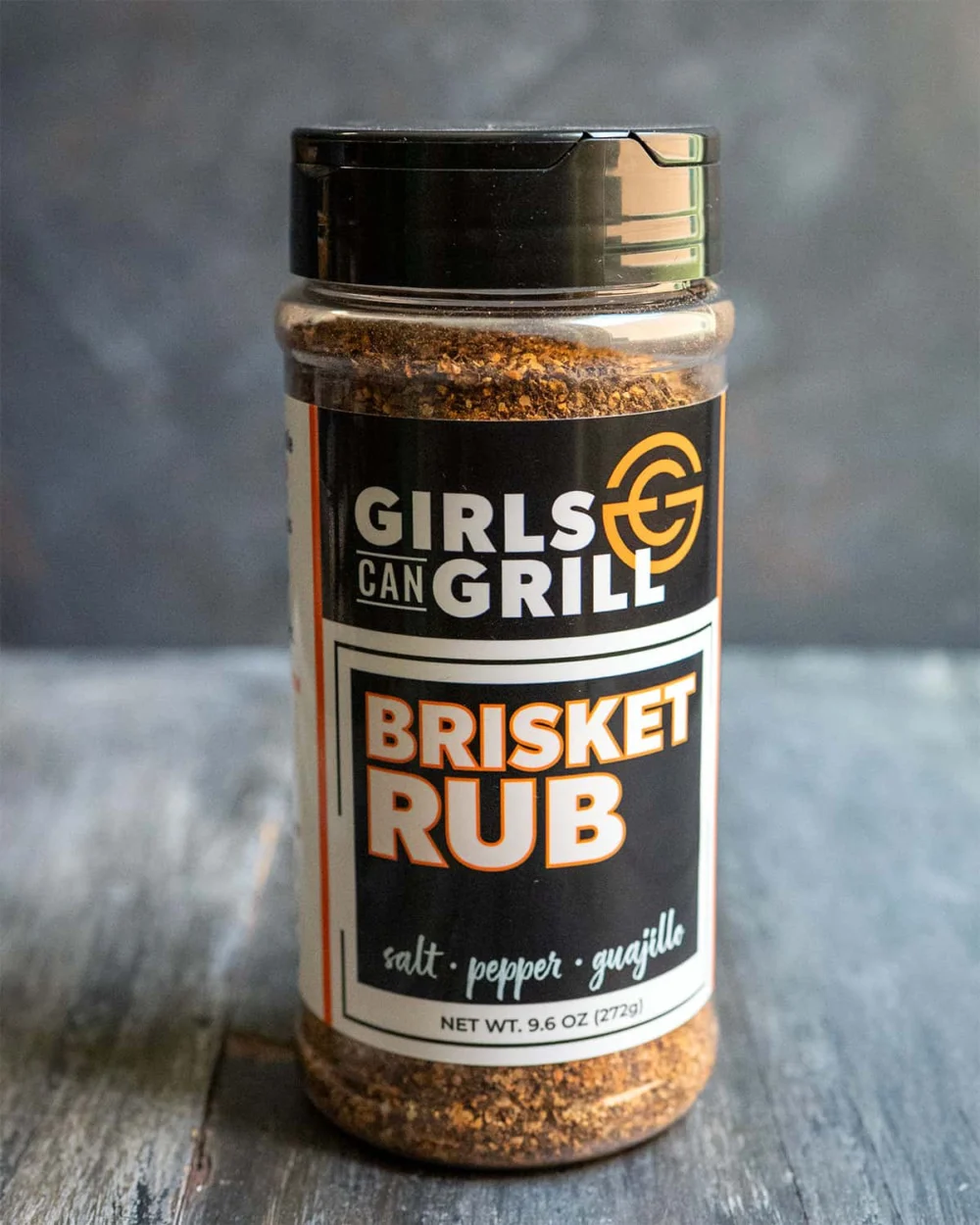
To enhance the natural beef flavor and cultivate a robust, well-formed bark, the application of a high-quality brisket rub is essential. The "Girls Can Grill Brisket Rub" is a meticulously crafted blend of salt, pepper, garlic, and savory spices. This combination not only amplifies the inherent taste of the brisket but also aids in the even development of the desirable dark crust. This rub is a testament to the principle that foundational seasonings play a pivotal role in the overall success of a brisket cook.

Brisket Recipes
For those inspired to put this knowledge into practice, a variety of brisket recipes are available, catering to different preferences and skill levels. These recipes often incorporate the principles discussed, guiding users through the stages with clear instructions and visual cues.
What’s HOT
The world of barbecue is constantly evolving, with new techniques and innovations emerging regularly. Staying abreast of current trends and expert insights is crucial for any aspiring pitmaster. From advanced smoking methods to innovative flavor profiles, the barbecue community offers a wealth of knowledge and inspiration.
About the Author
Christie Vanover, the driving force behind Girls Can Grill, is a highly accomplished pitmaster and award-winning competitive barbecue champion. Her extensive experience, honed through numerous grand championships and top-ten finishes, positions her as an authority in the field. As an expert grill reviewer for BBQ Guys and a featured personality on television, Christie brings a wealth of practical knowledge and a passion for sharing her expertise. Since establishing her website in 2015, she has been dedicated to providing accessible and effective barbecue tips and recipes to a global audience.