The integration of commercial-grade food preservation technology into the domestic kitchen has catalyzed a shift in how modern households manage food security and waste reduction. Among the most versatile applications of this technology is the freeze-drying of rotisserie chicken, a staple convenience food that, through the process of sublimation, can be transformed from a highly perishable protein into a shelf-stable pantry asset. This preservation method allows consumers to capitalize on retail "loss leaders"—fully cooked chickens sold at or below cost by major grocers—extending their utility from a single meal to a long-term resource capable of lasting months or even years under proper storage conditions.
The Evolution of Home Food Preservation
Historically, home food preservation was limited to canning, pickling, and traditional dehydration. While effective, these methods often alter the texture, flavor, and nutritional profile of the food. Dehydration, for instance, uses heat to evaporate moisture, which can result in "case hardening" and the loss of heat-sensitive vitamins. Freeze-drying, or lyophilization, represents a significant technological leap for the home consumer. By freezing the food and then reducing the surrounding pressure to allow the frozen water in the material to sublimate directly from the solid phase to the gas phase, the structural integrity and nutritional density of the chicken remain largely intact.
The rise of companies such as Harvest Right has democratized this process, which was once reserved for military rations and aerospace applications. As food inflation remains a persistent concern for many households, the ability to process bulk purchases of rotisserie chicken—often found on clearance or at consistent low prices in warehouse clubs like Costco or Sam’s Club—provides a strategic hedge against rising grocery costs.
Technical Specifications and Chronology of the Freeze-Drying Process
The transition of a rotisserie chicken from a heated deli counter to a vacuum-sealed jar involves a precise multi-step protocol designed to ensure both food safety and the longevity of the finished product.
Phase One: Preparation and Deconstruction
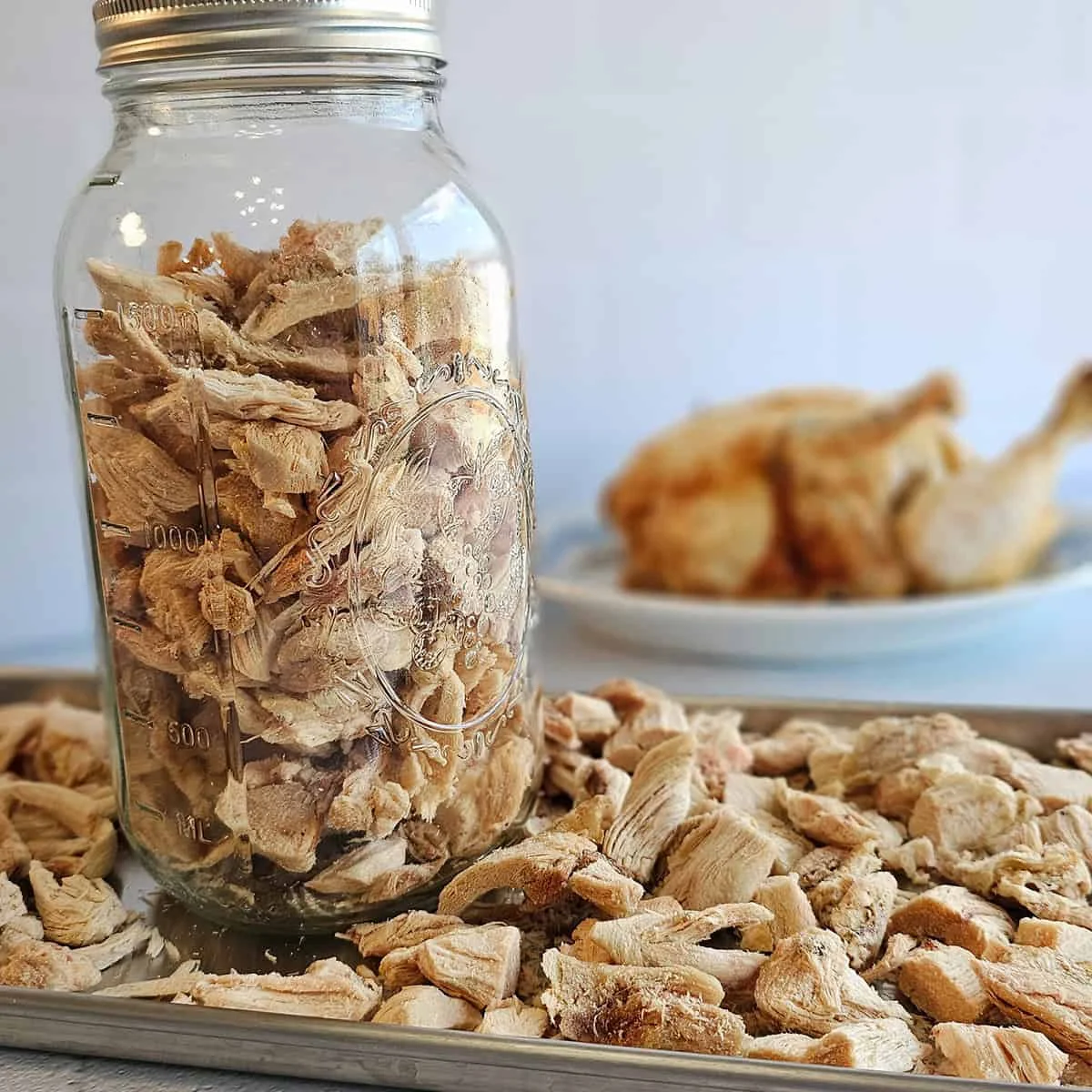
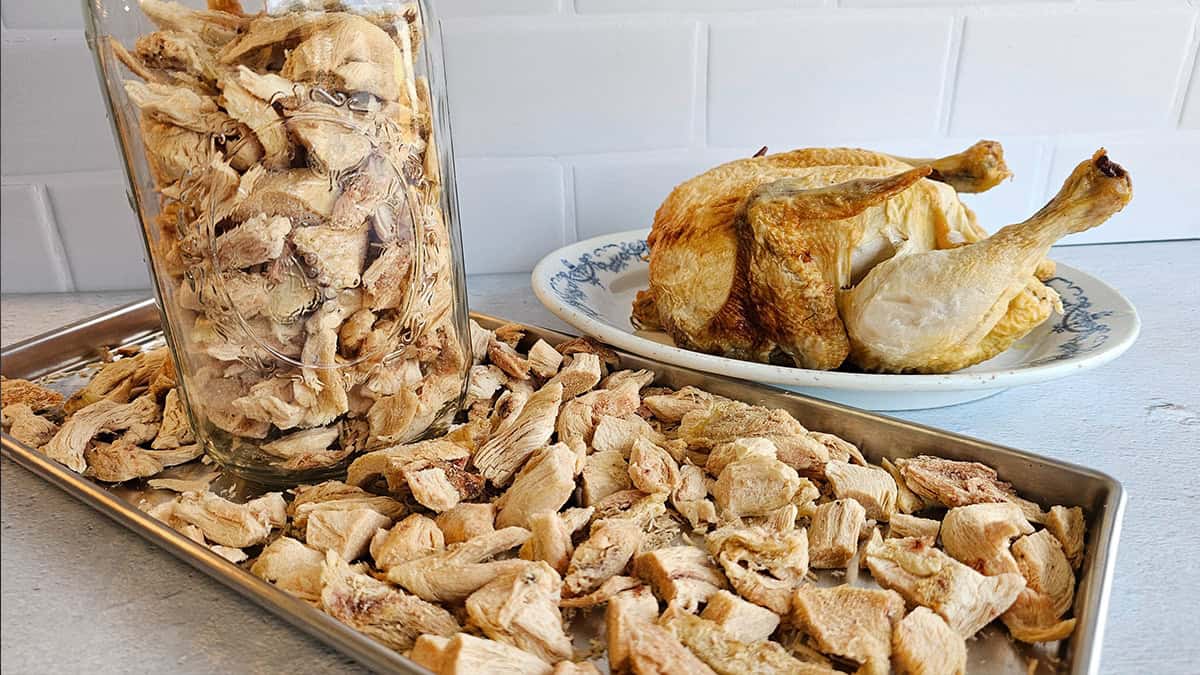
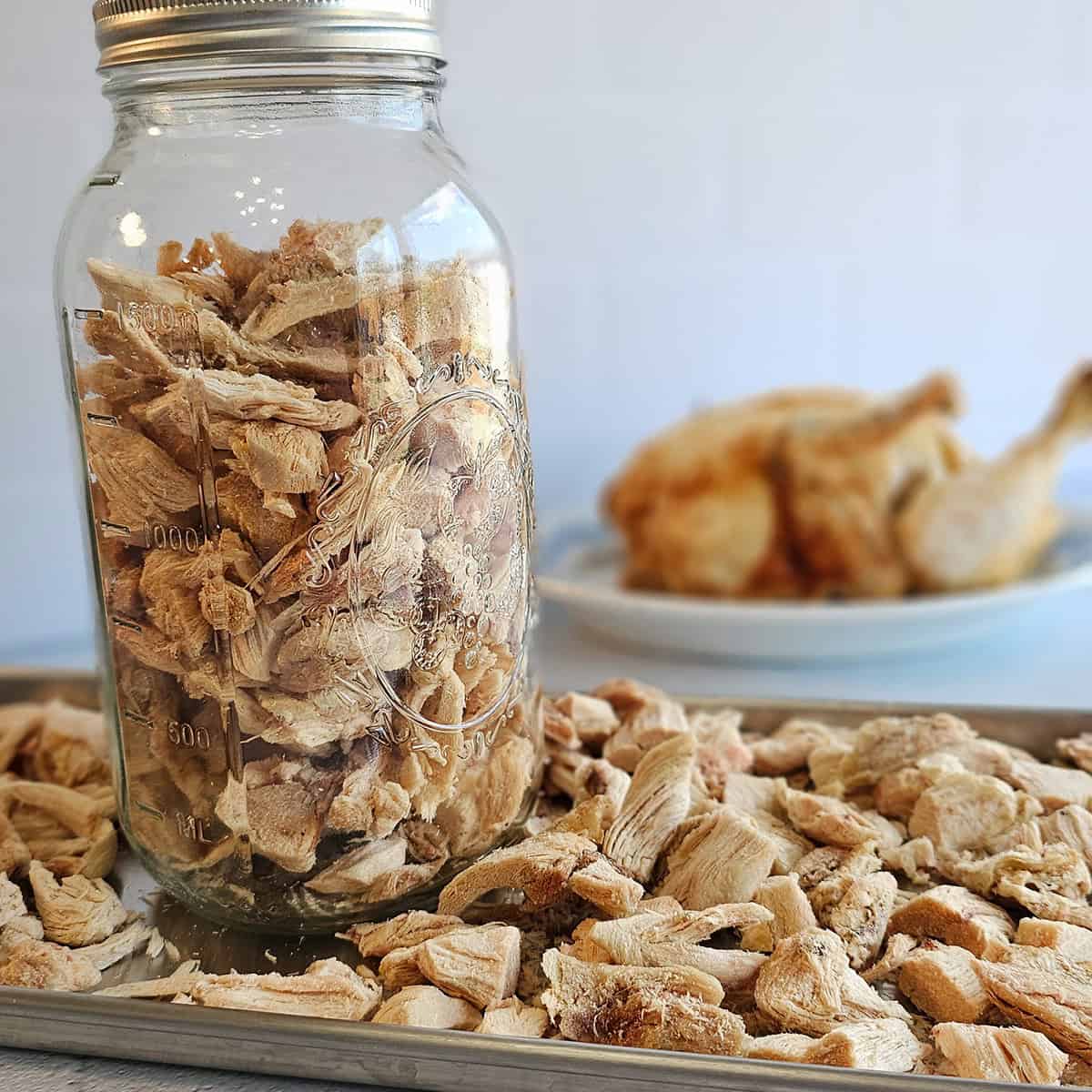
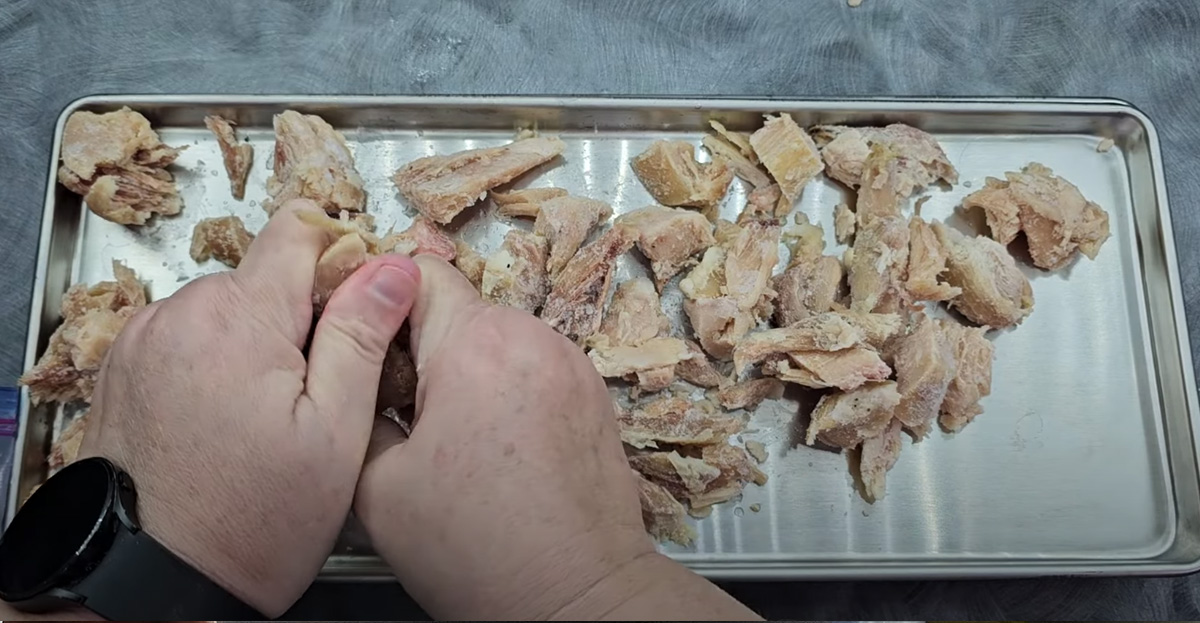
The initial stage requires the manual stripping of the carcass. To maximize the shelf life of the freeze-dried product, it is imperative to remove the skin, visible fat, and bones. Fat is the primary antagonist in long-term storage, as it does not freeze-dry; instead, it can turn rancid over time, even in an oxygen-free environment. The remaining meat is then processed into uniform, bite-sized pieces, typically no larger than one inch. This uniformity is critical for ensuring that the vacuum pressure can evenly extract moisture from the center of each piece.
Phase Two: The Pre-Freezing Cycle
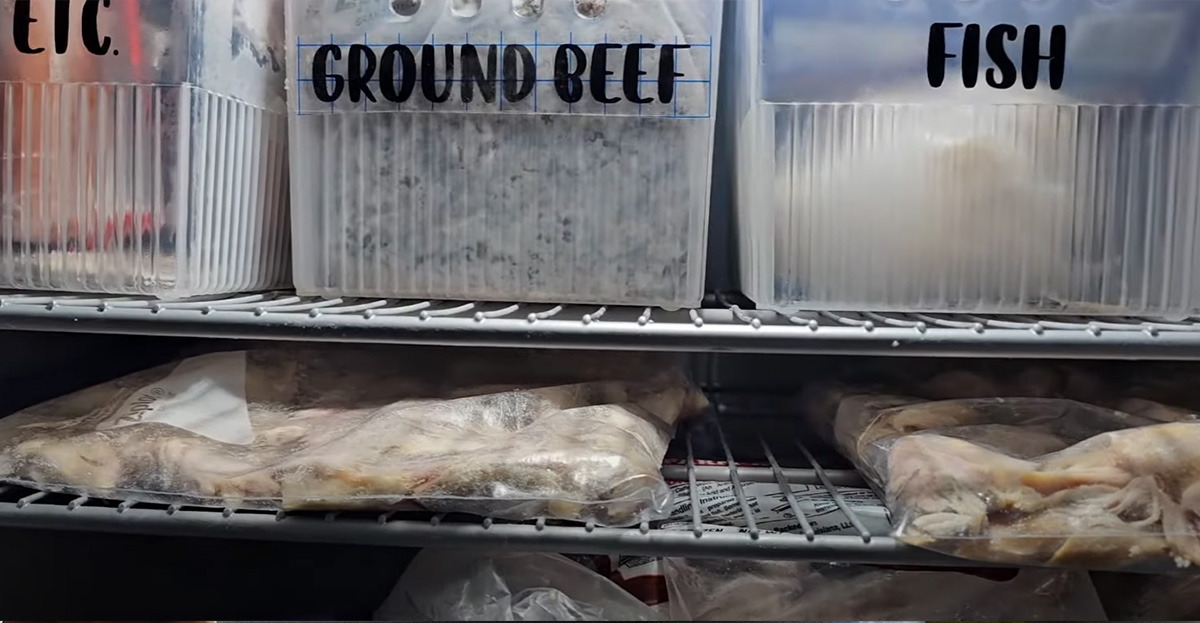
While freeze-dryers possess the capability to freeze food from room temperature, preservation experts recommend a 24-hour pre-freeze in a conventional deep freezer. This serves two purposes: it reduces the mechanical strain and energy consumption of the freeze-dryer’s compressor, and it ensures that the food reaches a temperature well below the "triple point" of water, which is necessary for sublimation to occur efficiently.
Phase Three: Sublimation and Primary Drying
Once the chicken is placed into the freeze-dryer, the machine creates a vacuum while subtly heating the trays. This causes the ice crystals within the chicken to turn into vapor without passing through a liquid state. For rotisserie chicken, a standard cycle may last between 24 and 36 hours. A secondary drying phase is often added to ensure that any "bound water"—moisture trapped within the cellular structure—is fully removed.
Phase Four: Testing and Quality Assurance
Post-cycle testing is a vital step in the journalistic and scientific approach to food preservation. The "snap test" involves breaking a piece of chicken; it should be brittle and dry to the core, with no cold spots or flexibility. A more rigorous method involves weighing the trays, returning them to the machine for two additional hours of drying, and re-weighing. Any loss in weight indicates that residual moisture was still present, necessitating further processing.
Supporting Data: Economic and Nutritional Impact
The economic rationale for freeze-drying rotisserie chicken is supported by retail market data. In the United States, warehouse clubs sell an estimated 100 million rotisserie chickens annually, often maintaining a price point of $4.99 despite rising poultry costs. By freeze-drying these units, a household can secure high-quality protein for approximately $1.25 per cooked cup, significantly lower than the cost of commercially prepared emergency food rations, which can range from $3.00 to $5.00 per serving.
From a nutritional standpoint, freeze-drying is superior to other methods. A study published in the Journal of Food Composition and Analysis indicates that freeze-dried meats retain approximately 97% of their original nutrients, including B vitamins and minerals, whereas canning can result in a loss of up to 40% of certain heat-labile nutrients.
Furthermore, the process promotes a "zero-waste" kitchen hierarchy. The bones and connective tissues removed during prep can be simmered to create nutrient-dense bone broth. This broth can subsequently be freeze-dried into bouillon powder, creating a closed-loop system of food utilization.
Food Safety and Storage Implications
The primary challenge in preserving rotisserie chicken is its inherent fat content. While lean meats like venison or chicken breast can last 15 to 25 years when freeze-dried, the dark meat and oils used in rotisserie seasonings limit the shelf life. Industry consensus suggests a reliable window of six months to two years for freeze-dried rotisserie chicken.
Storage Protocols
To achieve maximum stability, the product must be shielded from its three primary degraders: oxygen, light, and moisture.
- Oxygen Absorbers: The use of iron-based oxygen absorbers (O2 absorbers) is standard practice. These packets reduce the oxygen level in a sealed container to less than 0.01%, preventing the oxidation of any residual fats.
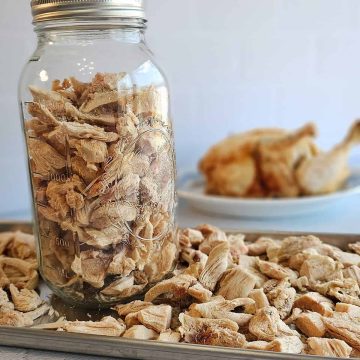
- Vacuum Sealing: For short-to-medium-term use (up to one year), vacuum-sealing in glass canning jars is effective. For long-term "deep pantry" storage, 7-mil Mylar bags are preferred due to their superior oxygen barrier properties and light-blocking capabilities.
- Climate Control: Storage in a cool, dark environment is essential. Every 10-degree Celsius increase in storage temperature can halve the shelf life of preserved proteins.
Culinary Integration and Rehydration Methods
One of the significant advantages of freeze-dried chicken is its "1:1 yield ratio." Unlike dehydrated foods, which shrink and require complex calculations to replace fresh equivalents in recipes, freeze-dried chicken maintains its original volume. One cup of freeze-dried chicken rehydrates into approximately one cup of fresh-cooked meat.
Rehydration Strategies
Rehydration can be achieved through two primary vectors:
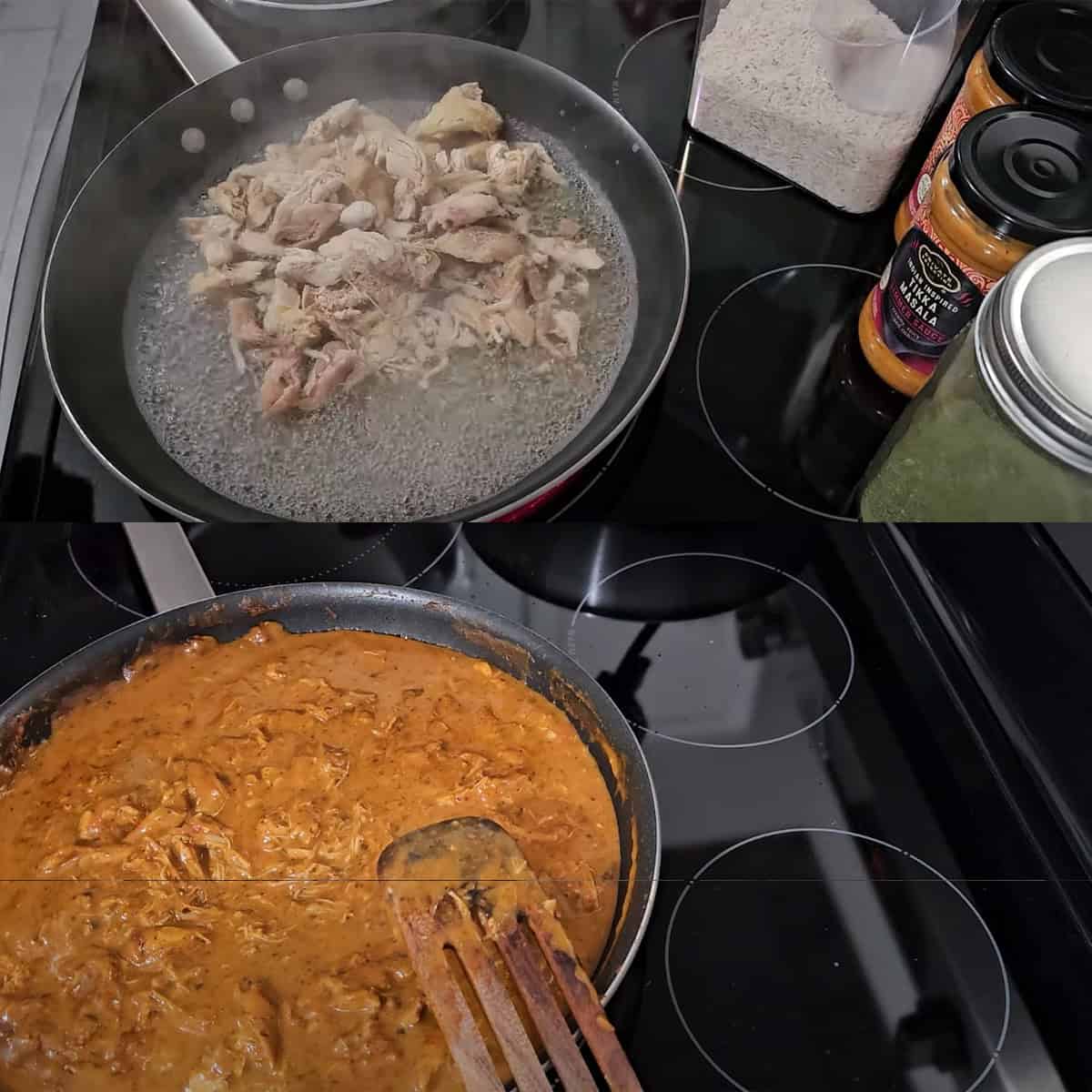
- Thermal Rehydration: Placing the dried meat directly into a simmering skillet with broth or water. This method is ideal for soups, stews, and pasta dishes, as the chicken absorbs the flavored liquid, often resulting in a texture indistinguishable from freshly cooked poultry.
- Cold Soaking: For applications such as chicken salad or cold wraps, the chicken is submerged in cold water or broth and refrigerated. This slower process ensures the fibers reabsorb moisture without becoming mushy.
Broader Impact and Industry Analysis
The trend toward home freeze-drying reflects a broader societal movement toward self-reliance and "purposeful" living. As global supply chains face increasing volatility due to geopolitical tensions and climate events, the ability to maintain a decentralized food supply becomes a matter of domestic security.
Market analysts observe that the home freeze-dryer market is expected to grow at a compound annual growth rate (CAGR) of over 7% through 2030. This growth is driven by a consumer base that is increasingly wary of the additives and high sodium levels found in commercial shelf-stable foods. By processing rotisserie chickens at home, consumers retain control over the ingredients, ensuring that their preserved stores are free from unwanted preservatives.
In conclusion, freeze-drying rotisserie chicken is more than a culinary trend; it is a sophisticated intersection of technology, economics, and food science. It allows for the conversion of a temporary retail convenience into a durable household asset, reducing waste and enhancing the resilience of the modern pantry. As the technology continues to mature and become more accessible, the "purposeful pantry" will likely become a standard feature in the quest for a more sustainable and secure lifestyle.