
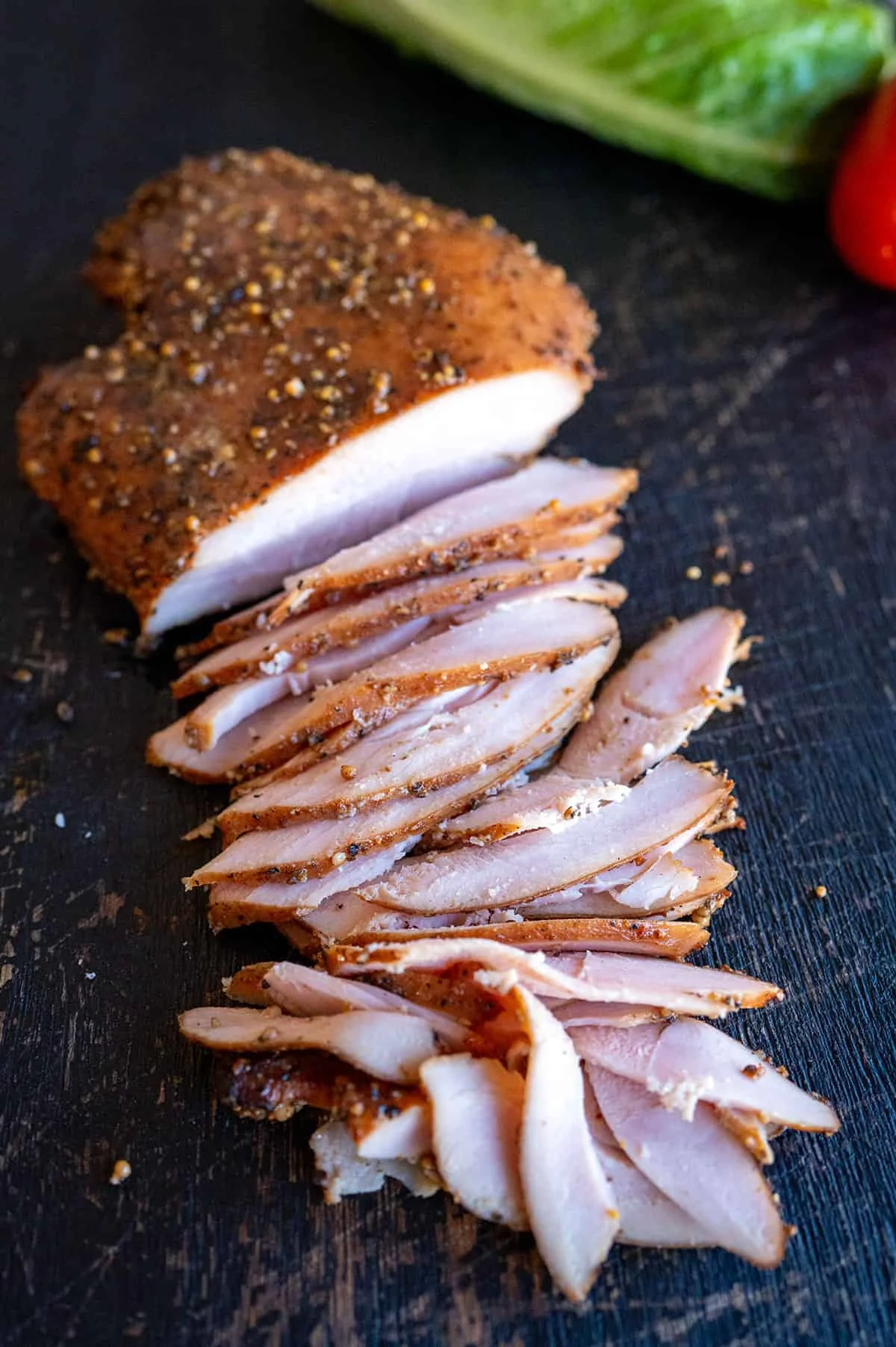
Turkey pastrami offers a refreshing and lighter alternative to traditional beef pastrami, proving to be an exceptionally versatile ingredient for a variety of culinary applications. From gourmet sandwiches and satisfying snacks to an elegant main course, this poultry-based pastrami delivers a robust flavor profile without the heaviness often associated with its beef counterpart. The preparation process, while requiring patience, yields a tender, juicy, and richly seasoned product, infused with the signature peppery notes of pastrami.
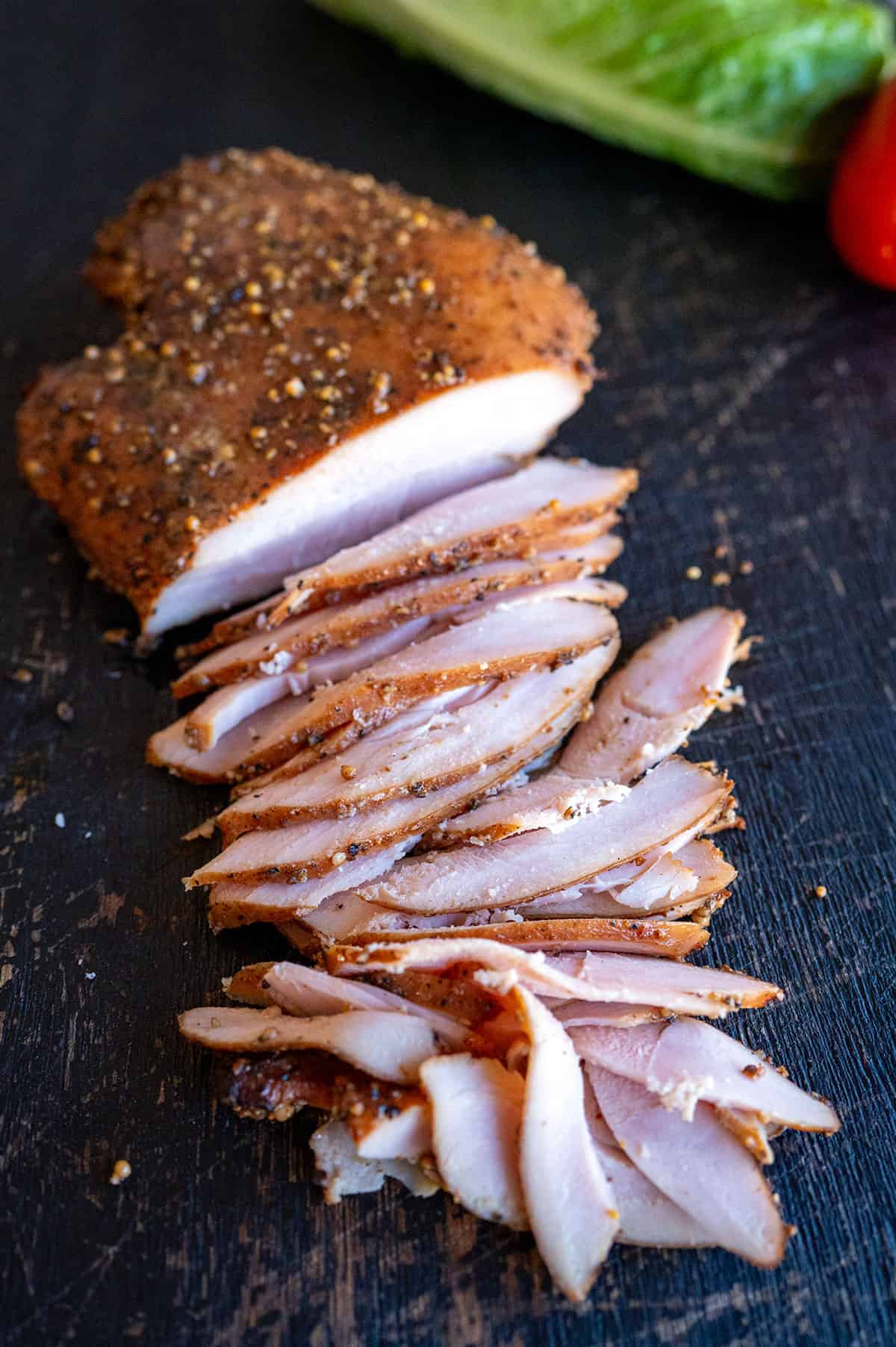
The foundation of this delightful dish lies in a carefully executed three-day brining process for the turkey breast. This crucial step ensures the meat remains moist and tender throughout the smoking and cooking stages. Following the brine, the turkey is generously coated in a flavorful pastrami rub, designed to impart a complex blend of spices. The final stage involves smoking the turkey until it achieves a perfect balance of succulence and a deep, smoky aroma, making it a standout addition to any meal.
For those new to the art of pastrami making, a comprehensive one-page "Pastrami Game Plan" is available, outlining the essential steps: brining, seasoning, and smoking. This guide serves as a quick reference, ideal for keeping handy in the kitchen. Further in-depth insights and techniques can be found in the "Ultimate Pastrami Guide," offering a deeper dive into the nuances of crafting this cured and smoked delicacy.
While beef pastrami has long held the title of the most recognized variety, the culinary world has increasingly embraced poultry as a viable and delicious alternative. Chicken and turkey, in particular, readily absorb the characteristic flavors of pastrami, transforming into remarkably palatable dishes. The method remains consistent: a multi-day brine followed by a flavorful rub and a smoking process. The resulting product is a versatile ingredient that shines in sandwiches and offers a unique twist on familiar dishes.
The creation of this turkey pastrami is a multi-day endeavor, typically spanning approximately four days from start to finish. The initial three days are dedicated to the brining process, a critical phase for ensuring moisture and flavor penetration. This is followed by a one-day curing period, which further develops the meat’s texture and flavor before it undergoes the smoking transformation.
The Smoking Process: A Step-by-Step Guide
The journey to creating exceptional smoked turkey pastrami involves several key stages, each contributing to the final delectable outcome.
Step 1: The Brine
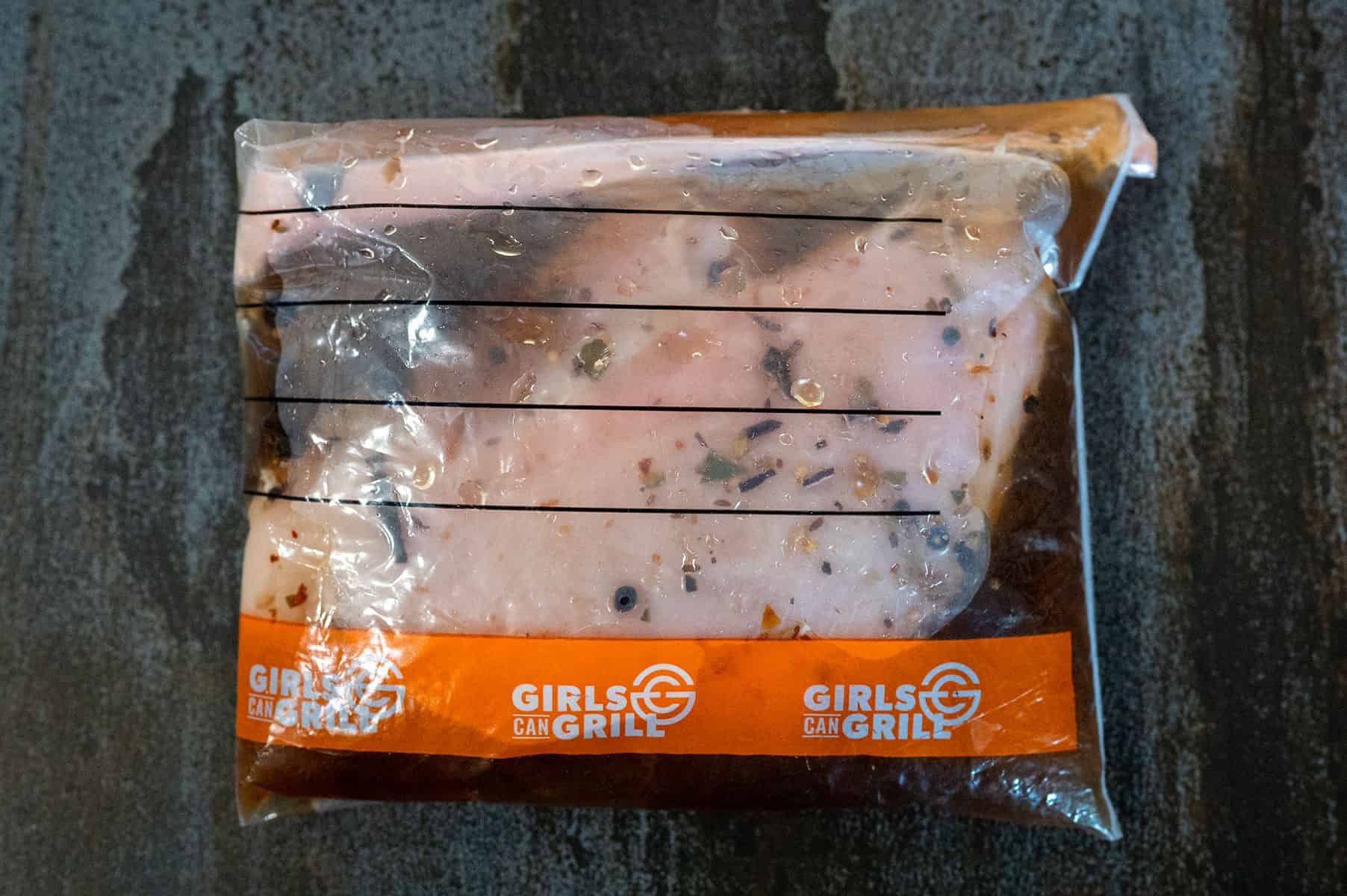
The initial and perhaps most critical step is the brining of the turkey breast. This process begins by preparing the pastrami brine, a carefully balanced mixture that typically includes kosher salt, brown sugar, a blend of pickling spices, and a small amount of pink curing salt. The brine is mixed with water and then thoroughly cooled. A high-quality meat preparation bag is recommended for this stage. The turkey breast is placed inside the bag, and the prepared brine is poured over it, ensuring the meat is fully submerged. After carefully removing any excess air from the bag, it is sealed securely. The brined turkey is then refrigerated for a duration of three days. This extended brining period allows the salt and spices to penetrate the meat, tenderizing it and laying the groundwork for the characteristic pastrami flavor.
Pro Tip: It is strongly advised to avoid using frozen turkey breast roasts for this recipe. Many commercially frozen turkey products are pre-brined and may contain solutions that can interfere with the desired outcome of this specific recipe, potentially leading to an overly salty or improperly textured final product.
Step 2: Seasoning the Turkey
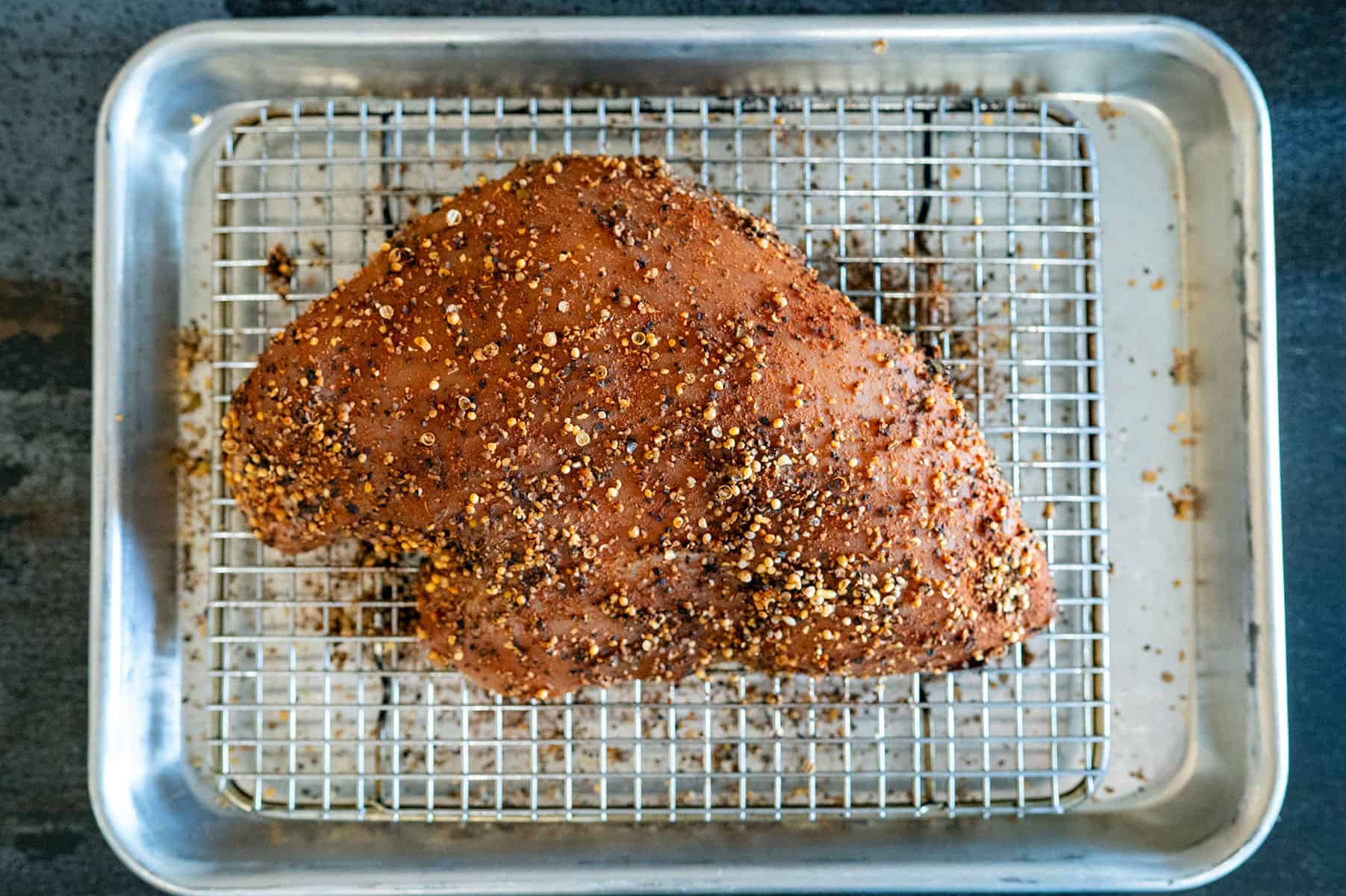
Upon completion of the three-day brining period, the turkey breast is removed from the brine. It is essential to rinse the meat thoroughly under cold water to remove any excess surface salt. Following the rinse, the turkey breast is patted completely dry with paper towels. This drying step is crucial for allowing the rub to adhere properly. The turkey is then generously seasoned on all sides with the designated pastrami rub. The rub, often a salt-free blend featuring ingredients like cracked black peppercorns, coriander seeds, mustard seeds, sugar, paprika, and garlic powder, imparts a complex and aromatic layer of flavor. After seasoning, the turkey is returned to the refrigerator, uncovered, for several hours or even overnight. This uncovered resting period allows the rub to adhere more firmly and can also contribute to a slightly drier surface, which can aid in smoke adhesion during the next stage.
Step 3: The Smoking Phase
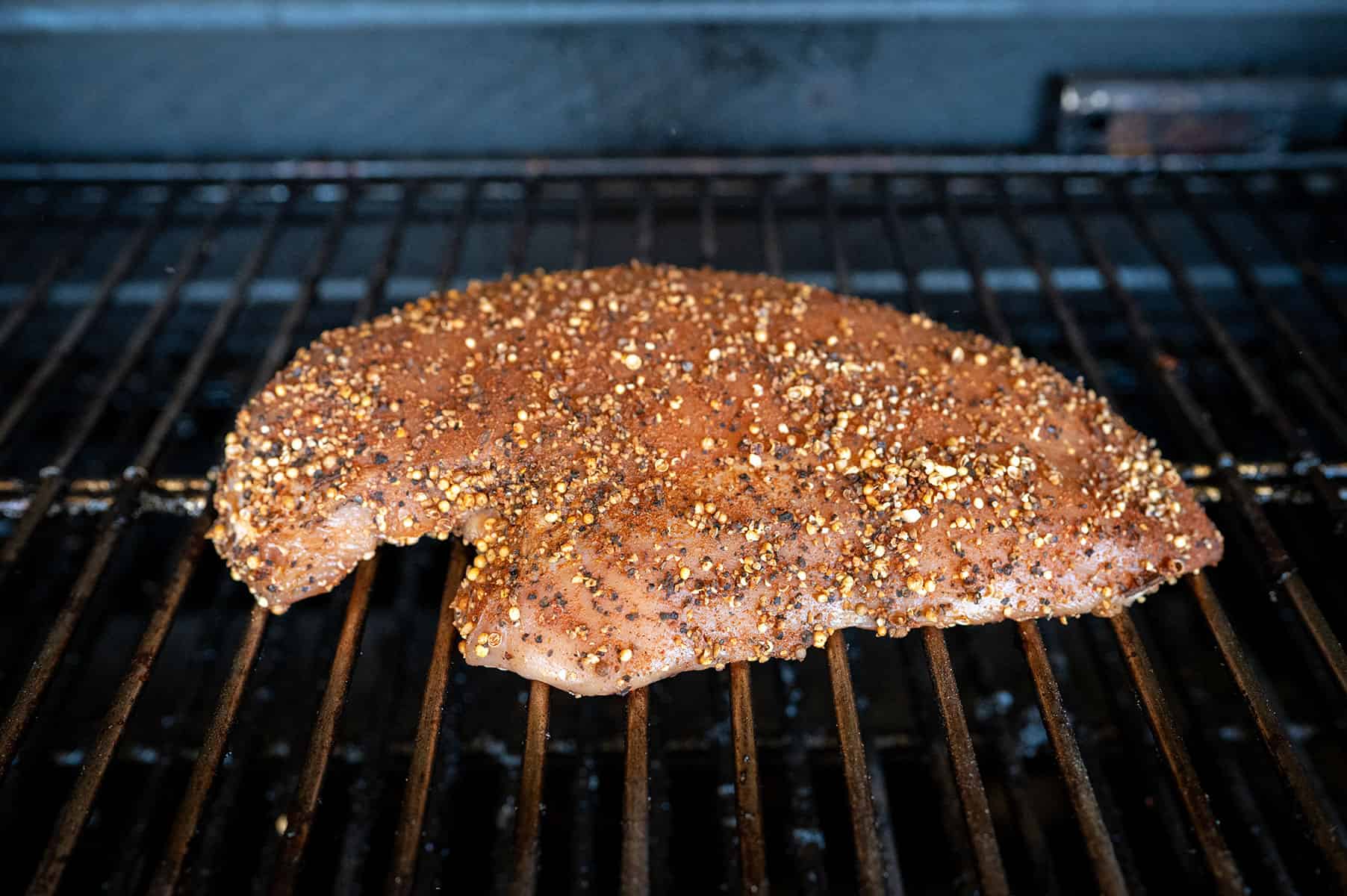
With the turkey breast prepped and seasoned, the next step is to introduce it to the smoker. The smoker should be preheated to a consistent temperature of 275°F (135°C). The turkey breast is placed directly on the smoker grates, preferably breast-side up, positioned over indirect heat to ensure even cooking. The smoking process is carefully monitored, and the internal temperature of the turkey breast is checked periodically. The goal is to reach an internal temperature of 140-145°F (60-63°C). This initial smoking phase typically takes around one hour, depending on the size and thickness of the turkey breast and the efficiency of the smoker.
Step 4: Wrapping for Enhanced Tenderness
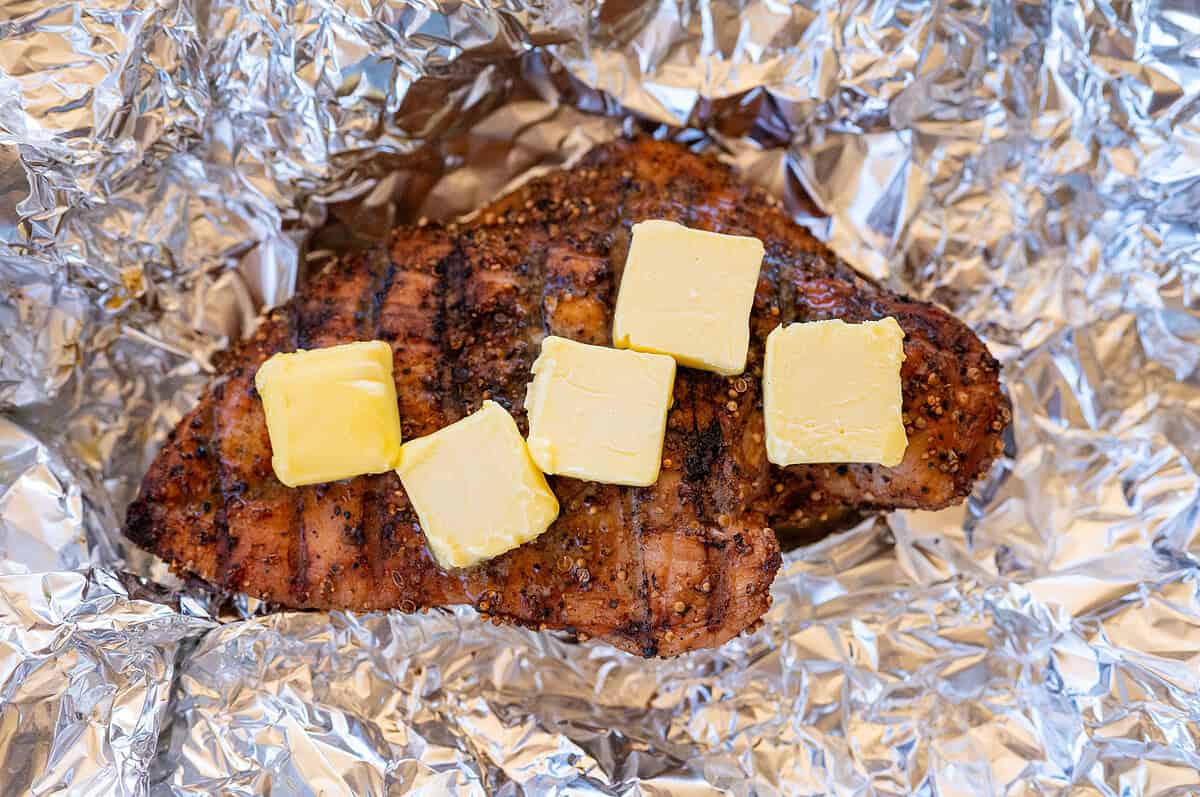
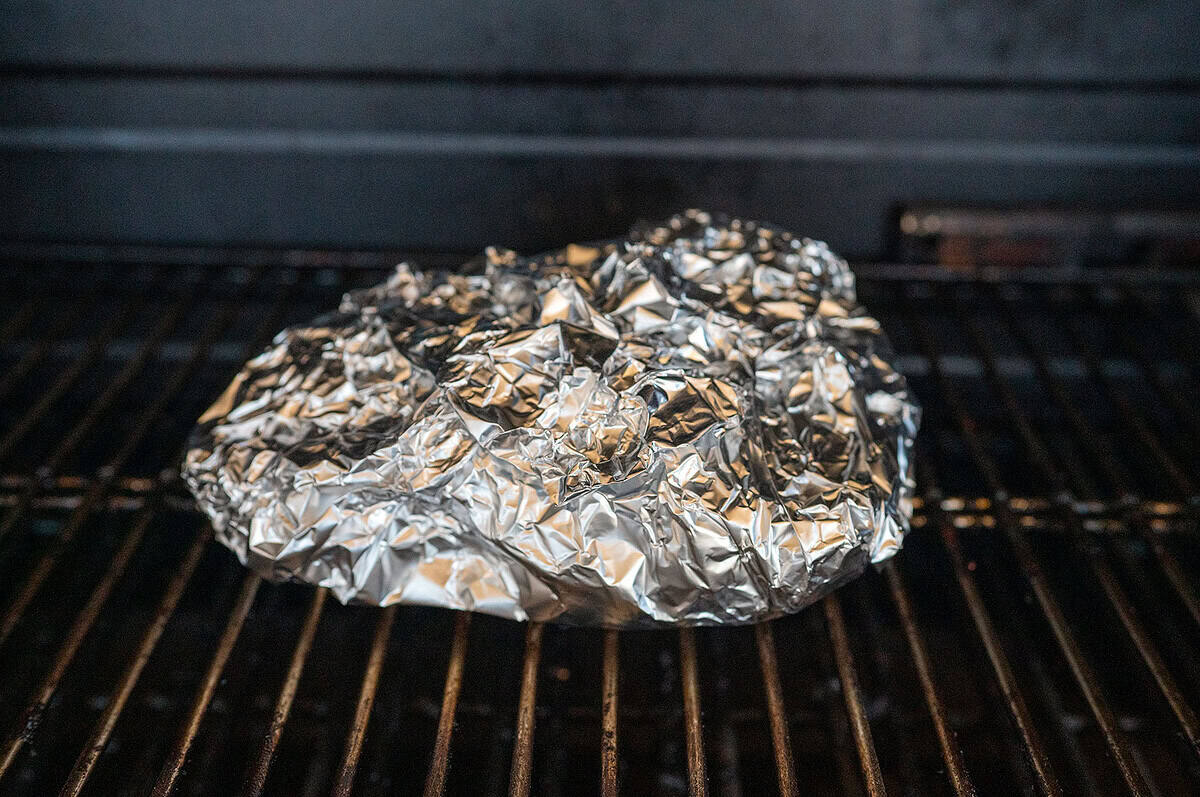
Once the turkey breast has reached the initial target temperature, it is removed from the smoker to undergo a wrapping process. A sheet of heavy-duty aluminum foil is prepared. Half of the butter cubes are placed onto the center of the foil. The partially smoked turkey breast is then carefully placed on top of the butter, typically breast-side down. The remaining butter cubes are added on top of the turkey. The foil is then wrapped tightly around the turkey breast, creating a sealed packet. This wrapping technique, often referred to as the "Texas Crutch" in barbecue circles, helps to retain moisture and steam, further tenderizing the meat and preventing it from drying out during the final cooking stage. The wrapped turkey breast is then returned to the smoker. The cooking continues until the internal temperature reaches a final target of 155-160°F (68-71°C). This second phase of smoking typically takes an additional 30 to 45 minutes.
Step 5: Resting and Slicing for Perfect Texture
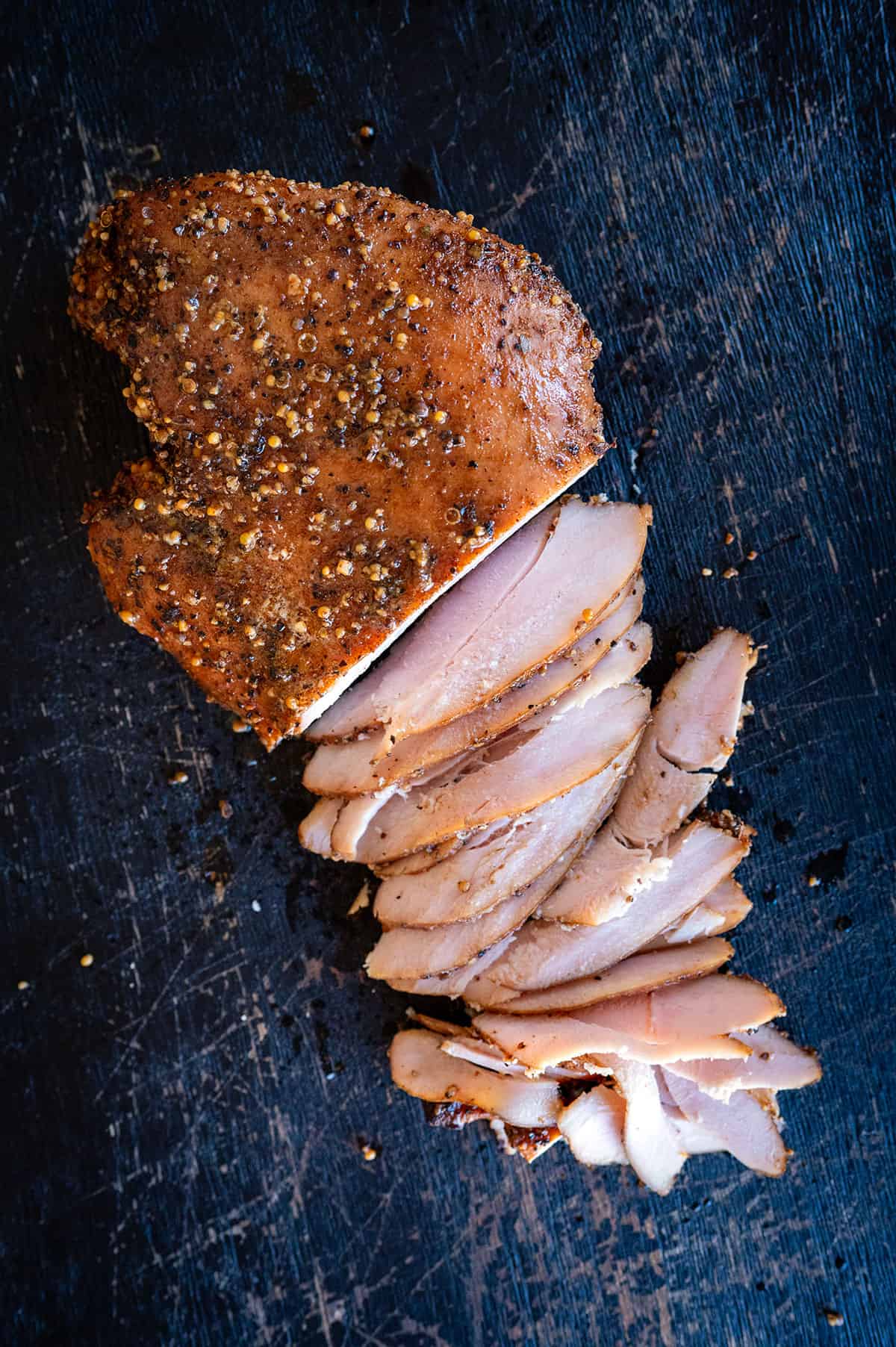
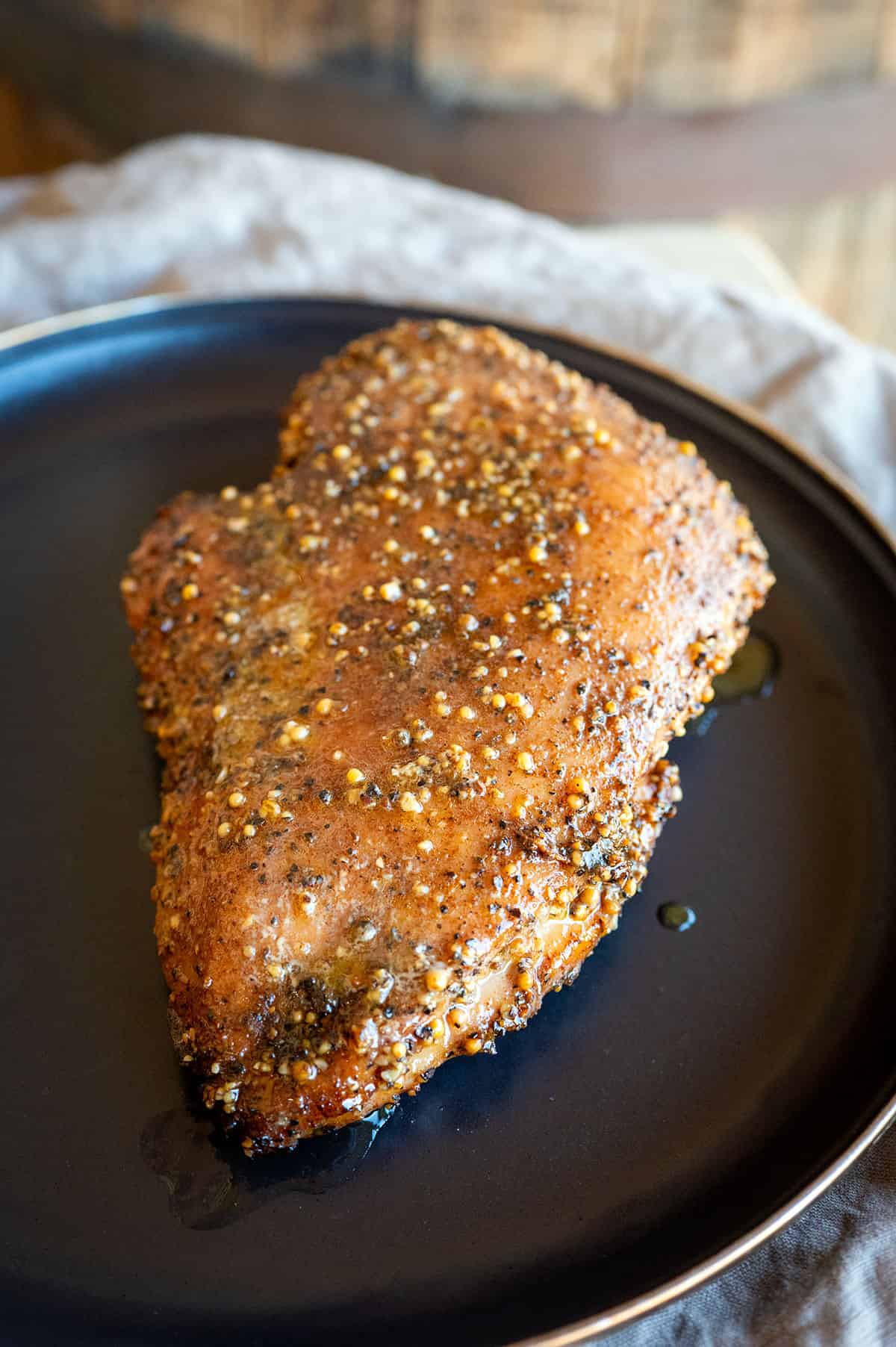
After the turkey pastrami has reached its final internal temperature, it is removed from the smoker. It is crucial to allow the meat to rest for at least 30 minutes. This resting period is vital for allowing the juices within the meat to redistribute, ensuring a moist and tender final product. Skipping this step can result in juices running out when the meat is sliced, leading to a drier texture. Once rested, the turkey pastrami can be sliced. For immediate serving, it can be sliced to desired thickness. However, for achieving the classic deli-thin slices, it is recommended to refrigerate the turkey pastrami for a few hours or even overnight. Chilling the meat firms it up, making it much easier to slice thinly and uniformly, especially when using a meat slicer.
Serving Suggestions and Culinary Versatility
Smoked turkey pastrami is a remarkably versatile ingredient that can be enjoyed in numerous ways. Served warm, it makes an excellent entrée, pairing beautifully with classic side dishes such as potato salad, macaroni salad, or a crisp green salad. Its robust flavor profile also makes it an ideal component for more substantial meals.
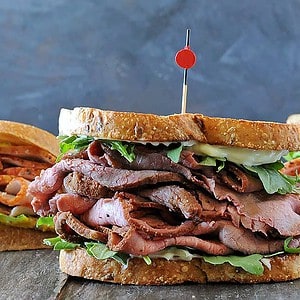
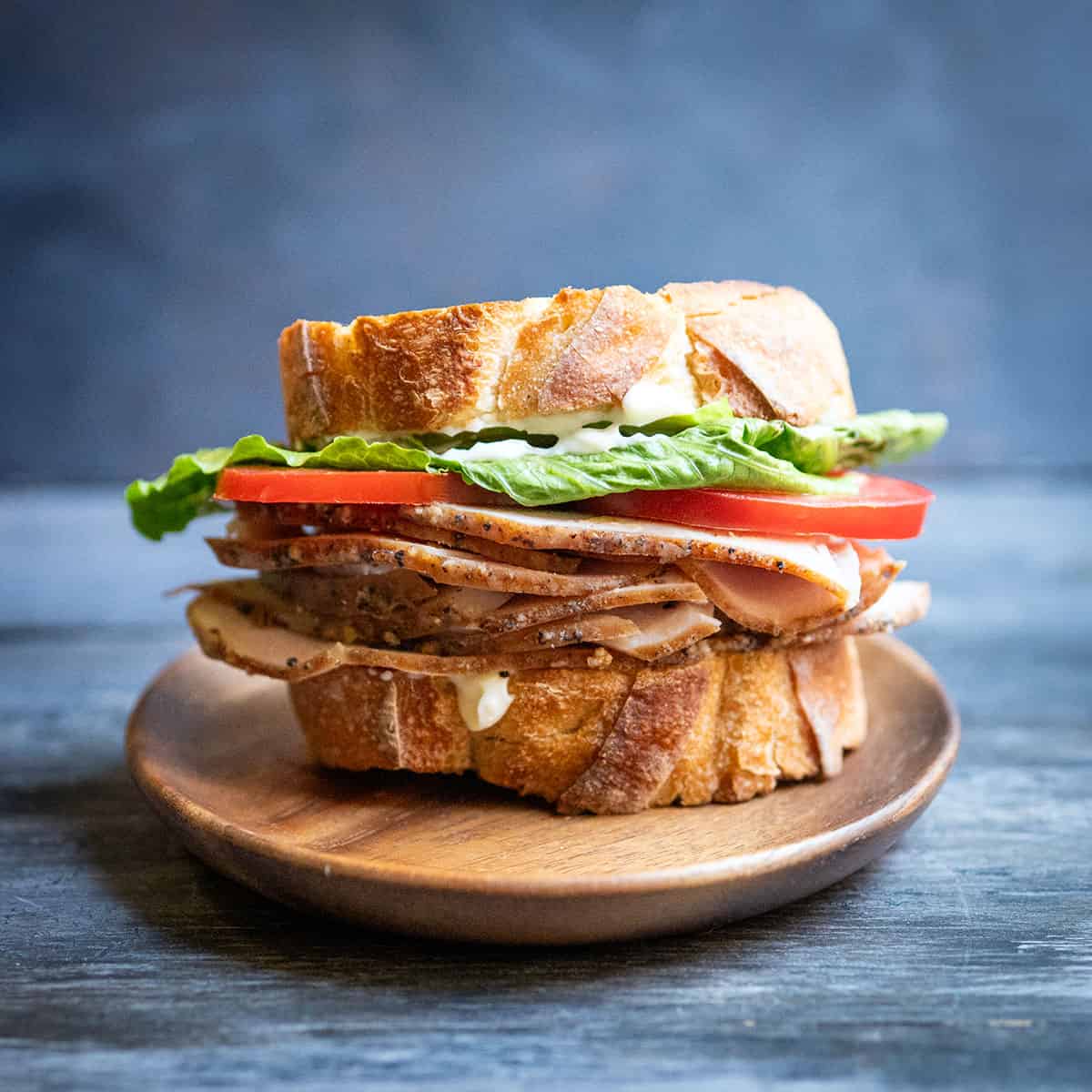
For sandwich enthusiasts, the possibilities are endless. Thinly sliced turkey pastrami can be layered onto toasted bread with fresh lettuce, ripe tomatoes, and a creamy mayonnaise to create a gourmet deli-style sandwich. The slightly smoky and peppery notes of the pastrami provide a sophisticated flavor that elevates even the simplest sandwich. For those seeking the ultimate deli experience, investing in a good meat slicer and ensuring the turkey pastrami is well-chilled before slicing will yield professional-quality results.
Storage and Preservation
Leftover smoked turkey pastrami can be stored in an airtight container in the refrigerator for approximately 4 to 5 days. For longer-term storage, it can be frozen for several months, maintaining its quality and flavor. Proper storage ensures that this delicious delicacy can be enjoyed over an extended period.
Nutritional Considerations
The nutritional profile of smoked turkey pastrami, like any cured and smoked meat, should be considered in the context of a balanced diet. A typical serving of approximately 4 ounces (113 grams) provides around 293 calories. This includes about 1 gram of carbohydrates, a substantial 33 grams of protein, and 18 grams of fat. Of the total fat content, approximately 10 grams are saturated fat. The sodium content can be notable due to the brining and curing process, often exceeding 1000 mg per serving, so individuals monitoring their sodium intake should consume it in moderation. The meat also offers a good source of potassium and is a source of Vitamin A.
Frequently Asked Questions
What constitutes pastrami brine?
Pastrami brine is a specialized mixture that typically comprises kosher salt, brown sugar, a blend of pickling spices, and pink curing salt. This combination is essential for both preserving the meat and developing its characteristic flavor and texture.
What is pastrami rub?
The pastrami rub used in this recipe is a salt-free blend formulated with aromatic spices such as black peppercorns, coriander seeds, mustard seeds, sugar, paprika, and garlic. It is designed to complement the brining process and impart a deep, savory flavor profile without adding excessive salt.
What is the recommended brining time for turkey pastrami?
For a turkey breast, a brining period of three days is generally sufficient to achieve optimal results. For larger cuts, such as a whole turkey, a longer brining time of 5 to 7 days may be necessary.
Why might turkey pastrami not appear pink?
The pink hue often associated with cured meats, particularly beef pastrami, is primarily due to the presence of nitrites in the curing salt, which react with myoglobin in the meat. While poultry and pork will develop a lighter pink color when cured, they will not typically achieve the vibrant pink saturation seen in beef pastrami. This difference is attributed to the varying myoglobin content and types within different animal proteins.
A Note on Sourcing Ingredients
When embarking on this culinary adventure, the quality of ingredients plays a significant role. For the pastrami rub and brine, specialized kits are often available from reputable producers, offering a convenient way to acquire the precise blend of spices needed. These kits can simplify the process and ensure authentic flavor profiles.
The journey of creating homemade turkey pastrami is a rewarding one, offering a delicious and healthier alternative to traditional deli meats. By following these detailed steps, home cooks can produce a flavorful, tender, and satisfying product that is sure to impress.


