
The rising cost of premium pet products and a growing awareness of canine nutrition have catalyzed a significant shift in how owners approach pet care, specifically regarding the production of high-value training treats. As commercial pet food prices continue to fluctuate due to supply chain complexities and inflation, a burgeoning movement of "purposeful" food preservation is taking hold in domestic kitchens. Central to this movement is the production of DIY dehydrated chicken liver treats, a high-protein, nutrient-dense alternative to store-bought options that often contain preservatives, fillers, and artificial flavorings. By utilizing home dehydration methods, pet owners are finding they can provide superior nutrition while reducing household expenditures by a significant margin.
The Economic and Nutritional Landscape of Pet Treats
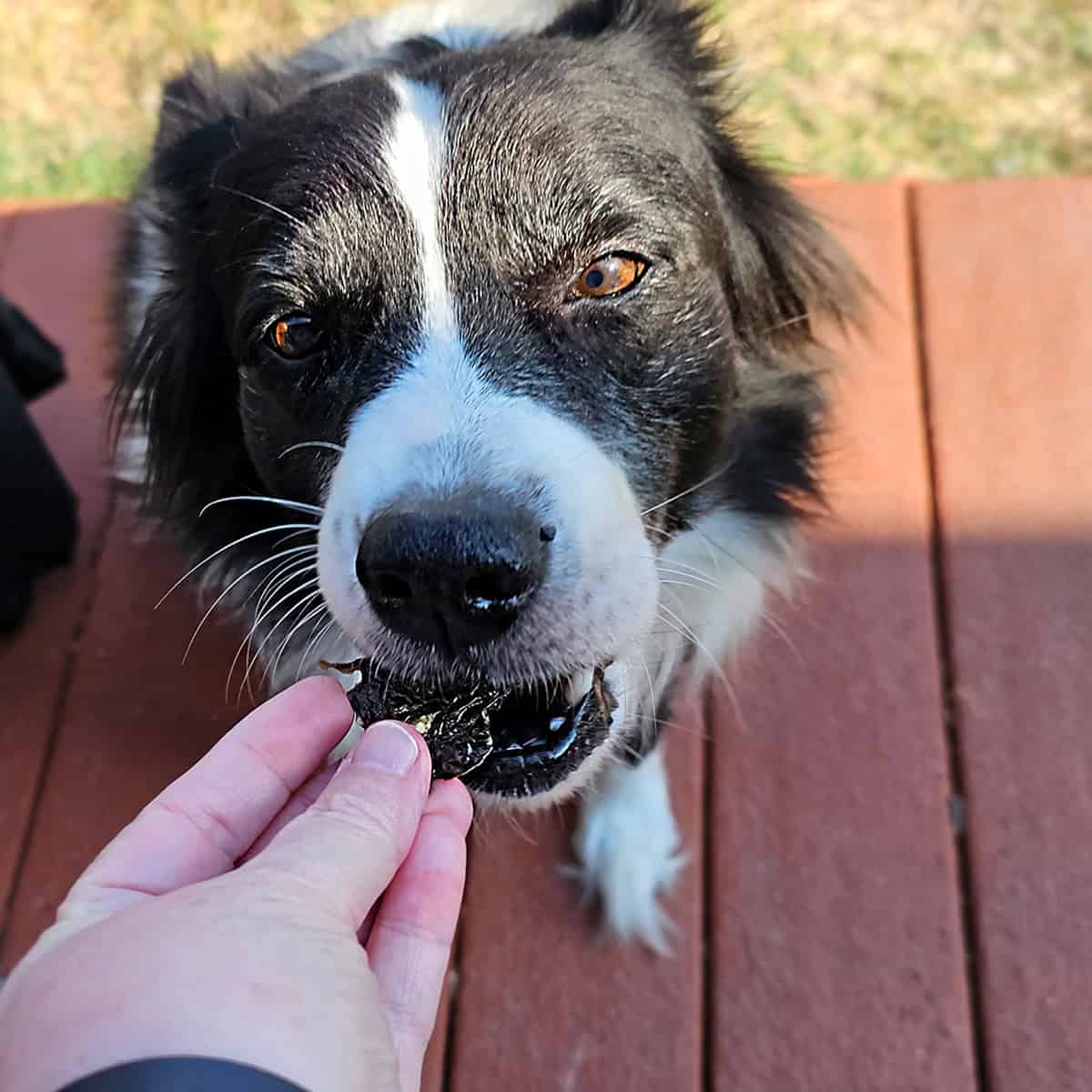
The global pet treat market has seen exponential growth over the last decade, with the industry valued at billions of dollars. However, this growth has been accompanied by a rise in consumer skepticism regarding the quality of ingredients sourced for mass-produced jerky and organ-based snacks. Dehydrated chicken liver has emerged as a gold-standard treat due to its high palatability—often referred to by trainers as a "high-value" reward—and its dense nutritional profile.
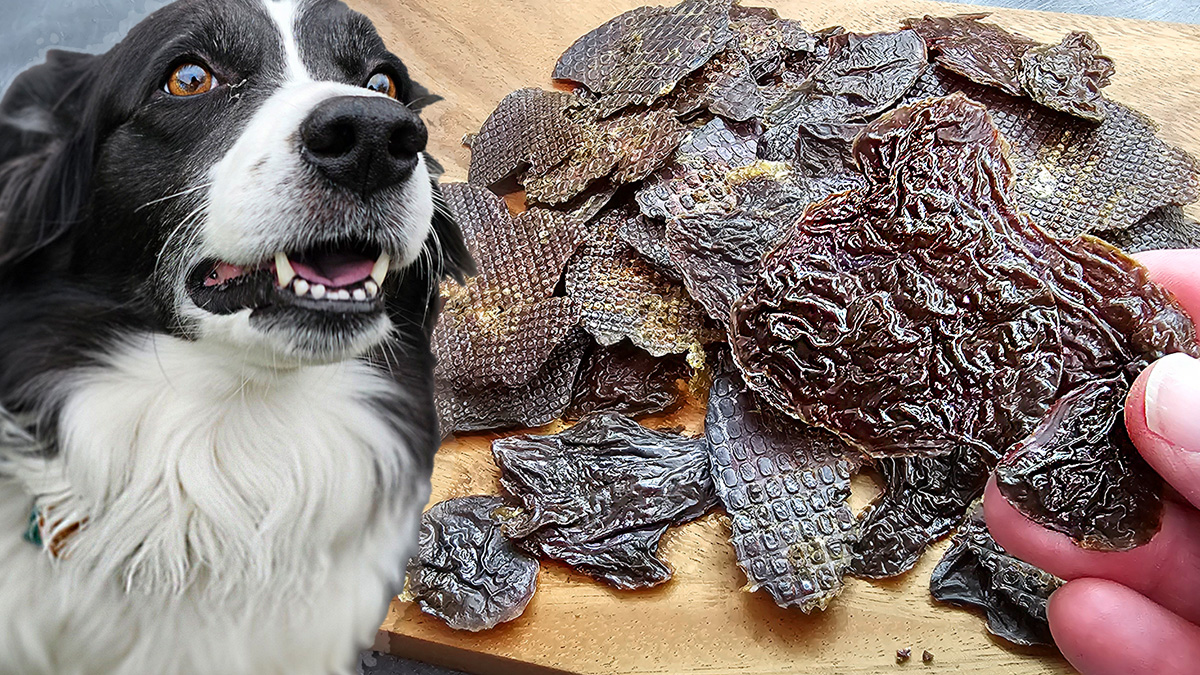
From a nutritional standpoint, chicken liver is an exceptional source of essential vitamins and minerals. It is particularly rich in Vitamin A, which supports vision and skin health; B vitamins, including B12 and folate, which are vital for energy metabolism and nervous system function; and minerals such as iron, copper, and phosphorus. According to nutritional data, a serving of these treats provides approximately 15 grams of protein with minimal carbohydrate interference, making it an ideal supplement for active or working dogs. However, experts note that because of its high Vitamin A content, liver should be fed in moderation, typically comprising no more than 5% to 10% of a dog’s total caloric intake to prevent hypervitaminosis A.
Chronology of the Dehydration Process
The transition from raw offal to a shelf-stable canine snack involves a precise chronological workflow designed to ensure both safety and longevity. The process begins with the sourcing of the raw material. While standard grocery store chicken livers are the most common starting point due to their availability and low cost—often priced significantly lower than muscle meats—some owners opt for organic or pasture-raised livers to avoid potential antibiotic residues.
Once the raw livers are obtained, the preparation phase involves rinsing and trimming. Because liver is a vascular organ, it often contains connective tissue or small amounts of fat that do not dehydrate well. Trimming these elements is crucial for extending the shelf life of the final product, as residual fats can go rancid even in a dried state.
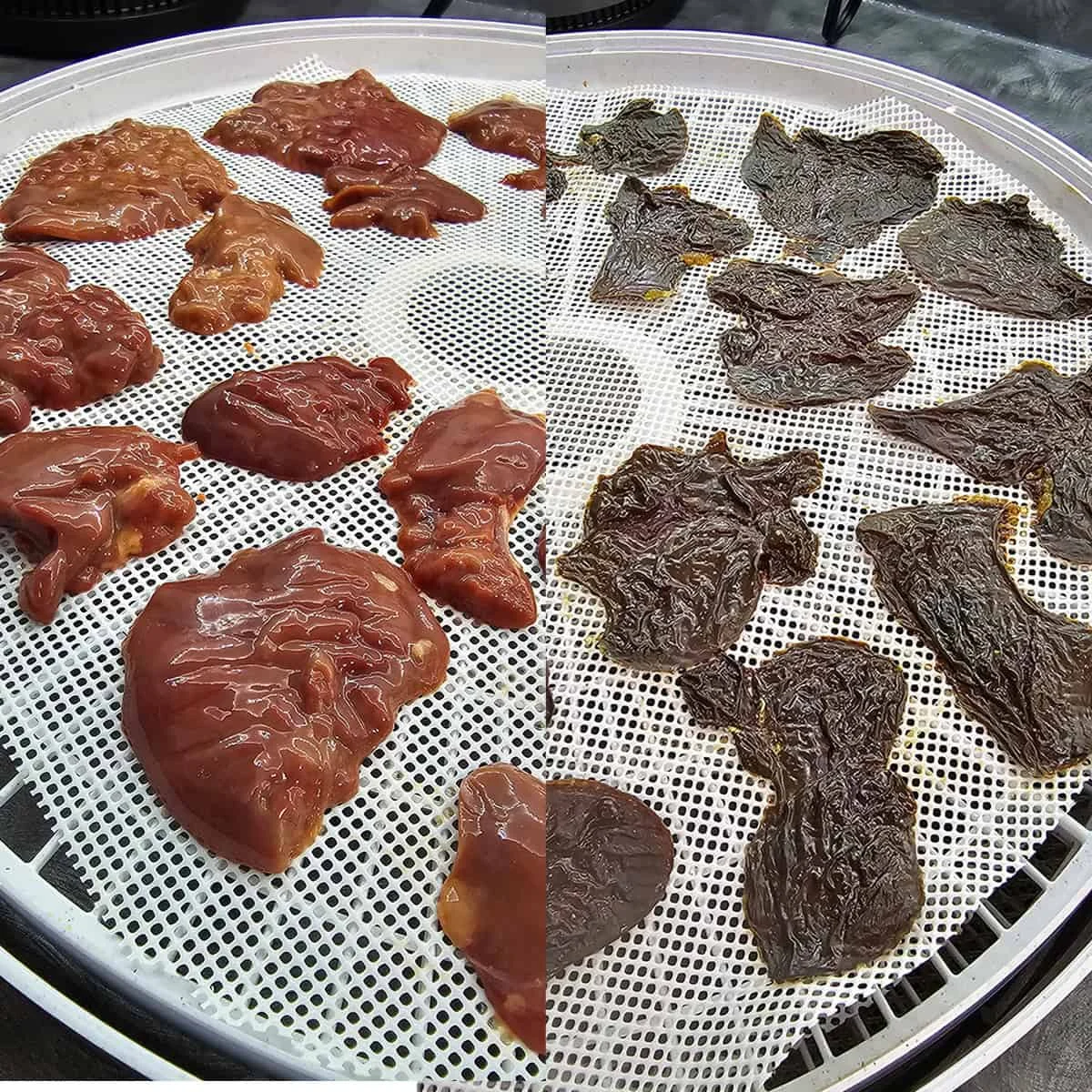
The dehydration phase itself is the most time-intensive portion of the process. For those utilizing a dedicated food dehydrator, the temperature is typically set to 160°F (71°C). This temperature is critical; it is the threshold recommended by food safety authorities, including the USDA, for killing pathogens such as Salmonella and E. coli, which are common risks in raw poultry products. The livers are laid out in a single layer to ensure maximum airflow. Depending on the thickness of the slices and the humidity of the environment, the process takes between 10 and 14 hours.
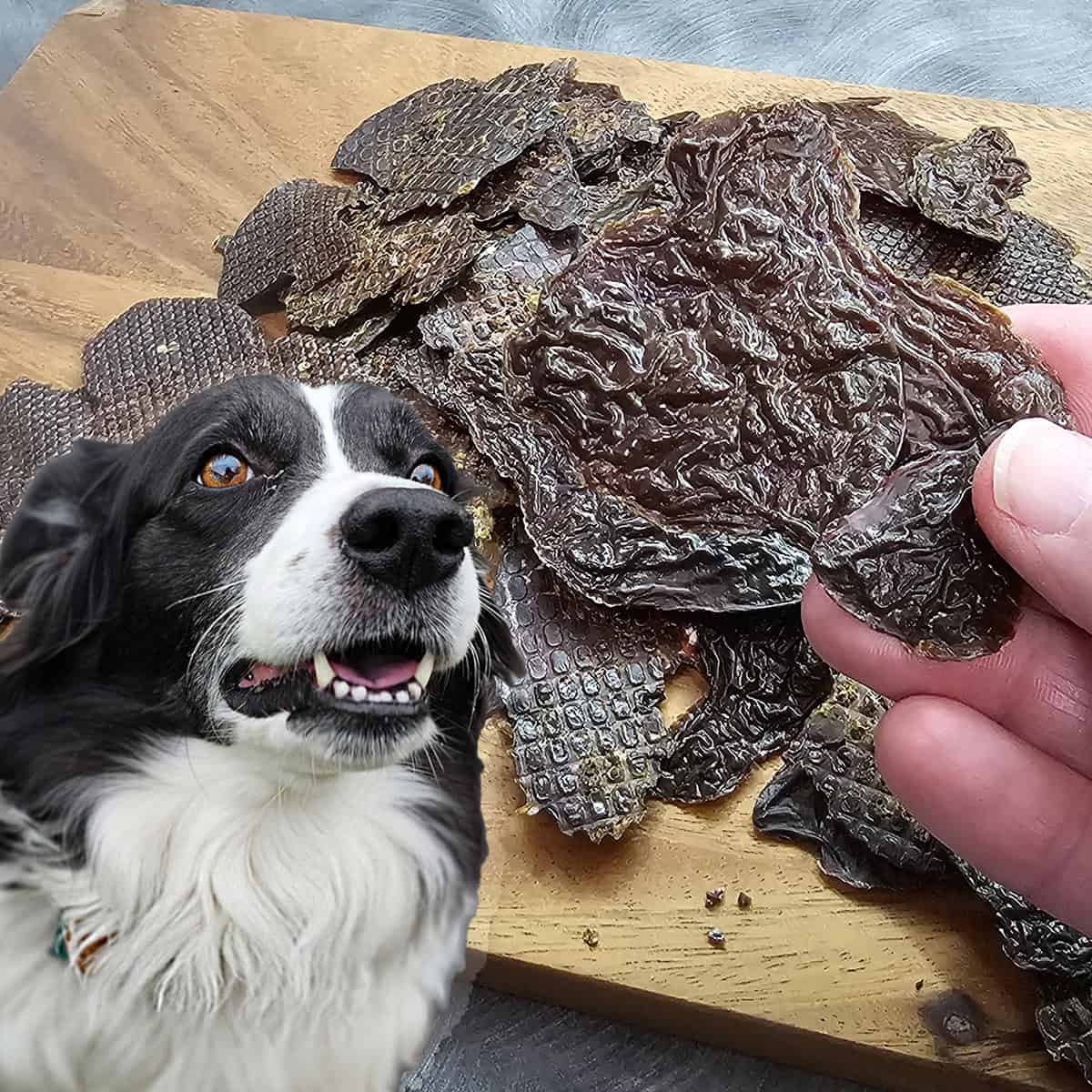
For pet owners without specialized equipment, the conventional oven serves as a viable alternative. The oven is set to its lowest possible temperature—usually between 170°F and 200°F—and the livers are placed on parchment-lined baking sheets. This method requires closer monitoring to prevent scorching, as ovens often have "hot spots" and less efficient airflow than dehydrators. The result, regardless of the heat source, is a dark, brittle jerky that can be easily broken into smaller pieces for training purposes.
Technical Specifications and Safety Standards
To achieve a shelf-stable product, the moisture content of the liver must be reduced significantly. In the field of food science, this is measured by water activity (aw). A water activity level below 0.85 is generally required to prevent the growth of most bacteria, while levels below 0.60 prevent the growth of molds and yeasts. Home dehydrators achieve this by circulating warm air over the surface of the food, drawing out moisture and exhausting it from the unit.
The final product’s physical characteristics are the primary indicators of successful dehydration. The liver should be "snappy"—it should break cleanly when bent rather than stretching or feeling leathery. If any moisture remains in the center of the pieces, the risk of mold during storage increases exponentially.
Safety protocols extend beyond the cooking process to the handling of the raw material. Journalistic observation of the DIY movement emphasizes "clean-room" conditions in the kitchen: sanitizing all surfaces, knives, and cutting boards that come into contact with raw liver. This prevents cross-contamination with human food preparation areas, a vital consideration in households with children or immunocompromised individuals.
Comparative Cost Analysis
One of the primary drivers for the adoption of DIY dehydration is the stark contrast in price between raw ingredients and processed retail goods. A standard tub of chicken liver at a regional grocery store may cost between $1.50 and $3.00 per pound. In contrast, high-quality, single-ingredient dehydrated liver treats at boutique pet stores or major retailers can cost upwards of $25.00 to $40.00 per pound when calculated by weight.
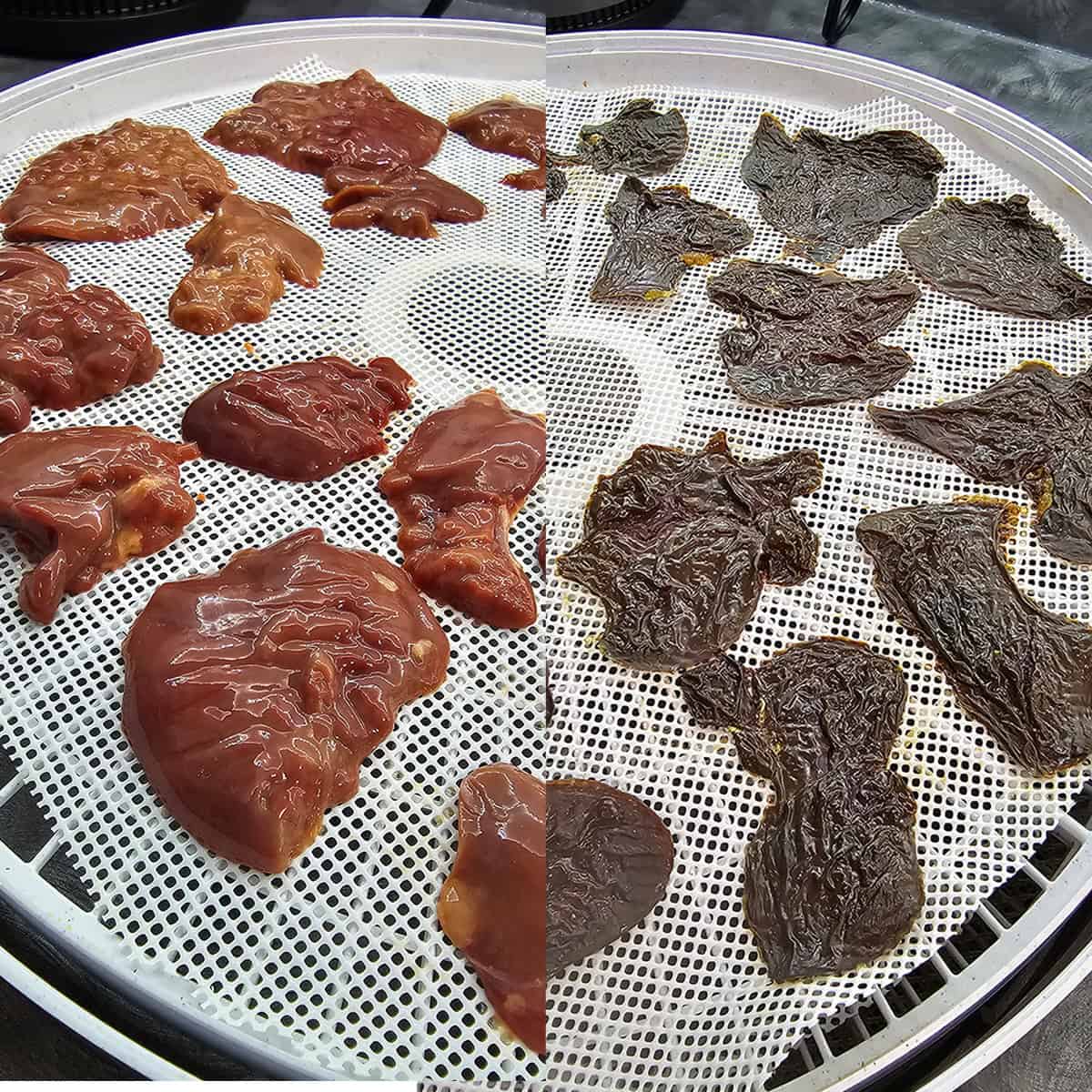
Even when accounting for the cost of electricity to run a dehydrator for 12 hours (estimated at less than $0.50 in most regions) and the weight loss associated with moisture removal (liver loses approximately 70-75% of its weight during drying), the cost-to-benefit ratio remains heavily in favor of the home producer. For a multi-dog household or a professional trainer, the annual savings can reach hundreds of dollars.
Storage and Longevity Implications
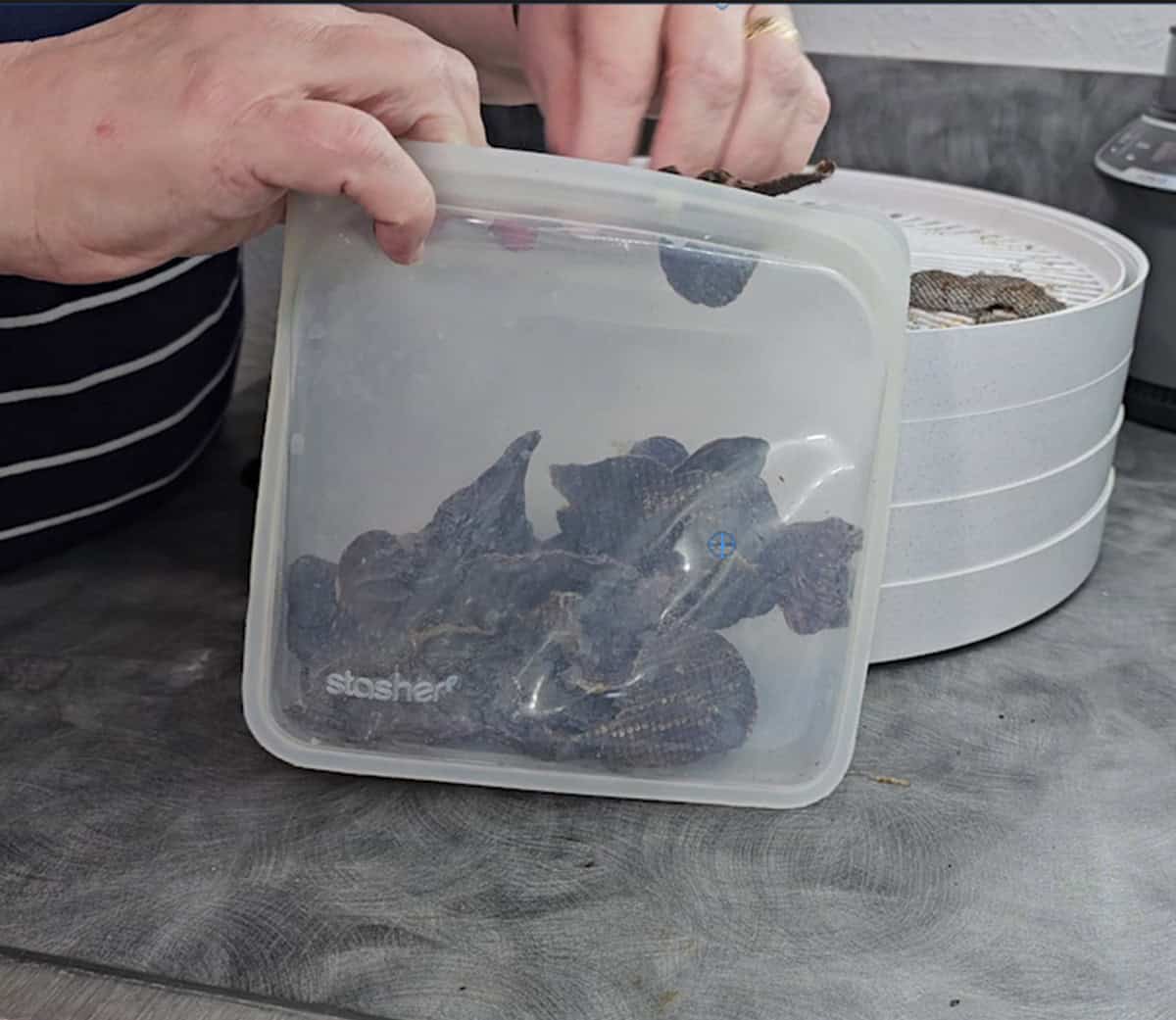
The longevity of DIY treats is a frequent point of discussion among food preservation enthusiasts. Because home-dried treats lack the chemical mold inhibitors (such as potassium sorbate) found in commercial products, storage methods are paramount.
- Short-term storage: Treats kept in an airtight container at room temperature are generally safe for one to two weeks, provided they were dehydrated to the point of brittleness.
- Medium-term storage: Refrigeration extends the life of the treats to approximately four weeks. This is the preferred method for many owners who live in high-humidity climates where moisture can re-enter the dried meat.
- Long-term storage: For bulk production, freezing is the most effective method. Dehydrated liver can be stored in the freezer for six months or longer without significant degradation of nutritional value or palatability.
The use of oxygen absorbers or vacuum sealing is a more advanced technique being adopted by the "Purposeful Pantry" community. By removing oxygen from the storage environment, the oxidation of any residual fats is slowed, and the growth of aerobic bacteria is inhibited.
Broader Impact on the Pet Care Industry
The trend toward homemade dehydrated treats is part of a larger "humanization" of pet food, where owners apply the same scrutiny to their pets’ diets as they do to their own. This shift has forced commercial manufacturers to reconsider their ingredient lists, leading to a rise in "limited ingredient" and "natural" product lines. However, the DIY movement offers a level of transparency that no commercial label can match: the owner has total control over the origin of the meat and the conditions under which it was processed.
Furthermore, the environmental impact of this shift is notable. By sourcing meat locally and reusing glass jars or silicone bags for storage, pet owners are significantly reducing the amount of single-use plastic packaging that typically accompanies commercial pet treats.
Conclusion
The production of DIY dehydrated chicken liver treats represents a convergence of economic necessity, nutritional advocacy, and the resurgence of traditional food preservation skills. By mastering the relatively simple mechanics of dehydration—whether through a dedicated appliance or a standard oven—consumers are reclaiming control over the health of their canine companions.
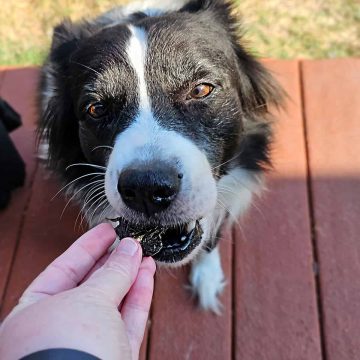
As data continues to support the benefits of high-protein, low-filler diets for dogs, the popularity of these "purposeful" kitchen projects is expected to grow. The result is a more informed pet-owning public, a more sustainable approach to pet care, and, most importantly, a healthier and more motivated population of dogs. The chicken liver jerky, once a niche product for hunters and specialized trainers, has now firmly established itself as a staple of the modern, health-conscious home pantry.


