The Shaggy Mane mushroom, scientifically classified as Coprinus comatus, represents one of the most distinctive and biologically fascinating species within the fungal kingdom. Commonly known as the shaggy ink cap or the lawyer’s wig, this member of the Agaricaceae family is widely recognized for its unique lifecycle, which culminates in a process known as deliquescence—the auto-digestion of its own gills into a thick, black, spore-bearing liquid. As autumn temperatures fluctuate across the Northern Hemisphere, these mushrooms have become a focal point for mycologists and foragers alike, offering both a choice edible experience and a lesson in rapid biological transformation.
Biological Profile and Taxonomic Context
Coprinus comatus is the type species for the genus Coprinus. While many other "ink caps" were historically grouped within this genus, DNA sequencing in the late 20th and early 21st centuries led to a taxonomic reorganization, moving many former relatives into the genera Coprinopsis, Coprinellus, and Parasola. The Shaggy Mane remains the primary representative of its lineage, distinguished by its large size and specific morphological traits.
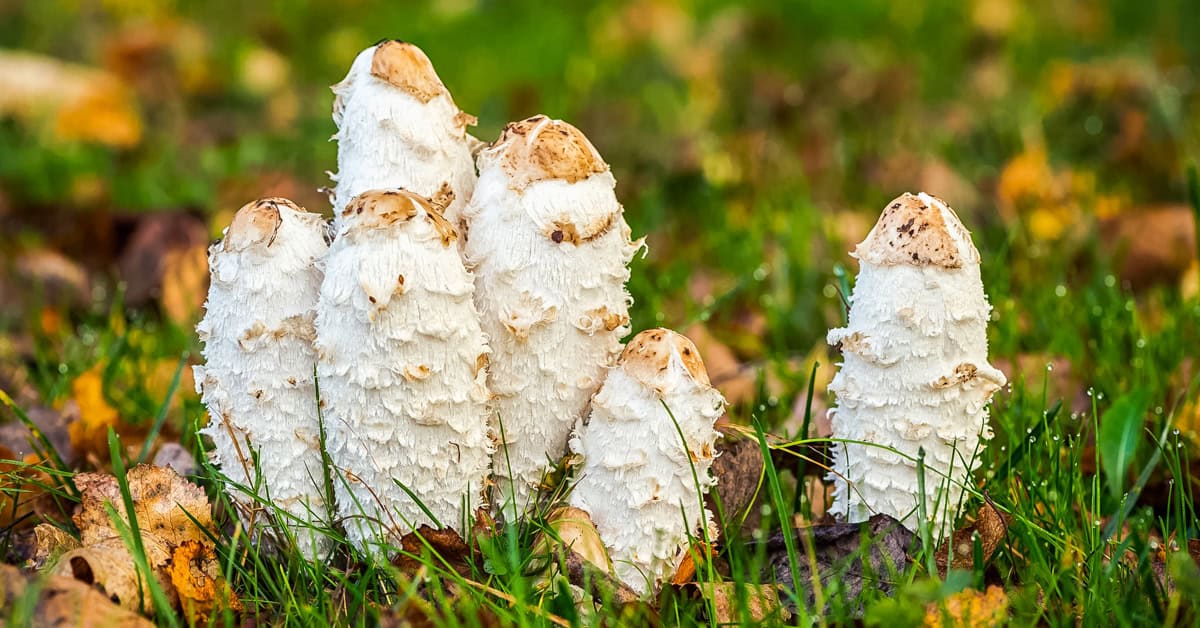
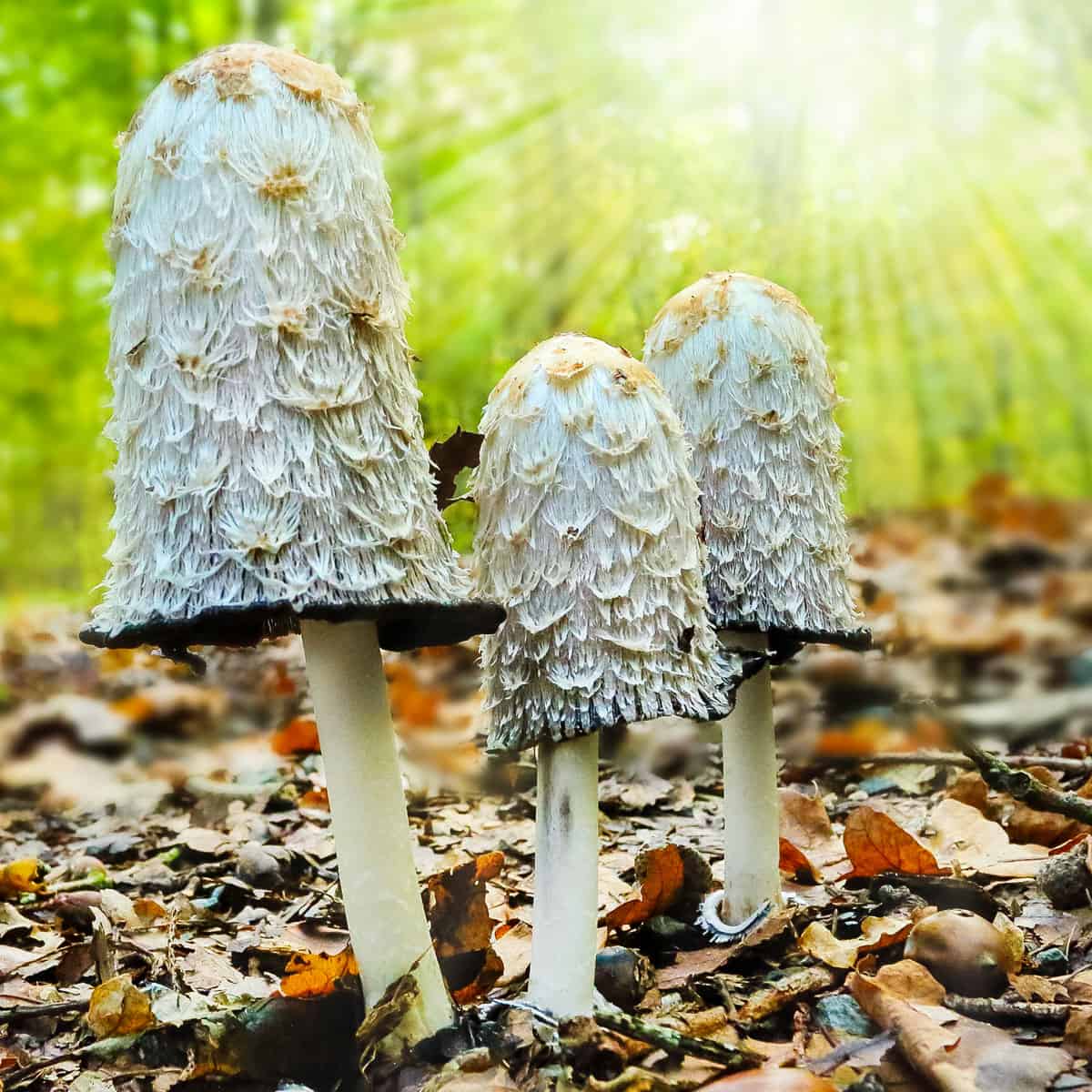
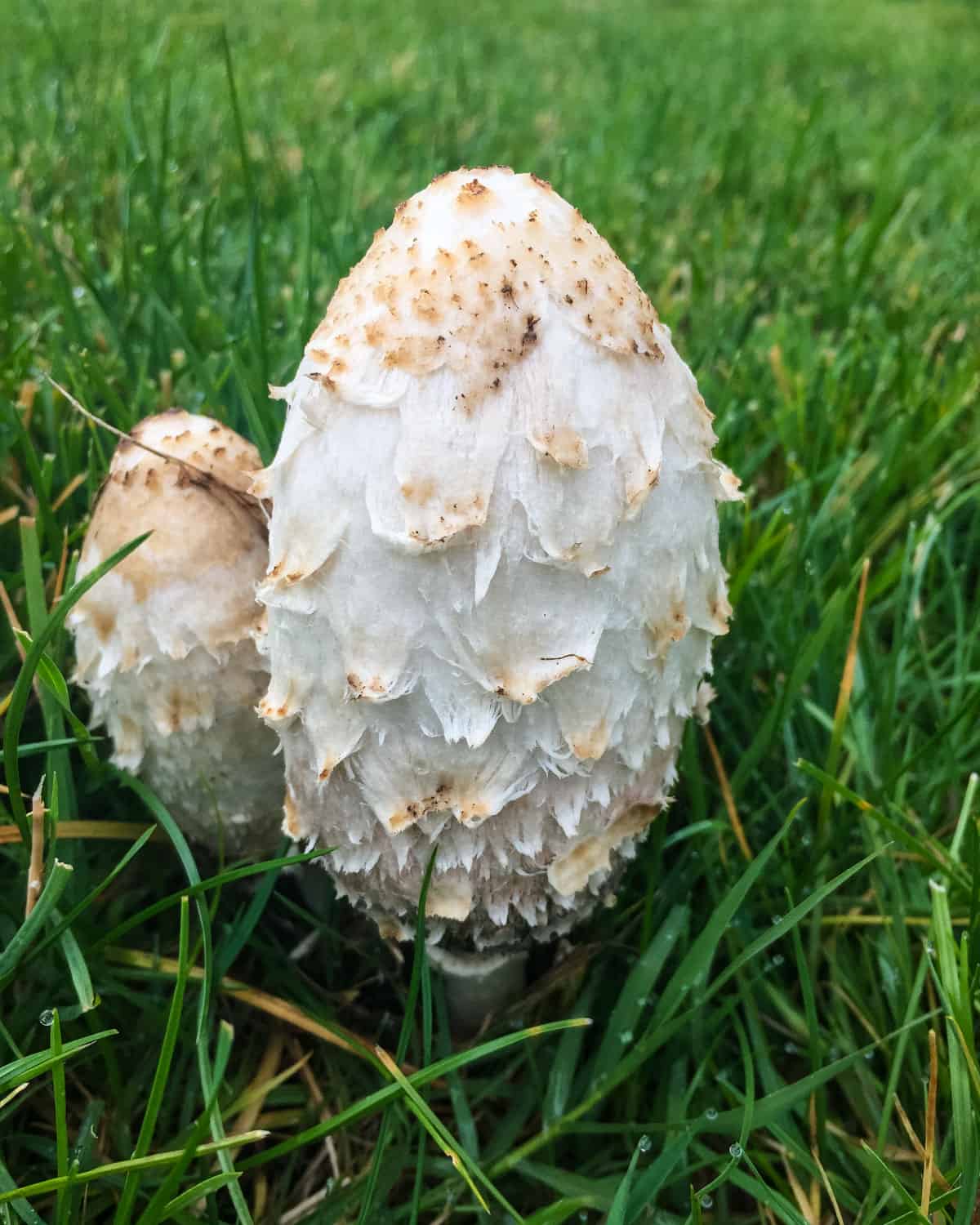
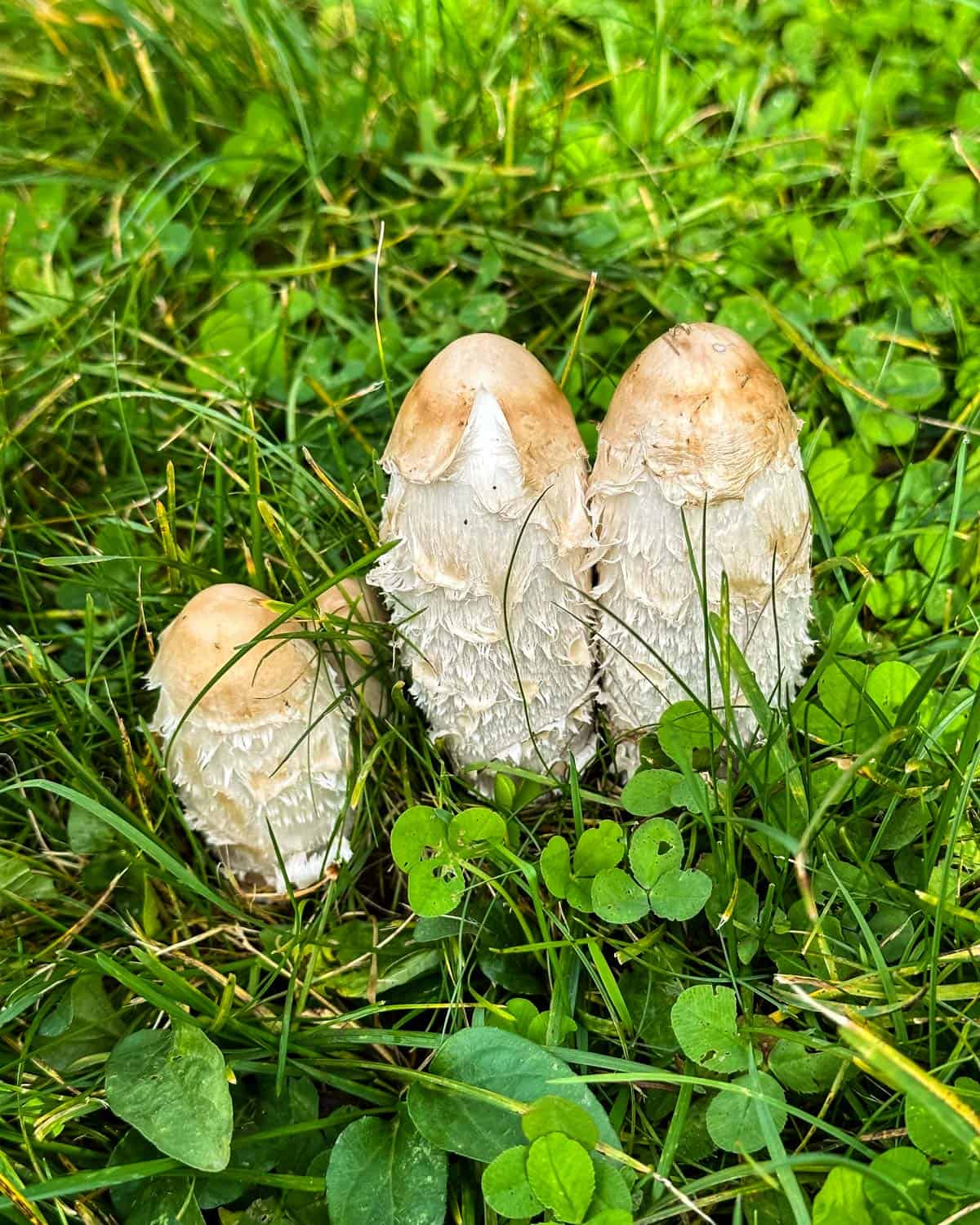
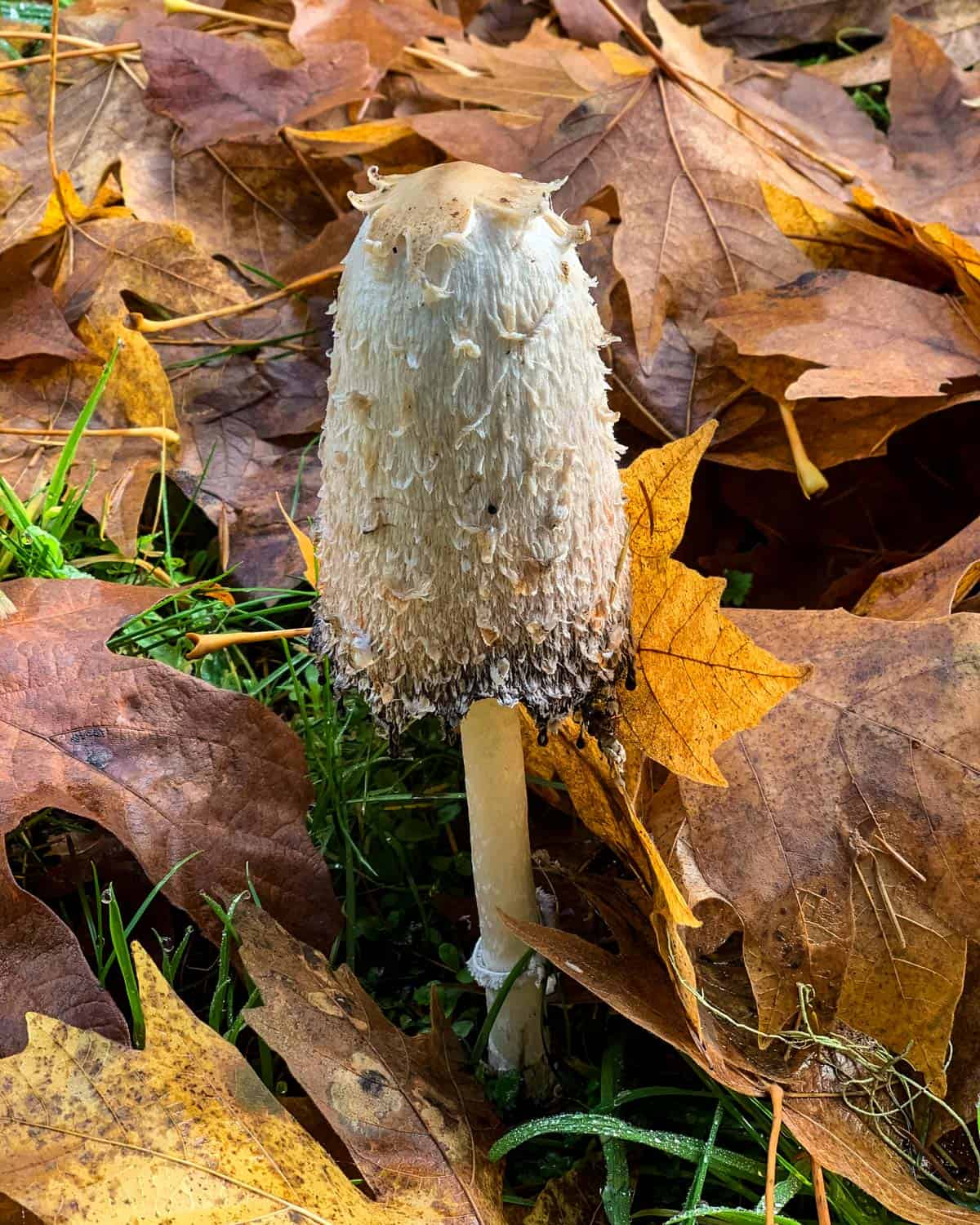
The mushroom is characterized by a cylindrical, white pileus (cap) covered in shaggy, upturned scales. These scales give the fungus its "shaggy" appearance, which serves as a primary identification marker. Underneath the cap, the lamellae (gills) are extremely crowded and undergo a color transition from white to pink, and finally to black as they dissolve. The stipe (stem) is hollow, bulbous at the base, and features a fragile, movable ring known as the annulus, which is a remnant of the partial veil.
The Chronology of Deliquescence: A Rapid Lifecycle
The lifecycle of the Shaggy Mane is notably brief compared to other agarics, often spanning only 24 to 72 hours from the emergence of the fruiting body to its complete dissolution. Understanding this timeline is critical for both scientific observation and safe foraging.
- The Pinning Stage: Triggered by significant rainfall and cooling temperatures, usually in late summer or autumn, the mycelium produces small, egg-shaped primordia just beneath the soil surface.
- The Maturation Phase (Hours 0–24): The mushroom emerges as a white, columnar structure. At this stage, the flesh is firm, the gills are white, and the mushroom is at its peak culinary value.
- The Expansion and Spore Maturation (Hours 24–48): The cap begins to expand at the base, taking on a bell shape. The gills at the bottom edge begin to turn pinkish-gray as the spores mature.
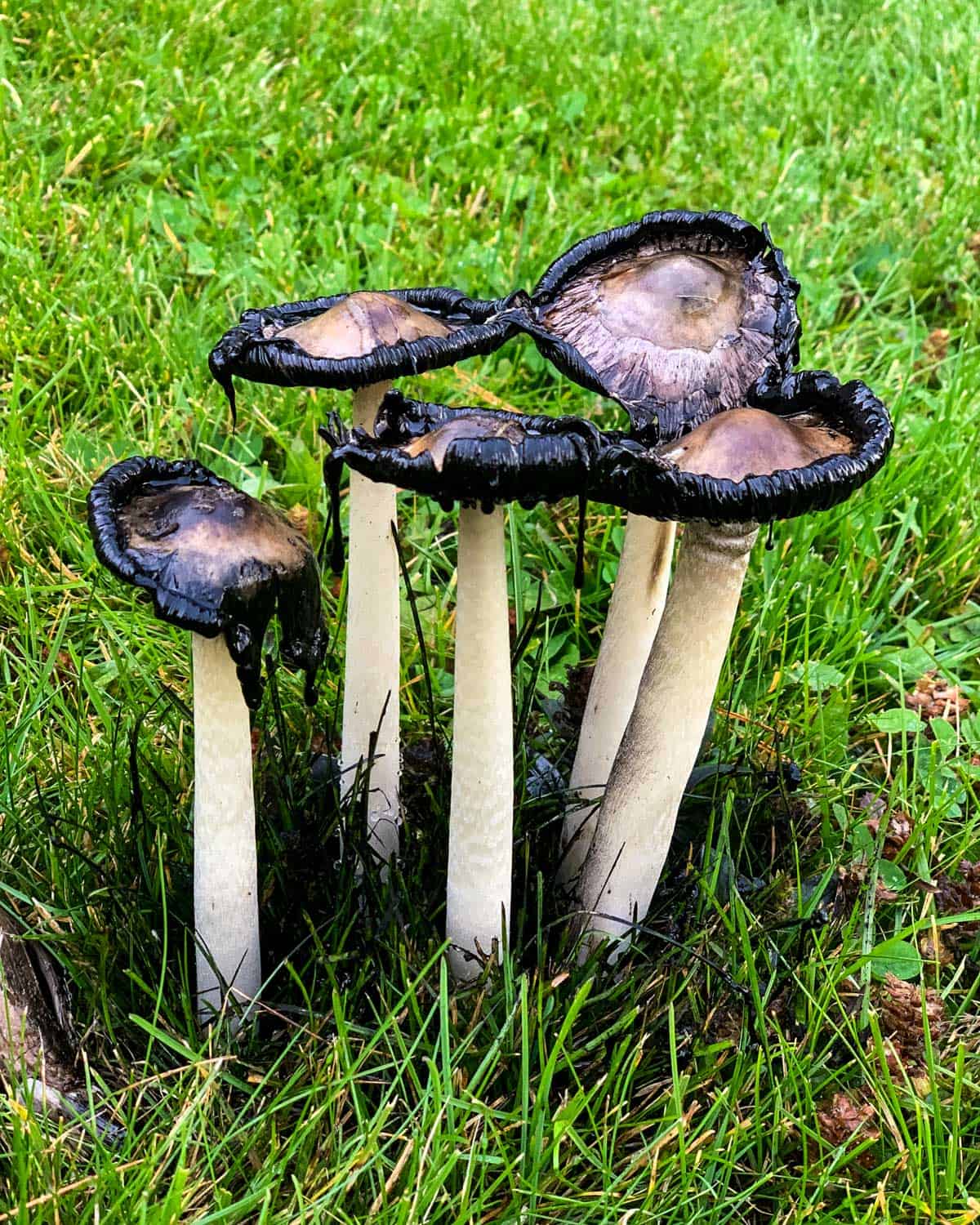
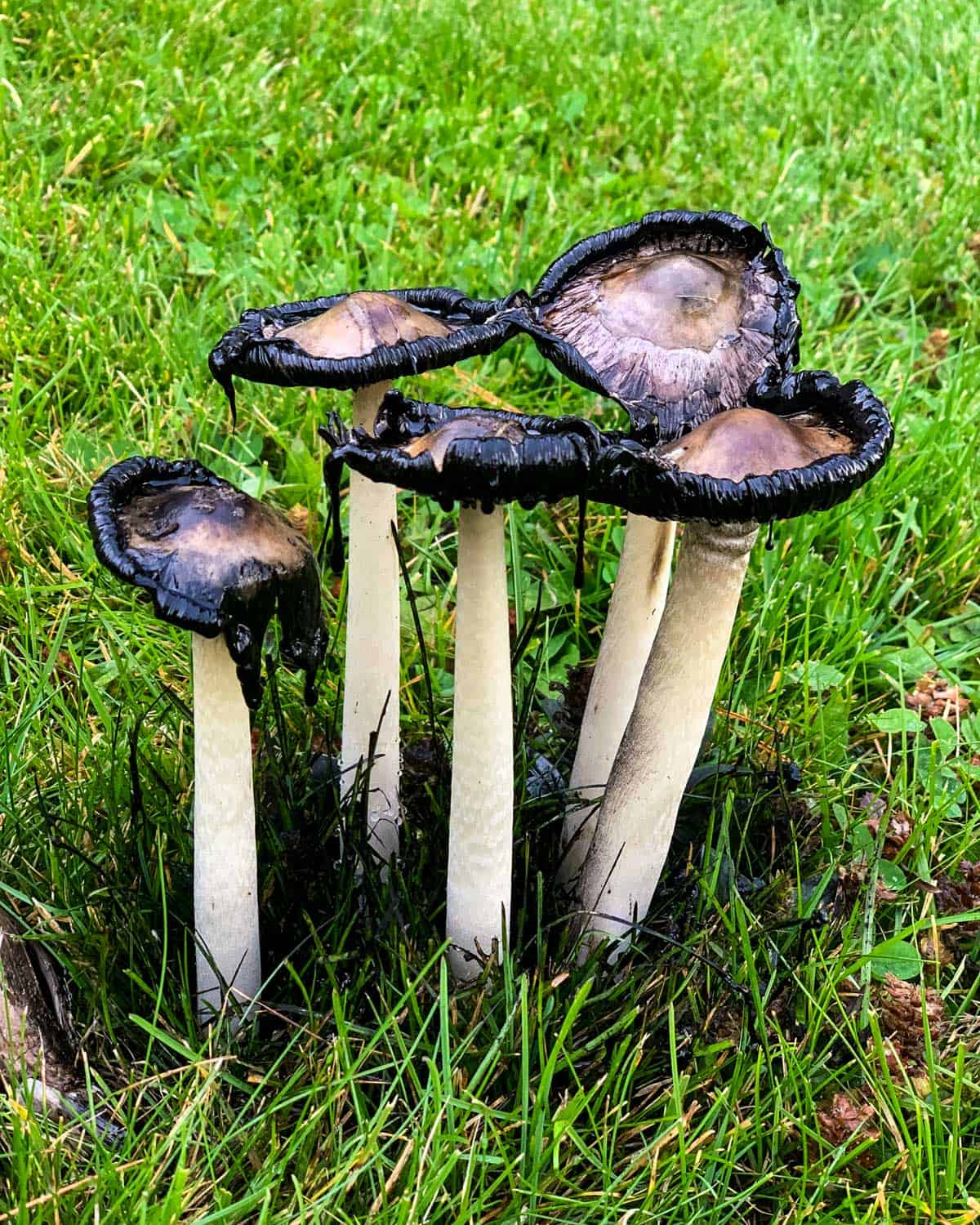
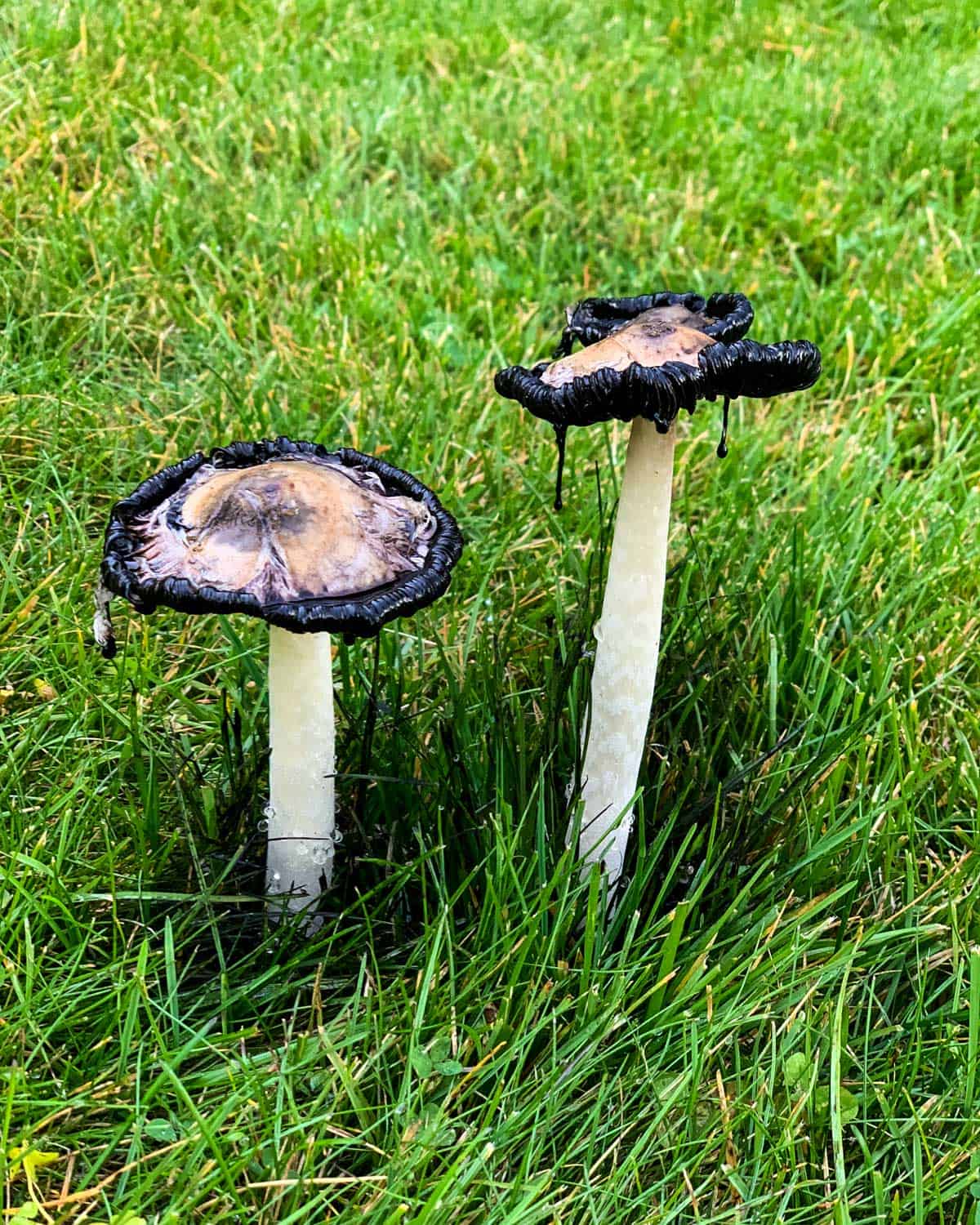
- The Deliquescence Phase (Hours 48–72): To facilitate spore dispersal in a humid environment where traditional wind-based shedding might be difficult, the mushroom utilizes enzymatic self-digestion. The gills turn into a black, inky fluid that drips from the cap, carrying the spores to the ground.
- The Final Remnant: Eventually, only the white stipe remains standing, often topped by a small, tattered remnant of the cap, resembling a spent torch.
Habitat, Distribution, and Ecological Impact
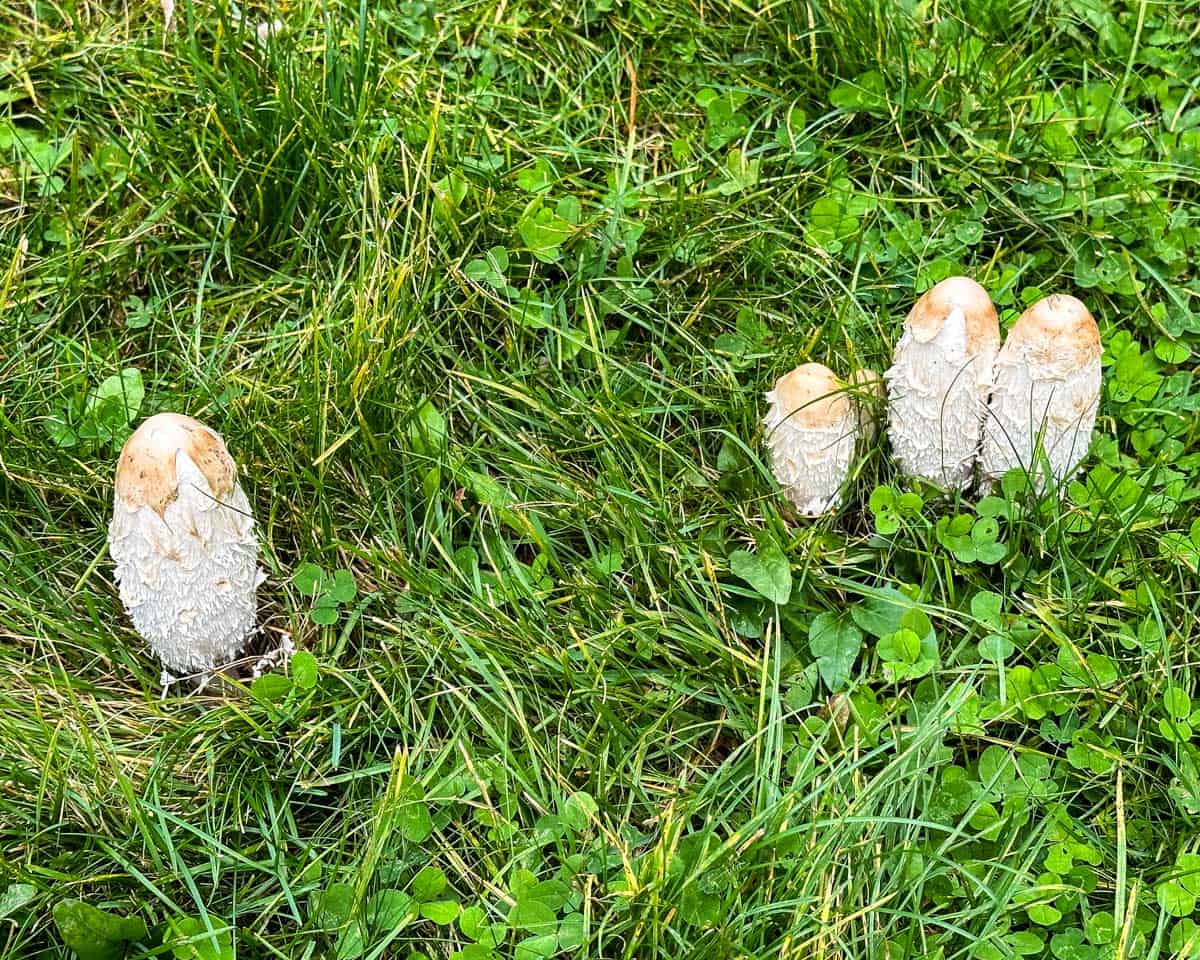
Shaggy Manes are cosmopolitan fungi, found throughout North America, Europe, Iceland, and parts of the Southern Hemisphere including Australia and New Zealand. They are saprobic, meaning they derive nutrients from decaying organic matter.
Ecologically, they are pioneers of disturbed soils. Foragers frequently locate them in:
- Open meadows and manicured lawns.
- Grassy embankments along roadsides.
- Garden compost heaps and mulched flower beds.
- Areas where the soil has been recently turned or compacted.
Research indicates that Coprinus comatus plays a significant role in soil health. It is a nematophagous fungus, meaning it has evolved mechanisms to kill and consume soil-dwelling nematodes (microscopic roundworms). The mushroom produces "spiny balls" or acanthocytes on its mycelium, which can mechanically injure and eventually digest nematodes, providing the fungus with a supplemental source of nitrogen in nutrient-poor environments.
Safety and Identification: Differentiating Toxic Look-Alikes
While the Shaggy Mane is considered an "easy" mushroom for beginners due to its unique appearance, professional mycologists stress the importance of distinguishing it from two primary look-alikes that can cause adverse reactions.
Coprinopsis atramentaria (Tippler’s Bane)
The most significant look-alike is the Common Ink Cap or Tippler’s Bane. While it also turns to ink, it lacks the shaggy white scales of C. comatus, appearing smooth and grayish-brown. The danger of this species lies in a chemical called coprine. When ingested with alcohol, coprine inhibits the enzyme acetaldehyde dehydrogenase, which the body uses to break down ethanol. This leads to an accumulation of acetaldehyde, resulting in "disulfiram-like syndrome." Symptoms include severe nausea, vomiting, facial flushing, and palpitations. This reaction can occur even if alcohol is consumed up to three days after eating the mushroom. Notably, the true Shaggy Mane (C. comatus) does not contain coprine and is safe to consume with alcohol.
Coprinopsis picacea (Magpie Fungus)
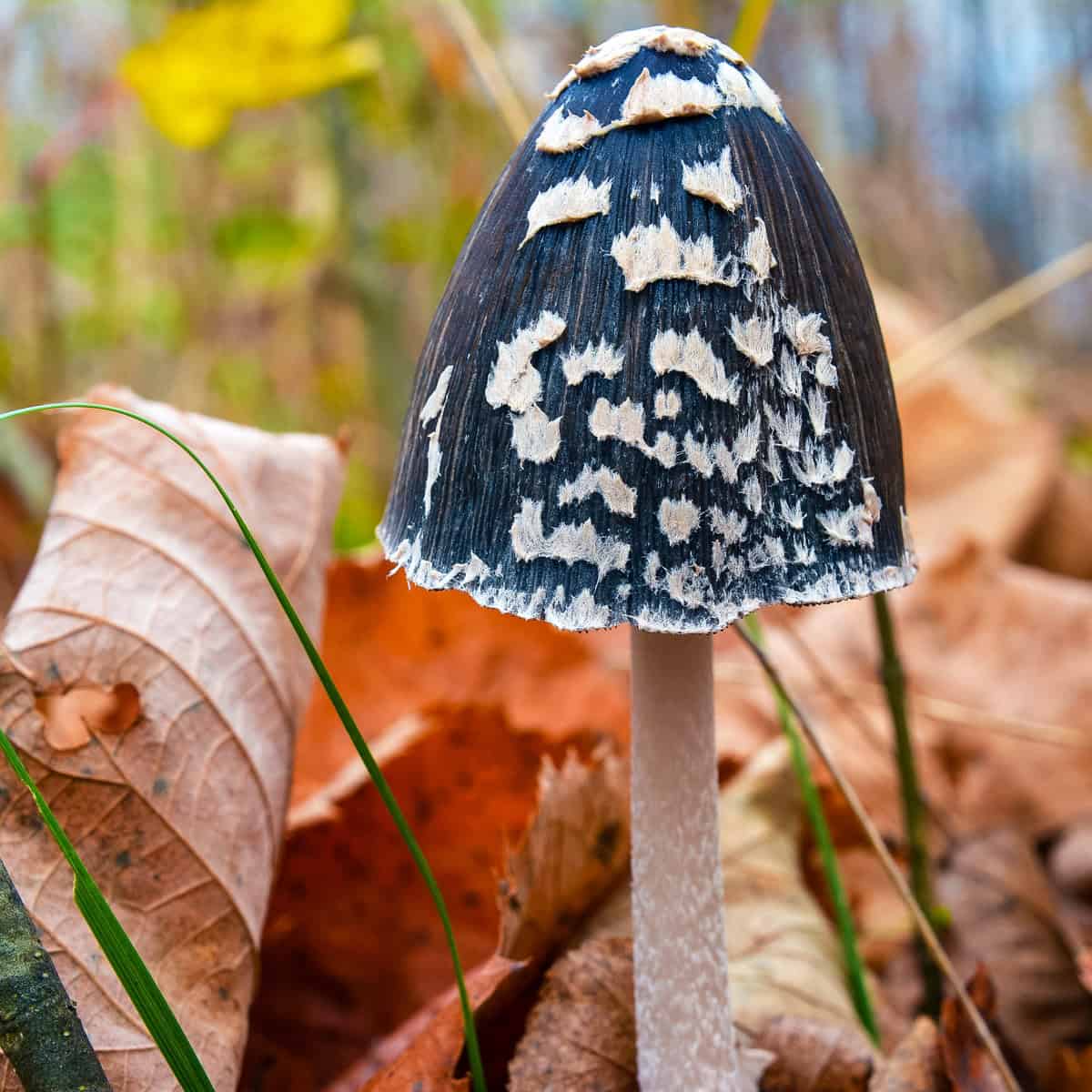
The Magpie Fungus is occasionally confused with a maturing Shaggy Mane. It features a dark brown or black cap with large, white, felt-like patches. Unlike the mild-smelling Shaggy Mane, the Magpie Fungus often emits a strong, unpleasant odor similar to coal tar or bitumen. It is considered toxic and can cause significant gastrointestinal distress.
Nutritional Data and Chemical Composition
From a nutritional standpoint, the Shaggy Mane is a nutrient-dense food source. According to biochemical analyses, the dry weight of the mushroom typically consists of:
- Protein: 20% to 30%, containing a balanced profile of essential amino acids.
- Fiber: High chitin content, which aids in digestive health.
- Carbohydrates: Approximately 40% to 50%, including complex polysaccharides.
- Antioxidants: Significant levels of ergothioneine and glutathione, which help combat oxidative stress in human cells.
Furthermore, studies published in mycological journals have explored the potential medicinal properties of C. comatus. Extracts have shown promise in laboratory settings for hypoglycemic effects (lowering blood sugar) and anti-tumor activity, although clinical trials in humans are still in the preliminary stages.
Culinary Processing and Storage Constraints
The primary challenge in utilizing Shaggy Manes is their extreme perishability. Once harvested, the biological clock of deliquescence often accelerates. To maximize the culinary potential of these mushrooms, professional chefs and foragers follow a strict protocol:
- Immediate Consumption: Ideally, the mushrooms should be cooked within four to six hours of harvest.
- Cold Chain Management: If immediate cooking is not possible, the mushrooms should be kept in a refrigerator in a breathable paper bag. This can slow the enzymatic breakdown, but only for approximately 24 hours.
- Cooking Methods: Shaggy Manes have a high water content. They are best prepared by dry-sauteing to release moisture before adding fats like butter or oil. Their mild, slightly nutty flavor pairs well with delicate proteins, eggs, and cream-based soups.
- Preservation: Traditional drying is rarely successful because the mushrooms often turn to ink before they can be dehydrated. However, they can be preserved by sautéing them in butter and then freezing the resulting mixture.
Practical Analysis: The Risks of Roadside Foraging
While Shaggy Manes are commonly found along roadsides and in industrial areas, environmental health experts issue a stern warning regarding these locations. Mushrooms are known bio-accumulators; they absorb heavy metals and pollutants from the soil and air.
Studies conducted on C. comatus specimens collected near high-traffic roads have revealed elevated levels of lead, cadmium, and mercury. Because Shaggy Manes thrive in "disturbed" soil—which is often the result of construction or proximity to infrastructure—foragers are advised to collect specimens only from areas known to be free of chemical pesticides, herbicides, and heavy metal contamination.
Broader Impact and Industrial Applications
Beyond the kitchen, the Shaggy Mane’s unique chemistry has practical applications. The black "ink" produced by the mushroom was historically used as a writing medium. In some cultures, it was even used to create a "security ink" for legal documents, as the presence of microscopic spores within the ink could be verified under a microscope to prove the authenticity of a signature.
In the modern era, the mushroom is being studied for its potential in bioremediation. Its ability to grow in contaminated soils and break down complex organic pollutants makes it a candidate for cleaning up industrial waste sites. Additionally, its rapid growth rate is of interest to the commercial mushroom industry, although the logistics of transporting a mushroom that "melts" remain a significant hurdle to large-scale retail availability.
In conclusion, the Shaggy Mane mushroom serves as a remarkable example of fungal specialization. Its ghostly appearance, rapid transition from a firm edible to a liquid spore-carrier, and its complex ecological role as a nematode hunter make it a subject of enduring interest. For the informed forager and the scientific community, C. comatus remains a valuable, albeit fleeting, treasure of the autumn landscape.