

The global effort to mitigate the impacts of climate change has increasingly focused on the significant role of food waste, a sector currently responsible for approximately 10% of all global greenhouse gas emissions. Recent initiatives involving digital marketplaces and local retail partnerships have begun to address this inefficiency by connecting consumers directly with surplus inventory from restaurants and grocery stores. One prominent example of this model is the Too Good To Go application, which facilitates the distribution of "surprise bags"—curated selections of unsold food items offered at a fraction of their original retail price. By repurposing surplus inventory from gourmet grocery stores and specialized juice outlets, consumers are not only reducing the volume of organic waste destined for landfills but are also adopting more sustainable methods for social hosting and household food management.

The Scale of the Global Food Waste Crisis
To understand the necessity of surplus recovery platforms, it is essential to examine the broader context of food waste statistics. According to data from the Food and Agriculture Organization of the United Nations (FAO), roughly one-third of all food produced for human consumption is lost or wasted globally. This translates to nearly 1.3 billion tons of food per year. The environmental cost of this waste is twofold: first, the resources—including water, land, and energy—required to produce, process, and transport the food are effectively squandered; and second, when food decomposes in landfills, it produces methane, a greenhouse gas significantly more potent than carbon dioxide in the short term.
In the United States, the Environmental Protection Agency (EPA) estimates that food waste is the single most common material found in municipal landfills. This reality has prompted a shift in consumer behavior and retail strategy. The emergence of the "circular economy" in the food sector aims to ensure that surplus food is redistributed to consumers or charities rather than discarded. The 10% figure cited by environmental researchers highlights that if food waste were a country, it would be the third-largest emitter of greenhouse gases in the world, trailing only China and the United States.

Chronology of Digital Intervention in Food Recovery
The evolution of technology-driven food recovery has moved through several distinct phases over the past decade.
- 2012–2015: Early Redistribution Models: Initial efforts were largely focused on B2B (business-to-business) platforms and non-profit logistics, helping large-scale manufacturers donate bulk surplus to food banks.
- 2016–2018: The Rise of Consumer-Facing Apps: Startups like Too Good To Go (founded in Denmark in 2015) and Karma began to gain traction in European markets. These platforms introduced the concept of the "Surprise Bag" or "Magic Bag," acknowledging the unpredictable nature of retail surplus.
- 2019–2021: International Expansion and Mainstream Adoption: These platforms expanded into North American markets, including major hubs in the United States and Canada. This period saw an increased partnership with high-end gourmet retailers and specialized chains that previously lacked a streamlined method for clearing daily perishables.
- 2022–Present: Integration into Sustainable Lifestyle Branding: Food recovery is no longer seen merely as a discount-seeking behavior but as a core component of "zero-waste" living and responsible hosting.
The "Surprise Bag" Mechanism and Retail Economics
The logistical framework of the "surprise bag" is designed to accommodate the inherent uncertainty of the food service industry. Retailers often cannot predict exactly which items will remain unsold at the end of a business day. By offering a "surprise" assortment, stores can efficiently clear inventory without the administrative burden of listing individual items.

From an economic perspective, this model offers a "triple win." The retailer recovers a portion of their COGS (Cost of Goods Sold) and reduces disposal fees. The consumer receives high-quality, often gourmet products—such as artisanal breads, organic produce, or cold-pressed juices—at approximately one-third of the retail price. Finally, the environment benefits from the diversion of these products from the waste stream. For example, a consumer purchasing a bag from a gourmet grocery store might receive a variety of high-end staples that can serve as the foundation for complex meals, while a bag from a juice store provides nutrient-dense beverages that would otherwise be discarded due to short shelf lives.
Case Study: Implementing Zero-Waste Strategies in Social Hosting
The practical application of recovered food is perhaps most visible in the context of social gatherings. Traditionally, hosting events has been associated with high levels of waste due to over-purchasing and the use of disposable materials. However, the integration of surplus items into event planning demonstrates a viable alternative.
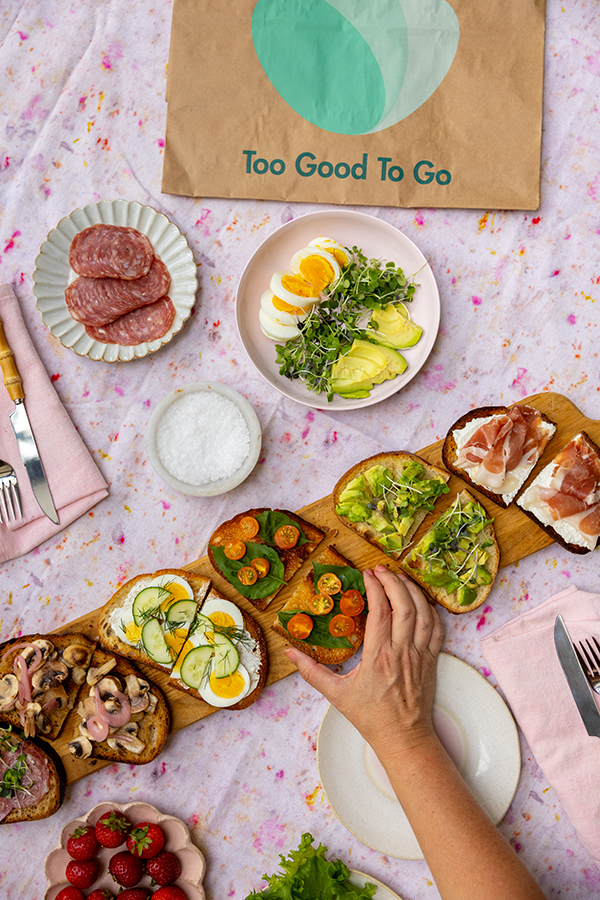
In a recent demonstration of this sustainable hosting model, surplus bread from a local bakery was utilized as the primary appetizer base. By toasting large quantities of bread simultaneously in an oven, hosts can create a versatile "crostini station." This approach allows for the incorporation of other sustainable ingredients, such as produce harvested from home gardens or items already present in the refrigerator that are nearing their expiration date.
Recommended Topping Profiles for Sustainable Appetizers
The versatility of surplus bread allows for a wide range of culinary applications. Journalistic observation of zero-waste gatherings reveals several effective combinations:

- Dairy and Charcuterie: Ricotta paired with prosciutto and a drizzle of hot honey.
- Plant-Based Options: Smashed avocado with lemon, sea salt, and nutrient-rich sprouts.
- Garden-to-Table: Sliced tomatoes and fresh basil, utilizing seasonal garden yields.
- Protein-Rich Variations: Sliced hard-boiled eggs with cucumber and fresh dill over a light mayonnaise base.
- Sautéed Surplus: Melted cheeses combined with mushrooms that may have lost their "shelf-perfect" aesthetic but remain high in flavor quality.
- Spicy Accents: Italian soppressata paired with jalapeños for a high-impact flavor profile using minimal ingredients.
By laying out these ingredients and allowing guests to assemble their own creations, hosts reduce the likelihood of prepared food going uneaten, as guests only take what they intend to consume.
Industry Reactions and Expert Analysis
Market analysts suggest that the success of surplus-sharing platforms is indicative of a broader shift in consumer values. "We are seeing a move away from the ‘perfection’ requirement in retail," notes one industry consultant. "Consumers, particularly in younger demographics, are increasingly willing to accept aesthetic imperfections or the ‘surprise’ element if they know it aligns with their environmental values and offers a significant price advantage."

Environmental advocates have also praised these initiatives, though they caution that technology is only one part of the solution. While apps like Too Good To Go effectively manage surplus, experts argue that systemic changes in the "Cold Chain" (the temperature-controlled supply chain) and more accurate demand-forecasting AI are necessary to prevent surplus from being created in the first place.
Broader Implications for the Future of Consumption
The implications of widespread surplus food recovery extend beyond individual savings and environmental statistics. This movement is fostering a more resilient food system. By creating a secondary market for "near-expired" goods, the industry is effectively lengthening the lifecycle of food products.

Furthermore, the data collected by these platforms provides valuable insights for retailers. By tracking what ends up in "surprise bags" most frequently, businesses can adjust their ordering and production schedules to minimize future overstock. This data-driven approach to sustainability ensures that the fight against food waste is both an ethical pursuit and a commercially viable strategy.
In conclusion, the partnership between digital innovation and local commerce represents a critical frontier in the battle against climate change. The transition from a linear "produce-consume-discard" model to a circular "produce-recover-repurpose" model is essential for meeting international carbon reduction targets. As more consumers integrate these practices into their daily lives—from their weekly grocery shopping to the way they host friends and family—the collective impact on the global carbon footprint will be substantial. The "surprise bag" is not just a discounted grocery item; it is a tool for environmental advocacy, one meal at a time.