
The practice of dehydrating honeydew melon is emerging as a sophisticated method for extending the shelf life of seasonal produce, transforming highly perishable fruit into a shelf-stable, nutrient-dense snack. While watermelon and cantaloupe have traditionally been the primary candidates for melon dehydration, food preservation experts are increasingly highlighting honeydew for its high sugar content and unique texture when dried. This method of preservation not only mitigates food waste but also provides a solution for consumers seeking healthy, additive-free snacks for school lunches, hiking, and winter food security.
The Science and Methodology of Fruit Dehydration
At its core, dehydration is the process of removing moisture from food to a level where microorganisms, such as bacteria, yeast, and mold, can no longer grow. For honeydew melon, which has a water content of approximately 90%, the process requires precision to ensure the fruit reaches a "leathery" state without becoming overly brittle or remaining dangerously moist.
The technical standard for fruit dehydration is established at 135°F (57°C). This specific temperature is high enough to facilitate rapid moisture evaporation while remaining low enough to preserve the essential enzymes and vitamins that are often degraded by high-heat cooking. According to data from food preservation journals, maintaining a consistent airflow is as critical as the temperature itself, as stagnant air can lead to "case hardening," a condition where the outside of the fruit dries and traps moisture inside, eventually leading to internal spoilage.
Economic and Nutritional Data Analysis
The economic implications of home dehydration are significant, particularly in the context of rising grocery prices and global food waste. Statistical data from the United States Department of Agriculture (USDA) suggests that nearly 30% to 40% of the food supply is wasted, with fresh produce being the most vulnerable category. By dehydrating surplus honeydew, households can effectively "lock in" the value of their purchase for up to twelve months.
From a nutritional standpoint, dehydrated honeydew is a concentrated source of energy. Based on laboratory estimations, a 0.25-cup serving of dried honeydew contains approximately 14 calories, 3 grams of carbohydrates, and 63 milligrams of potassium. Because the dehydration process removes water but leaves the sugar and fiber intact, the flavor profile becomes significantly more intense. Experts note that one cup of fresh fruit typically yields about one-quarter cup of dried fruit, meaning the nutrient density per gram increases fourfold.
Chronological Process for Optimal Results
To achieve a professional-grade result, the dehydration process must follow a strict chronological sequence. Deviations in thickness or temperature can lead to inconsistent drying and reduced shelf life.
Phase 1: Preparation and Slicing
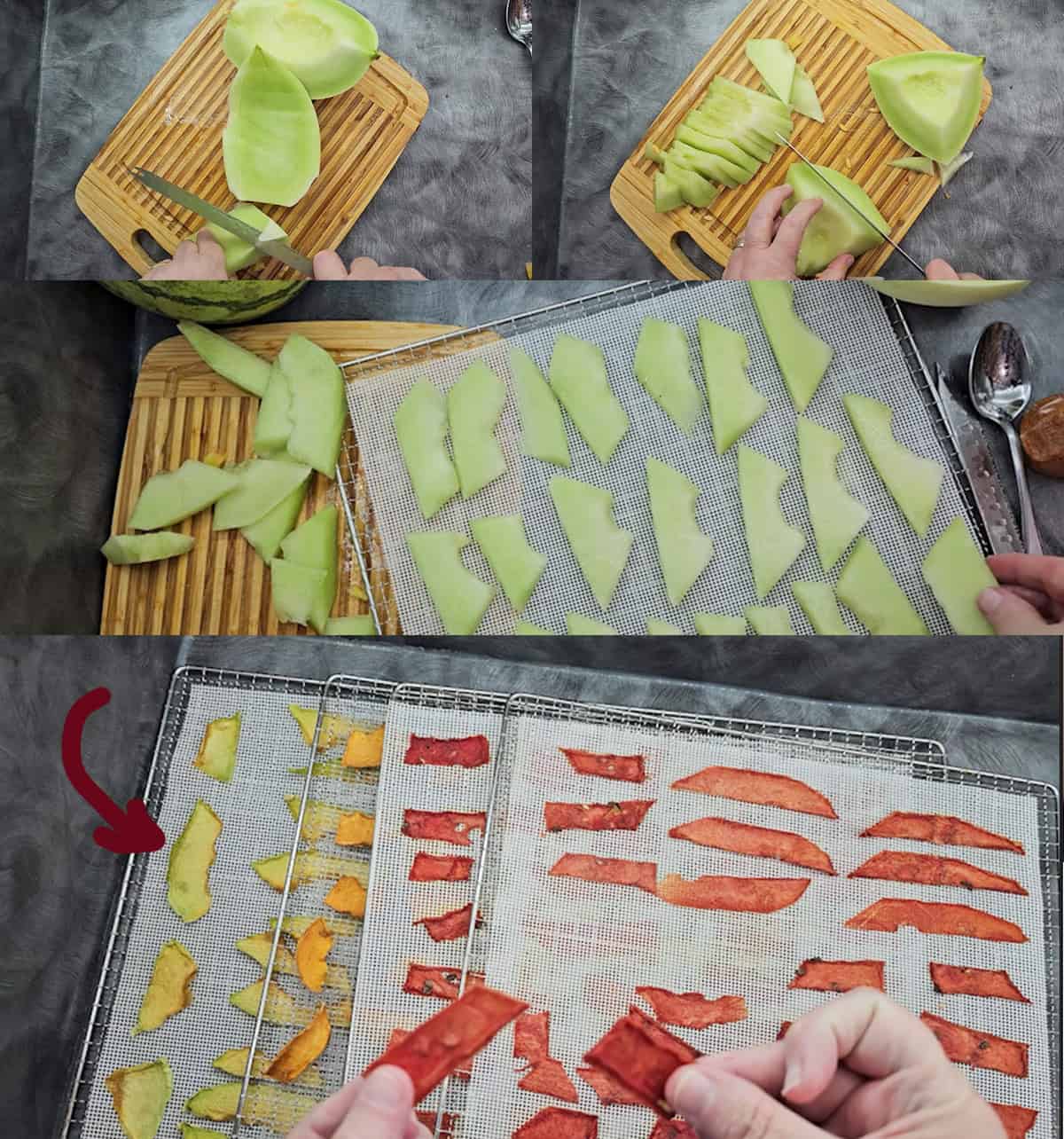
The process begins with the selection of a ripe honeydew melon. A ripe melon is essential because the natural sugars provide the "candy-like" quality of the final product. The melon is halved, seeds are removed, and the rind is sliced away. The fruit must then be cut into uniform slices approximately 1/4 inch thick. Uniformity is the most critical factor in this phase; slices of varying thickness will dry at different rates, complicating the preservation timeline.
Phase 2: The Dehydration Cycle
Once prepared, the slices are arranged on dehydrator trays with sufficient spacing to allow for maximum airflow. At the standard setting of 135°F (57°C), the dehydration cycle typically lasts between 10 and 14 hours. Environmental factors, such as the ambient humidity in the kitchen and the specific water content of the melon, can influence this duration. The target consistency is "leathery"—the fruit should be flexible but not sticky to the touch.
Phase 3: The Conditioning Process
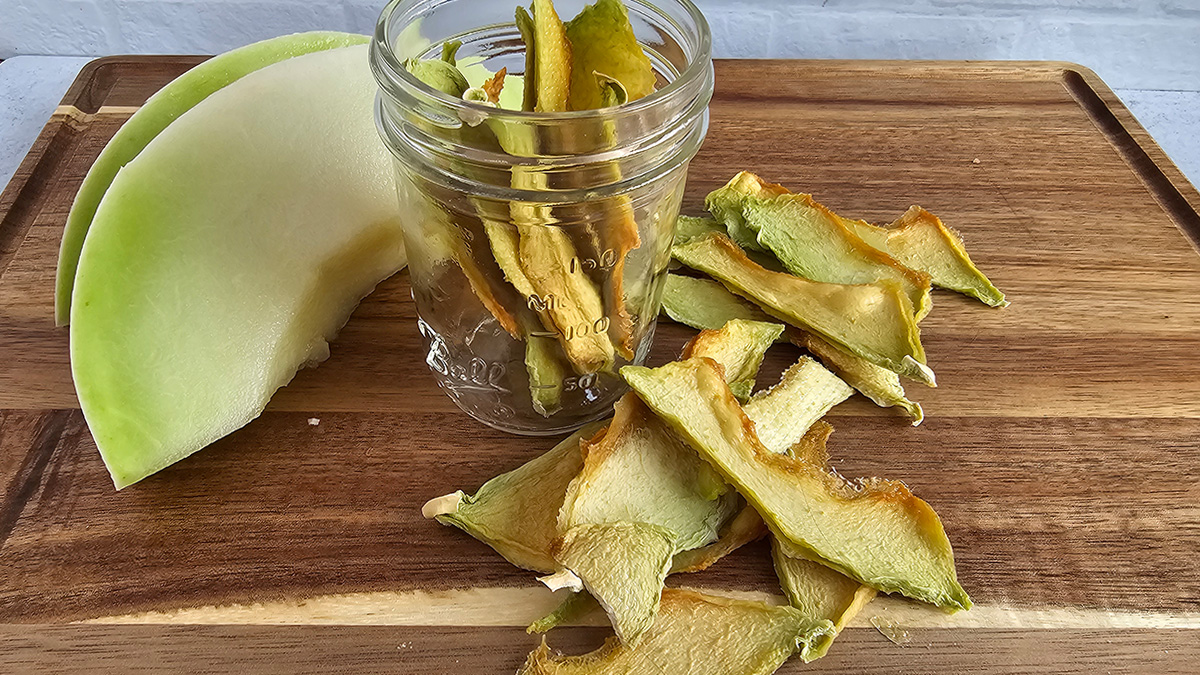
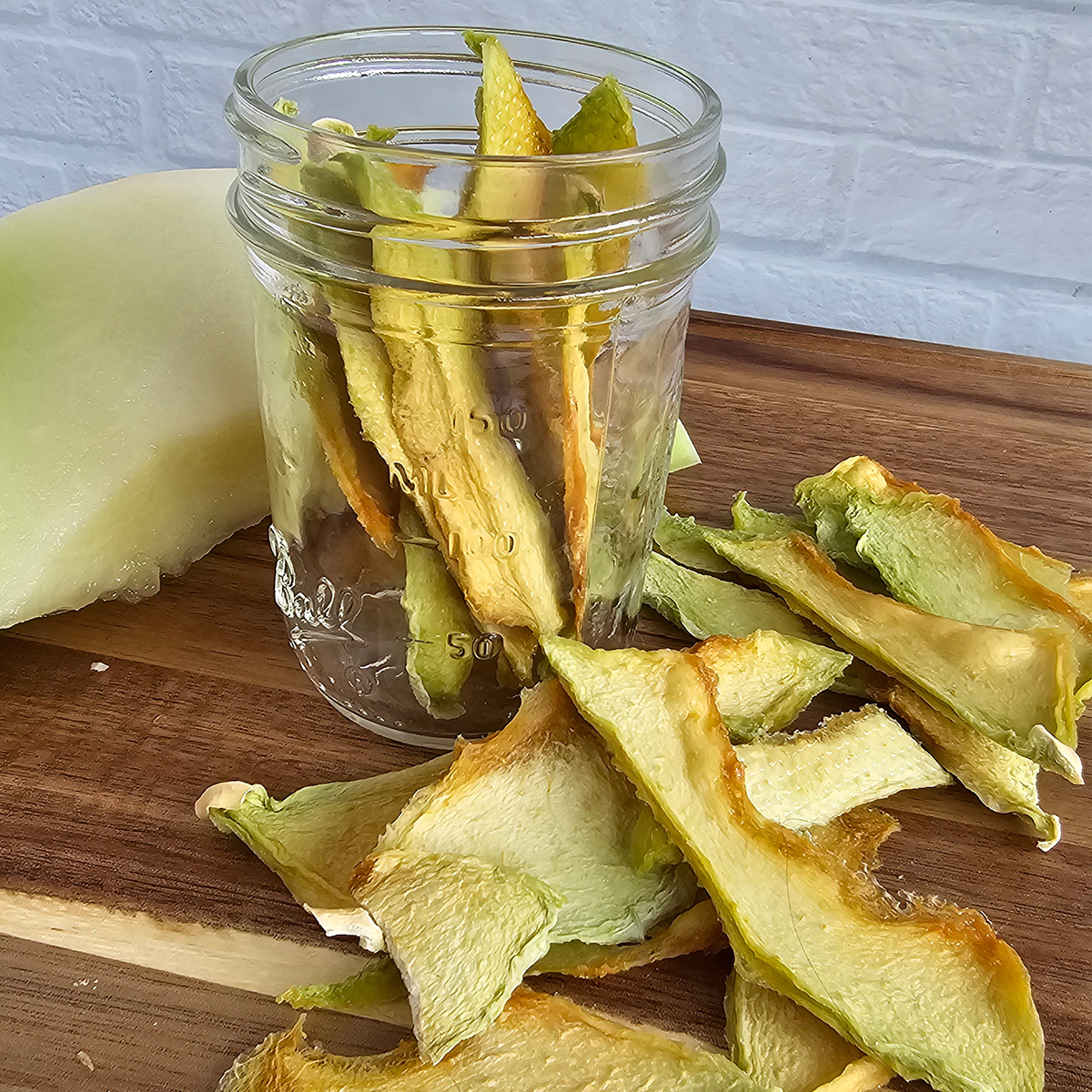
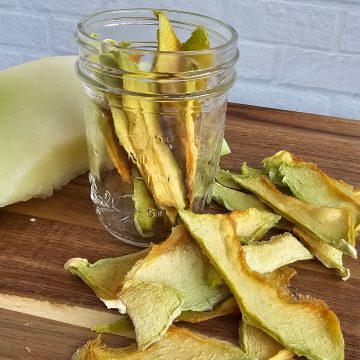
A frequently overlooked but vital step in professional food preservation is "conditioning." After the fruit is removed from the dehydrator and cooled, it is placed in a clear, airtight container for seven to ten days. During this period, the container is shaken daily. This allows any residual moisture to redistribute evenly among the pieces. If condensation appears on the walls of the jar, the fruit must be returned to the dehydrator for further processing to prevent mold growth.
Storage Protocols and Longevity
The shelf life of dehydrated honeydew is approximately one year when stored under optimal conditions. The primary enemies of dried fruit are light, heat, and oxygen. Consequently, professional recommendations suggest using airtight glass jars or vacuum-sealed bags.
In regions with high relative humidity, the use of desiccant packs (moisture absorbers) is highly recommended. Because of the high sugar content in honeydew, the dried slices can be hygroscopic, meaning they naturally absorb moisture from the air. This can lead to the fruit becoming sticky even after a successful drying cycle. For long-term storage, some practitioners wrap individual portions in parchment paper before placing them in airtight containers to prevent sticking and maintain the aesthetic quality of the fruit.

Industry Trends and Expert Insights
The rise in popularity of home-dried melons is part of a broader trend toward "pantry preparedness" and sustainable living. Darcy Baldwin, a recognized authority in food preservation and author of Dehydrating Basics & Journal, has noted that honeydew represents a new frontier for many home preservers who have already mastered traditional fruits like apples and bananas.
"Drying honeydew is a way to extend the life of your melon even if you can’t finish it all," Baldwin states. Her research into melon dehydration highlights that while watermelon becomes a "taffy-like" treat, honeydew maintains a more structured, leathery bite that appeals to a wide demographic, from hikers needing lightweight snacks to parents seeking healthy alternatives to processed sweets.
Comparative Analysis: Honeydew vs. Other Melons
When analyzing the dehydration characteristics of various melons, distinct differences emerge:

- Watermelon: Becomes very thin and extremely sweet, often referred to as "watermelon jerky." It has the highest shrinkage rate due to its extreme water content.
- Cantaloupe: Offers a musky, deep sweetness and a thicker texture. It is often considered the most "savory" of the dried melons.
- Honeydew: Strikes a balance between the two, offering a clean, bright sweetness and a reliable leathery texture that holds its shape well during transport.
For culinary variety, some practitioners suggest adding seasonings prior to the dehydration process. Options include a light dusting of Tajin for a spicy-sweet profile or a sprinkle of ginger powder to complement the melon’s natural floral notes.
Broader Impact on Food Security and Health
The implications of widespread adoption of home dehydration extend into the realms of public health and food security. Dehydrated fruits are inherently free of the sulfur dioxide and added sugars frequently found in commercial dried fruit products. For individuals with sensitivities or those monitoring their glycemic index, home-dried honeydew offers a transparent ingredient list consisting of exactly one item: melon.
Furthermore, as climate change impacts growing seasons and supply chains become more volatile, the ability to preserve seasonal gluts of produce at home becomes a foundational skill for resilient households. The transition of a honeydew melon from a bulky, heavy, and perishable item to a lightweight, compact, and shelf-stable resource represents a significant optimization of food assets.
Conclusion
Dehydrating honeydew melon is a scientifically sound and economically beneficial practice that aligns with modern goals of sustainability and health. By following established protocols for slicing, temperature control, and conditioning, consumers can transform a fleeting summer fruit into a year-round staple. As the food preservation movement continues to grow, techniques like those championed by experts like Darcy Baldwin will play an increasingly vital role in how society manages its nutritional resources, one slice at a time. Through careful attention to detail and an understanding of the dehydration process, the "Purposeful Pantry" becomes not just a storage space, but a tool for a more sustainable and healthy lifestyle.