
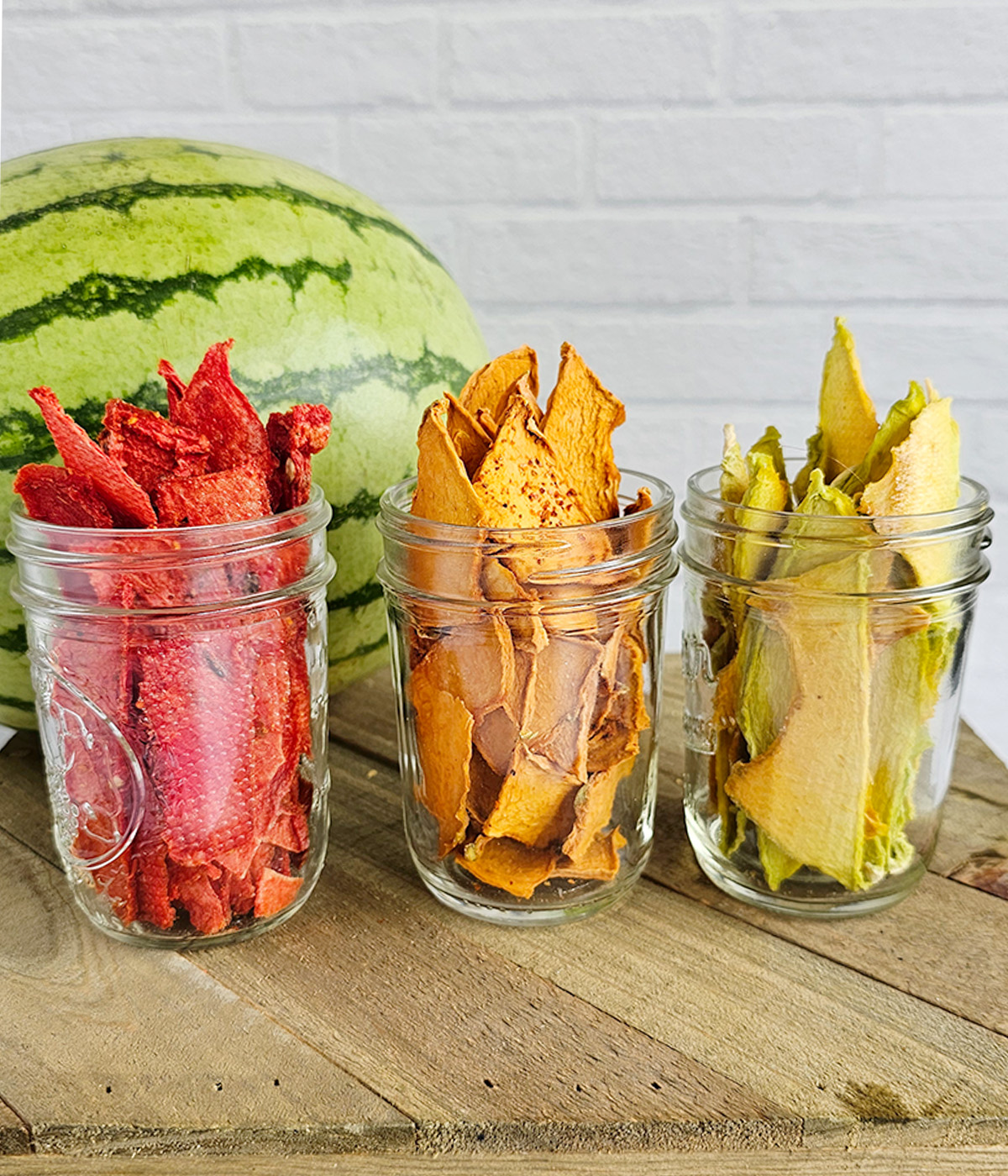
The practice of dehydrating melons has emerged as a critical strategy in the modern movement toward food waste reduction and sustainable household management. As global food systems face increasing pressure from supply chain instabilities and rising costs, the ability to transform highly perishable summer fruits into shelf-stable, nutrient-dense pantry staples has transitioned from a niche hobby to a vital domestic skill. Melons, specifically watermelon, cantaloupe, and honeydew, are characterized by their high water content—often exceeding 90%—making them traditionally difficult to store for extended periods. However, through the systematic application of controlled low-heat dehydration, these fruits can be preserved for up to a year, providing a solution to the perennial problem of seasonal surplus and refrigeration dependency.
The Socio-Economic Context of Food Waste
According to data from the United States Department of Agriculture (USDA), approximately 30 to 40 percent of the food supply in the United States is wasted. Melons represent a significant portion of this waste at the consumer level due to their large size and rapid rate of decomposition once sliced. A standard cantaloupe or watermelon often provides more servings than a single household can consume before the fruit loses its structural integrity and begins to ferment. By utilizing dehydration technology, consumers can effectively "stop the clock" on spoilage. This shift toward "the purposeful pantry" aligns with broader environmental goals to reduce the methane emissions associated with organic waste in landfills.
The Science of Fruit Dehydration
Dehydration works on the principle of reducing water activity (aw) to a level where microbial growth and enzymatic reactions are inhibited. For melons, the goal is to remove enough moisture so that the fruit reaches a "leathery" or "pliable" state. The process requires a delicate balance of temperature and airflow.
Food safety experts and preservationists recommend a standard temperature of 135°F (57°C) for most fruits. This specific temperature is high enough to discourage the growth of bacteria during the initial drying phase but low enough to prevent "case hardening." Case hardening occurs when the exterior of the fruit dries too quickly, creating a hard shell that traps moisture inside, eventually leading to internal mold growth. By maintaining a consistent 135°F, the moisture is drawn out evenly from the center to the surface.
Comprehensive Methodology: A Chronology of Preservation
The process of dehydrating melons follows a rigorous chronological sequence to ensure both quality and safety.
Phase 1: Selection and Preparation
The quality of the final product is directly proportional to the ripeness of the raw fruit. Melons should be at their peak sugar content (Brix level). Overripe melons may become too mushy to slice effectively, while underripe melons lack the concentrated sweetness that makes dehydrated fruit palatable.
- Sanitization: The exterior rind must be thoroughly washed to prevent cross-contamination when the knife passes from the skin to the flesh.
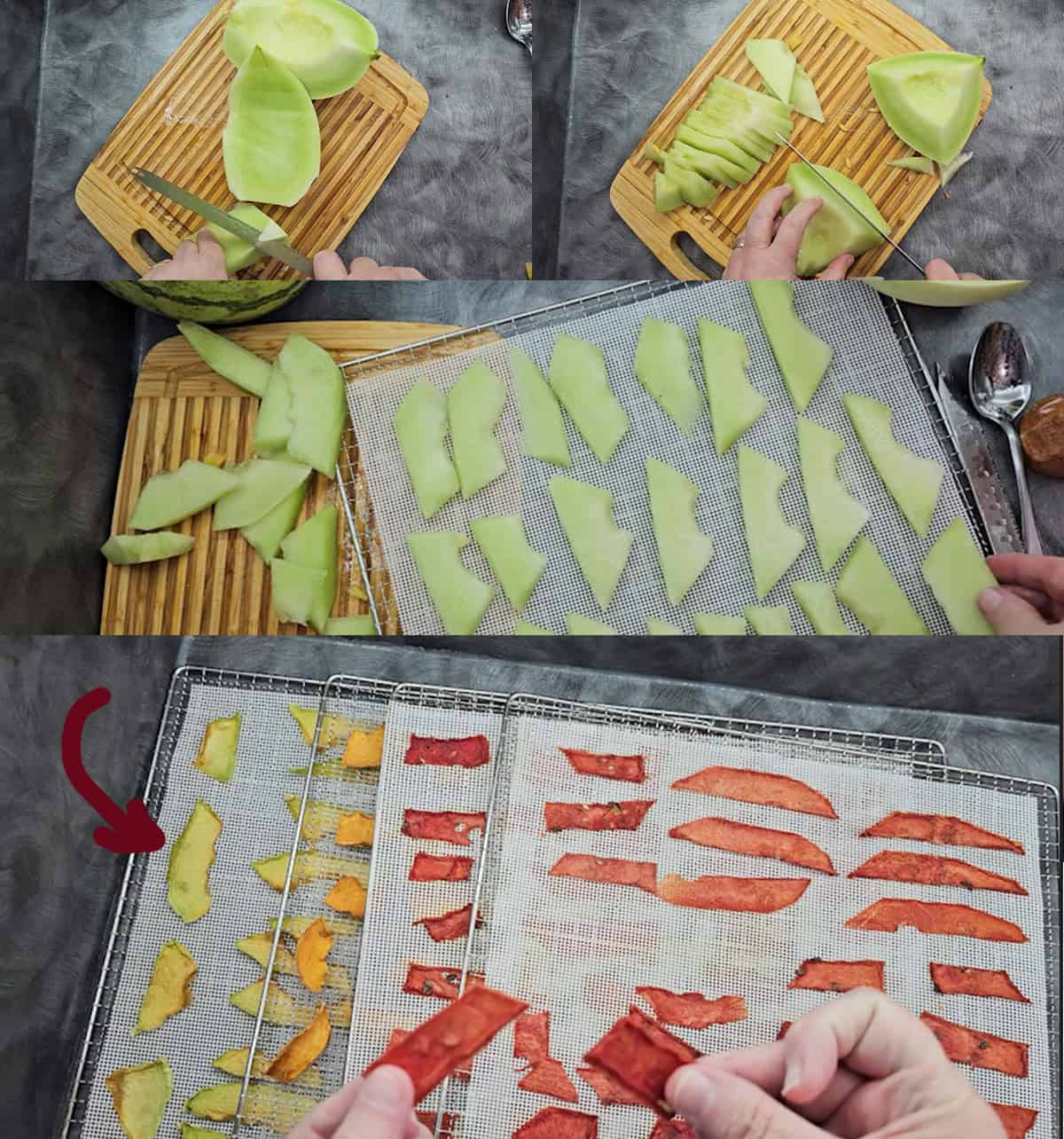
- Slicing: For optimal results, melons should be uniform in thickness, typically between 1/4-inch and 1/2-inch. Thinner slices result in a crispier, chip-like texture, while thicker slices yield a chewy, taffy-like consistency.
- Pre-treatment (Optional): While not strictly necessary for melons, some practitioners apply a light dusting of citric acid or a splash of lime juice to maintain vibrant coloration and add a flavor contrast to the natural sugars.
Phase 2: The Dehydration Cycle
Once the slices are arranged on dehydrator trays—ensuring adequate space for horizontal or vertical airflow—the machine is set to 135°F.
- Watermelon: Due to its extreme water content, watermelon can take anywhere from 10 to 14 hours. The result is often referred to as "watermelon jerky" or "watermelon taffy."
- Cantaloupe and Honeydew: These muskmelons have a denser cellular structure and typically require 10 to 12 hours.
Phase 3: The Conditioning Process
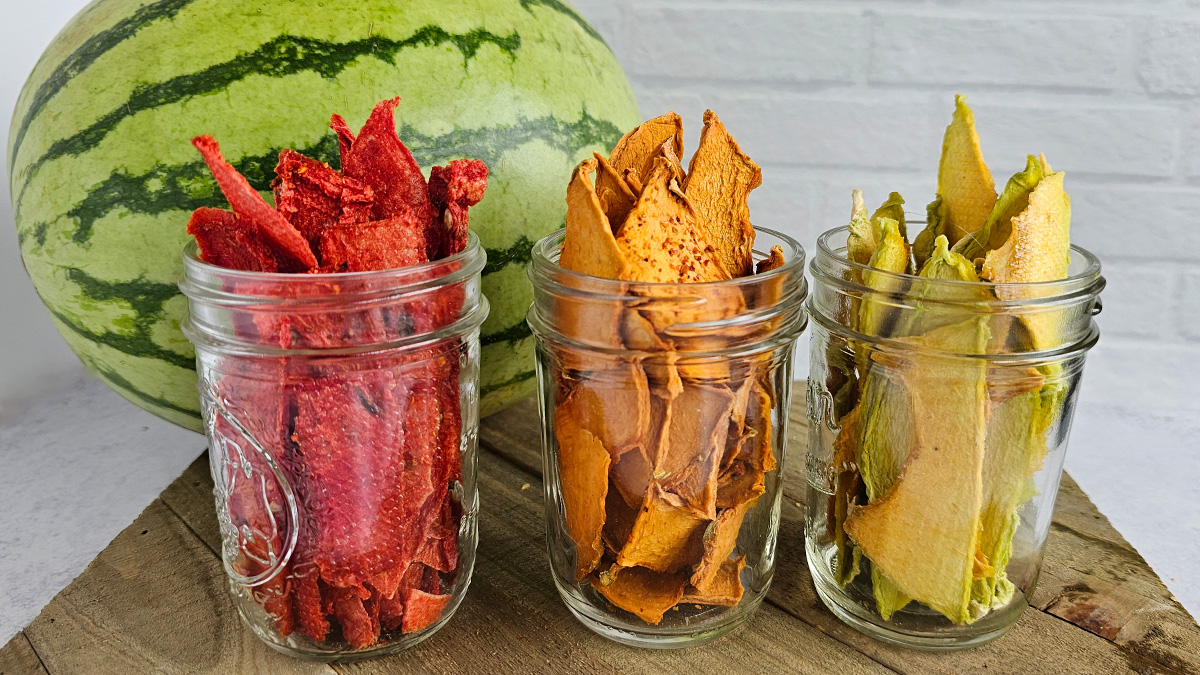
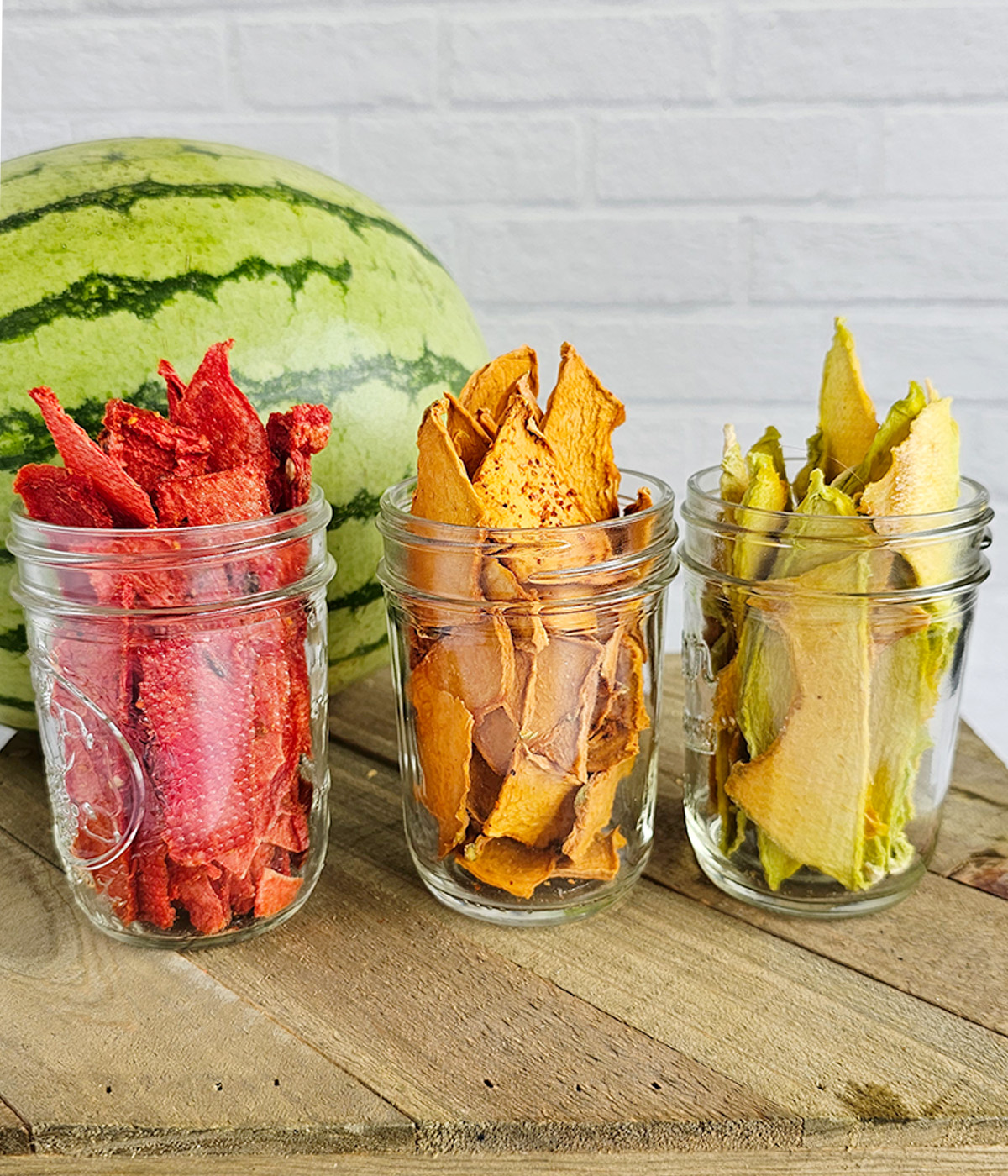
One of the most overlooked steps in home food preservation is conditioning. After the fruit is removed from the dehydrator and cooled, it must be placed in a transparent, airtight container (such as a Mason jar) for 7 to 10 days. During this period, the jar is shaken daily. If any condensation appears on the glass, the fruit is not sufficiently dry and must be returned to the dehydrator. This step ensures that the moisture levels are equalized across all pieces in the batch, preventing localized spoilage.
Equipment and Technology: From Dehydrators to Ovens
While specialized electric dehydrators with adjustable thermostats and fans are the gold standard, the process can be adapted for conventional ovens. Professional culinary analysts note that most modern ovens have a "warm" setting, though many do not dip below 170°F. To compensate, users are advised to prop the oven door open slightly with a heat-resistant silicone tool to allow moisture to escape and to lower the internal temperature. However, this method is less energy-efficient and requires closer monitoring to prevent scorching.
Nutritional Analysis and Health Implications
Dehydrated melons represent a concentrated source of vitamins and minerals. Nutritional data indicates that while the volume of the fruit decreases significantly, the caloric and sugar content remains constant. For example, 1/4 cup of dehydrated melon contains approximately the same amount of sugar and calories as 1 cup of fresh melon.
- Vitamin Retention: Low-temperature drying is effective at preserving Vitamin A (beta-carotene), which is abundant in cantaloupe, and Vitamin C, though some degradation of Vitamin C occurs with heat exposure.
- Dietary Fiber: The fiber content remains intact, making dried melon a superior snack choice compared to processed fruit leathers that often contain added sugars and gelling agents.
- Bioavailability: The concentration of antioxidants, such as lycopene in watermelon, may become more bioavailable when the fruit is processed, providing a shelf-stable boost to heart health and skin protection.
Culinary Versatility and Market Trends
The application of dried melons extends beyond simple snacking. In the high-end culinary world, dehydrated melon powders are being used as natural sweeteners and flavoring agents in pastry arts and mixology.

- Rehydration: Dried cantaloupe and honeydew can be rehydrated in water or fruit juice for use in compotes or fruit salads during the winter months.
- Seasoning Innovations: There is a growing trend of "sweet and spicy" flavor profiles. Experts suggest seasoning melon slices with Tajin (a blend of chili, lime, and salt), ginger powder, or even a light drizzle of honey before drying to create a gourmet product that rivals commercial "clean-label" snacks.
Expert Reactions and Broader Impacts
Food security analysts suggest that the resurgence of home dehydration is a response to the "just-in-time" delivery failures seen in global supermarkets over the last few years. By building a "purposeful pantry," households create a buffer against inflation and seasonal price hikes.
"The ability to take a $5 watermelon that might otherwise rot and turn it into ten servings of high-quality snacks is an act of economic resilience," says one food preservation advocate. Furthermore, the portability of dehydrated melons makes them an ideal resource for the outdoor recreation industry, providing hikers and campers with lightweight, high-energy nutrition without the weight of water.
Storage and Longevity
For maximum shelf life, dehydrated melons should be stored in a cool, dark, and dry environment. Oxygen absorbers or vacuum-sealing can extend the life of the product beyond the standard one-year mark. It is critical to note that the high sugar content of melons makes them hygroscopic—meaning they will readily absorb moisture from the air. Therefore, keeping the storage containers airtight is the single most important factor in maintaining the "snap" or "chew" of the fruit.

Conclusion: The Future of Home Preservation
As society moves toward a more circular economy, the dehydration of melons serves as a practical template for zero-waste living. It bridges the gap between traditional agricultural wisdom and modern nutritional needs. By transforming a fleeting summer luxury into a year-round staple, consumers are not only saving money and reducing waste but are also reclaiming a level of food sovereignty that had been largely lost to the industrial food complex. The technical simplicity of the process, combined with the high nutritional reward, positions melon dehydration as a cornerstone of the sustainable kitchen of the future.