The Shaggy Mane mushroom, scientifically known as Coprinus comatus, represents one of the most distinctive and biologically fascinating species within the fungal kingdom. Often referred to by its colloquial monikers, such as the "shaggy ink cap" or "lawyer’s wig," this member of the Agaricaceae family is renowned for its unique reproductive strategy and its status as a choice edible among mycologists and foragers. Found predominantly across the Northern Hemisphere, as well as in parts of Australia and New Zealand, the Shaggy Mane is characterized by its ephemeral nature and its startling transition from a pristine white cylinder to a black, liquified mass of ink. This process, known as deliquescence, serves a vital evolutionary purpose, yet it presents a significant challenge for those seeking to harvest the mushroom for culinary use. Understanding the biology, habitat, and safety protocols associated with Coprinus comatus is essential for successful foraging and consumption.
Taxonomy and Botanical Characteristics
Coprinus comatus is the type species of the genus Coprinus. While it was historically grouped with other "ink cap" mushrooms, modern molecular phylogenetics has reclassified many of its former relatives into different genera, such as Coprinopsis and Coprinellus. The Shaggy Mane remains in the genus Coprinus, making it more closely related to the common button mushroom (Agaricus bisporus) than to many other inky caps.
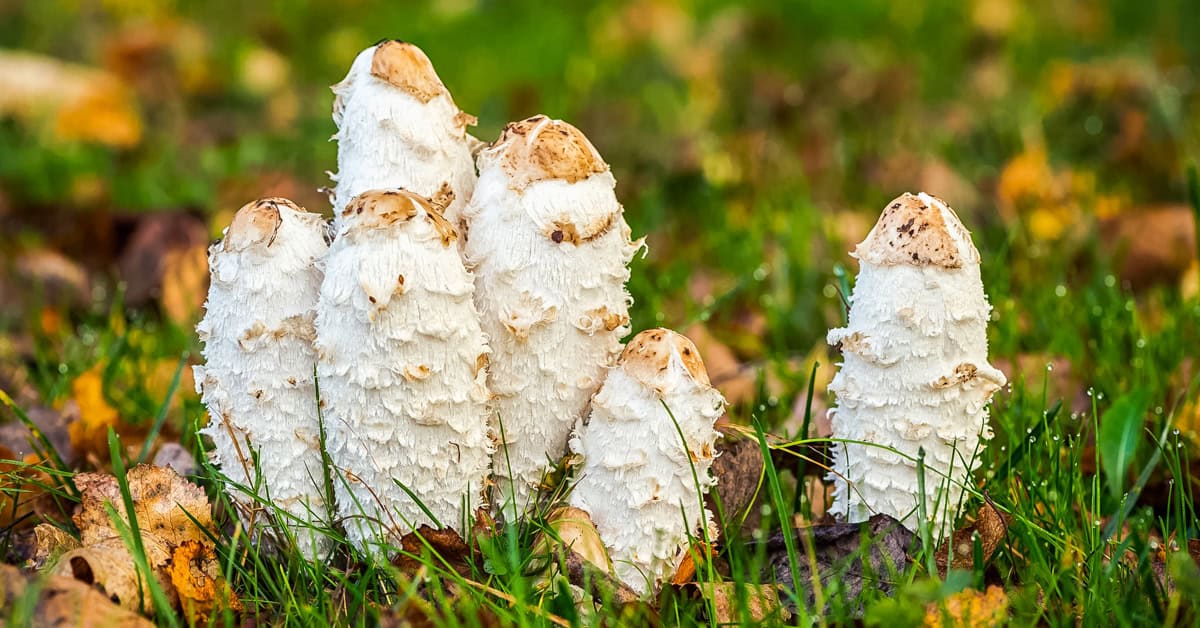
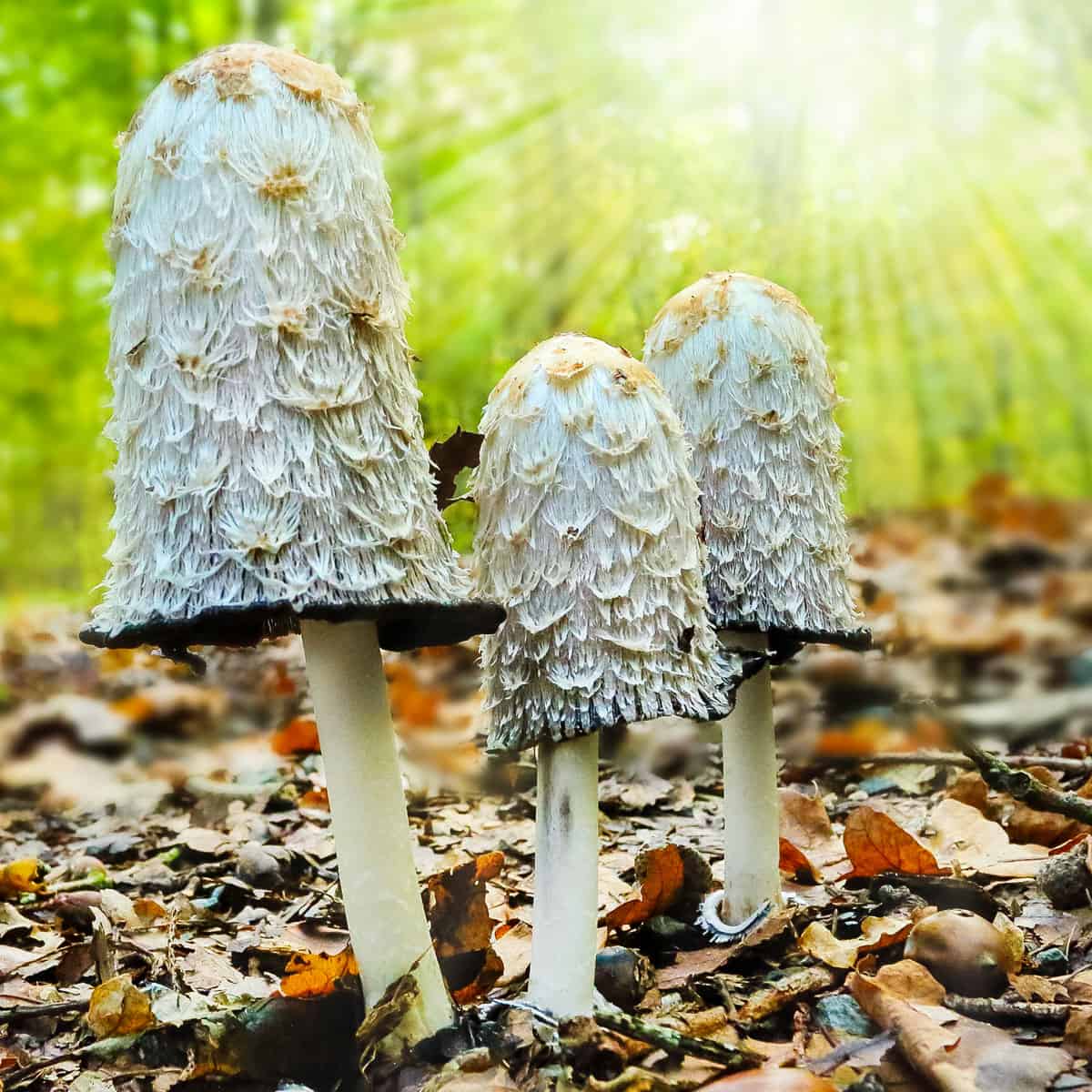
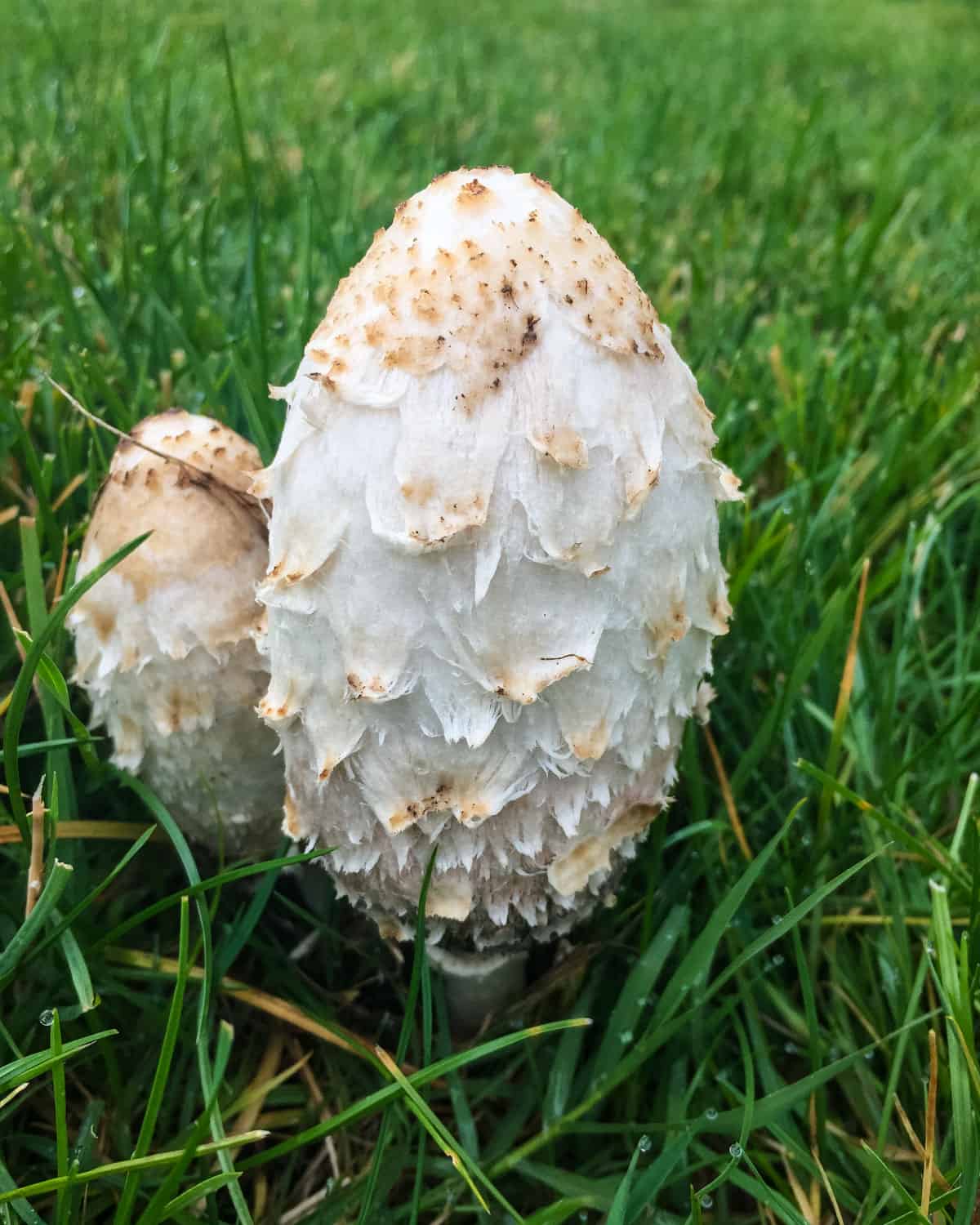
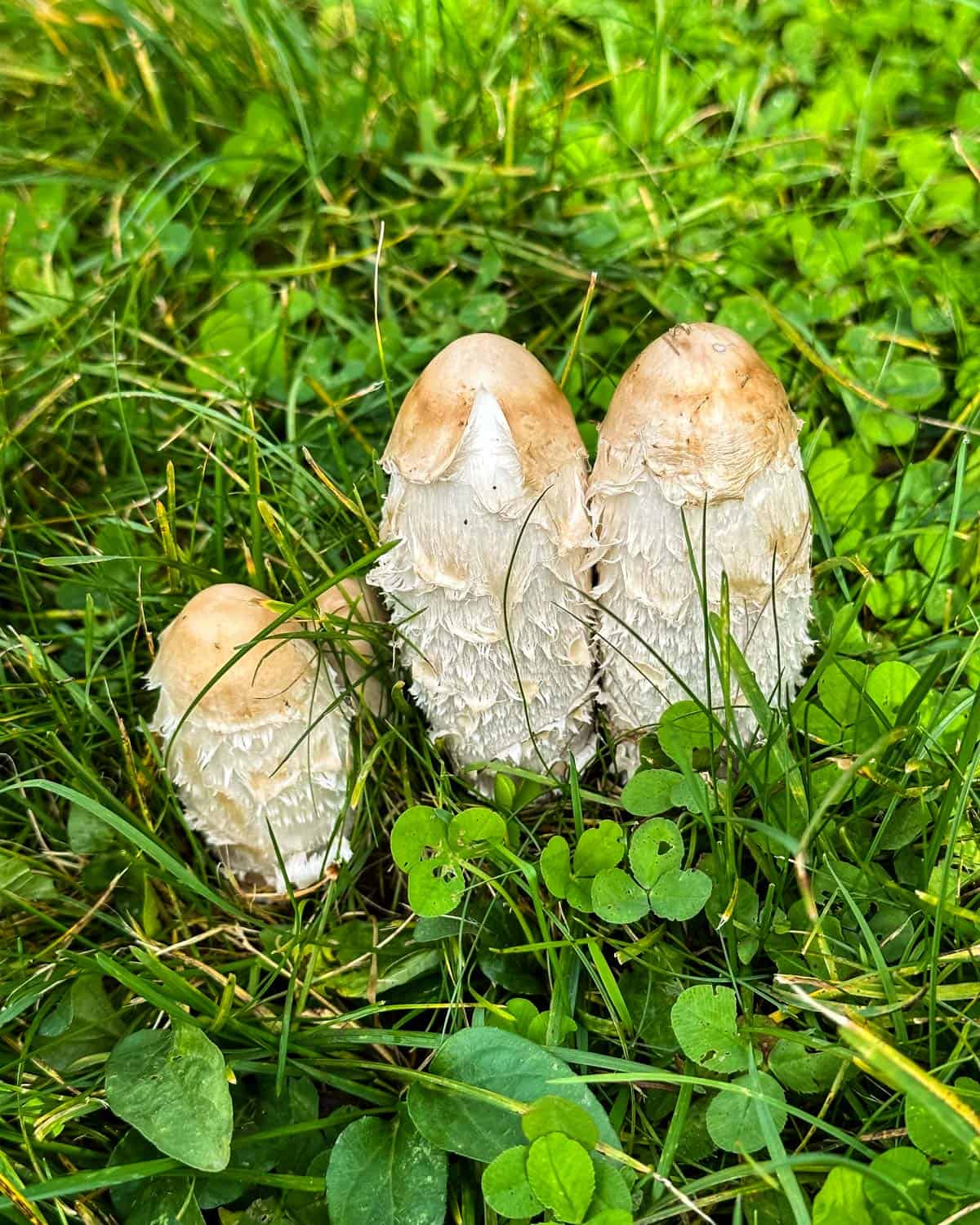
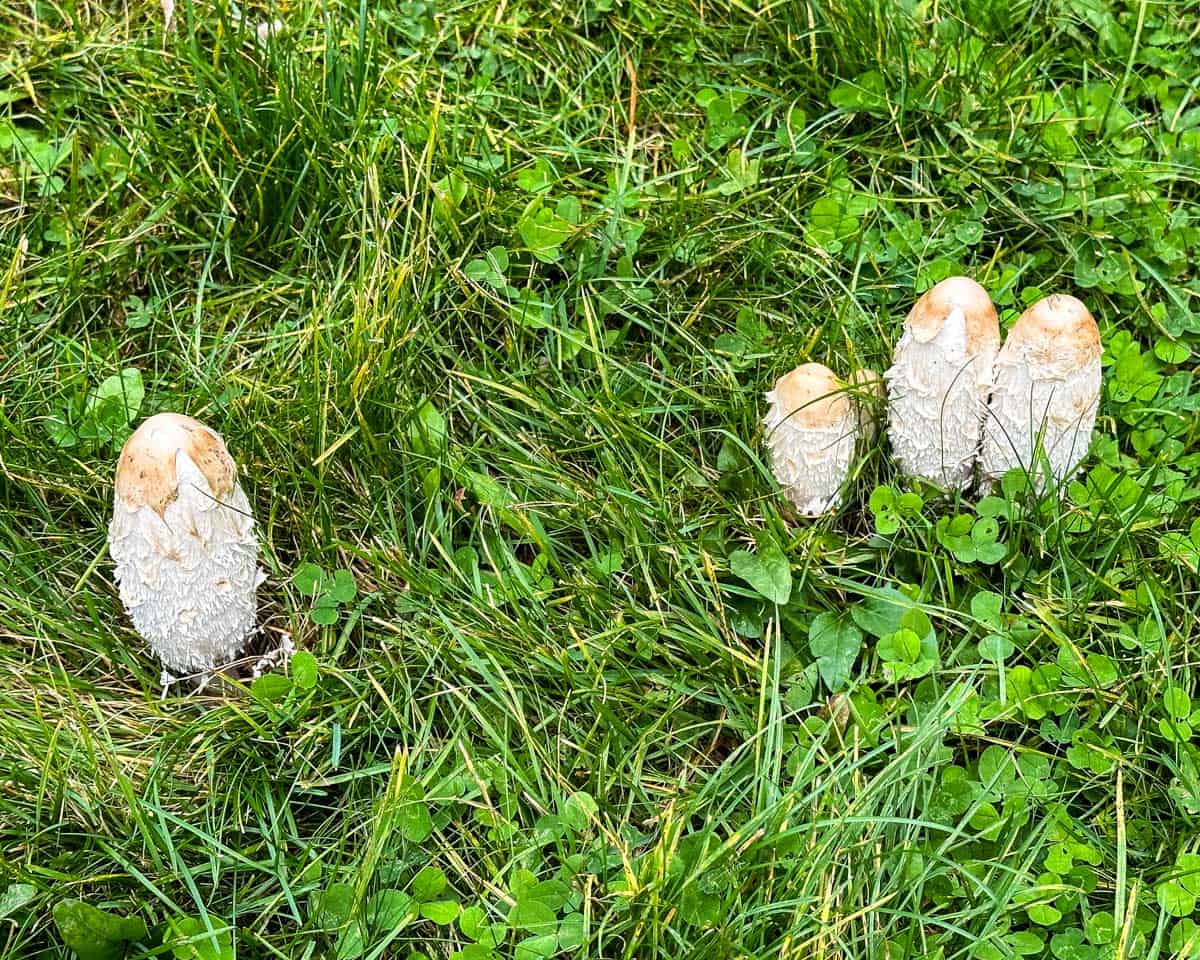
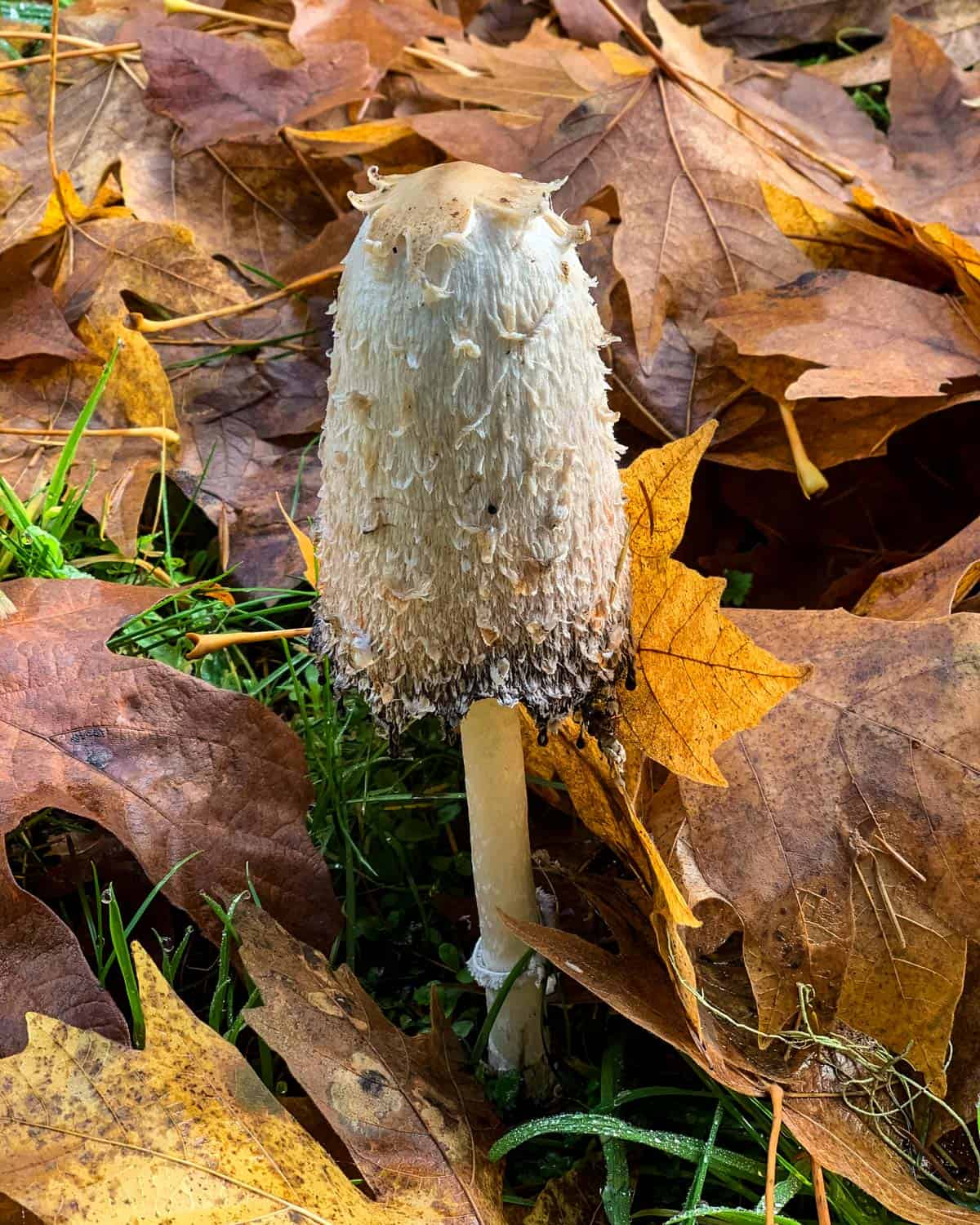
The physical profile of a Shaggy Mane is unmistakable. In its juvenile stage, the mushroom appears as a white, elongated cylinder, often measuring between five and fifteen centimeters in height. The cap is covered in recessed, upturned scales that give it a "shaggy" or feathered appearance, which is the source of its common names. As the mushroom matures, the cap expands slightly into a narrow bell shape. Beneath the cap, the gills are extremely crowded and initially white, transitioning to a pinkish hue before ultimately turning black and dissolving. The stem is hollow, white, and features a fragile, movable ring (annulus), which is a remnant of the partial veil that protected the gills during early development.
The Phenomenon of Autodigestion and Spore Dispersal
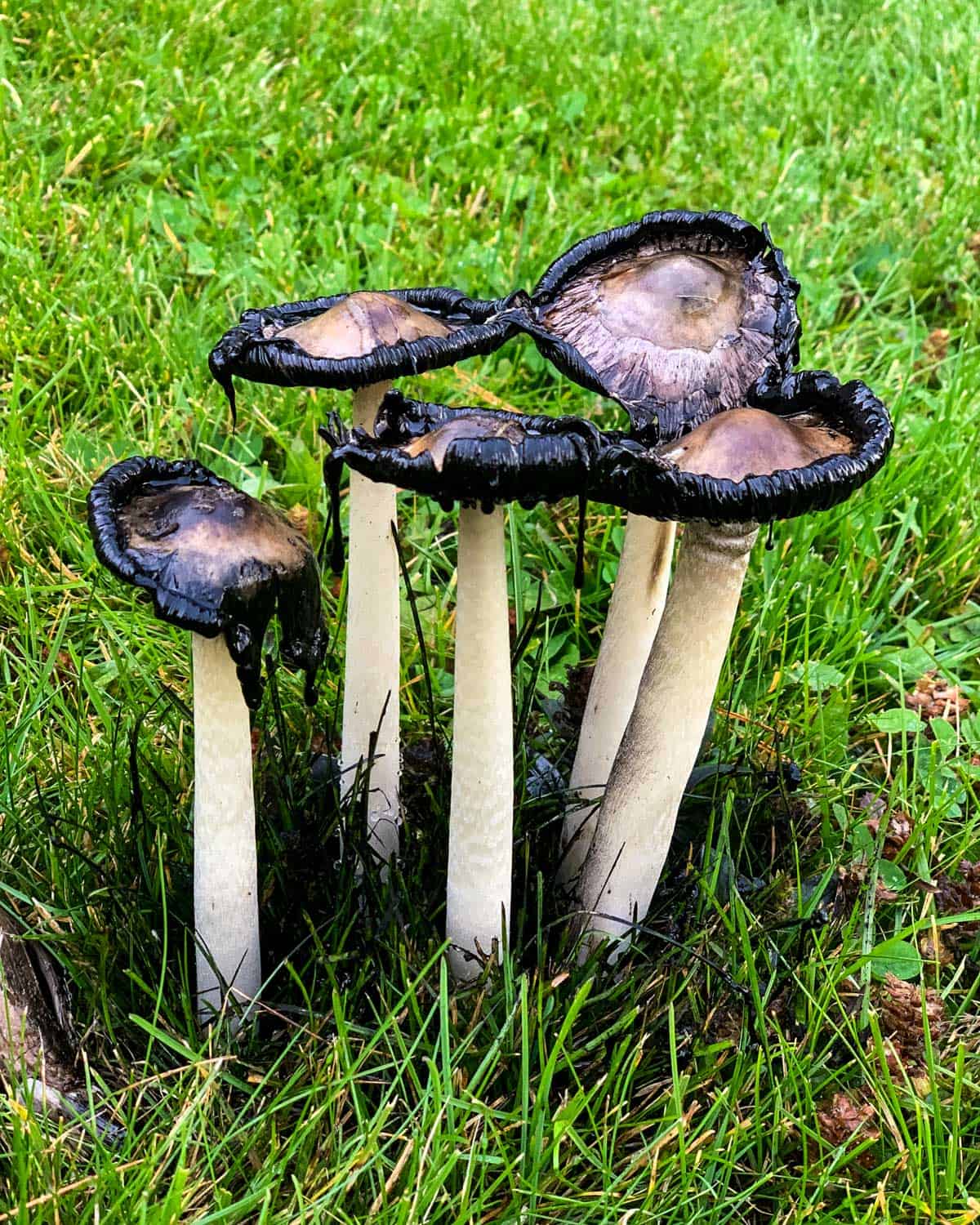
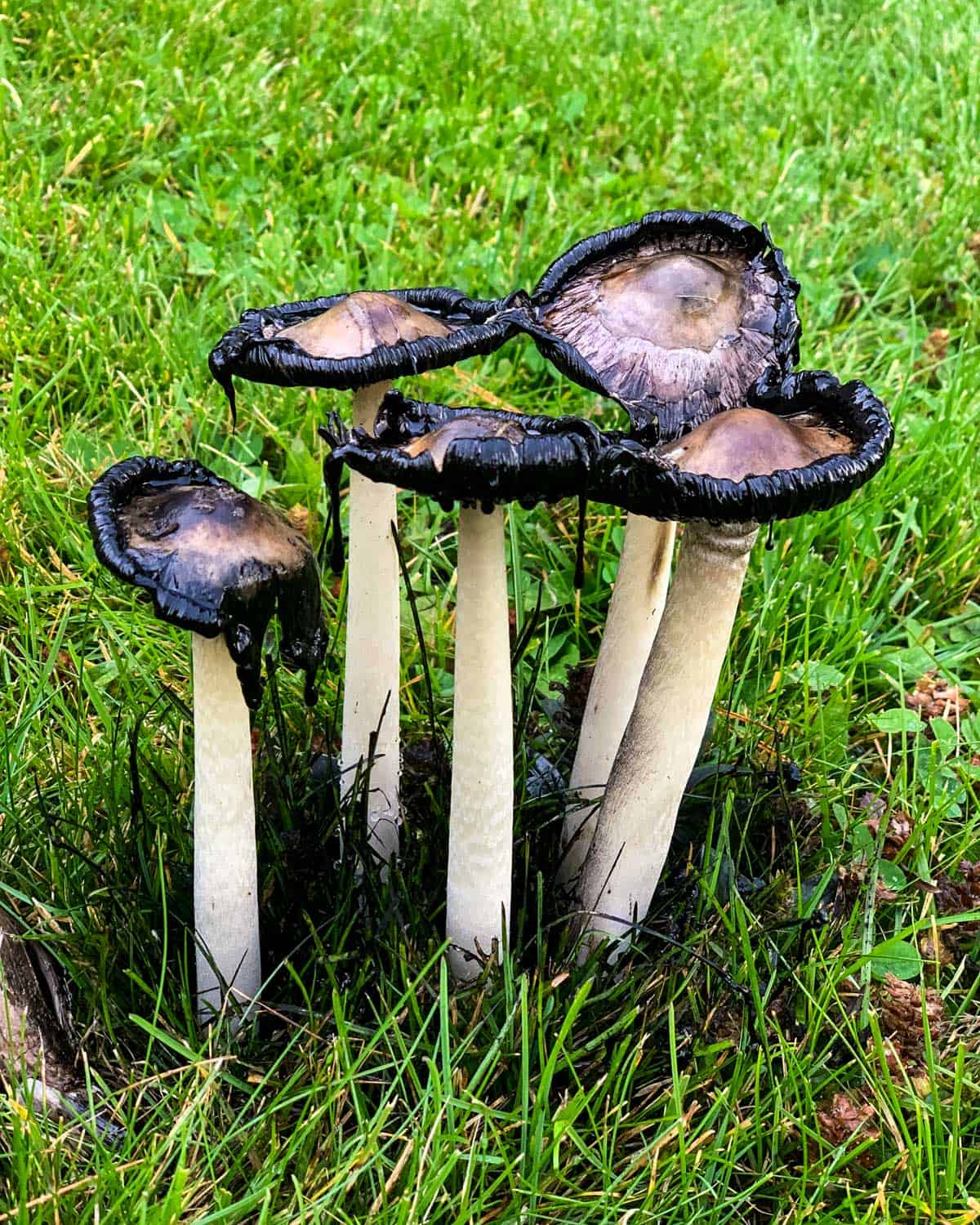
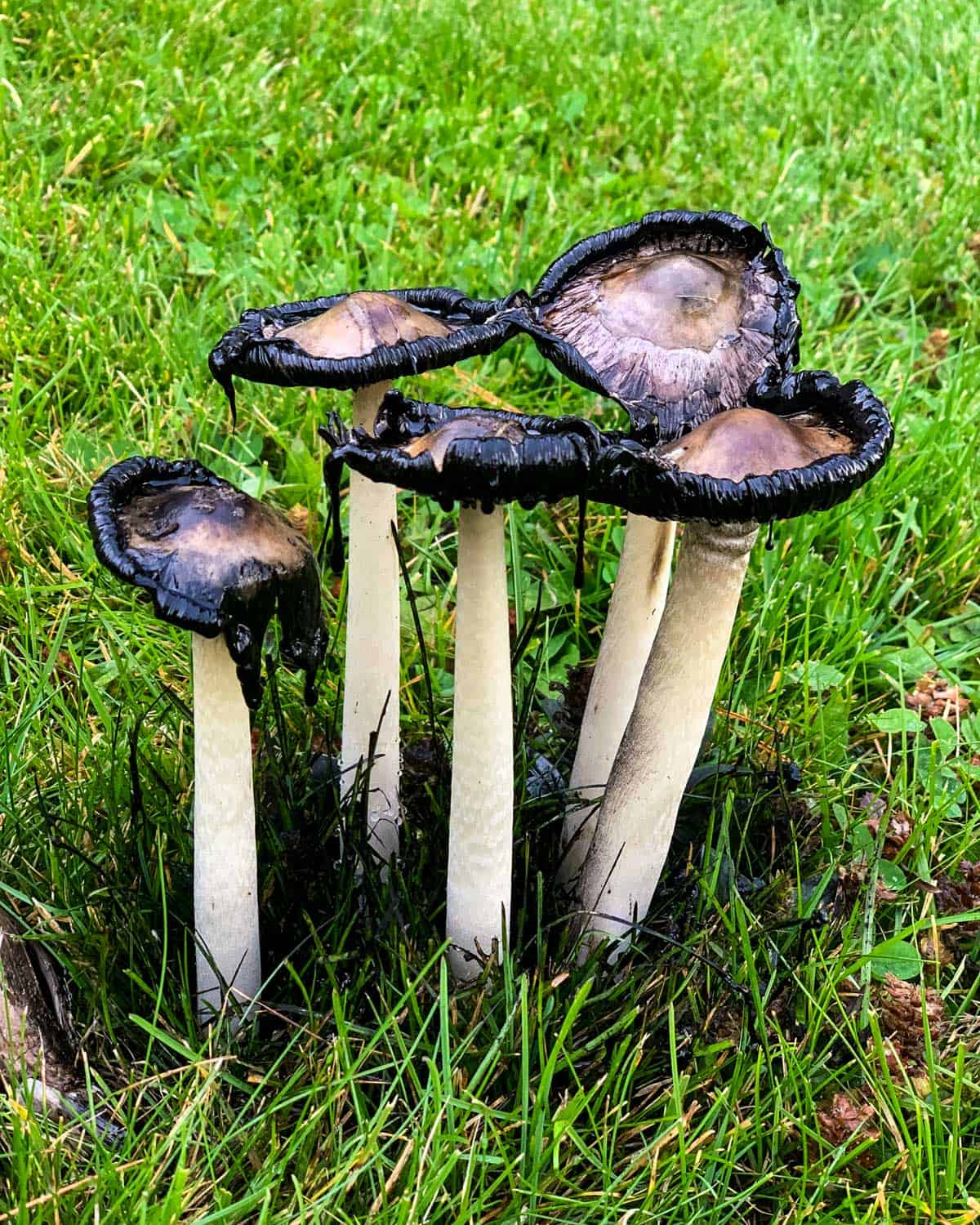
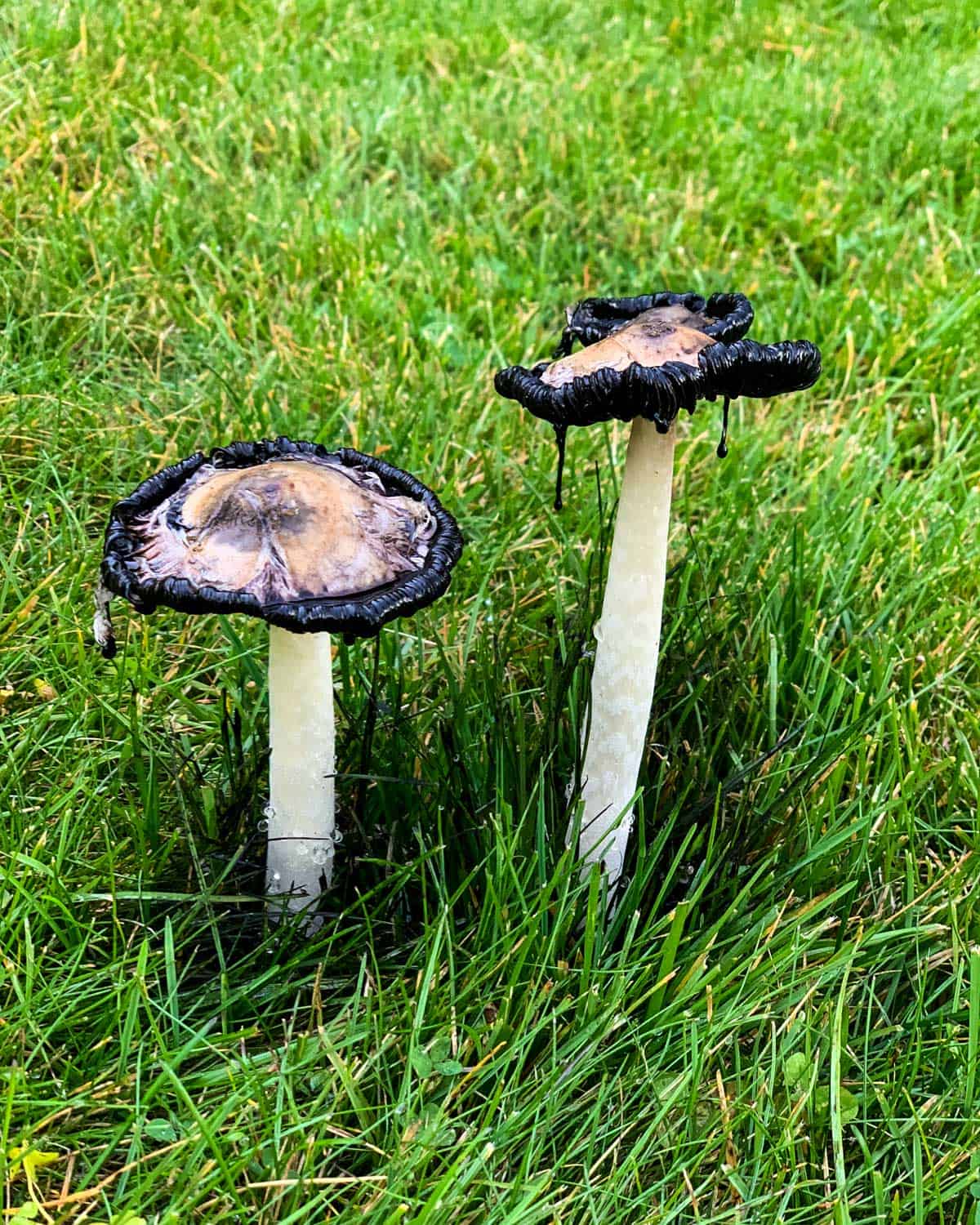
The most striking biological feature of Coprinus comatus is its process of deliquescence, or autodigestion. Unlike most agarics, which rely on air currents to carry spores away from horizontal gills, the Shaggy Mane has gills that are packed so tightly that spores cannot easily escape. To overcome this, the mushroom utilizes specialized enzymes to digest its own tissue, starting from the bottom of the cap and moving upward.
As the edge of the cap liquifies into a black, spore-laden "ink," the remaining portion of the gills becomes exposed to the air, allowing the spores to be released efficiently. This process is so rapid that a healthy specimen can transform from a firm, edible mushroom into a puddle of black goo within 24 to 48 hours. This ephemeral life cycle dictates the strict timeline required for foragers, as the window for harvest is exceptionally narrow.
Ecological Distribution and Habitat
Coprinus comatus is a saprobic species, meaning it derives its nutrients from decaying organic matter. It is frequently found in "disturbed" soils—areas where the earth has been moved, compacted, or enriched with nitrogen-rich organic material. Common habitats include manicured lawns, open meadows, grassy road verges, and garden woodchips. They are also known to thrive in compost heaps and areas treated with manure.
The species typically fruits in the cooler months of late summer and autumn, often appearing in massive, dense clusters following periods of significant rainfall. In temperate regions like the northeastern United States or Northern Europe, the peak fruiting season often coincides with late October. While they are most prolific in the fall, some microclimates may support secondary fruitings in the spring or early summer. Because they often grow in proximity to human activity, foragers are cautioned to avoid specimens growing near busy roads or industrially treated lawns, as mushrooms are known to bioaccumulate heavy metals and toxins from their environment.
Safety Protocols and Look-Alike Species
While Coprinus comatus is considered a "safe" mushroom for beginners due to its unique appearance, several look-alikes require careful distinction to avoid gastrointestinal distress or toxic reactions.
Coprinopsis atramentaria (Tippler’s Bane)
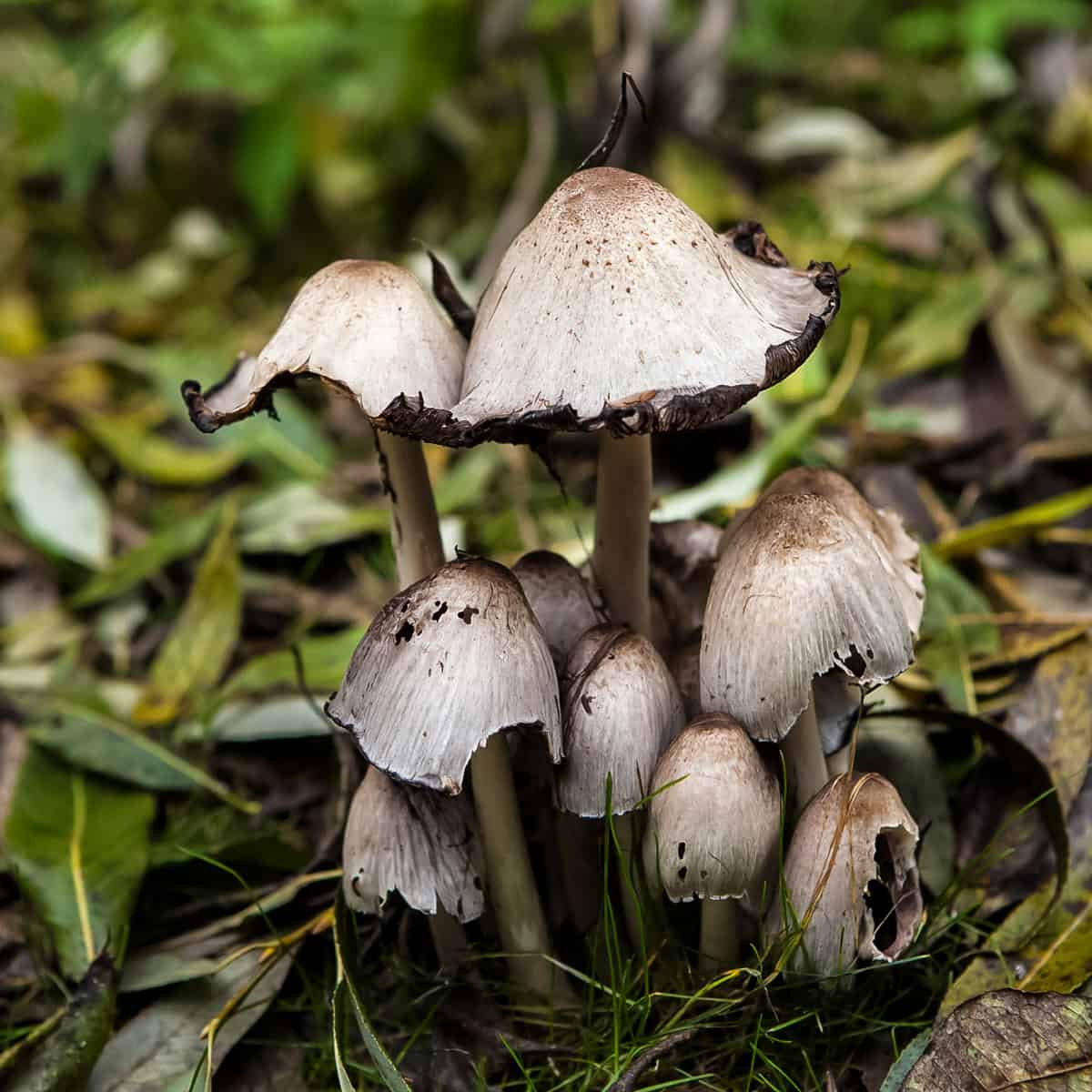
The most significant look-alike is the Common Ink Cap or Tippler’s Bane. While it also turns to ink, it lacks the shaggy, upturned scales of Coprinus comatus, possessing instead a smooth, greyish-brown cap. The primary danger of this species is the presence of coprine, an amino acid that interferes with the body’s ability to metabolize alcohol. If consumed within several days of alcohol ingestion—either before or after—coprine causes a disulfiram-like reaction, leading to symptoms such as facial flushing, nausea, vomiting, palpitations, and tingling in the limbs. It is a common misconception that the Shaggy Mane contains coprine; however, scientific analysis has confirmed that Coprinus comatus is free of this compound and is safe to consume with alcohol.
Coprinopsis picacea (Magpie Ink Cap)
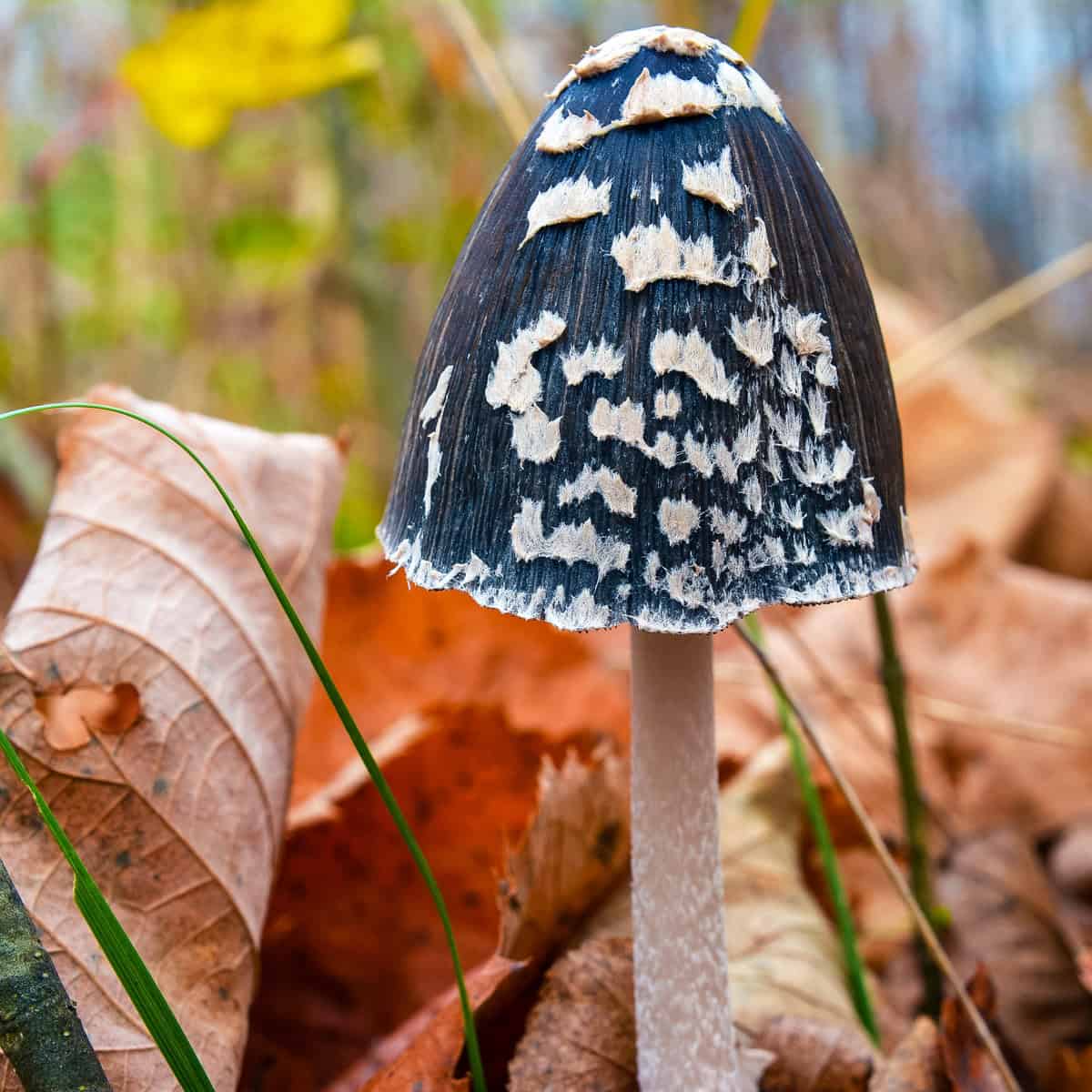
Another potential look-alike is the Magpie Fungus, which is considered toxic or at least highly suspect. This mushroom features a dark brown or black cap covered in large, white, patch-like scales. Unlike the delicate, feathered scales of the Shaggy Mane, these patches are remnants of a universal veil. The Magpie Fungus often emits an unpleasant, tar-like odor and can cause severe digestive upset if ingested.
Nutritional Profile and Health Benefits
From a nutritional standpoint, the Shaggy Mane is a valuable addition to the diet. It is low in calories but rich in essential nutrients. Research indicates that Coprinus comatus contains significant levels of protein, dietary fiber, and various vitamins, including B-complex vitamins and Vitamin C.
Furthermore, the species is noted for its high concentration of antioxidants, particularly ergothioneine, a sulfur-containing amino acid that protects cells from oxidative damage. Some studies in mycological pharmacology have suggested that extracts from Shaggy Mane mushrooms may possess antimicrobial, hypoglycemic, and even anti-tumor properties, though more clinical research is required to substantiate these claims for human therapeutic use.
Culinary Application and Preparation
In the kitchen, the Shaggy Mane is prized for its mild, earthy flavor and delicate texture. However, its propensity for rapid deliquescence means that the mushrooms must be processed almost immediately after harvest. Even refrigerated specimens will continue to autodigest, often turning into ink overnight.
Harvesting and Storage
Foragers should select only young specimens where the gills are still white or only slightly pink at the very bottom. To slow the enzymatic process, some experts recommend removing the stems immediately, as this can marginally extend the shelf life of the caps. For transport, they should be placed in a rigid container to prevent bruising, as damaged tissue accelerates the melting process.
Cooking Techniques
The high water content of Shaggy Manes makes them unsuitable for traditional sautéing unless they are first "dry-sautéed" to evaporate excess moisture. They excel in soups, stews, and cream-based sauces, where their delicate flavor can be highlighted. A popular preparation involves dredging the young cylinders in flour and egg wash, then coating them in breadcrumbs or parmesan cheese and frying them until golden. This method provides a structural contrast to the soft interior of the mushroom.
Preservation Challenges
Traditional preservation methods such as drying are generally unsuccessful for Shaggy Manes, as the mushrooms usually melt before they can be fully dehydrated. The most effective way to preserve a large harvest is to lightly sauté the mushrooms in butter or oil and then freeze them. This halts the enzymatic activity and locks in the flavor for future use.
Historical and Industrial Utility
The "ink" produced by Coprinus comatus is not merely a biological waste product; it has historical and practical applications. The black liquid is composed of concentrated spores and can be used as a functional writing ink. Historically, this ink was sometimes mixed with a small amount of cloves or other preservatives to prevent mold and used for legal documents. The logic was that the presence of microscopic spores within the dried ink provided a unique biological signature, making the documents difficult to forge—a precursor to modern forensic watermarking.
In contemporary times, researchers have explored the use of Shaggy Mane enzymes in industrial applications, including the breakdown of certain environmental pollutants and the production of specialized biochemicals. The species’ ability to rapidly mobilize nutrients and decompose organic matter makes it a subject of interest in the field of mycoremediation.
Broader Impact and Environmental Significance
The presence of Shaggy Mane mushrooms in an ecosystem is often an indicator of healthy decomposition processes. As saprobes, they play a critical role in recycling nutrients back into the soil, supporting the growth of surrounding vegetation. Their preference for disturbed areas also makes them a "pioneer species," often being among the first fungi to colonize newly moved earth or compost.
For the foraging community, the Shaggy Mane serves as an educational bridge. Its distinct morphology and dramatic life cycle make it an ideal subject for teaching the principles of mycology and the importance of timing in nature. As interest in sustainable foraging and "wildcrafting" continues to grow globally, the Shaggy Mane remains a staple species that exemplifies the rewards and responsibilities of engaging with the natural world.
In summary, Coprinus comatus is a remarkable fungus that demands both respect and prompt action from those who seek it. Its ghostly appearance and "melting" habit are not merely curiosities but are the hallmarks of a highly specialized evolutionary path. By adhering to strict identification standards and understanding the mushroom’s unique biology, enthusiasts can safely enjoy one of the most flavorful and ephemeral treasures of the autumn landscape.