
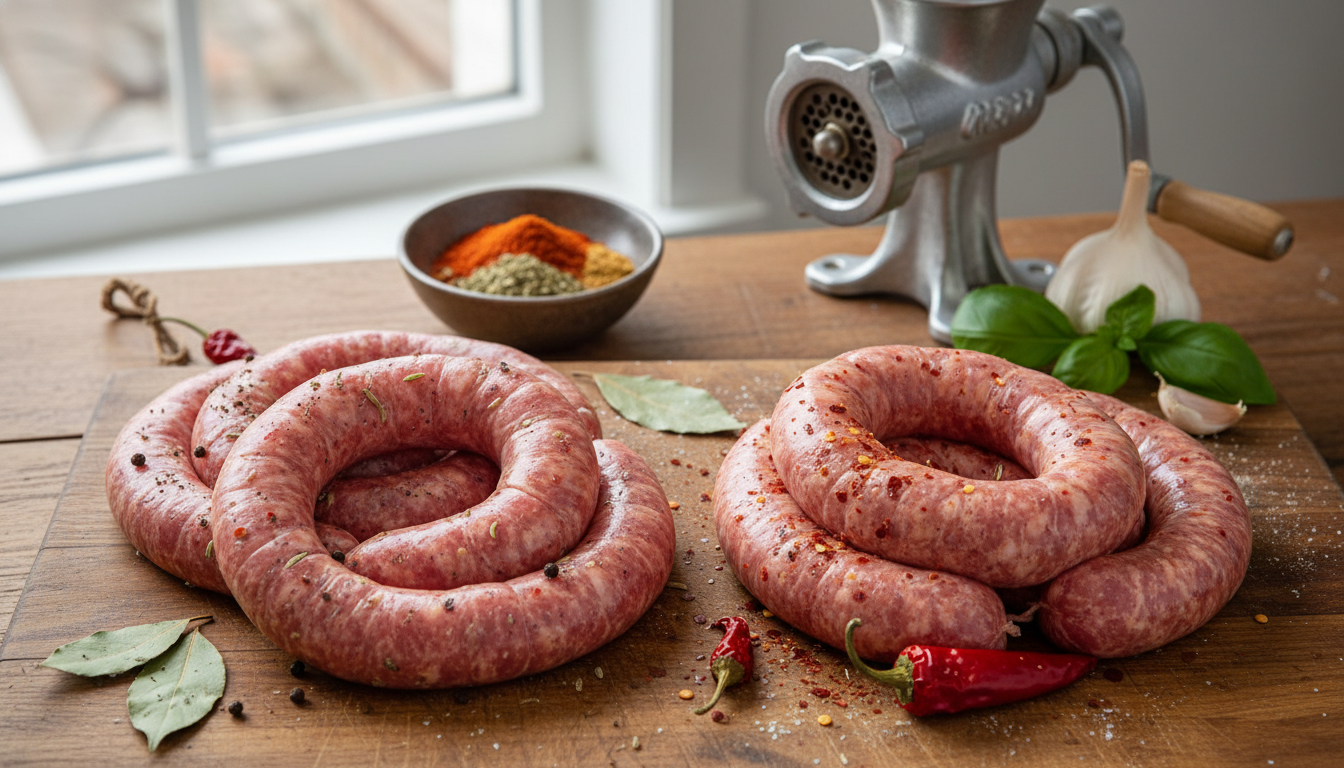
Homemade Italian sausage offers a culinary adventure, allowing home cooks to precisely control the spice profile and ingredients, transforming simple ground pork into a versatile ingredient for a myriad of dishes. This guide delves into the essence of Italian sausage, its traditional preparation, and the practical steps for creating it in your own kitchen, complete with expert storage and usage tips. While store-bought versions typically present as either "sweet" (mild) or "hot," the home kitchen provides an unparalleled opportunity to customize these characteristics, ensuring a flavor that perfectly complements pasta sauces, hearty soups, pizzas, and more.
The Foundation of Authentic Italian Sausage Flavor
At its core, Italian sausage is a seasoned pork sausage distinguished by its characteristic flavor derived from a blend of aromatic spices. The quintessential ingredients are fennel seeds, garlic, and a selection of complementary herbs. Fennel, with its subtle anise-like sweetness and fragrance, is the cornerstone that defines Italian sausage, differentiating it from other pork sausages. Garlic provides a pungent depth, while herbs like oregano, basil, thyme, rosemary, and marjoram contribute layers of herbaceous complexity.
The distinction between "sweet" and "hot" Italian sausage primarily hinges on the inclusion of red pepper flakes. "Sweet" does not imply the addition of sugar; rather, the perceived sweetness originates from the natural aromatic compounds in fennel. The "hot" variety incorporates varying amounts of red pepper flakes, allowing for a spectrum of heat that can be tailored to individual preference. Making Italian sausage at home empowers the cook to be the arbiter of this heat, creating a mild, medium, or fiery sausage as desired.
Historical Context and Culinary Significance
The origins of sausage making trace back to ancient times, a practice born out of necessity to preserve meat. In Italy, regional variations of sausage have evolved over centuries, each reflecting local agricultural practices, available spices, and culinary traditions. Italian sausage, as it is known globally, is a testament to this rich heritage, often associated with the culinary landscape of Southern Italy. The use of pork is traditional, given its prevalence and the desirable fat content that contributes to the sausage’s texture and flavor. Fennel, a readily available herb throughout the Mediterranean, became the signature spice, cementing its identity.
The migration of Italians to other parts of the world, particularly to the United States, brought these culinary traditions with them. Italian sausage quickly became a staple in immigrant communities and subsequently gained widespread popularity, adapting to local palates and ingredient availability. The ability to produce it at home allows for a return to more traditional methods and a deeper appreciation for the craft of charcuterie.
Essential Ingredients for Homemade Italian Sausage
The beauty of making Italian sausage from scratch lies in its simplicity and the quality of the ingredients. For approximately three pounds of sausage, the following components are crucial:
- Ground Pork: Opt for a cut with a good fat-to-meat ratio, such as pork shoulder (pork butt). A ratio of roughly 70-80% lean to 20-30% fat is ideal for a moist and flavorful sausage.
- Fennel Seeds: Whole or crushed fennel seeds are indispensable. The amount can be adjusted to taste, but a common starting point is 1 to 2 tablespoons per pound of pork.
- Garlic: Freshly minced garlic provides a robust flavor. The quantity can range from 2 to 4 cloves per pound.
- Herbs: A blend of dried Italian herbs is effective. This typically includes oregano, basil, thyme, rosemary, and marjoram. Alternatively, a pre-made Italian seasoning blend can be used. The amount generally ranges from 1 to 2 teaspoons per pound.
- Salt: Essential for flavor and preservation. Approximately 1 to 1.5 teaspoons of kosher salt per pound of pork is a good starting point.
- Black Pepper: Freshly ground black pepper adds a subtle bite. About 0.5 to 1 teaspoon per pound is recommended.
- Red Pepper Flakes (Optional): For hot Italian sausage, add red pepper flakes to your desired level of heat, typically ranging from 0.25 to 1 teaspoon per pound.
Substitutions and Customization:

For those who prefer not to use a pre-mixed Italian seasoning, individual dried herbs can be combined. The key is to achieve a balanced herbaceous profile. Experimentation is encouraged; some may prefer a stronger note of oregano, while others might favor thyme. The fat content of the pork is also a critical variable. If using leaner pork, consider adding a small amount of pork fat or even bacon fat to ensure the sausage remains moist and tender after cooking.
The Process: From Seasoning to Storage
Creating homemade Italian sausage is a straightforward process that requires minimal specialized equipment.
Step 1: Mixing the Sausage
- Prepare the Meat: Ensure your ground pork is cold. This helps the seasonings adhere better and prevents the fat from smearing, which can lead to a greasy texture.
- Combine Seasonings: In a separate small bowl, whisk together the salt, black pepper, fennel seeds, minced garlic, dried herbs, and red pepper flakes (if using). This ensures an even distribution of spices.
- Integrate Ingredients: Place the ground pork in a large mixing bowl. Sprinkle the prepared seasoning mixture over the pork.
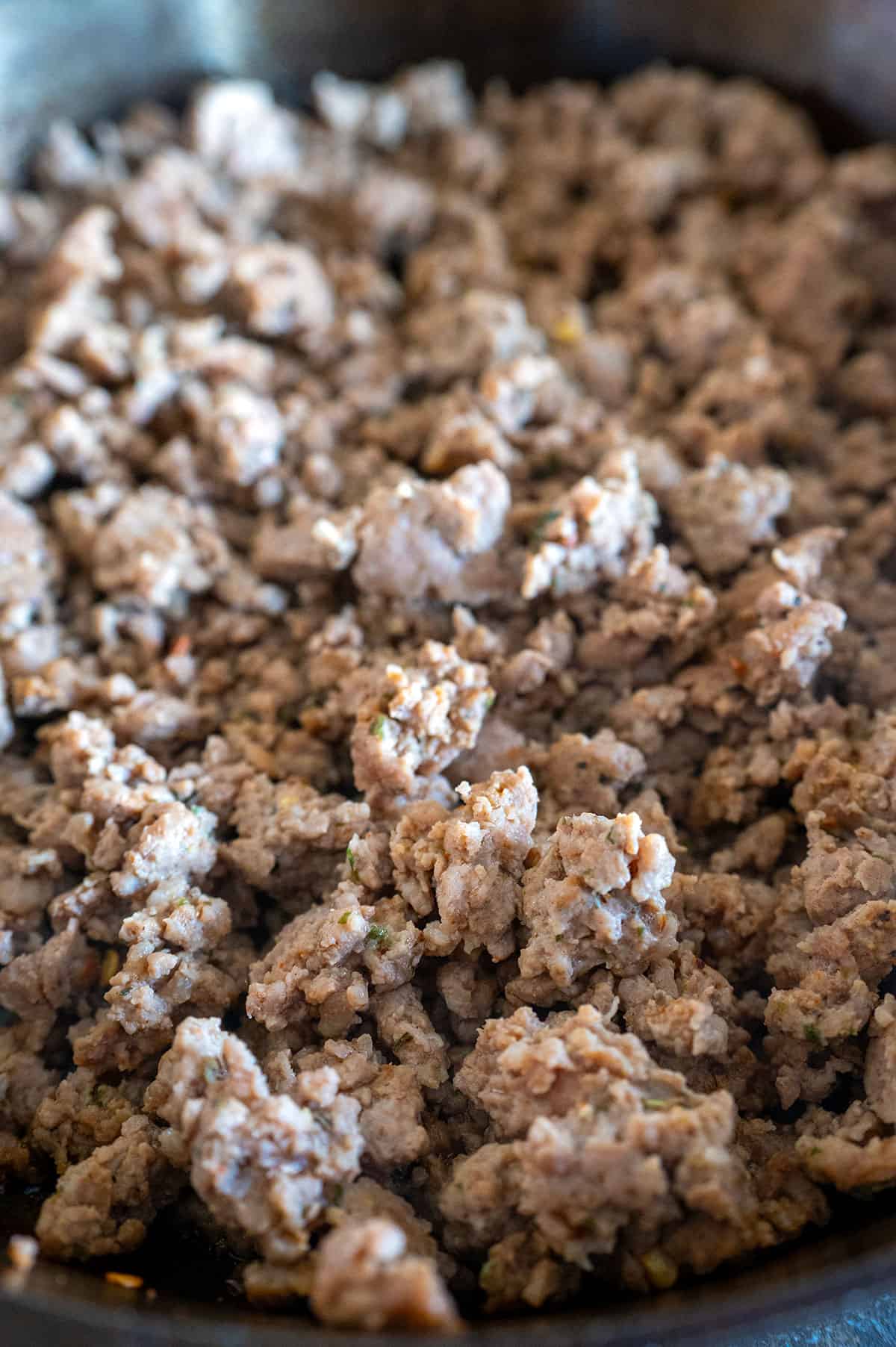
- Gentle Mixing: Using your hands or a sturdy spoon, gently mix the seasonings into the pork until just combined. Overmixing can toughen the sausage. The goal is to distribute the seasonings evenly without compacting the meat excessively.
A visual cue for proper seasoning is to cook a small patty of the mixture. This allows you to taste and adjust the salt, herbs, and heat before proceeding with the full batch.
Step 2: Storage Options
Once the sausage is mixed, it can be stored in one of two ways: uncooked or cooked.
-
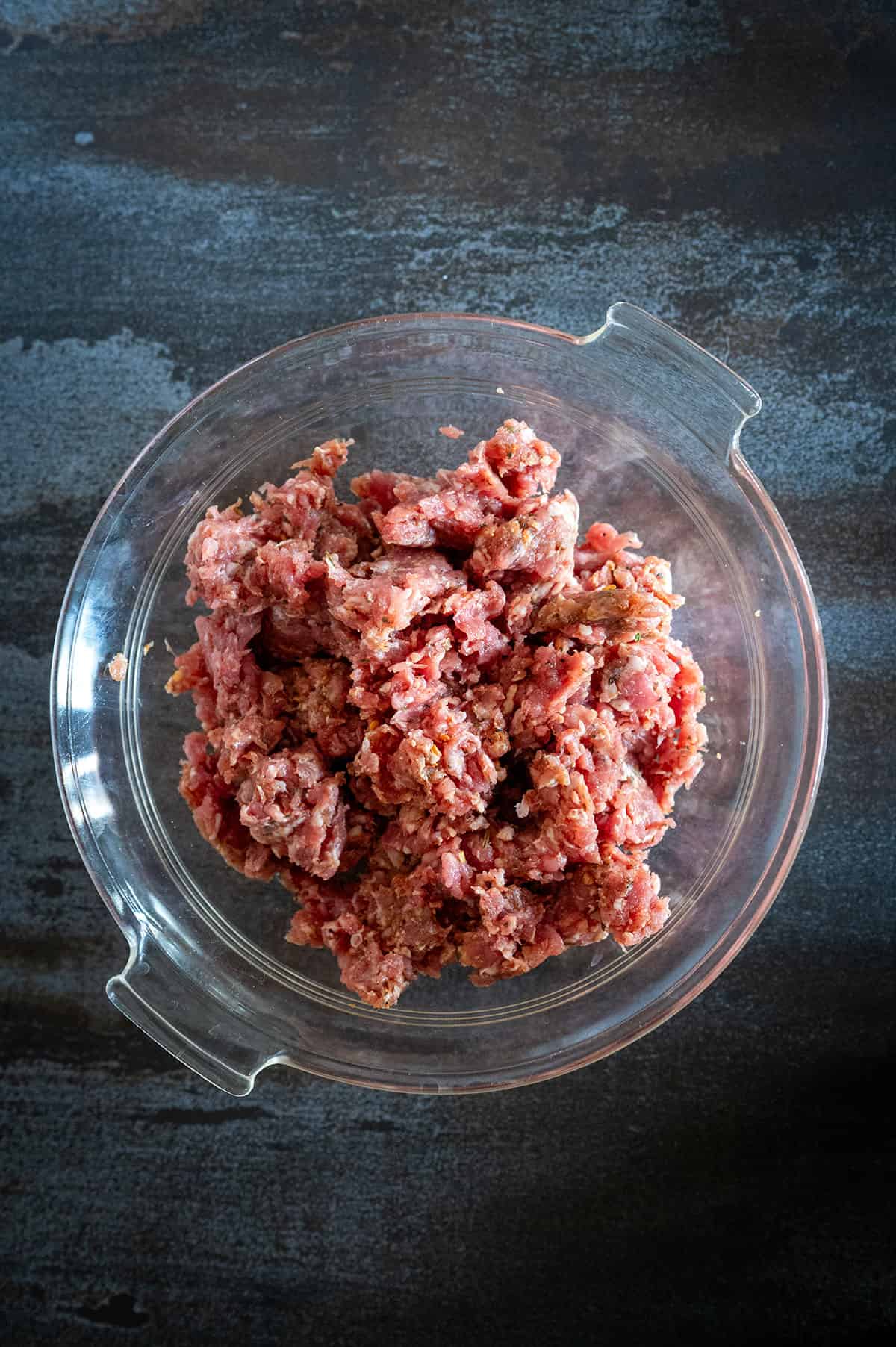
Storing Uncooked Sausage:
- Refrigeration: For immediate use within 2-3 days, transfer the sausage mixture into an airtight container. This prevents odor absorption and maintains freshness.
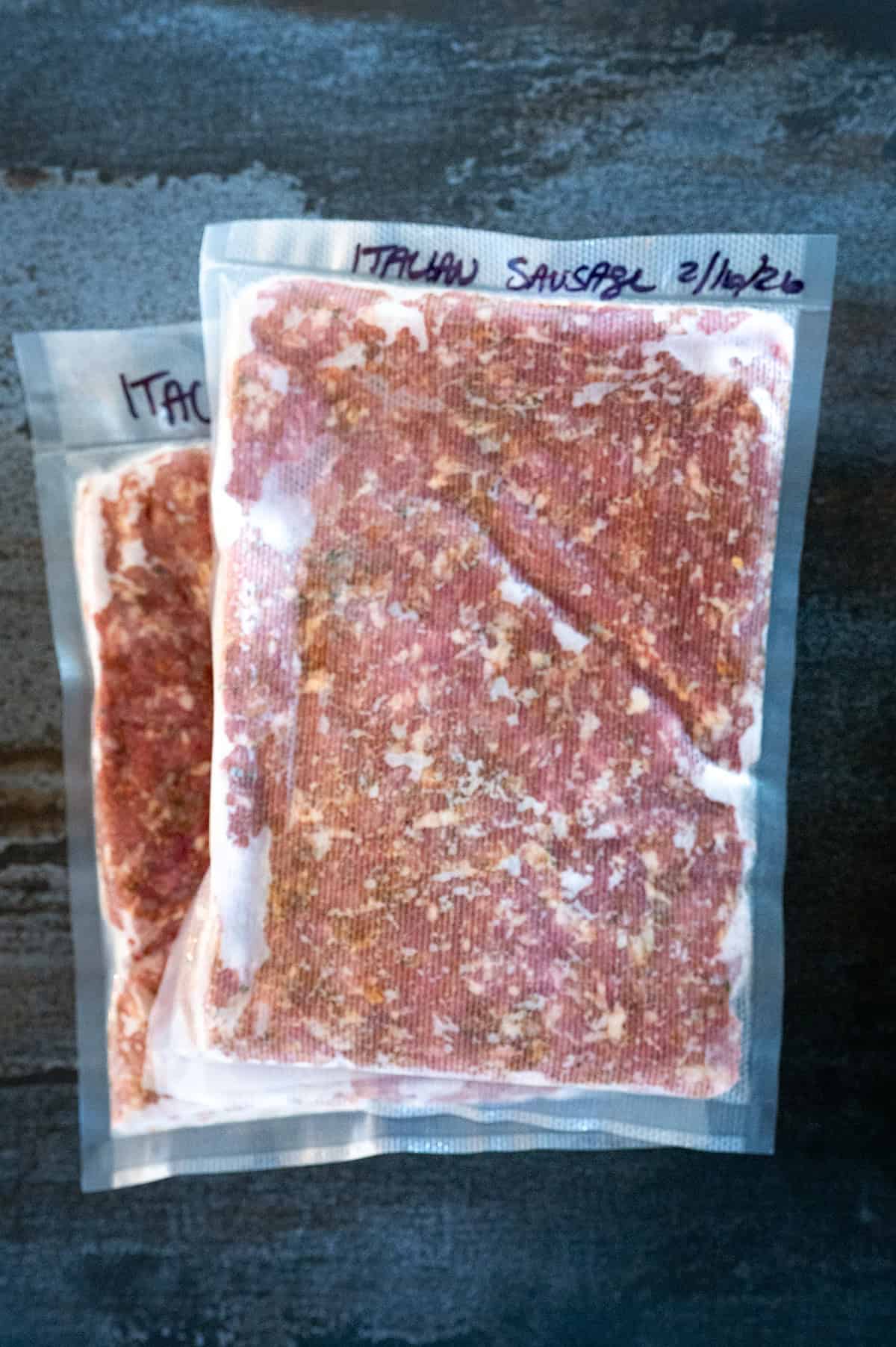
- Freezing: For longer storage, divide the sausage mixture into desired portions. Place each portion into freezer-safe bags or vacuum-seal bags. Remove as much air as possible before sealing to prevent freezer burn. Label each bag with the date. Uncooked homemade Italian sausage can be safely frozen for up to a year.
-
Storing Cooked Sausage:
- After cooking the sausage, allow it to cool completely. Store it in an airtight container in the refrigerator for up to 3-4 days or freeze it in similar airtight containers for up to 3 months. Frozen cooked sausage is best used for recipes where it will be reheated, such as in pasta sauces or casseroles.
Step 3: Cooking the Sausage
The method of cooking Italian sausage can vary, but the fundamental principle is to cook it thoroughly to an internal temperature of 160°F (71°C).
-
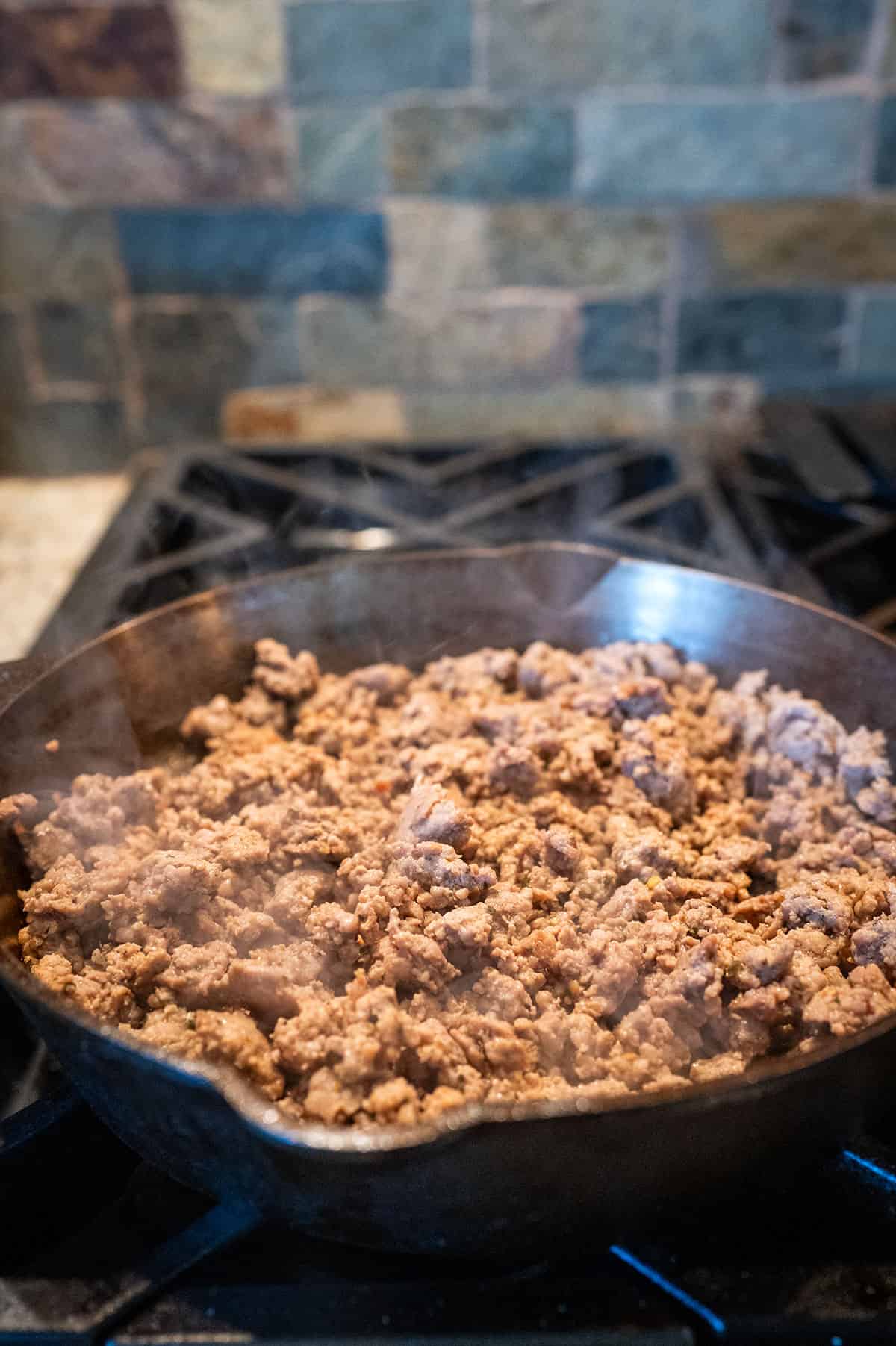
Pan-Frying: Heat a large skillet over medium heat. Add a small amount of neutral oil (like vegetable or canola oil), though if your pork has a sufficient fat content, you may not need any oil. Add the sausage mixture to the hot skillet. Break it apart with a spoon as it cooks. Stir frequently until the sausage is evenly browned and cooked through. The amount of rendered fat will depend on the leanness of the pork. Excess drippings can be carefully drained from the skillet.

-
Baking: For a hands-off approach, preheat your oven to 375°F (190°C). Spread the sausage mixture in a single layer on a baking sheet lined with parchment paper or foil. Bake for 20-25 minutes, or until cooked through and no pink remains.
-
Grilling: Shape the sausage mixture into patties or links (if using casings, which is a more advanced technique not covered here). Grill over medium-high heat for about 10-15 minutes, turning occasionally, until browned and cooked through.
Regardless of the cooking method, always ensure the sausage reaches the safe internal temperature of 160°F (71°C) using a meat thermometer.
Nutritional Profile
The nutritional content of homemade Italian sausage will vary based on the cut of pork used and the specific quantities of fat and seasonings. Based on a typical recipe yielding 12 servings, the estimated nutritional information per serving is approximately:
- Calories: 304 kcal
- Carbohydrates: 1 g
- Protein: 19 g
- Fat: 24 g
- Saturated Fat: 9 g
- Polyunsaturated Fat: 2 g
- Monounsaturated Fat: 11 g
- Cholesterol: 82 mg
- Sodium: 649 mg
- Potassium: 362 mg
- Fiber: 1 g
- Sugar: 0.1 g
- Vitamin A: 241 IU
- Vitamin C: 2 mg
- Calcium: 34 mg
- Iron: 1 mg
These figures are approximations and should be used as a general guideline.
Culinary Applications: Beyond the Basics
Cooked homemade Italian sausage is an incredibly versatile ingredient that can elevate a wide range of dishes. Its robust flavor makes it a star in various culinary contexts:
- Pasta Dishes: It is a classic addition to hearty pasta sauces, such as a rich spaghetti sauce or a layered lasagna. Crumbled sausage adds texture and depth of flavor that ground beef alone cannot replicate.
- Soups and Stews: Italian sausage is a key component in comforting soups like Zuppa Toscana, a Tuscan kale and potato soup, or the flavorful Italian Wedding Soup, which often features small sausage meatballs.
- Pizza Topping: The savory, slightly spicy notes of Italian sausage make it an excellent and popular pizza topping, pairing well with mozzarella, peppers, and onions.
- Stuffed Vegetables: It can be incorporated into the filling for stuffed peppers, zucchini, or mushrooms, providing a flavorful and satisfying element.
- Sandwiches and Hoagies: Cooked and crumbled or sliced sausage can be a delicious filling for Italian-style subs or hoagies.
- Appetizers: Mini sausage meatballs or sausage-stuffed mushrooms are popular appetizers that showcase the sausage’s appeal.
Frequently Asked Questions
Q: What gives Italian sausage its distinct flavor?
A: The characteristic flavor of Italian sausage primarily comes from fennel seeds, which impart a unique sweet and aromatic quality. Garlic and a blend of traditional Italian herbs further contribute to its complex taste profile.
Q: What cut of meat is typically used for Italian sausage?
A: Pork shoulder, also known as pork butt, is the preferred cut for making Italian sausage. This cut offers an ideal balance of meat and fat, ensuring a tender and flavorful sausage.
Q: Is Italian sausage inherently spicy?
A: Not necessarily. Italian sausage is available in both "sweet" (mild) and "hot" varieties. The sweetness is derived from fennel, not added sugar, while the heat in the "hot" version comes from the inclusion of red pepper flakes. Home cooks have the ability to control the level of spiciness.
Q: How long can homemade Italian sausage be stored?
A: Uncooked homemade Italian sausage can be stored in the refrigerator for 2-3 days or frozen for up to a year. Cooked sausage can be refrigerated for 3-4 days or frozen for up to 3 months.
Q: Can I make Italian sausage without a meat grinder?
A: Yes, you can make Italian sausage without a dedicated meat grinder. Many grocery stores offer freshly ground pork shoulder, which can be used directly. Alternatively, you can grind your own pork shoulder at home using a food processor in batches, though this may result in a slightly different texture compared to a meat grinder.
Conclusion
The practice of making Italian sausage at home transcends mere cooking; it is an act of culinary heritage and personal expression. By understanding the fundamental ingredients and techniques, home cooks can unlock a world of flavor, creating a sausage that is superior in taste and quality to many store-bought options. The ability to customize the spice levels, from a gentle warmth to a fiery kick, ensures that this versatile ingredient can be tailored to any dish or preference. Whether destined for a comforting pasta bake, a vibrant pizza, or a hearty soup, homemade Italian sausage promises a delicious and authentic taste of Italian cuisine, made with care and enjoyed with pride.