Rebecca Firkser, the acclaimed author of the recently published cookbook Galette!, has introduced an innovative new recipe for a sourdough discard cocoa galette crust, exclusively shared on Maurizio Leo’s renowned baking platform, The Perfect Loaf. This eagerly anticipated addition addresses a previously unfulfilled niche within her comprehensive galette repertoire, blending the rustic charm of freeform pastries with the nuanced flavors and sustainable practices of sourdough baking. The new recipe, dubbed "A Good Crust With Sourdough Discard and Cocoa," represents a significant step in diversifying classic pastry techniques, offering home bakers an opportunity to elevate their creations with a distinctive flavor profile and an eco-conscious approach to utilizing sourdough starter discard.
The Genesis of "A Good Crust With Sourdough Discard and Cocoa"
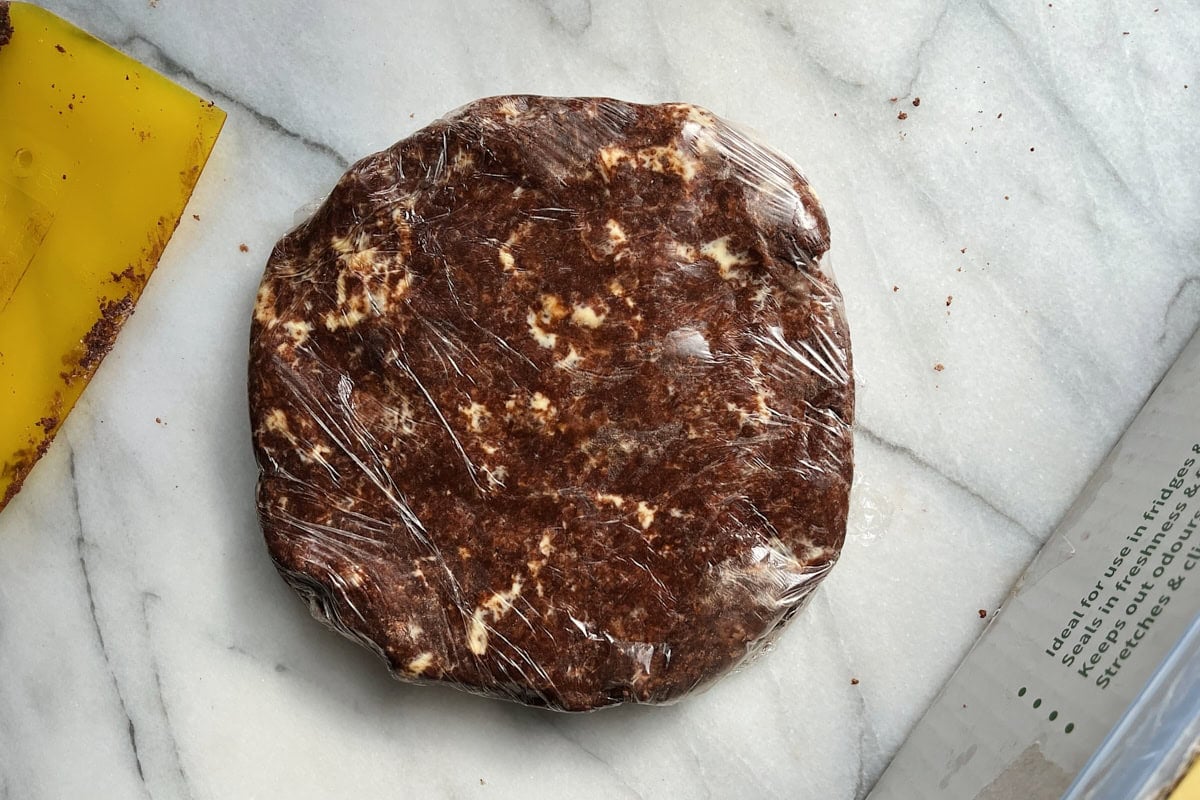
The galette, an open-faced, freeform pastry, has long been celebrated for its approachable elegance and versatility, serving as a canvas for both sweet and savory fillings. Firkser’s Galette!, launched in June, quickly cemented her position as a leading voice in modern pastry, offering over 50 recipes that delve into the fundamentals of flour and butter, alongside creative variations utilizing alternative grains like buckwheat, cornmeal, and whole wheat. The book’s thoroughness, praised by Maurizio Leo for its smart design and methodical approach to dough questions, laid a robust foundation for home bakers. However, a sourdough discard variation, while conceptually aligned with contemporary baking trends, was notably absent due to publication page limits. This new online release directly rectifies that, leveraging the natural synergy between sourdough starter—composed primarily of flour and water—and traditional pastry crust ingredients.
According to Firkser, the decision to develop a sourdough discard version for online publication was a natural progression. "There was simply a page limit, and I had to cut myself off somewhere," she stated, referring to the book’s contents. Given that sourdough starter is fundamentally flour and water, two core components of pastry crust, the integration felt "only natural." The collaboration with The Perfect Loaf is particularly fitting given Maurizio Leo’s established authority in sourdough baking. His platform has long been a go-to resource for enthusiasts, featuring extensive guides on sourdough starter maintenance, bread baking, and innovative applications, including a popular sourdough pie crust recipe. This partnership not only enriches the collective knowledge base for bakers but also highlights a shared commitment to culinary exploration and accessible, high-quality recipes. While Leo’s existing sourdough pie crust is adaptable for galettes, Firkser’s new cocoa-infused variant offers distinct ratios and flavor nuances, providing a compelling reason for bakers to explore both approaches.
Bridging Traditional Galettes with Sourdough Innovation
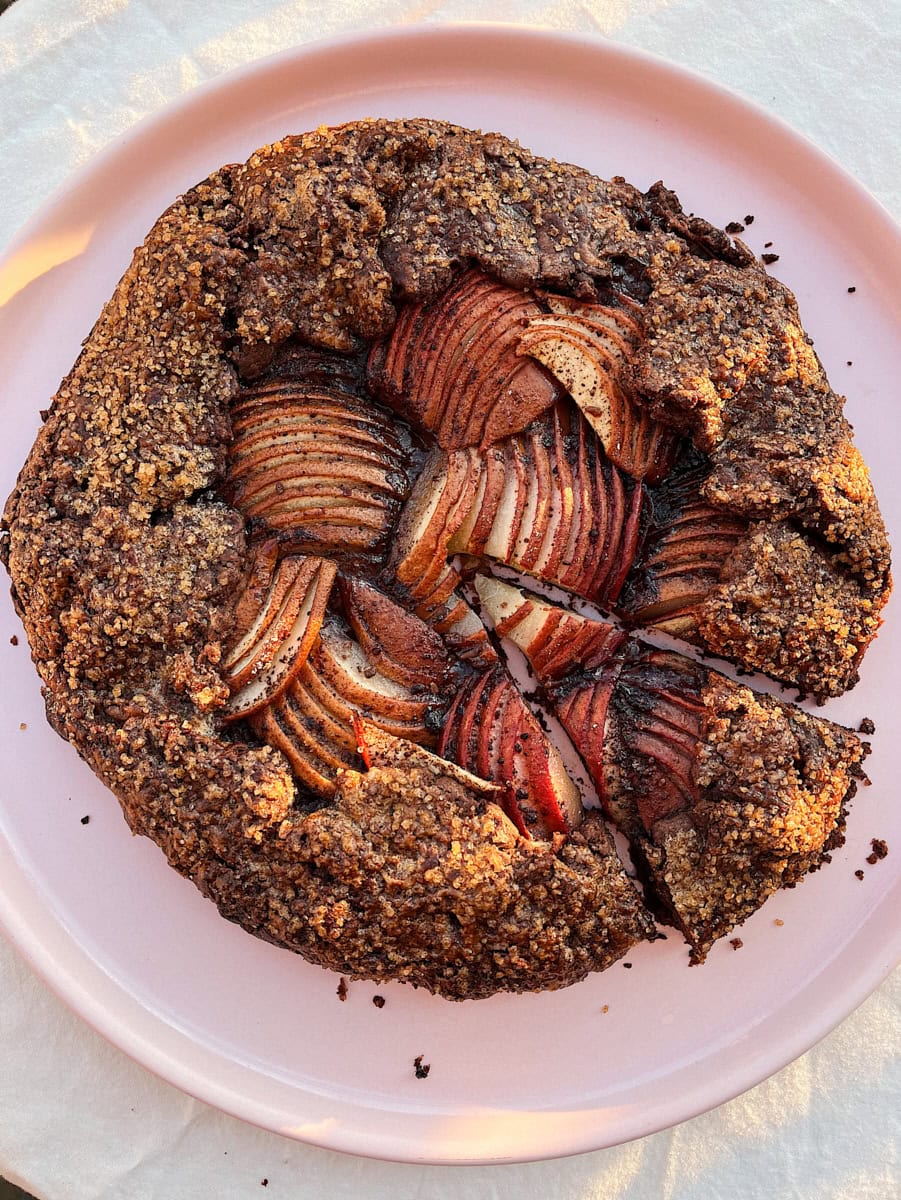
The journey to this unique cocoa sourdough crust began with the meticulous conceptualization of Galette!. Firkser developed a wide array of crust variations for her book, exploring different grains and flavorings such as black pepper and warm spices. Among these was a cocoa powder crust, designed to impart a subtle, sophisticated bitterness rather than an overt chocolate flavor, particularly complementing autumnal fruits. The decision to integrate sourdough discard into this specific cocoa crust for its online debut on The Perfect Loaf was a deliberate choice, reflecting a desire to offer something truly novel and in line with the platform’s focus. The timing allows for a timely contribution to fall and winter baking seasons, with the cocoa and fruit pairings resonating strongly with seasonal ingredients. The publication of this recipe post-book release demonstrates a dynamic engagement with her audience and a responsiveness to evolving culinary interests.
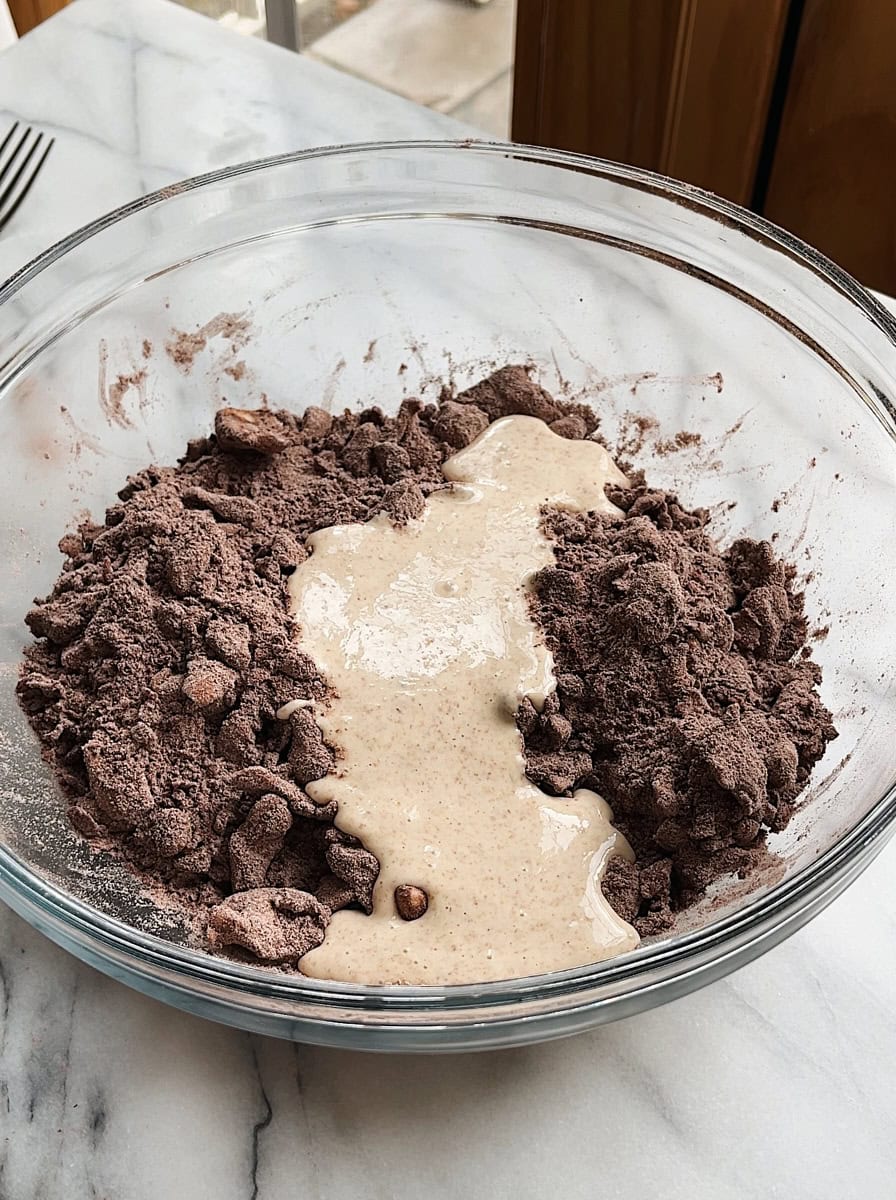
The incorporation of sourdough starter discard serves a dual purpose: it imbues the crust with a subtle tang and contributes to a more tender crumb, while also providing an ingenious way to reduce food waste. Sourdough discard, the unfed portion of a sourdough starter, is a staple byproduct for many home bakers. Its utilization in recipes beyond bread baking aligns with growing trends in sustainable cooking and ingredient optimization. Firkser experimented with various ratios of sourdough discard, water, all-purpose flour, and cocoa powder to arrive at the optimal balance for this specific recipe. The recommended amount of sourdough starter discard is approximately 110 grams (½ cup), though the recipe allows for flexibility, with successful outcomes noted with amounts ranging from 55 grams (¼ cup) up to 138 grams (½ cup plus 2 tablespoons). Firkser cautions against exceeding the higher end of this range, noting that "adding more right from the jump via starter is a swift way to wind up with an overly sticky dough that’s hard to work with and could bake off tough." However, bakers with less discard can compensate by adjusting flour and water ratios.
The Science of Cocoa and Crust Texture
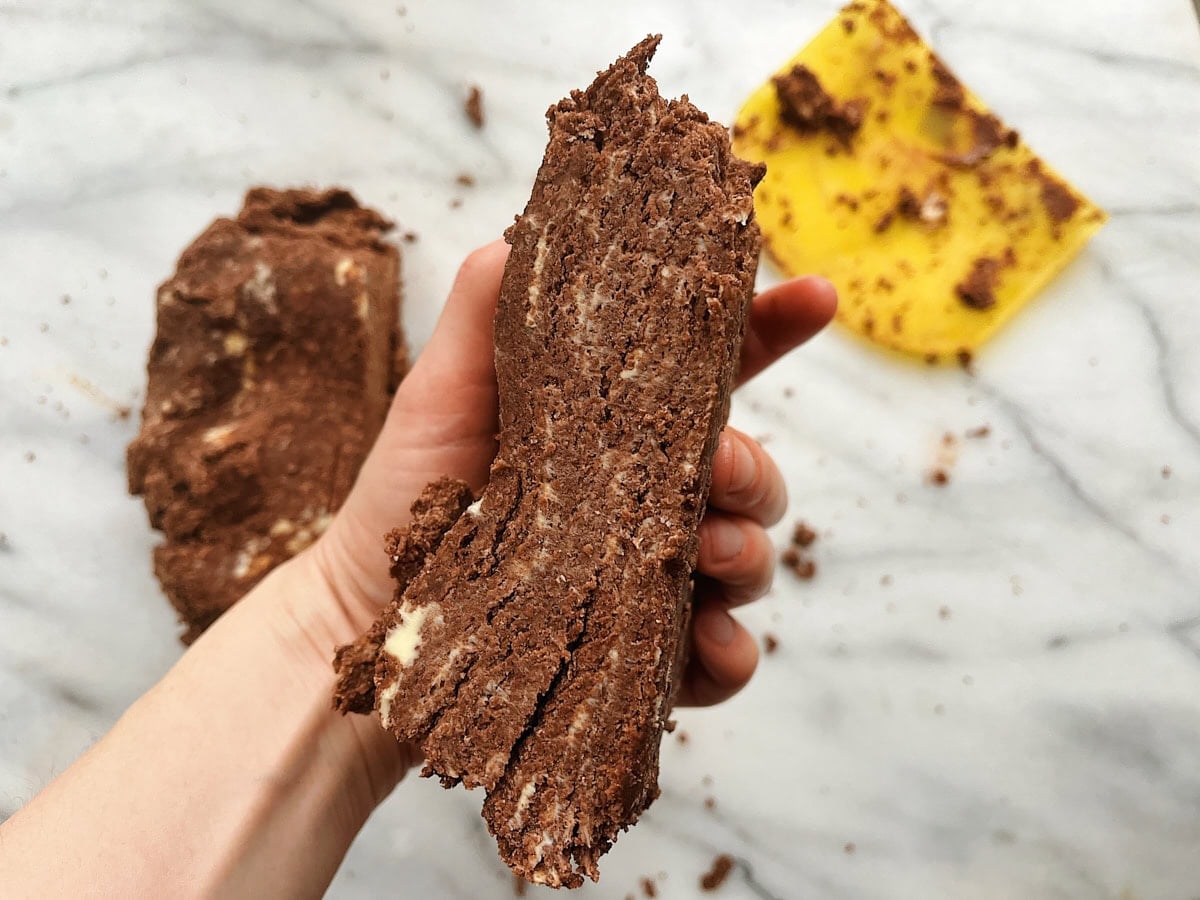
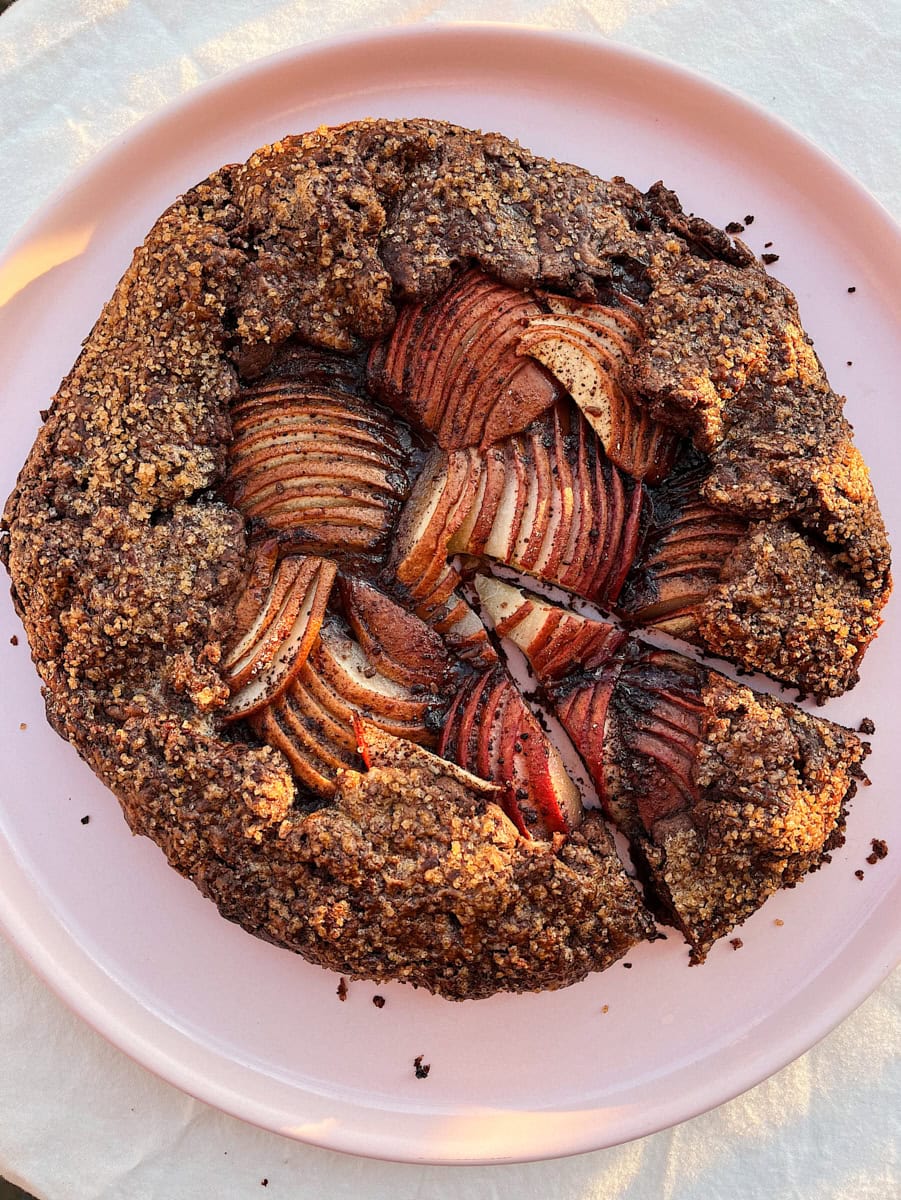
Incorporating cocoa powder into a pastry crust presents specific considerations for dough hydration and texture. Unlike all-purpose flour, cocoa is not a grain and possesses higher hygroscopic properties, meaning it absorbs more liquid. Firkser’s original cocoa crust recipe in Galette! involved replacing a modest amount of all-purpose flour (25 grams) with a slightly higher quantity of cocoa powder (30 grams). This precise adjustment is crucial; a direct 1:1 substitution can lead to an overly dry or sticky dough if not carefully managed. The resulting flavor, described as a "toasty-fruity bitterness," is intended to enhance rather than dominate, making it an ideal complement to a variety of sweet fillings, as exemplified by the accompanying Pear with Sumac and Ginger galette.
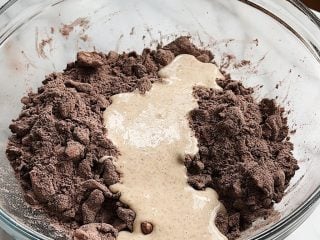
To ensure a smooth, uniform dough, Firkser emphasizes the importance of sifting cocoa powder prior to its integration with dry ingredients. Cocoa’s tendency to clump can result in undesirable pockets of concentrated flavor and uneven texture within the finished crust. Should sifting be overlooked, a manual intervention by working the dry mix with hands before adding butter can effectively break up any aggregates. This attention to detail underscores the precision required when working with non-flour dry ingredients in pastry.
Regarding the type of cocoa, Firkser confirmed that both natural or Dutch-process cocoa powder are suitable for this recipe. Unlike baked goods that rely on chemical leaveners (baking powder or soda), galette dough does not require a specific pH interaction for rise. Dutch-process cocoa, which is alkalized, typically yields a darker, mildly earthy flavor, while natural cocoa offers a tawny-brown hue and a slightly more citrusy-bitter profile. For those considering cacao powder, which is made from unroasted cocoa beans, Firkser notes it produces a stronger, more bitter flavor and is even more absorbent than cocoa powder. While a 1:1 swap is generally not recommended in most baking, for the small quantity used in this crust, it should be acceptable. The cocoa’s unique absorbent nature means that while it craves more liquid initially, adding even a small excess can quickly render the dough sticky and challenging to handle, impacting the delicate layering essential for a flaky galette. Consequently, a cocoa crust will inherently be slightly less flaky and a bit more delicate or crumbly than one made solely with all-grain flours, a trade-off for its rich, distinctive flavor.
Butter Choices and Their Impact on Pastry
The choice of butter significantly influences the outcome of any pastry, and Firkser’s recipe acknowledges the distinctions between American and European-style varieties. American butter, generally more accessible and affordable, contains a slightly higher water content (around 18-20%) and lower fat percentage (around 80%). While this can result in a less intensely rich flavor, its firmer texture can be advantageous for novice bakers, offering greater ease of handling during the dough preparation process. European-style butter, conversely, is characterized by a higher fat content (typically 82-84%) and lower water percentage. This composition delivers a richer flavor and a more pliable, softer texture. Experienced pastry makers often prefer European butter for its superior taste and workability, though its tendency to soften rapidly, particularly in warmer kitchens, may necessitate additional chilling periods for the dough to maintain its structural integrity during rolling and crimping.
Interestingly, while Maurizio Leo often employs a technique of browning butter in some of his sourdough discard recipes to reduce water content and enhance flavor, Firkser’s cocoa galette crust recipe opts for un-browned butter. This decision suggests a deliberate preservation of the butter’s original moisture and fat profile, likely to achieve a specific interaction with the cocoa powder and sourdough discard, contributing to the crust’s intended texture and subtle flavor. The absence of browning further streamlines the preparation process, making the recipe more accessible to bakers seeking efficiency without compromising quality.
Mastering Hydration and Dough Handling
The key challenge in creating this unique crust lies in managing the dough’s hydration, particularly given cocoa powder’s thirsty nature. The instruction to add additional water sparingly, typically about 14 grams (1 tablespoon), is critical. This incremental approach accounts for the inherent variability in ingredient absorption rates, which can be influenced by factors such as ambient room temperature, the specific brand of flour, and the type of butter used. Firkser emphasizes that "everything from room temperature to style of butter to brand of flour (and in this case, cocoa) will affect exactly how much water you need for any galette dough."
Over-hydrating the dough with excessive starter discard or water can quickly lead to a sticky, unmanageable consistency, hindering the formation of flaky layers and potentially resulting in a tough crust. Conversely, an under-hydrated dough would be crumbly and difficult to roll. The delicate nature of a cocoa crust means it might be slightly less flaky and a bit more delicate than an all-grain version, but this is a conscious trade-off for the unique depth of flavor it provides.

Regarding flour choices, Firkser advises against using high-protein flours like bread flour. While beneficial for bread or pizza doughs due to their gluten development, bread flour can create a tough, less flaky galette crust. Heritage grain flours, which offer robust flavor, can be used as a substitute for all-purpose flour, but bakers should be mindful that they typically absorb more water and may require slight adjustments to the liquid content for proper hydration.
Flavor Profiles and Culinary Pairings
The "A Good Crust With Sourdough Discard and Cocoa" is intentionally crafted to offer a nuanced "toasty-fruity bitterness" rather than a dominant chocolate flavor, making it remarkably versatile for sweet applications. The subtle cocoa notes act as a sophisticated backdrop, enhancing the natural sweetness and acidity of various fruit fillings. This makes it an exceptional choice for seasonal galettes throughout the year.
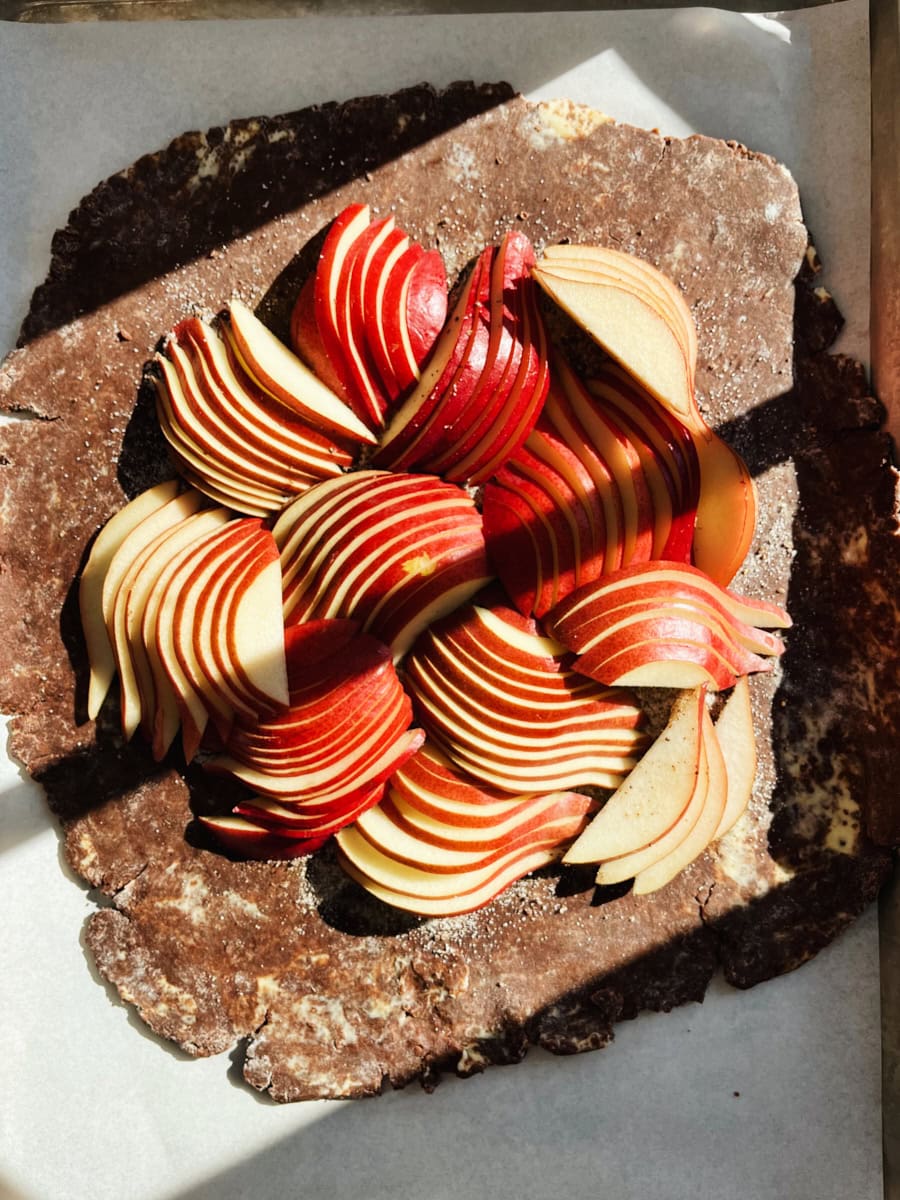
For the autumn months, the crust pairs exquisitely with fillings such as Pear with Sumac and Ginger, a recipe featured in Firkser’s book that highlights warm spices and the bright, citrusy notes of sumac against sweet pears. Other fall favorites include Gingery Cranberry Sauce, offering a tart contrast, or Crumble-Topped Kabocha Squash, which brings earthy sweetness. These combinations are particularly well-suited for holiday tables, offering a refined alternative to traditional pies. As winter approaches, the cocoa crust finds new companions in Creamy Pistachio and Citrus, where the nutty notes of pistachio and vibrant citrus zest create a harmonious balance with the cocoa. The Cocoa and Toasted Pecan filling, also from Galette!, provides a double dose of warmth and richness, perfect for colder weather. Springtime invites lighter, brighter flavors, with Apricot and Pepita-Sesame Frangipane presenting a delicate blend of fruit, nuts, and a hint of sesame that beautifully complements the cocoa undertones. During the peak of summer, the crust serves as an ideal base for Blue and Black Berries, allowing their juicy sweetness and slight tartness to shine.
It is important to note that while the cocoa flavor is subtle, Firkser advises against using this specific crust with savory fillings. The "toasty-fruity bitterness," while enhancing sweet profiles, does not translate effectively to savory applications