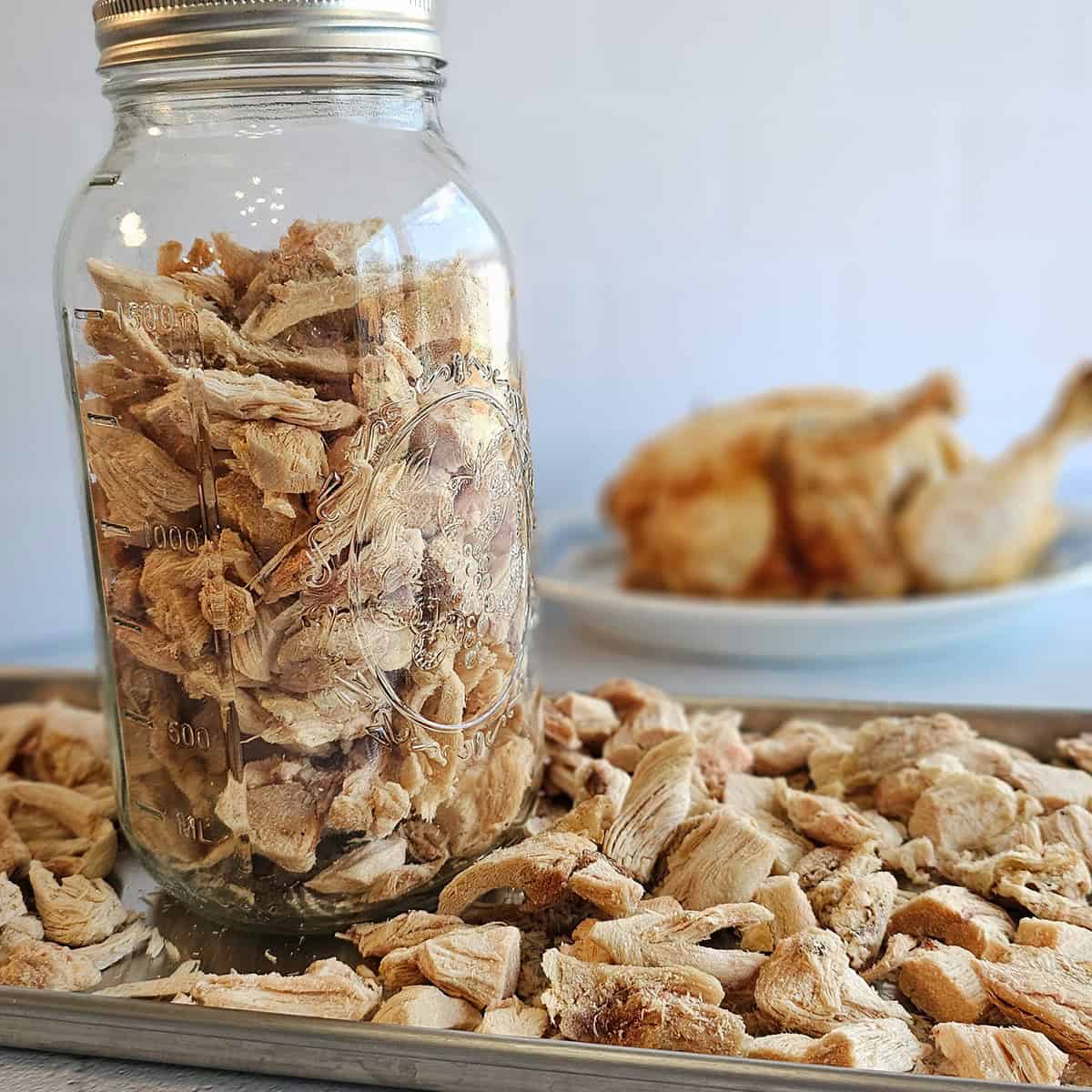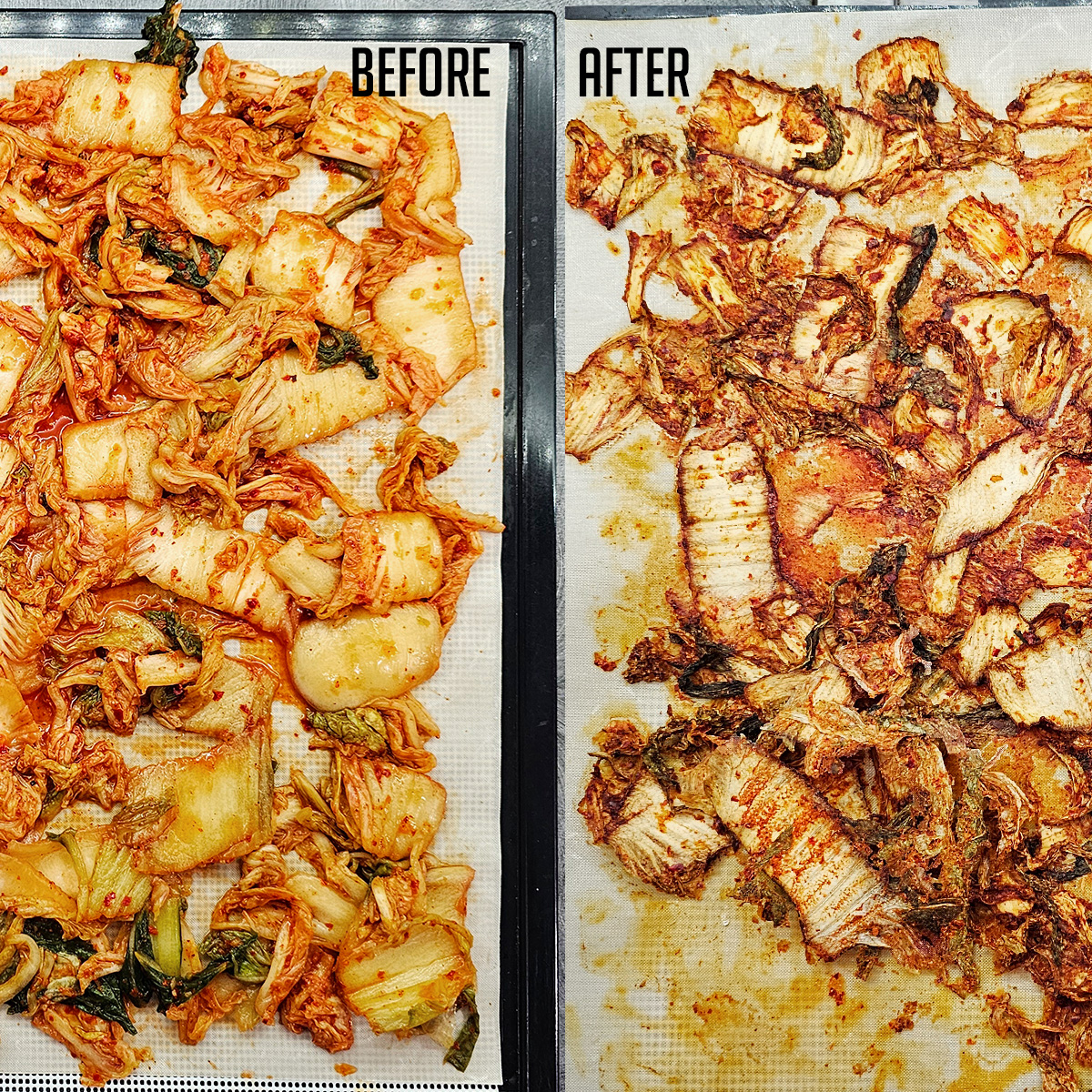
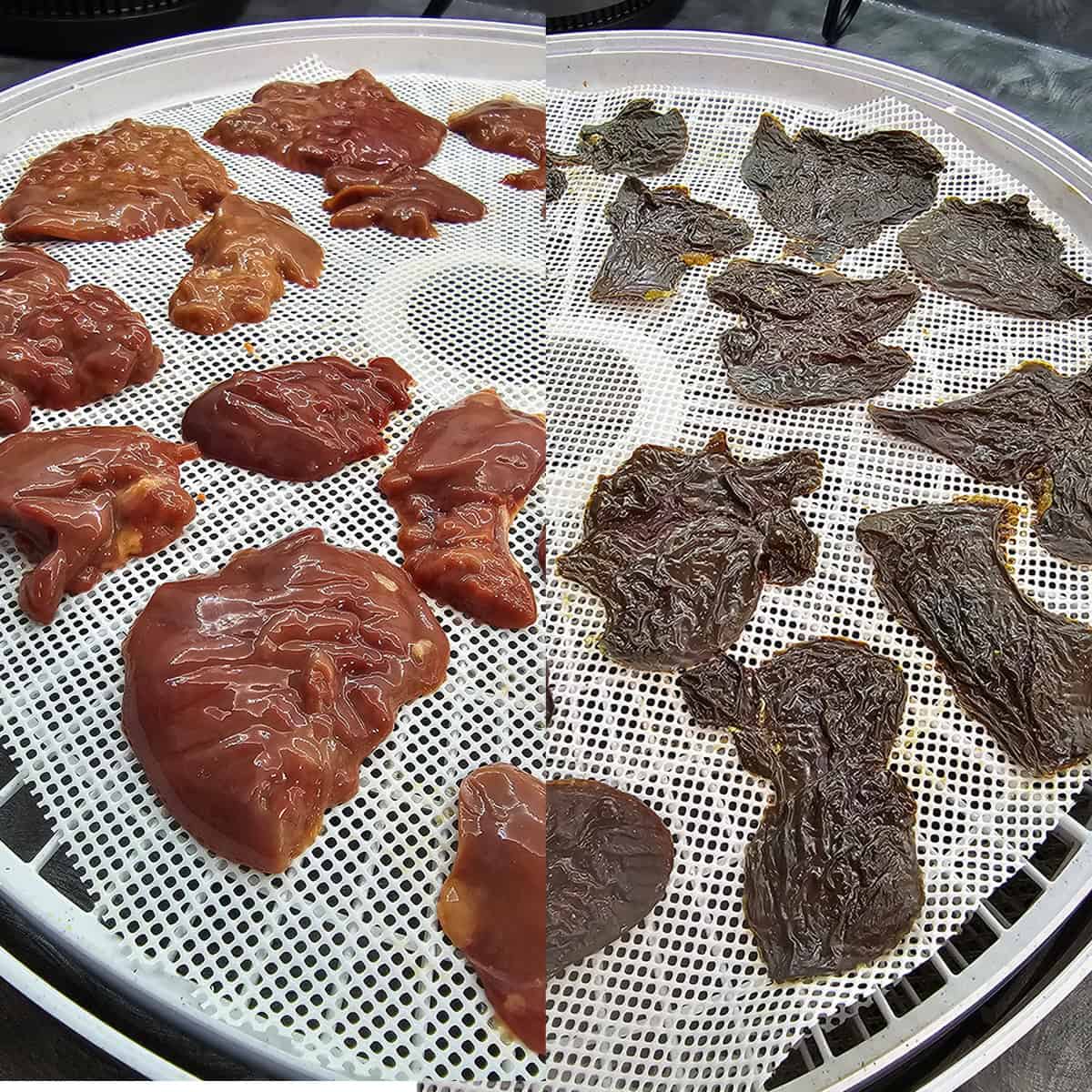
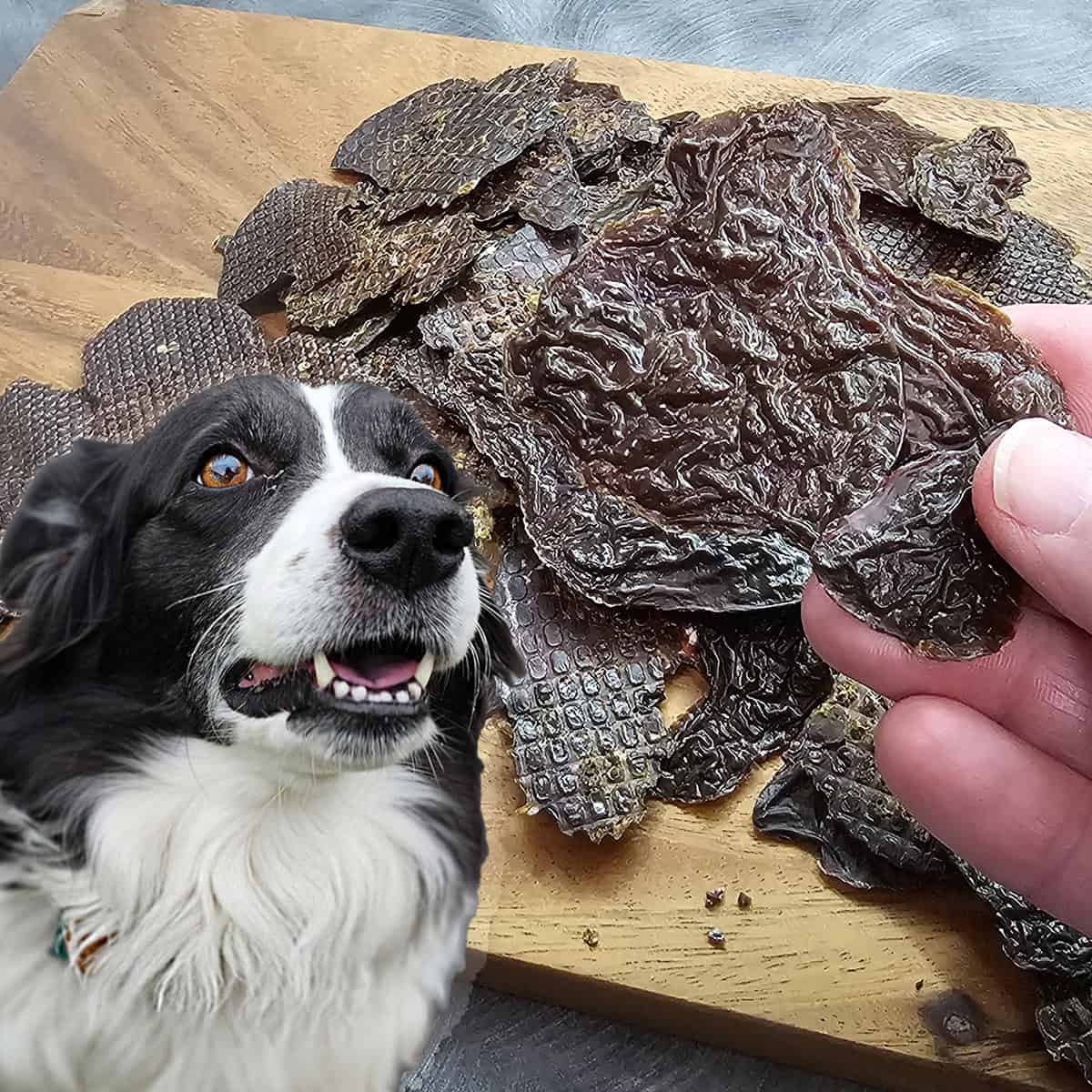
The burgeoning movement toward homemade pet nutrition has reached a new milestone as pet owners increasingly turn to DIY dehydration methods to provide high-quality, single-ingredient rewards for their animals. By utilizing basic kitchen equipment such as dehydrators and conventional ovens, enthusiasts are bypassing the escalating costs and preservative-heavy formulations of commercial pet treats. Chicken liver, a nutrient-dense organ meat, has emerged as a primary candidate for these efforts due to its high palatability and significant concentration of essential vitamins and minerals. This shift reflects a broader consumer trend toward "pet humanization," where the standards for animal food increasingly mirror the quality and transparency expected in human nutrition.
The Nutritional Profile of Dehydrated Chicken Liver
From a nutritional standpoint, chicken liver serves as a powerhouse of biological value for canines. According to data provided by food preservation experts at The Purposeful Pantry, a standard serving of these dehydrated treats—consisting of approximately two pieces—contains 105 calories, 15 grams of protein, and 4 grams of fat. The low carbohydrate content, measured at just one gram, makes these treats an ideal option for dogs on weight-management programs or those with grain sensitivities.
Beyond the macro-nutrients, chicken liver is an exceptional source of Vitamin A, which supports vision and immune function, and B-vitamins, particularly B12 and folate, which are critical for energy metabolism and nervous system health. It also provides a bioavailable source of iron, copper, and zinc. However, veterinary nutritionists caution that because of the high concentration of Vitamin A, liver treats must be administered in moderation to prevent hypervitaminosis A, a condition resulting from the over-consumption of fat-soluble vitamins. The concentrated nature of dehydrated meat means that nutrients are roughly four times as dense as their fresh counterparts, a factor that pet owners must account for when determining daily caloric intake.
Economic Implications and Market Context
The financial incentive for producing dehydrated treats at home is substantial. As of 2024, the premium pet treat market has seen significant price inflation, with high-end, freeze-dried, or dehydrated organ treats often retailing for $3.00 to $5.00 per ounce. In contrast, raw chicken liver is frequently available at grocery stores and local farms for a fraction of that price, often ranging from $1.50 to $2.50 per pound.
By processing these meats at home, consumers can reduce their expenditure on high-value training treats by an estimated 70% to 80%. This economic shift is part of a larger trend in the $147 billion U.S. pet industry, where "value-conscious health" has become a dominant consumer driver. As inflation impacts household budgets, the ability to provide "organic-tier" nutrition at "commodity-tier" pricing through DIY preservation is becoming a mainstream strategy for pet owners.
Technical Chronology: The Dehydration Process
The production of dehydrated chicken liver treats involves a specific sequence of steps designed to ensure both safety and shelf stability. The process begins with the procurement of raw livers, which are typically sold in tubs. While organic options are preferred by some for their lack of antibiotic residues, standard commercial livers are widely used and effective.
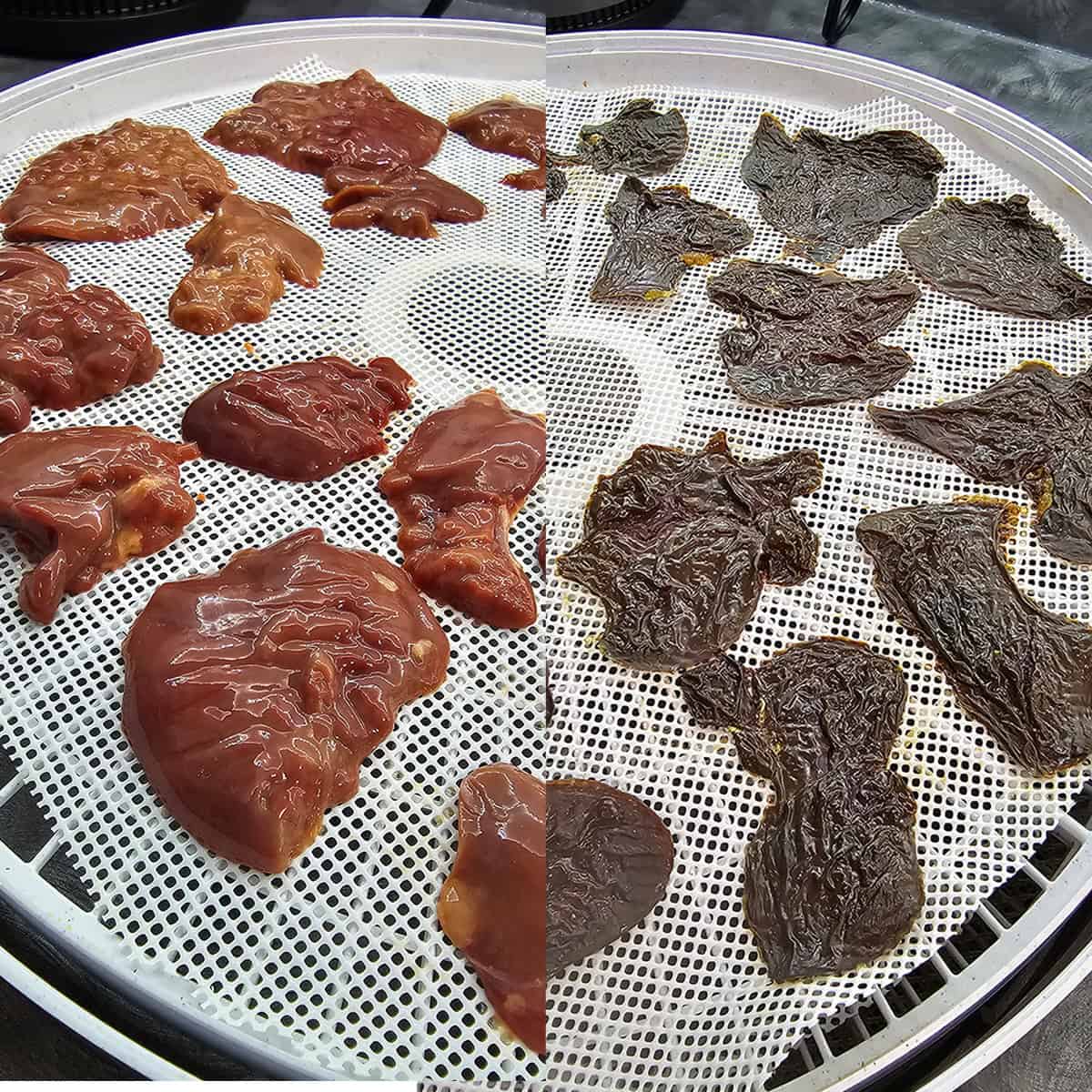
- Preparation and Slicing: The raw liver must be rinsed and patted dry. To achieve a uniform "jerky" consistency, the meat is sliced into consistent pieces. Experts recommend a thickness of approximately 1/4 inch. Because raw liver is slippery and difficult to handle, partially freezing the meat for 30 to 60 minutes prior to slicing can improve the precision of the cuts.
- Arrangement: The slices are placed on dehydrator trays or parchment-lined baking sheets. It is critical that the pieces do not overlap, as airflow is the primary mechanism for moisture removal.
- Thermal Processing (Dehydrator): For those using a dedicated dehydrator, the unit should be set to 160°F (71°C). This temperature is the safety standard established for drying meats to ensure the destruction of pathogens like Salmonella and E. coli. The drying time typically ranges from 8 to 12 hours, depending on the ambient humidity and the specific moisture content of the liver.
- Thermal Processing (Oven): In the absence of a dehydrator, a conventional oven can be used at its lowest setting (usually 170°F). To facilitate airflow, the oven door may be propped open slightly with a heat-resistant utensil. Oven-drying is generally faster but requires closer monitoring to prevent scorching.
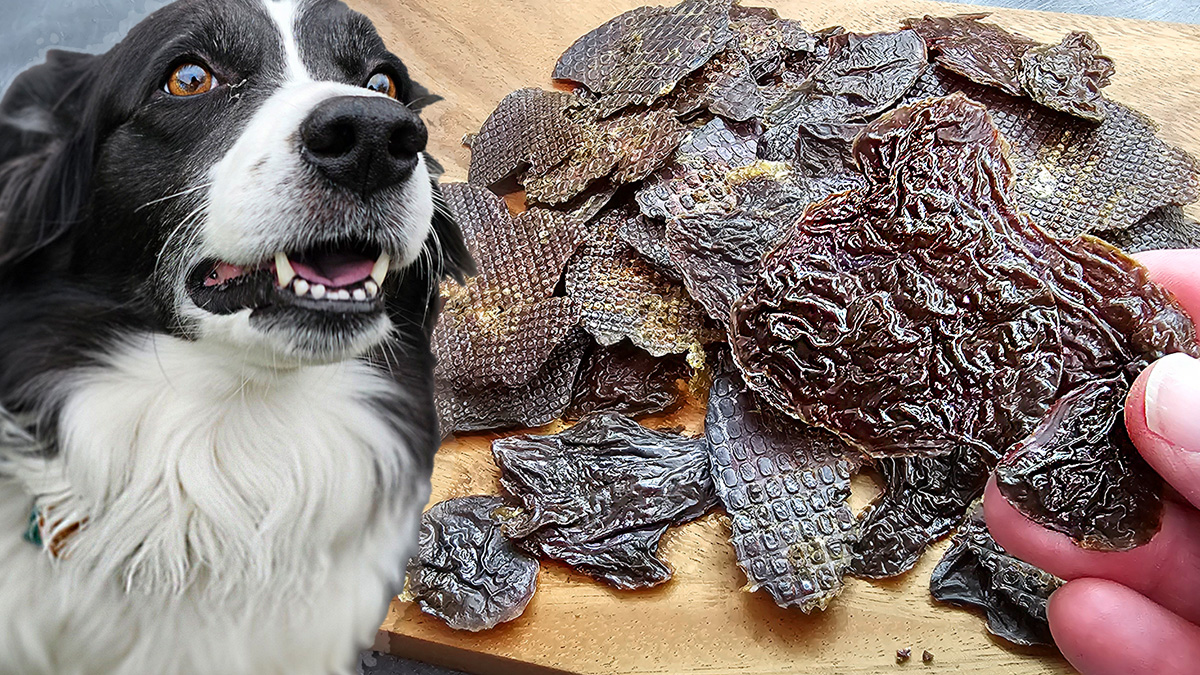
- Testing for Doneness: The treats are considered finished when they are firm, dark, and brittle. When snapped, there should be no visible moisture in the center.
Safety Protocols and Storage Science
Food safety is a paramount concern when dealing with organ meats. The dehydration process does not involve the use of nitrates or artificial preservatives, meaning the shelf life of the product is entirely dependent on the removal of "water activity"—the amount of unbound water available for microbial growth.
Once the dehydration cycle is complete, the treats must undergo a cooling phase. Storing warm treats in a sealed container can lead to condensation, which reintroduces moisture and facilitates mold growth. Once cooled to room temperature, the treats should be stored in airtight containers. For short-term use (up to two weeks), a cool, dark pantry is sufficient. For long-term storage, refrigeration or freezing is recommended to prevent the fats in the liver from becoming rancid.
The use of reusable silicone bags or glass jars with moisture absorbers (silica gel packets) can further extend the viability of the treats. Practitioners of food preservation, such as Darcy Baldwin of The Purposeful Pantry, emphasize that while these treats are highly shelf-stable compared to fresh meat, they remain a "perishable" item in the absence of chemical stabilizers.
Veterinary Perspectives and Broader Implications
The rise of DIY treats like dehydrated liver is viewed by the veterinary community with a mix of approval and caution. Dr. Marcus Thorne, a consultant in canine nutrition, notes that "single-ingredient treats are excellent for eliminating the ‘mystery fillers’ found in many commercial products, such as corn syrup, artificial dyes, and excessive sodium." However, he stresses the importance of the "10% rule," which dictates that treats should never exceed 10% of a dog’s total daily caloric intake.
The broader implication of this trend is a shift in power from large-scale pet food manufacturers to the individual consumer. Platforms like The Purposeful Pantry provide the educational infrastructure necessary for this transition, teaching skills that were once commonplace in domestic life but were largely lost during the rise of industrial food processing in the 20th century. By mastering dehydration, freeze-drying, and other preservation methods, pet owners are participating in a form of "food sovereignty" that ensures they know exactly what is entering their animals’ systems.
Impact on the Pet Training Industry
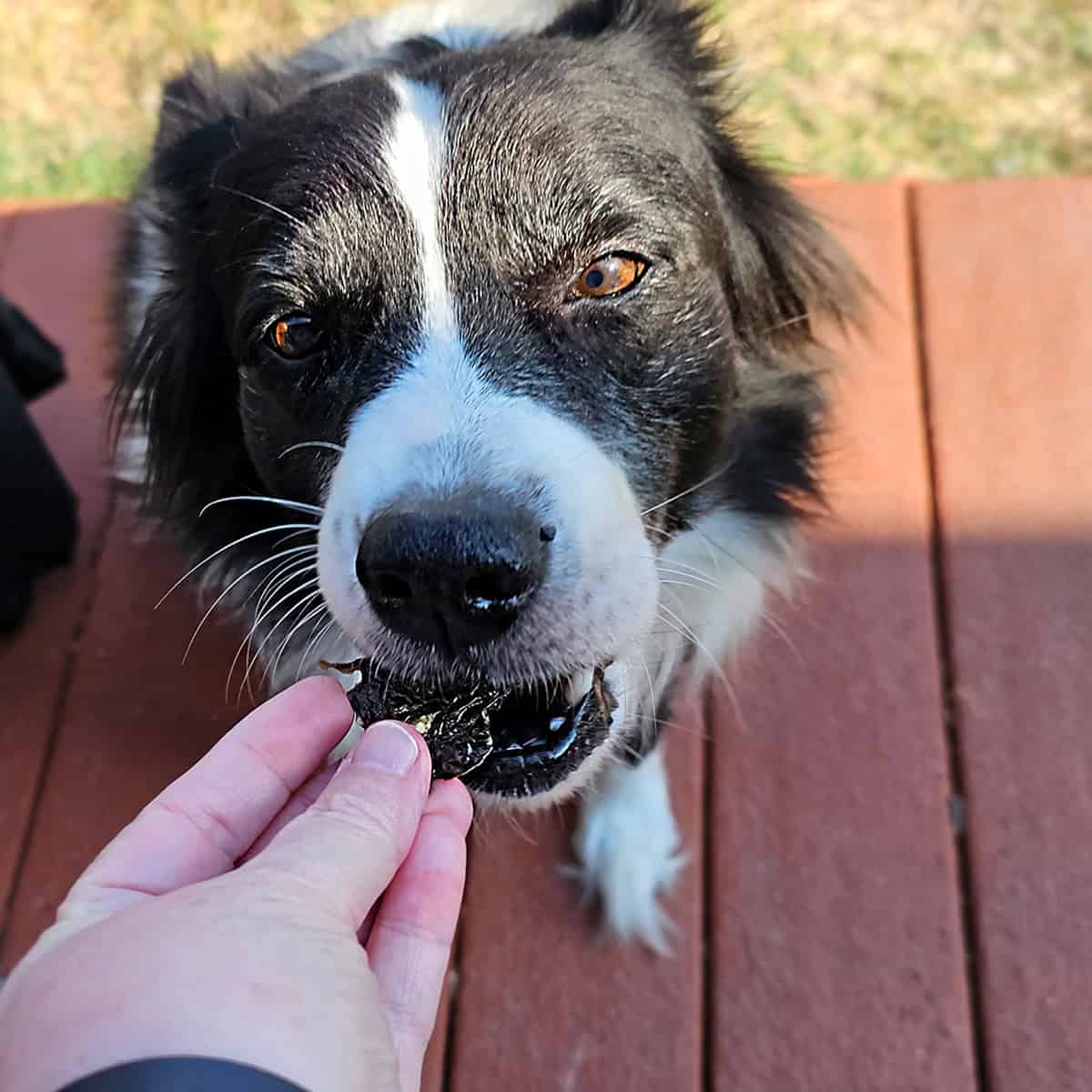
Professional dog trainers have been among the earliest adopters of dehydrated liver treats. In the context of "high-distraction" environments—such as obedience trials or puppy socialization classes—the "high-value" nature of the treat is essential. The intense aroma and concentrated flavor of dehydrated liver provide a level of motivation that standard dry kibble or biscuit-style treats often fail to achieve.
Furthermore, the "clean" nature of these treats—lacking the oily residues often found in commercial "soft" treats—makes them more practical for trainers to carry in pouches or pockets. This utility, combined with the health benefits, has made the DIY dehydrated liver treat a staple in the toolkit of modern, positive-reinforcement-based training.
Conclusion: A Sustainable Future for Pet Care
The move toward DIY dehydrated chicken liver treats represents more than just a culinary hobby; it is a response to the complexities of the modern global supply chain and a demand for higher standards in animal welfare. As pet owners like Darcy Baldwin continue to share these methods, the barrier to entry for high-quality pet care continues to lower. The result is a more informed consumer base, healthier animals, and a significant reduction in the environmental and financial costs associated with mass-produced, heavily packaged commercial pet goods. Through the simple application of heat and airflow, a low-cost byproduct of the poultry industry is transformed into a premium health resource, illustrating the enduring value of traditional food preservation in a modern world.