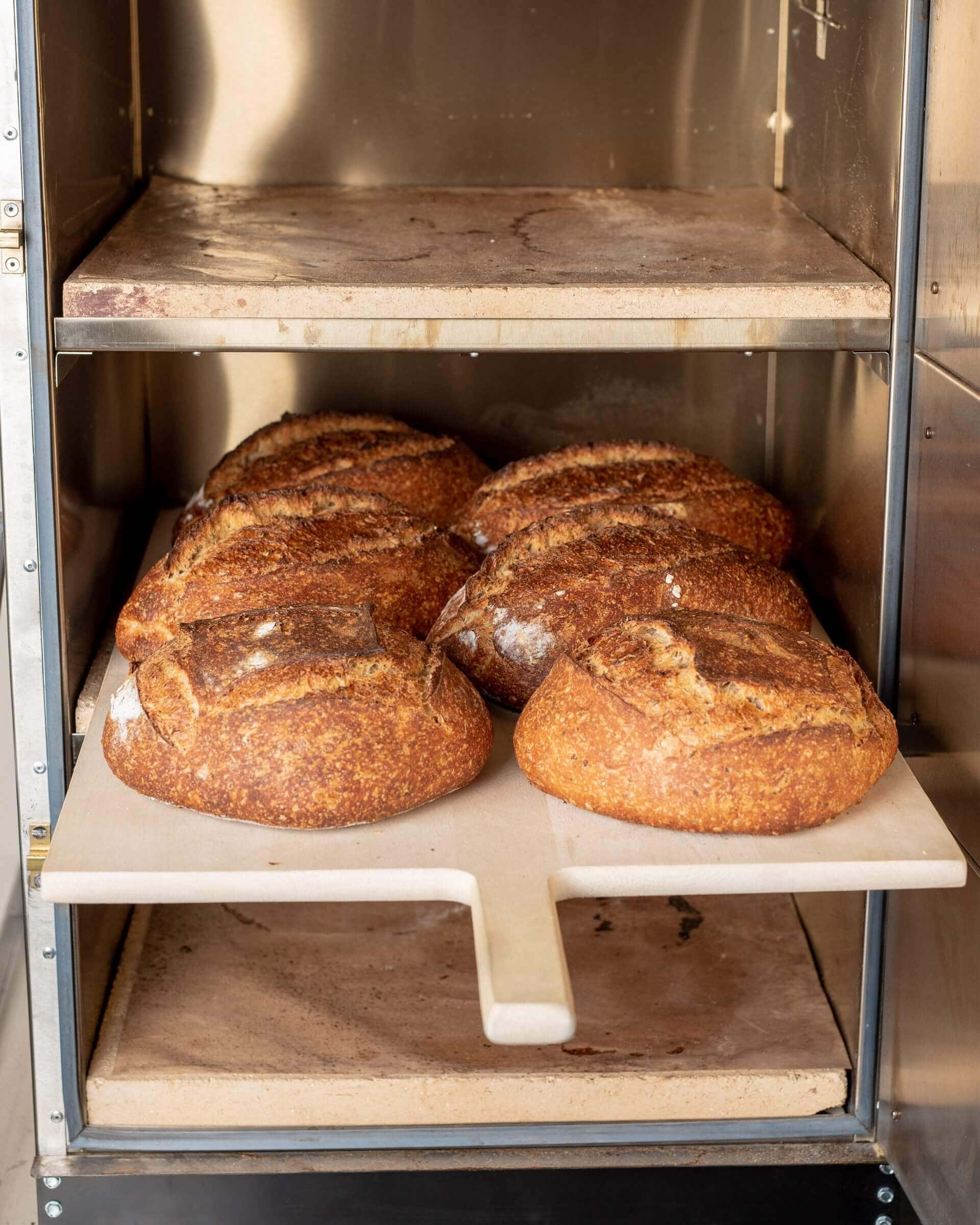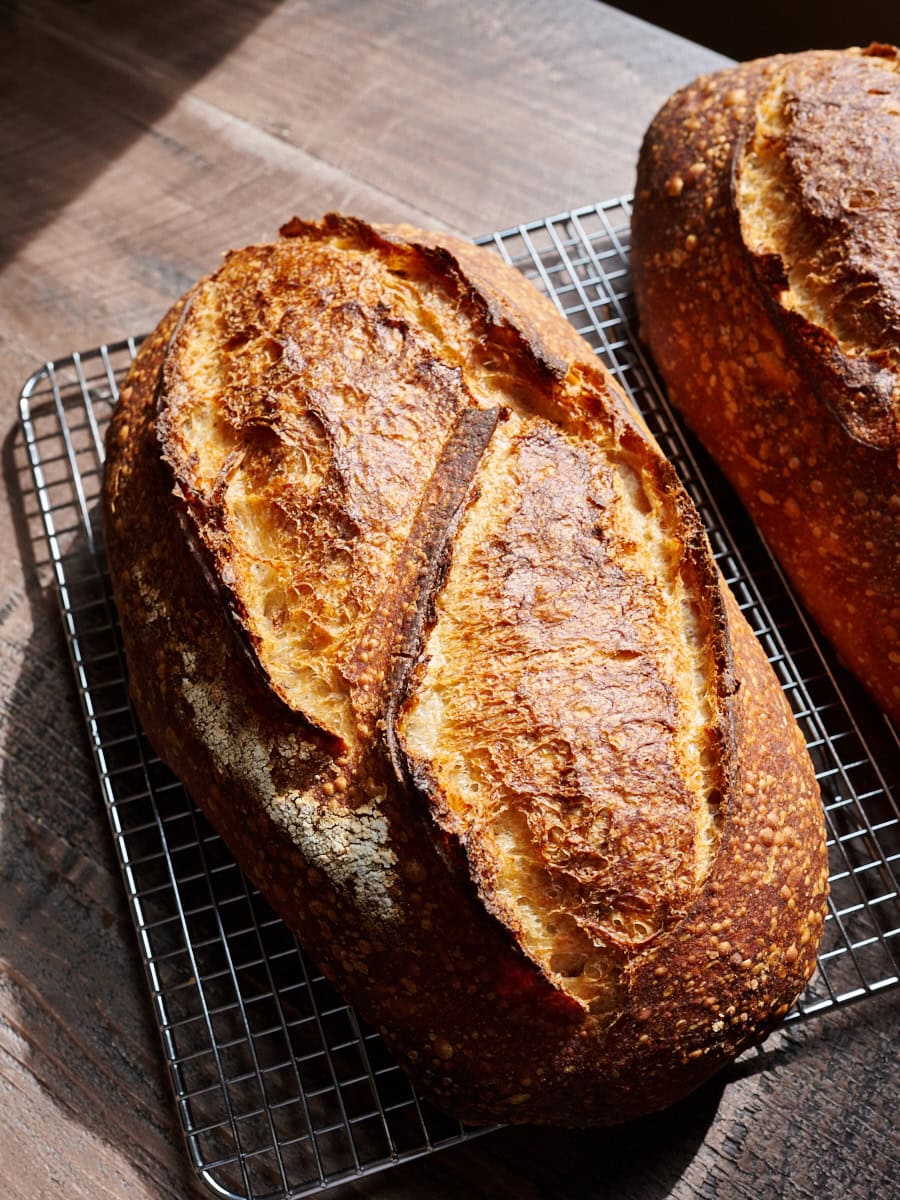
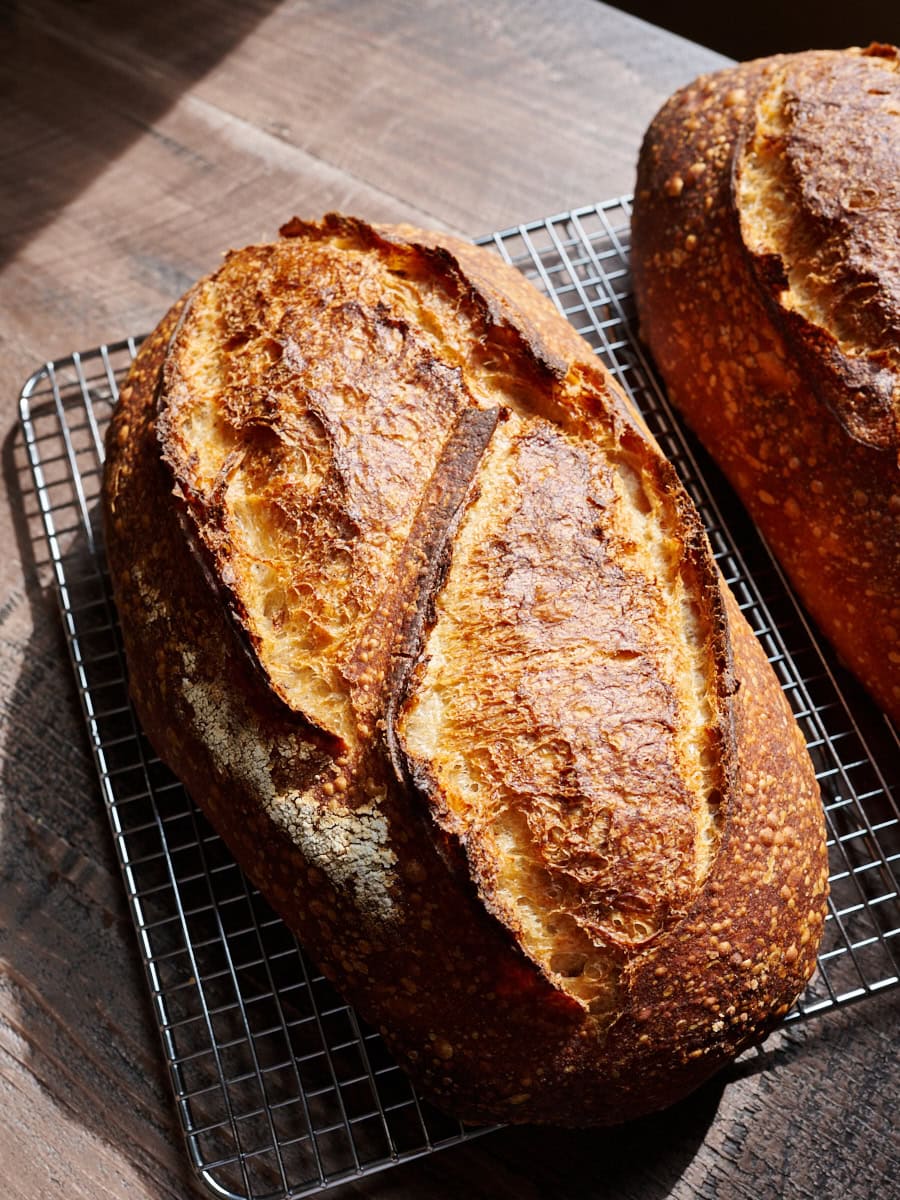
Dough hydration, a fundamental principle in the art and science of bread making, represents the total amount of water in a recipe expressed as a percentage of the total flour weight. While seemingly a straightforward calculation, its profound impact on dough characteristics and the final baked product makes it one of the most nuanced aspects of sourdough baking. The precise interaction between flour and water is a dynamic process, influenced by variables such as flour type, ambient temperature, and even the humidity within the baking environment. This guide delves into the scientific underpinnings and practical implications of hydration, providing insights crucial for both novice and experienced bakers aiming to master the craft of sourdough.
The Science of Hydration: From Calculation to Consequence
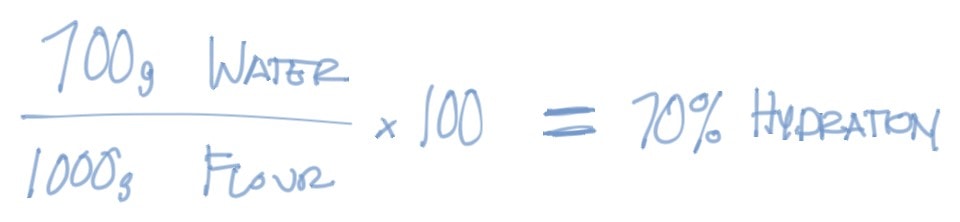
The calculation for dough hydration is universally applied: divide the weight of the water by the total weight of the flour, then multiply by 100. For instance, a recipe utilizing 1,000 grams of flour and 700 grams of water results in a 70% hydration dough (700 ÷ 1,000 × 100 = 70%). This percentage provides bakers with a standardized metric to anticipate dough behavior and texture prior to mixing. However, this numerical guideline serves as a starting point rather than an immutable rule, as flour is a biological product, exhibiting variability across types, mills, and even individual bags.
Water’s role extends beyond mere moistening; it is the catalyst that transforms dry flour into a viscoelastic dough matrix. Hydration facilitates the formation of gluten, the protein network responsible for the dough’s elasticity and extensibility. It also enables starch gelatinization during baking, contributing to crumb structure and moisture retention. Insufficient water results in a stiff, underdeveloped dough, resistant to expansion, while excessive water can lead to a soupy, unmanageable mass incapable of holding its form. The optimal hydration level, therefore, is a delicate balance, dictating the ultimate characteristics of the loaf.
Impact of Hydration on Bread Characteristics
The hydration percentage profoundly influences the textural and structural attributes of the final sourdough loaf. A spectrum of bread styles exists between the extremes of low and high hydration, each offering distinct sensory experiences.
-
Lower-Hydration Breads (60-68%): These doughs are typically stiffer and easier to handle, making them suitable for beginners or for specific bread types. Characteristics often include a thicker, more substantial crust that develops a robust chew, a tighter and more uniform crumb structure, and a loaf that holds its shape exceptionally well during proofing and baking. Examples include bagels, pretzels, certain pizza crusts, and some traditional pan loaves. The reduced water content often contributes to a longer shelf life due to lower water activity.
-
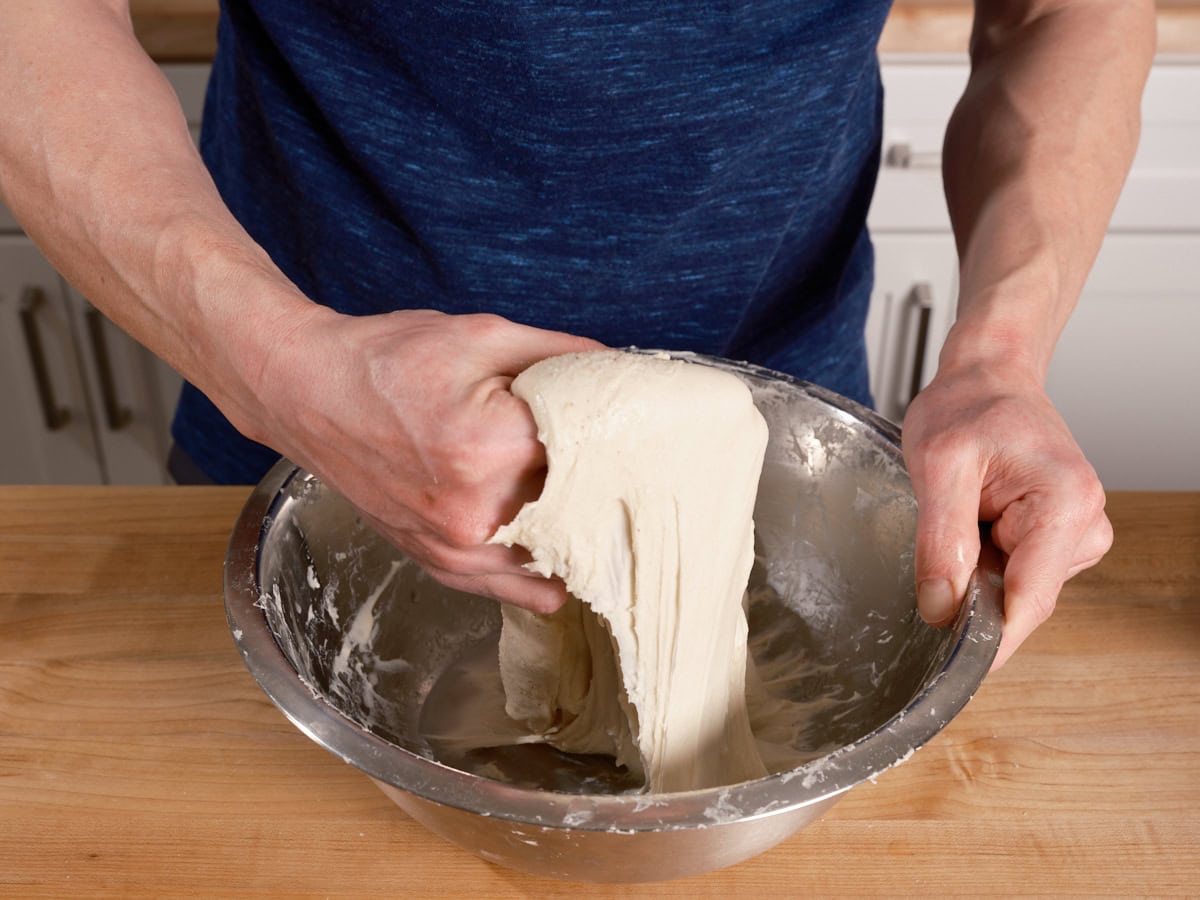
Higher-Hydration Breads (75-85%+): These doughs present a greater challenge in handling due to their stickiness and slackness, requiring more refined techniques. However, they yield distinct and often highly prized qualities: a thinner, more brittle crust that shatters upon biting, a notably open and irregular crumb structure with large, irregular alveoli (holes), and a soft, custardy interior that melts in the mouth. Examples include ciabatta, focaccia, and many artisanal country loaves known for their open crumb. The increased water content facilitates greater steam production during baking, contributing to the thin, crispy crust and gelatinized starches that create the tender crumb.
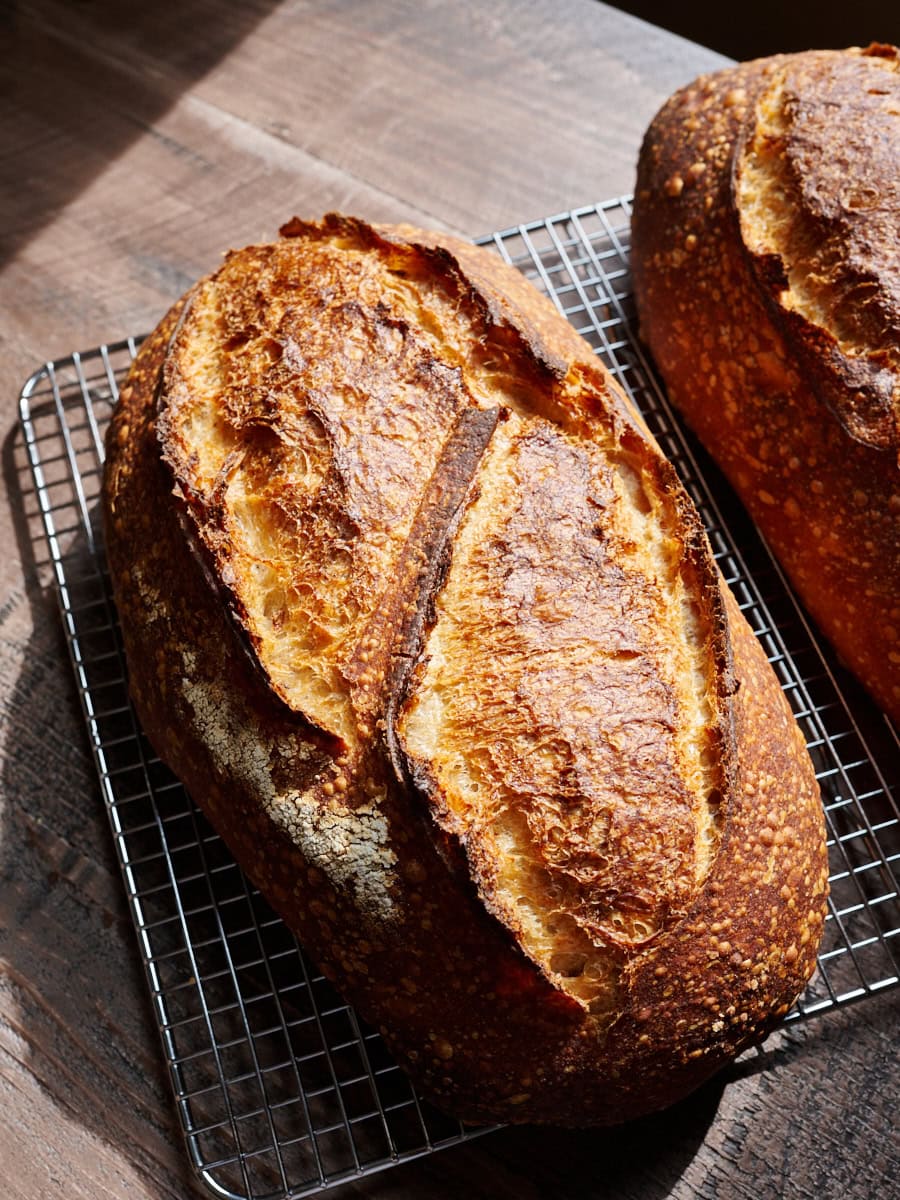
While higher hydration is often associated with modern artisanal sourdough, it is crucial to recognize that "more" does not inherently equate to "better." Pushing hydration levels beyond the capacity of the flour or the baker’s skill can result in detrimental outcomes, such as a gummy crumb, poor oven spring, or a loaf that collapses prematurely. The goal is to achieve a hydration level that optimizes the desired characteristics for a given flour and recipe without compromising structural integrity or eating quality.
Factors Influencing Water Absorption
Several critical factors dictate how much water a dough can effectively absorb and utilize:
-
Flour Type and Protein Content: Flour protein content is a primary determinant of water absorption capacity. Higher-protein flours (e.g., 12-14% protein, commonly labeled "bread flour" in North America) possess a greater capacity to form a strong gluten network, which can encapsulate and retain more water. Consequently, these flours often require higher hydration to prevent a dense, gummy texture. Conversely, lower-protein or "softer" flours (common in many European regions) absorb less water, and attempting excessively high hydration can render the dough unmanageable. Baking science indicates that glutenin proteins, in particular, form the long, elastic strands of gluten, which hydrate significantly.
-
Whole Grain Flours: The inclusion of whole grain flours (e.g., whole wheat, rye, spelt) substantially increases a dough’s water requirement. The bran and germ components, which are present in whole grain flours but largely absent in refined white flours, are highly hygroscopic, meaning they absorb significant amounts of moisture. Additionally, the sharp edges of bran particles can interfere with gluten development, necessitating extra water to create a smoother, more extensible dough. For instance, a 50% whole wheat sourdough recipe might require an 82% hydration, a level that would be challenging with 100% white flour.
-
Freshly Milled Flour: Freshly milled flour typically exhibits different hydration properties compared to aged flour. It often requires increased hydration to achieve proper dough consistency, even after sifting. This phenomenon is partly attributed to enzymatic activity and the physical state of the flour particles immediately after milling.
-
Climate and Environment: Environmental conditions play a subtle yet significant role. Bakers in arid, high-altitude regions, such as New Mexico, often find themselves needing higher hydration percentages due to the drier air. Conversely, in humid environments, flour may absorb ambient moisture, potentially requiring a slight reduction in added water. While typically a minor adjustment, professional bakers often account for significant shifts in daily atmospheric conditions to maintain consistency.
The Strategic Application of Bassinage (Double Hydration)
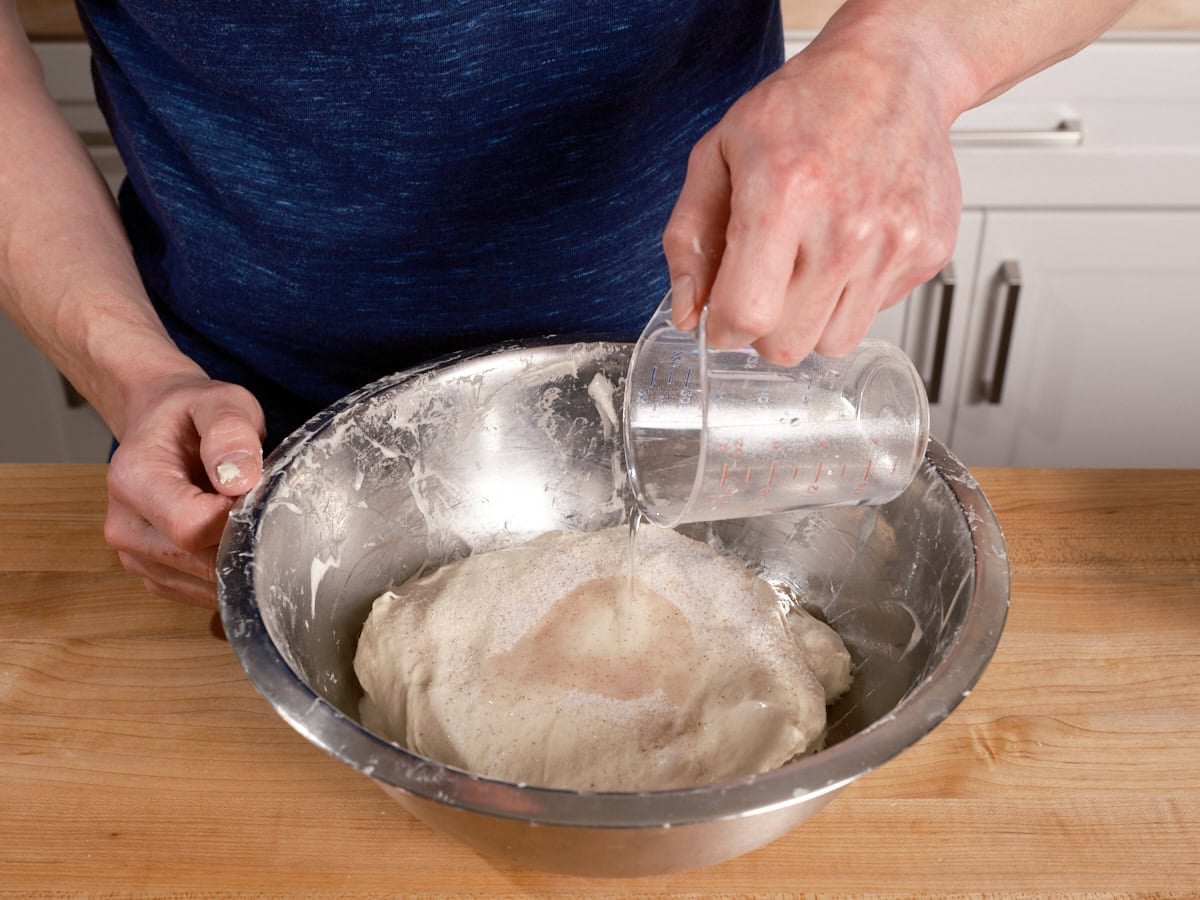
One advanced technique that has revolutionized the handling of higher-hydration doughs is bassinage, or "double hydration." This method involves reserving a portion of the total water and incorporating it gradually during the later stages of mixing, after the initial dough has begun to develop its gluten structure.

The benefits of bassinage are multifaceted:
- Facilitated Gluten Development: Introducing all the water upfront, especially in high-hydration recipes, can hinder efficient gluten development. A very wet dough lacks the internal friction necessary for the gluten network to fully form. By starting with a slightly firmer dough (80-90% of total water), mixing until initial development occurs, and then slowly adding the remaining water, bakers can achieve higher hydration levels without excessively long mixing times or the risk of underdeveloped gluten.
- Adaptive Dough Strength Assessment: Bassinage provides an invaluable opportunity for bakers to assess the dough’s strength and adjust hydration in real-time. If, after incorporating the initial water, the dough feels overly slack or weak, the reserved water can be partially or entirely omitted. Conversely, if the dough exhibits robust strength, the remaining water can be carefully worked in. This adaptive approach aligns with the principle of "reading the dough" rather than rigidly adhering to a recipe’s numerical values.
Addressing Common Challenges: Sticky Dough
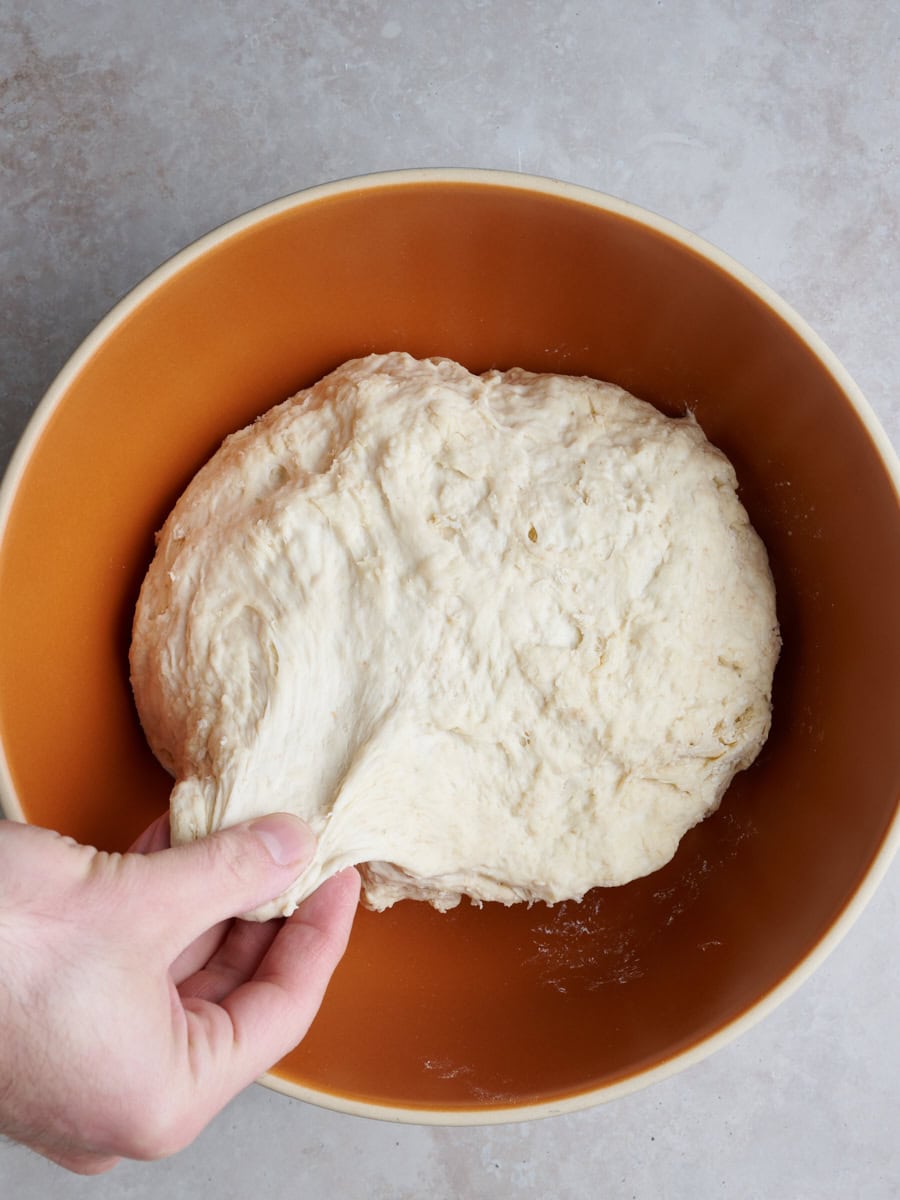
Sticky dough is a frequent frustration for many bakers and is often indicative of an imbalance related to hydration, gluten development, or fermentation. The most common causes include:
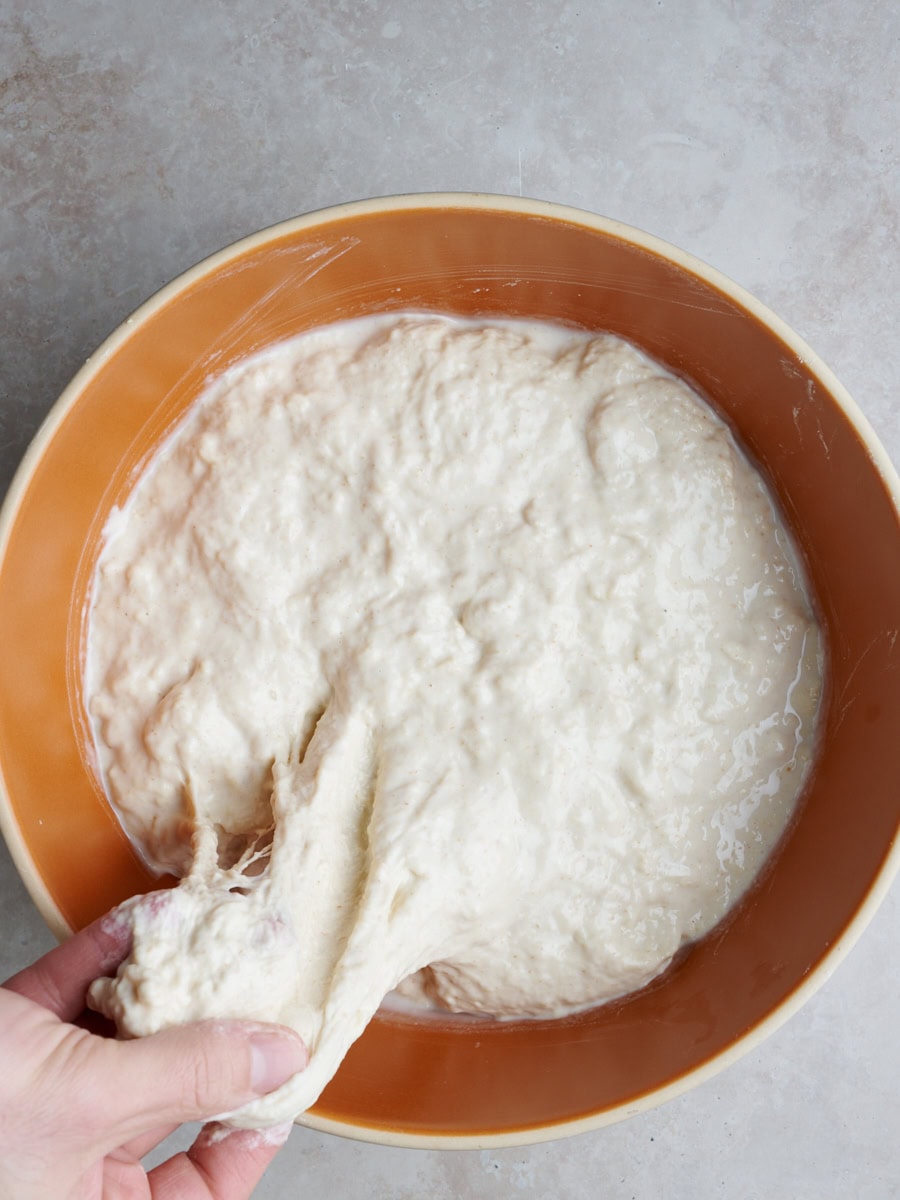
- Insufficient Gluten Development: A poorly developed gluten network cannot effectively bind water, resulting in a dough that feels excessively wet and sticky. Proper kneading or stretching and folding are essential to build this foundational structure.
- Over-Hydration for the Flour Type: Even with adequate gluten development, some flours simply cannot absorb or retain very high percentages of water. Exceeding the flour’s capacity will inevitably lead to a sticky, unmanageable dough.
- Over-Fermentation: An over-proofed dough, especially a high-hydration one, can become sticky and slack. The enzymatic activity during prolonged fermentation can begin to degrade the gluten structure, causing it to lose its ability to hold water and maintain tension.
- Inadequate Mixing Technique: Incorrect mixing, whether too short or too aggressive, can prevent the proper integration of water and flour, leading to a sticky texture.
- Environmental Factors: High humidity can contribute to a dough feeling stickier than expected, as the flour may have absorbed atmospheric moisture.
Mastering High-Hydration Doughs
Working with high-hydration doughs demands a refined skill set, as their inherent stability is reduced. Key strategies for successful management include:
- Gentle Handling: Minimize excessive manipulation to preserve the delicate gluten network and trapped gases.
- Wetted Hands/Tools: Use lightly wetted hands or a dough scraper to prevent sticking during handling and shaping.
- Strong Gluten Development: Prioritize robust gluten development during mixing and the initial bulk fermentation through adequate stretching and folding.
- Controlled Fermentation: Monitor dough temperature closely to manage fermentation rates, as high-hydration doughs can ferment more rapidly.
- Cold Proofing: A prolonged cold proof (retardation) in the refrigerator can firm up the dough, making it easier to handle and score, while also enhancing flavor development.
- Minimal Flour Dusting: Use the absolute minimum amount of flour for dusting during shaping to avoid incorporating too much dry flour into the dough, which can alter its hydration and texture.
Conclusion: Cultivating Baker’s Intuition
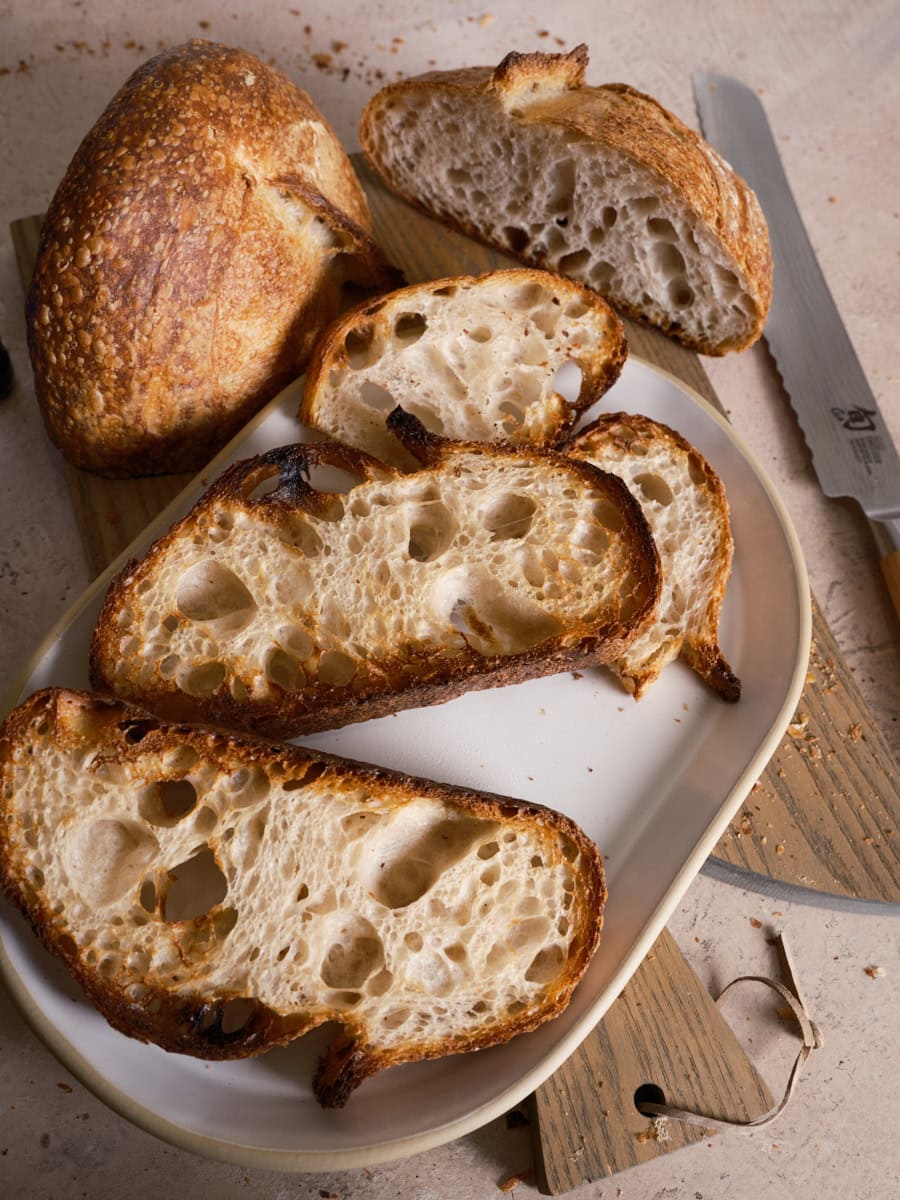
Ultimately, the mastery of dough hydration transcends mere numerical adherence; it is about developing "baker’s intuition" – a profound sensitivity to the dough’s visual and tactile cues. Every batch of flour, every kitchen environment, presents a unique set of variables. Expert bakers learn to interpret what the dough communicates through its look and feel, adjusting water content as necessary, rather than rigidly following a prescribed percentage.
Maintaining detailed baking notes, recording the hydration used, the dough’s behavior, ambient conditions, and the final loaf’s characteristics, is an invaluable practice. Over time, this empirical data allows bakers to build an intuitive understanding of hydration, adapting recipes to achieve consistent excellence regardless of external variations. This adaptive approach, rooted in observation and experience, transforms a recipe from a rigid instruction set into a dynamic dialogue with ingredients, leading to consistently superior sourdough bread.