The "Food in Jars" platform has announced its latest contribution to the ongoing Community Canning Challenge, featuring a traditional Health Salad recipe designed to spotlight the versatility of brassicas and root vegetables in preservation. This month’s challenge, aimed at encouraging home food preservation and culinary skill development, places a particular emphasis on these robust, often overlooked, seasonal staples. The featured Health Salad, a quick-pickled sweet and sour cabbage dish, not only serves as a practical method for extending the shelf life of produce but also connects participants to a rich vein of East Coast deli culture.

The Community Canning Challenge: Fostering Preservation Skills
The Community Canning Challenge, an initiative spearheaded by "Food in Jars," operates as a monthly program designed to engage a broad audience in the art and science of home food preservation. Each month, the challenge focuses on a specific category of produce or preservation technique, providing participants with recipes, resources, and a supportive community network. This month’s theme, "brassicas and root vegetables," addresses a crucial aspect of sustainable living: maximizing the utility of hearty, nutrient-dense produce that often forms the backbone of winter harvests.
The challenge’s organizers articulate a dual purpose: to educate home cooks on safe and effective preservation methods and to foster a vibrant community where knowledge and experiences can be shared. Platforms such as the "Food in Jars" Substack newsletter and a dedicated Facebook group facilitate this interaction, offering participants free access to challenge-related posts and a forum for discussion. This model reflects a growing societal interest in self-sufficiency, reducing food waste, and connecting with culinary traditions. The emphasis on brassicas and root vegetables this month is particularly pertinent given their affordability, widespread availability, and excellent keeping qualities, which make them ideal candidates for various preservation techniques, from pickling to fermentation.

Health Salad: A Culinary Deep Dive into Deli Culture
The Health Salad recipe presented as part of this challenge is more than just a pickled vegetable dish; it is a foundational element of East Coast delicatessen cuisine. Often served as a complimentary starter alongside pickles, it provides a refreshing, tangy counterpoint to the richer fare typical of deli menus. Its ubiquitous presence in establishments, particularly noted by those familiar with iconic institutions like Philly’s Famous Fourth Street Deli, underscores its significance in regional culinary identity. The salad’s name, "Health Salad," humorously belies its often generous sugar content, a characteristic feature of its sweet and sour profile. This paradoxical naming reflects a historical period when any vegetable-centric dish might have been perceived as inherently healthy, irrespective of other ingredients.
The core components of a traditional Health Salad are straightforward yet essential: cabbage and vinegar, balanced with a substantial amount of sugar. The recipe shared for the challenge incorporates salt, black pepper, and celery seed for seasoning, alongside shredded carrots, which add a touch of sweetness, color, and additional texture. Variations of the salad are common across different delis and home kitchens, sometimes including other vegetables such as bell peppers (green and red), cucumbers, or thinly shaved radishes, each contributing subtle shifts in flavor and crunch. These variations highlight the adaptability of the dish, allowing cooks to tailor it to available produce or personal preference while maintaining its distinctive sweet-sour character. The finely shredded nature of the vegetables, whether achieved through meticulous hand-slicing or the efficiency of a food processor, is crucial for optimal texture and absorption of the pickling liquid.

The Preparation Process: Simplicity and Flavor Integration
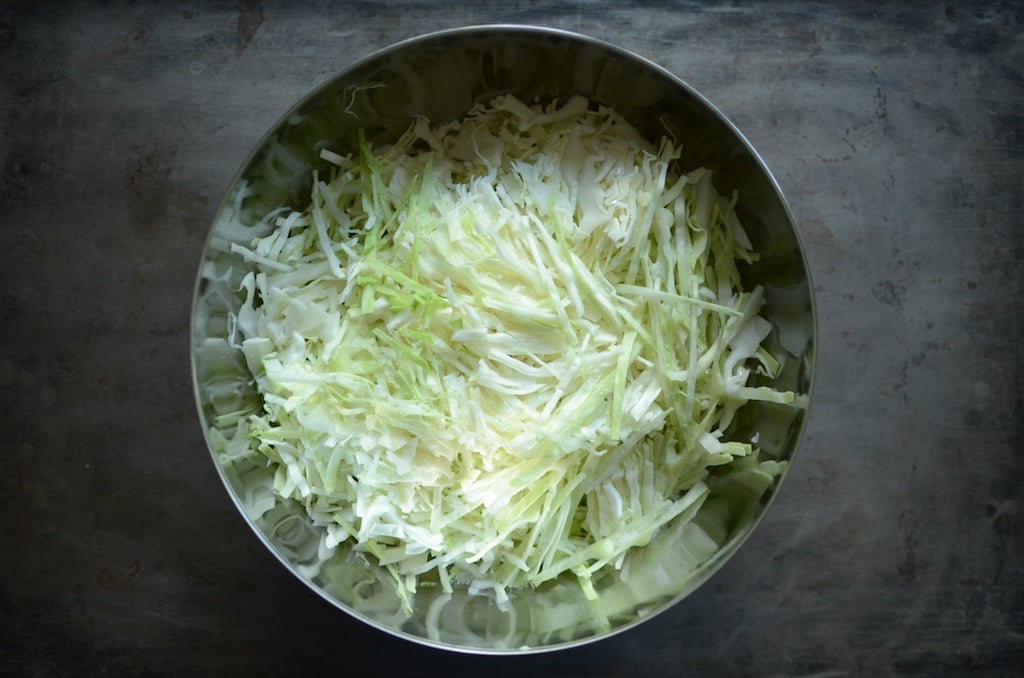
The preparation of the Health Salad is designed for accessibility, making it an ideal entry point for those new to quick pickling. The initial step involves the precise preparation of the vegetables. For this particular recipe, half a green cabbage and a large carrot are specified. The method of shredding—either by hand with a sharp knife or using a food processor—is a practical consideration for many home cooks, balancing the desire for fine consistency with the time and effort involved in cleanup. The choice between manual and mechanical shredding often depends on the volume of vegetables and the cook’s personal preference for efficiency.
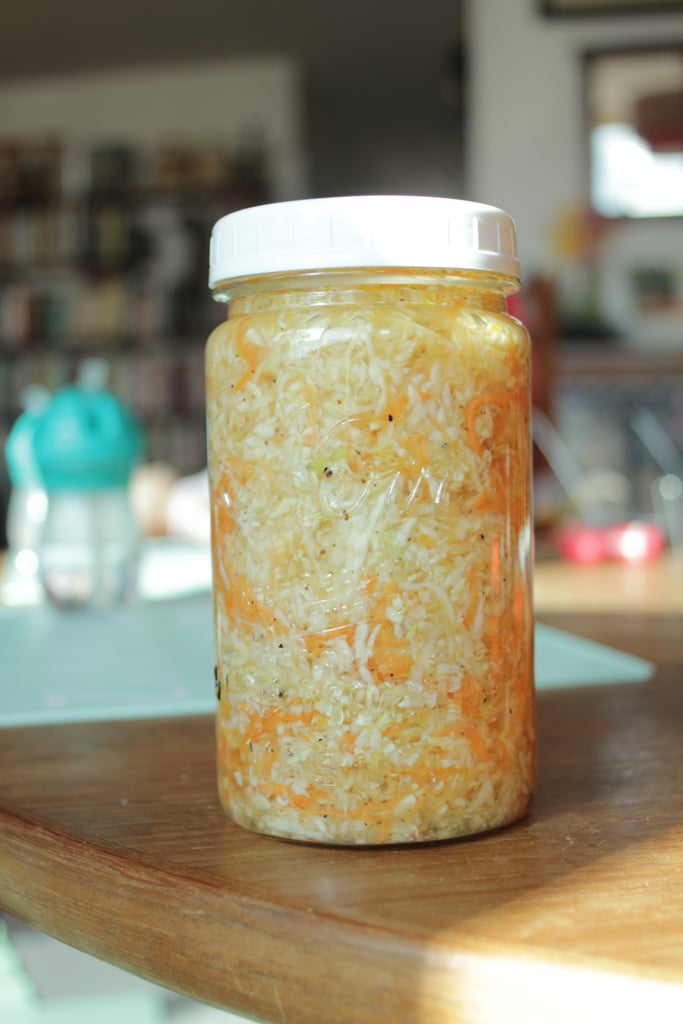
Following vegetable preparation, the dressing is assembled. This involves combining 3/4 cup white vinegar, 1/3 to 1/2 cup granulated sugar (adjustable to taste), 2 tablespoons neutral oil, 1 tablespoon salt, 1 teaspoon black pepper, and 1/2 teaspoon celery seed in a small saucepan. The mixture is then gently warmed, with continuous stirring, until the sugar is completely dissolved. A critical instruction emphasized by the recipe is to avoid boiling the dressing. The objective is simply to ensure sugar dissolution, not to cook the ingredients or significantly alter the vinegar’s acidity or flavor profile through excessive heat. This careful approach to dressing preparation ensures that the pickling liquid retains its vibrant, sharp qualities necessary for the sweet and sour balance. Once the dressing is ready, it is poured over the prepared vegetables, which are then stirred to ensure even coating. The salad is allowed to sit for a period, facilitating the initial absorption of flavors, before being packed into a clean jar for refrigeration. This process results in a fresh, crisp salad ready for consumption within a relatively short timeframe, typically improving in flavor after a day of resting.

Preservation Protocols: Refrigeration Versus Canning
A critical aspect of the Health Salad recipe, particularly in the context of a canning challenge, is the distinction between refrigerator preservation and traditional, shelf-stable canning. The "Food in Jars" recipe explicitly states that, as written, this Health Salad is not suitable for home canning. This clarification is vital for public health and safety, as improper canning can lead to serious foodborne illnesses, most notably botulism.
The rationale behind this advisory lies in the absence of scientifically tested and approved recipes from authoritative sources such as the National Center for Home Food Preservation (NCHFP) or Ball, a leading brand in home canning supplies. These organizations conduct rigorous testing to ensure that recipes have sufficient acidity (pH), sugar, and salt concentrations, and are subjected to appropriate heat processing times and methods (water bath or pressure canning) to eliminate harmful bacteria and spores. For a recipe to be safely canned, it must meet specific criteria that guarantee a low enough pH (typically below 4.6 for water bath canning) to inhibit the growth of Clostridium botulinum.

While the Health Salad contains vinegar, the exact proportions of vegetables, vinegar, sugar, and other ingredients in this specific recipe have not been validated for long-term, shelf-stable preservation outside of refrigeration. The closest reference found by the recipe developer is a "Spiced Red Cabbage" recipe in the Ball Complete Book of Home Preserving, which utilizes a much larger volume of cabbage (12 pounds) and vinegar (8 cups). This suggests that while a canning-safe version could potentially be developed by carefully maintaining specific vegetable-to-vinegar ratios and ensuring adequate acidity throughout the product, it would require extensive testing and adherence to established guidelines. Without such testing, the current Health Salad recipe is classified as a "refrigerator pickle," meaning it must be stored in the refrigerator and consumed within a limited timeframe, typically up to two weeks, assuming scrupulously clean jars and utensils are used to prevent contamination. This emphasis on food safety underscores the responsible approach taken by "Food in Jars" in its educational initiatives.
Economic and Environmental Benefits of Home Preservation
The broader context of the Community Canning Challenge, and recipes like the Health Salad, extends to significant economic and environmental implications. Home food preservation, including quick pickling, offers a tangible pathway to reducing household food waste. By transforming seasonal gluts of produce, such as abundant cabbage and carrots, into prepared dishes, individuals can prevent spoilage and extend the usability of their purchases or garden yields. This practice directly contributes to a more sustainable food system by lessening the demand for constantly fresh produce flown in from distant locations and reducing the volume of food destined for landfills.

Economically, preserving food at home can lead to substantial savings. Buying produce in season, when it is typically more abundant and less expensive, and then preserving it, allows households to enjoy these ingredients year-round without incurring premium out-of-season prices. This approach also fosters a greater connection to local food economies when participants source their brassicas and root vegetables from local farms or farmers’ markets. The simple act of pickling, for instance, requires minimal specialized equipment beyond basic kitchen tools and jars, making it an accessible form of food management for many budgets. These benefits align with broader trends in consumer behavior that prioritize sustainability, cost-efficiency, and a return to traditional skills.
Community Engagement and Educational Impact
Beyond the practical aspects of food preservation, the "Food in Jars" Community Canning Challenge serves as a powerful engine for community building and educational outreach. The online platforms, including the Substack newsletter and Facebook group, create a shared space for participants to exchange ideas, troubleshoot challenges, and celebrate successes. This peer-to-peer learning environment enriches the experience for all involved, from novice preservers to seasoned veterans. The shared focus on specific produce categories, like brassicas and root vegetables, encourages creative exploration and the discovery of new recipes and techniques.

The educational impact extends to critical areas such as food safety. By explicitly addressing the limitations of certain recipes for canning and emphasizing the need for tested guidelines, "Food in Jars" plays a crucial role in disseminating accurate and responsible information. This responsible approach helps to demystify complex food preservation techniques and builds confidence among home cooks, ensuring that their efforts are not only delicious but also safe. The challenge thus contributes to a more informed and empowered culinary public, capable of making educated decisions about how they handle and preserve their food.
Expert Perspectives and Future Outlook
Culinary historians and food experts often highlight the enduring appeal of dishes like Health Salad as testaments to the adaptability and cultural significance of simple, yet flavorful, preparations. The sweet and sour profile, common across many pickling traditions worldwide, speaks to a universal human appreciation for balanced tastes. Food safety experts, meanwhile, consistently laud initiatives that promote home food preservation while steadfastly upholding the principles of scientifically validated methods. Their advice underscores that while culinary creativity is encouraged, it must always be balanced with an unwavering commitment to safe food handling, particularly when aiming for shelf-stable products. Nutritionists might also weigh in, noting that despite the sugar content, the primary ingredients—cabbage and carrots—offer valuable fiber, vitamins, and antioxidants, making such dishes a flavorful way to increase vegetable intake.

Looking ahead, the success of challenges like the "Food in Jars" Community Canning Challenge suggests a sustained interest in home food preservation. As consumers become more aware of food origins, sustainability, and personal health, the skills taught through such programs are likely to become even more valued. There is potential for continued research and development of new, tested canning recipes for beloved refrigerator pickles like Health Salad, provided that the rigorous scientific validation process is followed. The ongoing dialogue within these communities not only enhances individual culinary repertoires but also contributes to a broader cultural movement towards greater food literacy, resilience, and appreciation for the bounty of seasonal produce. The Health Salad, in its simple elegance, embodies this blend of tradition, practicality, and community spirit, making it a fitting highlight for this month’s preservation efforts.