
Cheese, a culinary cornerstone enjoyed across continents, continues to demonstrate its remarkable versatility and enduring appeal in kitchens worldwide. While consumption habits vary significantly, with Danes leading the charge at an impressive 28.1 kilograms per person annually, followed by Americans at 16.73 kg, and Australians consuming 13.6 kg, the universal truth remains: cheese is a beloved foodstuff. Far from being merely a topping or a snack, cheese is increasingly recognized by culinary enthusiasts and home cooks alike as a fundamental ingredient capable of elevating a vast array of dishes, transforming the familiar into the extraordinary. This widespread appreciation has spurred an exploration of innovative ways to integrate diverse cheese varieties into traditional and contemporary meals, pushing the boundaries of flavor and texture.
Global Dynamics of Cheese Consumption and Production
The disparities in per capita cheese consumption reflect a complex interplay of cultural heritage, dietary traditions, economic factors, and domestic production capabilities. While Denmark’s high consumption rate can be attributed to a robust dairy industry and a cuisine rich in cheese-centric dishes, other European nations like France and Germany also rank highly, underscoring cheese’s integral role in European gastronomy. France, for instance, is renowned for its vast array of artisanal cheeses, deeply embedded in its cultural identity and daily diet, often surpassing 25 kg per person annually in some estimates. Beyond these leading nations, emerging markets are witnessing a steady increase in cheese consumption, driven by globalization of food trends and rising disposable incomes. The global cheese market, a multi-billion dollar industry, is characterized by both established dairy giants and a burgeoning artisanal sector, catering to an ever-diversifying consumer palate that seeks both comfort and novelty. This expansive market ensures a consistent supply of various cheese types, from hard, aged varieties like Parmesan to soft, fresh cheeses such as Mozzarella, readily available through traditional retail channels and increasingly, specialized delivery services designed to keep refrigerators stocked with diverse selections.

The Enduring Allure: A Brief History and Culinary Science of Cheese
The history of cheese production dates back thousands of years, with archaeological evidence suggesting its origins in ancient Mesopotamia, potentially as early as 7,500 BCE. Evolving from a pragmatic method of preserving milk into a sophisticated culinary art, cheese has profoundly influenced human diets and cultures across civilizations. Its enduring appeal lies not only in its rich flavor profile but also in its complex chemical composition. Cheese is a concentrated source of umami, the savory fifth taste, which enhances the overall deliciousness of food and provides a deep, satisfying sensation. The presence of milk fats provides a desirable mouthfeel and helps carry fat-soluble flavor compounds, while proteins contribute to its satisfying texture and nutritional value. Different cheesemaking processes—involving specific starter cultures, rennet, aging periods, and pressing techniques—yield distinct textures, from crumbly to creamy, and varying melting properties, making certain cheeses ideal for specific culinary applications. For instance, high-moisture cheeses like Mozzarella are prized for their stretch and melt, making them perfect for pizzas, while firm, aged cheeses like Parmigiano-Reggiano offer intense, nutty flavor and a grating consistency, ideal for finishing pasta or salads. Understanding these characteristics is key to leveraging cheese as a transformative ingredient rather than a mere additive.
Optimizing Your Cheese Pantry: Sourcing and Storage
For those eager to embark on a journey of cheese-infused culinary exploration, a well-stocked and diverse cheese selection is paramount. While some enthusiasts delve into the intricate process of home cheesemaking, immediate access to a variety of high-quality cheeses is essential for culinary experimentation. The proliferation of gourmet food delivery services has simplified this, allowing consumers to receive carefully curated selections of cheeses directly to their door, often accompanied by tasting notes and pairing suggestions. Key varieties recommended for a versatile pantry include robust Cheddar, vibrant Red Leicester, umami-rich Parmesan (or Parmigiano-Reggiano), pungent Gorgonzola, creamy Ricotta, meltable Mozzarella, and the distinct Indian fresh cheese, Paneer. Beyond cheese, maintaining a robust inventory of fresh produce, quality meats, and a spectrum of herbs and spices is crucial. Collaborating with reputable local suppliers or subscription services for these foundational ingredients ensures consistent quality and convenience, empowering cooks to effortlessly prepare sophisticated, cheese-forward meals. Proper storage, often overlooked, is vital for preserving the integrity and flavor of cheese; most varieties benefit from being wrapped in breathable materials like cheese paper or parchment paper, rather than plastic wrap, and stored in the coolest part of the refrigerator to prevent drying out while allowing the cheese to "breathe."

Transforming Traditional Fare: Innovative Cheese Pairings
The true artistry of integrating cheese lies in its ability to reimagine classic dishes, injecting new dimensions of flavor and texture without overshadowing their inherent character. Culinary experts consistently highlight cheese as a powerful tool for culinary innovation, suggesting that even the most established recipes can benefit from a judicious application of dairy delight. The strategic inclusion of cheese can introduce notes of creaminess, sharpness, saltiness, or even a subtle funk, elevating the complexity of a dish.
The Sunday Roast Reimagined: A Cheesy British Staple
The Sunday roast, a culinary institution originating in the United Kingdom during the Industrial Revolution as a substantial meal to be prepared before church, has transcended its British roots to become a beloved tradition in countries like Australia, Argentina, and Norway. Traditionally featuring roasted meat, potatoes, and an assortment of seasonal vegetables, this hearty meal offers ample opportunities for cheese integration beyond the conventional.

- Cauliflower Cheese Evolution: A quintessential accompaniment, cauliflower cheese typically employs mature Cheddar, often prepared as a béchamel-based sauce. However, its potential for enhancement is vast. Substituting or blending mature Cheddar with Red Leicester introduces a milder, nuttier flavor and a distinctive orange hue, adding visual appeal. For an elevated experience, topping the bake with a mixture of crispy breadcrumbs and freshly grated Parmigiano-Reggiano creates a delightful crunchy crust and an additional layer of savory, umami depth, transforming a simple side into a showstopper.
- Decadent Cheesy Sauces: Beyond cauliflower, other Sunday roast vegetables can be gloriously transformed. Tender leeks and crispy bacon, enveloped in a rich, creamy Cheddar sauce, offer a comforting and indulgent side that complements roasted meats beautifully. Even the often-maligned Brussels sprouts can find new admirers when simmered in a sophisticated Gorgonzola cheese sauce. This pungent blue cheese, when melted with sautéed shallots, a roux of flour and butter, and milk to form a velvety sauce, provides a sharp, earthy counterpoint that beautifully complements the sprouts’ inherent bitterness, converting skeptics into enthusiasts. The robust flavor of Gorgonzola holds its own against the strong profile of Brussels sprouts, creating a harmonious and surprisingly appealing combination.
Lasagna: An Italian Classic, Amplified with Cheese
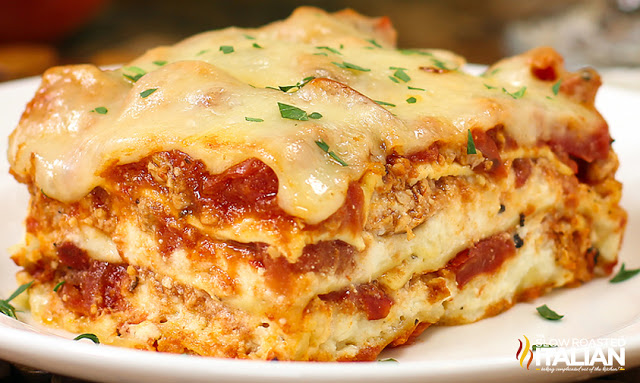
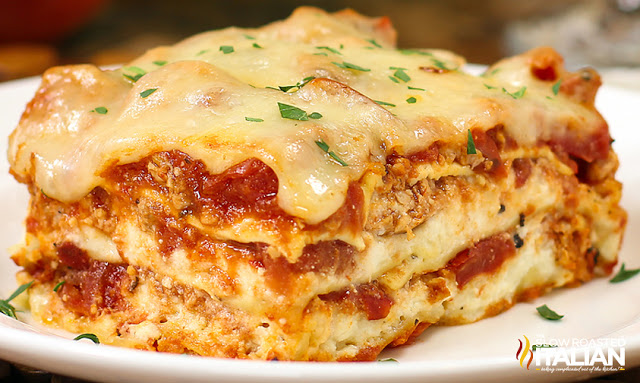
Lasagna, the layered pasta dish so iconic it boasts its own National Lasagna Day on July 29th, is already celebrated for its generous use of cheese. Its origins can be traced back to ancient Greece and Rome, with its modern Italian form evolving over centuries. Yet, its cheesiness can be further amplified, moving beyond a simple topping.
- The All-Cheese Vegetarian Lasagna: A superb vegetarian alternative, this rendition places cheese at the heart of the dish, replacing traditional meat fillings with a triumvirate of dairy delights. A harmonious blend of creamy Ricotta, salty Parmesan, and stretchy Mozzarella creates a rich, multifaceted interior. The Ricotta provides moisture and a delicate tang, essential for a succulent filling. Parmesan contributes a sharp, umami backbone, seasoning the dish from within, and Mozzarella ensures that irresistible stringy texture upon serving, a hallmark of a great lasagna. This approach highlights the individual characteristics of each cheese, allowing them to shine collectively in a symphony of flavors and textures.
- Complementary Cheesy Sides: The cheesy experience needn’t be confined to the lasagna itself. Accompanying cheesy garlic bread, infused with a blend of Mozzarella for melt and Parmesan for sharp flavor, offers a textural and flavor contrast. Furthermore, a vibrant Greek salad, generously studded with crumbled Feta cheese, provides a refreshing, briny counterpoint to the richness of the lasagna, demonstrating cheese’s versatility across different culinary profiles and its ability to balance a hearty meal.
Jalfrezi Curry: An Indian Spice Journey with Dairy
Jalfrezi curry, a vibrant Indian dish featuring meat or fish simmered with vegetables in a spicy, chili-infused sauce, presents an intriguing canvas for cheese integration. The introduction of Paneer, a fresh, non-melting Indian cheese, is a natural and traditional pathway to transform this curry into a cheese-centric delight. Jalfrezi itself evolved during the British Raj, adapting traditional Indian cooking methods to suit European tastes, often involving stir-frying.
- Paneer as a Protein Powerhouse: Paneer, known for its firm texture and ability to absorb flavors without melting, serves as an excellent vegetarian protein source in a Jalfrezi. Its mild, milky taste provides a cooling contrast to the curry’s inherent heat and spiciness, while its robust structure holds up well during cooking, preventing it from disintegrating into the sauce. Paneer’s role in Indian cuisine is extensive, appearing in dishes like Palak Paneer and Mutter Paneer, highlighting its versatility.
- Cheddar Infusion for Richness: Beyond Paneer, a generous handful of grated mature Cheddar cheese can be stirred directly into the Jalfrezi sauce towards the end of cooking. This bold move introduces a creamy richness and a tangy depth, fundamentally altering the curry’s flavor profile and adding an unexpected layer of indulgence. The Cheddar melts seamlessly, creating a luxurious, velvety sauce that clings beautifully to the other ingredients, offering a fusion of British and Indian culinary traditions.
- Textural Contrast in Rice: For an additional cheesy flourish, grated cheese, such as a mild Cheddar or even a crumbly Feta for a saltier kick, can be gently folded into the cooked basmati rice served alongside the Jalfrezi. This introduces pockets of melted cheese, adding both flavor and a delightful textural dimension to each mouthful, turning a simple side into an integral part of the cheesy experience.
Pizza: Beyond the Topping, Into the Dough
Pizza, a global culinary phenomenon with an estimated 5 billion consumed worldwide annually, is synonymous with cheese. While traditional pizzas boast ample cheese toppings and crusts stuffed with gooey dairy, contemporary culinary trends, influenced by health considerations and innovative techniques, are exploring even deeper integrations. The evolution of pizza from a Neapolitan street food to a global comfort food is inextricably linked with the development of cheese-making.
- Revolutionizing the Base: Keto-Friendly Cheese Crusts: A significant innovation, particularly popular within the keto diet community, involves crafting pizza bases entirely from eggs and cheeses such as Mozzarella, Cheddar, and Parmesan. These carb-free crusts are not only packed with intense cheesy flavor but also offer a unique texture, providing a satisfying and gluten-free alternative to traditional flour-based doughs. They melt and crisp beautifully, forming a sturdy yet flavorful foundation for toppings, and demonstrate how cheese can be the structural backbone of a dish.
- Infusing the Traditional Dough: For those who prefer a classic flour-based crust, an equally effective method for boosting cheese content is to grate preferred cheeses directly into the dough during the kneading process. Incorporating a blend of low-moisture Mozzarella for melt and a sharp Cheddar for flavor, for example, results in a pizza base that is subtly cheesy throughout, adding a hidden layer of savory goodness that permeates every bite. This technique ensures that the cheese craving is satisfied from the very first bite of the crust to the last mouthful of the topping-laden slice, creating a more holistic cheesy experience.
Meat & Vegetable Stew: Comfort Food with a Cheesy Heart
Meat and vegetable stew, a timeless comfort food dating back millennia, is celebrated for its rich, slow-cooked flavors and nourishing qualities. Its history is intertwined with human civilization, as early communities discovered that simmering ingredients together created a satisfying and easily digestible meal. Integrating cheese into this hearty dish might seem challenging, given its liquid-heavy nature, but one ingenious method allows for a delightful cheesy inclusion without compromising the stew’s wholesome character: cheese dumplings.

- The Art of Cheesy Dumplings: Rather than stirring cheese directly into the stew, which could alter its consistency or cause clumping, the most effective approach is to incorporate mature cheese into the dumpling mix. When preparing a standard flour-based dumpling dough—typically flour, suet or butter, and water—adding approximately 75g to 100g of finely grated mature Cheddar or a similar robust cheese elevates these fluffy dough balls. The cheese melts subtly within the dumpling as it simmers in the stew, releasing a burst of savory flavor and creating a tender, cheesy core. These dumplings are then cooked directly in the simmering stew for about 20 minutes, absorbing the stew’s flavors while imparting their cheesy goodness, transforming a simple stew into an even more satisfying and indulgent meal. This method ensures the cheese integrates without emulsifying into the broth, maintaining distinct textures and flavors.
The Broader Impact: Cheese as a Catalyst for Culinary Creativity
The examples above merely scratch the surface of cheese’s potential in the culinary landscape. The global dairy industry continues to innovate, introducing new cheese varieties and production methods, while chefs and home cooks constantly experiment with traditional pairings and unexpected fusions. The increasing availability of artisanal cheeses, alongside popular commercial varieties, further empowers consumers to explore a wider spectrum of flavors and textures, fostering a dynamic environment for culinary discovery. From a nutritional standpoint, while cheese is calorically dense and rich in fat, it is also a significant source of protein, calcium, and essential vitamins such as B12 and riboflavin. Nutritionists often advise that moderation and thoughtful integration into a balanced diet are key to enjoying cheese’s benefits without overconsumption.
Ultimately, the burgeoning trend of enriching everyday meals with diverse cheeses reflects a collective desire for enhanced flavor, comfort, and culinary adventure. As consumers become more discerning and adventurous in their food choices, cheese provides a familiar yet endlessly adaptable ingredient that caters to both traditional tastes and modern dietary preferences. Whether it’s adding a sharp tang to a traditional roast, infusing a curry with creamy depth, or reinventing a pizza crust, cheese stands as a testament to the power of a single ingredient to profoundly elevate the dining experience. Its universal appeal and remarkable versatility ensure that it will remain a cherished component of global gastronomy, continually inspiring new and delicious ways to savor every bite. The exploration of cheese in cooking is not just about adding an ingredient; it is about embracing a world of flavor, texture, and tradition that enriches our meals and our lives.