The Enduring Legacy of Health Salad in Deli Culture
Health Salad is more than just a side dish; it is a foundational element of the East Coast deli experience, a culinary tradition with deep roots in Jewish immigrant communities. Originating in delis primarily found in cities like New York, Philadelphia, and Baltimore, this vibrant mixture of shredded vegetables, typically cabbage, is characterized by its distinctive sweet and sour profile. It traditionally appears on tables alongside various pickled cucumbers, offering diners something to munch on while perusing menus and awaiting their main courses. The term "Health Salad" itself carries an interesting irony; while it features fresh vegetables, the significant amount of sugar often included in its dressing belies a strictly "healthy" connotation in modern nutritional terms. This nomenclature likely stems from an era when dishes featuring abundant fresh vegetables were perceived as inherently wholesome, a stark contrast to heavier, meat-centric deli fare. The author of the featured recipe recalls developing an affection for the dish during years living near an outpost of Philadelphia’s renowned Famous Fourth Street Deli, underscoring its ubiquitous presence and cherished status in such establishments. This cultural significance highlights how certain dishes transcend mere sustenance to become symbols of community, heritage, and shared experience.

Deconstructing the Health Salad Recipe: Ingredients and Preparation
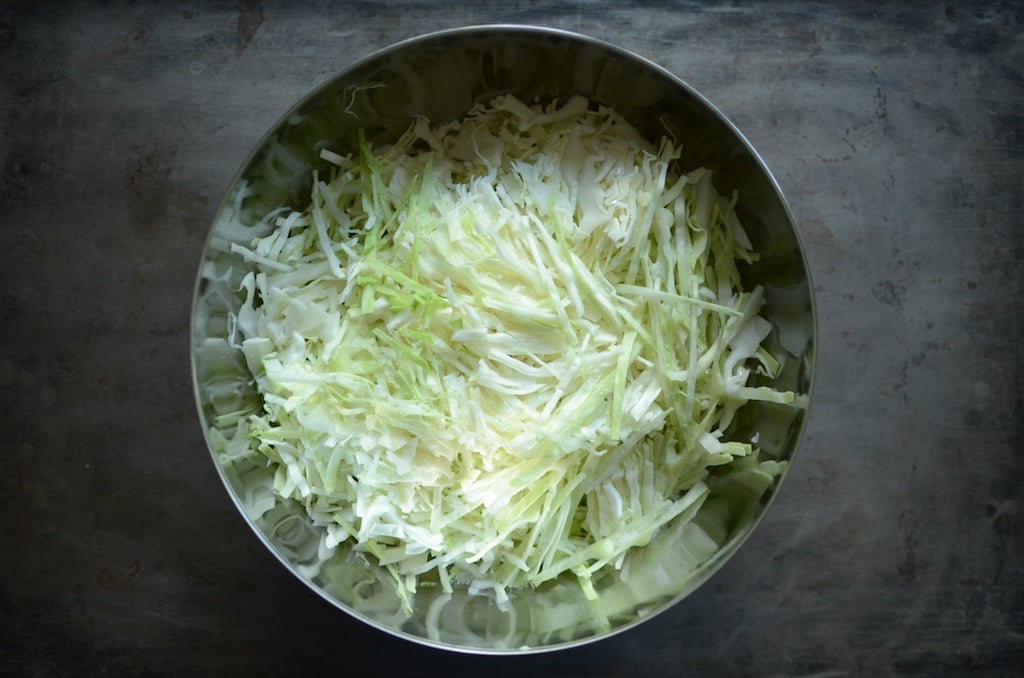
The core components of Health Salad remain consistent across various interpretations: cabbage, vinegar, and sugar. These three ingredients form the bedrock of its characteristic sweet and sour taste and crisp texture. While the featured recipe champions green cabbage and a large carrot as its primary vegetables, variations are common and highly adaptable. Other recipes frequently incorporate bell peppers (both green and red for color and flavor), crisp cucumbers, and thinly shaved radishes, each adding a unique dimension to the texture and taste profile. The preparation process emphasizes fine shredding of the vegetables, a crucial step for achieving the desired mouthfeel and ensuring proper absorption of the dressing. The choice between hand-slicing with a sharp knife and utilizing a food processor’s shredding blade often comes down to personal preference regarding labor versus cleanup, with the latter frequently favored for efficiency when dealing with larger quantities.
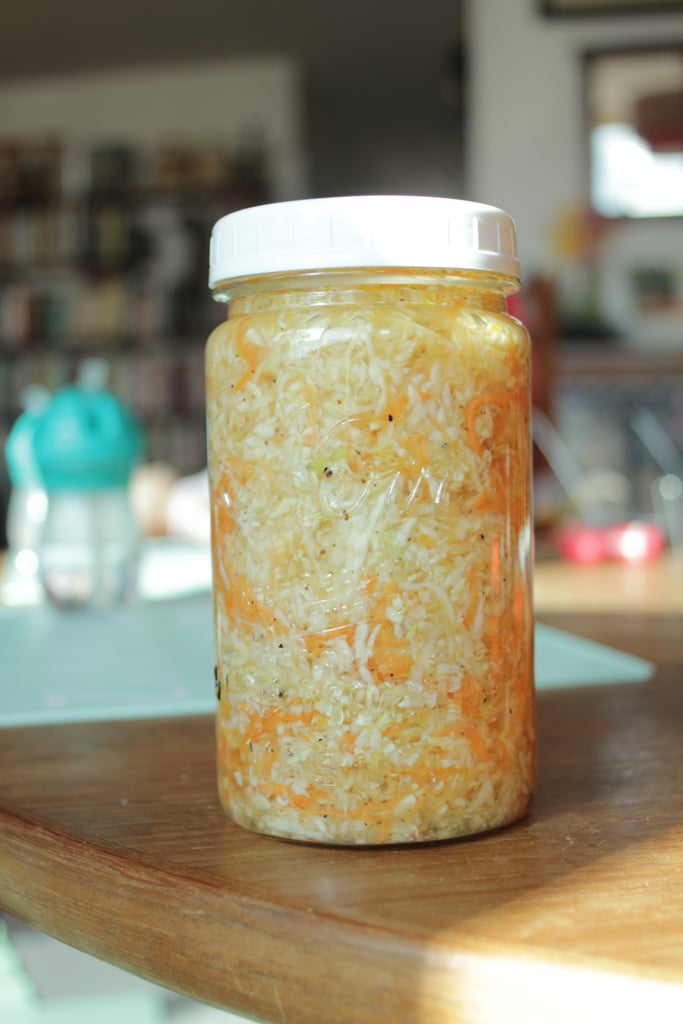
The dressing, the heart of Health Salad’s flavor, is a simple yet potent concoction. It typically combines white vinegar, granulated sugar (with the recipe suggesting a range of 1/3 to 1/2 cup to balance sweetness), a neutral oil, salt, black pepper, and celery seed. The celery seed is particularly important, contributing a subtle, earthy, and aromatic note that is classic to many deli-style pickles and slaws. The dressing is gently warmed in a saucepan, not to boil, but merely to facilitate the complete dissolution of the sugar into the vinegar. This controlled warming ensures a smooth, homogenous dressing that can evenly coat the shredded vegetables. Once prepared, the dressing is poured over the vegetables, stirred thoroughly, and allowed to marinate, enabling the flavors to meld and the vegetables to slightly soften while retaining their desirable crunch. This method classifies Health Salad as a "fridge pickle" or "quick pickle," designed for immediate consumption and refrigeration rather than long-term shelf storage. Properly stored in a scrupulously clean jar and handled with clean utensils, this fresh preparation can maintain its quality for at least two weeks in the refrigerator, making it a convenient and flavorful staple.

The Community Canning Challenge: Fostering Preservation Skills
The Health Salad recipe was specifically submitted as an entry in the "Community Canning Challenge," an initiative organized by "Food in Jars," a prominent online resource for home food preservation enthusiasts. This monthly challenge aims to engage a broad audience in exploring diverse methods of preserving specific categories of produce. For the current month, the focus is on "brassicas and root vegetables," categories that include ingredients like cabbage and carrots, making Health Salad a highly relevant contribution. The challenge serves multiple purposes: it encourages participants to experiment with new recipes and techniques, provides a structured framework for learning about different preservation methods, and fosters a vibrant community among home canners and preservers. Participants can interact and share their experiences through various platforms, including a dedicated Substack channel where challenge-related posts are freely accessible, and a robust "Food in Jars community group" on Facebook. These platforms facilitate knowledge exchange, troubleshooting, and mutual encouragement, essential elements for enthusiasts delving into the often-complex world of home food preservation. Such initiatives are crucial in disseminating practical skills and information, allowing individuals to enhance food security, reduce waste, and connect more deeply with their food sources.
Navigating the Complexities of Canning Safety: A Critical Analysis
A significant aspect of the discussion surrounding the Health Salad recipe, particularly within the context of a canning challenge, is the explicit caution regarding its suitability for long-term canning. The author unequivocally states, "Currently, as my recipe is written, you cannot" safely can Health Salad using traditional methods for shelf stability. This declaration is rooted in the fundamental principles of home food preservation safety, which are rigorously enforced by authoritative bodies such as the National Center for Home Food Preservation (NCHFP) and reputable brands like Ball, known for their comprehensive guides and tested recipes.

The primary concern with canning a recipe like Health Salad, as formulated for quick pickling, revolves around the precise balance of acidity (pH level) required to prevent the growth of harmful bacteria, most notably Clostridium botulinum, which produces a deadly toxin. Untested recipes, especially those containing a relatively high proportion of low-acid vegetables like cabbage and carrots, coupled with an uncertain sugar-to-vinegar ratio for canning purposes, pose a significant risk. For a recipe to be safely water-bath canned, it must achieve a pH of 4.6 or lower to inhibit botulinum spore germination. Recipes developed for refrigeration often do not meet these stringent acidity requirements for shelf stability. Without scientifically tested guidelines, altering ingredient ratios or processing times can inadvertently create an unsafe environment within the sealed jar.
The author acknowledges this critical safety gap by noting the absence of readily translatable, tested recipes from the NCHFP or Ball that directly correspond to this specific Health Salad formulation. While a "Spiced Red Cabbage" recipe found in the "Ball Complete Book of Home Preserving" is mentioned as a conceptual proximity, it involves substantially larger quantities (12 pounds of cabbage and 8 cups of vinegar) and is specifically formulated and tested for canning. The crucial implication is that simply applying a water-bath canning process to a quick-pickle recipe without validated instructions is highly dangerous. Experts in food preservation consistently advise against improvising canning recipes or adapting untested ones, stressing that safety protocols are paramount and non-negotiable. The potential for developing a canning-safe version of Health Salad, as hinted by the author ("If there is interest, I could work on that"), would necessitate a rigorous testing process to establish precise ratios of vegetables to vinegar, salt, and sugar, and validated processing times, ensuring the product’s safety and stability for shelf storage. Until such testing is performed and published by an authoritative source, Health Salad remains strictly a refrigerated item. This cautionary stance underscores the imperative for home preservers to rely exclusively on tested, scientifically validated recipes to prevent foodborne illness.

Broader Implications for Modern Home Preservation
The discussion surrounding the Health Salad recipe and its canning limitations reflects broader trends and challenges within the modern home food preservation movement. In recent years, there has been a significant resurgence of interest in home canning, pickling, and other preservation methods. This renewed enthusiasm is driven by various factors, including a desire for greater control over food ingredients, economic considerations (saving money on groceries), food security concerns, and a growing appreciation for traditional culinary skills and heritage. Online communities, blogs like "Food in Jars," and social media groups play a vital role in connecting enthusiasts, sharing knowledge, and celebrating successful preservation efforts.
However, this increased accessibility to information also brings challenges. The sheer volume of recipes and advice available online can make it difficult for novices, and even experienced preservers, to discern between safe, tested methods and potentially hazardous ones. This is precisely why initiatives like the "Community Canning Challenge" and the clear, unambiguous warnings from experts regarding untested recipes are so crucial. They serve as educational tools, guiding individuals towards reliable sources of information and reinforcing the non-negotiable aspects of food safety. The implications extend to public health, as incorrect preservation techniques can lead to severe foodborne illnesses. Therefore, the ongoing dialogue about specific recipes like Health Salad provides a valuable opportunity to educate the broader public about the scientific principles underpinning safe food preservation, emphasizing that while culinary experimentation is encouraged, it must always be balanced with adherence to established safety guidelines, especially when dealing with methods intended for long-term storage.

Conclusion and Future Prospects
The Health Salad recipe, a delightful and culturally significant quick-pickled dish, serves as an excellent entry point into the world of brassica and root vegetable preservation within the "Community Canning Challenge." While it offers a delicious and refreshing addition to any meal, particularly those inspired by East Coast deli traditions, its current formulation highlights a critical distinction between refrigerated quick pickles and shelf-stable canned goods. The unequivocal advice against canning this recipe as written, due to the lack of tested guidelines from recognized food safety authorities, reinforces the paramount importance of adherence to scientifically validated methods in home preservation. This ongoing conversation within the food preservation community underscores the dual objectives of celebrating culinary heritage and ensuring consumer safety. As interest in home food preservation continues to grow, the possibility of future development and testing for a canning-safe Health Salad recipe remains, offering a potential avenue for safely extending the enjoyment of this beloved deli staple. For now, enthusiasts are encouraged to savor this classic as a fridge pickle, enjoying its vibrant flavors and crisp texture while remaining vigilant about adhering to the highest standards of food safety in all their preservation endeavors.