The burgeoning interest in self-sufficiency, mycological study, and sustainable living has catalyzed a significant shift in the consumer retail landscape, particularly within the outdoor recreation and "wildcrafting" sectors. As the holiday season approaches, the demand for specialized equipment designed for the identification, collection, and processing of wild flora and fungi has reached unprecedented levels. Industry analysts attribute this trend to a broader cultural movement toward "rewilding" and the integration of traditional ecological knowledge into modern lifestyles. This report provides an exhaustive analysis of the essential tools, educational resources, and lifestyle products currently defining the foraging market, offering a comprehensive guide for those seeking to support the practical and educational pursuits of wildcrafters.
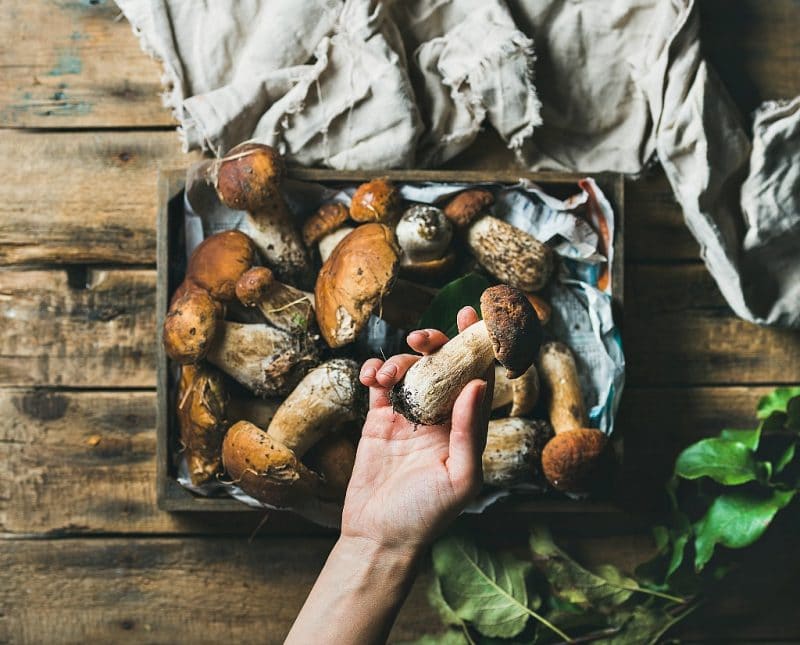
The Evolution of the Foraging Economy and Market Trends
The practice of foraging—once a niche survivalist skill—has transitioned into a mainstream hobby and professional pursuit. According to data from the Outdoor Industry Association, participation in nature-based activities saw a double-digit increase following the global pandemic of 2020, with a specific uptick in "consumable" outdoor activities like berry picking and mushroom hunting. This shift has created a robust market for high-quality, durable gear that bridges the gap between amateur exploration and professional botanical study.
Market research indicates that the "functional mushroom" industry alone is projected to reach a valuation of over $50 billion by 2030. This economic momentum has bled into the gift-giving sector, where consumers are increasingly prioritizing "useful" gifts—items that provide utility, foster skill development, or promote environmental stewardship.
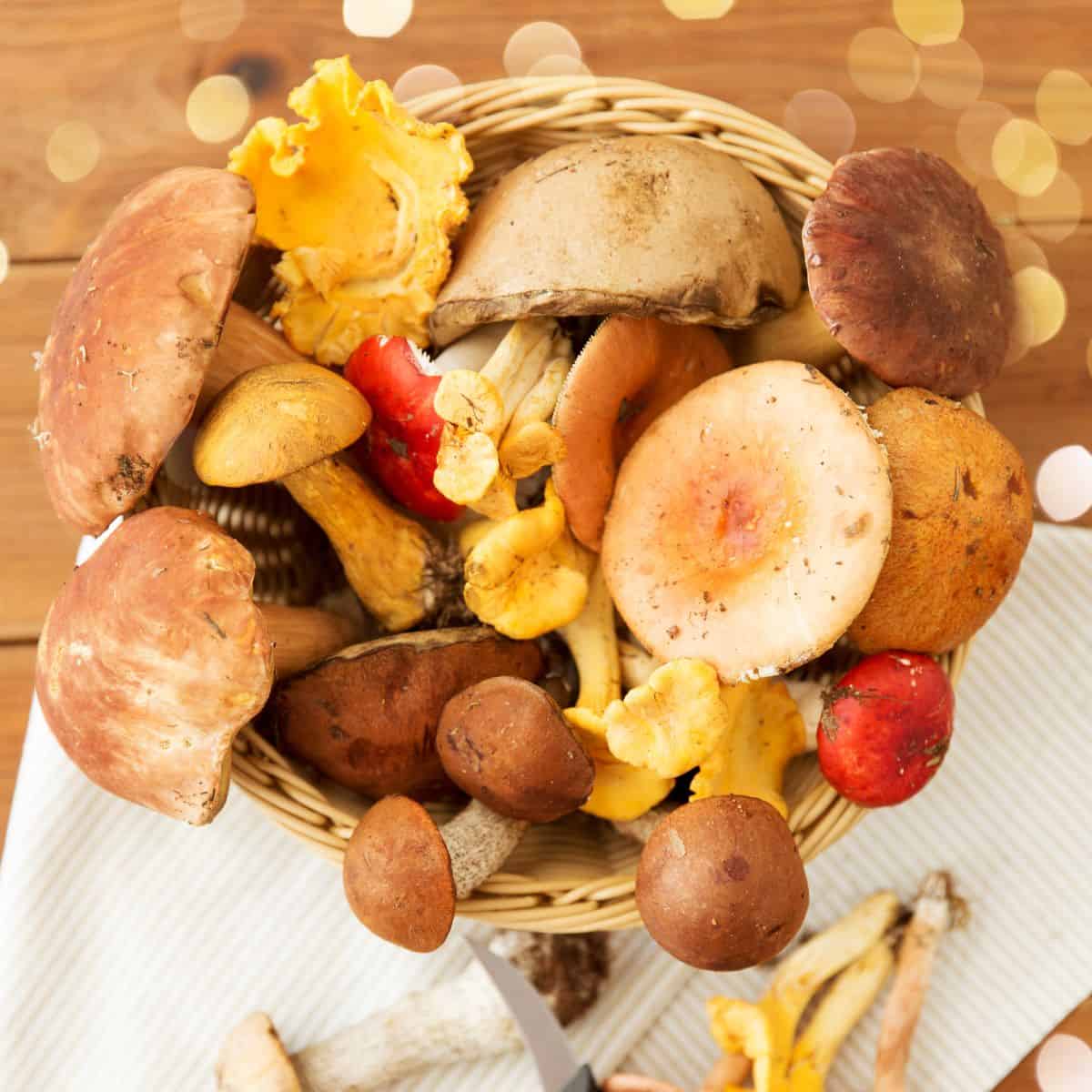
Precision Instruments: The Essential Foraging Knife
In the hierarchy of wildcrafting tools, the foraging knife remains the most critical asset. Professional foragers emphasize that a knife is not merely a cutting tool but a precise instrument used to ensure the sustainable harvest of plants and fungi.
The Specialized Mycological Blade
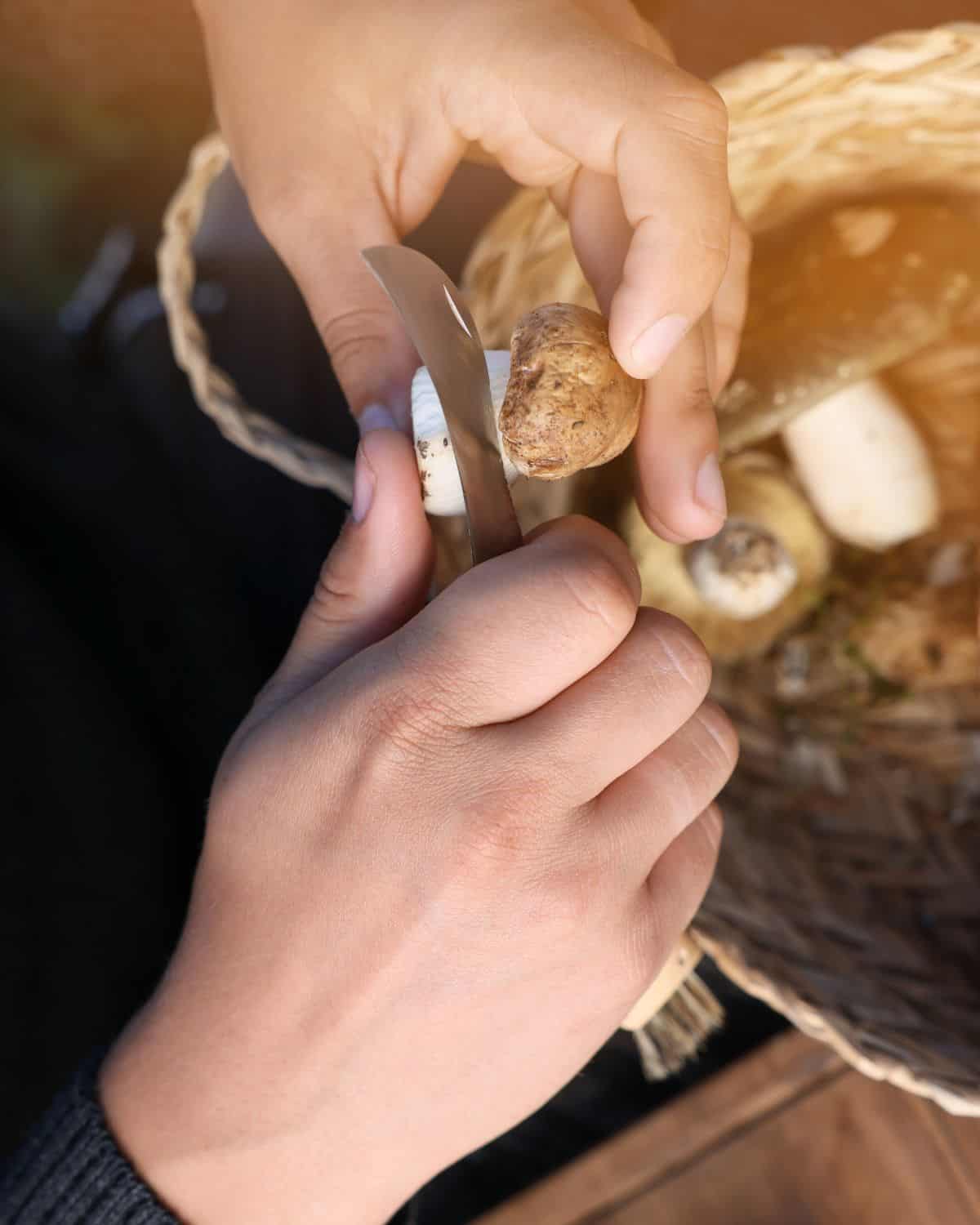
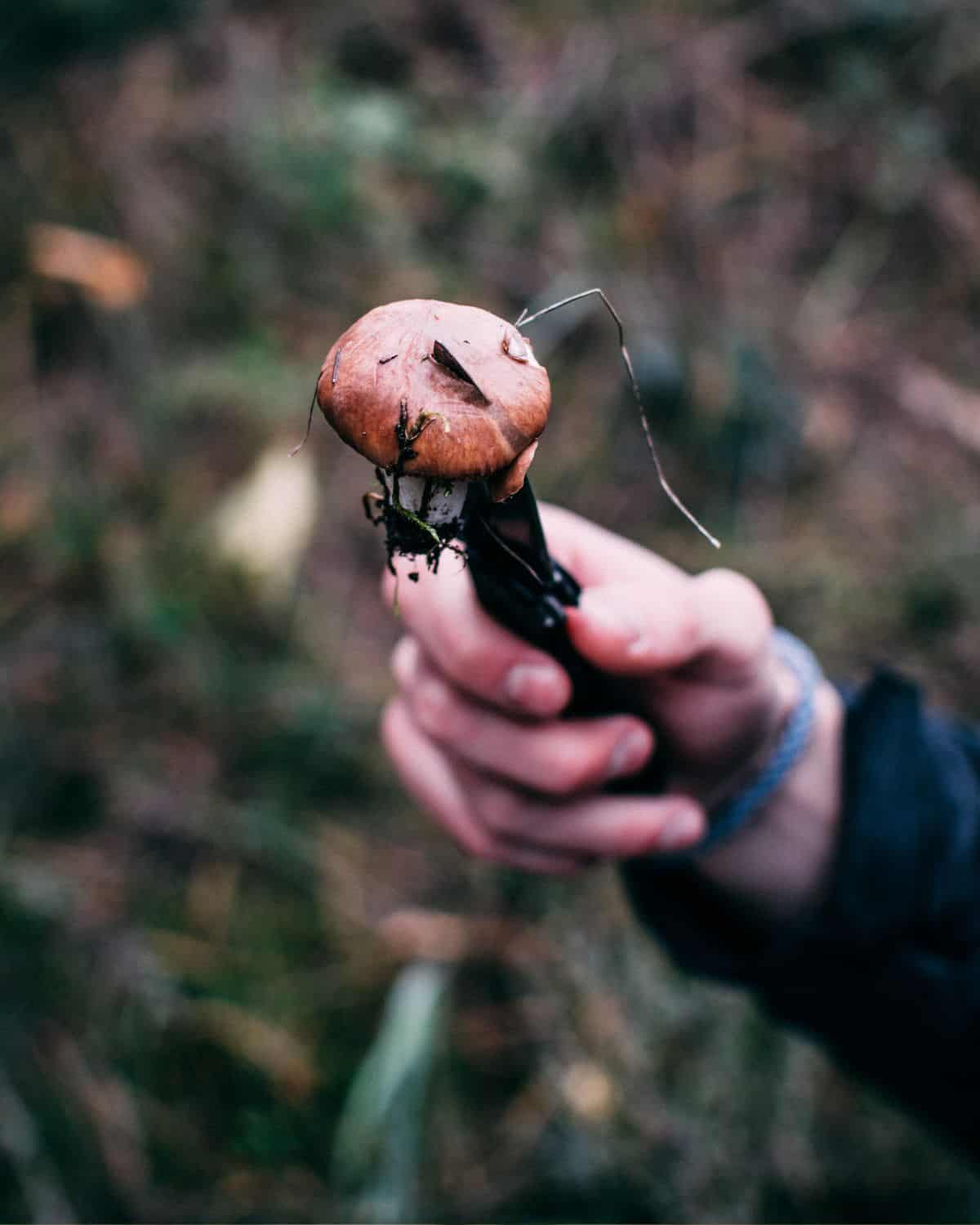
The Opinel Mushroom Knife has emerged as an industry standard. Produced by the historic French cutlery firm, this tool features a curved Sandvik stainless steel blade designed to cut delicate mushroom stalks without damaging the underlying mycelium. A distinctive feature of this model is the integrated boar hair brush on the pommel, which allows foragers to clean debris from specimens in the field, a critical step for maintaining the quality of the harvest and ensuring accurate identification.
All-Purpose Field Knives
For general wildcrafting, which may involve harvesting fibrous stalks or digging for tubers, the Morakniv Companion is frequently cited by experts as the premier entry-level fixed-blade knife. Manufactured in Mora, Sweden, this tool is noted for its high-carbon steel durability and ergonomic polymer grip. Industry aficionados point out that the low price point of the Morakniv—combined with its professional-grade performance—makes it an ideal "field-ready" gift that minimizes the financial risk associated with losing tools in dense undergrowth.
Sustainable Collection and Transport Systems
The method by which a forager transports their harvest is as important as the harvest itself. Proper ventilation is essential, particularly for mushrooms, which can decompose rapidly if stored in non-breathable plastic.
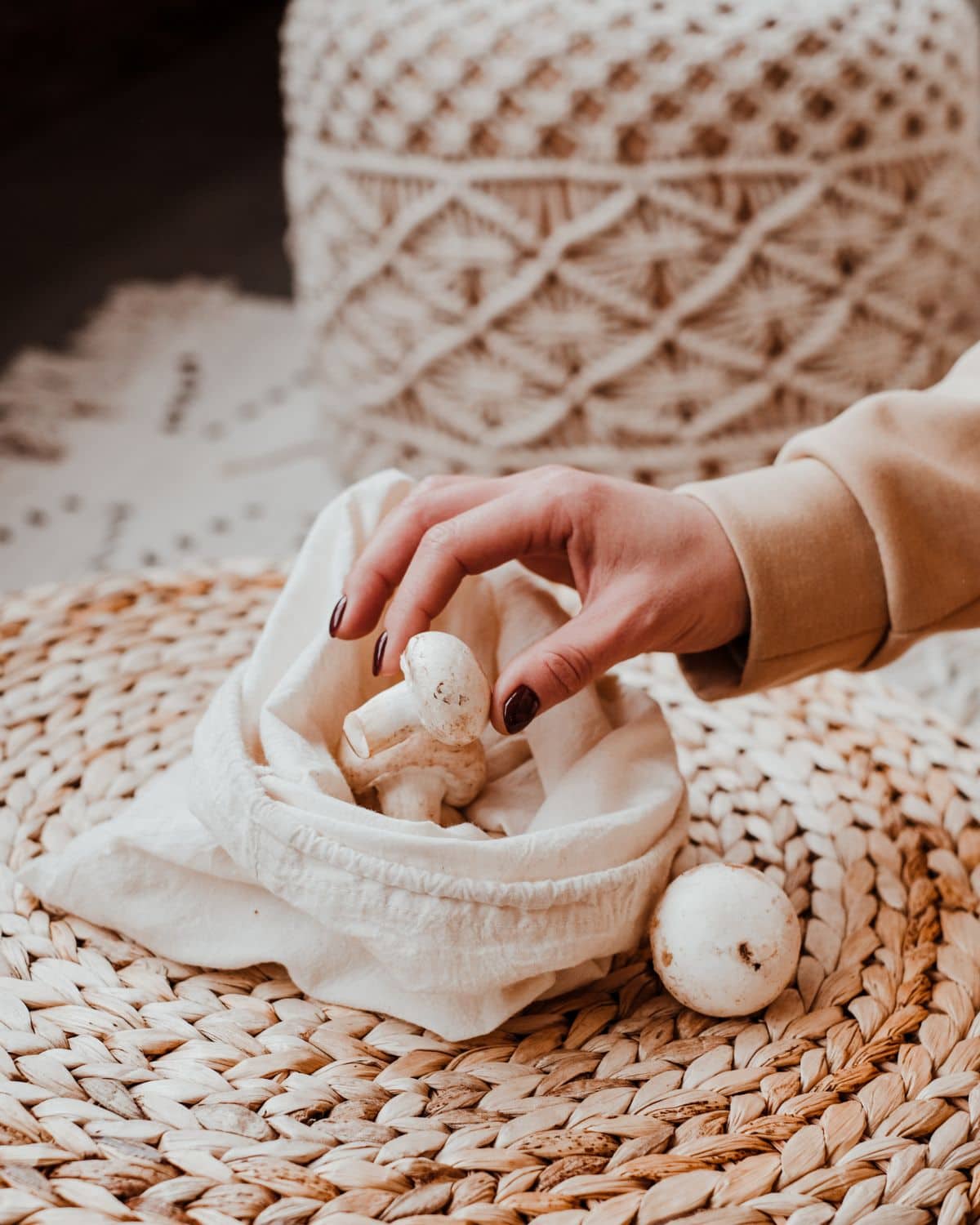
Traditional and Fair Trade Baskets
Woven market baskets remain the preferred vessel for serious wildcrafters. Beyond their aesthetic appeal, these baskets allow for spore dispersal as the forager moves through the woods, theoretically aiding in the future propagation of the species collected. Current market trends show a preference for Fair Trade certified baskets, which ensure that the artisans—often located in rural regions of Africa or Southeast Asia—receive equitable compensation. These baskets serve a dual purpose as both high-utility field gear and sustainable home storage solutions.
Lightweight Modular Solutions
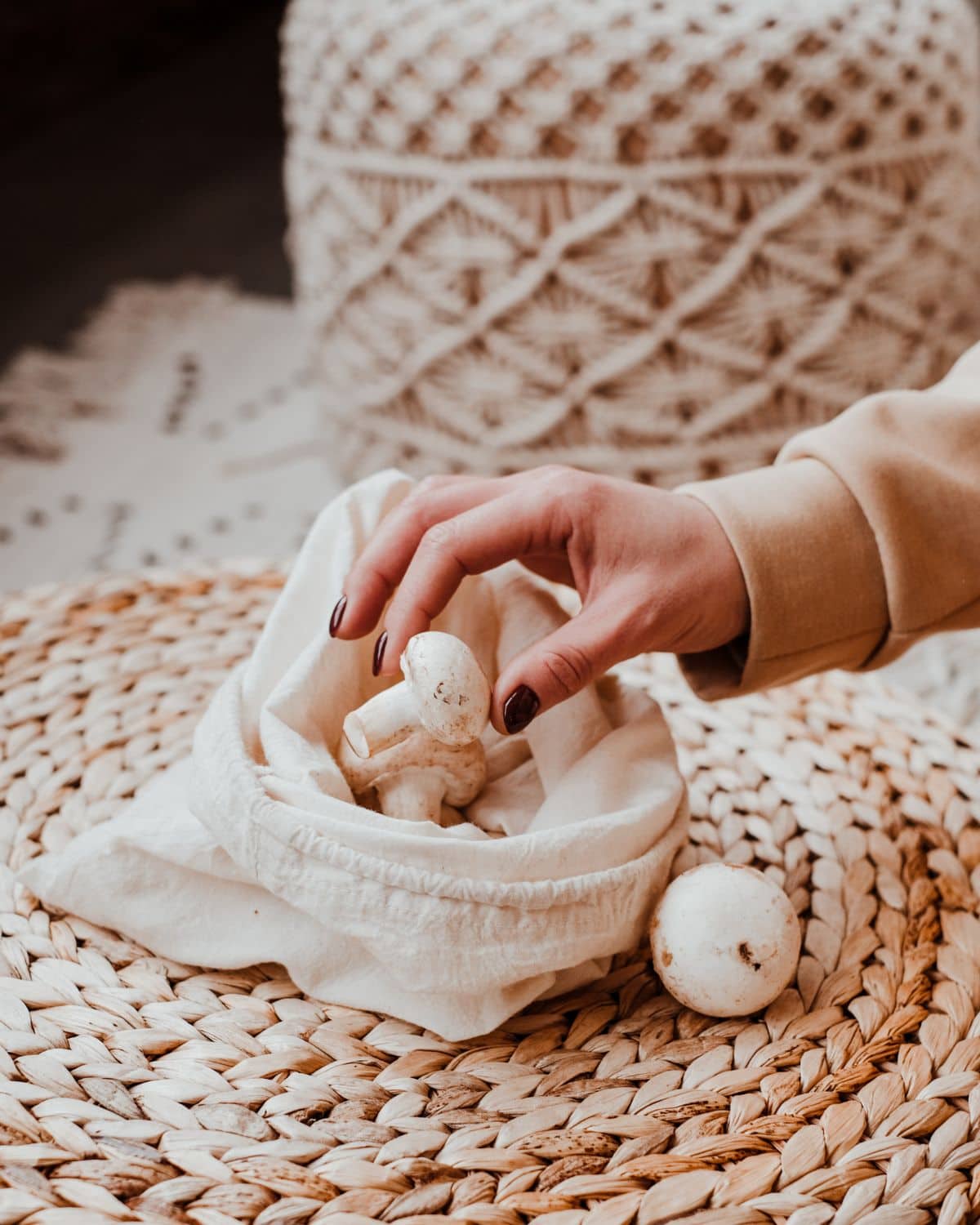
For the casual or "incidental" forager, lightweight cloth bags have become a staple. These bags, often made of organic cotton or linen, are designed to be stowed within a backpack or vehicle. The shift away from single-use plastics in the foraging community reflects a broader commitment to environmental ethics, with many practitioners utilizing these bags for grocery produce as well as wild finds.
Indoor Cultivation and the Science of Mycelium
For those living in urban environments or regions with limited growing seasons, the gift of home cultivation kits has become a significant sector of the mycological market.
Mushroom Mini-Farms
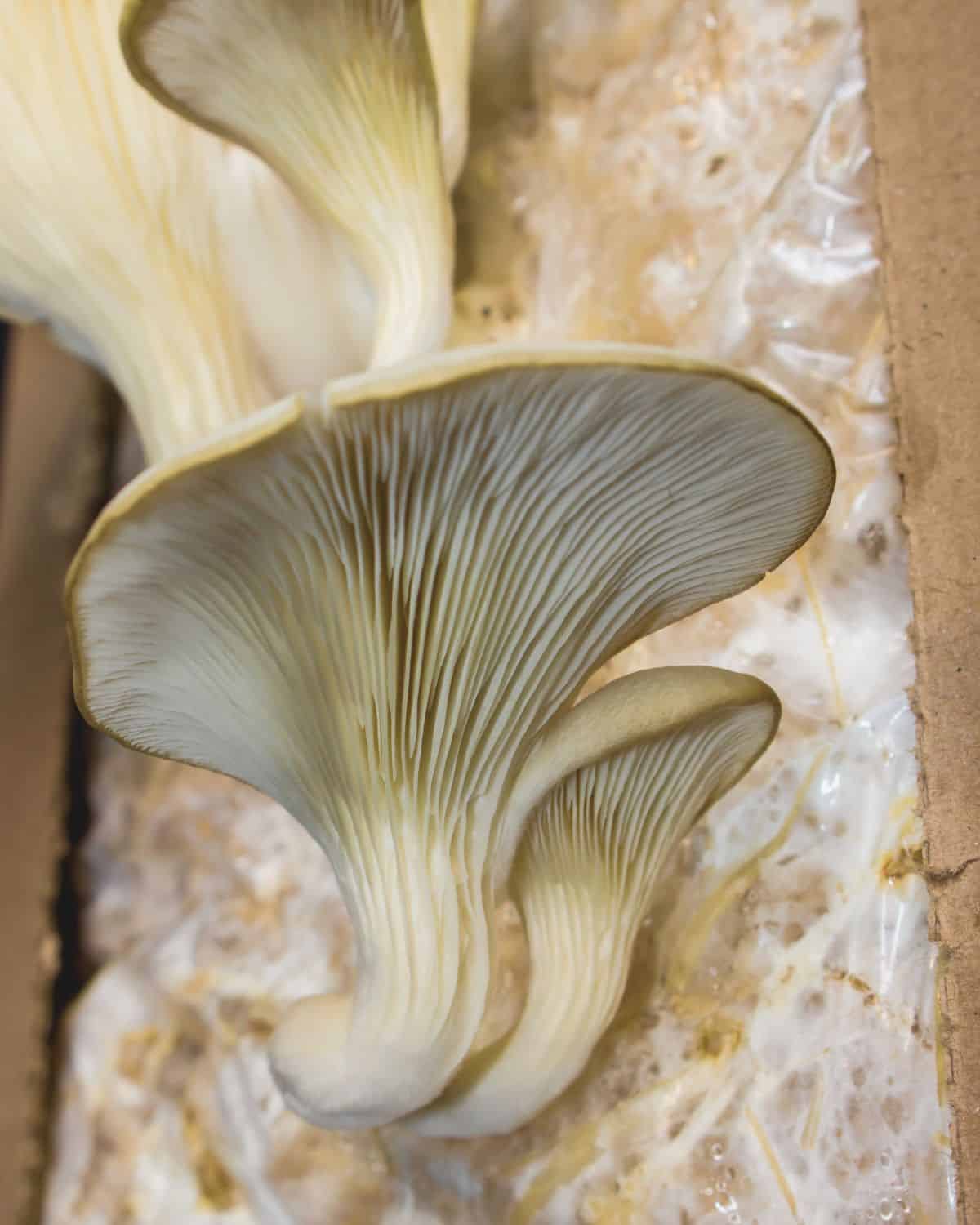
Companies like Back to the Roots have popularized the "Mini Farm" concept, which utilizes recycled coffee grounds or agricultural waste as a substrate for Oyster mushrooms. These kits serve as an educational entry point into the world of fungi, allowing users to observe the rapid growth of fruiting bodies in a controlled environment.
Advanced Inoculation Tools
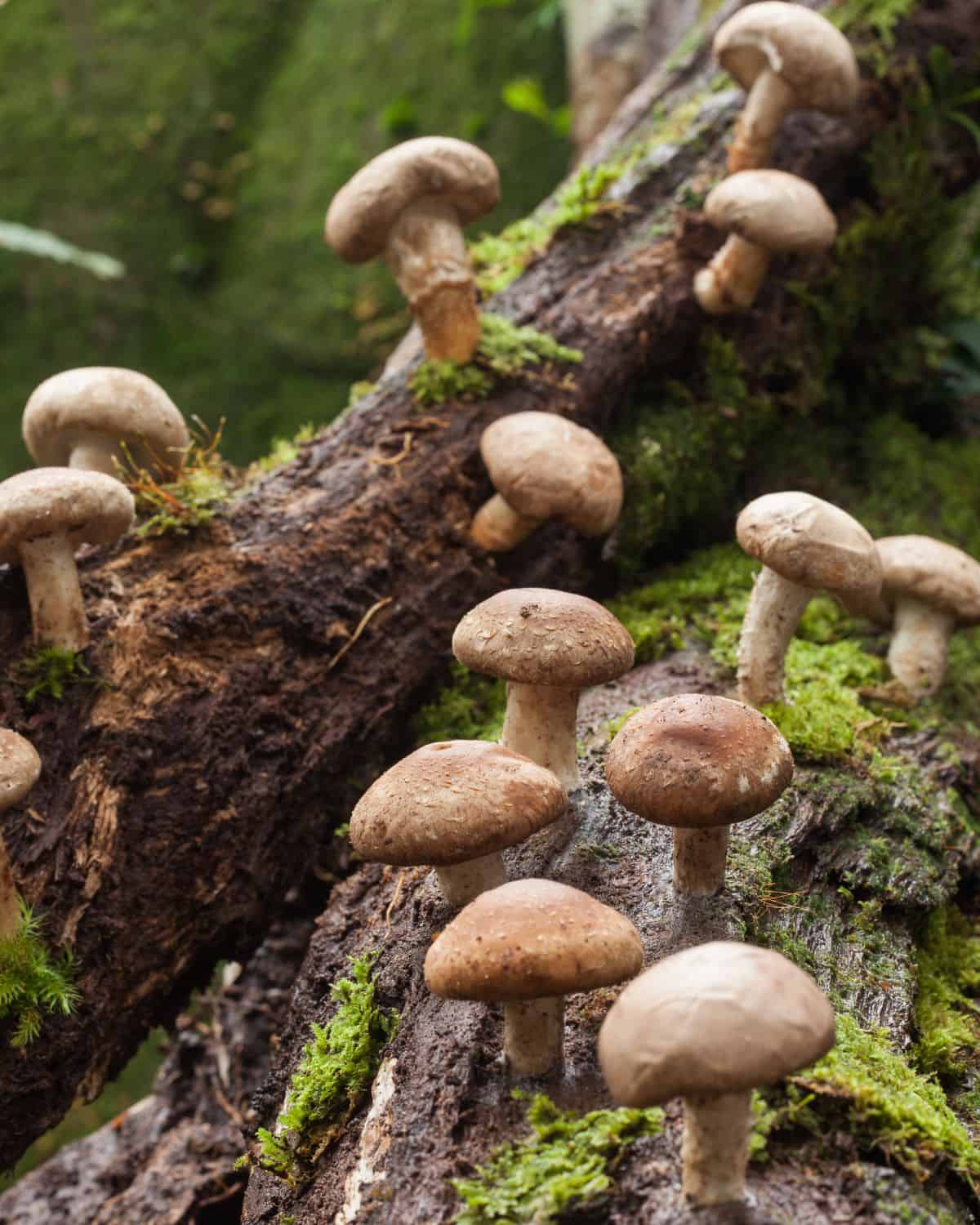
For the more advanced practitioner, mushroom spawn plugs (such as Shiitake or Lion’s Mane) offer a long-term investment in food security. This process involves "inoculating" hardwood logs with fungal spores, a practice that aligns with permaculture principles. Data from gardening cooperatives suggests that log-grown mushrooms often possess a higher nutrient density and more robust flavor profile than commercially produced varieties.
The Intersection of Foraging and Wellness
The "functional food" movement has heavily influenced the foraging gift market, particularly through the introduction of adaptogenic beverages.
Mycological Infusions
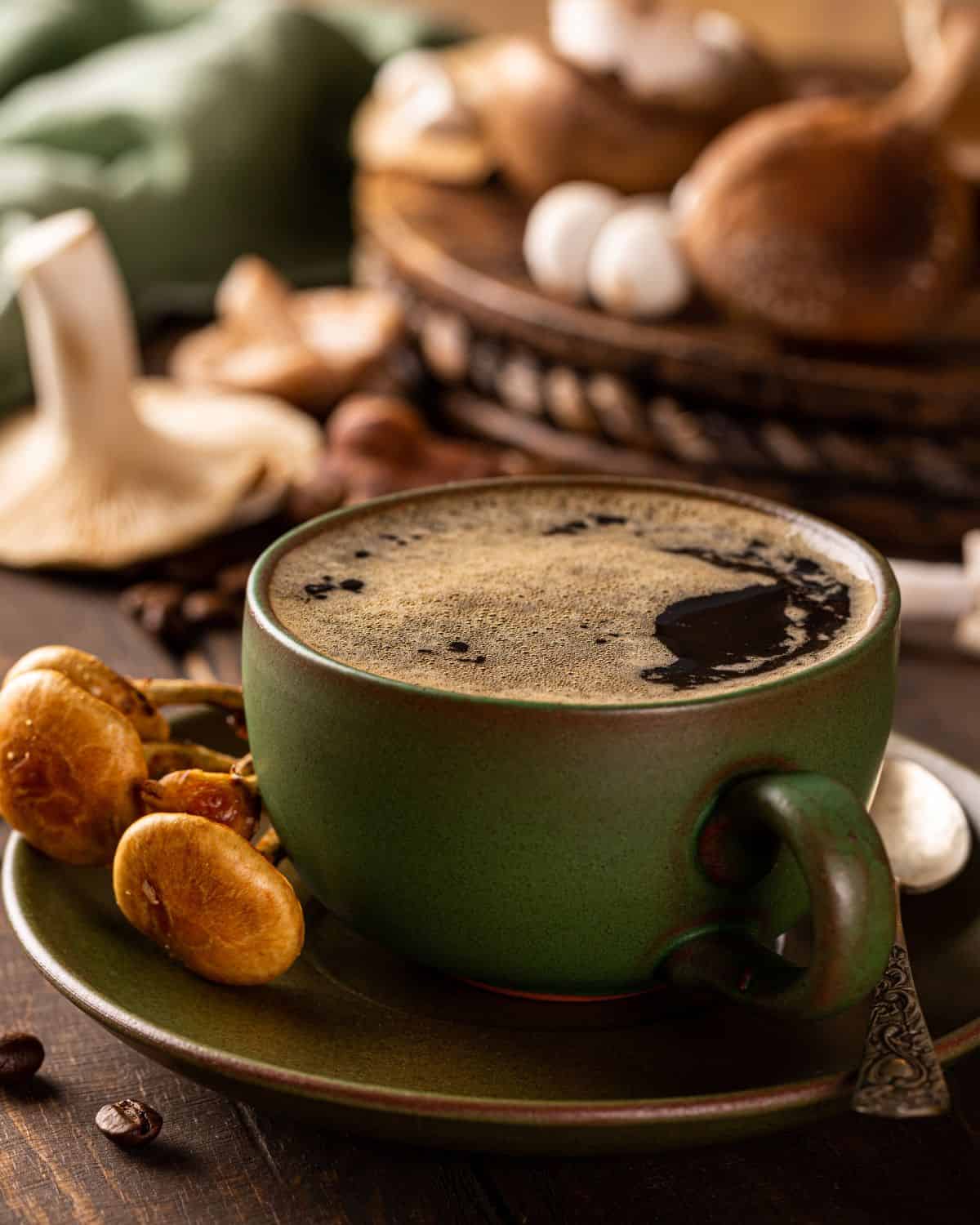
Four Sigmatic and similar brands have pioneered the integration of wild-harvested fungi—such as Chaga, Reishi, and Lion’s Mane—into daily rituals like coffee and cocoa. These products are often marketed for their purported cognitive and immunological benefits. While the scientific community continues to study the long-term effects of these adaptogens, the consumer response has been overwhelmingly positive, particularly among the "biohacking" and outdoor enthusiast demographics.
Educational Resources and Field Literature
The most dangerous tool in a forager’s kit is a lack of knowledge. Consequently, high-quality literature remains the most valuable gift for any wildcrafter.
Taxonomic Field Guides
For mushroom identification, the works of David Arora are considered foundational. All That the Rain Promises and More is frequently recommended for its portability and "pocket-guide" format, while Mushrooms Demystified serves as the comprehensive "bible" for home-based taxonomic study.
Regional and Specialized Botany
The works of Samuel Thayer, including Nature’s Garden and The Forager’s Harvest, are cited by North American foragers as the gold standard for plant identification. These texts are praised for their rigorous focus on the "edibility spectrum" and their debunking of common botanical myths.
Pedagogical Tools for Youth
The "Wildcraft!" herbal adventure game represents a growing category of educational toys designed to teach children about medicinal plants through cooperative play. This shift toward "nature-based STEM" (Science, Technology, Engineering, and Mathematics) education is supported by child development experts who argue that early exposure to botanical literacy fosters lifelong environmental stewardship.
Chronology of the Modern Foraging Resurgence
To understand the current market, one must look at the timeline of foraging’s cultural reintegration:
- 2000–2010: Foraging remains a niche interest, largely confined to rural communities and professional mycologists.
- 2012–2015: The "Farm-to-Table" movement in high-end culinary arts begins to emphasize "hyper-local" and foraged ingredients (e.g., ramps, morels, sea buckthorn).
- 2017–2019: Social media platforms, particularly Instagram and TikTok, see the rise of "Nature-core" and "Cottage-core" aesthetics, making foraging visually accessible to a younger generation.
- 2020–Present: Global supply chain disruptions and a renewed interest in outdoor safety lead to a surge in self-sufficiency skills. Foraging equipment becomes a staple in the "Outdoor Economy."
Broader Impact and Ethical Implications
The commercialization of foraging gear carries significant implications for land management and conservation. As more individuals enter wild spaces to harvest resources, the "Ethical Foraging" movement has gained traction. This movement emphasizes:
- The 1-in-20 Rule: Never harvesting more than a small fraction of a healthy population.
- Legal Compliance: Respecting indigenous land rights and public park regulations.
- Sustainability: Prioritizing the health of the ecosystem over the volume of the harvest.
Foragers who receive high-quality tools and education are statistically more likely to practice sustainable harvesting than those using makeshift equipment. Therefore, providing specialized gear is not merely a gesture of gift-giving; it is a contribution to the preservation of biodiversity.
Conclusion
The modern foraging gift guide reflects a sophisticated blend of traditional craftsmanship and contemporary science. From the precision of a Swedish field knife to the educational depth of a taxonomic guide, these items represent a growing desire among consumers to reconnect with the natural world in a tangible, productive manner. As the holiday season approaches, the selection of these gifts indicates a move away from transient consumerism toward a more durable, skill-based economy that honors the complexity of the Earth’s ecosystems.