The Rise of Home Lyophilization and the Rotisserie Advantage
Freeze-drying, once a technology reserved for the pharmaceutical industry and aerospace exploration, has transitioned into the domestic sphere. The process involves freezing the food product and then reducing the surrounding pressure to allow the frozen water in the material to sublimate directly from the solid phase to the gas phase. Unlike traditional dehydration, which uses heat to evaporate moisture—often resulting in a "leathery" texture and significant nutrient degradation—freeze-drying preserves the cellular structure of the food.
Rotisserie chickens are particularly advantageous for this process. Often sold as "loss leaders" by major retailers like Costco and Walmart to drive foot traffic, these birds are typically seasoned and fully cooked, which mitigates the food safety risks associated with handling raw poultry in a home preservation environment. Furthermore, the ability to purchase these units at a discount, particularly during "day-old" clearance events, allows consumers to build a protein reserve at a fraction of the cost of commercially prepared emergency meals.
A Systematic Chronology of the Freeze-Drying Process
The transition from a fresh rotisserie chicken to a shelf-stable pantry item requires a disciplined, multi-step workflow to ensure both food safety and the longevity of the finished product.
Phase I: Preparation and Component Separation
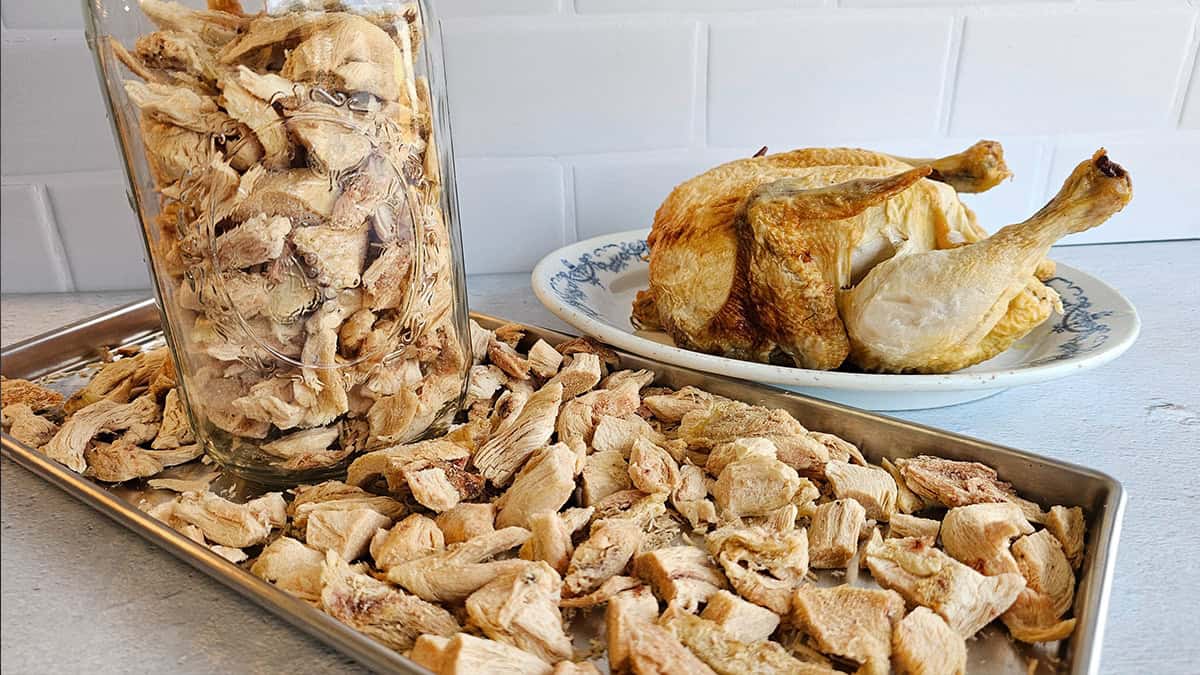
The process begins with the immediate processing of the chicken once it reaches a manageable temperature. Preservationists emphasize the importance of "stripping" the bird. This involves the meticulous removal of the skin, visible fat deposits, and bones. While the skin is a flavorful component of a fresh meal, its high lipid content is the primary enemy of long-term storage. Fats do not freeze-dry; instead, they can go rancid even in a vacuum-sealed environment, significantly shortening the shelf life of the meat.
The remaining carcass, including the bones and connective tissues, is not discarded. In a circular food economy model, these components are simmered to create a nutrient-dense bone broth. This broth can subsequently be freeze-dried into a concentrated powder or bouillon, ensuring that nearly 100% of the purchased animal is utilized.
Phase II: Size Standardization and Pre-Freezing
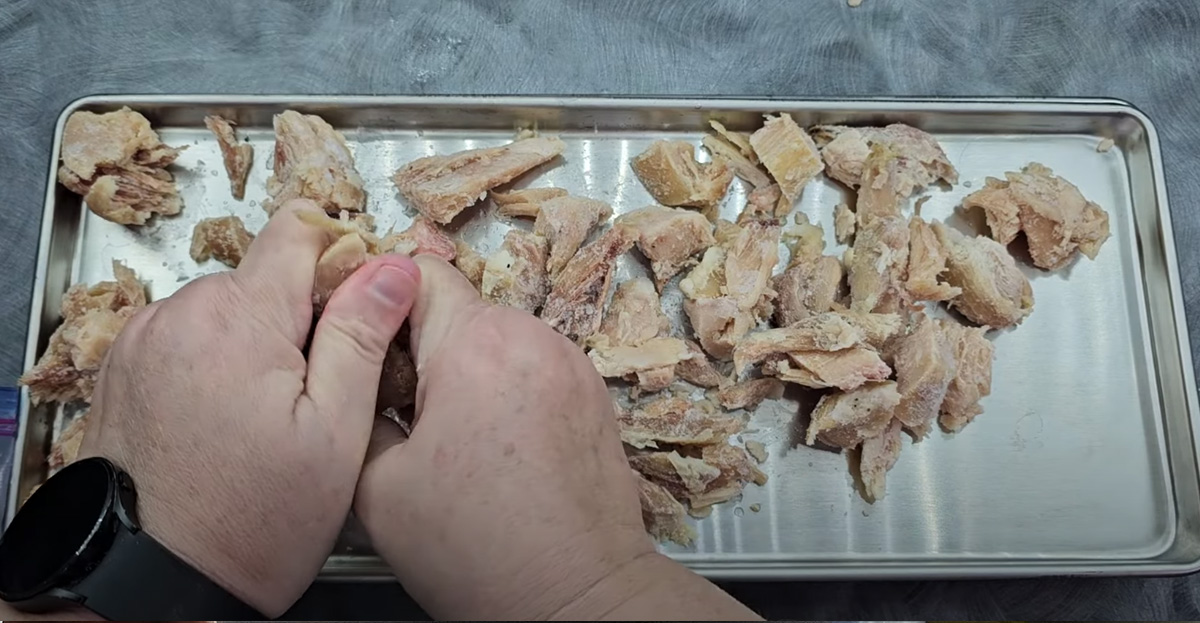
Once the meat is harvested, it is partitioned into uniform pieces, generally recommended to be one inch or smaller. Uniformity is critical in lyophilization; varying thicknesses can lead to uneven drying, where the exterior of a large piece appears dry while the core retains moisture, leading to eventual spoilage.
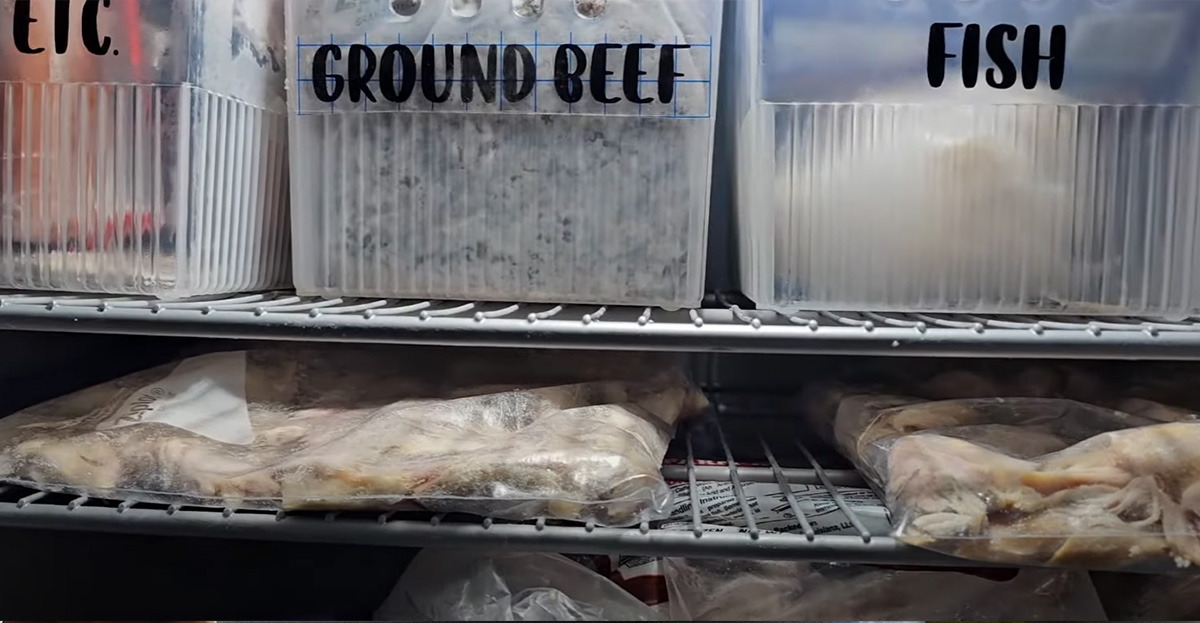
Following portioning, the meat enters a "pre-freeze" stage. While modern freeze-dryers include a freezing cycle, pre-freezing the chicken in a standard deep freezer for 24 hours serves two purposes: it reduces the mechanical strain and energy consumption of the freeze-drying unit, and it ensures that the "ice crystal" formation phase is completed before the vacuum pump engages.
Phase III: The Sublimation Cycle
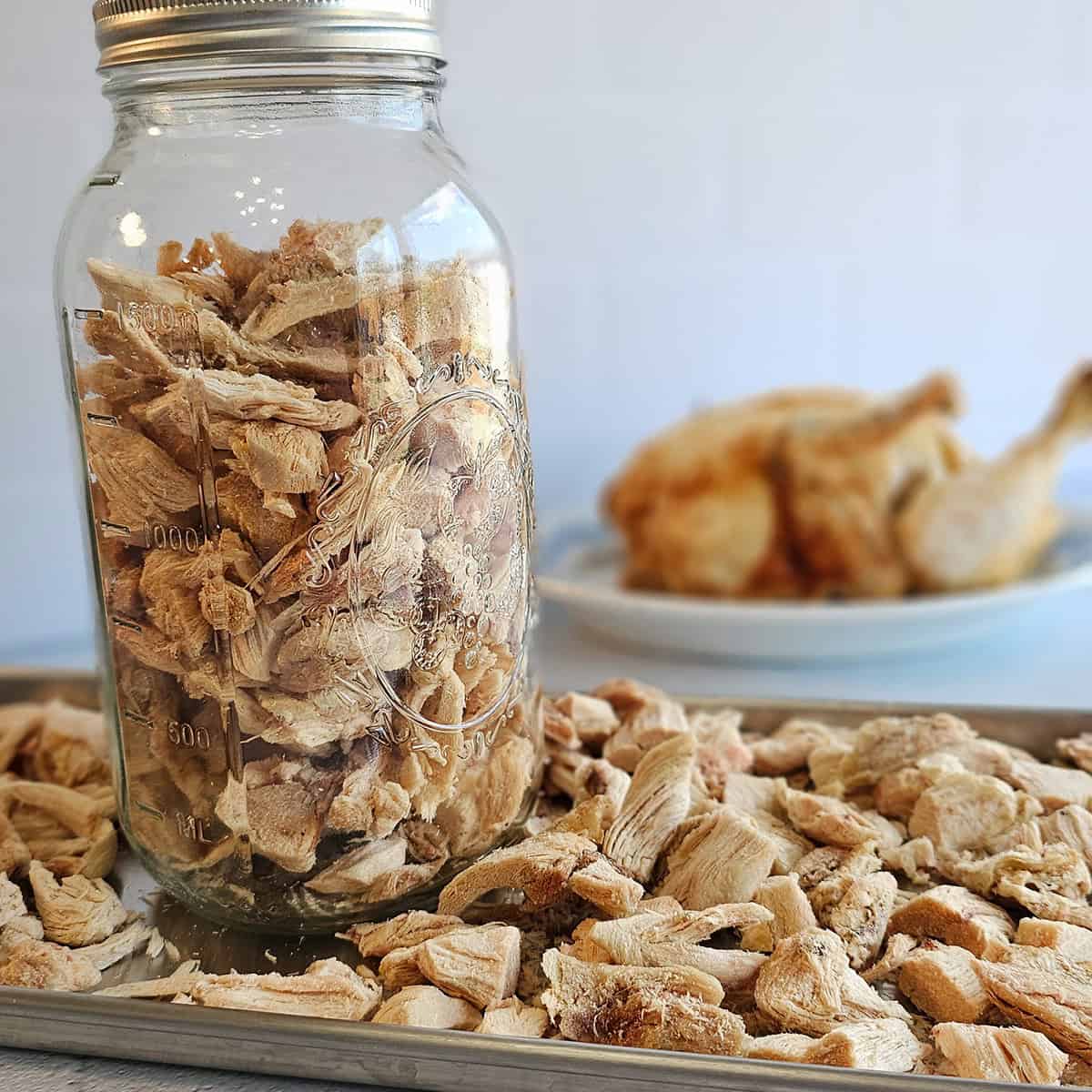
The prepared trays are then transferred to the freeze-dryer. For a standard load of poultry, a primary drying cycle typically lasts between 20 to 30 hours, though experts suggest setting an additional 24-hour "safety" margin. During this time, the machine’s vacuum pump lowers the atmospheric pressure while the heating elements in the tray racks provide just enough energy (latent heat of sublimation) to turn ice into vapor without melting it.
Phase IV: Quality Control and Testing
Verification is the final technical hurdle. Preservationists utilize two primary methods for testing:
- The Physical Snap Test: A piece of chicken is broken in half. If there is any flexibility or "squish," residual moisture remains. The meat should break with a distinct, dry snap.
- The Gravimetric Method: This involves weighing a tray at the end of the cycle, returning it to the machine for two hours, and weighing it again. If the weight has decreased, sublimation is still occurring, and more time is required.
Technical Data and Nutritional Implications
The nutritional profile of freeze-dried rotisserie chicken remains remarkably consistent with its fresh counterpart. According to nutritional analysis, a one-cup serving of processed rotisserie chicken contains approximately 109 calories, 16 grams of protein, and 5 grams of fat.
Data suggests that while heat-sensitive vitamins like Vitamin C might be slightly reduced in other foods, the primary macronutrients in poultry—protein and essential amino acids—remain stable. The sodium content, often a concern in rotisserie chickens (averaging 205mg per cup), remains unchanged, making it a flavorful base for rehydrated meals without the need for additional seasoning.
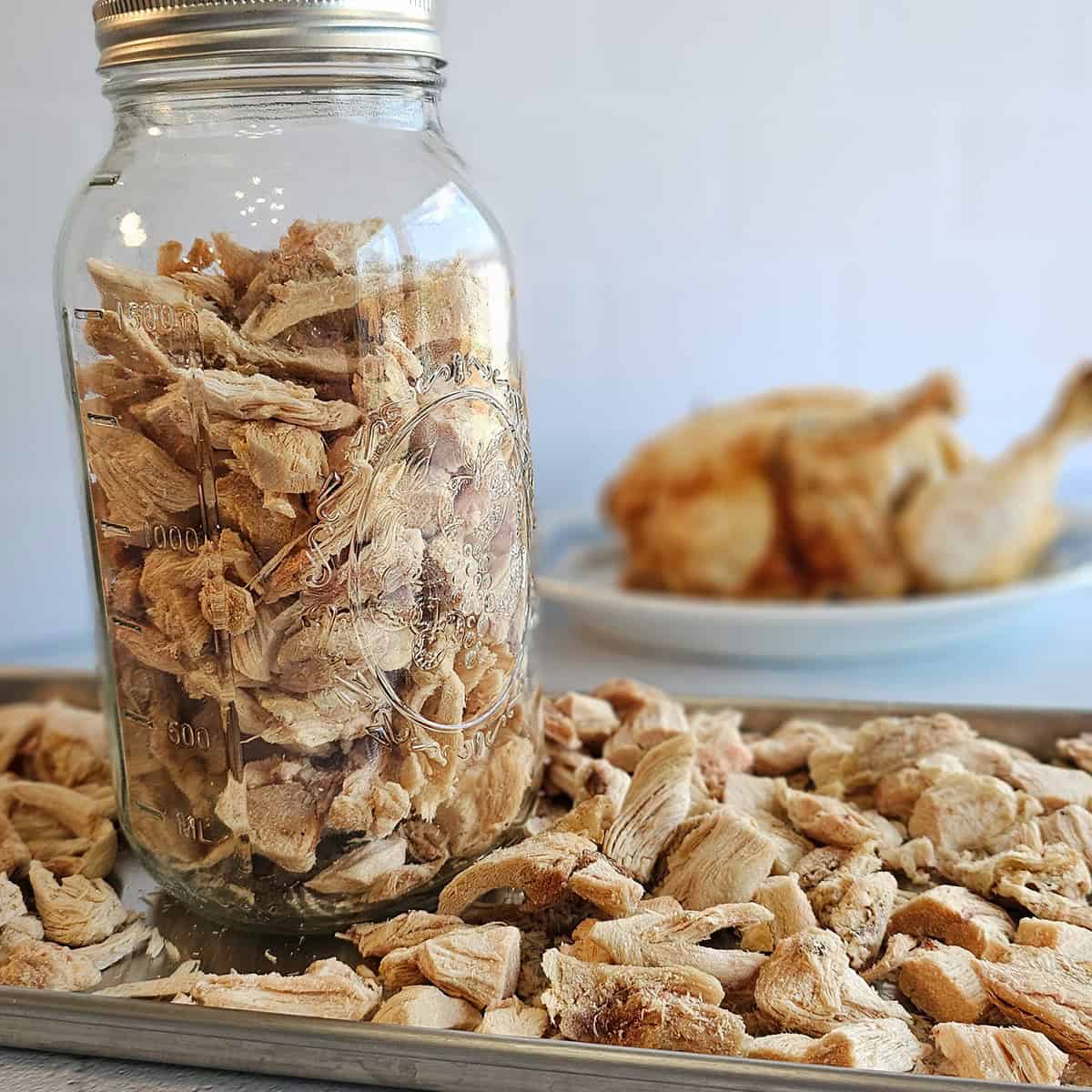
One of the most significant data points for consumers is the yield ratio. Unlike dehydration, where food shrinks significantly, freeze-dried chicken maintains its original volume. A recipe requiring one cup of cooked chicken will require exactly one cup of freeze-dried chicken, simplifying the transition from storage to table.
Storage Dynamics and the Lipid Limitation
The primary challenge in the long-term storage of rotisserie chicken is oxidative rancidity. Because rotisserie chicken, especially dark meat (thighs and legs), contains higher fat levels than lean breast meat, its shelf life is shorter than that of leaner vegetables or fruits.
While commercially prepared freeze-dried meats often claim a 25-year shelf life, home-processed rotisserie chicken is generally rated for 6 months to 2 years, depending on the efficiency of the fat removal and the storage environment. To maximize this window, the meat must be stored in airtight containers, such as half-gallon canning jars or Mylar bags, accompanied by an oxygen absorber. These absorbers reduce the oxygen level in the container to less than 0.01%, effectively halting the oxidation process that leads to off-flavors.
Economic and Societal Impact
The move toward home-based freeze-drying represents a shift in consumer behavior toward "active food security." By leveraging the efficiency of the retail rotisserie chicken, households are creating a buffer against inflation. In 2023 and 2024, as the price of fresh poultry fluctuated due to avian flu and labor costs, the "fixed price" rotisserie chicken remained a stable economic unit.
Furthermore, this practice addresses the global issue of food waste. It is estimated that a significant percentage of grocery store rotisserie chickens are unsold at the end of the day. The ability of consumers to rescue these items from the clearance rack and convert them into a shelf-stable protein source is a practical application of waste reduction that benefits both the consumer’s wallet and the broader food system.
Rehydration and Culinary Integration
The utility of freeze-dried chicken lies in its ease of rehydration. The process can be achieved through two primary methods:
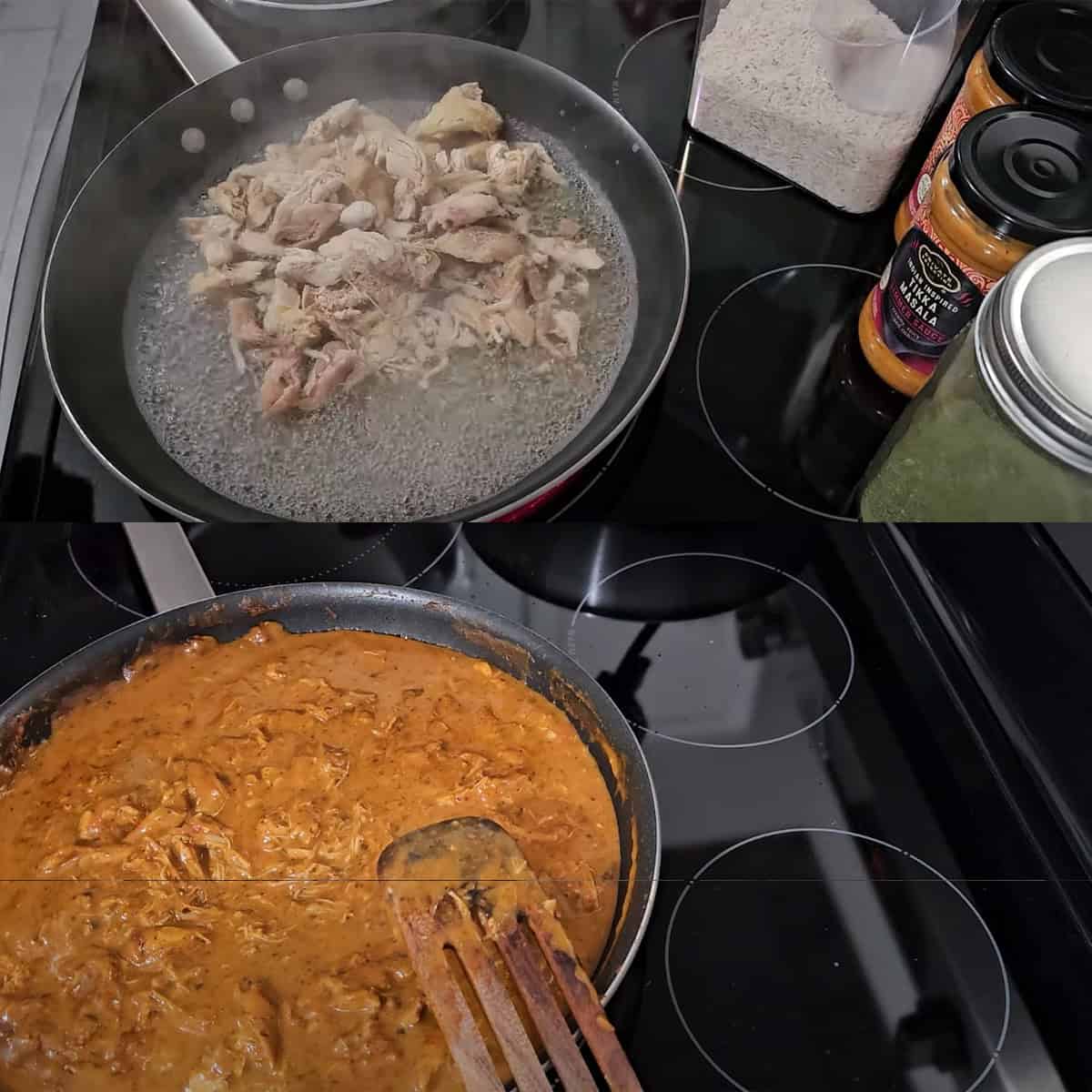
- Thermal Rehydration: Placing the chicken in a skillet with broth or water and simmering. The porous structure of the freeze-dried meat acts like a sponge, rapidly absorbing the liquid and returning to its original texture within minutes.
- Cold Rehydration: For applications like chicken salad, the meat can be soaked in cold water or broth in a refrigerated environment.
Culinary experts note that freeze-dried chicken is particularly effective in "one-pot" meals, such as stews, risottos, and casseroles, where it can be added directly to the cooking liquid, absorbing the flavors of the dish as it reconstitutes.
Future Outlook for Domestic Food Preservation
As technology continues to decentralize, the barrier to entry for home freeze-drying is expected to lower. Manufacturers like Harvest Right, and newer competitors entering the market, are focused on making these machines more energy-efficient and user-friendly.
The practice of freeze-drying rotisserie chicken is more than a hobby for the "prepper" community; it is becoming a mainstream strategy for busy families seeking healthy, "instant" meal components that do not rely on the preservatives found in commercial frozen dinners. In an era where the only constant is change, the ability to turn a $5.00 grocery store chicken into a high-quality, shelf-stable protein reserve is a powerful tool for self-reliance.
The integration of these techniques into the standard American pantry signifies a return to the preservationist roots of previous generations, updated with the precision of 21st-century technology. As more households adopt these methods, the resilience of the domestic food supply is bolstered, one rotisserie chicken at a time.