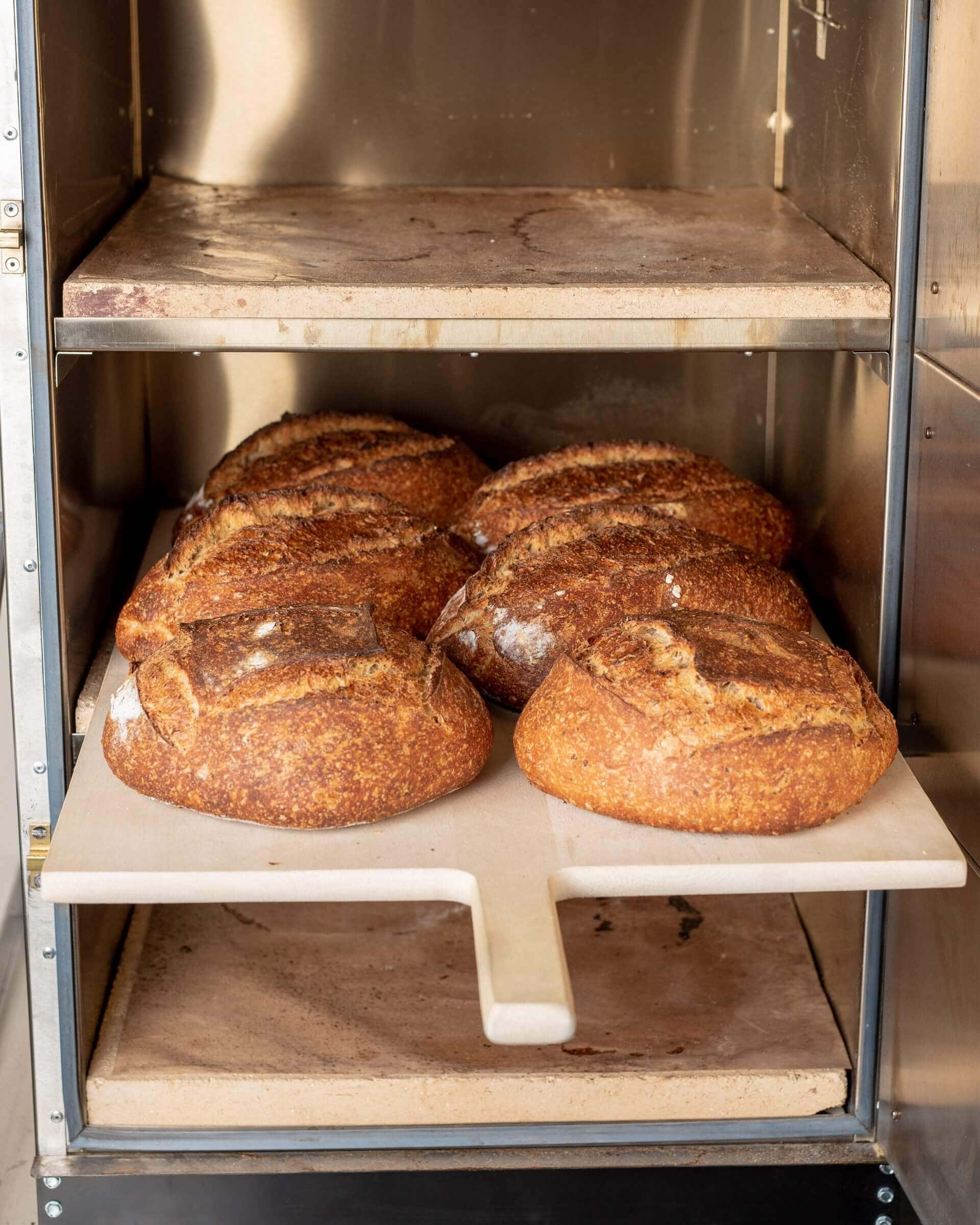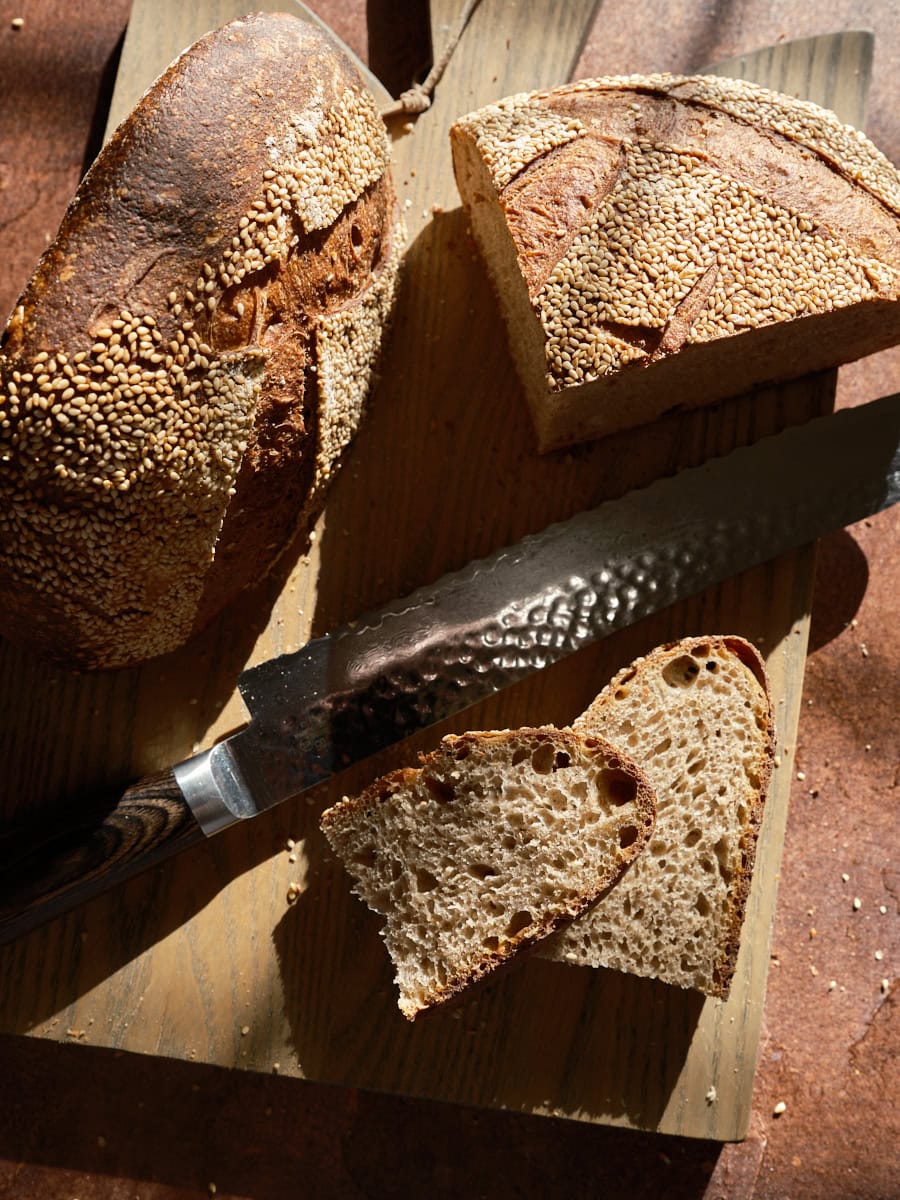
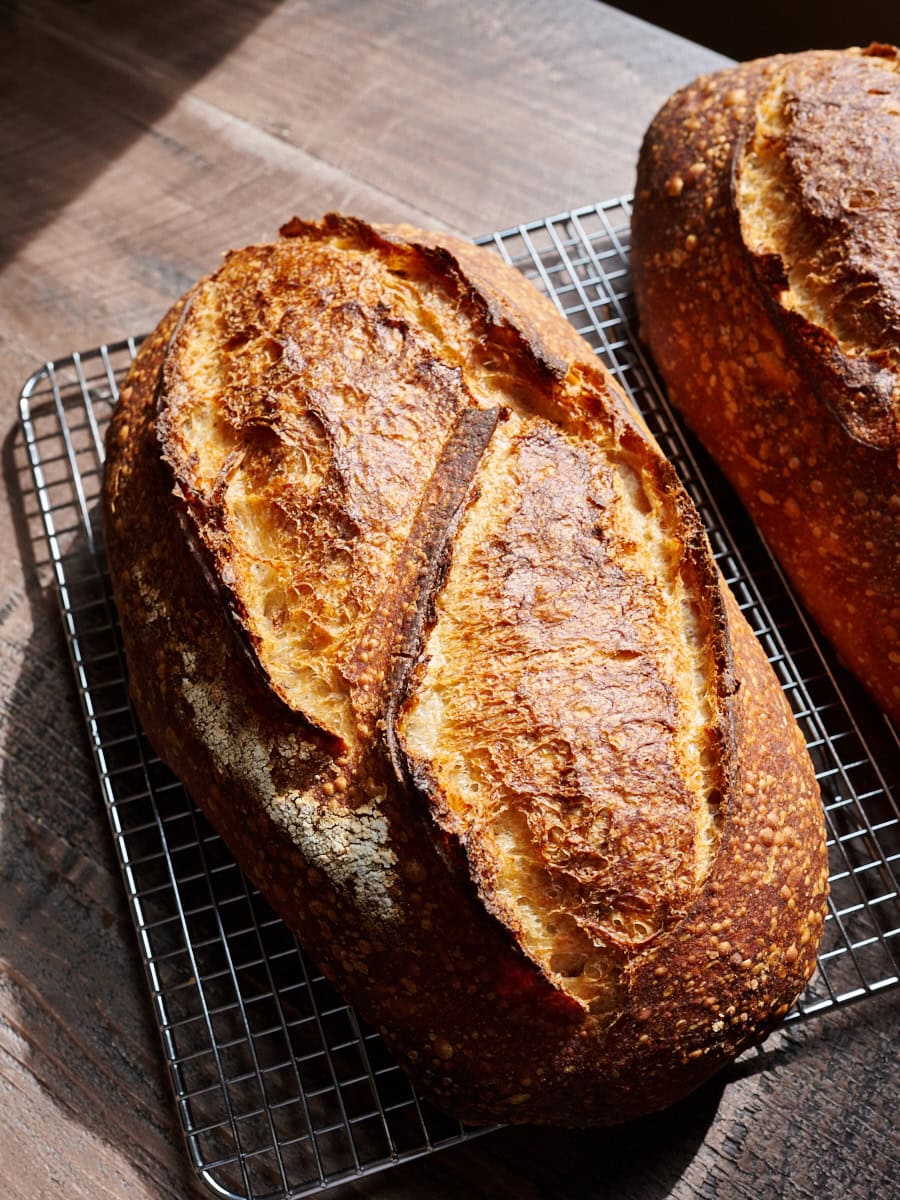
Dough hydration, a seemingly straightforward concept, is in fact one of the most critical and nuanced variables in the complex art and science of sourdough bread baking. It transcends a mere numerical value in a recipe, representing a dynamic interaction between the baker, the flour, ambient environmental conditions, and the desired characteristics of the final loaf. This comprehensive guide delves into the profound impact of hydration, from its fundamental scientific principles to practical, adaptive strategies for bakers aiming to achieve consistent, high-quality results.
The Science of Hydration: More Than Just Water
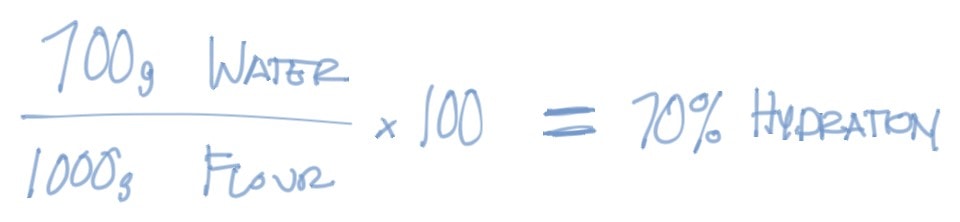
At its core, dough hydration is the total amount of water in a recipe, expressed as a percentage of the total flour weight. This calculation is simple yet foundational: divide the weight of the water by the total weight of the flour, then multiply by 100. For instance, a recipe calling for 1,000 grams of flour and 700 grams of water yields a 70% hydration (700 ÷ 1,000 × 100 = 70%). This percentage provides bakers with an immediate, intuitive understanding of the dough’s expected consistency even before mixing commences.
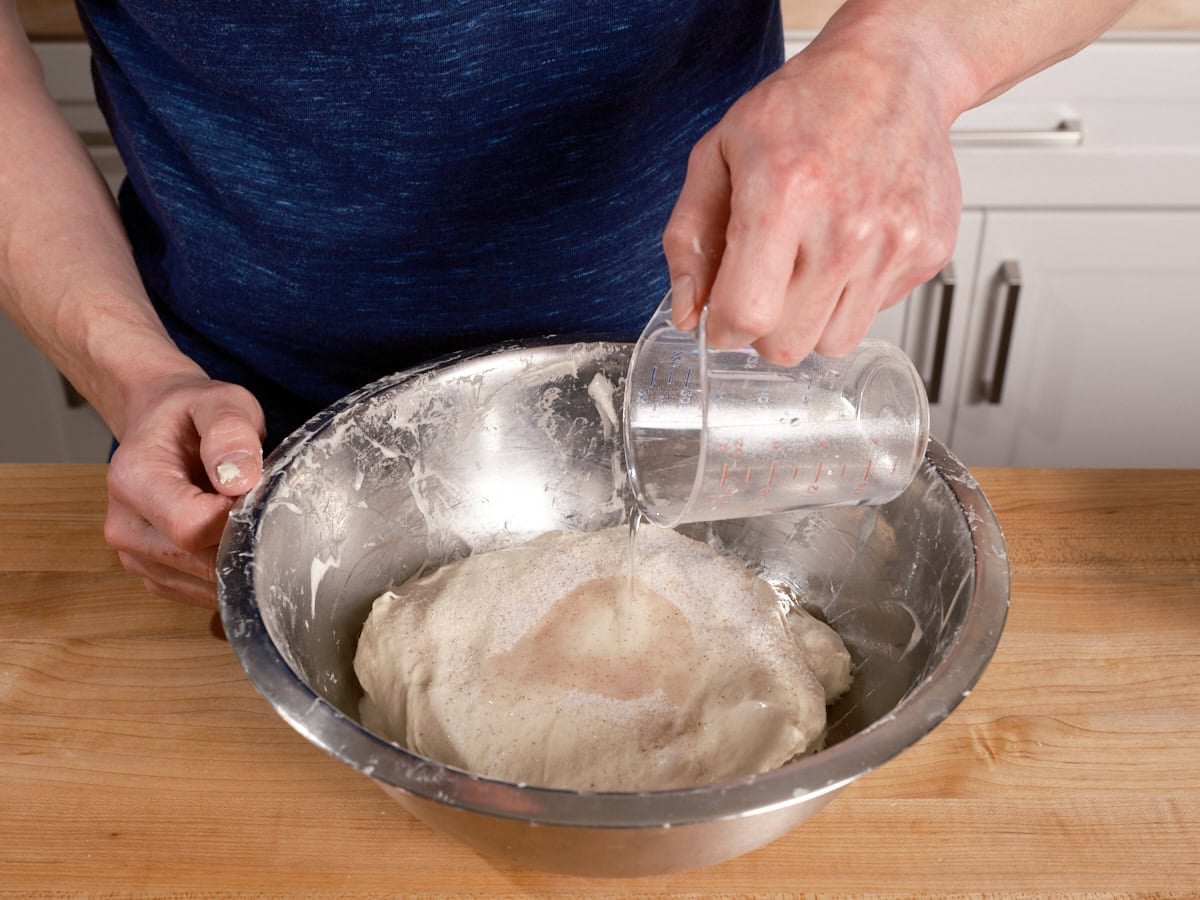
However, this percentage serves as a guideline, not an immutable law. Flour, the primary ingredient, is far from a static commodity. Its water absorption capacity varies significantly based on type, protein content, milling process, and even batch-to-batch variations from the same mill. The protein content, specifically glutenin and gliadin, plays a pivotal role. Upon hydration and mechanical agitation (mixing/kneading), these proteins link to form gluten, a viscoelastic network that provides structure and elasticity to the dough. Higher protein flours typically possess a greater capacity for water absorption due to their increased gluten-forming potential, often requiring more water to prevent an overly stiff or gummy texture. Conversely, lower protein or "softer" flours, common in many parts of the world outside of North America, may necessitate reduced hydration to avoid an unmanageably sticky dough.
Water’s role extends beyond merely activating gluten. It also facilitates the gelatinization of starches during baking, contributing to the bread’s crumb structure and texture. Sufficient hydration ensures that the dough remains pliable, allowing for proper gas retention during fermentation, which in turn leads to a desirable open crumb structure.
Hydration Levels and Their Impact on Loaf Characteristics
The hydration percentage fundamentally dictates the physical properties of the dough and, consequently, the final characteristics of the baked bread. There exists a spectrum of styles, each achievable through precise hydration management.
-
Lower-Hydration Bread (60-68%): Structure and Chewy Texture
Doughs in this range are typically stiffer, more manageable, and easier to handle for novice bakers. They are less prone to collapse and offer a more forgiving shaping experience. The resulting bread often features a more substantial, chewier crust and a tighter, denser crumb. Loaves tend to hold their shape exceptionally well, with a robust structure ideal for applications like bagels, pretzels, certain pan loaves, and traditional pizza dough. The reduced water content can sometimes lead to a longer shelf life, as there is less moisture to migrate and contribute to staling. -
Moderate Hydration: Balanced Versatility (65-70%)
This range represents a sweet spot for many classic bread styles and is often recommended for beginners. Doughs are balanced, manageable, and possess good structural integrity, allowing for effective gluten development and gas retention. They typically produce loaves with a satisfying chew, a moderately open crumb, and a well-developed crust. -
Higher-Hydration Bread (75-85%+): Open Crumb and Custardy Interior
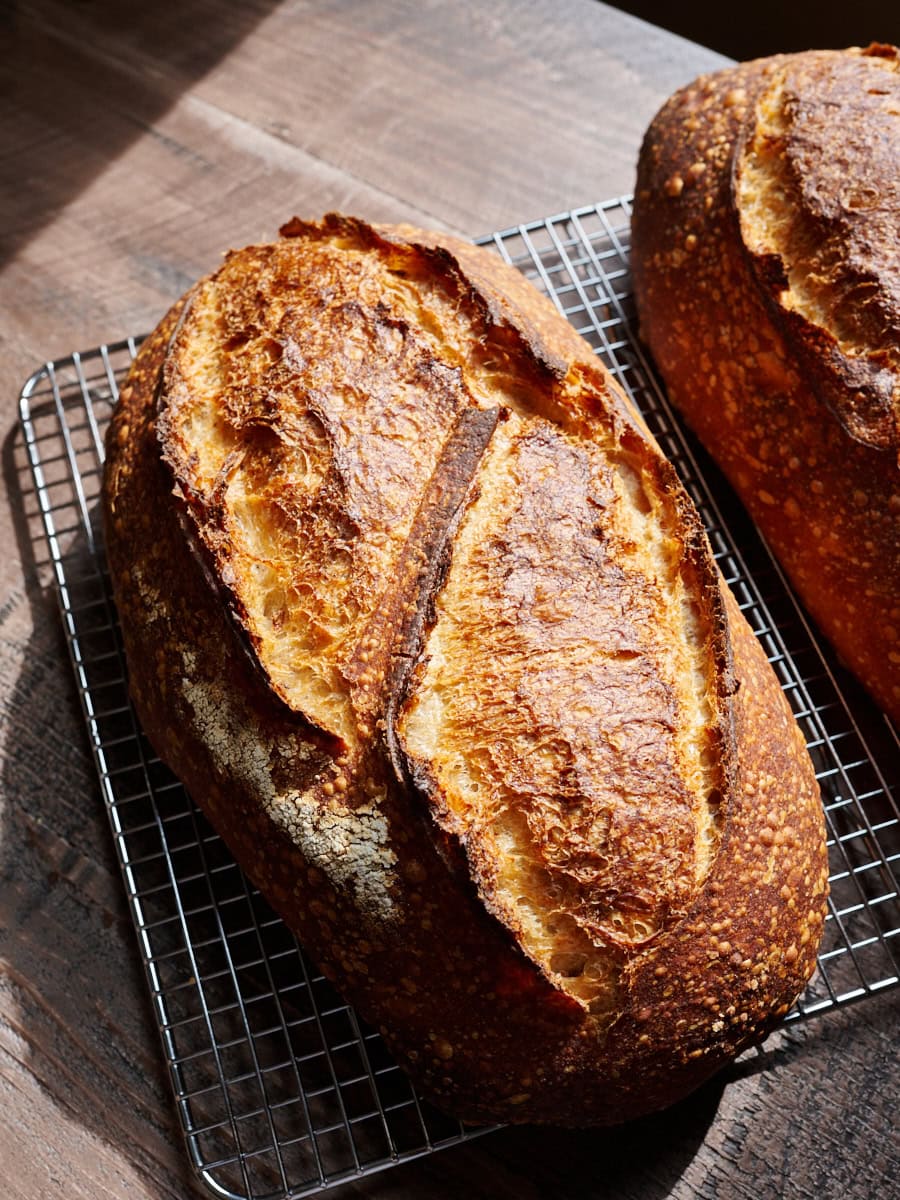
Pushing hydration higher yields a dough that is considerably wetter, stickier, and more challenging to work with, demanding greater skill and refined handling techniques. However, the rewards can be significant: a characteristically thin, often brittle crust, and an exceptionally tender, almost custardy interior with a highly open, airy crumb. Breads like ciabatta, focaccia, and many artisanal sourdough country loaves fall into this category. Experienced bakers often favor higher hydration to achieve specific textural qualities, such as the "melt-in-your-mouth" experience that comes from a well-hydrated and fully fermented dough. It is crucial to note that excessive hydration, beyond what the flour and gluten structure can support, can lead to a loaf with an overly soft or gummy texture that struggles to retain its structure post-baking and may stale more rapidly without proper storage. The goal is to find the optimal balance where hydration enhances desired characteristics without compromising structural integrity, volume, or eating quality.
Dynamic Variables: Flour, Environment, and Technique
The "ideal" hydration is not a fixed number but a moving target influenced by several dynamic factors. Experienced bakers develop "baker’s intuition" by learning to read their dough and adapt to these variables.
-
The Crucial Role of Flour Type and Protein Content: As previously mentioned, the protein content of flour is paramount. Flours with higher protein percentages (e.g., 12-14% in many American bread flours) can absorb more water and are often engineered to produce a strong gluten network. Conversely, "softer" flours with lower protein (e.g., 9-11%, common in European Type 55 or South American flours) will reach their saturation point with less water, requiring adjustments to avoid a soupy, unmanageable dough. Ash content, which indicates the mineral content and often correlates with the amount of bran remaining in the flour, also influences water absorption; higher ash content flours (like whole wheat) generally absorb more water.
-
Whole Grains: A Thirstier Proposition: Recipes incorporating significant percentages of whole wheat, rye, or other whole-grain flours invariably require more water. The bran and germ particles present in whole grains absorb a substantial amount of moisture, effectively "tying up" water that would otherwise be available for gluten development. Moreover, these sharp particles can interfere with gluten strands, requiring additional hydration to maintain pliability and prevent a dense, brick-like crumb. For example, a 50% whole wheat sourdough might comfortably accommodate 82% hydration, a level that would be exceedingly difficult to manage with 100% white flour.
-
The Nuance of Freshly Milled Flour: Freshly milled flour often exhibits different hydration requirements compared to commercially aged flour. It typically demands increased hydration to achieve the desired dough consistency, even if sifted to remove bran and germ. This is attributed to the immediate availability of fresh enzymes and starches that interact differently with water compared to flour that has undergone an aging process.
-
Environmental Influences: Climate and Altitude: Environmental conditions in the baking space can subtly, yet significantly, affect dough hydration. In arid, high-altitude regions, flours tend to be drier and require more water to achieve optimal consistency. Conversely, in highly humid environments, flour can absorb ambient moisture from the air, meaning recipes might require slightly less added water. While typically a minimal adjustment, bakers in regions experiencing dramatic shifts in weather (e.g., from dry to a torrential downpour) often find themselves instinctively holding back or adding a small amount of water to compensate for the flour’s pre-existing moisture content.
Strategic Water Management: The Bassinage Technique
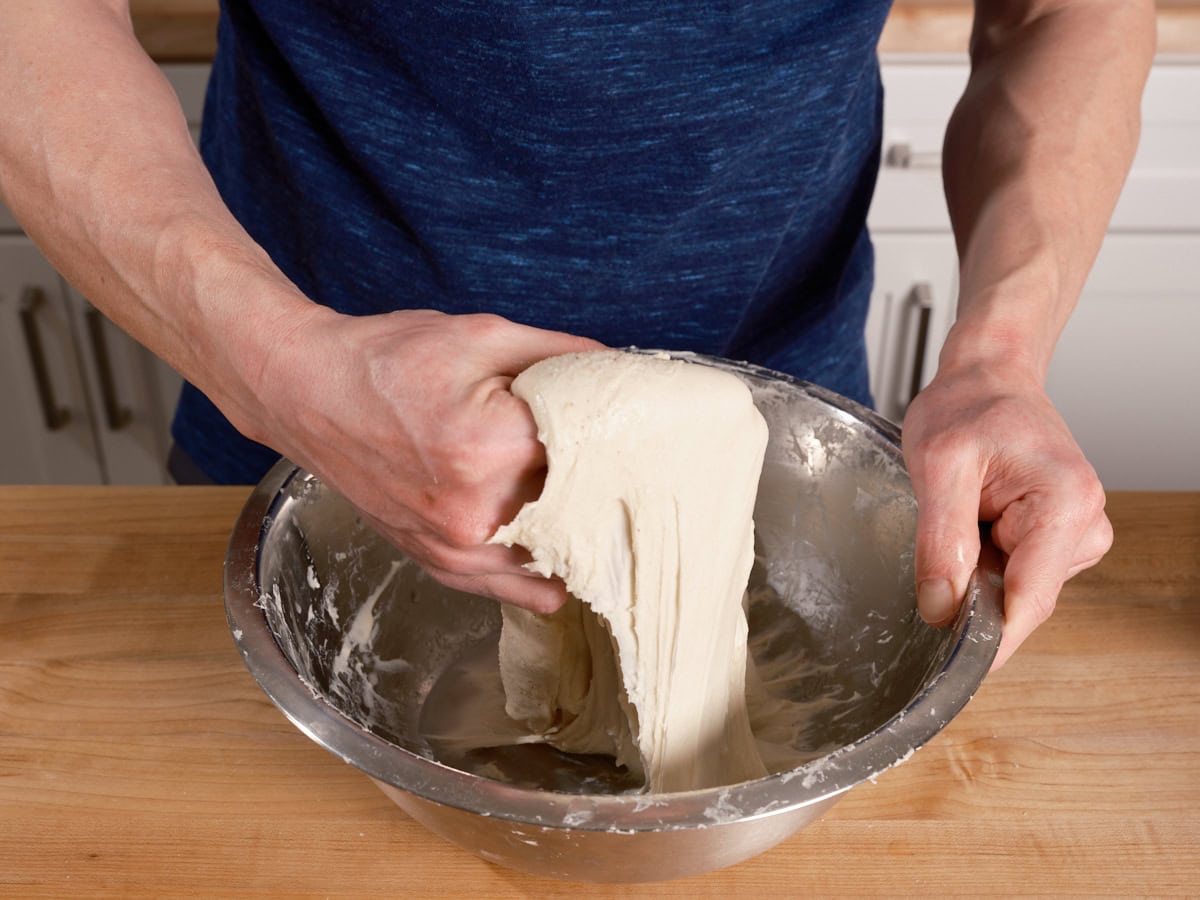
A transformative technique for managing hydration, particularly in higher-hydration doughs, is bassinage, sometimes referred to as "double hydration." This method involves reserving a portion of the total water and adding it gradually during the later stages of mixing, after the initial flour and water have been incorporated and gluten development has begun.
The benefits of bassinage are manifold:
- Facilitates Gluten Development: When all the water is added upfront, especially in high-hydration recipes, the dough can be excessively wet and slack, making it difficult to generate enough friction to efficiently develop the gluten network. By starting with less water, the dough stiffens faster, allowing for more effective kneading and strengthening. The reserved water can then be slowly incorporated into an already partially developed gluten matrix.
- Allows for Real-time Dough Assessment: Holding back water provides the baker with a crucial opportunity to assess the dough’s strength and consistency during mixing. If the dough feels exceptionally wet, slack, or weak after the initial water addition, the reserved portion can be reduced or entirely omitted. Conversely, if the dough feels robust and capable of handling more moisture, the additional water can be introduced gradually until the desired texture is achieved. This adaptive approach is invaluable for accommodating the variable nature of flour and environmental conditions. Many advanced sourdough recipes explicitly list "Water 1" (for initial mix/autolyse) and "Water 2" (for bassinage) to guide bakers through this process.
Decoding Dough Signals: A Visual and Tactile Guide
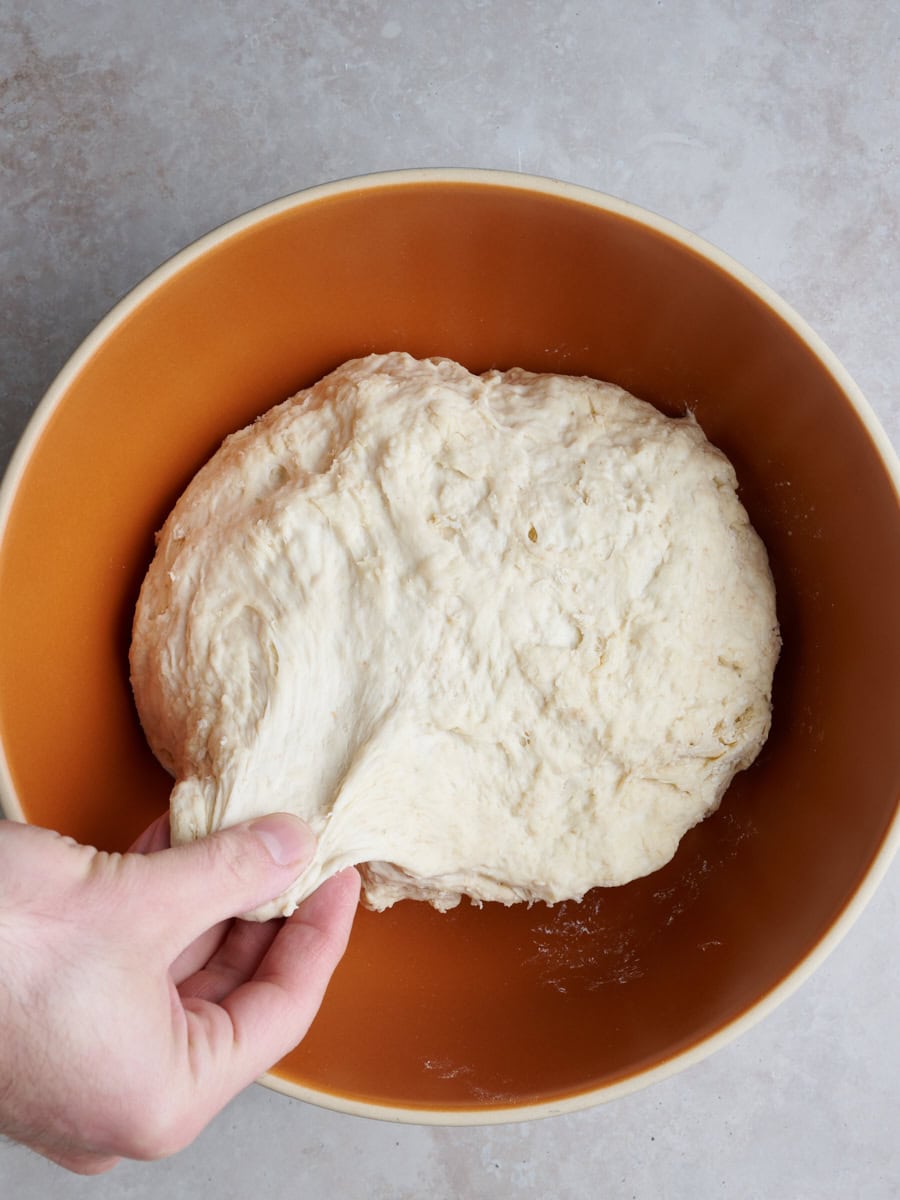
Developing the skill to "read your dough" is paramount, overriding rigid adherence to numerical hydration percentages. The visual and tactile cues provided by the dough itself are the most reliable indicators of its hydration status. This dough, a variation of a Beginner’s Sourdough Bread Recipe using mostly medium-protein white flour, serves as a useful illustration:
-
Under-Hydrated Dough (~62% or less):
- Appearance: Crumbly, dry, and resistant, often with unincorporated flour patches.
- Feel: Stiff, tough, and difficult to mix or stretch. It will lack elasticity and tear easily.
- Behavior: Won’t readily come together into a cohesive mass. During bulk fermentation, it may show minimal extensibility and prove challenging to shape, feeling dense and heavy.
- Resulting Loaf: Tends to be dense, with a tight crumb and a thick, potentially tough crust. Loaf volume may be reduced.
-
Properly Hydrated Dough (~68-75%):

- Appearance: Smooth, cohesive, and elastic. It will display a glossy sheen.
- Feel: Pliable, extensible, and slightly tacky but manageable. It should release from the bowl and hands with minimal effort after sufficient mixing.
- Behavior: Forms a strong gluten windowpane when stretched thinly. Responds well to shaping, holding its form without excessive stickiness or collapse. Shows good activity during fermentation.
- Resulting Loaf: Exhibits good volume, an appealingly open and tender crumb, and a desirable crust texture.
-
Over-Hydrated Dough (~75%+):
- Appearance: Very slack, spread out, and extremely glossy, almost liquid-like.
- Feel: Excessively sticky, clinging to hands and surfaces. It will feel heavy and lack structural integrity.
- Behavior: Difficult to develop gluten, often tearing rather than stretching. May struggle to hold its shape during shaping and proofing, potentially spreading out into a pancake-like form. Shows signs of excessive stickiness and may be prone to collapsing.
- Resulting Loaf: Often has a very flat profile, a dense or gummy crumb, and may possess an uneven or overly brittle crust.
Addressing Common Challenges: The Sticky Dough Conundrum
Sticky dough is a frequent source of frustration for bakers. While often attributed solely to high hydration, stickiness can arise from a confluence of factors:
- Insufficient Gluten Development: If the gluten network has not been adequately formed through mixing and folding, the dough lacks the structural integrity to hold its water effectively, resulting in a sticky, slack consistency.
- Over-Hydration: Simply put, too much water for the flour’s absorption capacity will inevitably lead to a sticky dough.
- Under-Fermentation: A dough that hasn’t fermented long enough will not have developed sufficient strength and extensibility, often feeling dense and sticky.
- Flour Characteristics: As discussed, certain flours (e.g., low protein, very fresh, or certain whole grains) naturally produce stickier doughs at lower hydration levels than others.
- Handling Technique: Aggressive handling or insufficient flouring of surfaces and hands can exacerbate stickiness, making a perfectly hydrated dough seem unmanageable.
Best Practices for High-Hydration Doughs
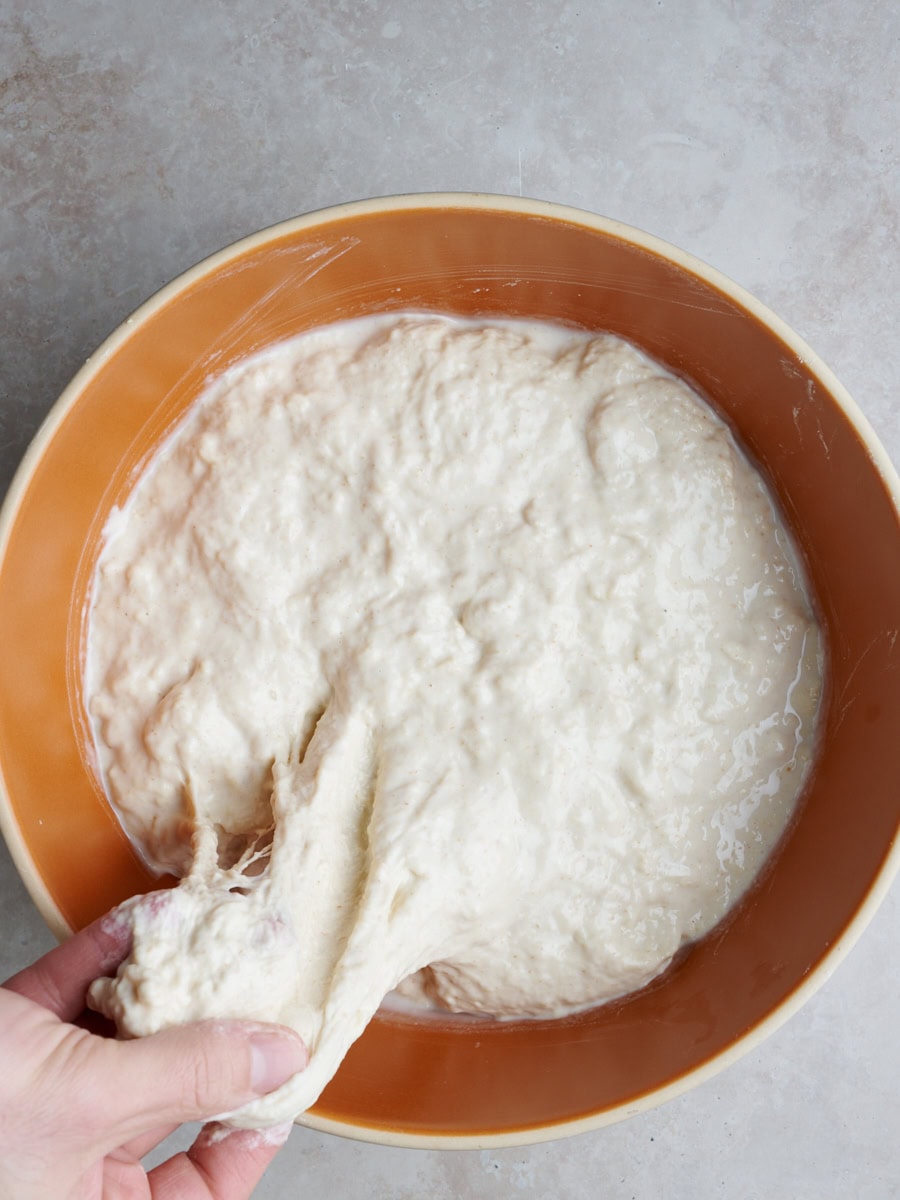
Working with high-hydration doughs demands patience and specific techniques to manage their inherent instability:
- Utilize Bassinage: As detailed, adding water in phases significantly aids gluten development and control.
- Develop Strong Gluten: Longer mixing times, either by hand or machine, are often necessary to build sufficient strength in wet doughs. Incorporate techniques like stretch and folds or coil folds during bulk fermentation to further strengthen the gluten network.
- Work with Wet Hands/Damp Surface: Lightly wetting your hands or dampening your work surface can prevent excessive sticking without adding extra flour to the dough itself.
- Minimal Handling: Reduce the amount of time the dough is handled, especially during shaping. Swift, confident movements are key.
- Use a Dough Scraper: A bench scraper is an indispensable tool for managing sticky dough, allowing for efficient lifting, folding, and shaping without direct hand contact.
- Adequate Fermentation: Ensure the dough is properly fermented. An under-fermented dough will be weak and sticky, while an over-fermented dough will lack structure and can also become slack.
- Cold Proofing: Retarding dough in the refrigerator (cold proofing) can make it much easier to handle and score, as the cold stiffens the dough.
The Verdict: No Single "Ideal" Hydration
It is a common misconception, especially among burgeoning sourdough enthusiasts, that higher hydration inherently equates to "better" bread. While high hydration can yield desirable characteristics like an open crumb and tender interior, it is not a universal metric of quality. Pushing hydration to extreme levels merely for the sake of a higher number, without considering the flour’s capacity or the baker’s skill, often results in a compromised loaf—gummy crumb, poor structure, and rapid staling. The true measure of successful hydration lies in its appropriateness for the specific flour, the intended bread style, and the baker’s ability to manage the dough effectively.
Cultivating Baker’s Intuition: The Path to Mastery
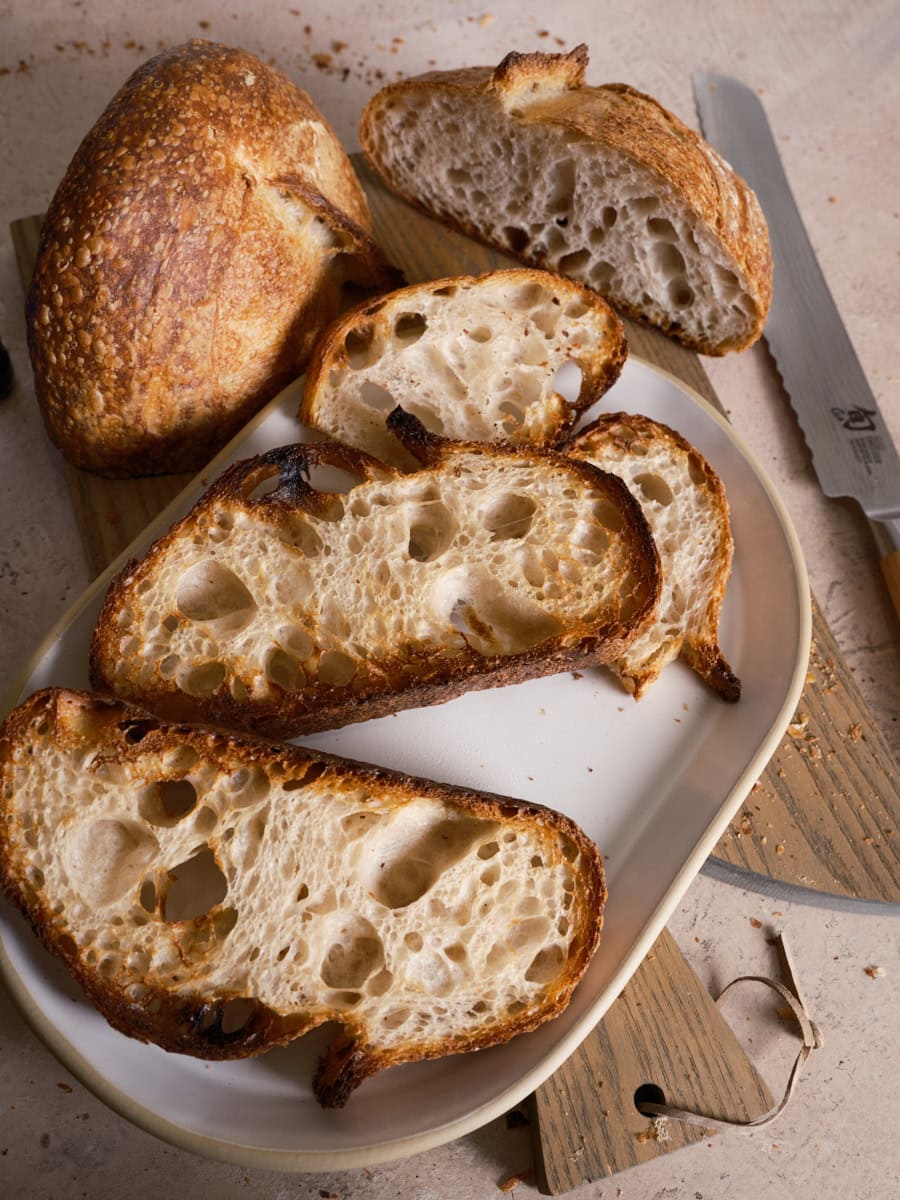
Ultimately, understanding dough hydration is an ongoing journey of developing sensitivity and observation—what seasoned bakers term "baker’s intuition." It involves moving beyond rigid adherence to recipes and instead engaging in a conversation with your ingredients. Recognizing that every bag of flour possesses unique characteristics and that ambient conditions fluctuate daily is fundamental.
To cultivate this intuition, meticulous record-keeping is invaluable. Document the hydration percentage used, note the dough’s tactile and visual characteristics at each stage (mixing, bulk fermentation, shaping), record environmental conditions (temperature, humidity), and critically assess the final loaf’s crust, crumb, and overall texture. Over time, this detailed logging builds a personal knowledge base, allowing bakers to predict how their dough will behave and make informed, adaptive adjustments on the fly. This iterative process of observation, adaptation, and reflection is the true path to consistent, exceptional sourdough baking.