The arrival of February heralds a unique opportunity for home preservers nationwide: the annual Community Canning Challenge. This initiative, gaining traction among enthusiasts and novices alike, focuses on transforming the accumulated bounty of summer’s harvest—often residing in the deep recesses of freezers—into shelf-stable, delectable preserves. The core objective is to declutter freezers while simultaneously creating a ready supply of jams, sauces, and fruit butters, ensuring that the vibrant flavors of peak season are enjoyed long after their fresh availability. This challenge is not merely about culinary prowess; it underscores a broader movement towards food sustainability, waste reduction, and the re-engagement with traditional food preparation methods.
The concept behind the February Community Canning Challenge is strategically timed. By mid-winter, many households find their freezers overflowing with fruits and vegetables gathered during the previous growing season, often with the best intentions of future processing that never materialized. These frozen assets, while convenient for smoothies or quick meals, represent a significant investment in time, effort, and often, financial resources. The challenge encourages participants to revisit these stored treasures, moving beyond simple freezing to a more permanent form of preservation that frees up freezer space and creates ready-to-use pantry items. This includes everything from a forgotten tub of chopped tomatoes destined for a savory jam to bags of apricot halves ideal for a bright, citrus-infused preserve. The emphasis is on utilizing these "tucked away" items, rather than simply converting fresh smoothie ingredients into jam, focusing instead on produce that was intentionally set aside for later, more elaborate preservation projects.
Understanding the Science of Frozen Fruit in Preservation
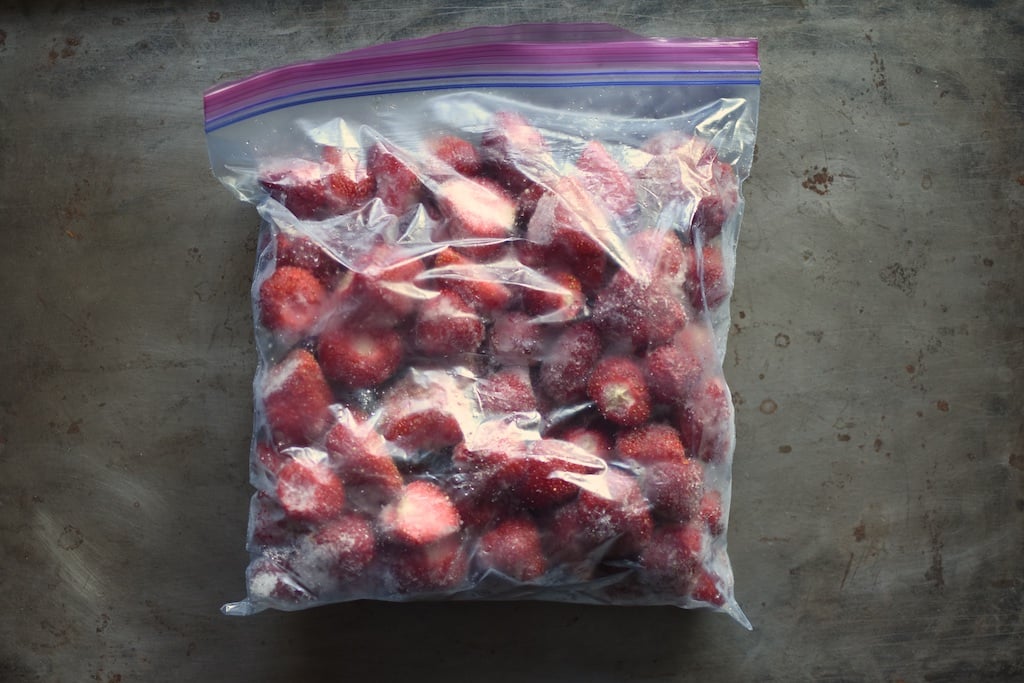
Successfully transitioning frozen fruit into canned goods requires an understanding of how freezing alters fruit structure. When fresh fruit undergoes freezing, the water content within its cells transforms into ice crystals. These crystals, being less dense than liquid water, expand, causing the cellular walls of the fruit to rupture. While the fruit remains frozen, this structural damage is largely imperceptible. However, upon defrosting, the compromised cell walls are unable to retain the liquid, leading to a significant release of "weepage"—a common phenomenon observed when thawing frozen produce.
A critical decision arises at this juncture: whether to drain this released liquid. While the temptation might be to discard it to achieve a thicker consistency more quickly, experienced preservers often advocate for incorporating it into the cooking process. Draining this liquid can inadvertently alter the final product’s consistency, potentially leading to an "overset" jam or butter that is too stiff, or requiring a significantly adjusted cooking time that deviates from tested recipes. For most jams, jellies, and fruit butters, the liquid is integral to achieving the desired texture and volume. Exceptions exist, such as when making highly concentrated products like tomato paste, where a drier starting material is beneficial. In such cases, carefully considered draining might be appropriate, but always with an understanding of its impact on the recipe’s balance.
Another common challenge encountered with frozen fruit is oxidation during the defrosting process. This chemical reaction, typically caused by exposure to air, can lead to discoloration (often browning) and the development of undesirable off-flavors. This is particularly prevalent in fruits like apples, peaches, and apricots. Fortunately, there are effective strategies to mitigate oxidation. For fruits destined for sweetened preserves, adding sugar while the fruit is still frozen acts as a protective barrier, limiting oxygen exposure and helping to preserve the fruit’s natural color and flavor. Alternatively, for unsweetened applications, a slow defrost in the refrigerator, rather than rapid thawing at room temperature or in warm water, can significantly reduce the extent of discoloration. The gradual temperature change and reduced exposure to oxygen during slow thawing help maintain the fruit’s integrity.
Strategic Recipe Selection for Optimal Results

When selecting recipes for frozen fruit, a key recommendation from food preservation experts is to prioritize recipes that specify ingredients by weight rather than volume (cups). Frozen fruit, particularly when clumped together or partially thawed, is notoriously difficult to measure accurately by volume. Using a kitchen scale to weigh the fruit directly into the cooking pot eliminates mess and ensures precision, which is crucial for achieving consistent results in canning, especially when dealing with pectin ratios in jams and jellies.
Several types of recipes are particularly well-suited for frozen fruit, leveraging its altered texture to advantage:
-
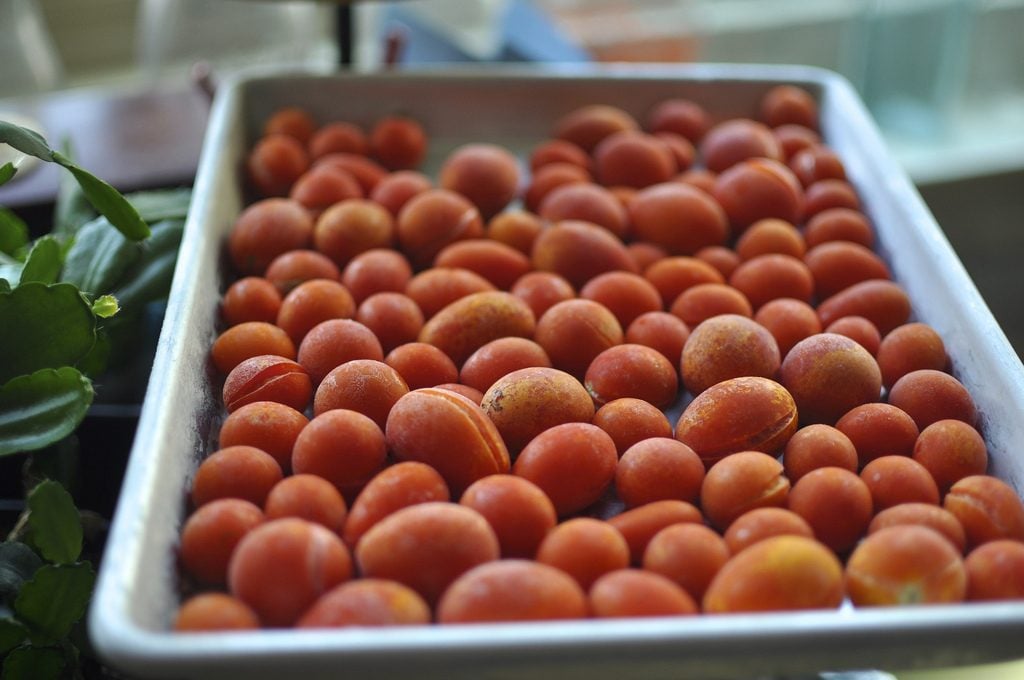
Tomato Jam: A perennial favorite, tomato jam thrives with frozen tomatoes. The freezing process naturally breaks down the tomato cells, creating a softer texture that quickly cooks down into a rich, savory spread. Recipes calling for several pounds of tomatoes are ideal for clearing out significant freezer real estate. The inherent liquid from defrosting tomatoes contributes to the jam’s consistency, reducing the need for additional liquids.
-
Slow Cooker Fruit Butters (Peach, Nectarine, Apricot, Plum, Cherry): Stone fruits, when frozen, become perfect candidates for fruit butters. The slow cooking process allows the fruit to break down gently, concentrating its flavors. For these recipes, it is crucial to fully defrost the fruit in its sealed container in the refrigerator. Upon pureeing, incorporating lemon juice early in the process helps to buffer against oxidation, maintaining a bright color and flavor. The "weepage" contributes to the butter’s smooth consistency.

-
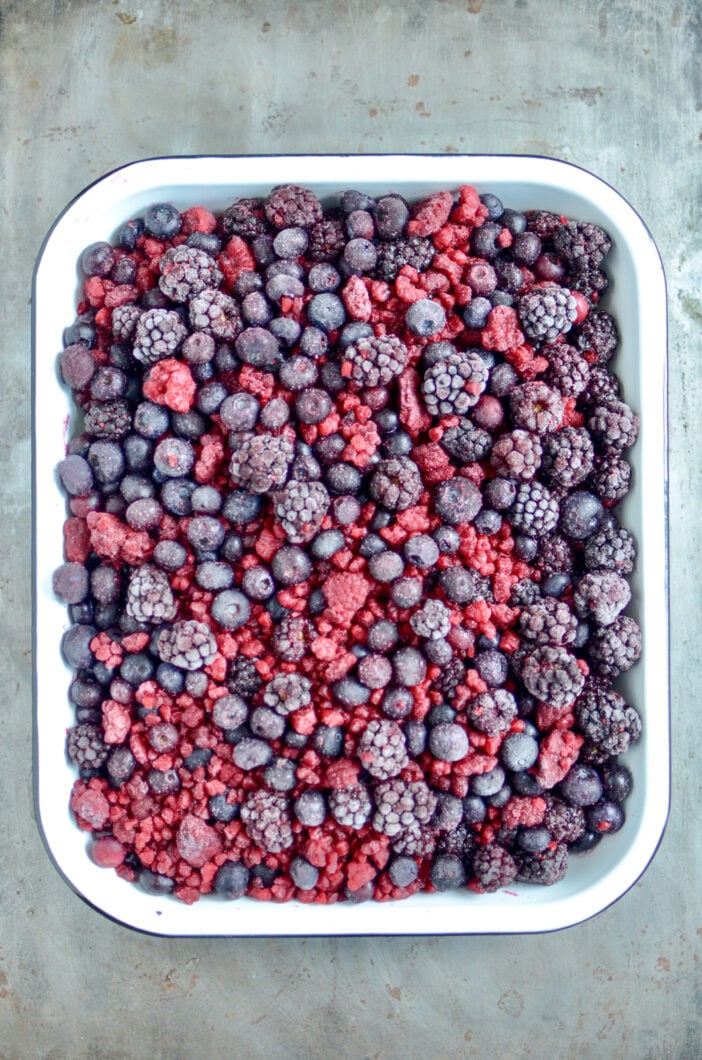
Mixed Berry Jams (Cherry Blueberry, General Mixed Berry): Berries, with their delicate structure, benefit immensely from freezing before jamming. The cell wall rupture aids in releasing pectin and juices, often resulting in a more uniform set and vibrant flavor. For these jams, adding sugar directly to the still-frozen fruit in the cooking pot, then allowing it to defrost and macerate, is an excellent technique. This method combines the anti-oxidative benefits of sugaring with a natural defrosting process that integrates the released liquid seamlessly. Many commercial frozen berry blends are also perfectly suitable for these recipes, offering year-round access to diverse fruit combinations.
-
Pear Vanilla Caramel Sauce: This versatile sauce can be adapted to various fruit purees. Frozen pears, strawberries, peaches, or mangoes are excellent choices. The key is to defrost the fruit slowly in its container in the refrigerator to prevent oxidation before pureeing and proceeding with the caramel sauce recipe. The naturally softened fruit from freezing makes for a smoother puree.
The Broader Impact: Sustainability, Economics, and Community Enrichment
The Community Canning Challenge, and the practice of preserving frozen fruit in general, resonates with several contemporary societal values, offering significant benefits beyond the kitchen.
Food Waste Reduction: According to the U.S. Environmental Protection Agency (EPA), food waste is a pervasive issue, with a substantial portion occurring at the household level. Freezing produce is an excellent first step in preventing spoilage, but without further processing, it merely delays waste. The challenge directly addresses this by converting temporarily stored food into long-term assets. By transforming forgotten frozen fruit into canned goods, households significantly reduce their contribution to landfills, thereby lessening methane emissions and conserving resources expended in food production. This aligns with global efforts towards a more circular economy and sustainable consumption patterns.
Economic Benefits: The economic rationale for home preservation is compelling. Purchasing fruits in season, when they are most abundant and least expensive, and then preserving them, offers substantial savings compared to buying off-season fresh produce or commercially processed alternatives. This strategy provides year-round access to high-quality ingredients at a fraction of the cost, making fresh-tasting fruit products accessible regardless of the season or grocery budget fluctuations. For families, this can translate into measurable savings on weekly food bills.
Health and Wellness: Home canning offers unparalleled control over ingredients. Unlike many commercially produced jams and sauces that may contain excessive sugars, artificial sweeteners, or preservatives, home preservers can tailor recipes to their dietary needs and preferences. This allows for lower-sugar options, organic ingredients, and avoidance of unwanted additives, contributing to healthier eating habits. Furthermore, proper freezing and canning methods effectively lock in many of the vitamins and minerals present in fresh fruit, ensuring that nutritious options are available throughout the year, even when fresh produce is scarce or expensive.
Community Engagement and Skill Revival: The "Community Canning Challenge" format fosters a vibrant online and local community. Participants share recipes, troubleshooting tips, and celebrate their successes, creating a supportive network. This collective effort not only disseminates valuable traditional skills—which saw a significant resurgence during recent global events—but also builds a sense of camaraderie and shared purpose. It empowers individuals to become more self-reliant and knowledgeable about their food sources, connecting them to a broader movement of food sovereignty and artisanal craftsmanship. Expert statements from organizations focused on food education often highlight the invaluable role of such challenges in democratizing knowledge and fostering practical life skills.

Extending Seasonal Flavors: Ultimately, the core appeal of the challenge lies in its ability to extend the joy of seasonal eating. The vibrant sweetness of summer peaches, the tartness of spring apricots, or the rich flavor of autumn tomatoes can be captured and savored months later. This culinary time travel enriches meals during colder months, offering a taste of sunshine and memory in every spoonful.
In conclusion, the February Community Canning Challenge is more than just a seasonal cooking project; it is a thoughtful integration of scientific principles, practical culinary techniques, and a commitment to sustainability. By embracing the nuances of working with frozen fruit, participants not only declutter their freezers but also contribute to reducing food waste, saving money, and enjoying healthier, homemade delights. This initiative serves as a powerful reminder of the enduring value of home preservation, transforming a forgotten bounty into a pantry full of possibilities and a stronger, more connected community.