
Consumer behavior surrounding Mother’s Day has undergone a significant transformation over the past decade, moving away from traditional temporary gifts toward high-value items that emphasize long-term wellness and home-based comfort. Recent market data indicates that Mother’s Day remains one of the highest-grossing holidays in the retail calendar, with spending often exceeding $28 billion in the United States alone. Within this economic landscape, brands like Purple, a pioneer in sleep technology, have increasingly utilized strategic partnerships with lifestyle influencers and apparel designers to capture the growing "wellness-at-home" market segment. By combining advanced materials science with curated aesthetic experiences, these collaborations aim to redefine the traditional "breakfast in bed" concept into a comprehensive lifestyle upgrade centered on restorative sleep and personalized domestic environments.

The Evolution of Mother’s Day Consumer Spending
Historically, Mother’s Day expenditures were concentrated in the floral, greeting card, and jewelry sectors. However, according to the National Retail Federation (NRF), there has been a consistent upward trend in "experience-based" gifts and "special outing" categories, as well as a surge in home-related products. In the post-pandemic retail environment, the concept of "home as a sanctuary" has become a dominant driver of consumer choice. This shift has benefited direct-to-consumer (DTC) brands that specialize in high-quality bedding, loungewear, and home decor.
The partnership between Purple and the pajama brand Sleepy Jones serves as a primary example of this market evolution. By integrating Purple’s proprietary "soft-stretch" material technology with Sleepy Jones’s classic tailoring, the collaboration targets a demographic that prioritizes both functional comfort and visual appeal. Market analysts suggest that such partnerships are designed to leverage "brand halo effects," where the technical reliability of a mattress company enhances the perceived value of luxury apparel, and vice versa.
Technical Innovations in the Bedding and Loungewear Sector
At the core of the modern comfort-gift movement is a focus on material science. Purple’s entry into the Mother’s Day gift market is bolstered by its use of Hyper-Elastic Polymer, a material originally developed for medical and industrial applications to provide pressure relief and temperature regulation. The application of these principles to consumer goods—specifically the "Harmony" pillow and "soft-stretch" sheets—represents a move toward "engineered rest."
The Harmony pillow, for instance, utilizes a 360-degree ventilated grid structure designed to maintain a neutral temperature throughout the night. For gift-givers, these technical specifications are increasingly important, as modern consumers are more educated on the physiological benefits of sleep hygiene. Data from the Sleep Foundation suggests that temperature regulation is one of the top three factors influencing sleep quality, making cooling bedding a high-utility gift that resonates with wellness-conscious recipients.
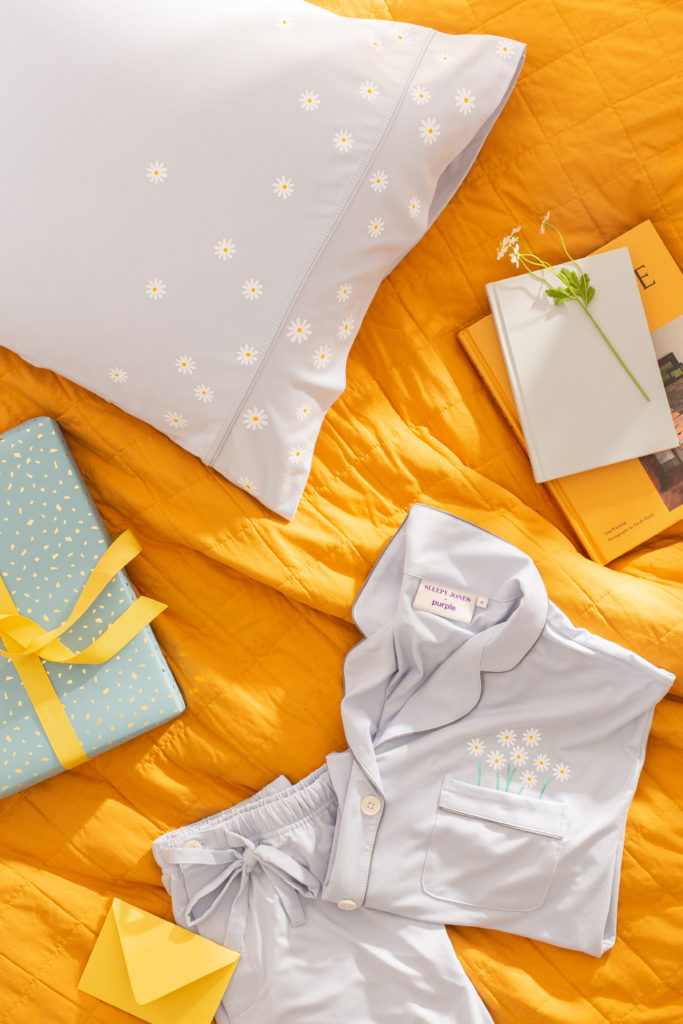
Similarly, the transition of bedding materials into the apparel space, such as the knit jersey used in the Sleepy Jones + Purple collaboration, reflects a broader trend known as "athleisure-to-sleepwear" migration. Consumers are now seeking garments that offer the same moisture-wicking and breathability properties found in high-performance athletic gear but styled for the domestic environment.
The Rise of Personalization and the "Handmade" Aesthetic
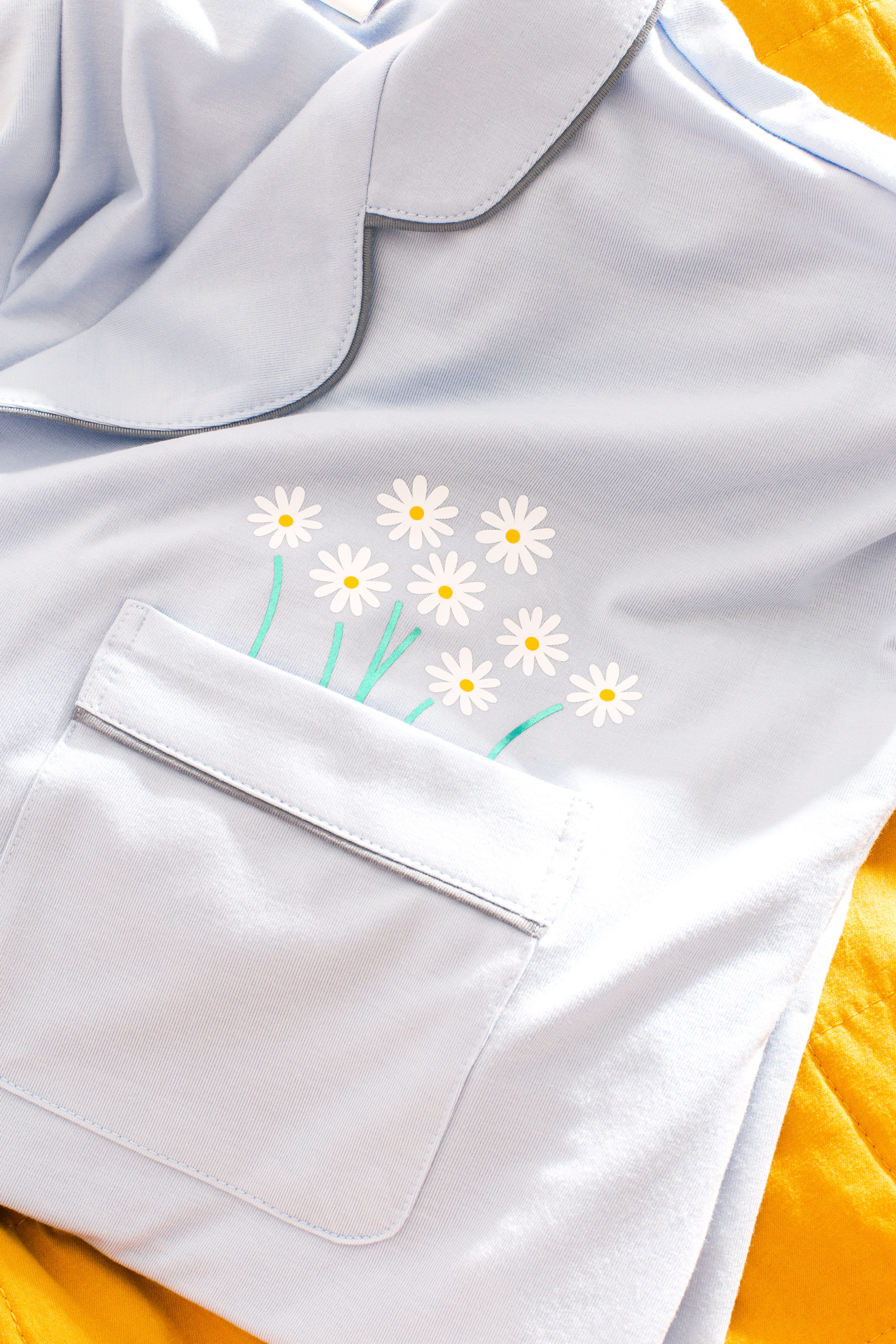
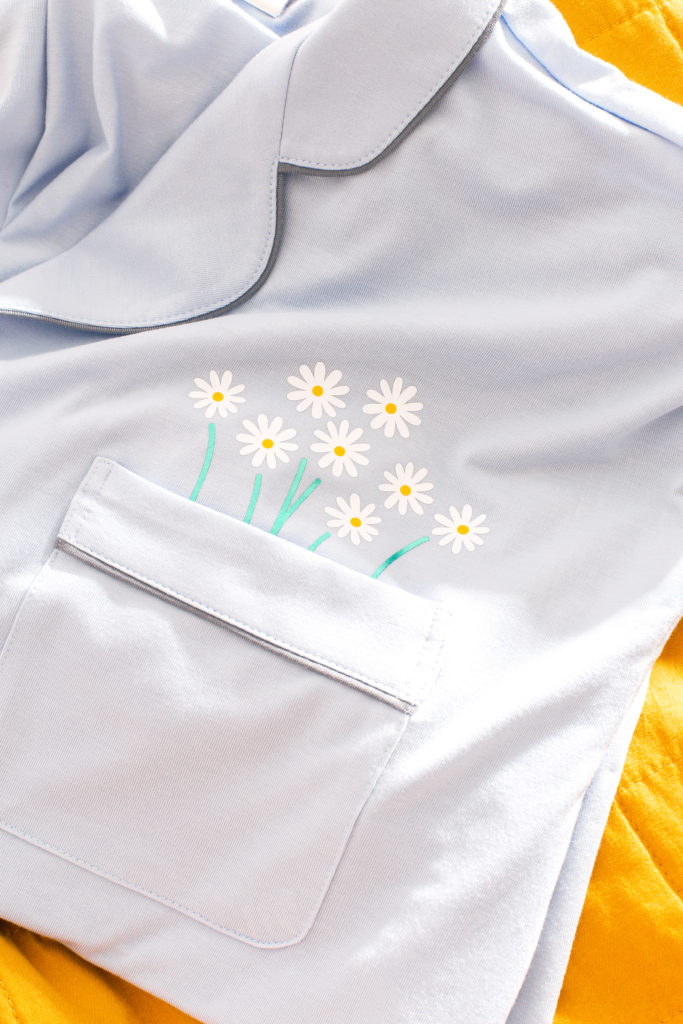
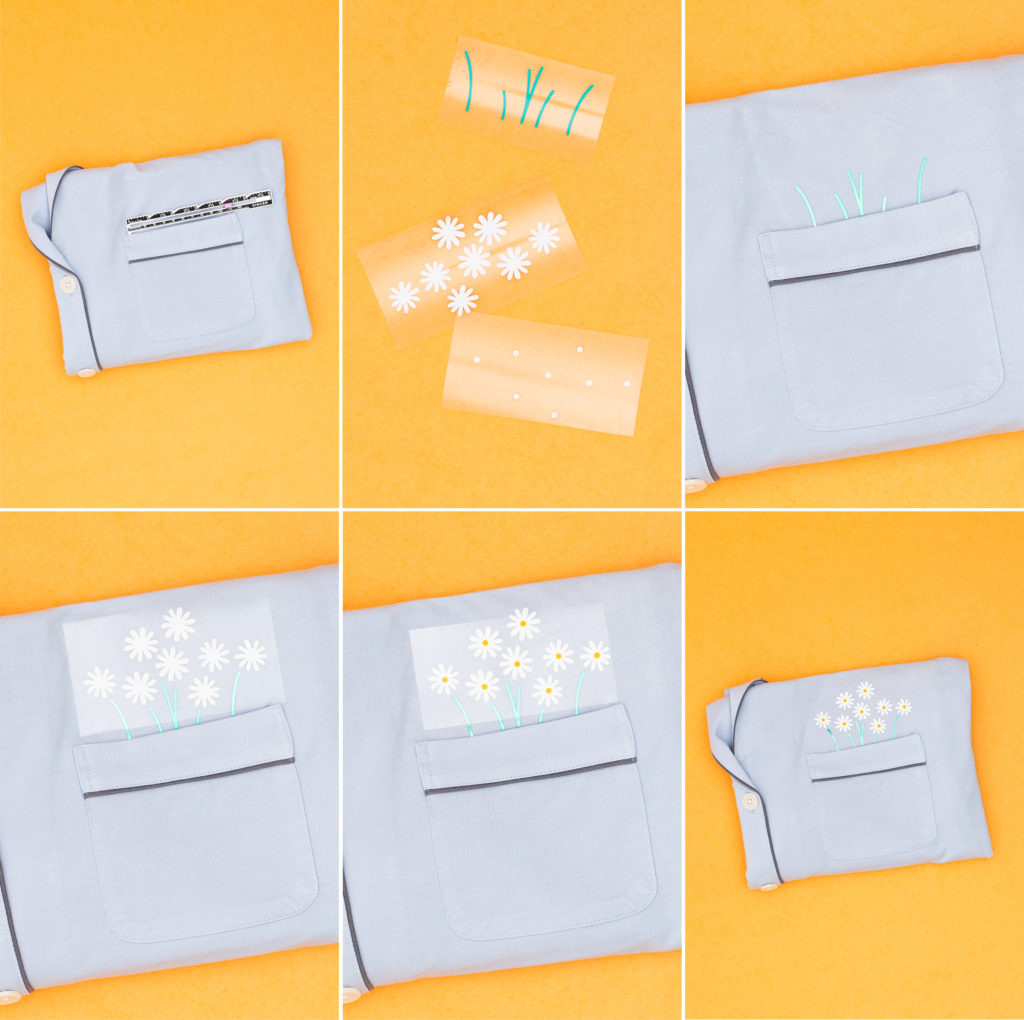
While high-tech gifts provide functional value, the emotional component of Mother’s Day gifting is often fulfilled through personalization. The resurgence of DIY (Do-It-Yourself) culture, particularly involving digital craft cutters and heat-press vinyl, has allowed consumers to add bespoke elements to mass-produced luxury items. The "Daisy DIY" project highlighted in recent lifestyle campaigns reflects a nostalgic return to 1990s-era floral motifs, which have seen a significant revival in the fashion industry.

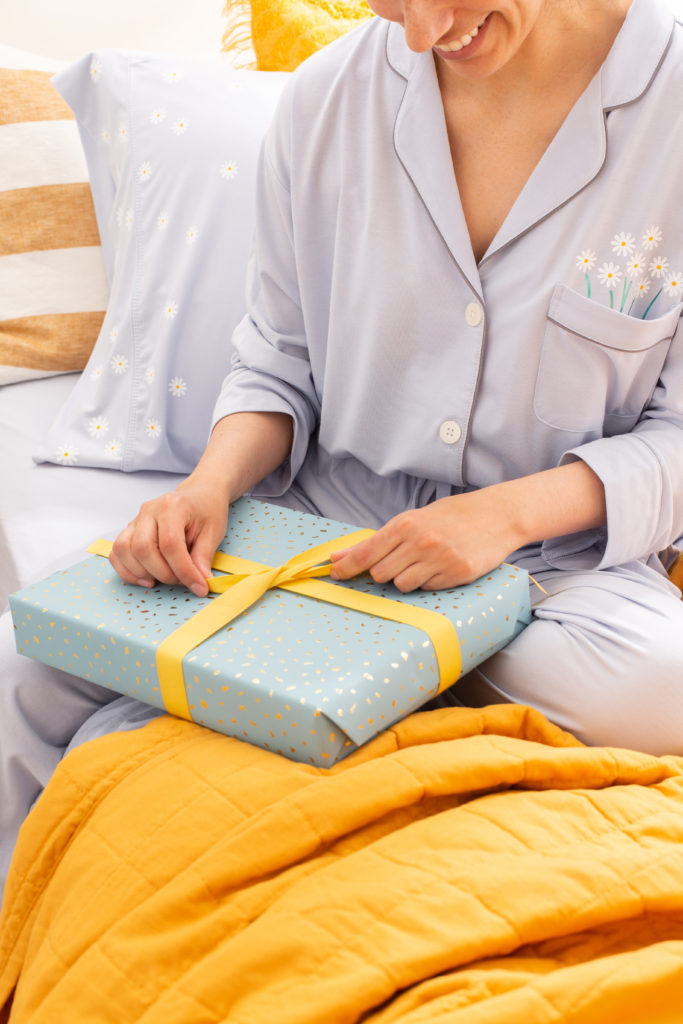
The process of customizing garments—such as adding iron-on vinyl "posies" to pajama pockets or pillowcases—serves two strategic purposes for brands. First, it increases the time spent by the consumer interacting with the product, fostering a deeper brand connection. Second, it aligns the product with the "slow living" movement, which encourages intentionality and craftsmanship. From a retail perspective, the DIY trend supports the sale of peripheral items, including craft cutters, heat transfer vinyl, and specialized ironing equipment, creating a secondary market ecosystem.
Chronology of the Mother’s Day Marketing Cycle
The promotional window for Mother’s Day typically begins in early April, reaching its peak in the two weeks preceding the holiday. Brands like Purple utilize a multi-phased approach to engage consumers during this period:
- Phase One: Awareness (Early April): Release of "gift guides" and lifestyle content through influencer partnerships. This phase focuses on establishing the emotional narrative of "rest and relaxation."
- Phase Two: Engagement (Mid-April): Introduction of interactive elements, such as DIY templates and tutorials. This encourages early purchases to ensure materials are on hand for crafting.
- Phase Three: Conversion (Late April to Early May): Implementation of time-sensitive discount codes (e.g., "OHD10") and shipping deadlines. This phase leverages the "urgency" factor to drive final sales.
- Phase Four: Post-Holiday Retention (Post-May): Extended validity of discount codes (sometimes through late Q4) to encourage repeat customers and capitalize on the "gift for yourself" market that often follows major holidays.
Economic Impact and Market Analysis
The bedding and mattress industry is projected to grow at a compound annual growth rate (CAGR) of approximately 5% over the next five years. Mother’s Day serves as a critical Q2 anchor for this growth. Analysts note that the average spend per person for Mother’s Day has increased by over 40% since 2018, with a significant portion of that increase allocated to home goods and electronics.
The inclusion of a 10% discount code in promotional content is a calculated move to lower the barrier to entry for high-ticket items like the Purple Harmony pillow or luxury pajama sets. By tracking the usage of specific codes, brands can gain granular data on the effectiveness of their influencer partnerships and the geographic distribution of their customer base. This data-driven approach allows for more efficient marketing spend in subsequent fiscal quarters.
Broader Implications for the Retail Landscape
The shift toward wellness-centric Mother’s Day gifting has broader implications for the retail sector. It signals a move away from "disposable" gifting and toward "investment" gifting. Consumers are increasingly willing to pay a premium for products that promise to improve the quality of life of the recipient. This trend is also reflective of a generational shift; Millennial and Gen Z gift-givers are more likely to prioritize brand ethics, technological innovation, and "Instagrammable" aesthetics.
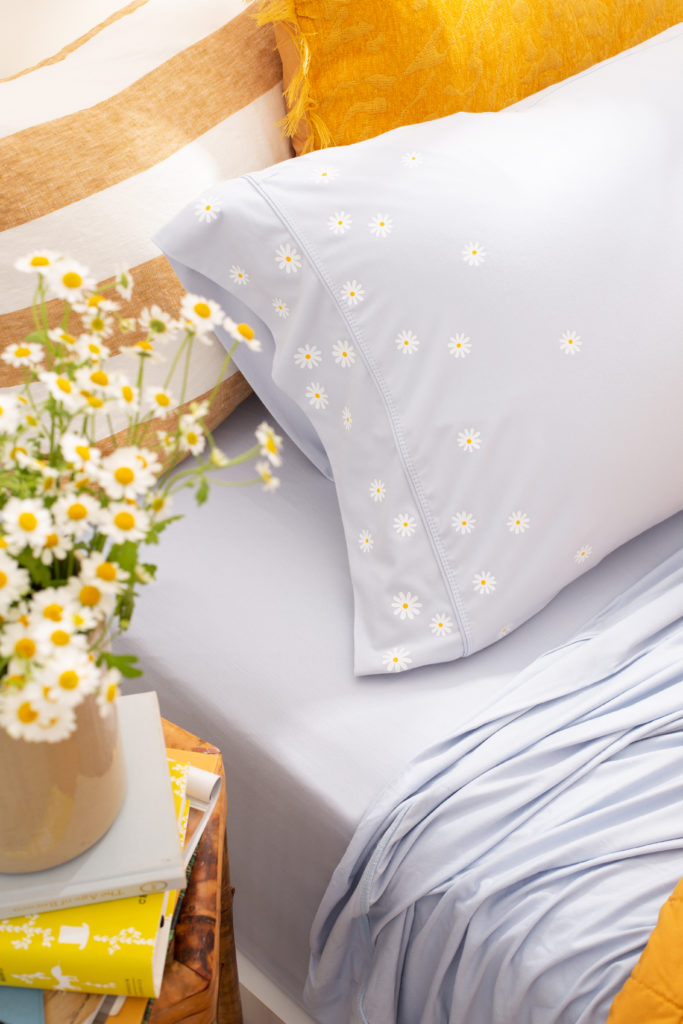
Furthermore, the integration of flowers—specifically "bedroom blooms"—into gifting narratives emphasizes the importance of sensory experiences. While the bedding provides tactile comfort, the addition of fresh-cut flowers adds olfactory and visual stimulation, creating a multi-sensory environment. This holistic approach to gift-giving suggests that retailers are no longer just selling products; they are selling "curated moments."
Conclusion: The Future of Domestic Gifting
As the boundary between technology and lifestyle continues to blur, the Mother’s Day market will likely see further integration of "smart" home features and bio-metric feedback tools. However, the core desire for comfort and personal connection remains constant. The success of the Purple Mother’s Day campaign lies in its ability to address these fundamental human needs through a combination of high-tech manufacturing and low-tech personal touches.
By offering a discount code like OHD10, valid through the latter half of the year, the brand ensures that the momentum generated during the Mother’s Day peak carries over into the summer and fall seasons. This strategy acknowledges that while Mother’s Day is a specific calendar event, the demand for quality sleep and personalized comfort is a perennial concern. As retailers look toward the future, the ability to provide "everyday luxuries"—from a freshly made bed to a custom-printed set of pajamas—will remain a cornerstone of successful consumer engagement.