In the vibrant world of culinary fusion, a new star is emerging: the pastrami and cheese lumpia. This innovative appetizer brilliantly marries the savory, smoky notes of classic pastrami with the creamy, melty satisfaction of cheese, all encased in the delicate crispness of a Filipino-inspired lumpia wrapper. Offering an easy yet sophisticated option for party hosts and home cooks alike, this dish promises to be a crowd-pleaser, elevating any gathering from casual get-togethers to more festive celebrations.

The essence of lumpia lies in its wrapper, a thin, pliable casing typically made from flour and water, distinct from the egg-laden wrappers found in traditional Chinese egg rolls or wontons. This specific composition allows lumpia, when fried to a perfect golden brown, to achieve an exceptionally light and shatteringly crisp texture. While classic lumpia often features a savory filling of minced meat and vegetables, this pastrami and cheese variation introduces a bold new flavor profile that appeals to a wide range of palates.
Understanding the Appeal: A Culinary Crossroads

Lumpia itself is a staple in Filipino cuisine, a testament to the country’s rich history of trade and cultural exchange. The concept of a fried, filled roll has roots in various Asian culinary traditions, but the Filipino iteration has carved out its unique identity. Traditionally, lumpia fillings vary widely, from the fresh lumpiang sariwa to the ubiquitous fried lumpiang shanghai, often filled with ground pork, shrimp, and an assortment of finely chopped vegetables like carrots, onions, and green beans. These are typically served with a sweet chili sauce or a vinegar-based dipping sauce.
The pastrami and cheese lumpia represents a modern interpretation, drawing inspiration from the beloved deli staple. Pastrami, a cured and smoked beef brisket, is renowned for its peppery, smoky, and slightly spicy flavor profile, often achieved through a rub of spices like black pepper, coriander, and garlic powder. When combined with cheese – the exact type often a matter of personal preference, but typically one that melts beautifully such as mozzarella, provolone, or a sharp cheddar – it creates a rich, decadent filling. This fusion not only introduces a novel taste but also offers a delightful textural contrast between the chewy, flavorful pastrami, the gooey cheese, and the ethereal crunch of the fried wrapper.

Crafting the Pastrami and Cheese Lumpia: A Step-by-Step Guide
The preparation of pastrami and cheese lumpia is designed to be accessible, even for novice cooks, making it an ideal choice for busy hosts looking to impress their guests without spending hours in the kitchen. The process can be broken down into several key stages:
Step 1: Preparing the Irresistible Filling
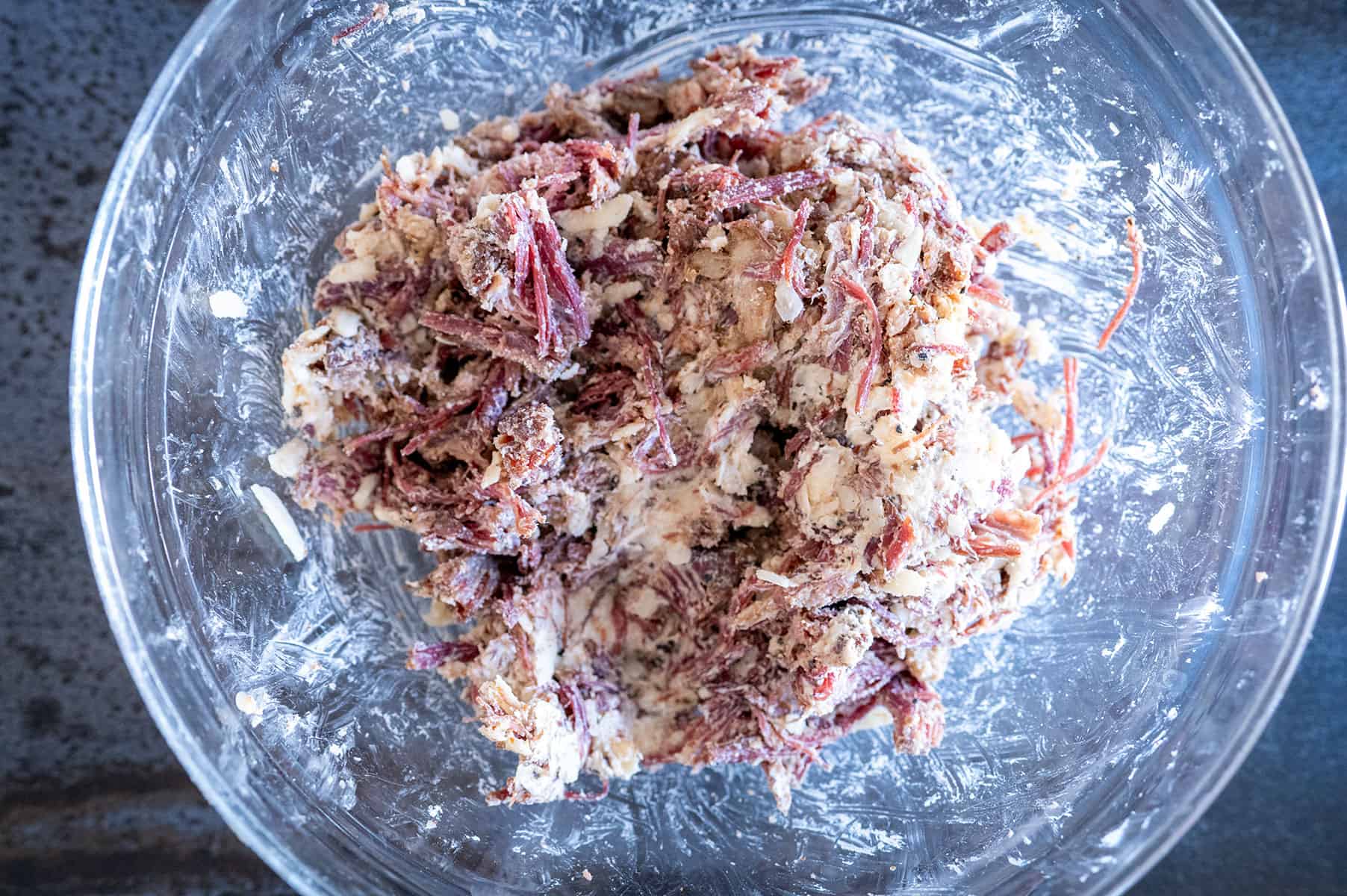
The heart of this appetizer lies in its filling. The recipe calls for a generous combination of finely chopped pastrami and shredded cheese. To achieve a harmonious blend and a smooth, cohesive filling, cream cheese is often incorporated. This not only adds an extra layer of creaminess but also helps bind the ingredients together, preventing the filling from spilling out during the frying process. A pinch of salt, adjusted to taste, enhances the overall flavor profile. Many home cooks find that mixing these ingredients by hand is the most effective way to ensure everything is evenly distributed and well combined.
Step 2: The Art of Rolling the Lumpia
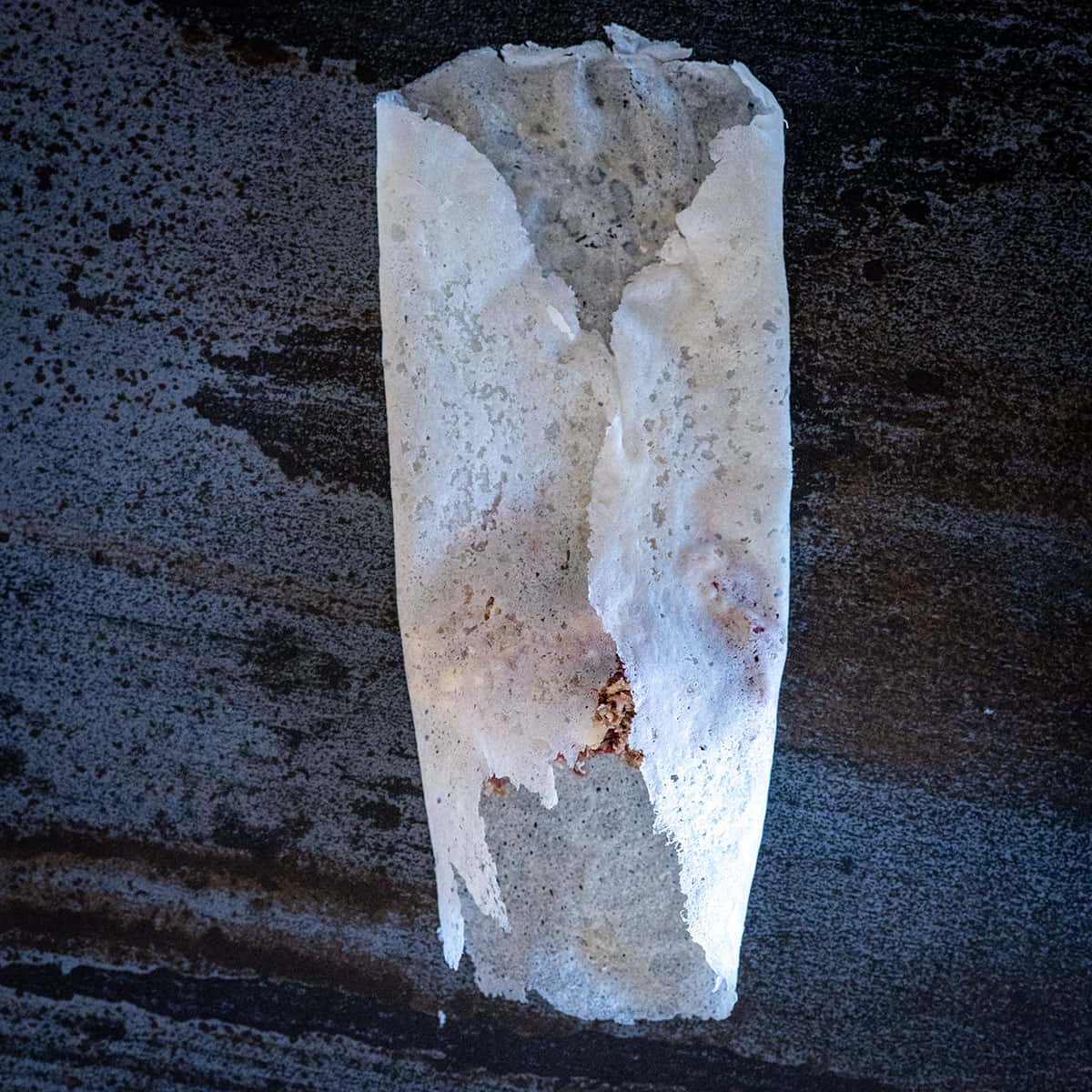
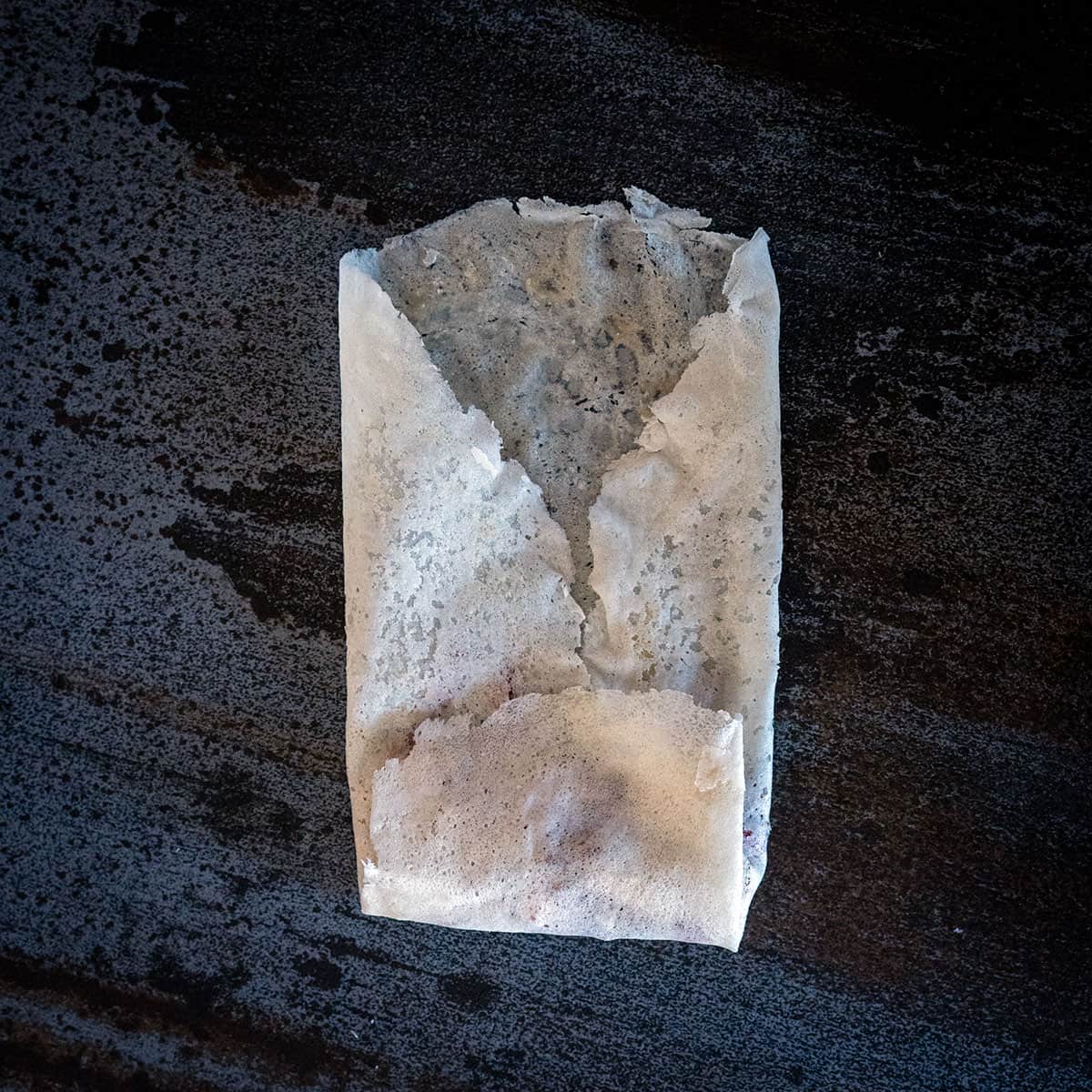
Once the filling is prepared, the next crucial step is to expertly wrap it. Lumpia wrappers, readily available in most Asian grocery stores or specialty food sections of supermarkets, form the foundation. Each wrapper is typically laid out flat, and approximately two tablespoons of the pastrami and cheese mixture are placed near one edge. The rolling process is akin to that of making traditional egg rolls: the sides are folded inward to enclose the filling, and then the bottom edge is folded up. The key to a secure and neat lumpia is in the final roll, where the wrapper is tightened to form a cigar-like shape. A simple yet effective technique to seal the wrapper is to lightly moisten the top edge with water, which acts as an edible adhesive, ensuring the lumpia stays intact during frying. This meticulous rolling process is repeated until all the filling and wrappers are utilized.

Step 3: Achieving Golden Perfection Through Frying
The hallmark of a great lumpia is its crisp, golden-brown exterior, achieved through deep-frying. A neutral oil with a high smoke point, such as vegetable, canola, or peanut oil, is recommended for this purpose. The oil should be heated to a consistent temperature of 375°F (190°C). Maintaining this precise temperature is critical; too low, and the lumpia will absorb excess oil, becoming greasy and soggy. Too high, and the delicate wrappers can burn before the filling is heated through. A few lumpia are carefully added to the hot oil, ensuring not to overcrowd the pot, which can lower the oil temperature and lead to uneven cooking. They are typically fried for about two minutes, or until they achieve a beautiful, uniform golden hue.
Step 4: Draining for Optimal Crispness
Immediately after frying, the golden lumpia are carefully removed from the hot oil and placed on a wire rack set over a baking sheet lined with paper towels. This allows any excess oil to drip away, preserving the crispness of the wrappers. A light sprinkle of salt over the hot lumpia not only adds flavor but also helps to draw out any remaining surface moisture, further enhancing their crunch. This step is essential for ensuring the appetizer retains its desirable texture.

Step 5: Crafting the Complementary Dipping Sauce
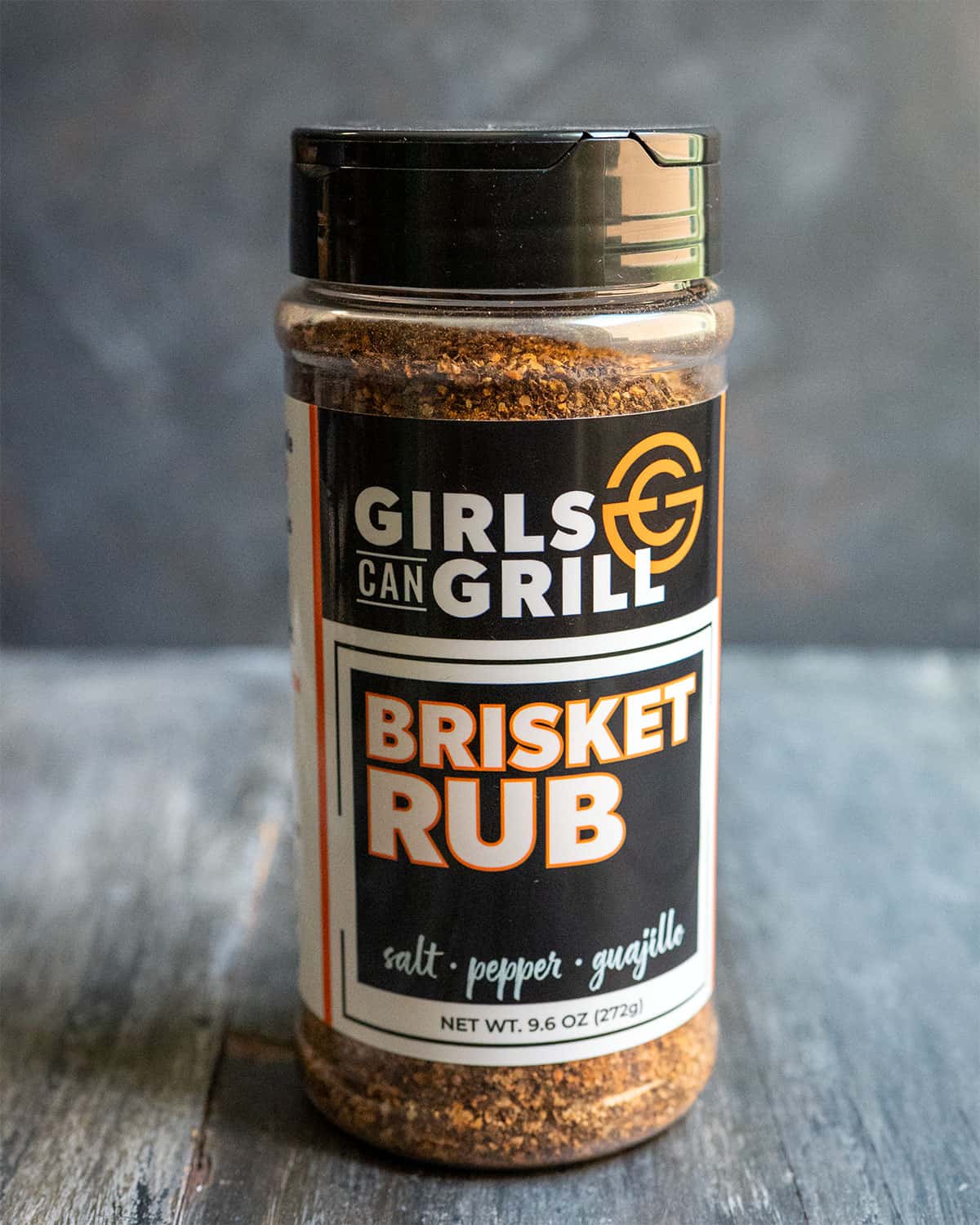
While the pastrami and cheese lumpia are flavorful on their own, a well-chosen dipping sauce can elevate the experience. The recipe suggests an optional, yet highly recommended, sauce that complements the richness of the filling. This sauce is a simple yet effective blend of mayonnaise, tomato paste, Worcestershire sauce, and a touch of spice, often incorporating a proprietary blend like the Girls Can Grill Brisket Rub for an added layer of savory depth. For optimal flavor, this sauce is best prepared in advance and allowed to chill in the refrigerator for at least 30 minutes, allowing the ingredients to meld together.
Pro Pitmaster Tips for Success
For those looking to take their pastrami and cheese lumpia to the next level, several insider tips can ensure a flawless execution:
-
Make Ahead Strategy: The lumpia can be assembled up to the point of frying and then frozen. For best results, freeze them in a single layer on a baking sheet until firm, then transfer them to an airtight container or freezer bag. This "flash freezing" prevents them from sticking together. Frozen lumpia can be cooked directly from frozen, adding a few extra minutes to the frying time. They can also be refrigerated for one to two days before frying.
-
Wrapper Substitutions: In instances where traditional lumpia wrappers are unavailable, egg roll or wonton wrappers can be used as a viable substitute. While the texture may vary slightly, they will still yield a delicious result.
-
Oil Temperature Vigilance: As mentioned, maintaining the correct oil temperature is paramount. A cooking thermometer is an invaluable tool for ensuring consistent frying results.

-
Serving Suggestions: These pastrami and cheese lumpia are best served immediately after frying, when they are at their crispiest. They can be presented on a platter, with the dipping sauce served alongside. For larger gatherings, cutting each lumpia in half can make them more manageable and allow for easier distribution.
Storage and Reheating: Maintaining the Crisp

While lumpia are undeniably best when freshly fried, they can be stored for later consumption. Leftover lumpia should be kept in an airtight container in the refrigerator for one to two days. To revive their crispness, reheating them in a preheated oven at around 350°F (175°C) or in an air fryer for a few minutes until heated through and crispy is recommended. Microwaving is generally not advised, as it can lead to a soggy texture.
Cultural Significance and Broader Impact

The advent of pastrami and cheese lumpia speaks to a broader trend in the culinary world: the embrace of global flavors and the creative blending of diverse traditions. This appetizer serves as a delicious metaphor for cultural exchange, demonstrating how seemingly disparate culinary elements can come together to create something entirely new and exciting. Its popularity at parties and gatherings underscores the growing appreciation for appetizers that are not only flavorful but also offer a unique story and a touch of novelty.
Frequently Asked Questions

-
What’s the difference between pastrami and corned beef?
The primary distinction lies in their preparation. Corned beef is typically a brined cut of meat, often brisket, cooked without smoking. Pastrami, however, begins with a brined meat that is then heavily seasoned with a spice rub and smoked, imparting its characteristic flavor and texture. -
Can lumpia be made with other meats?
Absolutely. The flexibility of the lumpia wrapper and the richness of the cheese filling make it a versatile canvas for various proteins. Shredded beef, chicken, or pork are excellent alternatives to pastrami. The key is to ensure the meat is finely chopped or shredded for optimal distribution within the wrapper.
-
What is the ideal oil temperature for frying lumpia?
A consistent oil temperature of 375°F (190°C) is considered optimal for frying lumpia. This temperature ensures that the wrappers become perfectly crisp and golden brown without burning, while allowing the filling to heat through thoroughly.
In conclusion, the pastrami and cheese lumpia is more than just a simple appetizer; it’s a culinary innovation that bridges cultures and delights the senses. Its accessible preparation, unique flavor profile, and satisfying crunch make it an indispensable addition to any party menu, offering a taste of fusion that is both comforting and exciting.