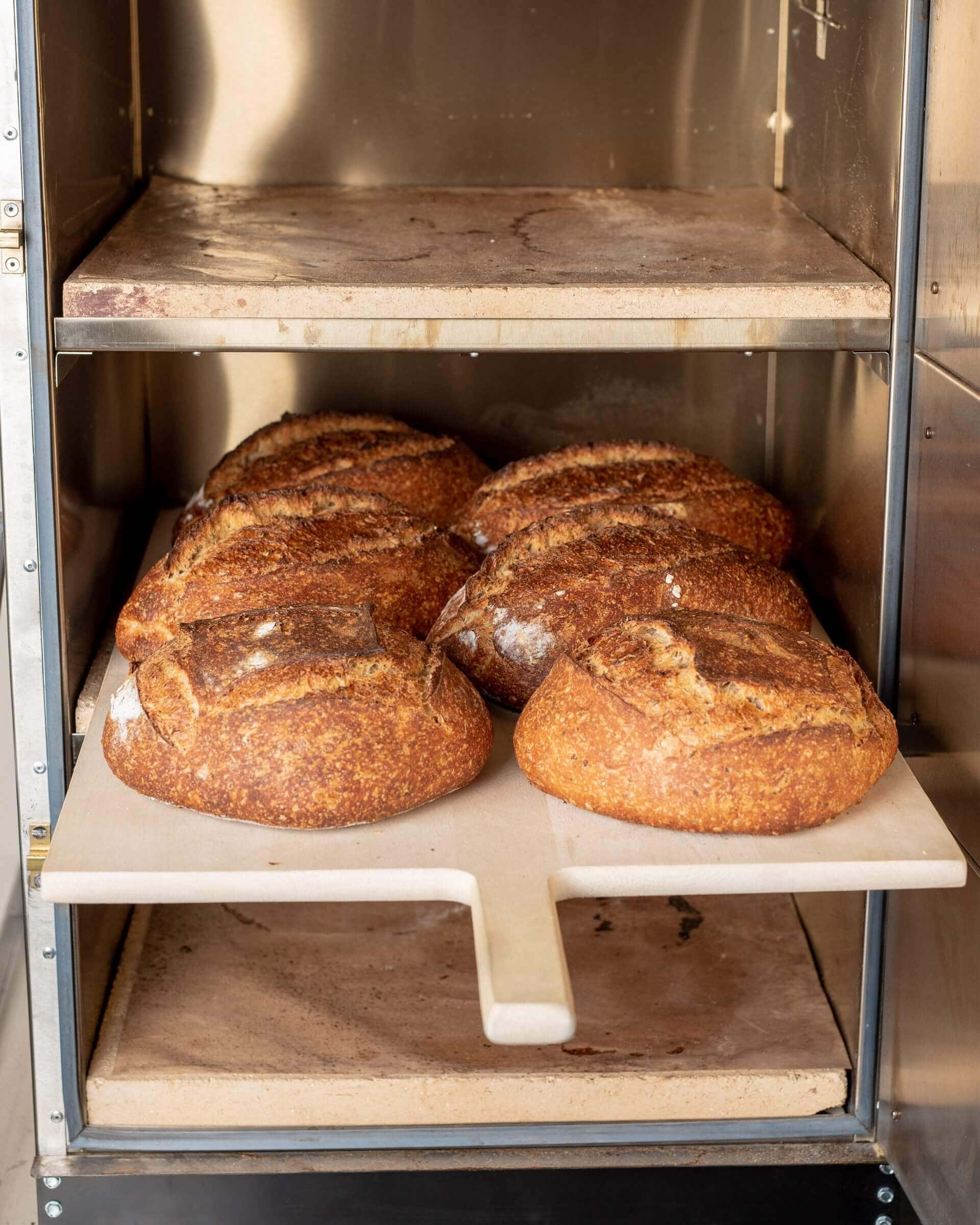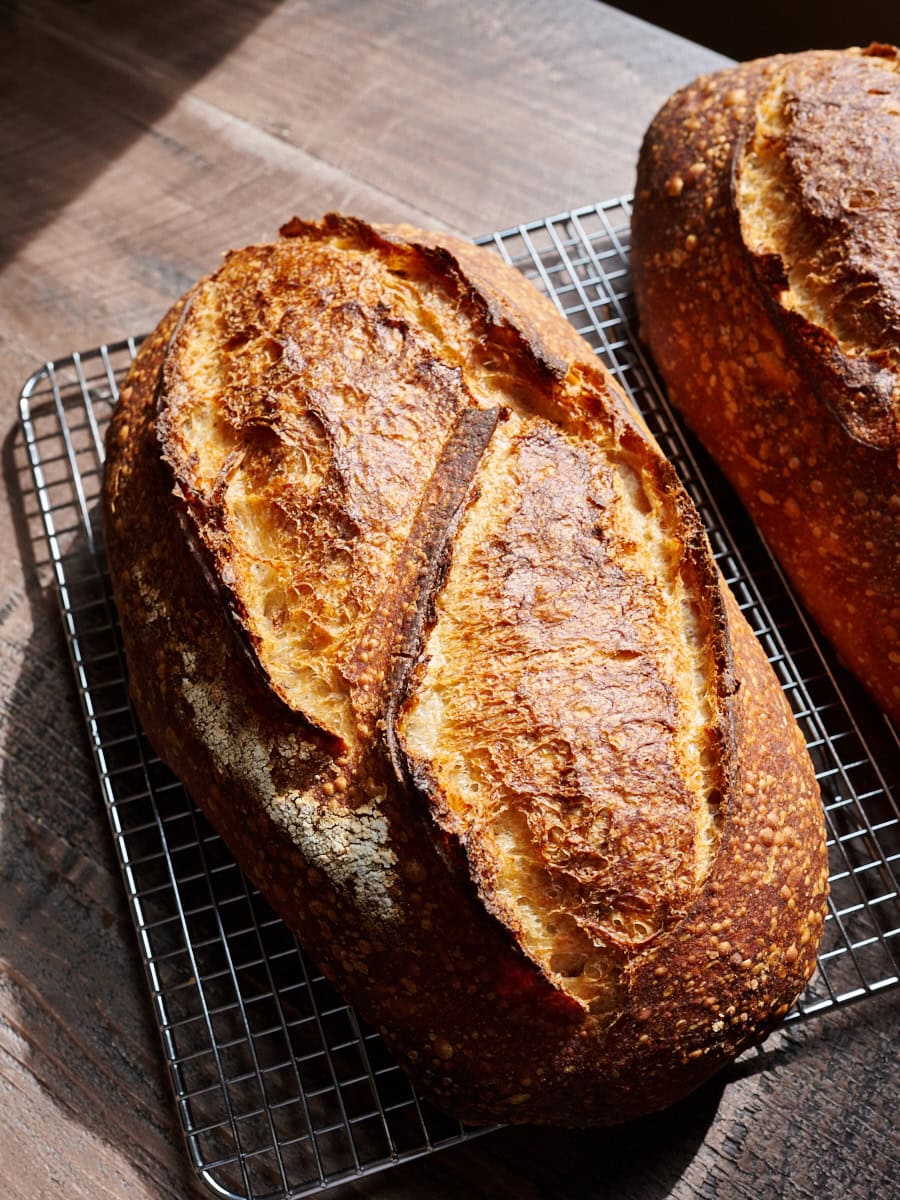
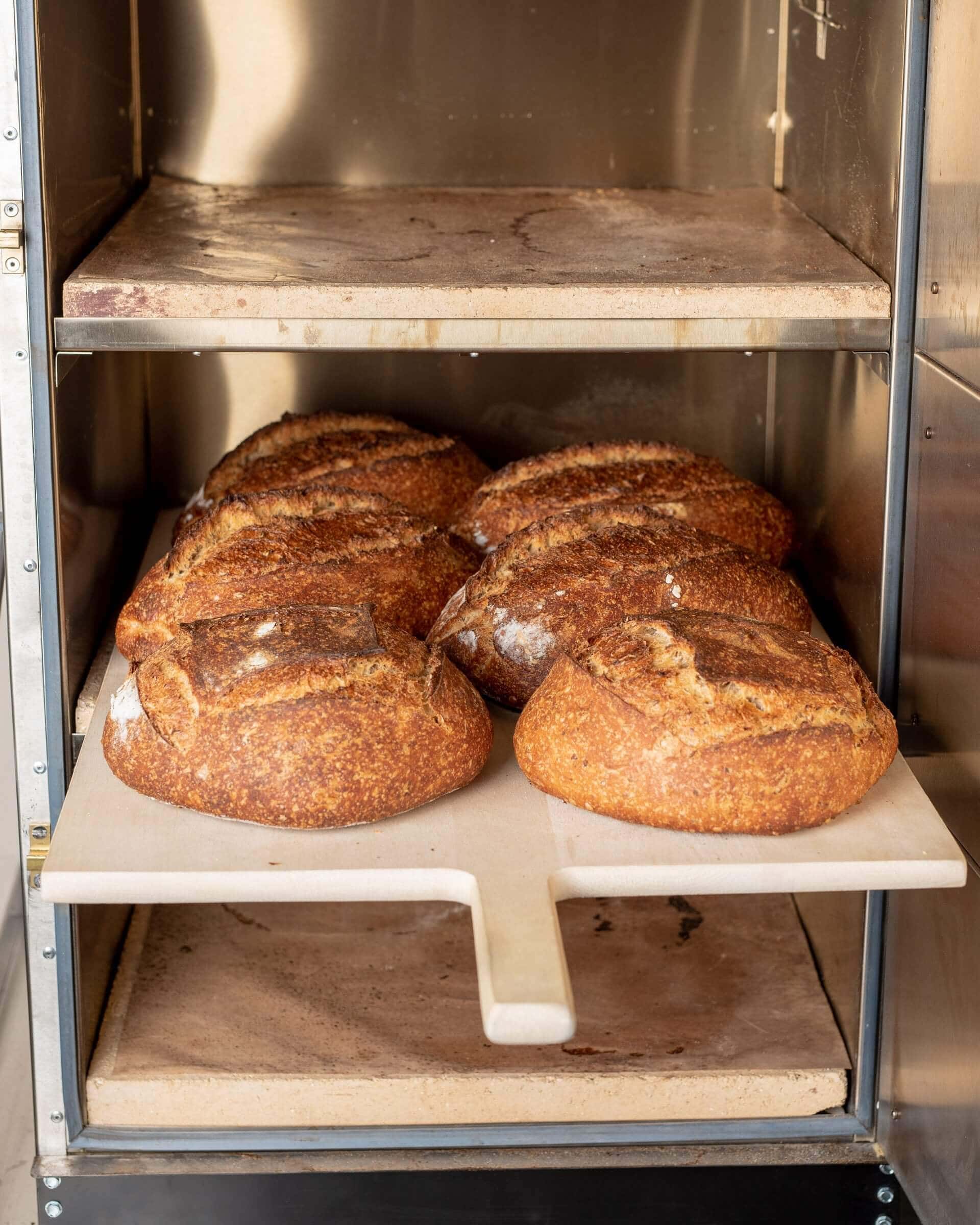
The escalating passion for artisanal bread making among home enthusiasts has spurred a demand for specialized equipment capable of bridging the gap between domestic kitchens and professional bakeries. Among the solutions gaining significant traction is the Rofco B40 electric stone oven, a Belgian-engineered appliance designed to empower serious bakers to produce high-volume, professional-quality loaves without requiring a full commercial setup. This comprehensive guide explores the Rofco B40’s design, operational intricacies, and strategic applications for home bakers and nascent micro-bakeries aiming to elevate their craft.
Understanding the Rofco Bread Oven: Engineering for Excellence
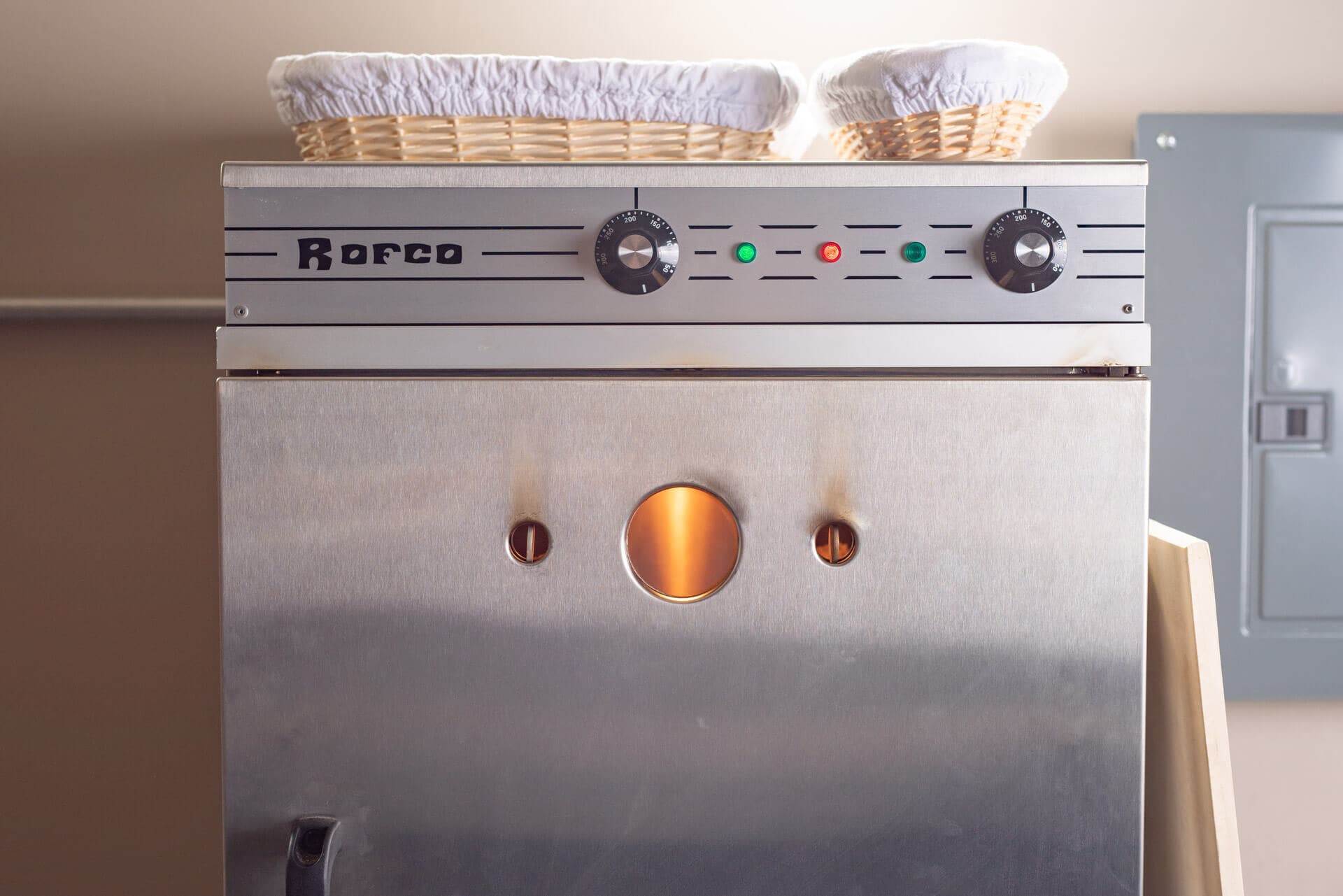
The Rofco B40 is a distinguished Belgian-made brick oven, meticulously engineered for superior bread baking. It represents a robust, no-nonsense construction philosophy, featuring a sealed oven chamber that is a cornerstone of its performance. The oven’s most notable characteristic is its three 1-3/8-inch thick chamotte deck stones, a type of refractory brick renowned for its exceptional heat retention properties. These dense stones absorb and radiate heat efficiently, ensuring a consistent baking environment even after the oven door is opened for loading. This thermal stability is crucial for achieving an optimal oven spring and a perfectly crusted loaf, mirroring the results typically found in larger, more expensive commercial deck ovens.
Despite its powerful capabilities, the Rofco B40 maintains a relatively compact footprint and is designed to produce minimal external radiant heat. While the oven’s exterior becomes warm to the touch during operation, it can be safely positioned near walls or other appliances, making it suitable for home kitchen environments. The ability to retain heat for extended periods also facilitates multiple back-to-back bakes with only short recovery times, significantly boosting productivity for high-volume baking sessions.
Powering the Rofco B40 requires a typical 220V AC single-phase electrical connection, commonly found in many US homes for appliances like clothes dryers. This necessitates a 6-20P cord plug and a matching 6-20R receptacle. For optimal safety and performance, professional electrical installation of a dedicated circuit and breaker is recommended, ensuring the oven operates efficiently and reliably without overloading existing home electrical systems. This requirement underscores the Rofco’s professional-grade nature, distinguishing it from standard consumer kitchen appliances.
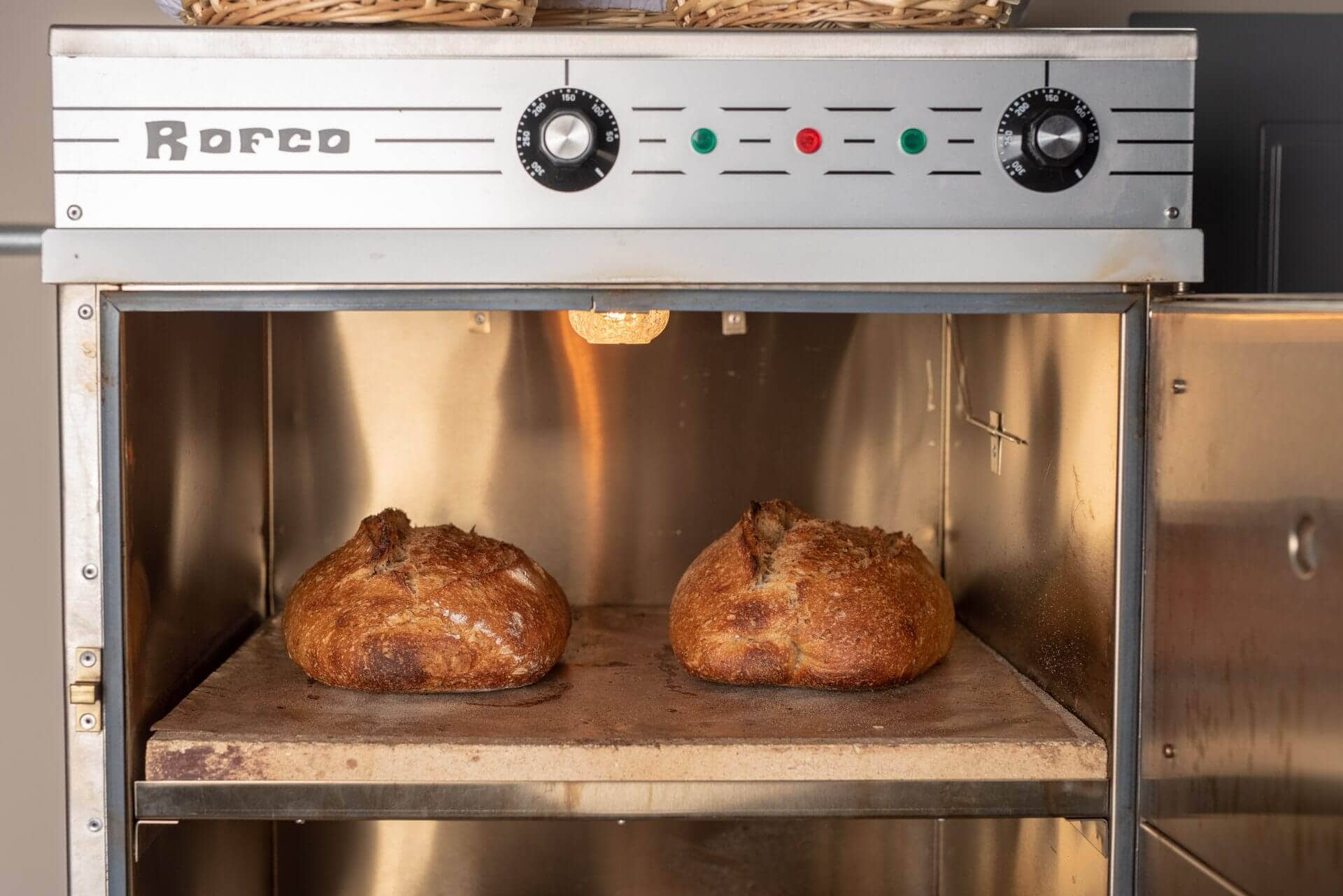
The Rofco B40 is lauded for its efficiency and convenience. It functions as a bare-bones workhorse, reliably delivering the consistent heat and steam essential for quality bread production. Its capacity extends from baking 4-6 loaves in a typical home setting to accommodating large-scale batches for special events, festivals, or community gatherings. The oven’s design prioritizes durability and ease of repair, featuring straightforward components that contribute to its long-term viability for dedicated bakers. Distributors, such as Pleasant Hill Grain in the US, are often cited for their exceptional service, offering responsive technical support and specialized knowledge crucial for customers investing in such specialized equipment.
The Evolution of Home Baking: Bridging the Gap to Professional Output
For many dedicated home bakers, the journey from hobbyist to high-volume producer is a natural progression fueled by an increasing obsession with the craft. Initially, standard home ovens suffice for baking one or two loaves. However, as skill and ambition grow, and the desire to experiment with larger dough quantities intensifies, the limitations of conventional ovens become apparent. The yearning for tools that can boost efficiency and consistency, allowing bakers to focus more on the nuanced aspects of flavor, fermentation, dough handling, and shaping, inevitably leads to considering specialized equipment.

This transition often marks a pivotal point where bakers contemplate expanding into a nano or micro-bakery, or even venturing into selling their goods at local farmer’s markets. The Rofco oven serves as an ideal stepping stone for this expansion, offering professional-grade results in a footprint far smaller and more manageable than industrial ovens. It allows bakers to scale up their operations without the significant capital investment or space requirements of a full commercial bakery, democratizing access to high-quality baking infrastructure.
Optimizing Performance: Baking Process and Dough Management
Achieving consistent results with the Rofco B40 requires a methodical approach to preheating, dough positioning, and steam management. While individual baking parameters may vary based on dough type and recipe, a foundational process ensures optimal performance.
Strategic Dough Positioning on Decks:
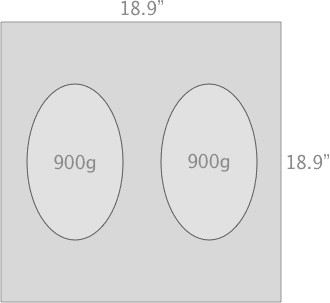
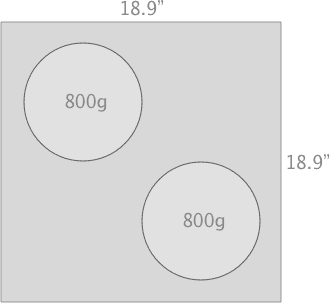
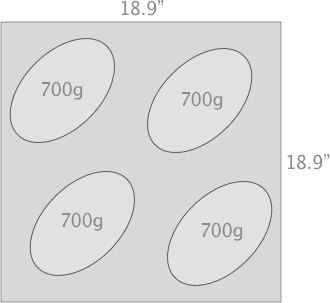
The Rofco B40, with its 18.9-inch by 18.9-inch square decks, presents a unique challenge in maximizing baking capacity while ensuring even heat distribution and preventing loaves from touching. This often becomes a strategic "game of Tetris" for bakers. Common arrangements for the B40’s three decks include:
- Two 900g batards per deck, positioned longitudinally. This is a frequently used configuration for standard-sized loaves.
- Two 800g boules per deck, centrally placed to allow for optimal expansion.
- Four 700g smaller loaves or rolls per deck, arranged in a grid pattern.
These configurations are designed to provide ample space for oven spring and uniform crust development. Beyond traditional loaves, the Rofco’s versatility is enhanced by its included square steel trays, which can be inverted for a flat surface. These trays are excellent for baking smaller items such as buns, dinner rolls, or even a large square pizza, facilitating easy transfer and spill containment.
The Critical Role of Steam Injection:
Steam is paramount in the initial phase of bread baking, facilitating maximum oven spring and contributing to a thin, crispy crust. The Rofco’s sealed oven chamber offers an advantage by naturally containing steam. However, unlike professional ovens with integrated steam injection systems, the Rofco requires manual steam generation. Two primary methods are employed:
- High-Pressure Sprayer: This is a highly effective method utilizing a commercial-grade pressure sprayer. The sprayer, filled with water and set to the finest mist, is pumped to pressurize. After loading dough onto each deck, the baker sprays thoroughly for approximately 10-12 seconds per deck, starting from the bottom. Caution is advised when spraying the top deck to avoid the glass-enclosed light fixture, which can crack if exposed to direct water spray. A second, brief spray just before fully closing the door further ensures adequate steam saturation.
- Steam Pods: Rofco offers optional rectangular steel steam pods designed to be preheated on the sides of each deck. When steam is desired, water or ice cubes are poured into these hot pods, rapidly generating steam within the sealed chamber. While effective, these pods occupy valuable deck space, a consideration for bakers prioritizing maximum loaf capacity.
Regardless of the method, managing steam release is critical. After the initial steam phase, the oven’s two front vents are opened by tilting them, allowing residual steam to escape and promoting crust development. This process typically involves carefully opening the oven door briefly to release the initial rush of steam before fully ventilating.
A Step-by-Step Baking Process:
A typical baking sequence in the Rofco B40, optimized for consistency, involves:
- Preheating (Door Closed, Vents Closed): The oven is preheated to 240°C (464°F) for 1 hour and 30 minutes. This extended period ensures the chamotte bricks are thoroughly saturated with heat, providing stable thermal mass for baking.
- Bake with Steam: Dough is loaded, and steam is introduced. The oven temperature is adjusted to 150°C (302°F), and baking continues for 20 minutes.
- Vent Steam: The oven door is carefully opened briefly to release initial steam, then closed, and the circular vents are swiveled open. The temperature is increased to 220°C (428°F) for 10 minutes to promote crust formation.
- Final Bake: Loaves are reshuffled if necessary to ensure even browning. The temperature is reduced to 150°C (302°F), and baking continues for an additional 20-30 minutes until the loaves achieve desired internal temperature and crust color.
Upon completion, loaves are removed with a peel and placed on wire racks to cool. The oven is then either turned off or maintained at 240°C for subsequent batches, leveraging its excellent heat retention for continuous baking.
Essential Ancillary Equipment for Rofco Bakers
Optimizing the Rofco baking experience extends beyond the oven itself, incorporating specialized tools that enhance workflow and efficiency.
- Commercial Strength Sprayer: For bakers opting out of steam pods, an electric pressure sprayer is highly recommended. The "Electric Spray Bottle" is cited for its ability to inject a consistent, fine mist into the oven with minimal effort, significantly outperforming manual pump sprayers.
- Oven Equipment Stand: Elevating the Rofco to a comfortable working height is crucial for ergonomic loading and unloading. A custom-cut stainless steel equipment stand, such as the "Regency 30" x 30" 16-Gauge Stand" from WebstaurantStore, provides a sturdy and durable base. Customizing the leg height to approximately 18 inches can raise the oven by about 20 inches, making the decks easily accessible. While casters offer mobility, fixed legs can enhance structural rigidity if the oven’s location is permanent.
- Large Wooden Peel: A robust wooden pizza peel is indispensable for efficient dough handling. A model like the "American Metalcraft 1836," measuring 18 inches by 29.5 inches with a 6.5-inch handle, is particularly well-suited for the Rofco B40 due to its exact width matching the oven’s decks. This allows for seamless transfer of silicone sheets with scored dough into and out of the oven, streamlining the loading process.
Practical Tips and Best Practices

Beyond the core operational steps, several minor adjustments can significantly improve the Rofco baking experience:
- Drying Proofing Baskets (Bannetons): After unloading dough onto silicone sheets, proofing baskets can be placed in the still-warm Rofco oven. The residual heat efficiently dries the damp linen liners or canvas, preventing mold growth and preparing the baskets for quick storage or next use. This leverages the oven’s heat retention even after baking is complete.
- Embracing the Learning Curve: As with any new piece of specialized equipment, an initial dip in baking quality is expected while bakers adapt to the Rofco’s unique characteristics. It is advisable to select a straightforward sourdough recipe and practice with it consistently until the new process becomes intuitive. This focused approach allows bakers to master the oven’s nuances before experimenting with more complex formulas.
Market Impact and Future Outlook
The Rofco B40 bread oven signifies a crucial development in the professionalization of home baking. It offers a viable, compact alternative to large-scale commercial ovens, making brick oven baking accessible to a broader demographic of serious enthusiasts and small-scale entrepreneurs. Its robust construction, efficient heat management, and capacity for consistent, high-quality output position it as a premium investment that yields substantial returns in terms of baking versatility and production volume.

The market for professional-level baking equipment continues to evolve, with products like the Rofco finding their place alongside other specialized tools such as the Famag spiral dough mixer (capable of mixing up to 8 kilograms of dough) or more compact alternatives like the Ooni Halo Pro Spiral Mixer for smaller batches. For those requiring even greater capacity, larger deck ovens like the RackMaster 2020 represent the next step in scaling operations. The Rofco B40, therefore, is not merely an oven; it is an integral component in a growing ecosystem of advanced tools designed to support the burgeoning artisanal baking community. Its continued adoption reflects a broader trend towards higher standards and greater efficiency in home and micro-bakery production.