The escalating demands of passionate home bakers and the burgeoning micro-bakery movement have increasingly highlighted a critical need for specialized equipment capable of bridging the gap between domestic and commercial production. At the forefront of this evolution is the Rofco bread oven, a Belgian-engineered appliance that has garnered significant attention for its robust construction, exceptional heat retention, and capacity to elevate baking operations from a hobby to a scalable enterprise. This comprehensive guide delves into the Rofco oven’s capabilities, operational methodologies, and its profound implications for the modern artisan baking landscape.
The Evolution of Home Baking and the Rofco’s Strategic Niche
The past decade has witnessed a dramatic resurgence in artisan bread making, fueled by a desire for high-quality, naturally leavened loaves and a renewed interest in culinary craftsmanship. Many dedicated home bakers, initially content with producing one or two loaves in conventional kitchen ovens, inevitably reach a juncture where their ambition outstrips their equipment’s capacity. This often manifests as a yearning for increased volume, improved consistency, and the ability to bake multiple items simultaneously without compromising quality.
While it remains technically feasible for skilled individuals to produce significant quantities of bread using multiple Dutch ovens or by staggering bakes in a standard oven, such methods are inherently inefficient and labor-intensive. The constant management of heat cycles, the physical strain of repeated loading and unloading, and the inherent limitations on throughput can detract from the creative aspects of baking, such as perfecting flavor profiles, fermentation techniques, and intricate shaping. It is precisely this operational bottleneck that the Rofco oven is designed to address, offering a dedicated solution that enables bakers to scale their production without transitioning to prohibitively expensive or space-consuming full-commercial setups.
This specialized oven caters to a distinct market segment: those who are serious about their craft, whether supplying family and friends, participating in local farmers’ markets, or operating small-scale, home-based nano or micro-bakeries. The Rofco effectively democratizes access to professional-grade baking capabilities, allowing enthusiasts to focus on the art and science of bread making, rather than the logistical constraints imposed by inadequate equipment.
Engineering Excellence: A Closer Look at the Rofco B40
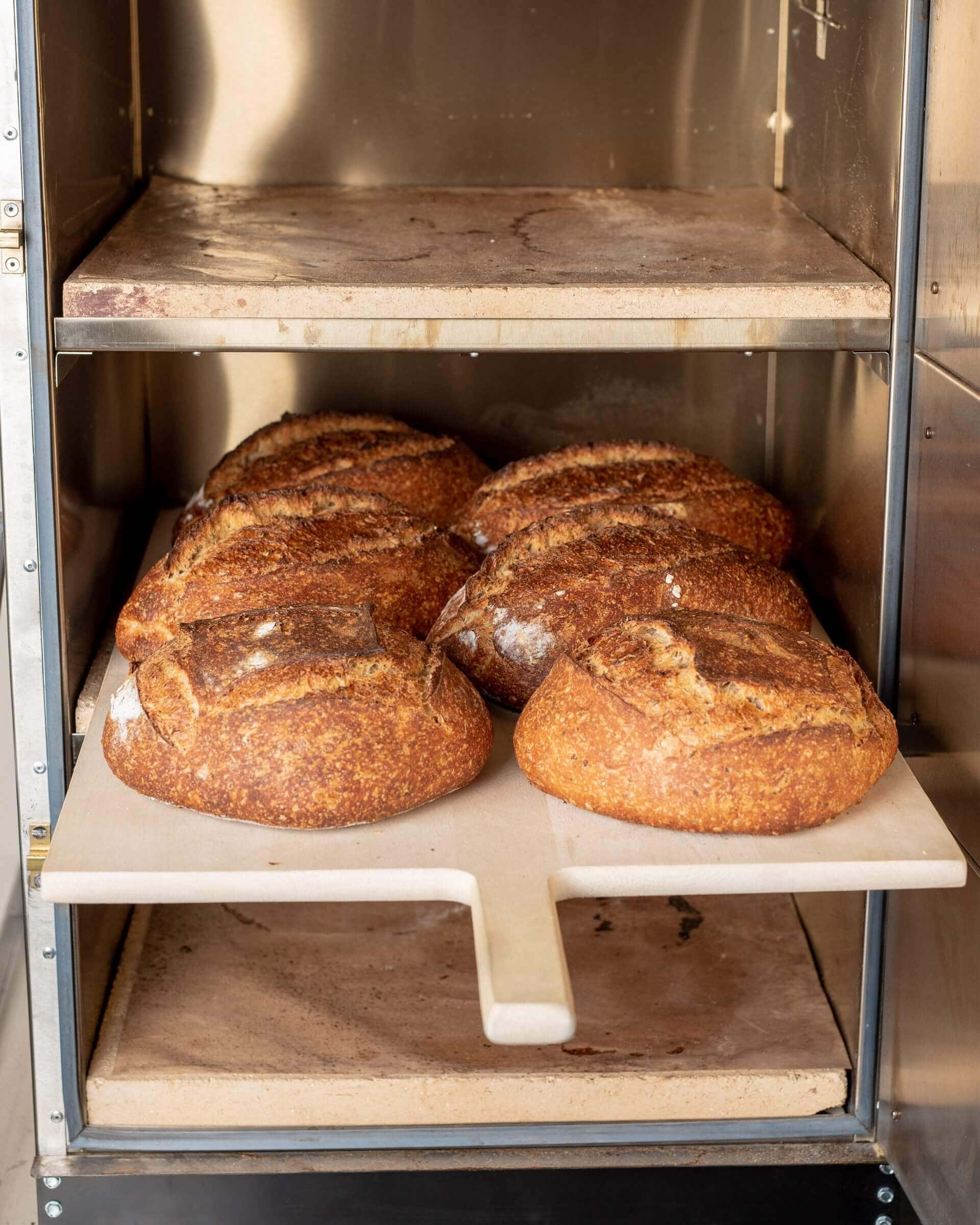
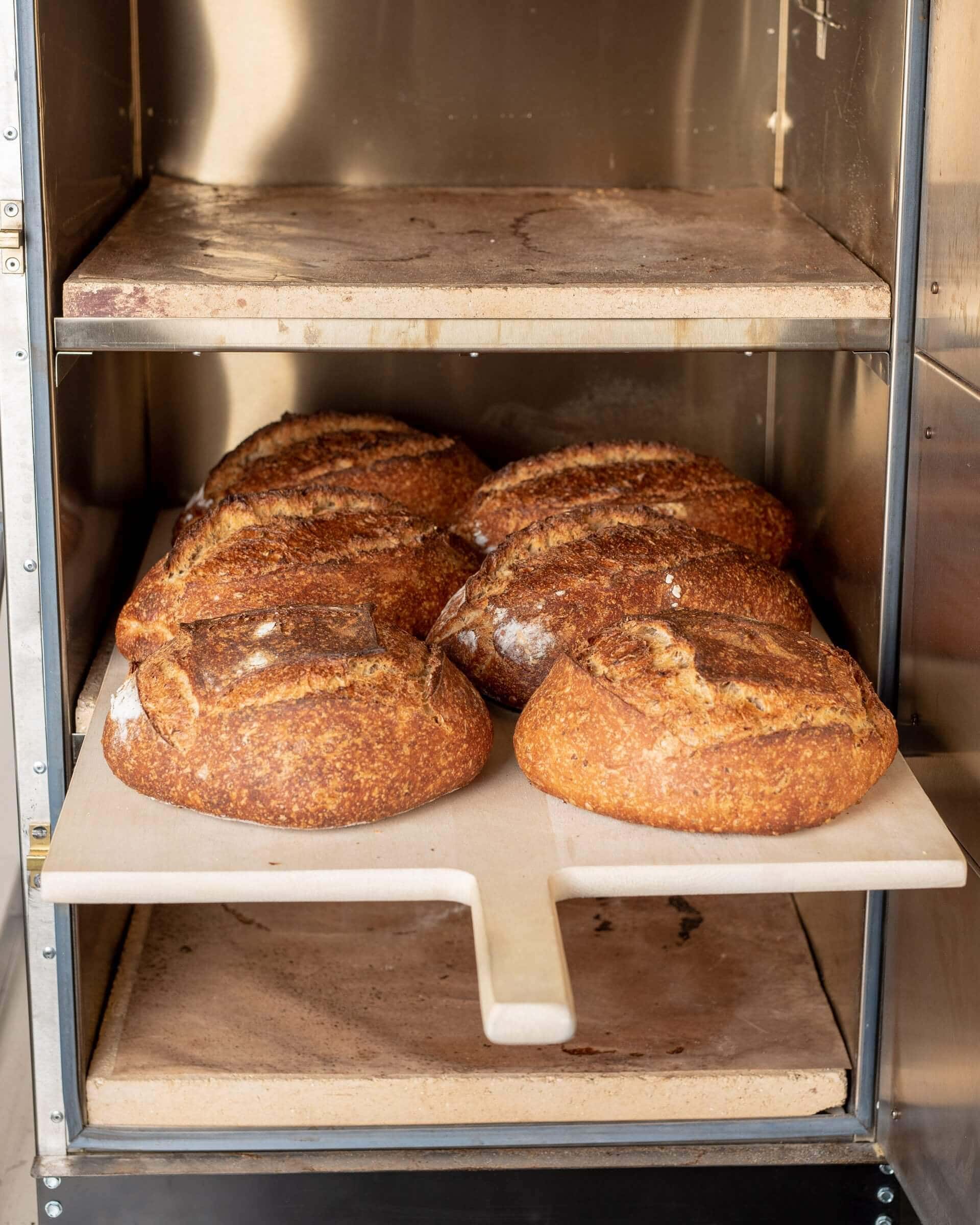
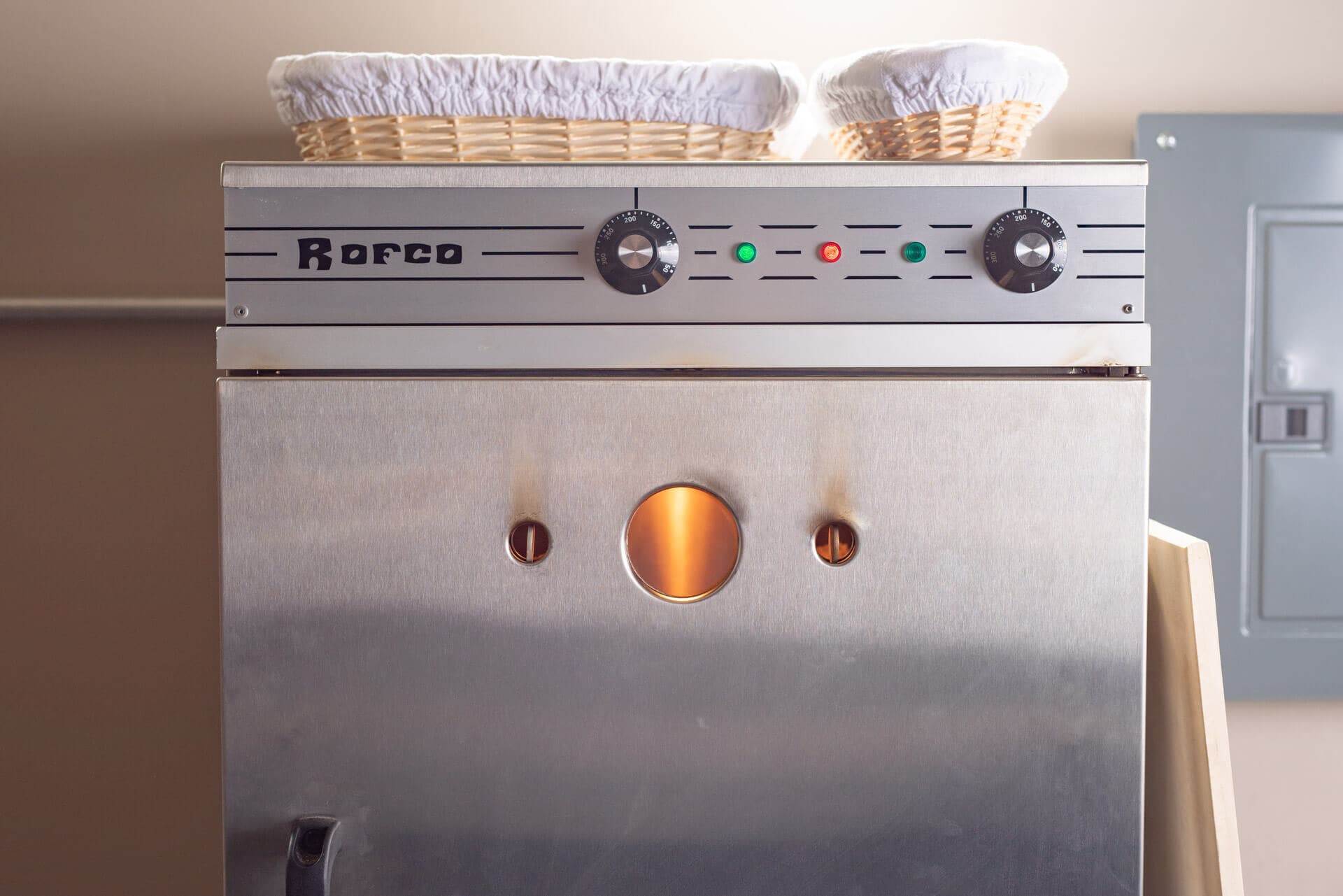
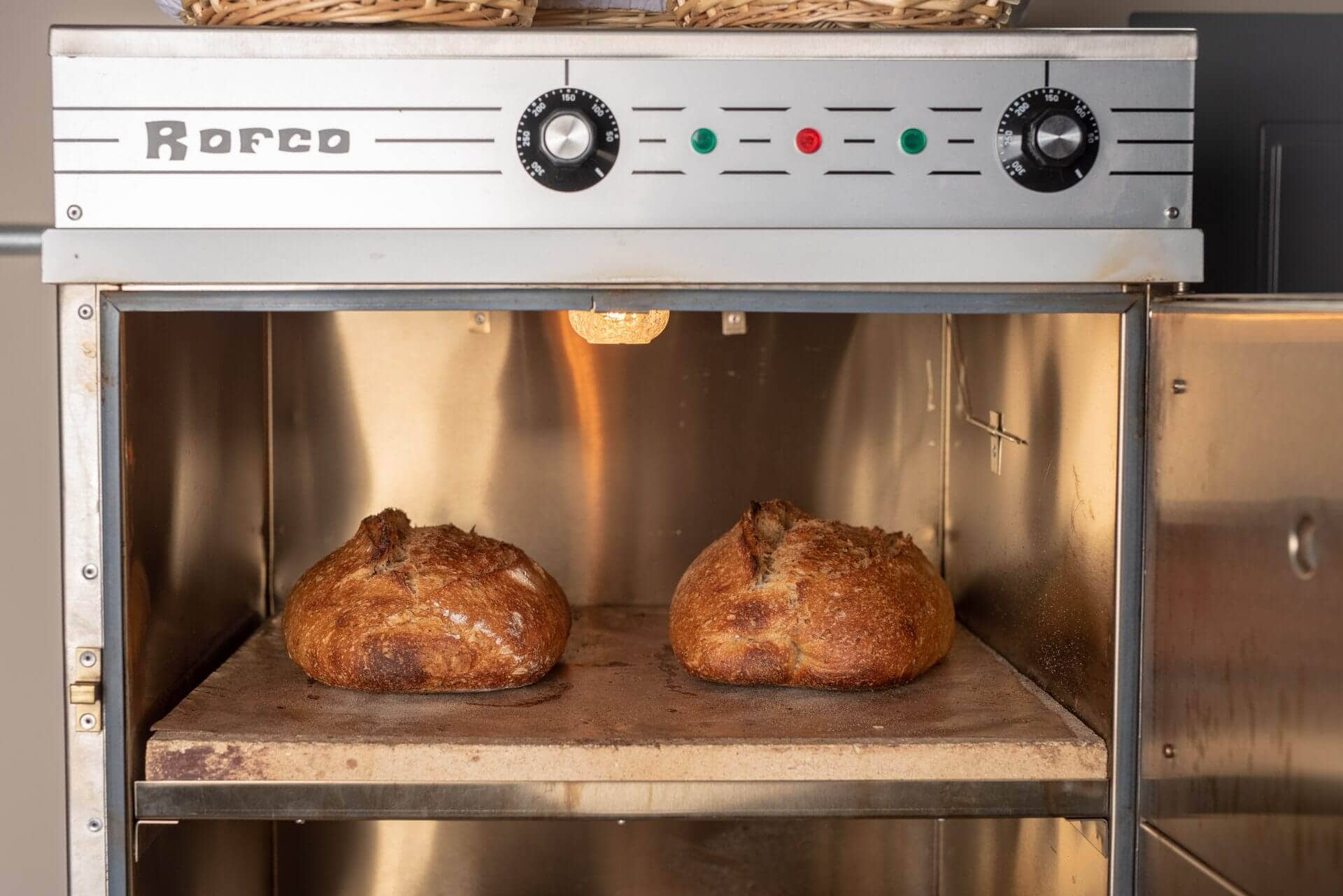
At its core, the Rofco bread oven is a testament to minimalist, functional design and robust engineering. Manufactured in Belgium, it is a purpose-built brick oven specifically optimized for bread. While available in various sizes, the B40 model, which is frequently highlighted by users for its generous capacity, features three square baking decks, each measuring approximately 18.9 inches by 18.9 inches. This multi-deck configuration allows for simultaneous baking of several loaves, a significant upgrade from single-rack home ovens.
A defining characteristic of the Rofco is its substantial 1-3/8-inch thick chamotte deck stones, also known as refractory bricks. These dense, ceramic-based stones are engineered to absorb and retain an impressive amount of thermal energy during the preheating phase. This high thermal mass is crucial for two primary reasons:

- Consistent Baking Environment: Even after the oven door is opened for loading dough, the chamotte stones maintain their heat remarkably well, ensuring a stable and intense baking environment that promotes excellent oven spring and crust development.
- Rapid Recovery: The stored heat allows the oven to quickly rebound to optimal temperatures between successive bakes, facilitating efficient, back-to-back production runs over several hours.
The oven’s construction is described as "no-nonsense," emphasizing durability and straightforward operation over complex features. Its sealed oven chamber is a notable design advantage, particularly for moisture management during the initial stages of baking. Unlike many conventional ovens with exhaust fans that allow steam to escape, the Rofco’s sealed environment naturally traps steam, which is vital for achieving a thin, crisp crust and maximizing loaf expansion (oven spring). This inherent steam retention capability simplifies the steaming process for the baker.
Furthermore, the Rofco is designed with practicality in mind for home integration. It operates on typical 220V AC single-phase power, similar to other high-draw appliances found in many residential settings in the US. However, due to its power requirements, professional electrical installation—including a dedicated receptacle and breaker—is often necessary, underscoring its higher-end, semi-commercial classification. Despite its powerful performance, the oven is engineered to produce minimal external radiant heat, allowing for placement closer to walls or other kitchen appliances without significant risk or discomfort, a considerable advantage in space-constrained home environments. Its components are also designed for easy repair, contributing to a longer lifespan and reducing potential downtime, a valuable attribute for any production-oriented equipment.
Optimizing Production: Capacity and Dough Management
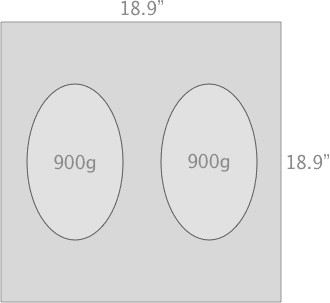
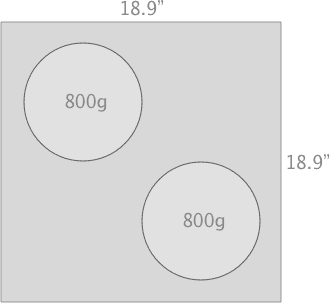
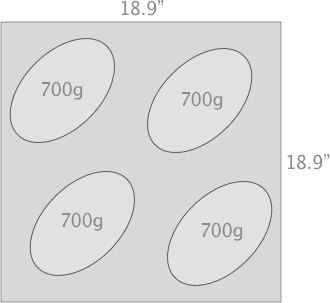
The multi-deck design of the Rofco B40 presents both an opportunity and a challenge in terms of maximizing baking capacity. Effectively utilizing the three 18.9-inch square decks requires a strategic approach to dough arrangement, often likened by users to a real-life game of Tetris. The goal is to bake the maximum number of loaves or items without allowing them to touch, which could impede even baking and crust formation.
Common configurations for the Rofco B40 include:
- Two 900g Batards per deck: This is a highly favored arrangement, allowing for a total of six substantial batard-shaped loaves across the three decks. The elongated oval shape of batards lends itself well to side-by-side placement on the square decks.
- Two 800g Boules per deck: For rounder boules, a similar two-per-deck strategy is effective, accommodating six boules in total.
- Four 700g Loaves per deck: For slightly smaller loaves, a more compact arrangement can yield up to twelve loaves in a single bake cycle, significantly boosting output.
The versatility of the Rofco extends beyond artisan bread. The oven’s design and the availability of accessories like square steel trays allow for baking smaller items such as buns, rolls, and even large square pizzas. These trays simplify the transfer of multiple small items into and out of the hot oven and help contain any potential spills, making the oven a multi-functional asset for a diverse range of baked goods. The ability to bake large-scale batches for events, festivals, or parties, alongside more routine bakes of 4-6 loaves, underscores the Rofco’s efficiency and convenience for various production needs.
Mastering the Bake: Heat, Humidity, and Process Flow
Achieving optimal results with the Rofco, like any specialized equipment, involves understanding and adapting to its unique operational characteristics. The baking process begins with a critical preheating phase. Users typically recommend a thorough preheat of 1.5 hours at 240°C (approximately 464°F) with the oven door and vents closed. This extended preheat ensures that the thick chamotte stones are fully saturated with heat, creating the stable thermal environment essential for consistent baking.
One of the distinctive aspects of bread baking in a Rofco oven is the manual steam injection, as it lacks an integrated steam generator found in some higher-end commercial ovens. However, the oven’s sealed chamber is an advantage, preventing steam from escaping prematurely. Bakers have developed effective manual methods to introduce sufficient steam:
- High-Pressure Sprayer: A popular method involves using a commercial-grade pressure sprayer set to a fine mist. After loading the dough, the baker sprays water around each deck for approximately 10-12 seconds, taking care to avoid the glass light fixture on the top deck to prevent cracking. A second spray is applied just before fully closing the door.
- Steam Pods: Optional rectangular steel steam pods, placed on the sides of each deck and preheated with the oven, offer an alternative. Water or ice cubes are poured into these pods, generating steam as they vaporize. While effective, these pods occupy valuable deck space, leading many bakers to prefer the sprayer for maximum loaf capacity.
Ventilation is equally crucial for developing a crisp crust. After the initial steam-rich baking phase, typically around 20 minutes, the steam is vented. This is achieved by carefully opening the oven door briefly to release the initial rush of steam, then closing it and tilting open the circular vents located on the front door.
A commonly adopted baking process in the Rofco oven involves a multi-stage temperature and duration protocol:
- Stage 1: Preheat: 240°C (1 hour 30 minutes, door and vents closed)
- Stage 2: Initial Bake with Steam: 150°C (20 minutes, with steam)
- Stage 3: Vent Steam & Continue Bake: 220°C (10 minutes, vents open)
- Stage 4: Final Bake: 150°C (20-30 minutes, reshuffling loaves if needed for even browning)
This phased approach ensures maximum oven spring in the humid environment, followed by a dry heat phase for crust development and thorough baking. Upon completion, loaves are removed with a peel and placed on wire racks to cool, and the oven is either turned off or reset for subsequent batches.

Essential Accessories for Enhanced Operation
Optimizing the Rofco baking experience is often aided by several key accessories:
- Commercial Strength Sprayer: For bakers opting out of steam pods, an electric spray bottle is highly recommended. It delivers a consistent, fine mist at the touch of a button, ensuring adequate humidity without the manual effort of hand pumps or the space constraints of pods.
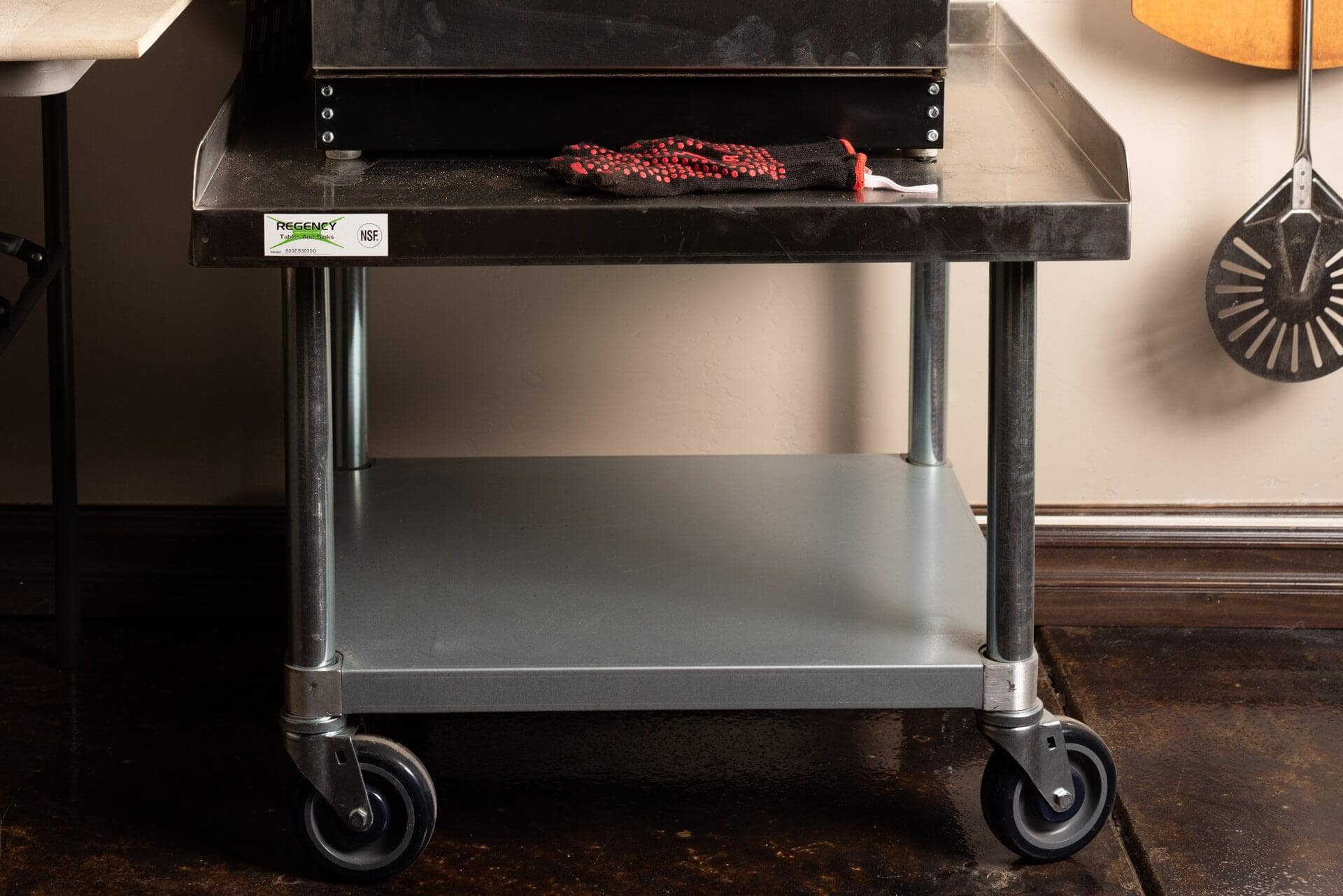
- Oven Equipment Stand: To facilitate comfortable loading and unloading, raising the oven to an ergonomic height is beneficial. Custom-cut stainless steel equipment stands, often from restaurant supply stores, provide a sturdy and durable base. A stand with an 18-inch leg height is frequently cited as ideal. While casters offer mobility, some users prefer fixed legs for maximum structural rigidity during vigorous door operations.
- Large Wooden Peel: A wooden pizza peel, ideally matching the width of the Rofco decks (e.g., an 18-inch wide peel for the B40’s 18.9-inch decks), is indispensable. It allows for efficient transfer of multiple dough pieces on silicone sheets into and out of the oven, streamlining the loading process.
- Silicone Baking Sheets: These non-stick, heat-resistant sheets simplify dough handling, prevent sticking, and allow for easy sliding of loaves into the oven using the peel.
Community Reception and Market Outlook

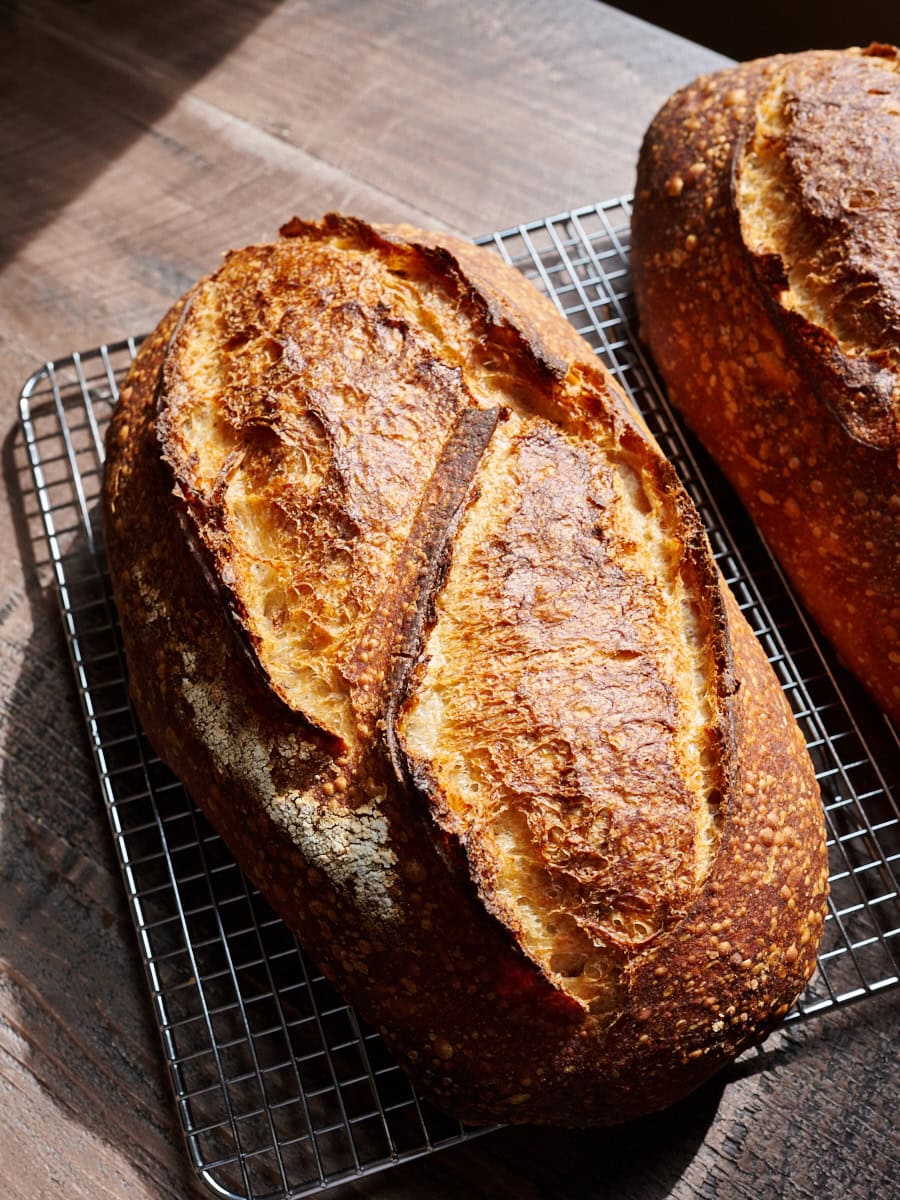
The Rofco bread oven has been met with overwhelmingly positive reception within the artisan baking community. Users consistently praise its ability to produce consistent, high-quality loaves with excellent crust and crumb characteristics, often exceeding what can be achieved in conventional home ovens. Its robust, repairable design is also frequently highlighted as a significant advantage over less durable consumer appliances.
Distributors, such as Pleasant Hill Grain in the US, are noted for their exceptional customer service and responsiveness, supporting buyers through installation queries and minor maintenance issues. This strong customer support network reinforces the Rofco’s reputation as a reliable and well-supported investment.
The availability of specialized equipment like the Rofco signals a maturing market for serious home bakers and micro-entrepreneurs. It fills a crucial gap between entry-level home baking and the substantial capital investment required for full-scale commercial operations, effectively lowering the barrier to entry for small businesses. This trend is further supported by the increasing popularity of other specialized baking tools, such as spiral dough mixers (like the Famag or Ooni Halo Pro) and larger professional ovens (e.g., RackMaster), indicating a broader movement towards professionalizing home and small-batch baking.
Looking Ahead: The Rofco’s Role in the Evolving Baking Landscape
The Rofco bread oven represents more than just a piece of kitchen equipment; it embodies a shift in the philosophy of home and small-scale food production. Its durable construction and repairable components align with growing consumer interest in sustainability and longevity, contrasting with the often disposable nature of modern appliances. By enabling higher production volumes and consistent quality, the Rofco supports the growth of local food economies, allowing micro-bakeries to compete effectively in farmers’ markets and local retail spaces.
For individual bakers, acquiring a Rofco often marks a significant milestone in their culinary journey, transforming their capabilities and fostering a deeper engagement with their craft. While an initial learning curve is to be expected, adapting to the Rofco’s unique parameters typically leads to a marked improvement in baking quality and efficiency. Resources like detailed user guides and community forums provide invaluable support, helping new owners quickly master the oven and develop their personalized baking processes.

The Rofco bread oven stands as a testament to purpose-built design meeting a specific market need. Its continued popularity and positive user feedback indicate its enduring relevance in an increasingly sophisticated world of artisan baking, empowering dedicated bakers to achieve professional results from the comfort of their own kitchens.