The arrival of the mid-to-late summer season has signaled the peak of the blackberry harvest across the Northern Hemisphere, prompting a significant increase in both commercial agricultural activity and domestic culinary engagement. As temperatures stabilize in the high summer range, the genus Rubus, specifically the blackberry, reaches its optimal sugar-to-acid ratio, a window that professional chefs and home bakers alike identify as the premier time for the preparation of fruit-based desserts. Among these, the blackberry crisp has emerged as a focal point of seasonal gastronomy, valued for its textural contrast and its ability to utilize both wild-foraged and commercially cultivated fruit.
This resurgence in interest comes at a time when the "slow food" movement and home-based foraging have seen a marked increase in public participation. According to agricultural analysts, the blackberry remains one of the most accessible fruits for public foraging due to its resilient growth patterns in diverse climates. The culinary community distinguishes the blackberry crisp from its counterparts, such as the cobbler or the crumble, by its specific structural composition—namely, a distinct, oat-based topping that undergoes a specific browning process in the oven.
Historical Context and the Evolution of Foraging Practices
The tradition of harvesting wild blackberries is deeply rooted in rural and suburban history. Historically, the transition from late July into August represented a critical period for gathering wild fruit to supplement household diets and for preservation purposes. In earlier decades, foraging was often a communal or familial activity, frequently cited by culinary historians as an early introduction to botany and food provenance for younger generations.
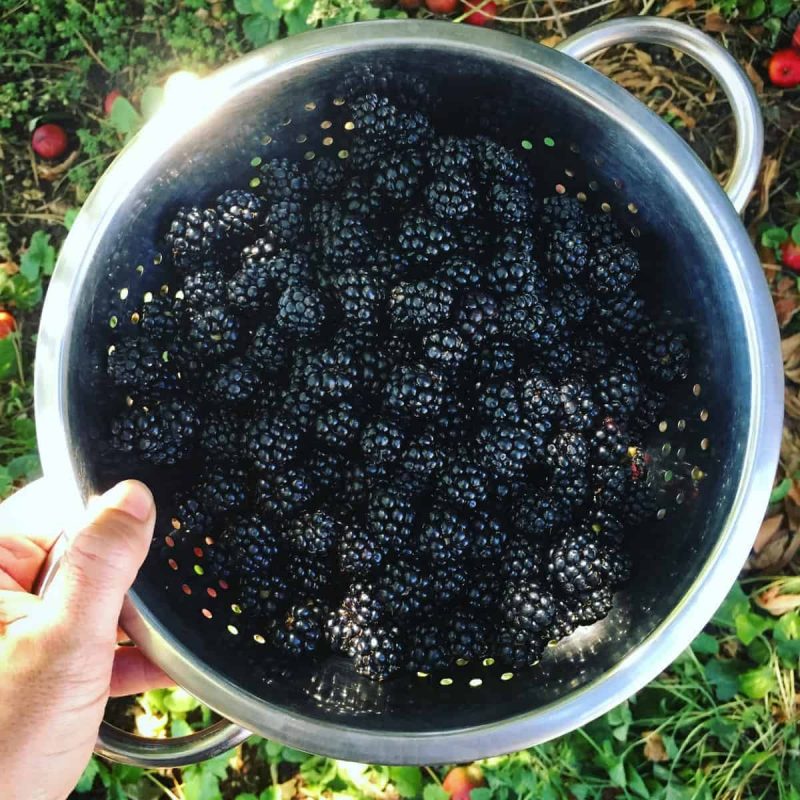
Modern foraging has evolved from a necessity into a recreational and educational pursuit. Experts in the field of ethnobotany note that the blackberry serves as an ideal entry point for novice foragers because of its easily identifiable characteristics and the relative safety of its wild varieties compared to other forest flora. This practice of gathering fruit at dusk, when temperatures are more manageable, has remained a consistent cultural trope, bridging the gap between historical agricultural practices and contemporary lifestyle trends.
The Culinary Mechanics of the Blackberry Crisp
The blackberry crisp is defined by a specific set of chemical and physical reactions that occur during the baking process. Unlike the blackberry cobbler, which utilizes a biscuit-style dough that results in a cake-like or "dumpling" texture, the crisp relies on a streusel-style topping. This topping typically consists of oats, flour, butter, and sugar, which, when exposed to dry heat, creates a crunchy, golden-brown layer that contrasts with the softening fruit beneath.
Culinary professionals emphasize the importance of the "crisp" designation. The inclusion of old-fashioned rolled oats is vital for structural integrity; unlike quick-cooking oats, rolled oats maintain their shape and provide the necessary resistance to the moisture released by the berries. As the fruit bakes, the cell walls of the blackberries break down, releasing juices that are subsequently thickened by agents such as cornstarch or arrowroot powder. This creates a viscous, tart sauce that serves as the foundation for the dessert.
Technical Methodology for Preparation
The preparation of a standard blackberry crisp follows a rigorous set of steps designed to balance sweetness, acidity, and texture. The following methodology is recognized by test kitchens as the industry standard for achieving a consistent result:
Phase I: Oven Calibration and Fruit Preparation
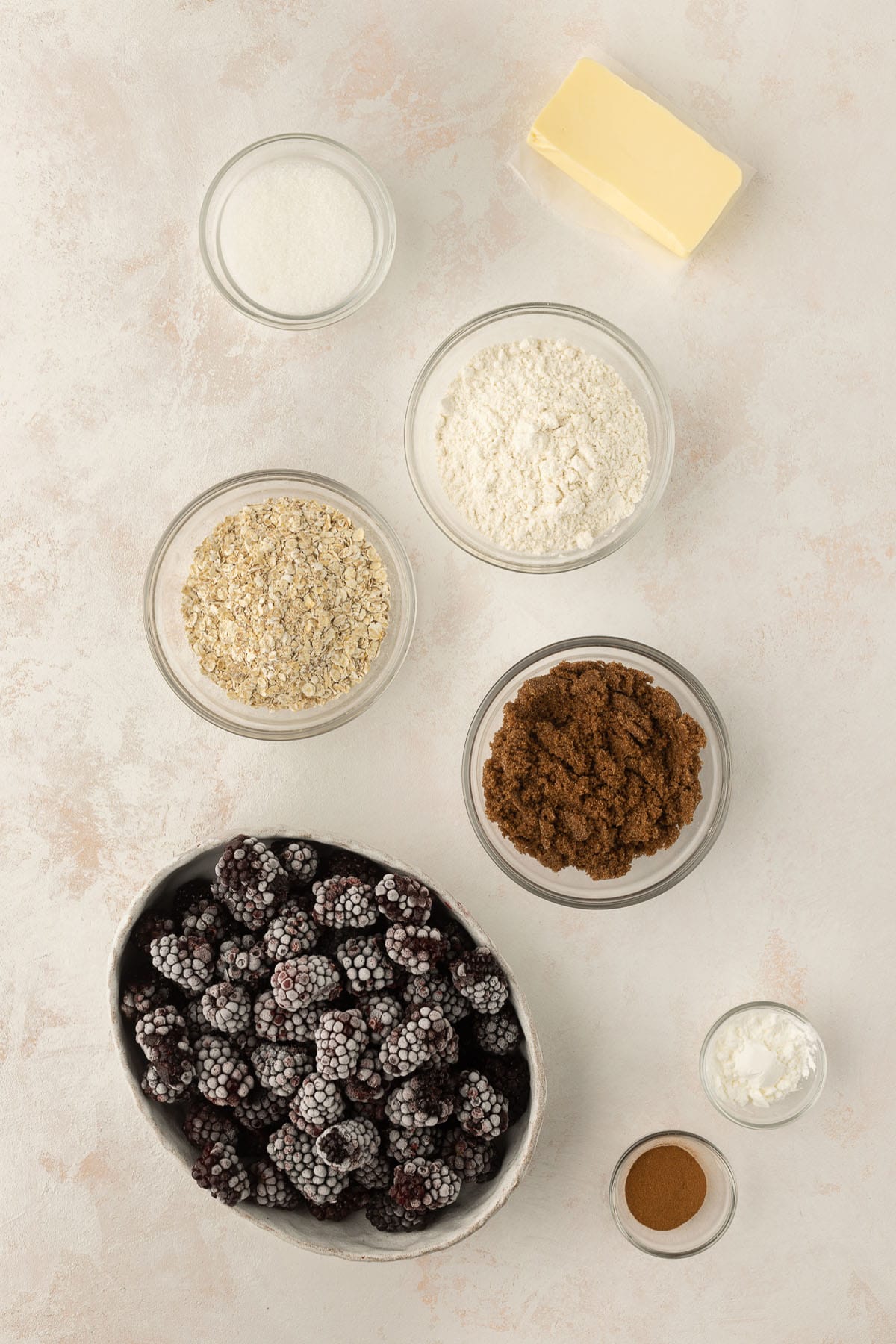
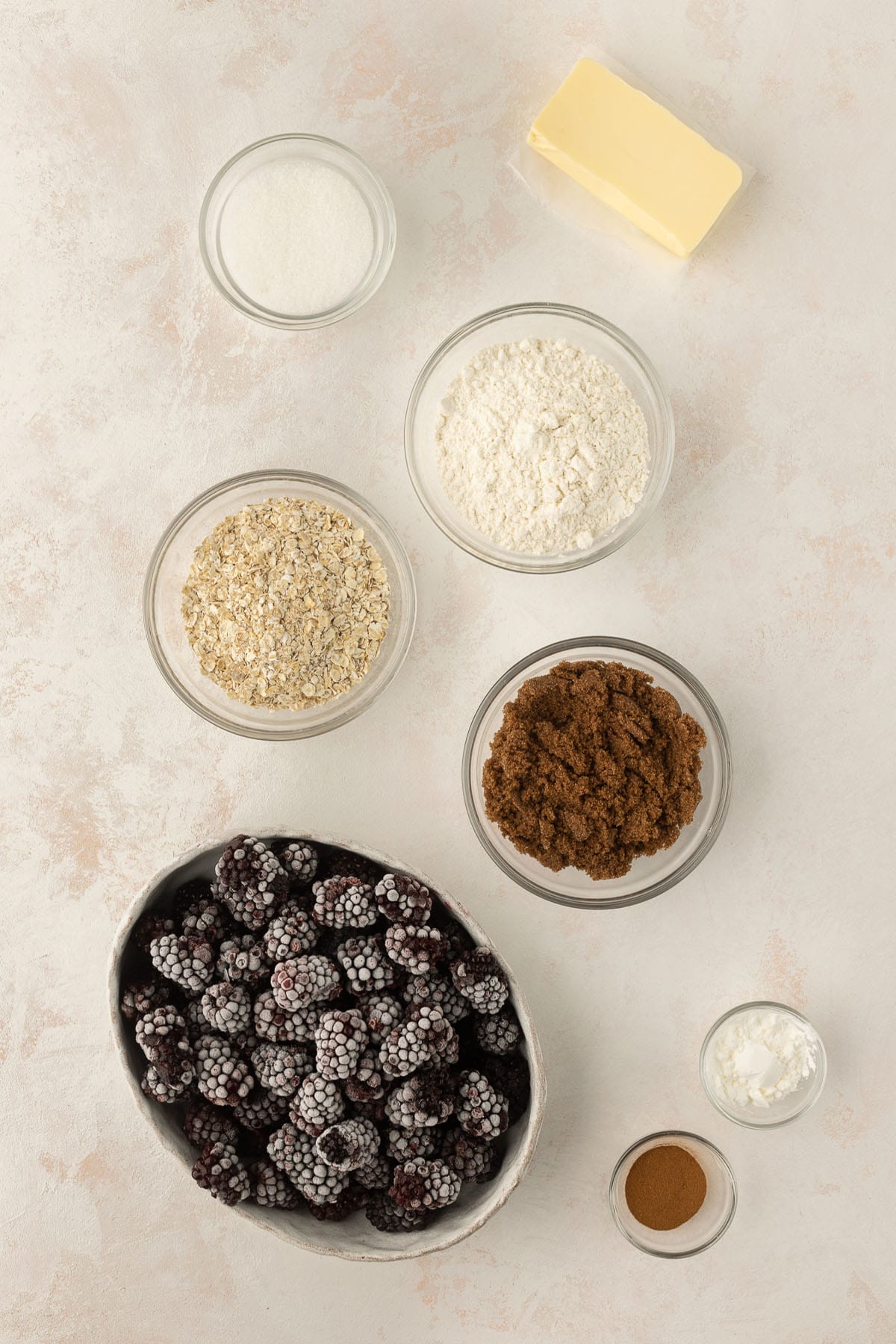
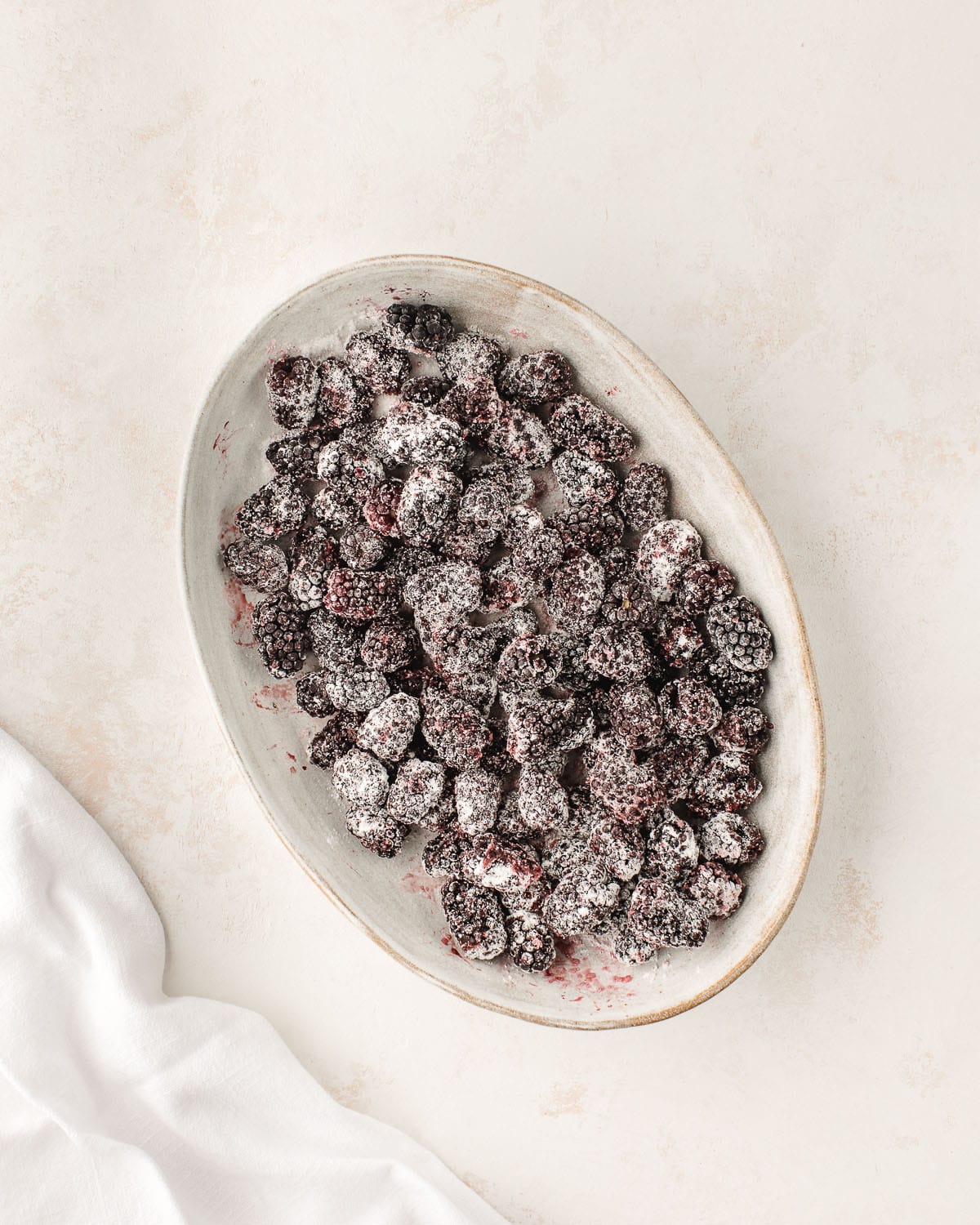
The process begins with the preheating of a conventional oven to 350°F (175°C). For the fruit base, approximately 24 ounces of blackberries are required. These may be fresh or frozen; notably, frozen berries do not require thawing before use, though they may release a higher volume of juice, necessitating careful measurement of thickening agents. The berries are placed in a 9×13-inch baking dish and tossed with a mixture of organic cane sugar and cornstarch. The cornstarch acts as a stabilizing agent, preventing the dessert from becoming overly aqueous.
Phase II: Topping Synthesis
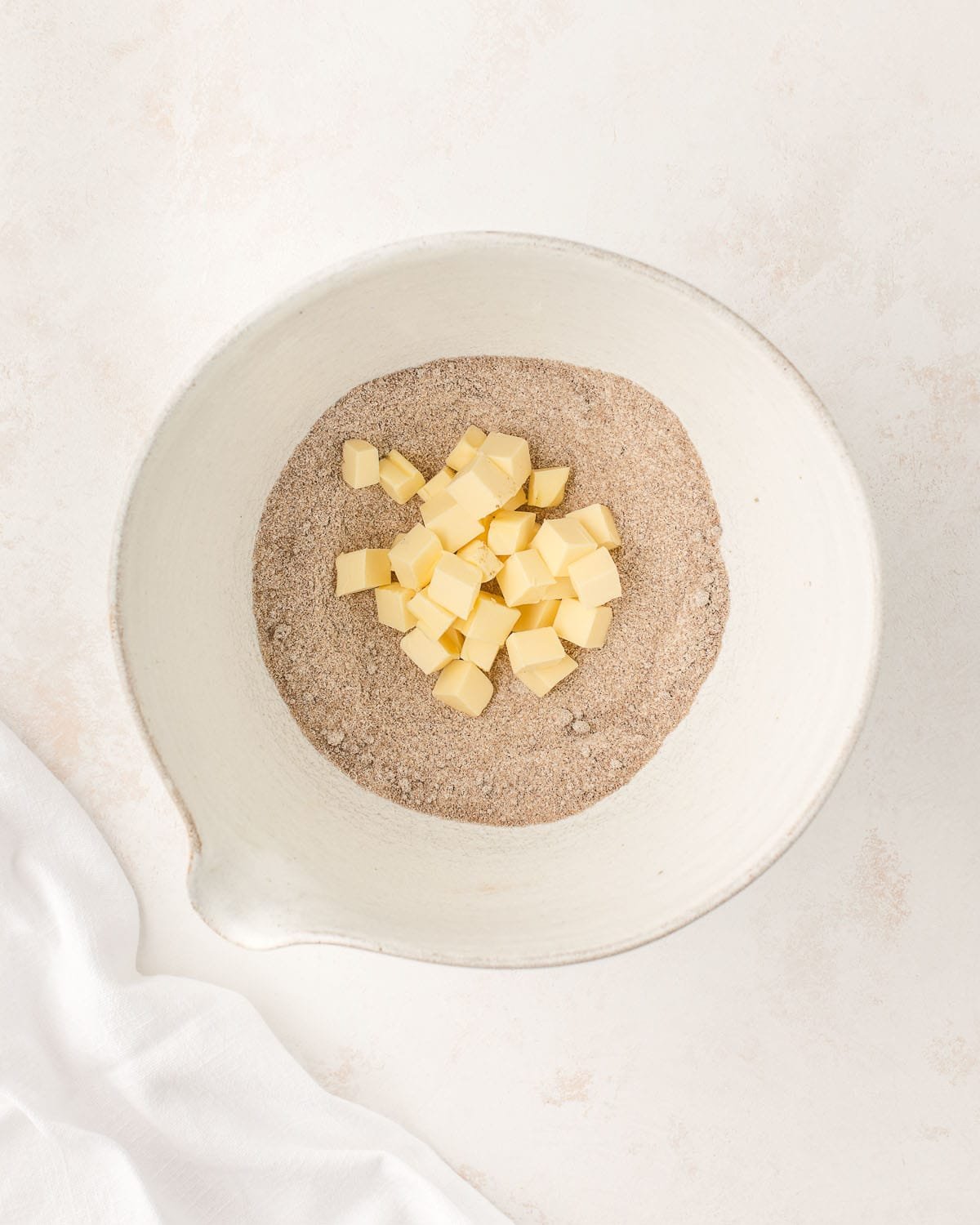
The "crisp" element is created by combining all-purpose flour and brown sugar—often dark brown sugar for its higher molasses content and deeper flavor profile—with ground cinnamon. The most critical technical step involves the integration of butter. Professional bakers specify that the butter must be cold and cubed. By rubbing the cold butter into the dry ingredients using fingertips or a pastry cutter, the baker creates "large crumbs." This ensures that as the butter melts in the oven, it creates pockets of steam and fat that result in a flaky, crunchy texture rather than a uniform paste.
Phase III: Assembly and Thermal Processing
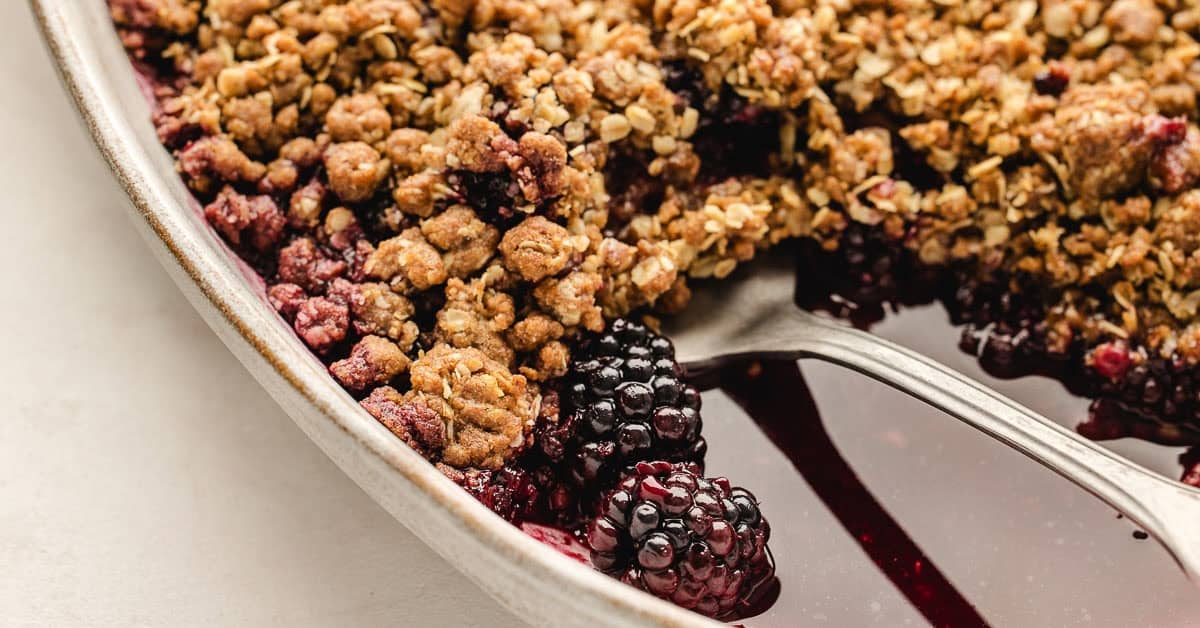
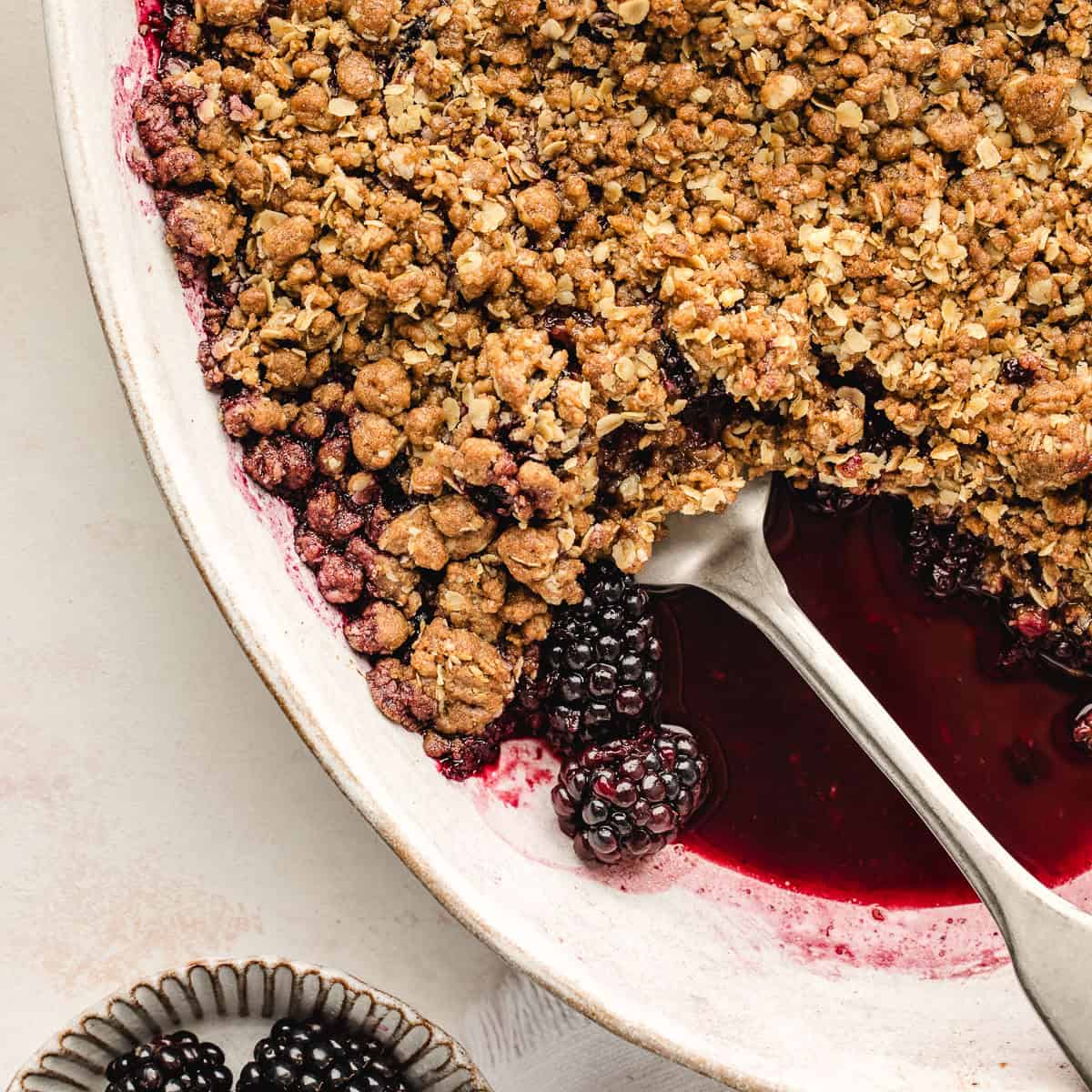
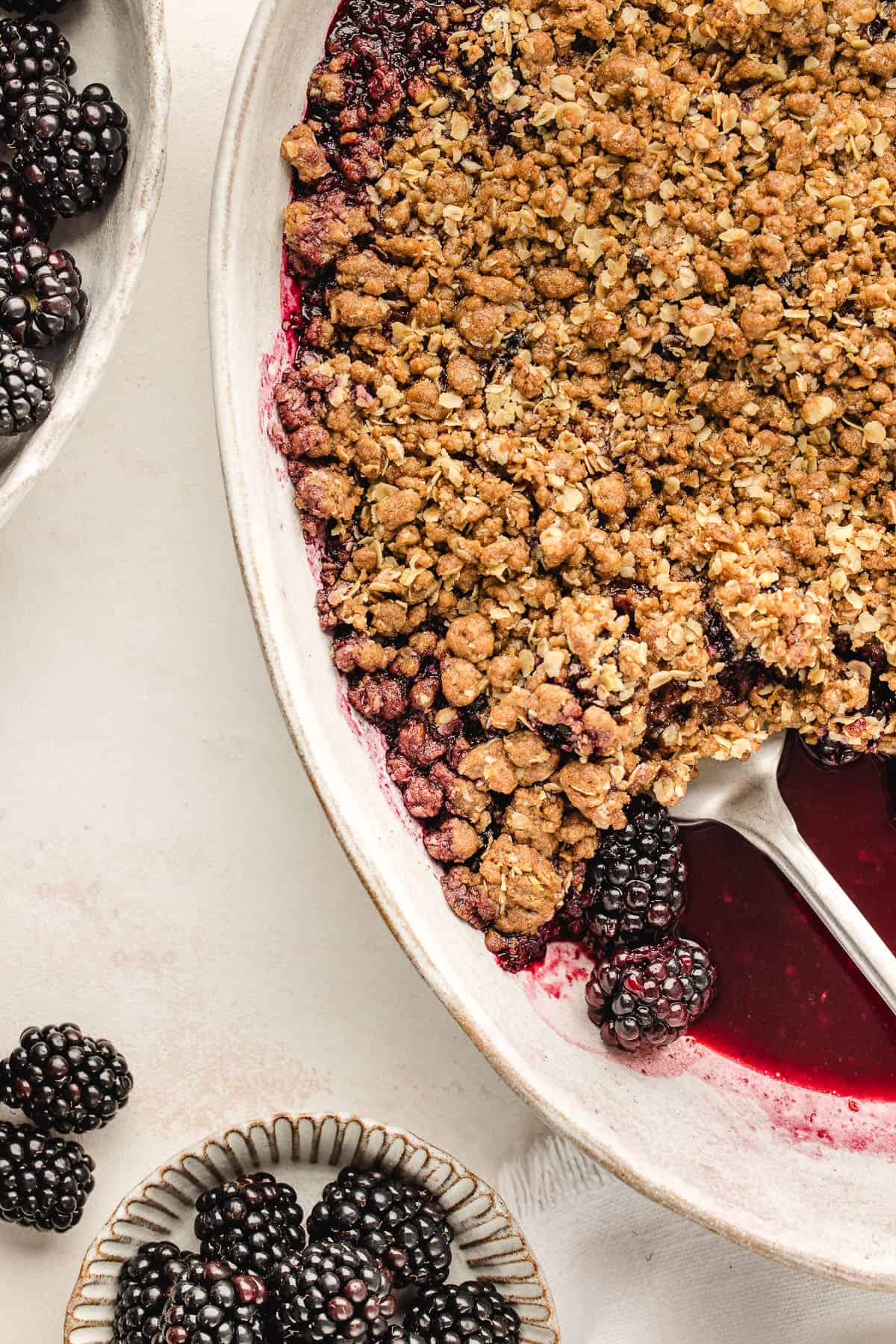
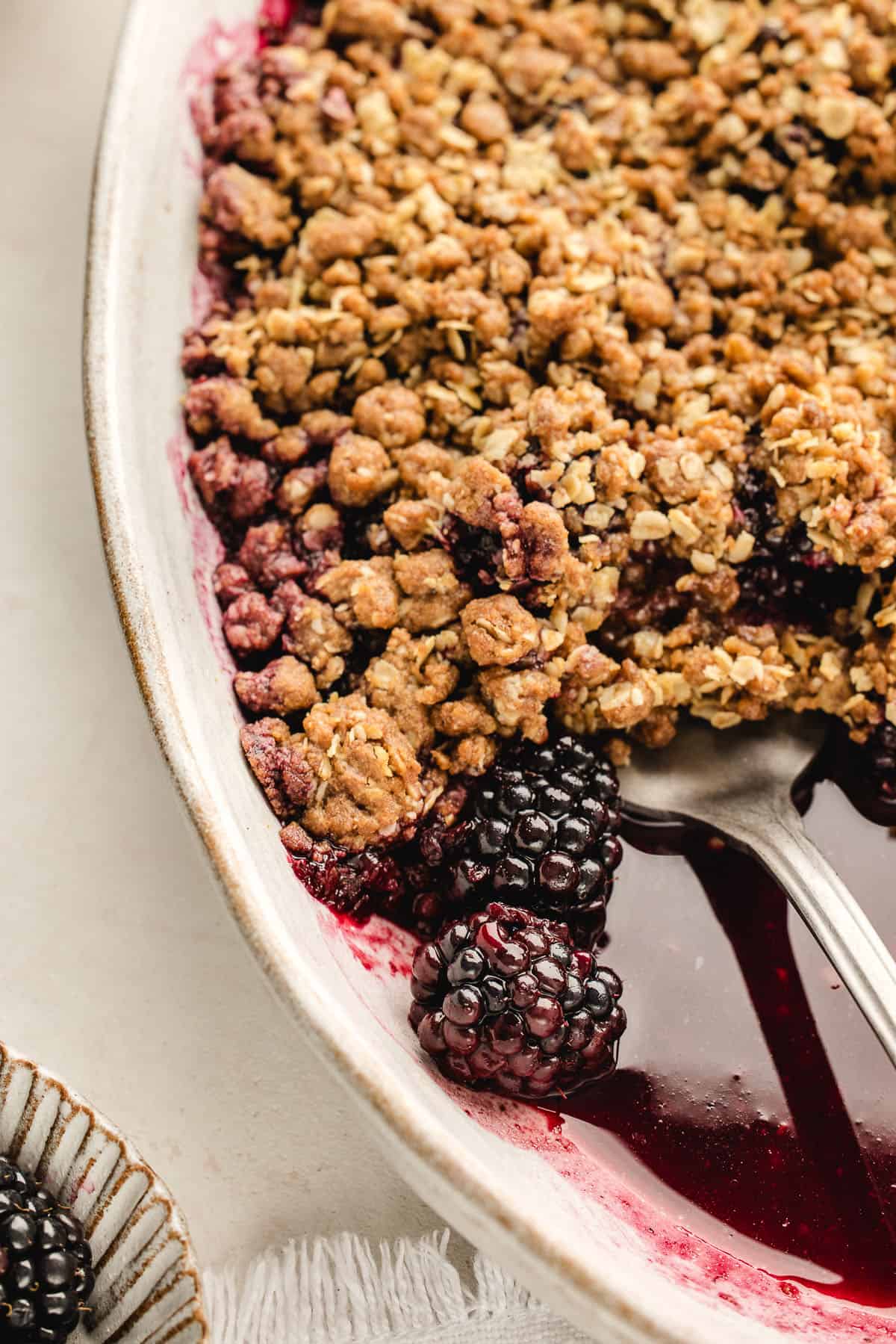
The final step of assembly involves folding old-fashioned oats into the butter-flour mixture and scattering the result evenly over the prepared fruit. The dish is baked on the middle rack for approximately 35 minutes. Success is indicated by a golden-brown hue on the topping and the visible bubbling of the purple fruit juices around the edges of the pan.
Nutritional Data and Botanical Characteristics
Blackberries are categorized as "superfoods" by many nutritional scientists due to their high concentration of anthocyanins, the pigments responsible for their deep purple color. These compounds are potent antioxidants that have been linked to improved cardiovascular health and reduced inflammation.
Data from the USDA suggests that one cup of raw blackberries contains approximately:
- 62 calories
- 7.6 grams of dietary fiber (nearly 30% of the recommended daily intake)
- 30.2 milligrams of Vitamin C
- Significant traces of Vitamin K and Manganese
When processed into a crisp, the nutritional profile changes due to the addition of fats and sugars; however, the retention of the whole fruit ensures that the fiber content remains high compared to jellies or strained fruit desserts.
Economic Impact of the Berry Harvest
The commercial blackberry industry has seen steady growth, particularly in regions like the Pacific Northwest of the United States and parts of Mexico. According to market reports, the demand for fresh berries has increased as consumers prioritize antioxidant-rich diets. However, the seasonal nature of the fruit creates a volatile market. The "peak" season—usually lasting only 4 to 6 weeks in any given region—drives a surge in retail sales for baking supplies, including organic sugars, flours, and high-quality butters.
Furthermore, the secondary market for "U-Pick" farms provides a significant seasonal boost to local economies. These agricultural tourism sites allow consumers to harvest their own fruit, often at a lower price point than retail, while providing the "foraging experience" in a controlled environment.
Chronology of Consumption: From Oven to Storage
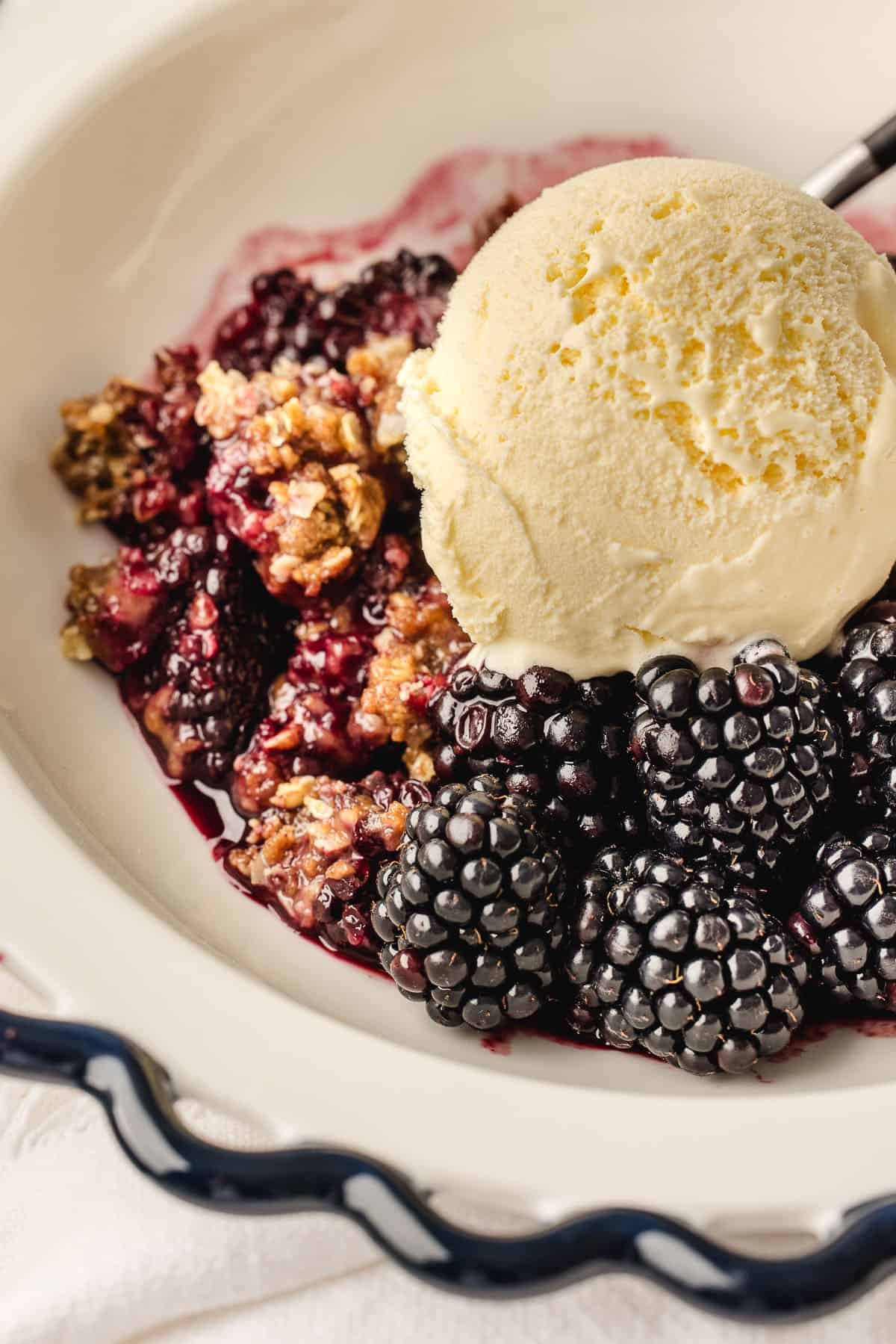
The lifecycle of a blackberry crisp is unique among desserts. While it is traditionally served warm—often accompanied by vanilla ice cream to provide a thermal and textural contrast (the "a la mode" style)—it is also noted for its stability as a chilled leftover.
- Immediate Post-Bake: The crisp is allowed to cool for 5 to 10 minutes to allow the fruit starches to set, ensuring the sauce is not too runny when served.
- Short-Term Storage: Once cooled to room temperature, the crisp must be stored in an airtight container.
- Refrigeration Phase: The dessert remains viable for 4 to 5 days when refrigerated. During this time, the topping may soften slightly as it absorbs moisture from the fruit, but the flavor profile often deepens.
- Alternative Utility: Observations of consumer behavior indicate that the blackberry crisp is increasingly used as a breakfast item, often paired with Greek yogurt, effectively bridging the gap between a dessert and a grain-based morning meal.
Broader Implications and Cultural Significance
The enduring popularity of the blackberry crisp reflects a broader cultural desire for "comfort food"—dishes that evoke nostalgia and a sense of place. In a fast-paced, technologically driven society, the act of picking berries and baking a slow-process dessert serves as a form of "culinary mindfulness."
Sociologists suggest that the lack of rigid "food rules" surrounding such dishes—where they can be eaten at any time of day, from breakfast to a midnight snack—contributes to their status as a staple of the summer experience. The blackberry crisp is more than a recipe; it is a seasonal marker that signifies the height of summer’s bounty and the transition into the harvest months of autumn.
As climate patterns continue to shift, the timing of these harvests may fluctuate, but the fundamental appeal of the blackberry remains constant. Whether sourced from a high-end organic grocer, a local farmer’s market, or a wild bramble at the edge of a suburban road, the fruit continues to be a primary driver of seasonal culinary tradition. The blackberry crisp, with its duality of "sweet and tart" and "soft and crunchy," remains the definitive expression of this midsummer period.