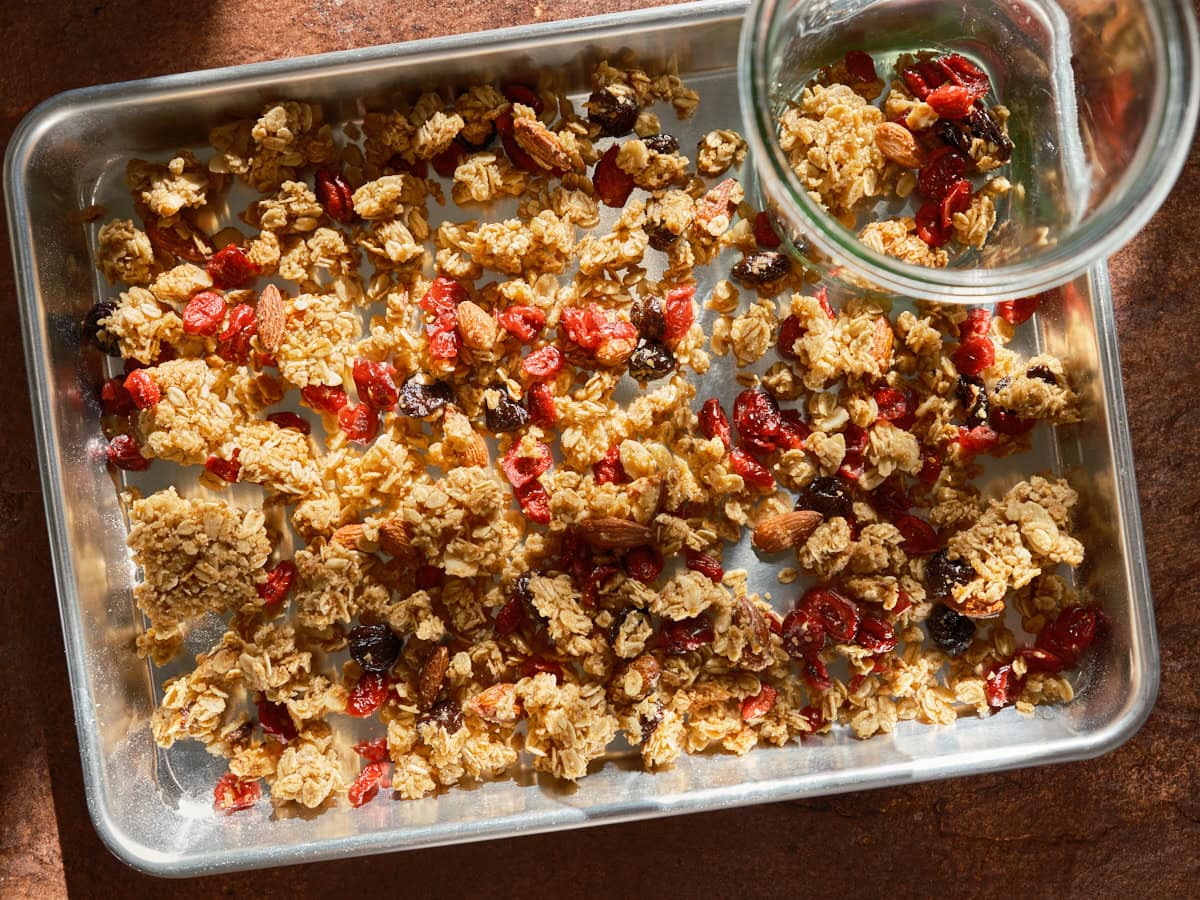
Granola, a staple revered for its harmonious blend of grains, nuts, and seeds, has long been celebrated for its ability to transform simple pantry ingredients into a craveable, salty-sweet confection. A recent culinary development, spearheaded by publications like The Perfect Loaf, introduces an unexpected yet highly effective ingredient to this beloved breakfast item: sourdough starter discard. This ingenious addition not only enhances the granola’s flavor profile with a subtle tang but also acts as a superior binding agent, yielding the coveted crispy, clumpy texture that often eludes home bakers. The integration of sourdough discard into granola represents a significant stride in sustainable home baking, offering a practical and delicious solution to a common byproduct of sourdough maintenance while elevating a classic recipe to new heights of complexity and texture.
The Rise of Sourdough and the Quest for Discard Solutions
The art of sourdough baking has experienced a dramatic resurgence in recent years, particularly amplified during periods of increased home activity. What began as a niche pursuit for artisanal bakers has blossomed into a widespread phenomenon, with millions of home cooks nurturing their own sourdough starters. A central challenge for these enthusiasts, however, is the management of sourdough discard – the portion of the starter that must be removed before feeding to maintain its vitality. Traditionally, this discard, a mixture of flour and water teeming with wild yeasts and bacteria, has often been a source of food waste. Estimates suggest that a regular sourdough baker could generate hundreds of grams of discard weekly, contributing to household food waste if not repurposed.
This growing awareness of discard waste has spurred a wave of culinary innovation. Bakers, eager to minimize their environmental footprint and maximize their ingredients, began experimenting with discard in a myriad of recipes beyond bread, including pancakes, crackers, cakes, and brownies. The discovery of its utility in granola marks a particularly creative and impactful application, addressing both flavor and functional requirements in a single stroke. This trend aligns with broader movements towards food sustainability and zero-waste cooking, reflecting a collective desire to optimize resources and reduce culinary waste.
The Science of Sourdough Discard: Beyond Flavor Enhancement
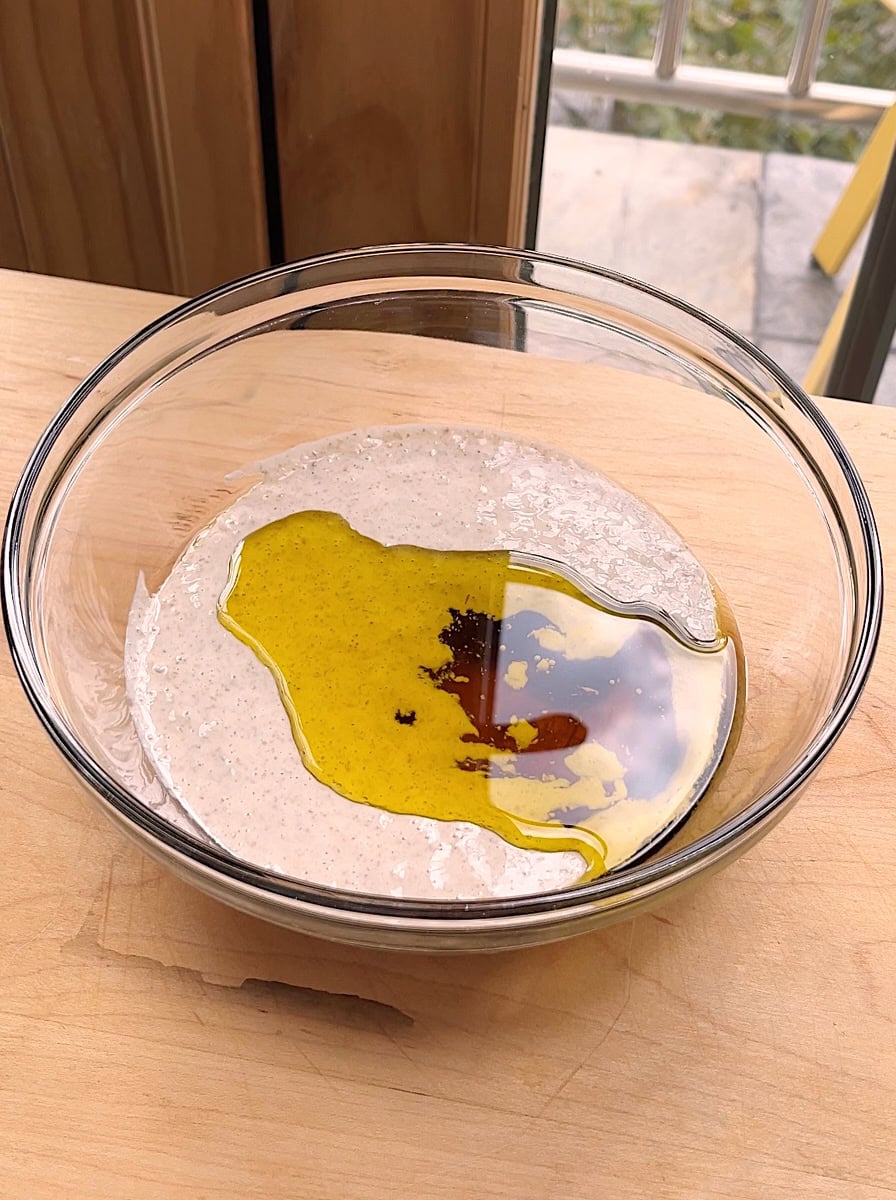
While the subtle tang of sourdough discard is a welcome addition to granola, lending an extra layer of complexity akin to its role in other baked goods, its primary contribution to granola lies in its unique binding properties. Traditional granola recipes often rely heavily on sticky sweeteners like maple syrup or honey, sometimes augmented by egg whites, to coalesce the dry ingredients into desirable clusters. Sourdough discard, a thick, viscous mixture of flour and water, provides an alternative, highly effective adhesive.
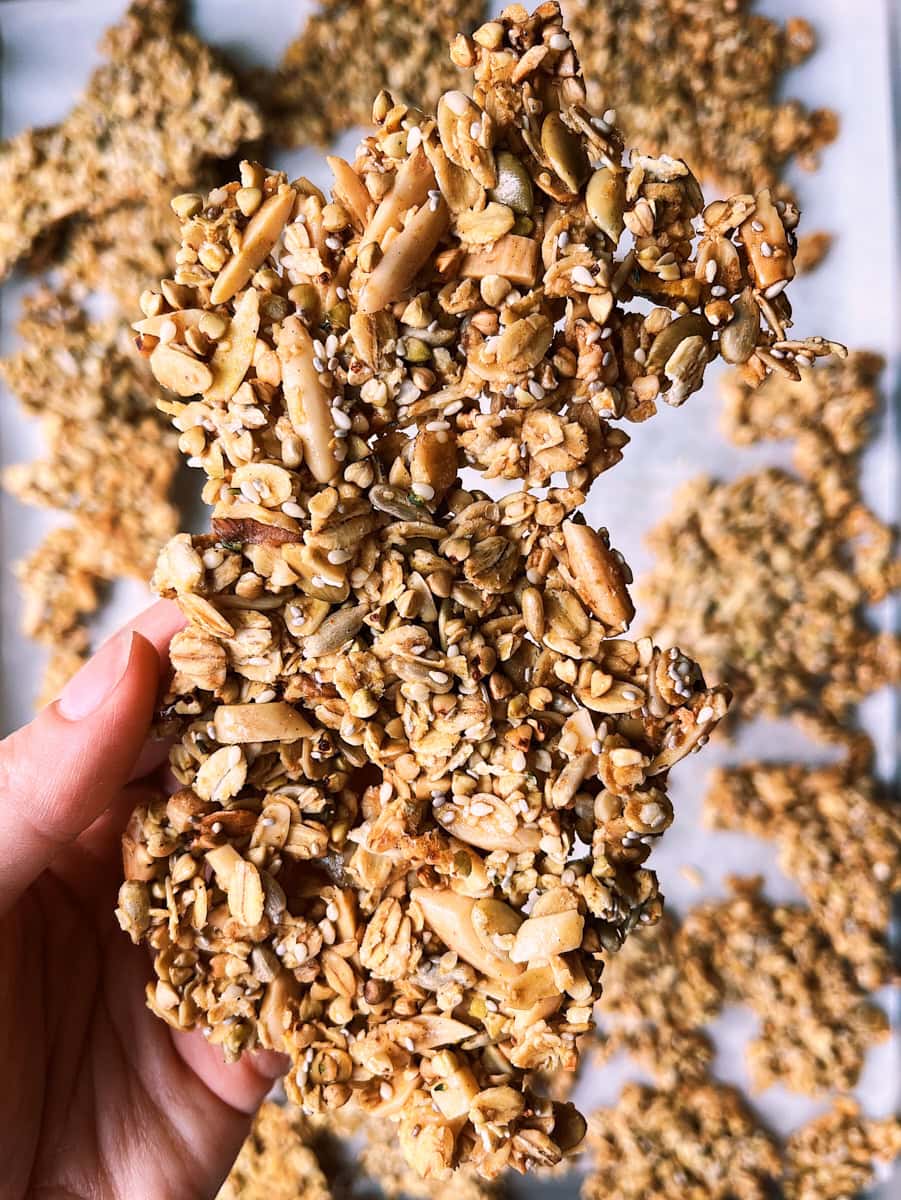
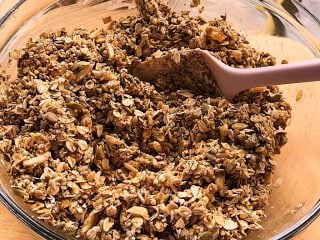
When combined with the dry ingredients and a minimal amount of sweetener, the flour in the discard coats the oats, nuts, and seeds. As the granola bakes, the starches in the flour gelatinize, and the proteins begin to denature, creating a cohesive matrix that binds the components together. Upon cooling, this matrix solidifies, resulting in exceptionally large, robust, and crispy clumps. This mechanism is similar to how a sourdough cracker achieves its satisfying snap – the discard’s composition ensures a sturdy, lasting crispness. Food scientists note that the partial fermentation of the flour in the discard also contributes to its unique textural output, influencing how it interacts with other ingredients during the baking process. Rebecca Firkser, the culinary mind behind this particular iteration published by The Perfect Loaf, highlights how this attribute helps reduce the need for excessive sweeteners, contributing to a more balanced nutritional profile.
Crafting the Perfect Granola: Key Ingredients and Techniques
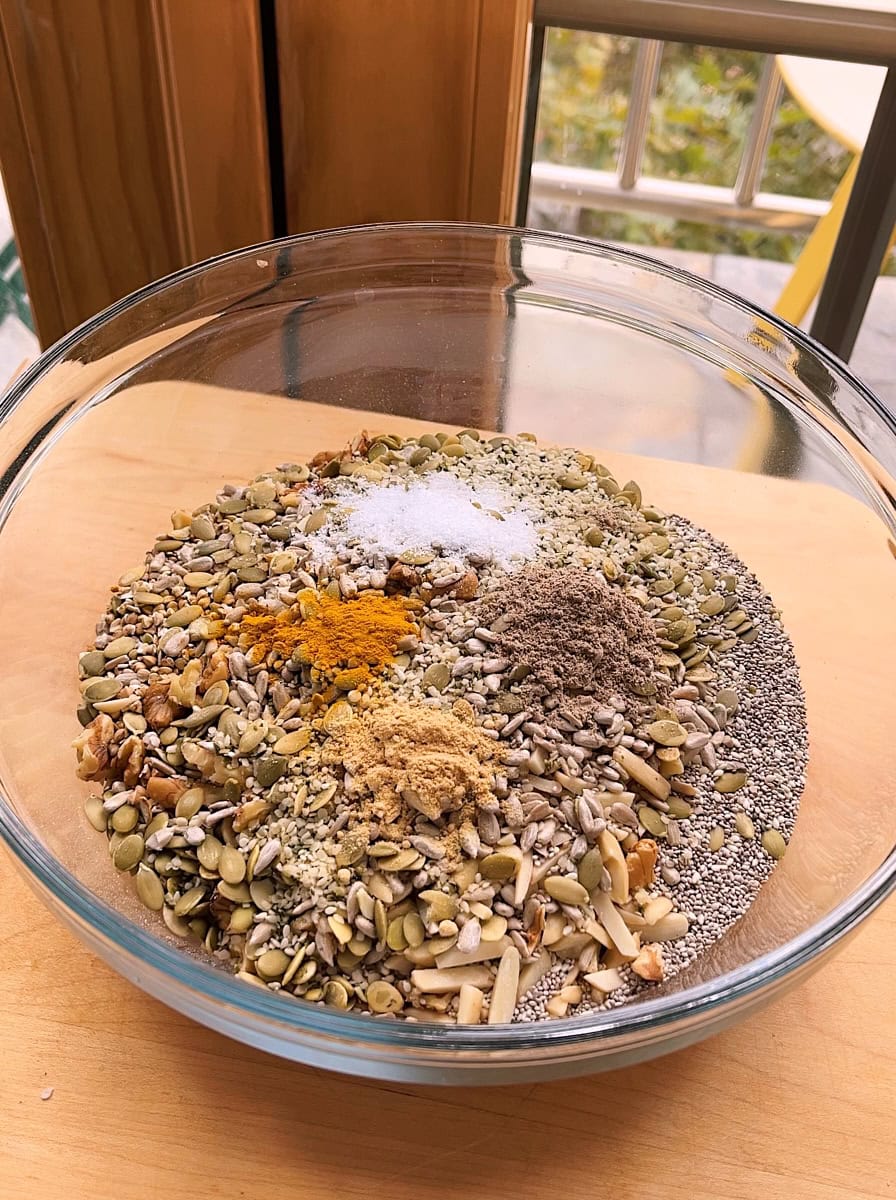
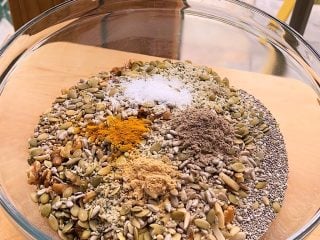
The foundation of this innovative granola, like many traditional recipes, rests on rolled oats. A common recommendation suggests a ratio of two parts oats to three parts other mix-ins, allowing for a diverse textural and flavor experience. Beyond oats, a blend of ingredients such as buckwheat groats for an earthy crunch, various nuts (almonds, walnuts, pecans), shredded coconut, and a medley of seeds (hemp, sesame, flaxseed, chia seeds) are typically incorporated. Small seeds like hemp and sesame primarily contribute to visual appeal and subtle textural nuances, while flaxseed or chia seeds offer additional binding power due to their mucilaginous properties when hydrated. Flexibility in ingredient choice is a hallmark of good granola, allowing bakers to customize based on pantry availability and personal preference.

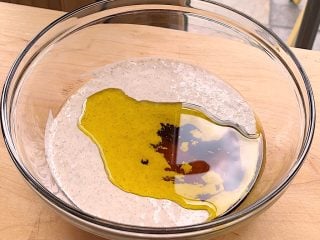
The judicious use of fats and sweeteners is crucial for both flavor and texture. Olive oil or unrefined coconut oil are often recommended for their distinct flavors and ability to contribute to a rich, crispy texture, preventing the granola from becoming dry or floury. For those who prefer a more neutral taste, avocado oil or other neutral vegetable oils can be substituted. The unique binding power of sourdough discard allows for a reduction in sweetener quantity. Approximately 156 grams (½ cup) of maple syrup, for instance, is sufficient to yield a lightly sweet granola that is versatile enough for breakfast over yogurt or as a standalone snack. Alternative sweeteners like honey or agave syrup can also be used, though honey may result in a chewier texture and faster browning due to its different sugar composition.
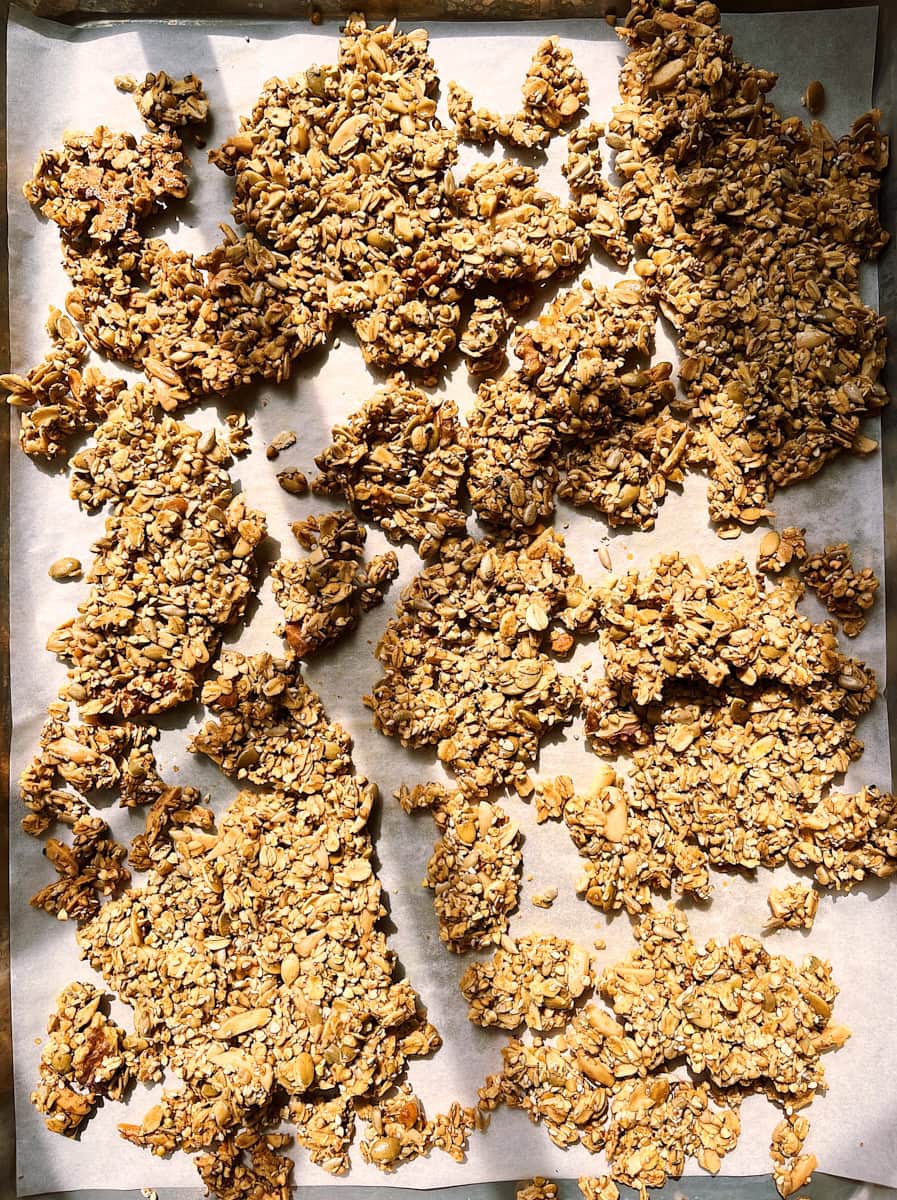
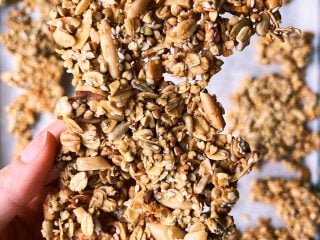
A critical technique for achieving large, bark-like clusters is to resist the urge to stir the granola during baking. While some recipes advocate for stirring to ensure even browning, this method prioritizes the formation of cohesive sheets. By spreading the mixture thinly across two sheet pans and allowing it to bake undisturbed, the discard-enhanced binder can fully set. Once thoroughly cooled, the baked granola can be lifted in large pieces and then broken into smaller, manageable clumps for storage. This non-stirring approach, combined with the sourdough discard, ensures that the desired clumpy texture is consistently achieved.
Expert Perspectives on Culinary Innovation and Sustainability
Culinary experts laud the sourdough discard granola as a prime example of thoughtful ingredient repurposing. Dr. Anya Sharma, a food science researcher specializing in fermentation, comments, "The application of sourdough discard in granola is not just a clever trick; it’s a testament to understanding the fundamental properties of fermented flours. The gluten structure and enzymatic activity in the discard contribute significantly to both the binding and crispness, offering a superior textural outcome compared to traditional methods."
From a sustainability standpoint, environmental advocates commend such recipes. "Reducing food waste at the household level is paramount," states Maria Chen, a zero-waste cooking advocate. "Sourdough discard has long been an overlooked resource. Recipes like this granola empower home bakers to turn what was once waste into a valuable, delicious product, fostering a more sustainable kitchen ecosystem." This sentiment resonates with a growing consumer base that prioritizes both taste and environmental responsibility in their food choices.
Broader Implications for Home Baking and Dietary Trends
The popularity of sourdough discard granola extends beyond its immediate deliciousness, signaling several broader implications for home baking and dietary trends. Firstly, it democratizes the use of sourdough, moving it from solely bread-making into a wider spectrum of culinary applications. This encourages more individuals to maintain starters, knowing that even the discard has a purpose.
Secondly, the ability to create a flavorful, clump-rich granola with less added sugar aligns with contemporary dietary preferences for reduced sugar intake. The inherent tang of the sourdough provides flavor depth, lessening the reliance on sweetness alone. This makes the granola a more appealing option for health-conscious consumers.
Finally, the customizable nature of the recipe – allowing for variations in nuts, seeds, oils, and sweeteners – speaks to the modern baker’s desire for personalization. Even the debate over dried fruit inclusion, with the recommendation to add it post-baking to preserve texture, highlights a sophisticated approach to recipe development that caters to diverse palates. Maurizio, a renowned sourdough expert from The Perfect Loaf, advises storing the finished granola in airtight containers, even suggesting freezing it in jars for prolonged freshness and crunch, underscoring its long shelf-life and practicality.
In conclusion, sourdough discard granola is more than just a recipe; it’s a culinary statement. It embodies innovation in food waste reduction, leverages the unique properties of fermentation for superior texture and flavor, and contributes to a more sustainable and versatile approach to home baking. As the sourdough movement continues to thrive, such inventive applications for discard will undoubtedly continue to emerge, solidifying its place not just as a foundational ingredient for bread, but as a dynamic component in the broader culinary landscape.