In an era defined by increasing environmental consciousness, the intersection of technology and sustainability has birthed innovative solutions aimed at mitigating the global food waste crisis. A prominent leader in this sector, the social impact company Too Good To Go, has expanded its reach through strategic partnerships designed to connect consumers with surplus food from local restaurants and grocery stores. This initiative addresses a critical environmental challenge, as food waste is currently estimated to contribute to approximately 10% of all global greenhouse gas emissions. By providing a platform for "Surprise Bags"—curated selections of unsold, high-quality food sold at a fraction of the retail price—the application facilitates a circular economy that benefits both the merchant and the consumer while significantly reducing the carbon footprint associated with discarded provisions.
The Global Imperative: Understanding the Scale of Food Waste
To understand the significance of platforms like Too Good To Go, one must examine the staggering data surrounding global food systems. According to the United Nations Environment Programme (UNEP) Food Waste Index Report, nearly one billion tons of food are wasted annually at the retail and consumer levels. This mismanagement of resources has profound implications for the environment, the economy, and food security.

When food is discarded and sent to landfills, it decomposes anaerobically, releasing methane—a greenhouse gas that is significantly more potent than carbon dioxide in its ability to trap heat in the atmosphere over a 20-year period. If food waste were represented as a country, it would be the third-largest emitter of greenhouse gases in the world, trailing only China and the United States. Furthermore, the economic cost of food waste is estimated at roughly $1 trillion per year globally. Initiatives that redirect surplus food into the hands of consumers not only prevent these emissions but also recoup value for businesses that would otherwise face total losses on unsold inventory.
The Operational Model of Too Good To Go
Too Good To Go operates on a simple yet effective marketplace model. Retailers, ranging from independent bakeries and juice bars to large-scale gourmet grocery stores, list their daily surplus on the app. Consumers can browse local offerings and reserve a "Surprise Bag" for pick-up at a designated time, typically toward the end of the business day.
The "Surprise Bag" concept is central to the platform’s logistics. Because retailers cannot predict exactly which items will remain unsold, the bags offer a variety of goods that are nearing their "best before" date but remain perfectly safe for consumption. This model allows for maximum flexibility for the business owner while providing the consumer with a high-value experience—often acquiring $15 to $20 worth of food for roughly $5 or $6. This price point serves as a powerful incentive for cost-conscious consumers to participate in sustainable practices.

Case Study: From Surplus to Gourmet Gathering
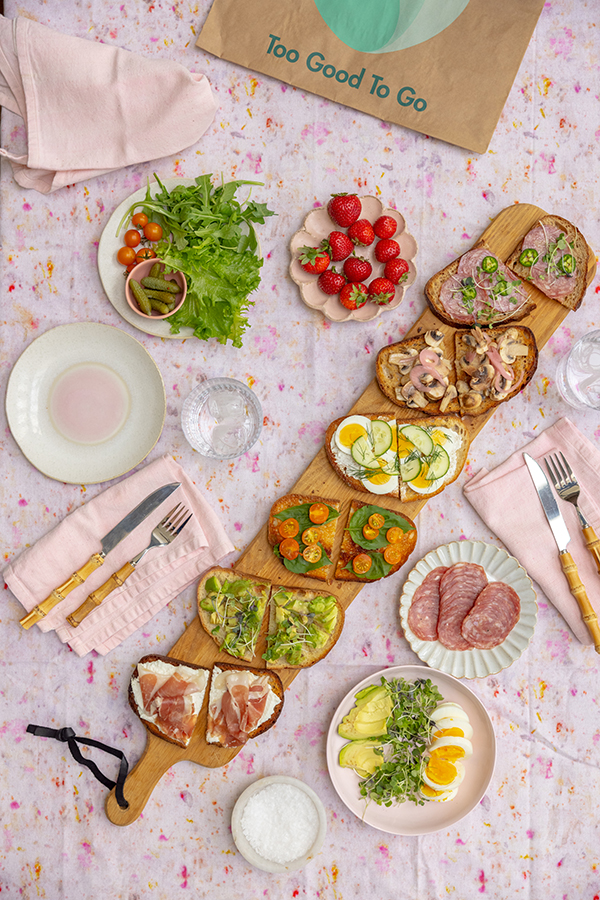
Recent demonstrations of the app’s utility have showcased how surplus food can be transformed into high-end culinary experiences. In one recent instance, a consumer utilized the app to source ingredients from a high-end gourmet grocery store and a specialized juice boutique. The resulting "Surprise Bags" contained an array of artisanal breads, produce, and dairy products, all obtained at one-third of their original market value.
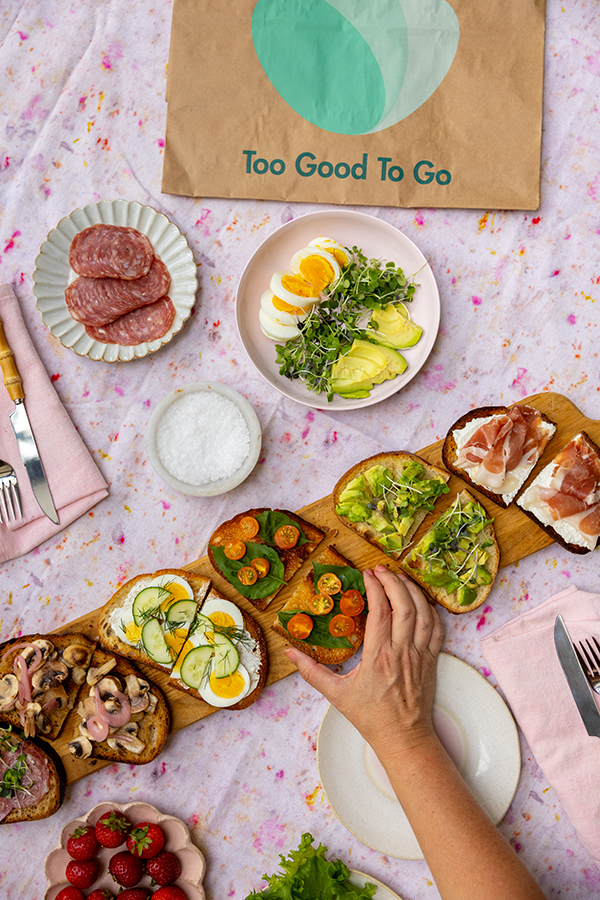
The strategic use of these items highlights a growing trend in "upcycled" entertaining. By utilizing a surplus of artisanal bread, hosts can create a diverse palette of appetizers. For example, toasting large batches of bread in an oven provides a base for various toppings sourced from the surplus bag or existing pantry staples. This method not only utilizes the acquired goods but encourages a "make-your-own" interactive dining experience for guests, which reduces the likelihood of prepared food going to waste during an event.
Commonly utilized toppings in these zero-waste gatherings include:

- Ricotta cheese paired with prosciutto and a drizzle of hot honey.
- Smashed avocado with lemon, sea salt, and fresh sprouts.
- Garden-fresh tomatoes and basil with olive oil.
- Sliced hard-boiled eggs with cucumber and fresh dill over a light mayo base.
- Sautéed mushrooms with melted artisanal cheeses.
- Spicy soppressata paired with jalapeños for a modern charcuterie toast.
Chronology of the Zero-Waste Movement in Retail
The rise of apps like Too Good To Go is part of a broader chronological shift in the retail and hospitality sectors toward sustainability:
- 2015-2017: The Foundation Period. Too Good To Go was founded in Denmark in 2015, tapping into a nascent European movement focused on the "circular economy." During this time, several EU nations began implementing laws (such as France’s 2016 ban on supermarket food waste) that forced retailers to find alternatives to the trash bin.
- 2018-2020: Global Expansion. The platform expanded rapidly across Europe and made its debut in North America, starting with major hubs like New York City and Boston. This period saw a surge in "B-Corp" certifications, with companies prioritizing social and environmental performance alongside profits.
- 2021-Present: Mainstream Integration. Sustainability has moved from a niche interest to a mainstream consumer demand. Major grocery chains and international food brands have begun partnering with surplus apps to meet their Corporate Social Responsibility (CSR) goals and reduce their scope 3 emissions.
Institutional and Industry Responses
The response from the food industry has been overwhelmingly positive, as the model addresses the "shrinkage" problem—a retail term for lost inventory. For small business owners, the platform provides a way to reach new customers who might not have entered the store otherwise. Industry analysts suggest that approximately 76% of customers who pick up a Surprise Bag are likely to return to that store as full-paying customers in the future.
Environmental NGOs have also lauded the partnership model. Organizations like the World Wildlife Fund (WWF) have noted that reducing food waste is one of the most effective personal actions an individual can take to combat climate change. By gamifying the experience through "Surprise Bags," Too Good To Go has successfully lowered the barrier to entry for environmental activism.
Strategic Tips for Hosting a Zero-Waste Event
For consumers looking to extend the principles of the Too Good To Go platform into their own homes, professional event planners suggest several key strategies for hosting zero-waste gatherings:
1. Surplus-First Menu Planning
Instead of shopping with a rigid recipe list, hosts should inspect their current inventory and check for available surplus bags nearby. Building a menu around what is already available—or what needs to be "rescued"—prevents over-purchasing.
2. The "Root-to-Stem" Culinary Approach
Incorporate parts of vegetables that are often discarded. Broccoli stalks can be shaved into slaw, and herb stems can be blended into pestos or infused into oils. This maximizes the value of every item in a Surprise Bag.

3. Sustainable Service Ware
Eliminate single-use plastics. Utilizing cloth napkins, real glassware, and ceramic plates significantly reduces the waste footprint of a party. If disposables are necessary, certified compostable options are preferred, provided the host has access to a composting facility.
4. Controlled Portioning and "Leftover Kits"
Over-serving is a primary cause of waste at social gatherings. By serving smaller portions or allowing guests to serve themselves, hosts can keep unserved food fresh. Providing guests with eco-friendly containers to take home leftovers ensures that no prepared food is discarded at the end of the night.
Broader Impact and Future Outlook
The success of the partnership between tech platforms and local food vendors signals a shift in consumer psychology. The "Best Before" date, long a source of confusion that led to the premature disposal of perfectly good food, is being re-evaluated by the public. Through education and accessibility, the stigma once associated with "surplus" or "discounted" food is being replaced by a sense of pride in sustainable consumption.

As Too Good To Go and its partners continue to scale, the data suggests a measurable impact on carbon sequestration and resource preservation. Every "Surprise Bag" saved is equivalent to the CO2e (carbon dioxide equivalent) emitted by charging a smartphone 442 times. As more cities adopt these technologies, the cumulative effect could represent a significant milestone in achieving the UN’s Sustainable Development Goal of halving per capita global food waste by 2030.
The integration of surplus food into the modern lifestyle is no longer just a trend; it is a necessary evolution of the global food system. Through the combined efforts of innovative technology, proactive retailers, and conscious consumers, the goal of a waste-free future is becoming an attainable reality.