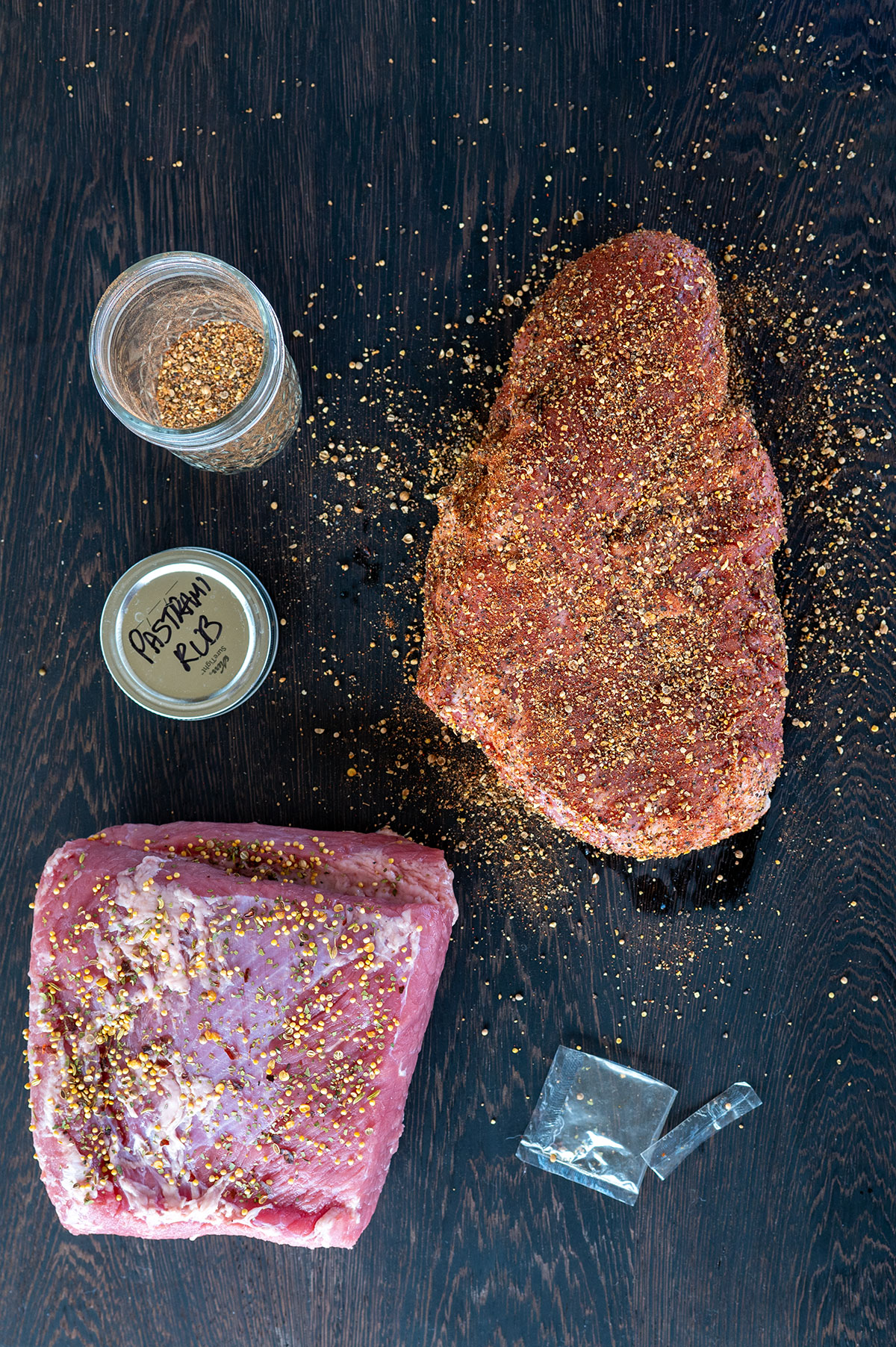
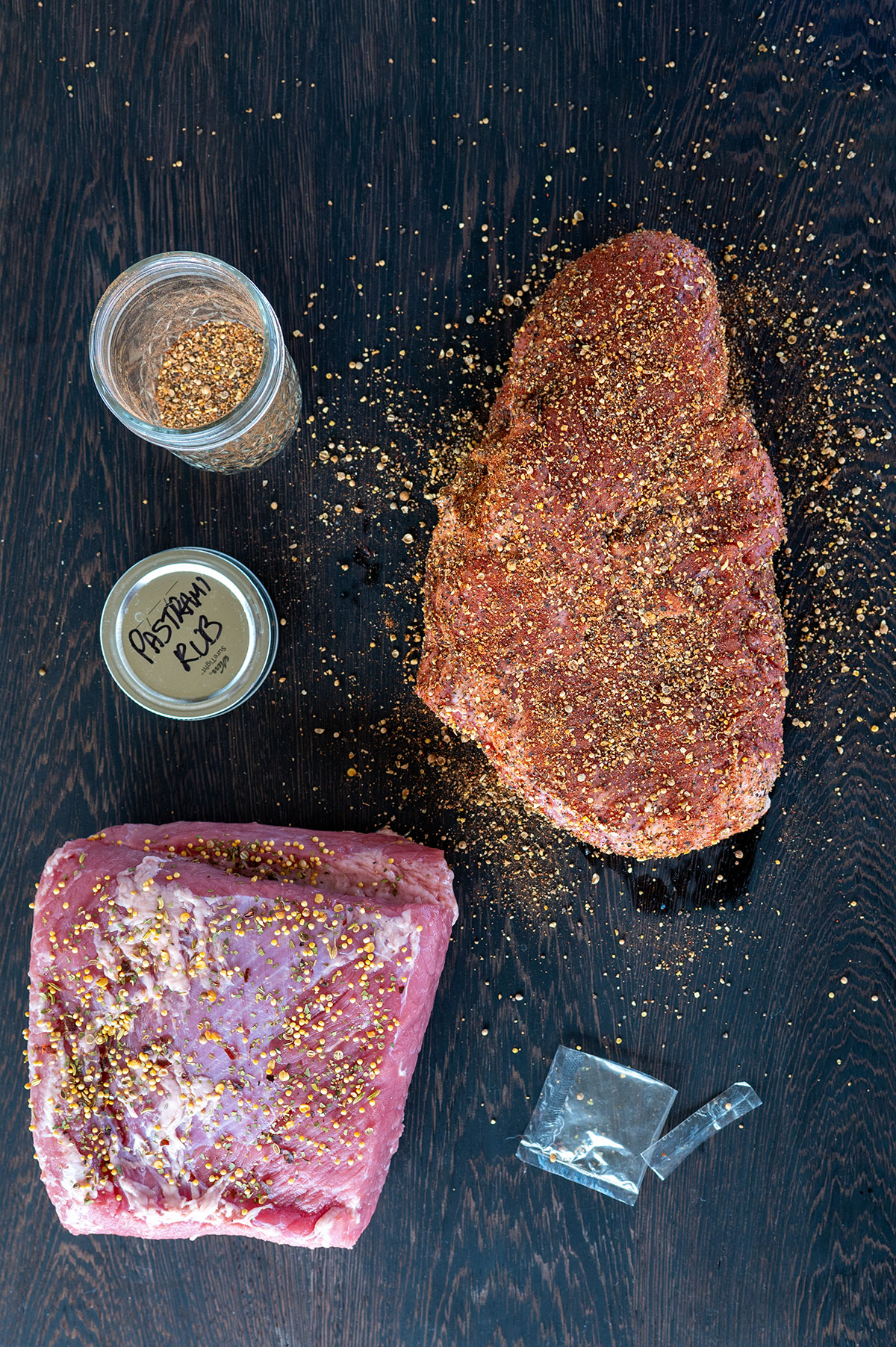
The seemingly simple process of transforming beef into pastrami—curing, seasoning, smoking, and slicing—belies a delicate balance. Even minor missteps can derail an entire batch, leading to culinary disappointment. This comprehensive guide delves into the common challenges faced by home cooks and pitmasters alike, offering expert insights and practical solutions to achieve pastrami perfection. For those seeking a deeper dive into the nuances of this iconic cured meat, the "Ultimate Pastrami Guide" provides further elaboration.
Addressing Pastrami’s Saltiness Dilemma
One of the most frequently cited reasons individuals express a dislike for pastrami is its potential to be overwhelmingly salty. However, with precise execution, this can be easily avoided, transforming a potentially off-putting experience into a savory delight.
The Root Causes of Over-Salting
The primary culprit behind overly salty pastrami is an imbalanced curing process. This can stem from several factors, including:
- Incorrect Brine Concentration: Using too much salt in the curing brine is the most direct cause. This can happen if measurements are imprecise or if a pre-made curing mix is used without understanding its salt density. The osmotic pressure exerted by a hypertonic brine will draw an excessive amount of sodium into the meat.
- Extended Curing Times: Leaving the meat in the brine for longer than recommended can lead to over-absorption of salt, even with a correctly formulated brine. The meat will continue to absorb salt until equilibrium is reached, and exceeding this point results in a salty product.
- Insufficient Rinsing and Soaking: After the curing period, it is crucial to thoroughly rinse the meat to remove excess surface salt. A subsequent soak in fresh, cold water helps to leach out any remaining surface salt and allows the meat to rehydrate slightly, further diluting the salt concentration within its tissues. Skipping or shortening this step is a common oversight.
- Salted Ingredients in Rub: While less common, if a pre-mixed spice rub contains added salt, and the brine was also heavily salted, the cumulative effect can be too much.
Strategies for Rectifying Over-Salting
Fortunately, pastrami that has been cured can often be salvaged, and future batches can be protected from excessive saltiness.
- The Salvage Method: Soaking: If the pastrami is already cured and tastes too salty, the most effective immediate remedy is prolonged soaking in fresh, cold water. For less severe cases, a few hours might suffice, changing the water every hour. For significantly over-salted meat, it may require overnight soaking, with multiple water changes. This process draws salt out of the meat through diffusion.
- Precise Brine Measurement: For future cooks, meticulous measurement of salt in the curing brine is paramount. Using a kitchen scale for both salt and water ensures accuracy. Understanding the ratio of salt to meat by weight is a critical aspect of brine preparation.
- Adhering to Curing Times: Strictly follow the recommended curing times provided in reliable recipes. These timelines are designed to achieve the desired level of cure without over-salting.
- Thorough Rinsing and Soaking Protocol: Always rinse the cured meat under cold running water until the surface is no longer sticky. Follow this with at least a 1-2 hour soak in fresh, cold water, changing the water periodically. This step is non-negotiable for balanced flavor.
- Salt-Free Rubs: Opt for spice rubs that do not contain added salt, allowing you to control the saltiness solely through the curing process. The traditional pastrami rub, a blend of black pepper, coriander, and sometimes mustard seeds, is naturally salt-free.
Combating Dryness and Toughness in Pastrami
Pastrami, frequently prepared from brisket, a cut known for its challenging smoking characteristics, can easily become dry or tough if not handled with care. The inherent toughness of brisket, with its distinct layers of muscle and fat, requires specific techniques to render it tender and succulent.
Unraveling the Causes of Dry or Tough Pastrami
The texture of pastrami is heavily influenced by cooking temperature, time, and moisture management.
- Undercooking: Insufficient cooking time prevents the connective tissues within the brisket (primarily collagen) from breaking down into gelatin. This gelatin is what gives smoked meats their characteristic tenderness and moist mouthfeel. If the meat is pulled from the smoker before it reaches the desired internal temperature and tenderness, it will remain tough and dry.
- Overcooking (Without Moisture): Conversely, cooking the meat for too long without adequate moisture replenishment can lead to evaporation of internal juices, resulting in a dry texture. This is particularly true if the smoker’s temperature fluctuates significantly or if the meat is not properly wrapped.
- Low Fat Content: Brisket cuts with a very lean profile, lacking sufficient intramuscular fat (marbling) and a well-defined fat cap, are more prone to drying out. Fat acts as a natural lubricant and moisturizer during the cooking process.
- Improper Wrapping Technique: If the meat is not wrapped during the latter stages of the cook, or if the wrapping is not airtight, moisture can escape, leading to a drier final product.
- Slicing Against the Grain: Brisket has a distinct grain, and slicing across these muscle fibers is essential for tenderness. Slicing with the grain results in long, chewy strands of meat.
Remedial Actions for Dry or Tough Pastrami
Addressing dryness and toughness involves both preventative measures and post-cook interventions.
- The Salvage Method: Braising: If the pastrami is already cooked but dry and tough, it can often be revived through a low-and-slow braising process. Place the sliced or whole meat in a deep pan, add flavorful liquid (beef broth, beer, or even water with aromatics like onions and garlic), cover tightly with foil or a lid, and cook in a low oven (around 275-300°F or 135-150°C) until fork-tender. This reintroduces moisture and breaks down any remaining tough connective tissue.
- Accurate Temperature Monitoring: Utilize a reliable meat thermometer to monitor the internal temperature. For brisket and pastrami, the target temperature for tenderness is typically between 195°F and 205°F (90-96°C). However, temperature alone is not the sole indicator; probe tenderness is crucial.
- The "Probe Tender" Test: The most reliable indicator of doneness for pastrami is when a probe (like a thermometer probe or a skewer) slides into the thickest part of the meat with very little resistance, similar to inserting it into room-temperature butter. This signifies that the collagen has rendered into gelatin.
- Moisture Management During Smoking: Employ the "Texas Crutch" method, which involves wrapping the brisket tightly in butcher paper or foil once it reaches a desired bark color and internal temperature (often around 160-165°F or 71-74°C). This traps moisture and helps push the meat through the "stall" (a period where the meat’s temperature plateaus due to evaporative cooling).
- Resting is Crucial: After cooking, allow the pastrami to rest for at least 1-2 hours, or even longer, wrapped tightly. This resting period allows the juices to redistribute throughout the meat, preventing them from spilling out when sliced.
- Mastering the Slice: Identify the direction of the muscle fibers (the grain) and slice the pastrami thinly against this grain. This dramatically improves the perception of tenderness.
Achieving the Coveted Pastrami Bark
The distinctive bark of pastrami, a flavorful crust formed by spices, is a hallmark of its artisanal appeal. A soft or underdeveloped bark is a common frustration.
Reasons for a Soft or Insufficient Bark
The formation of a desirable bark is dependent on several factors related to the smoking process and spice application.
- Low Smoking Temperature: Smoking at too low a temperature (below 225°F or 107°C) for an extended period can prevent the Maillard reaction and caramelization from occurring effectively, resulting in a soft, unappealing bark.
- Insufficient Airflow: Poor airflow within the smoker can create a "wet" environment, hindering the drying of the meat’s surface, which is necessary for bark formation.
- Excessive Moisture During Smoking: Spritzing the meat too frequently or using excessive liquid in a water pan can impede the drying process needed for bark development.
- Rub Application Timing: Applying the spice rub too far in advance of smoking, or not allowing it to adhere properly to the meat’s surface, can lead to it washing off during the cooking process.
- Lack of Sugar in Rub (Optional but helpful): While traditional pastrami rubs are salt-free, some pitmasters incorporate a small amount of sugar (like brown sugar or turbinado sugar) into their rubs. Sugars caramelize and contribute to a darker, more robust bark.
Cultivating a Superior Pastrami Bark
Developing a superior bark requires attention to surface conditions and cooking environment.
- Optimal Smoking Temperature: Maintain a consistent smoking temperature between 225°F and 275°F (107°C and 135°C). This range allows for sufficient heat to develop the bark without overcooking the meat.
- Proper Airflow Management: Ensure your smoker has adequate ventilation. Open vents allow for moisture to escape and smoke to circulate, promoting bark formation.
- Judicious Spritzing: If spritzing, do so sparingly and only after a decent bark has begun to form. The purpose of spritzing is to keep the surface moist enough to continue smoking and prevent it from drying out completely, but not so wet that it hinders bark development. Water, apple cider vinegar, or a combination are common spritz liquids.
- Applying the Rub Effectively: Pat the meat dry before applying the rub. This helps the spices adhere better. Apply a generous, even coating of the spice blend, pressing it gently into the surface. For optimal adherence, apply the rub shortly before smoking, or allow it to sit on the meat for a short period (30-60 minutes) to let the moisture from the meat slightly bind the spices.
- Consider a Binder (Optional): Some cooks use a thin layer of binder, such as mustard or Worcestershire sauce, before applying the rub. This can help the spices adhere more firmly and contribute to a richer bark.
The Enigma of Insufficient Smoke Flavor
Pastrami’s identity is intrinsically linked to its smoky essence, distinguishing it from its steamed corned beef cousin. A lack of smoke flavor points to issues with the smoking apparatus or technique, rather than the recipe itself.
Identifying the Sources of Weak Smoke Flavor
Achieving a pronounced smoke flavor is a direct result of the smoking process.
- Insufficient Wood or Charcoal: Not using enough smoking wood (chunks, chips, or logs) or charcoal can lead to a weak smoke output.
- Improper Wood Type or Condition: Using wood that is too wet or green will produce a bitter, acrid smoke rather than a clean, aromatic one. Conversely, wood that is too dry and burns too quickly may not produce smoke for long enough.
- Smoker Design or Leaks: Some smokers are inherently less efficient at holding smoke. Leaks in the smoker’s seal can allow smoke to escape, reducing the amount that penetrates the meat.
- Short Smoking Times: If the total smoking time is too brief, the meat will not have adequate opportunity to absorb smoke compounds.
- Lack of Smoke Generation: Some smokers rely on specific methods for smoke generation (e.g., a dedicated smoke tube or a specific wood placement). If these are not employed correctly, smoke production can be minimal.
Amplifying the Smoky Aroma
Enhancing the smoke flavor requires optimizing the smoking environment and wood usage.
- Generous Wood Usage: Use an appropriate amount of smoking wood for the duration of the cook. For a long cook like pastrami, this might involve adding wood periodically to maintain a consistent smoke output.
- Quality Wood Selection: Use well-seasoned hardwood chunks or logs. Oak, hickory, and mesquite are popular choices for beef. Ensure the wood is dry but not bone-dry, which can lead to combustion rather than smoldering.
- Smoker Maintenance and Sealing: Ensure your smoker is in good working order and that seals are tight to retain smoke. Periodically check and replace worn gaskets if necessary.
- Extended Smoking Periods: Allow ample time for smoking. The initial hours of a smoke are often when the most smoke flavor is absorbed.
- Smoke Tube or Generator: Consider using a smoke tube or a dedicated smoke generator, especially in pellet grills or electric smokers, to provide a consistent and concentrated stream of smoke throughout the cook.
Taming an Overly Smoky Pastrami
While a lack of smoke is a common issue, the opposite problem—pastrami that tastes overwhelmingly smoky—can also occur, often described as "smoky bitterness."
Pinpointing Excessive Smoke
An overabundance of smoke is typically a result of an imbalanced smoking environment.
- Stagnant Smoke: Allowing smoke to build up in the smoker without adequate airflow can lead to a bitter, acrid flavor. This is often referred to as "dirty smoke."
- Incorrect Wood Choice: Using too much of a strongly flavored wood, such as mesquite, for the entire cooking duration can overpower the meat.
- Burning Wood Instead of Smoldering: If the wood is burning too hot and fast, it produces a harsh, bitter smoke. The goal is a consistent, thin blue smoke.
- Proximity to the Fire/Heat Source: If the meat is placed too close to the direct heat source or the burning wood, it can absorb a disproportionate amount of smoke and heat, leading to an unbalanced flavor.
- Overly Long Smoke Exposure: While smoke flavor is desirable, prolonged exposure to a very heavy smoke can become overwhelming.
Moderating Smoke Intensity
Controlling the smoke level is key to achieving a balanced flavor profile.
- Ensure Clean, Thin Blue Smoke: Focus on generating thin, wispy blue smoke, rather than thick, white, acrid smoke. This indicates efficient combustion and a cleaner flavor.
- Optimize Airflow: Maintain good airflow in your smoker. This helps to vent away the harsher smoke compounds and allows for a cleaner smoke to permeate the meat.
- Moderate Wood Usage: Use a balanced amount of wood. Consider a blend of wood types for complexity, and avoid overwhelming the meat with one strong-flavored wood for the entire cook.
- Strategic Meat Placement: Position the meat away from direct heat and the primary smoke source. This allows the smoke to gently infuse the meat over time.
- Transition to Cleaner Heat: After the initial smoking period where bark is formed, consider transitioning to a cleaner heat source if your smoker allows, or ensure the wood is smoldering efficiently rather than burning aggressively.
Preventing Crumbly Pastrami Slices
The ideal pastrami slice is tender and intact, capable of holding its shape. When slices crumble, it significantly detracts from the presentation and eating experience.
Reasons for Crumbling Slices
The structural integrity of sliced pastrami is influenced by cooking, resting, and slicing techniques.
- Undercooking (Lack of Collagen Breakdown): As mentioned earlier, insufficient cooking means collagen hasn’t fully converted to gelatin. Gelatin acts as a binder, holding the muscle fibers together. When undercooked, the meat is essentially too fragile.
- Overcooking (Excessive Drying): While counterintuitive, if the meat is severely overcooked and dried out without sufficient moisture, the muscle fibers can become brittle and prone to breaking apart.
- Insufficient Resting Period: A proper rest allows the muscle fibers to relax and reabsorb juices. If sliced too soon after cooking, the internal juices will rapidly escape, leaving the meat dry and prone to crumbling.
- Slicing While Too Hot: Slicing meat immediately off the smoker, even if it has rested briefly, can still result in a less cohesive slice.
- Weak Meat Structure: In some cases, the inherent structure of the cut of meat itself might be weaker, making it more prone to falling apart.
Ensuring Cohesive Pastrami Slices
Achieving slices that hold together requires a combination of precise cooking and careful handling.
- Achieve Probe Tenderness: Ensure the pastrami reaches that "probe tender" stage, indicating that the collagen has rendered into gelatin, providing the necessary binding.
- Adequate Resting Time: Allow the pastrami to rest, tightly wrapped, for a minimum of 1-2 hours, and ideally longer. This allows the meat to firm up slightly and the juices to redistribute, creating a more stable structure.
- Chill Slightly (Optional but helpful): For very clean slicing, some pitmasters will allow the pastrami to cool to a slightly cooler internal temperature (e.g., around 140-150°F or 60-65°C) after resting. This firms up the fat and makes slicing easier and cleaner.
- Use a Sharp Slicing Knife or Mandoline: A very sharp knife, preferably a long slicing knife or a serrated bread knife, is essential. A mandoline slicer can also provide uniform, thin slices. Dull knives will tear the meat.
- Slice Against the Grain: This is paramount. Properly identifying and slicing against the grain will ensure that the muscle fibers are cut short, making them easier to chew and preventing the slices from falling apart due to long, stringy fibers.
Understanding the Pink Hue in Pastrami
The characteristic pink hue of pastrami is often associated with its cured nature. When this pinkness is absent, it can raise questions about the curing process.
Explaining the Absence of Pink Color
The pink color in cured meats is primarily due to the reaction of nitrites (from curing salts like Prague Powder #1 or #2) with myoglobin, the protein in meat responsible for its red color.
- Insufficient Curing Salt: Not using enough curing salt in the brine or rub means there are insufficient nitrites to react with the myoglobin and produce the pink color.
- Expired or Ineffective Curing Salt: Curing salts have a shelf life and can lose their potency over time. Using old curing salt may result in inadequate color development.
- Curing Salt Alternatives: Some recipes might opt for natural curing methods that do not utilize nitrites, relying on celery powder or juice, which are natural sources of nitrates that convert to nitrites. However, these can be less predictable in their color development.
- Meat Type and Cut: While less common for beef brisket, the natural myoglobin content can vary slightly between different cuts and even individual animals. However, the primary driver for the pink color in pastrami is the curing salt.
- Cooking Method: While the cure is the main factor, extremely high cooking temperatures or very long cooking times without proper moisture management could potentially affect the color, though this is usually secondary to the curing salt’s effect.
Achieving the Desired Pink Color
Ensuring the characteristic pink color is a straightforward outcome of proper curing.
- Use Fresh, Potent Curing Salts: Always use fresh curing salts and store them correctly. Prague Powder #1 is typically used for cured and smoked meats that are not intended for long-term storage. Always follow the manufacturer’s instructions for usage and storage.
- Accurate Measurement of Curing Salts: Just like regular salt, curing salts must be measured precisely. Overuse can lead to health concerns, while underuse will result in poor color and cure.
- Follow Recommended Curing Times: Adhere to the recommended curing times for the cut of meat you are using. This ensures adequate time for the nitrites to penetrate the meat and react with the myoglobin.
- Consider the Use of Celery Powder (Natural Curing): If opting for a nitrite-free cure, use high-quality celery powder or juice, and be aware that the pink color may be less uniform and potentially a lighter shade compared to using conventional curing salts. The efficacy of natural curing can be influenced by factors like the nitrate content in the celery and the meat’s pH.
- Understand Myoglobin’s Role: Recognize that the pink color is a visual indicator of the curing process and a chemical reaction, not necessarily an indicator of doneness or safety. Properly cooked pastrami, even if it appears less pink than expected, can still be safe and delicious if cooked to the correct internal temperature.
The journey to perfect pastrami is a rewarding one, marked by understanding the interplay of science and culinary art. By diagnosing common issues and implementing these expert-driven solutions, home cooks and pitmasters can confidently navigate the challenges and consistently produce this beloved deli staple.