Pastrami, a culinary icon renowned for its rich flavor and tender texture, is a testament to the meticulous craft of meat preparation. While its fundamental process—curing, seasoning, smoking, and slicing—appears straightforward, achieving perfection often involves navigating a series of potential pitfalls. This comprehensive guide delves into common issues encountered by home cooks and pitmasters alike, offering expert insights and actionable solutions to elevate your pastrami-making endeavors. For those seeking a deeper dive, the author’s "Ultimate Pastrami Guide" provides further detailed expertise.
The journey to exceptional pastrami begins with understanding the nuances of each step. From achieving the ideal salt balance to ensuring a moist and tender final product, even minor deviations can significantly impact the outcome. This article serves as a diagnostic tool, enabling cooks to swiftly identify and rectify problems, whether in the midst of a current batch or planning for future cooks.
Pastrami Too Salty? The Quest for Balanced Flavor
One of the most frequently cited reasons for pastrami dissatisfaction is an overly salty profile, which can mask the delicate interplay of spices and smoke. Achieving the right salinity is crucial for an enjoyable pastrami experience.
Why it Happens: The Salt Cure’s Nuances
The primary culprit behind excessively salty pastrami is an imbalance in the brining or dry-curing process. This can stem from several factors:
- Cure Concentration: Using a cure mixture that is too concentrated, or failing to dilute it sufficiently, will inevitably lead to a saltier product. This is particularly common when deviating from established recipes or attempting to rush the curing time.
- Inadequate Rinsing: After the curing period, thorough rinsing is essential to remove excess surface salt. Insufficient rinsing leaves a concentrated salt layer on the meat, which permeates during the smoking process.
- Overly Long Curing Time: While curing is vital for flavor and preservation, extending the curing time beyond the recommended duration can result in salt absorption that overpowers the meat.
- Meat Thickness: Thicker cuts of meat require longer curing times to allow the salt to penetrate evenly. If a thick cut is cured for the same duration as a thinner one, the outer layers can become excessively salty while the interior remains under-cured.
How to Fix It: Restoring Salinity Equilibrium
Rectifying overly salty pastrami requires a delicate touch, focusing on dilution and extraction:
- Soaking (Post-Cure, Pre-Smoke): The most effective method is to soak the cured meat in fresh, cold water. For mildly salty pastrami, a soak of 30-60 minutes may suffice. For significantly salty batches, this can be extended to several hours, with water changes every hour or two. Taste a small sliver of the meat after soaking to gauge the salt level.
- Rinsing and Patting Dry: After soaking, rinse the meat thoroughly under cold running water and then pat it completely dry with paper towels. Moisture can dilute flavor and affect bark formation.
- Adjusting Seasoning Rub: While you cannot remove salt from the meat itself, you can balance the overall flavor profile in subsequent stages. When applying the seasoning rub, omit salt or significantly reduce its quantity. Focus on enhancing other flavors with pepper, coriander, and other spices.
- Serving Accompaniments: When serving, pair the pastrami with accompaniments that offer a contrast to saltiness, such as tangy mustard, sweet coleslaw, or mild rye bread.
Pastrami Too Dry or Tough? The Challenge of Brisket Perfection
Pastrami is most commonly crafted from brisket, a notoriously challenging cut of beef due to its inherent toughness and tendency to dry out if not handled with care. Achieving a moist and tender result is a hallmark of expertly prepared pastrami.
Why it Happens: Moisture Management and Muscle Fibers
The dryness and toughness in pastrami can be attributed to a combination of factors related to moisture loss and muscle fiber manipulation:
- Overcooking: The most common cause of dry pastrami is cooking it past its optimal internal temperature. Overcooking breaks down the connective tissues that keep the meat moist, leading to a desiccated texture.
- Insufficient Moisture During Smoking: Low humidity environments during the smoking process can accelerate moisture loss. Without adequate moisture in the smoker, the meat will release more of its own moisture to the surrounding air.
- Lack of Resting Time: After cooking, meat needs time to rest. During resting, the muscle fibers relax, and the juices, which have been pushed to the center during cooking, redistribute throughout the cut. Skipping this step results in juices running out when sliced, leaving the meat dry.
- Cooking Too Fast: High-temperature smoking can cook the exterior of the brisket too quickly, potentially drying it out before the interior reaches a tender temperature.
- Cut Selection and Trimming: Using a leaner cut of brisket (like the flat) without adequate fat cap or trimming away too much intramuscular fat can contribute to dryness. The fat renders during cooking, basting the meat and adding moisture.
How to Fix It: Restoring Tenderness and Moisture
Reclaiming dry or tough pastrami requires a focus on rehydration and tenderization:
- Steaming or Braising (Post-Smoking): If the pastrami is already cooked but dry, the most effective salvage method is to steam or braise it. Wrap the cooked meat tightly in foil or butcher paper and place it in a steam pan with a small amount of liquid (beef broth, water, or beer) in a low oven (around 250°F / 120°C) until it reaches a tender, shreddable consistency. This process reintroduces moisture and breaks down remaining connective tissues.
- Extended Resting: For pastrami that is tough but not yet dry, ensure it rests for at least 1-2 hours, or even longer, wrapped in foil or butcher paper. This allows juices to redistribute.
- Slice Against the Grain: This is a critical step for tenderizing any cut of meat, especially brisket. Identify the direction of the muscle fibers and slice perpendicular to them. This shortens the fibers, making them easier to chew.
- Adding Moisture During Smoking: To prevent dryness during the initial smoking process, consider a water pan in your smoker to maintain humidity. Spritzing the meat with a liquid solution (water, apple cider vinegar, beef broth) every 30-60 minutes can also help.
- Fat Cap Management: Ensure a sufficient fat cap is left on the brisket during preparation. This fat will render and baste the meat, contributing significantly to its moisture and tenderness.
Bark Too Soft? Achieving that Perfect Crust
The "bark" of pastrami, a flavorful crust formed by the blend of spices and smoke, is a highly prized element. A soft or underdeveloped bark can detract from the overall sensory experience.
Why it Happens: Factors Affecting Bark Formation
The development of a robust pastrami bark is influenced by several key environmental and preparation factors:
- Insufficient Smoking Time or Temperature: A proper bark requires adequate time at smoking temperatures for the spices to adhere and caramelize. Rushing the process or smoking at too low a temperature can prevent sufficient formation.
- Too Much Moisture During Smoking: While some moisture is beneficial for tenderness, excessive humidity or frequent spraying with liquids during the crucial bark-forming stages can prevent the surface from drying out and forming a crust.
- Lean Meat or Lack of Adhesion: A very lean cut of meat may not have enough fat to help bind the spices and create a rich bark. Similarly, if the meat surface is not properly prepared (e.g., not patted dry before seasoning), the rub may not adhere well.
- Protective Wrapping Too Early: Wrapping the meat too early in the smoking process, especially with materials that trap a lot of steam, can soften a developing bark.
How to Fix It: Enhancing Bark Development
Improving a soft bark involves ensuring the right conditions for its formation:
- Increase Smoking Time and Temperature (Carefully): Allow the pastrami to smoke for longer periods at slightly higher temperatures (within the recommended range) to encourage the spices to adhere and develop a crust. Monitor closely to avoid overcooking.
- Manage Moisture: Reduce the frequency of spritzing or eliminate it altogether during the final stages of smoking when bark formation is critical. Ensure the smoker’s humidity levels are not excessively high.
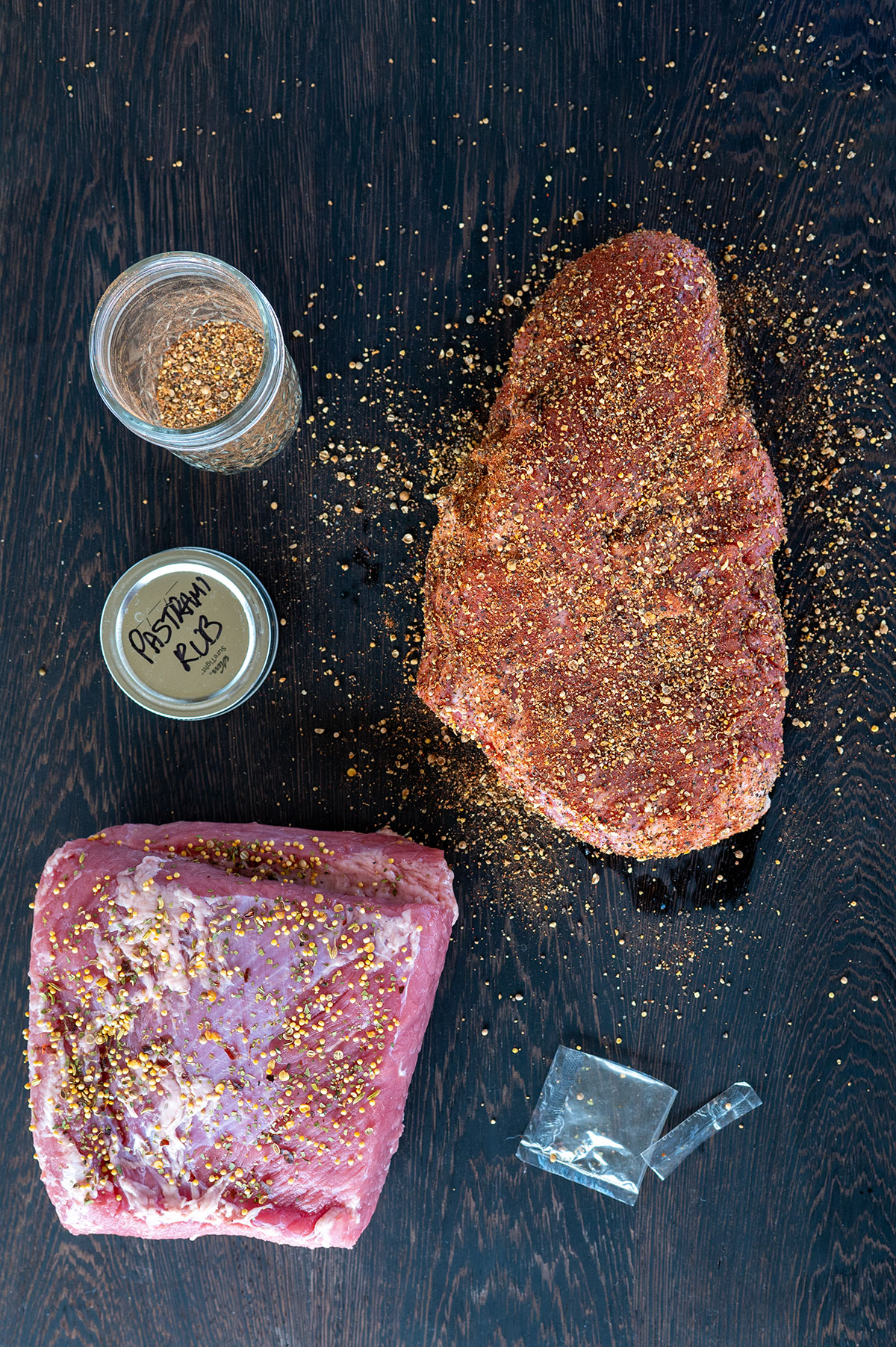
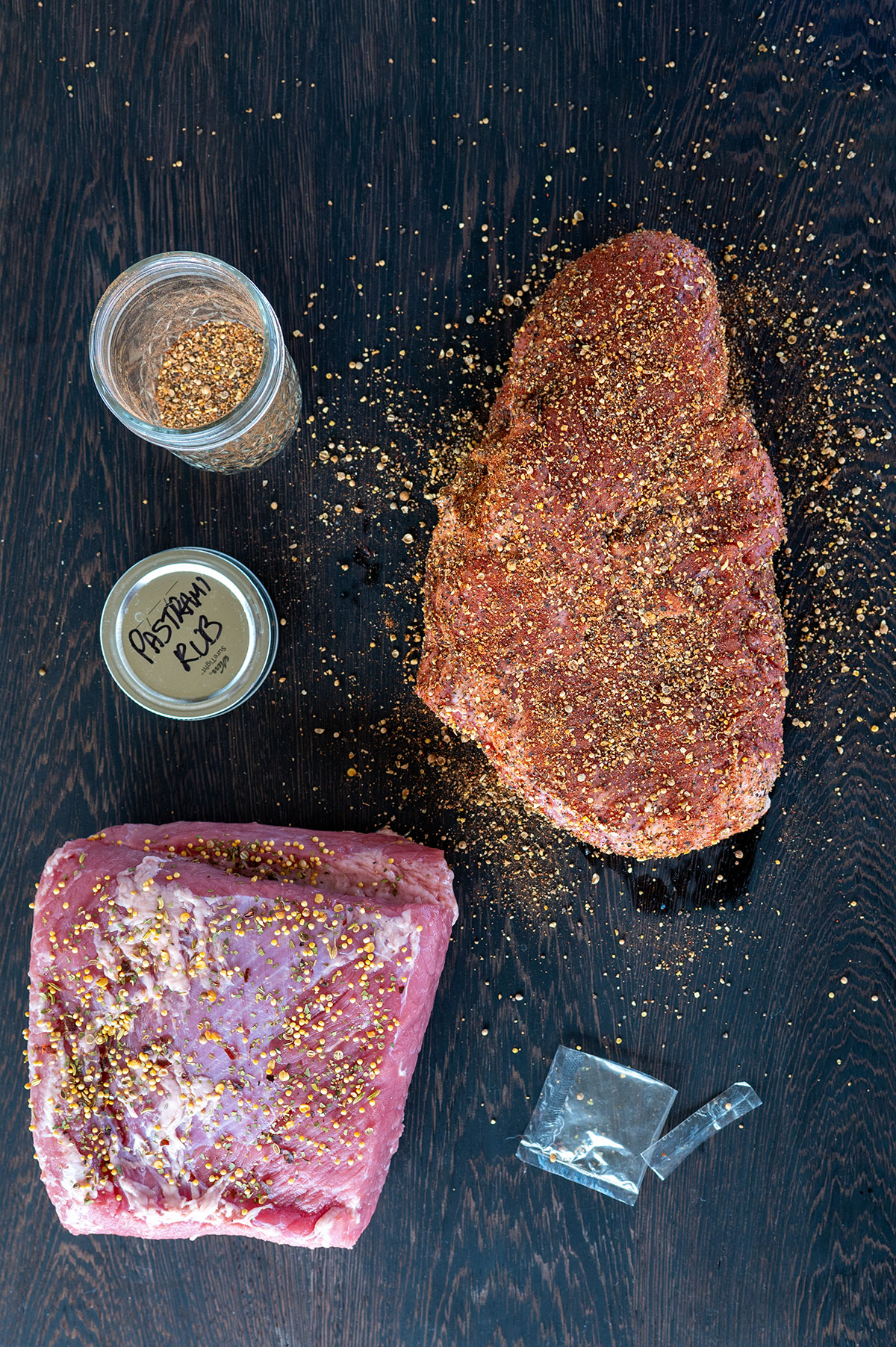
- Proper Rub Application: Apply the seasoning rub generously to a dry surface. A binder like a thin layer of mustard or hot sauce can help the rub adhere, but allow the surface to dry slightly before applying the rub for optimal crust development.
- Delayed Wrapping: If wrapping is part of your process, delay it until a satisfactory bark has formed. This typically occurs when the meat reaches an internal temperature of around 160-165°F (71-74°C).
- Finishing the Bark: If the bark is still soft after the main smoking period, you can briefly increase the smoker temperature or place the meat uncovered in a hot oven (around 300-350°F / 150-175°C) for a short period to help crisp it up.
Not Smoky Enough? The Essence of Pastrami Flavor
The defining characteristic of pastrami, distinguishing it from corned beef, is its smoky essence. A lack of smoke flavor indicates a potential issue with the smoking apparatus or technique.
Why it Happens: Smoke Generation and Transfer
Insufficient smoke flavor is almost always a "pit problem" rather than a recipe issue, stemming from the mechanics of smoke production and its delivery to the meat:
- Inadequate Wood Fuel: Not using enough wood chunks or chips, or using wood that is not properly seasoned, can result in insufficient smoke generation.
- Poor Airflow: A smoker that is not properly ventilated will struggle to produce and circulate smoke effectively. Insufficient airflow can also lead to a "clean burn" where the wood smolders without producing much smoke.
- Smoker Design or Malfunction: Some smokers are inherently less efficient at producing smoke than others. Issues like clogged vents or a malfunctioning firebox can also impede smoke production.
- Short Smoking Times: If the smoking duration is too brief, the meat will not have sufficient time to absorb the smoky flavor.
How to Fix It: Infusing Deeper Smoke Flavor
Boosting smoke flavor requires optimizing the smoking process:
- Use Quality Wood: Employ well-seasoned hardwood chunks or chips (such as hickory, oak, or mesquite) for a consistent and flavorful smoke.
- Ensure Proper Airflow: Understand your smoker’s ventilation system. Open vents to allow for a consistent, clean smoke. Aim for a thin, blue smoke rather than thick, white smoke, which can impart a bitter flavor.
- Increase Wood Quantity: Use a generous amount of wood. For longer cooks, you may need to add wood every 1-2 hours to maintain a steady smoke production.
- Extend Smoking Time: If feasible and without compromising tenderness, extend the smoking duration to allow for greater smoke absorption.
- Consider a Smoker Tube or Maze: For smokers that struggle to produce consistent smoke, a smoker tube or maze filled with wood pellets can provide a continuous stream of smoke for extended periods.
Too Smoky? Taming the Smoke Intensity
Conversely, pastrami that has absorbed too much smoke can develop an acrid or overpowering flavor that overshadows the meat and spices.
Why it Happens: Smoke Overload and Acridity
An overly smoky pastrami typically results from prolonged exposure to smoke or from the wrong type of smoke:
- Excessive Smoking Time: Cooking for too long in a heavily smoked environment can lead to an overwhelming smoke flavor.
- Dirty Smoker or Wood: A dirty smoker filled with creosote can produce bitter, acrid smoke. Similarly, using unseasoned or improperly burned wood can also contribute to harsh smoke.
- Poor Airflow (Again): While insufficient airflow can lead to lack of smoke, too much uncontrolled airflow can sometimes lead to burning wood, producing thick, acrid smoke.
- Type of Wood: Some woods, like mesquite, can impart a very strong smoke flavor that can be overpowering if used excessively or for too long.
How to Fix It: Striking a Balance
Reducing an overpowering smoke flavor requires careful adjustment of the smoking environment:
- Reduce Smoking Time: If the pastrami is still cooking, move it to an environment with less smoke or a cleaner heat source (like an oven) to finish cooking, allowing the smoke flavor to mellow slightly.
- Ventilate the Smoker: Ensure your smoker has adequate ventilation to allow for a cleaner burn and to prevent smoke from becoming too stagnant and acrid.
- Use Cleaner Wood: Employ well-seasoned hardwoods and ensure they are burning cleanly. Avoid smoldering or producing excessive white smoke.
- Create a Smoke-Free Zone: If possible, move the pastrami to a portion of the smoker that receives less direct smoke or to a clean oven for the final stage of cooking.
- Resting and Dilution: After cooking, allow the pastrami to rest. Sometimes, the intense smoke flavor mellows as the meat cools. Serving with accompaniments that offer contrast (e.g., sweet sauces, acidic pickles) can help balance the palate.
Slices Crumble? The Art of Deli-Style Pastrami
Achieving those coveted, paper-thin slices of pastrami, reminiscent of a New York deli, can be frustrating if the meat falls apart upon slicing.
Why it Happens: Structural Integrity and Slicing Technique
Crumbling slices often point to issues with the meat’s structure or the slicing method:
- Undercooking: If the pastrami has not been cooked to a sufficient internal temperature, the connective tissues will not have broken down properly, leaving the meat with a weak structure that crumbles when sliced.
- Overcooking (to a different degree): While overcooking can lead to dryness, it can also, in some cases, result in a mushy texture where the meat fibers lose their cohesion.
- Slicing with the Grain: This is a cardinal sin when it comes to slicing tender meats. Slicing parallel to the muscle fibers leaves long, tough strands that will easily break apart.
- Meat Temperature at Slicing: Slicing meat while it is too hot can lead to juices escaping and a less cohesive slice. Conversely, slicing it while completely cold can make it brittle and prone to crumbling.
- Meat Quality: The inherent quality and marbling of the brisket can also play a role. A leaner, less marbled cut may be more prone to crumbling.
How to Fix It: Ensuring Sliceability
Perfectly sliceable pastrami requires attention to cooking and slicing technique:
- Cook to the Right Temperature: Ensure the pastrami reaches an internal temperature of around 195-205°F (90-96°C) and probes tender. This indicates that the collagen has broken down, yielding a moist and cohesive meat.
- Rest Thoroughly: A proper rest (1-4 hours, or even longer) is crucial for the juices to redistribute and for the meat to set, creating a more stable structure for slicing.
- Chill Slightly: While slicing hot meat can be difficult, slicing it when it’s still warm but not piping hot is ideal. Some pitmasters even recommend chilling the meat for a short period (30-60 minutes) after resting to firm it up slightly, making it easier to slice cleanly.
- Slice Against the Grain: This is paramount. Carefully identify the direction of the muscle fibers and slice perpendicular to them, using a sharp knife.
- Use a Sharp Slicing Knife or Mandoline: A very sharp knife, ideally a long slicing knife or a serrated bread knife, will create clean cuts. A meat slicer or mandoline set to a very thin setting can achieve deli-style slices.
Meat Isn’t Pink? Understanding Curing Color
The characteristic pink hue of cured meats, including pastrami, is often associated with quality and proper curing. When this color is absent, it can cause concern.
Why it Happens: The Science of Curing Color
The pink color in cured meats is not solely an indicator of doneness but a result of chemical reactions involving curing salts and the meat’s myoglobin:
- Curing Salts (Nitrites/Nitrates): Curing salts, such as sodium nitrite, react with myoglobin (the protein in meat responsible for its red color) to form nitrosomyoglobin. This compound is heat-stable and retains a pinkish-red color even after cooking.
- Insufficient Curing Time: If the meat is not cured for a sufficient period, the curing salts may not have had enough time to react fully with the myoglobin, resulting in a less pronounced pink color.
- Type of Curing Salt: Different curing salts and their concentrations can affect the final color.
- Meat Type and Cut: The natural myoglobin content can vary between different cuts and types of meat. Some cuts may naturally have a lighter color even when cured.
- pH Levels: The pH of the meat can influence the color development.
How to Fix It: Achieving and Understanding the Pink Hue
While the pink color is desirable, its absence doesn’t necessarily indicate a failure in the pastrami’s safety or flavor:
- Ensure Proper Curing: Follow recommended curing times and concentrations for your chosen recipe. Allow adequate time for the curing salts to work.
- Use Curing Salts Consistently: If you are aiming for the classic pink hue, consistent use of curing salts (like Prague Powder #1, which contains sodium nitrite) is essential.
- Consider Meat Quality: Understand that natural variations in meat can affect color. A well-cured, flavorful pastrami that lacks a vibrant pink hue is still a successful product.
- Focus on Flavor and Texture: Ultimately, the taste and texture are paramount. A slightly paler pastrami that is tender, moist, and flavorful is far superior to a vibrantly pink but poorly executed one.
By understanding these common issues and their solutions, home cooks can approach pastrami preparation with greater confidence, transforming potential setbacks into opportunities for learning and refinement. The journey to perfect pastrami is an ongoing process of mastering technique, respecting the ingredients, and appreciating the rich tradition of this beloved cured and smoked meat.