The "Food in Jars" platform has announced the launch of a comprehensive, year-long initiative, "The Community Canning Challenge," designed to intertwine the practical skills of home food preservation with the vital act of fostering local community connections. This ambitious program, building upon previous successful skill-based challenges, introduces a novel dual-focus approach, encouraging participants not only to master various preservation techniques but also to actively engage with and enrich their immediate neighborhoods and local food networks.
A Shift Towards Collective Engagement in Food Preservation
The "Community Canning Challenge" marks a significant evolution for the "Food in Jars" platform, which has historically focused on individual skill development in home food preservation. Previously, challenges such as the "Food in Jars Mastery Challenge" (hosted twice in the past, including a 2019 iteration) provided monthly topics for participants to explore independently, honing their abilities in canning, jarring, and other methods. The new challenge retains this educational core but integrates a crucial social dimension, reflecting a growing recognition of the interconnectedness between personal sustainability practices and broader community resilience.
The resurgence of interest in home food preservation has been a notable trend in recent years, propelled by factors ranging from economic uncertainty and supply chain disruptions to a heightened awareness of food waste and a desire for greater self-sufficiency. Data from organizations like the National Center for Home Food Preservation indicates a steady increase in individuals seeking reliable information and techniques for preserving harvests. This renewed enthusiasm aligns with a broader movement towards local food systems, supporting small-scale agriculture, and fostering a deeper connection to the origins of one’s food. The "Community Canning Challenge" capitalizes on this momentum by adding a layer of social responsibility, transforming what can often be a solitary pursuit into a shared, community-oriented endeavor. This strategic pivot aims to leverage the power of collective action, moving beyond individual skill acquisition to cultivate a more robust and supportive local food landscape.
Dual Pillars: Mastering Preservation and Building Connections

At the heart of the "Community Canning Challenge" are its two distinct yet complementary monthly themes. Each month, participants are presented with a specific food preservation topic, alongside a corresponding community engagement task. This structure ensures a holistic approach, where practical skills are immediately put into a social context.
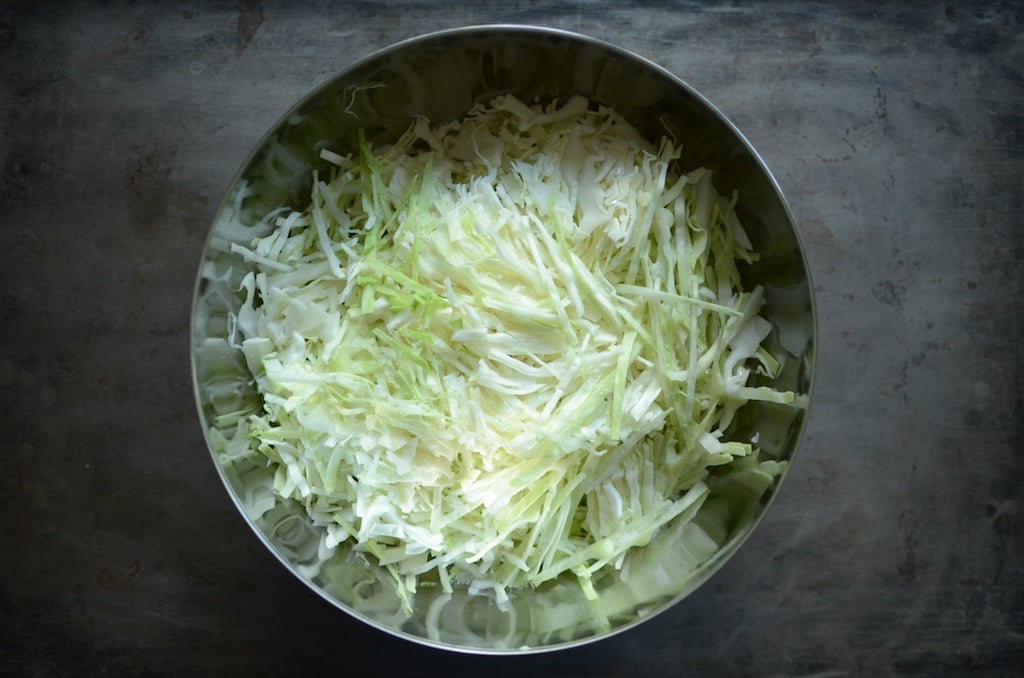
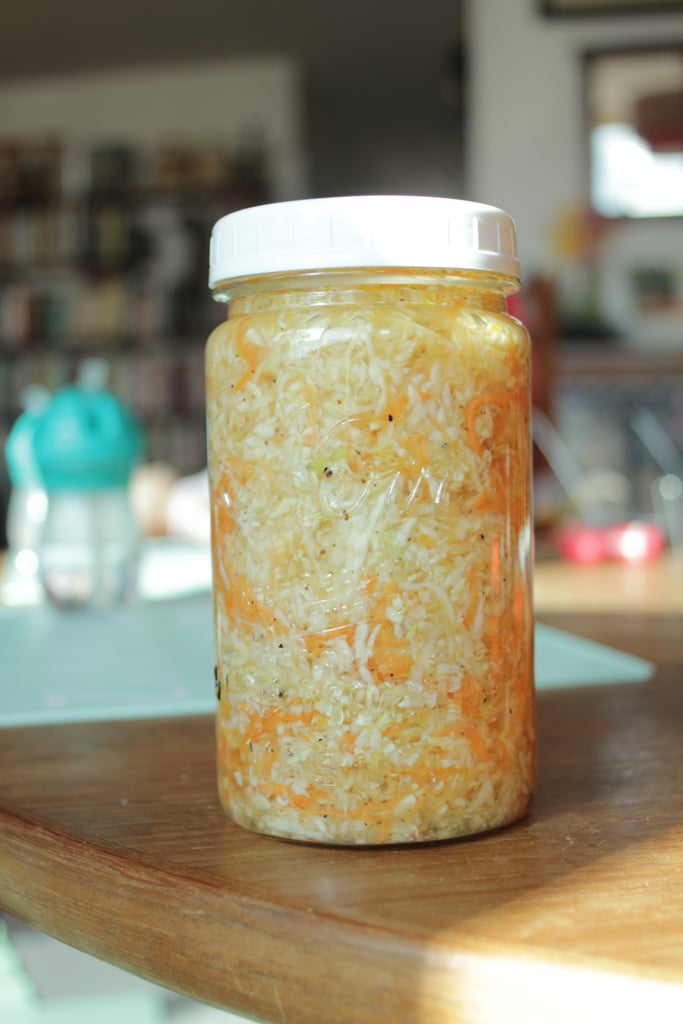
The first pillar, Mastery of Preservation Techniques, delves into a diverse range of food items and methods throughout the year. For instance, January focuses on "Root Veg & Brassicas," encouraging participants to preserve seasonal staples like carrots, potatoes, or cabbages. February transitions to "Frozen Fruit," highlighting the often-underutilized method of freezing for long-term storage. As the year progresses, topics will include "Make a Mix" (utilizing preserved ingredients for convenience items like soup starters or muffin mixes in March), "Herbs and Alliums" (April), "Berries" (May), and dedicated months for "Jam" (June), "Pickles" (July – covering quick, processed, or fermented varieties), "Sauces" (August), "Condiments" (September), "Drying and Dehydration" (October), and "Apples" (November). The year culminates in December with a "Use it up!" theme, promoting creative utilization of accumulated preserved goods. These topics are carefully curated to align with seasonal harvests where possible, encouraging participants to engage with fresh, local produce and reduce food waste. Learning these techniques contributes significantly to household food security, allowing individuals to extend the shelf life of nutritious ingredients and reduce reliance on commercially processed alternatives.
The second pillar, Building Local Networks, introduces a series of community-focused actions designed to foster tangible social connections. This aspect differentiates the "Community Canning Challenge" from purely instructional programs. In January, the challenge is to "Share a jar," an act of generosity that can brighten someone’s day with homemade goodness. February’s "Freezer excavation" encourages efficient use of resources, while March’s call to "Contribute to a community fridge or pantry" directly addresses food insecurity and promotes mutual aid within neighborhoods. April’s "Plant something" links back to local food production, and May’s "Learn from a friend" emphasizes skill-sharing and intergenerational knowledge transfer. As summer progresses, participants are encouraged to "Attend a potluck" (June), "Support a local farmer/grower" (July), "Gather or glean" (August, with proper permission), and "Host a swap" (September), fostering direct resource exchange. October’s "Share your knowledge" promotes mentorship, while November’s "Barter with a friend or neighbor" revives traditional forms of economic exchange. The year concludes with "Bake for others" in December, a festive act of giving. These community tasks are not merely suggestions but integral components of the challenge, aiming to rebuild social capital and create more resilient, interconnected communities.
A Structured Journey: The Monthly Engagement Model
To facilitate widespread participation and ensure consistent engagement, "The Community Canning Challenge" employs a multi-platform communication strategy and a clear monthly rhythm. The initiative leverages existing digital infrastructure, primarily the "Food in Jars" blog, the associated Substack newsletter ("Food in Jars Fam"), and the dedicated "Food in Jars Facebook Community group." This approach avoids the complexity of creating new platforms, ensuring accessibility for the established audience.
The monthly cycle of the challenge is structured as follows:
- Start of the Month: A comprehensive post is published on both the "Food in Jars" blog and its Substack newsletter. This post introduces the monthly preservation topic, outlines the community engagement challenge, provides a roundup of relevant recipes from the blog’s extensive archive, and offers practical ideas for accomplishing one or both tasks.
- Mid-Month Recipe Release: A few days after the initial announcement, a fresh, new recipe specifically related to the monthly preservation theme is shared on the "Food in Jars" blog, providing novel inspiration for participants.
- Mid-Month Check-ins: Around the 15th of each month, dedicated check-in posts are published on the Substack newsletter and within the Food in Jars Facebook Community group. These posts serve as forums for participants to share their progress, ask questions, offer tips, and celebrate successes, fostering a sense of shared journey and camaraderie.
- End-of-Month Feedback: Approximately on the 25th of the month, participants are invited to provide feedback on their experiences, challenges, and insights gained. This feedback mechanism is crucial for the organizer to gauge the effectiveness of the challenge and adapt future content.
- Collective Experience Reporting: Non-recipe content, particularly the collective experiences and reflections gathered from participants, will be primarily shared on the Substack newsletter. This strategic decision is driven by the need to optimize the main blog for search engine optimization (SEO), ensuring that the recipe-focused content remains highly visible to new users searching for food preservation techniques. The Substack, therefore, becomes the hub for community narratives, personal stories, and broader discussions related to the challenge’s impact.
Participation in the "Community Canning Challenge" is entirely voluntary and designed with flexibility in mind. Participants are encouraged to engage with both monthly topics, but they also have the option to focus on just one, or simply follow along for inspiration. This adaptable framework acknowledges that individual circumstances, seasonal availability of produce, and personal schedules may vary, allowing participants to tailor their involvement to suit their lives. All challenge-related posts on Substack are freely accessible, removing any financial barrier to participation and fostering a truly inclusive community.
The Annual Curriculum: A Detailed Look at Monthly Themes
The meticulously planned annual curriculum for "The Community Canning Challenge" aims to provide a comprehensive exploration of food preservation while embedding community action throughout the year. The diverse range of topics ensures that participants will acquire a broad spectrum of skills applicable to various produce types and methods.
- January: Root Veg & Brassicas / Share a Jar. Kicking off the year, this month focuses on sturdy, winter-friendly vegetables. The community task encourages a simple yet impactful act of kindness, introducing the social aspect immediately.
- February: Frozen Fruit / Freezer Excavation. As fresh produce is scarce, this month highlights efficient use of frozen goods, coupled with a practical challenge to organize and utilize existing freezer stores, minimizing waste.
- March: Make a Mix / Contribute to a Community Fridge or Pantry. This theme moves beyond single ingredients to creating prepared mixes, directly linking to community support by encouraging donations of these homemade items to local food access points. This addresses critical needs in many communities.
- April: Herbs and Alliums / Plant Something. Celebrating spring, participants learn to preserve aromatic herbs and alliums while simultaneously engaging in gardening, fostering self-sufficiency and connecting with the earth.
- May: Berries / Learn from a Friend. The arrival of berry season brings opportunities for jams and sauces, paired with the valuable act of seeking knowledge from others, promoting intergenerational learning and skill transfer.
- June: Jam / Attend a Potluck. This classic preservation skill is celebrated by encouraging participants to share their creations at social gatherings, strengthening neighborhood bonds.
- July: Pickles (quick, processed, or fermented) / Support a Local Farmer/Grower. Amidst summer’s bounty, pickling offers diverse options, while the community task directly benefits local agriculture, reinforcing the farm-to-jar ethos.
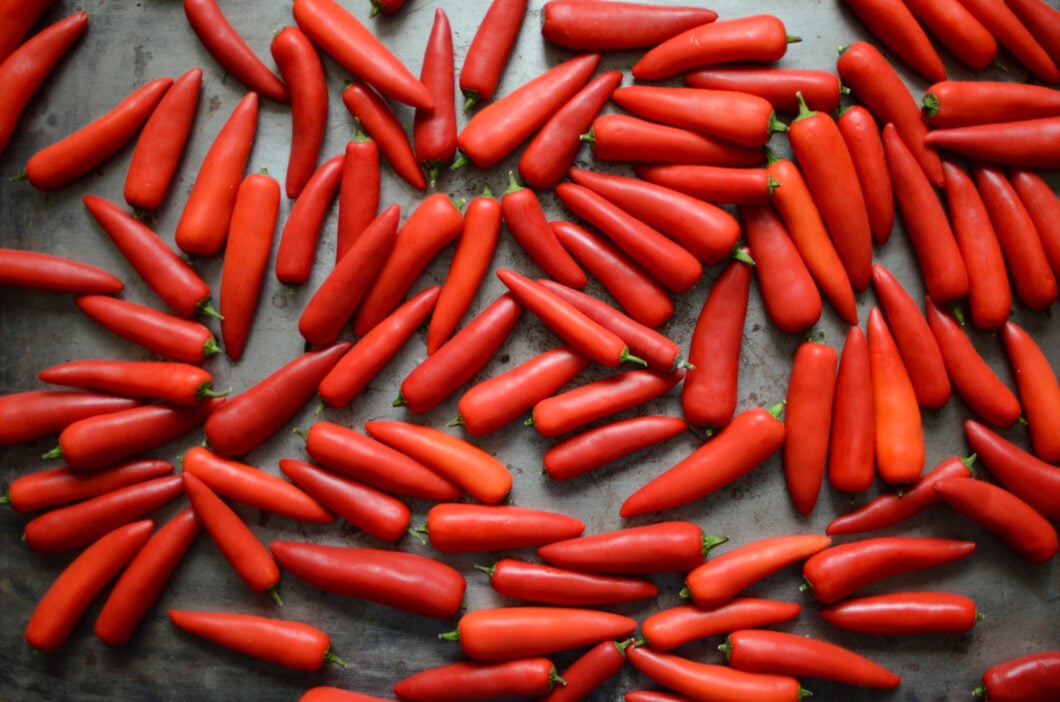
- August: Sauces (apple, chili, tomato, hot, etc) / Gather or Glean. Peak harvest season is ideal for sauces. The community challenge encourages resourcefulness and community sharing, emphasizing responsible foraging or gleaning with permission.
- September: Condiments (ketchup, relish, mustard, etc) / Host a Swap. This month focuses on flavorful additions to meals, and the community task creates a direct exchange platform for homemade goods, fostering a circular economy.
- October: Drying and Dehydration / Share Your Knowledge. As the harvest wanes, drying offers a traditional preservation method. The community aspect encourages participants to become mentors, passing on their acquired skills.
- November: Apples / Barter with a Friend or Neighbor. The abundance of apples provides numerous preservation opportunities, and the challenge promotes non-monetary exchange, strengthening neighborly ties and resourcefulness.
- December: Use it up! / Bake for Others. The year concludes with a focus on utilizing all preserved goods, paired with the festive act of baking and sharing with the community, embodying the spirit of generosity.
For those interested in participating, a Google Form has been provided to indicate intent to join. Furthermore, prospective participants are strongly encouraged to subscribe to the "Food in Jars Fam" Substack newsletter and join the "Food in Jars Facebook Community group." These platforms are designated as the primary channels for ongoing discussion, support, and the cultivation of connections that are hoped to transcend the digital realm into real-world interactions. Given the mid-January announcement, the timeline for the first month’s activities has been compressed, with an introductory post and recipe scheduled to follow swiftly.

Broader Implications: Fostering Resilience and Sustainability
The "Community Canning Challenge" transcends a mere instructional program; its dual-focus design carries significant broader implications for individual well-being, community resilience, and environmental sustainability.
At the individual level, participants stand to gain invaluable practical skills in food preservation, leading to enhanced self-sufficiency and reduced reliance on commercial food systems. Learning to preserve seasonal produce can translate into significant cost savings on groceries throughout the year, particularly during off-seasons. Beyond the tangible benefits, the act of creating and preserving food can be deeply satisfying, fostering a sense of accomplishment and a closer connection to the food consumed. The community engagement aspect can combat social isolation, a growing concern in modern society, by providing structured opportunities for interaction and connection.
On a community level, the challenge is designed to weave a stronger social fabric. By encouraging acts like sharing jars, contributing to food pantries, hosting swaps, and bartering, the initiative actively promotes mutual aid and strengthens local networks. These activities can foster a sense of belonging and collective responsibility, creating more supportive and resilient neighborhoods capable of addressing local challenges, including food insecurity. Supporting local farmers and gleaning responsibly also reinforces the importance of local food economies, creating a virtuous cycle where local production is valued and sustained. In an era of increasing globalization, such localized efforts are critical for building robust and adaptable communities.
From an environmental perspective, the challenge directly contributes to reducing food waste, a pressing global issue. By preserving seasonal gluts and utilizing produce that might otherwise go to waste, participants actively minimize their ecological footprint. The emphasis on seasonal and local eating also reduces the carbon emissions associated with long-distance food transportation and industrial agriculture. Furthermore, engaging in home food preservation often leads to a decreased reliance on single-use plastics and packaging associated with commercially processed foods, promoting a more sustainable consumption pattern.
Economically, the challenge indirectly supports local food systems. By encouraging direct engagement with farmers and promoting the sharing and bartering of homemade goods, it helps to circulate resources within the local economy rather than directing them towards large-scale commercial entities. This can provide a boost to small-scale producers and foster a more equitable distribution of resources.
Inferred statements from the initiative’s leadership suggest a vision for the "Community Canning Challenge" as a proactive response to contemporary societal needs. The organizer’s intention to foster "skills and networks of neighbors at the same time" speaks to a holistic understanding of well-being, recognizing that individual mastery is most potent when supported by a vibrant community. This initiative aligns with broader trends championed by public health experts and community organizers who advocate for strengthened social capital, local food security, and sustainable living practices. The flexibility offered to participants underscores a commitment to inclusivity, ensuring that the benefits of the challenge are accessible to a wide audience, irrespective of their starting point in food preservation or community engagement.
In conclusion, "The Community Canning Challenge" represents a forward-thinking model for community development and personal enrichment. By merging the time-honored tradition of food preservation with contemporary approaches to community building, it offers a tangible pathway for individuals to enhance their skills, deepen their local connections, and contribute to a more resilient and sustainable future. The year ahead promises to be a collaborative journey of learning, sharing, and growth, with significant potential to cultivate both individual self-reliance and collective well-being.