The "Community Canning Challenge," a year-long initiative designed to simultaneously cultivate food preservation skills and strengthen local community ties, has been officially launched, marking an evolution in engagement from previous challenges hosted by the "Food in Jars" platform. This ambitious program, spearheaded by the renowned food preservation expert behind the Food in Jars blog, aims to guide participants through monthly topics in both the art of home canning and practical community building, offering a unique blend of culinary education and social engagement.
A Dual Focus on Preservation and Proximity
Building upon the success of prior "Food in Jars Mastery Challenges" in 2019 and earlier iterations, this year’s program introduces a significant twist: a dual focus for each month. Participants are invited to delve into a specific food preservation topic, exploring various techniques from water bath canning to fermentation, alongside a complementary community-oriented activity. This innovative structure seeks to not only empower individuals with the skills to preserve seasonal produce but also to foster meaningful, in-person connections with neighbors and local food systems, addressing a growing desire for self-sufficiency and communal support in contemporary society.

The organizer emphasized the intention behind this expanded scope: "Instead of having just one monthly topic, I propose that we have two. The first will be similar to those we’ve done in the past, grounded in the art of food preservation. The second aspect of the challenge is designed to push us to build out our in-person communities just a little bit each month." This statement highlights the program’s commitment to holistic development, recognizing that culinary skills are often enriched when shared and practiced within a supportive local network. Participants have the flexibility to engage with one or both topics each month, allowing for varied levels of commitment and seasonal alignment.
The Resurgence of Home Food Preservation
The re-emergence of home food preservation as a popular domestic activity reflects broader societal shifts towards sustainability, health consciousness, and economic prudence. Historically, canning, pickling, and drying were essential household practices for survival, ensuring food supply through lean seasons. With the advent of industrial food production and widespread refrigeration, these skills waned for several decades. However, recent years have seen a significant resurgence, driven by concerns over food waste, the desire for transparency in food sourcing, the pursuit of healthier eating habits, and the economic benefits of preserving seasonal gluts.
Data from various agricultural and consumer reports indicate a steady increase in interest in home gardening and food preservation since the early 2000s, with spikes observed during periods of economic uncertainty and global crises. For instance, studies by the National Gardening Association have shown consistent growth in food gardening, which naturally correlates with an increased need for preservation techniques. The average household can save hundreds of dollars annually by preserving homegrown or locally sourced produce, while simultaneously reducing their carbon footprint by minimizing reliance on long-distance food transportation and packaging waste. Furthermore, preserving food at home offers individuals greater control over ingredients, allowing them to avoid unwanted additives, excessive sugars, or sodium often found in commercially processed goods.
Operational Framework and Engagement Platforms
To ensure widespread accessibility and foster a dynamic interactive environment, the Community Canning Challenge leverages established digital platforms: the "Food in Jars" blog, the associated Substack newsletter, and the "Food in Jars Facebook Community group." This strategic approach avoids the creation of new, potentially complex infrastructure, relying instead on familiar channels where the community is already active.
The Substack newsletter, specifically, will play a crucial role, with all challenge-related posts being entirely free to read and comment on, irrespective of subscriber status. This decision underscores the organizer’s commitment to inclusivity, ensuring that financial barriers do not impede participation. The monthly rhythm of the challenge is structured as follows:
- Start of the Month: An introductory post on both the blog and Substack, outlining the monthly challenge, curating relevant recipes, and offering guidance for tackling both the preservation and community topics.
- Mid-Month (A Few Days Later): A fresh, new recipe specifically related to the month’s preservation theme will be published on the blog.
- 15th of the Month: Check-in posts will be shared on Substack and the Facebook group, allowing participants to share progress, ask questions, and connect.
- Around 25th of the Month: Feedback requests will be issued, gathering insights and experiences from the community.
This structured communication flow aims to maintain momentum and provide consistent support throughout the year. The blog will primarily host recipe content, while Substack will be utilized for reporting on collective experiences and broader discussions. This division is a deliberate strategy to optimize the blog’s content for search engine optimization (SEO), a critical factor for the site’s financial sustainability as a primary income source.

A Calendar of Culinary and Community Growth
The challenge’s meticulously planned monthly topics are designed to align with seasonal availability of produce and progressive skill development, while also introducing diverse community engagement opportunities. Participants are encouraged to adapt the schedule to their local climate and personal circumstances, emphasizing that "the pleasure is in the doing."
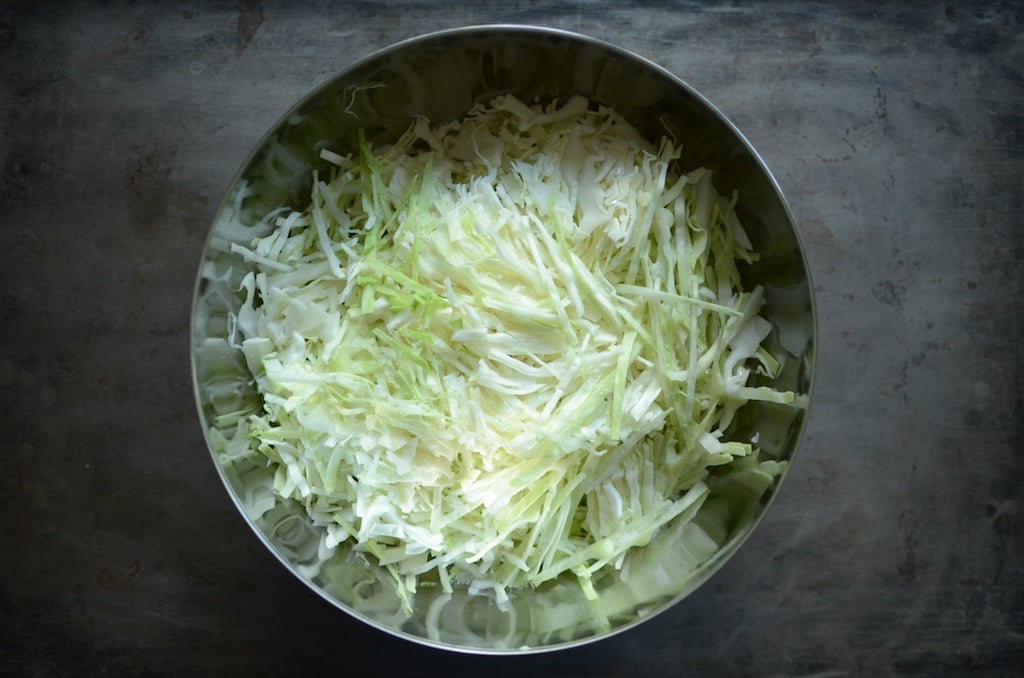
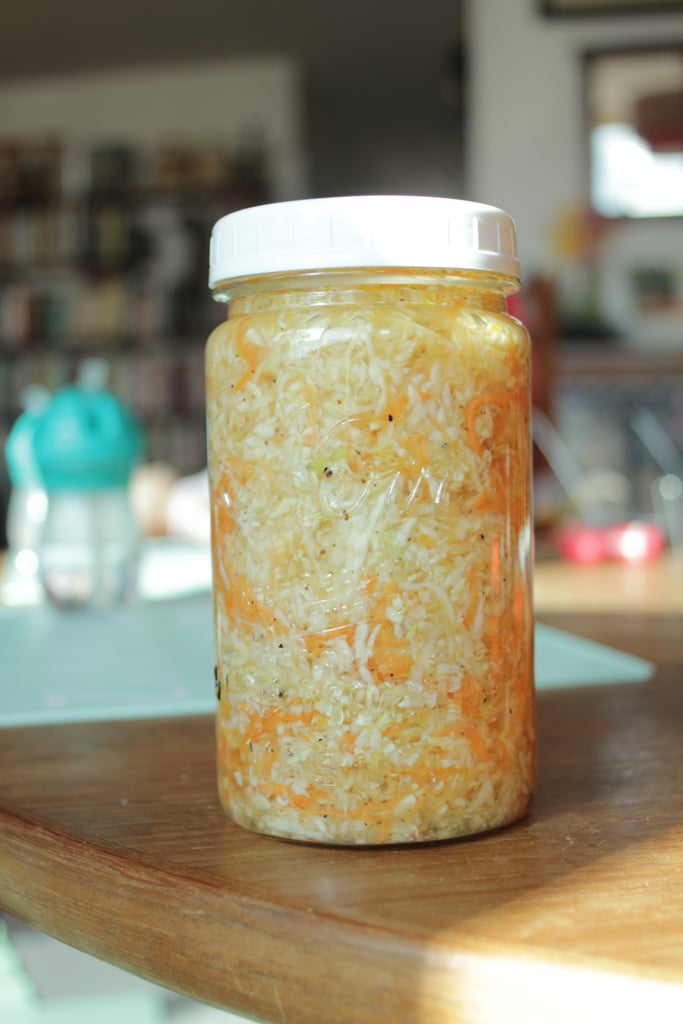
- January: Root Vegetables & Brassicas / Share a Jar
- Preservation: Focus on hearty root vegetables (carrots, potatoes, beets) and brassicas (cabbage, kale) suitable for winter storage and preservation methods like pickling, fermenting, or pressure canning. This tackles the challenge of eating seasonally even in colder months.
- Community: Encourages acts of kindness by sharing a homemade jar of preserves with a neighbor or friend, fostering goodwill and personal connections.
- February: Frozen Fruit / Freezer Excavation
- Preservation: Explores effective techniques for freezing fruits, maximizing their flavor and nutritional value for later use in jams, pies, or smoothies.
- Community: A practical exercise in inventory management, encouraging participants to "excavate" their freezers, identifying forgotten items, planning meals, and perhaps donating excess to local food banks.
- March: Make a Mix / Contribute to a Community Fridge or Pantry
- Preservation: Focuses on creating shelf-stable mixes in jars, such as soup starters, muffin mixes, or baking blends, promoting convenience and thoughtful pantry organization.
- Community: Direct engagement with local food security initiatives, contributing prepared items or ingredients to community fridges or pantries, addressing food insecurity.
- April: Herbs and Alliums / Plant Something
- Preservation: Techniques for preserving aromatic herbs (drying, freezing in oil/water) and alliums (garlic, onions) through various methods, extending their culinary utility.
- Community: Encourages gardening, whether a single herb plant or a larger vegetable patch, connecting individuals to the source of their food and potentially sharing seedlings or harvests with neighbors.
- May: Berries / Learn from a Friend
- Preservation: Highlights the abundance of spring berries, focusing on simple preservation methods like jam-making, cordial creation, or freezing.
- Community: Promotes skill-sharing, encouraging participants to seek out a friend or neighbor with a particular skill (e.g., gardening, knitting, baking) and learn from them, strengthening intergenerational or peer connections.
- June: Jam / Attend a Potluck
- Preservation: A deep dive into the classic art of jam making, exploring fruit combinations, pectin levels, and various setting methods.
- Community: Fosters social interaction through communal dining, encouraging attendance at or hosting of a potluck, sharing culinary creations and stories.
- July: Pickles (quick, processed, or fermented) / Support a Local Farmer/Grower
- Preservation: Covers the diverse world of pickling, from quick refrigerator pickles to traditional fermented vegetables and water-bath canned options.
- Community: Emphasizes the importance of local agriculture, encouraging direct support of farmers through farmers’ market purchases, CSA subscriptions, or farm-stand visits.
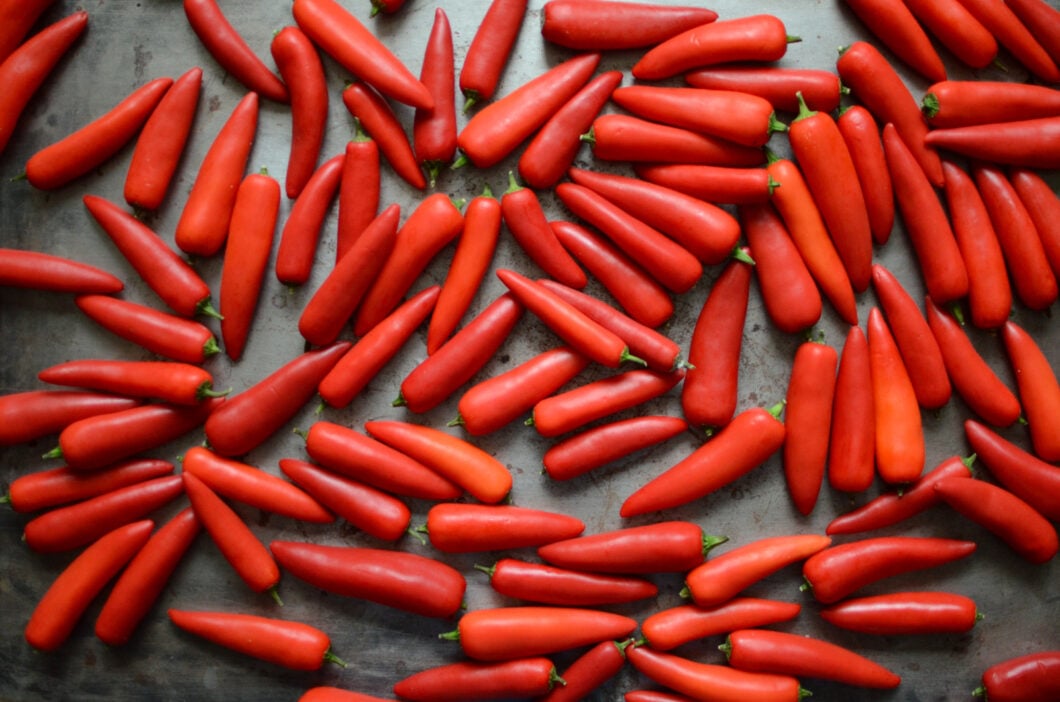
- August: Sauces (apple, chili, tomato, hot, etc) / Gather or Glean
- Preservation: Focuses on creating various sauces from seasonal produce gluts, such as apple sauce, chili sauce, tomato passata, or homemade hot sauces.
- Community: Promotes ethical foraging and gleaning (with permission), reducing food waste by collecting excess produce from farms, orchards, or gardens that would otherwise go to waste.
- September: Condiments (ketchup, relish, mustard, etc) / Host a Swap
- Preservation: Explores making homemade condiments like ketchup, relish, mustard, or chutneys, elevating everyday meals.
- Community: Encourages resourcefulness and sharing through hosting a swap meet (e.g., seed swap, preserve swap, book swap), building community resilience and reducing consumption.
- October: Drying and Dehydration / Share Your Knowledge
- Preservation: Focuses on ancient preservation techniques of drying and dehydration for fruits, vegetables, and herbs, requiring minimal equipment and storage space.
- Community: Inspires participants to become mentors, sharing their accumulated knowledge and skills with others, thereby perpetuating traditional crafts.
- November: Apples / Barter with a Friend or Neighbor
- Preservation: Dedicated to the versatile apple, exploring methods like apple butter, apple pie filling, dried apples, or hard cider.
- Community: Revitalizes the practice of bartering, trading homemade goods, produce, or services with friends and neighbors, fostering mutual aid and resourcefulness.
- December: Use it Up! / Bake for Others
- Preservation: A culminating challenge to utilize all remaining preserved goods and pantry staples, minimizing waste before the new year.
- Community: Encourages festive generosity by baking treats for others, spreading cheer and strengthening social bonds during the holiday season.
Broader Implications and Anticipated Impact
The Community Canning Challenge is poised to deliver multifaceted benefits extending beyond individual skill acquisition. Environmentally, the emphasis on seasonal eating, local sourcing, and reducing food waste directly contributes to a more sustainable food system. By preserving excess produce, participants lessen the demand for energy-intensive, year-round transportation of goods and reduce household waste destined for landfills.
Economically, the challenge promotes self-sufficiency and potential cost savings. While initial investments in canning equipment may be necessary, the long-term benefits of purchasing produce in bulk during peak season or utilizing homegrown harvests can significantly reduce grocery bills. Moreover, the community aspect, particularly through bartering and sharing, can foster a micro-economy of exchange, reducing reliance on monetary transactions for certain goods.
Socially, the initiative directly combats the increasing sense of isolation prevalent in modern society. By encouraging participants to "share a jar," "attend a potluck," or "learn from a friend," the challenge actively promotes face-to-face interaction and the formation of robust local networks. Community organizers and sociologists frequently highlight the importance of such local connections in building resilient communities, enhancing mental well-being, and providing crucial support systems during times of need. The transmission of practical skills, especially those traditionally passed down through generations, also enriches local culture and empowers individuals with a sense of accomplishment and self-reliance.
The "Community Canning Challenge" represents more than just a series of monthly tasks; it is a holistic invitation to re-engage with food, community, and personal growth. Its structured yet flexible approach, coupled with transparent communication channels, positions it as a significant initiative for individuals seeking to enrich their lives and contribute positively to their local environments. Those interested in participating are encouraged to complete the provided online form and subscribe to the free Substack newsletter or join the Facebook Community group to fully immerse themselves in this unique year-long journey of culinary exploration and community building.