The burgeoning global interest in botanical medicine and holistic wellness has transformed herbalism from a niche hobby into a significant sector of the modern wellness economy, currently valued at over $150 billion globally. As the holiday season approaches, the demand for high-quality apothecary supplies, organic raw materials, and specialized educational resources has reached a record high. This comprehensive guide serves as a strategic roadmap for consumers seeking to support the aspiring or seasoned herbalist, focusing on the infrastructure of the home apothecary, the nuances of botanical sourcing, and the long-term value of professional herbal education.

The Evolution of the Modern Home Apothecary
The practice of herbalism in the 21st century has seen a shift toward "home-scale manufacturing," where individuals curate their own medicinal cabinets through tinctures, salves, and infusions. This movement is driven by a desire for transparency in ingredients and a return to traditional self-care methodologies. To facilitate this, the primary requirement for any practitioner is a consistent supply of high-quality, organic raw materials. Industry leaders such as Mountain Rose Herbs have set the standard for the procurement of bulk botanicals, emphasizing the importance of organic certification and sustainable harvesting practices.
For the holiday shopper, selecting foundational herbs is a practical entry point. Key botanicals that form the backbone of a versatile apothecary include:
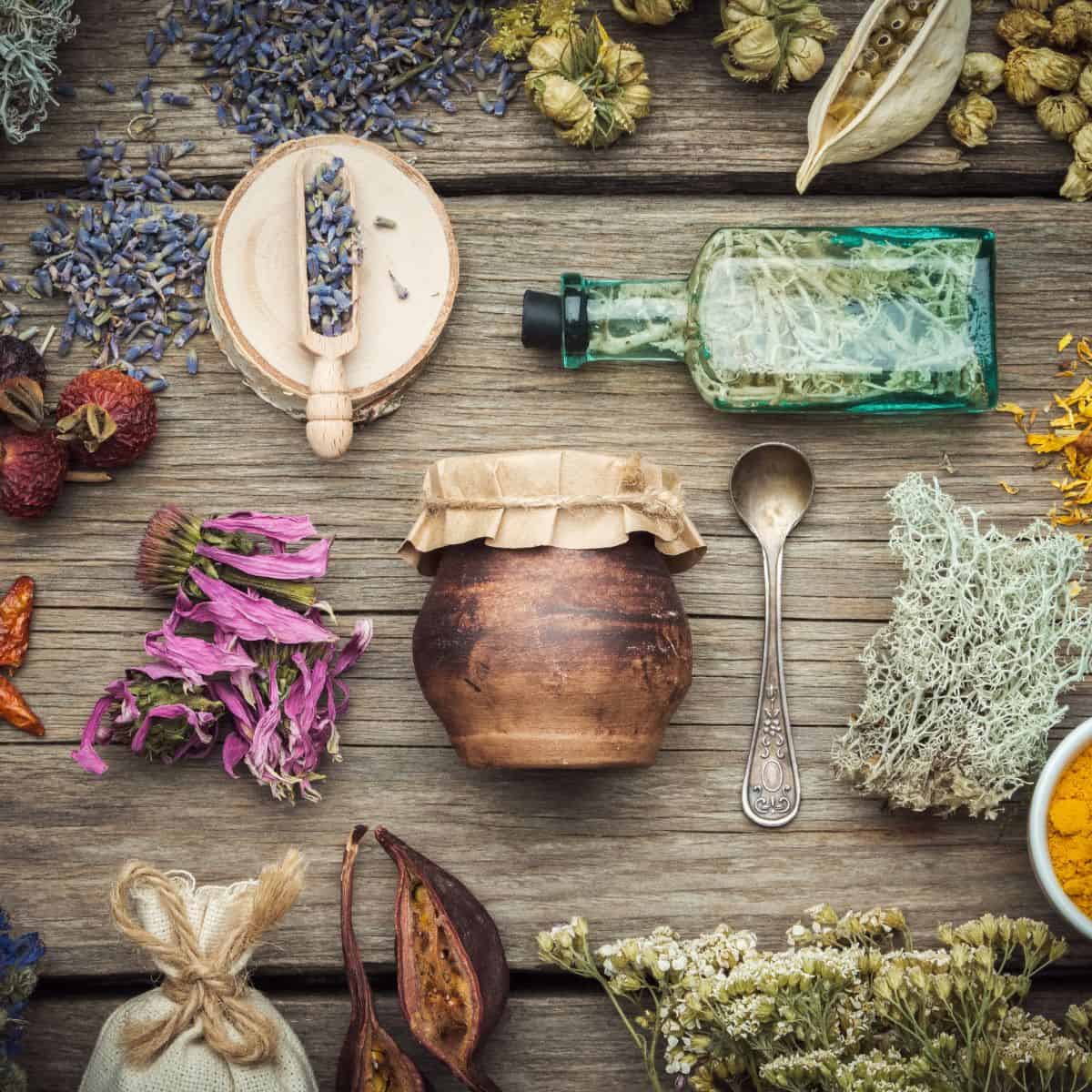
- Calendula (Calendula officinalis): Highly valued for its anti-inflammatory properties and its ubiquity in topical skincare.
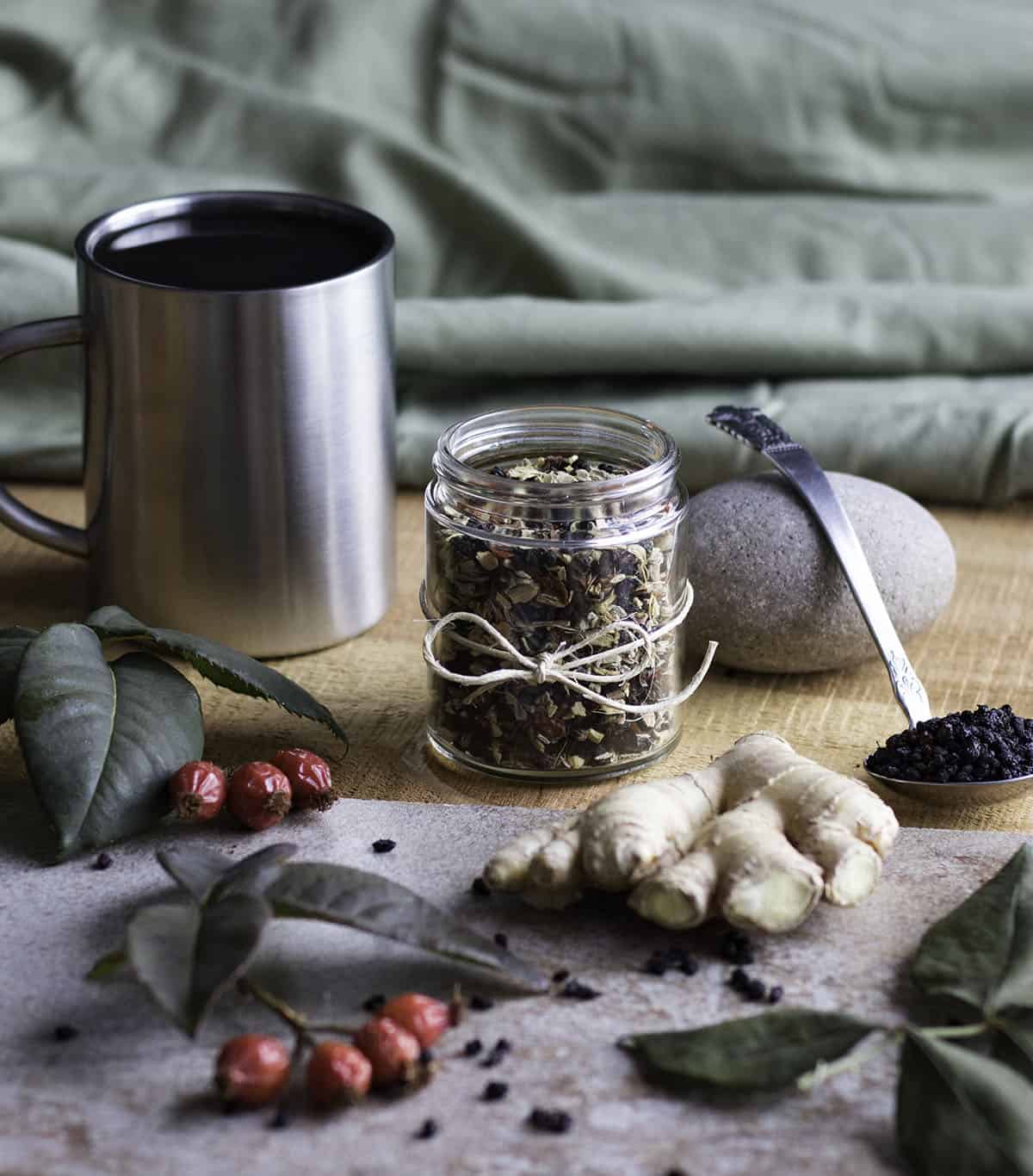
- Elderberry (Sambucus nigra): A staple for immune system support, particularly during the winter months.
- Lavender (Lavandula angustifolia): Essential for its nervine properties and its role in promoting relaxation and sleep hygiene.
- Nettle (Urtica dioica): Recognized as a nutrient-dense "tonic" herb, rich in vitamins and minerals.
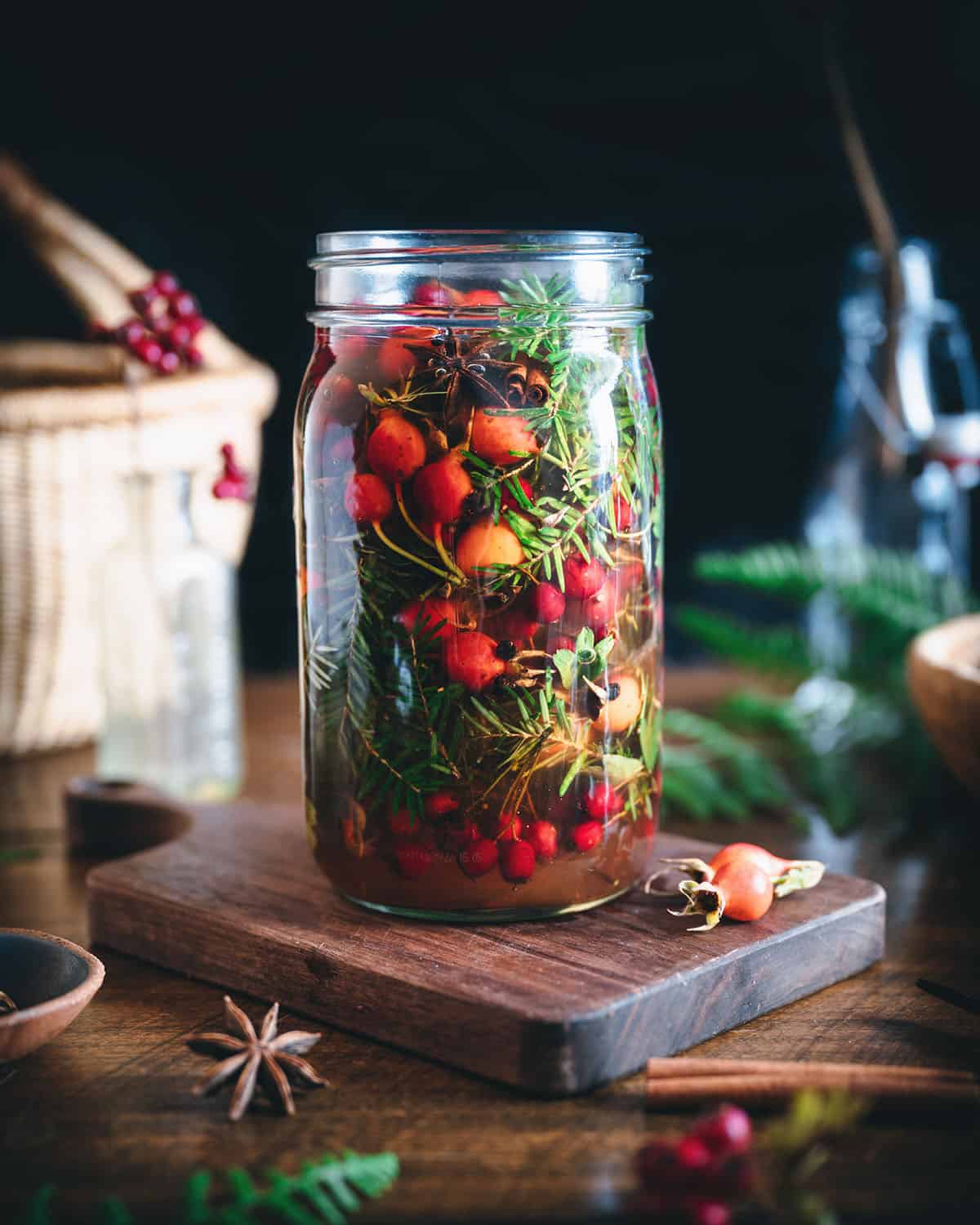
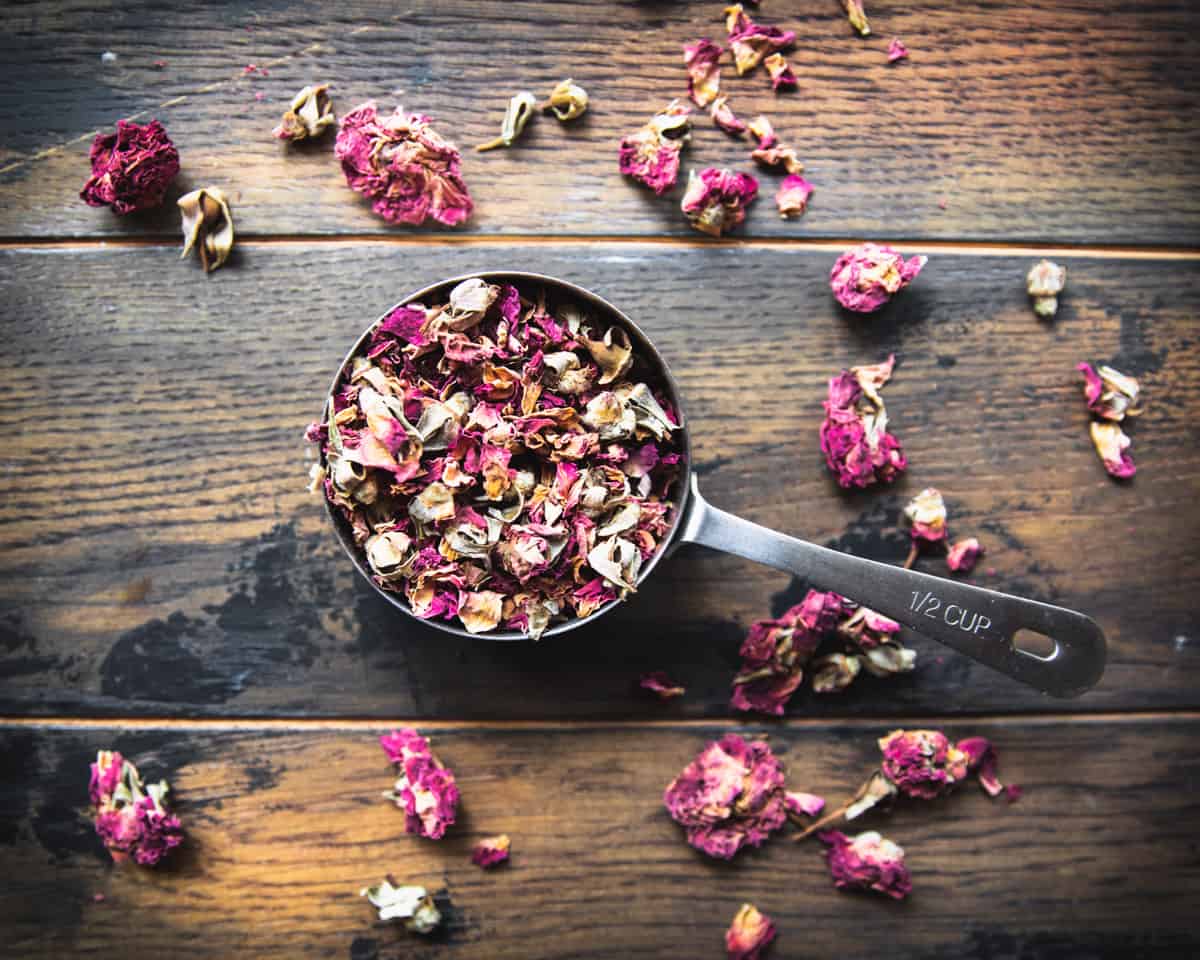
- Rose (Rosa spp.): Used both for its astringent properties in skincare and its uplifting effects in tea blends.
Market analysis suggests that consumers are increasingly looking for "curated kits." Assembling a collection of herbs focused on specific physiological systems—such as digestive health, stress management, or respiratory support—provides a tailored gifting experience that aligns with the recipient’s specific wellness goals.
Strategic Infrastructure: Glassware and Storage Solutions
The efficacy of herbal preparations is largely dependent on the integrity of their storage. Light, heat, and oxygen are the primary catalysts for the degradation of botanical compounds. Consequently, professional-grade glassware is a critical component of the herbalist’s toolkit.
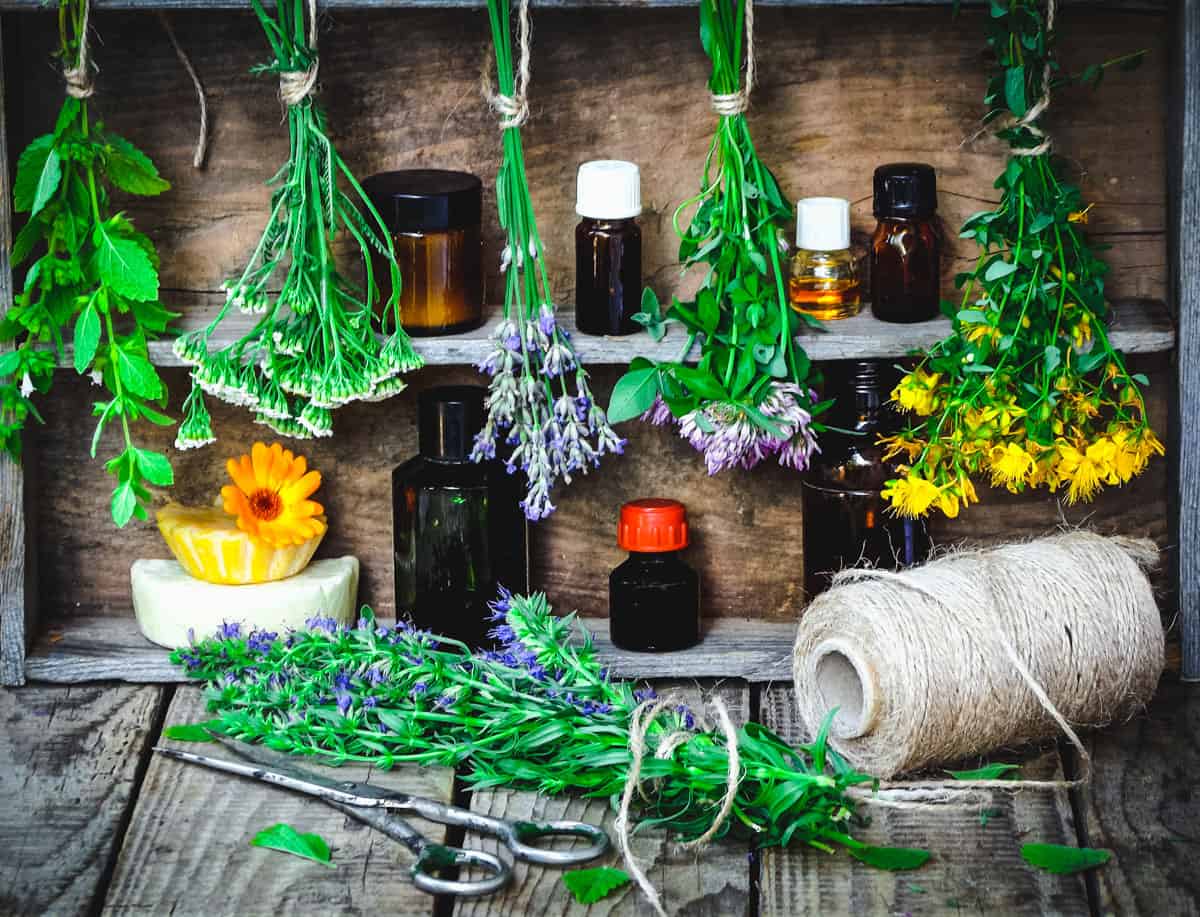
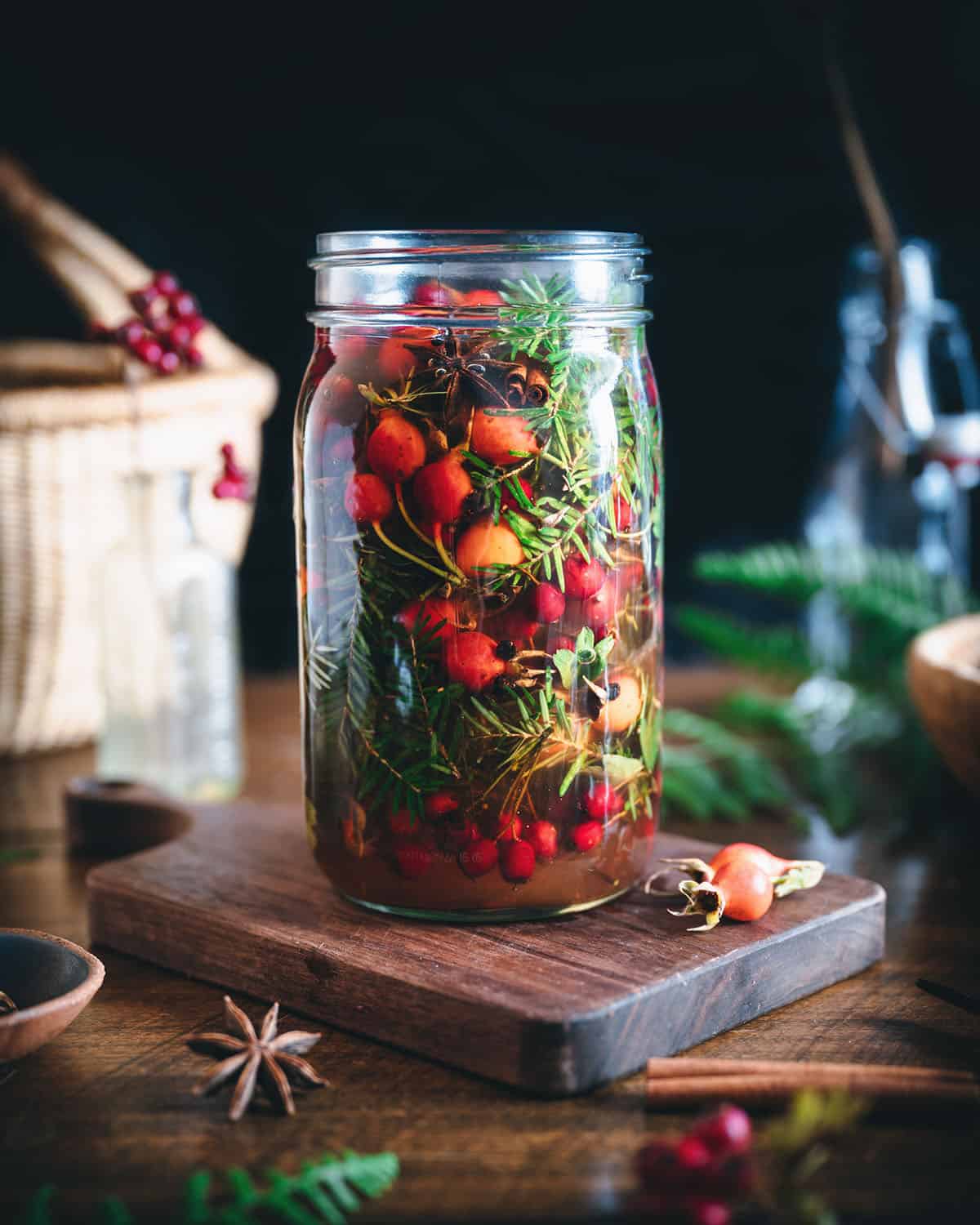
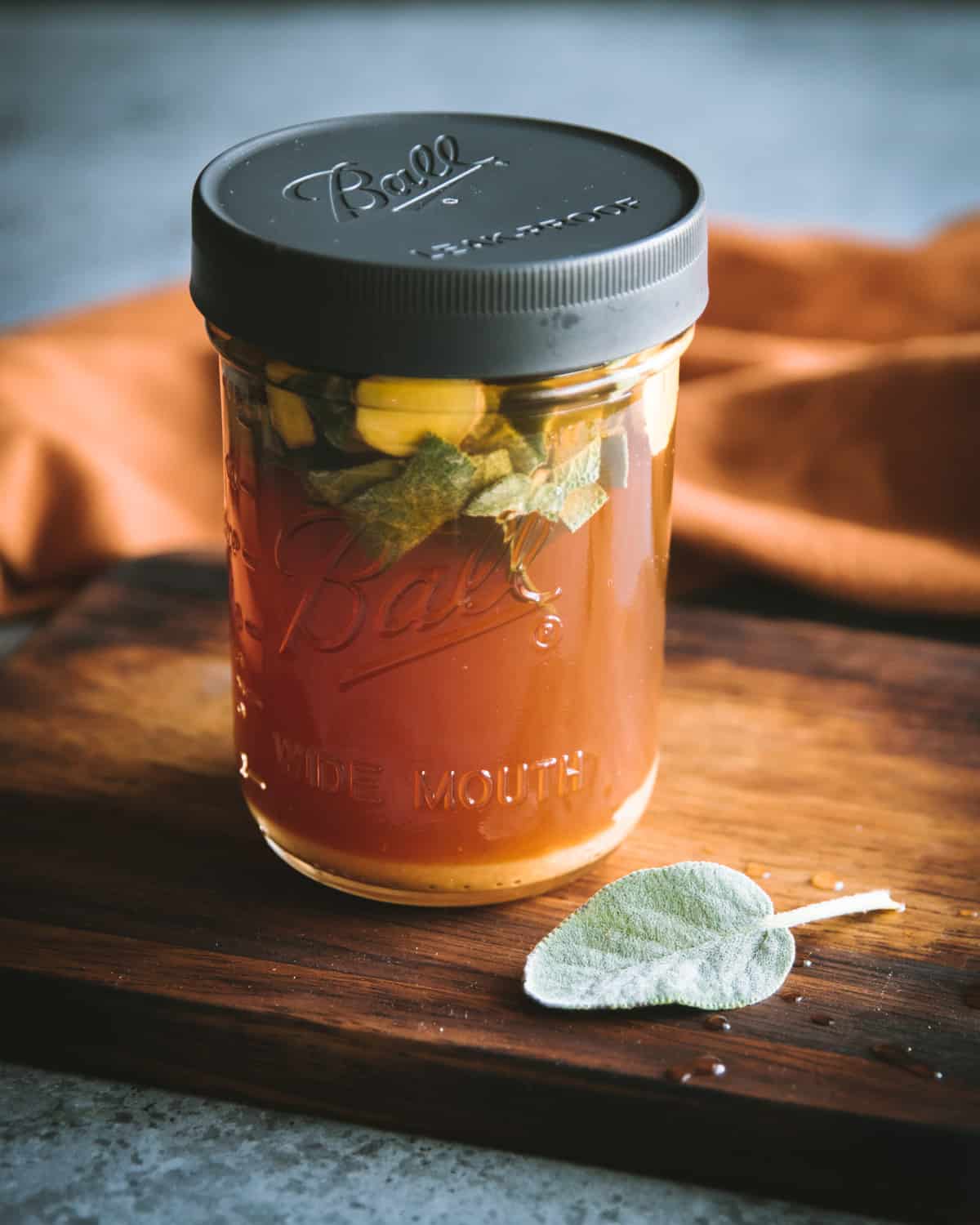
The industry standard remains the Mason jar, particularly in wide-mouth pint and quart sizes. These vessels are favored for their durability and the ability to create airtight seals during the infusion process. However, recent innovations in lid technology have addressed long-standing issues with leakage and corrosion. The adoption of leak-proof storage lids, such as those produced by Ball, has significantly improved the safety and cleanliness of "shaking" tinctures and oils—a necessary step in the extraction process.
For finished products, specialized containers are required:
- Tincture Bottles: Amber or cobalt blue glass bottles with glass droppers are essential for protecting alcohol-based extracts from UV degradation.
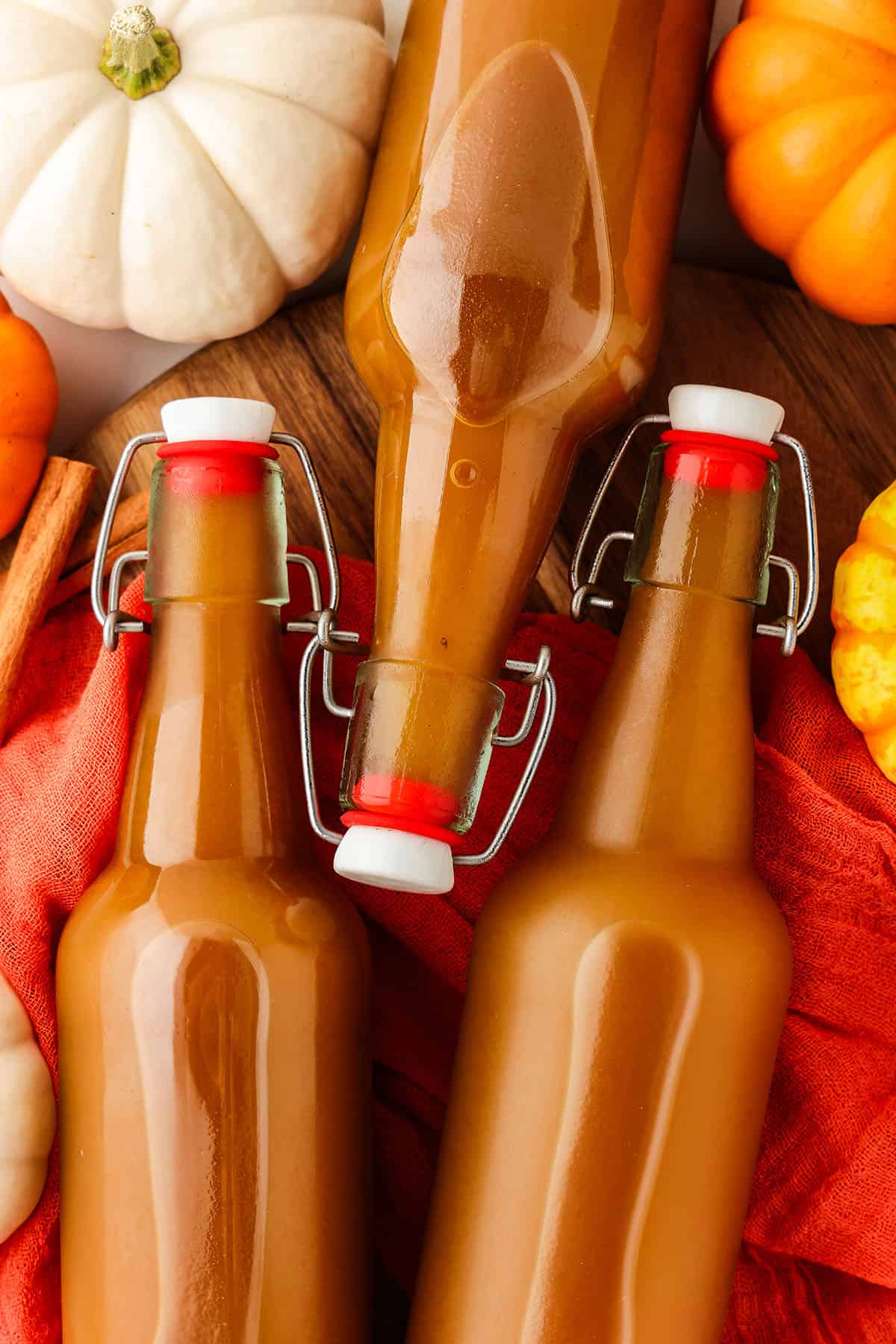
- Boston Round and Spherical Bottles: These are preferred for herbal syrups and infused vinegars (oxymels), often utilizing cork or phenolic caps to maintain a vacuum seal.
- Metal Tins: Aluminum or stainless steel tins are the preferred medium for salves, balms, and solid perfumes, offering a portable and shatterproof option for topical applications.
Supporting these storage solutions are secondary tools such as stainless steel fine-mesh strainers and funnels. In a professional journalistic context, it is worth noting that the shift away from plastic toward inert materials like stainless steel and glass reflects a broader consumer trend toward "zero-waste" and "low-tox" living environments.
The Chemistry of Topical Application: Carrier Oils and Emollients
Beyond the herbs themselves, the creation of botanical skincare requires a suite of high-quality lipids and waxes. The "maker" aspect of herbalism relies on the science of oil infusion, where the fat-soluble constituents of a plant are transferred into a carrier medium.
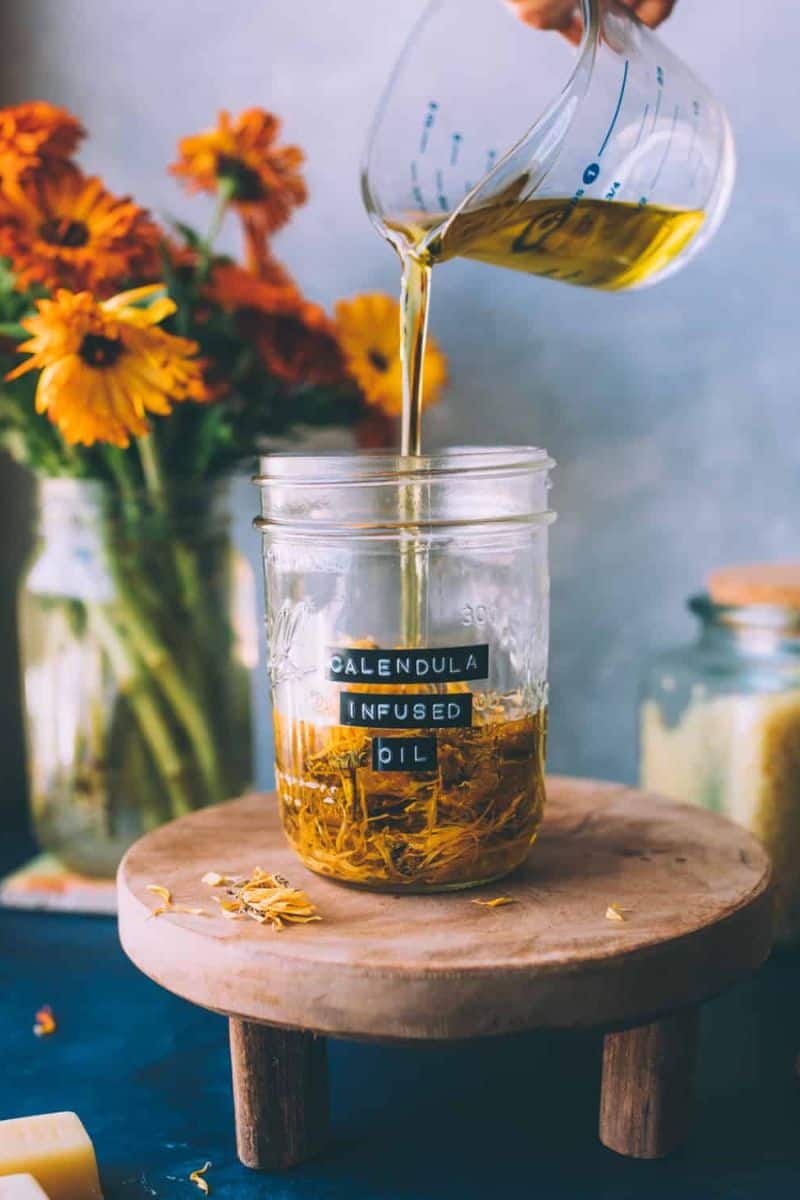
Beeswax remains the gold standard for creating the structural integrity of salves and lip balms. For the holiday season, small-batch, ethically sourced beeswax pellets are a highly sought-after commodity. These are often paired with organic carrier oils such as Jojoba, Sweet Almond, or Avocado oil. The selection of a carrier oil is a technical decision based on the oil’s comedogenic rating, absorption rate, and fatty acid profile.
Furthermore, the integration of essential oils allows herbalists to enhance the therapeutic profile and aromatic appeal of their products. This segment of the market requires careful navigation, as the purity of essential oils varies significantly between manufacturers. Gifting from reputable sources ensures that the recipient is working with therapeutic-grade concentrates rather than synthetic fragrances.
Educational Investment and the Literature of Herbalism
As the field of herbalism becomes more regulated and scientifically scrutinized, the value of formal education has increased. Digital learning platforms have democratized access to botanical knowledge, allowing practitioners to study under master herbalists regardless of geographical location.
The Herbal Academy has emerged as a premier institution in this space, offering tiered courses ranging from "Introductory" to "Clinical" levels. Gifting an enrollment in a specialized course—such as Botanical Skincare or the Herbarium—represents a long-term investment in the recipient’s skill set.
Complementing digital courses is the "Herbalist’s Library." While digital resources are abundant, physical reference books remain the preferred method for many practitioners for field identification and formulation. Notable titles that have shaped the modern herbal landscape include:
- "Healing Herbal Infusions" by Colleen Codekas: A foundational text for those focusing on domestic applications of herbalism.
- "The Modern Herbal Dispensatory" by Thomas Easley and Steven Horne: A technical manual focused on the precise science of medicine-making.
- "Alchemy of Herbs" by Rosalee de la Forêt: A guide to integrating medicinal herbs into daily culinary practices.
Economic Impact and Market Trends
The "DIY" herbalism trend is part of a larger $4.5 trillion global wellness economy. Data from market research firms indicate that during the Q4 holiday period, there is a 25% increase in the purchase of "craft-related" wellness supplies. This surge is attributed to the "Green Renaissance," a cultural movement characterized by a renewed interest in ethnobotany and traditional ecological knowledge.
Industry analysts observe that consumers are moving away from mass-produced wellness products in favor of "artisanal" and "traceable" goods. This has provided a significant boost to small-scale producers like Homestead and Chill or MadeOn Skin Care, who emphasize transparent sourcing and hand-crafted production methods. Supporting these businesses not only provides high-quality gifts but also strengthens the local and specialized economies that sustain the herbal community.
Chronology of the Herbal Year: Why Winter is the Season of Gifting
The herbalist’s calendar is cyclical. Spring and summer are dedicated to the "wildcrafting" and harvesting phases, while autumn is focused on the preservation and initial processing of botanical materials. Winter, therefore, represents the "apothecary season"—a time when the harvested materials are transformed into the medicines and gifts that will sustain the community through the following year.

Providing gifts that facilitate this winter transformation—such as new jars for infusions, fresh carrier oils for winter salves, or advanced textbooks for winter study—aligns perfectly with the natural rhythm of the practitioner’s life. It is during these colder months that the herbalist has the time for the slow, methodical work of medicine-making.
Broader Impact: Sustainability and Ethical Sourcing
A critical consideration in modern herbalism is the environmental impact of botanical consumption. Over-harvesting of "at-risk" species like Goldenseal or American Ginseng has led to a crisis in wild plant populations. Consequently, the gift of cultivated herbs or seeds for a "medicinal garden" carries significant ethical weight.
Gifting tools for the "Backyard Gardener" or "Permaculturist" encourages the cultivation of "at-risk" plants at home, reducing the pressure on wild populations. This shift toward "home-grown" medicine is viewed by environmentalists as a vital step in biodiversity conservation.
In conclusion, the modern herbalist sits at the intersection of traditional wisdom and contemporary science. Providing gifts that support this duality—whether through high-purity raw materials, professional-grade laboratory equipment, or rigorous educational resources—ensures that the ancient art of herbalism continues to thrive in a modern context. As the holiday season progresses, the trend toward thoughtful, utility-driven, and ethically sourced gifts remains the dominant force in the botanical marketplace.