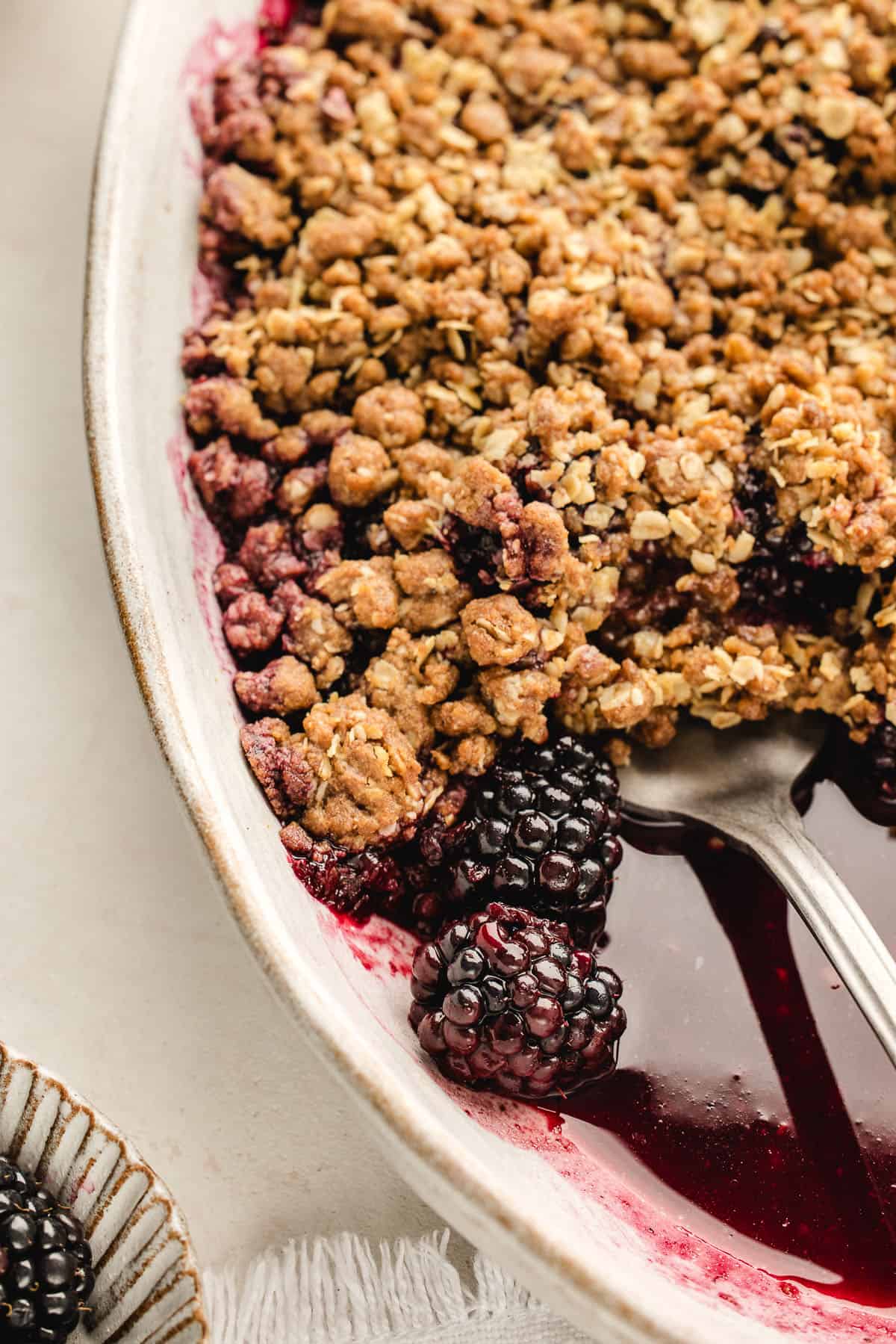
The blackberry crisp represents a cornerstone of seasonal North American dessert architecture, characterized by its reliance on the peak harvest of the Rubus genus and a specialized textural duality. As a culinary staple, the dish utilizes the chemical interactions between fruit acids, sugars, and starch thickeners, topped with a mechanical mixture of fats and grains to produce a distinct contrast between a viscous fruit base and a friable, golden-brown crust. Unlike its cousin, the cobbler—which utilizes a chemically leavened biscuit dough—the crisp relies on a streusel-like composition, often incorporating whole-grain oats to achieve a specific structural integrity that remains stable whether served at high temperatures or as a chilled remnant.
The Structural Distinction: Crisp vs. Cobbler
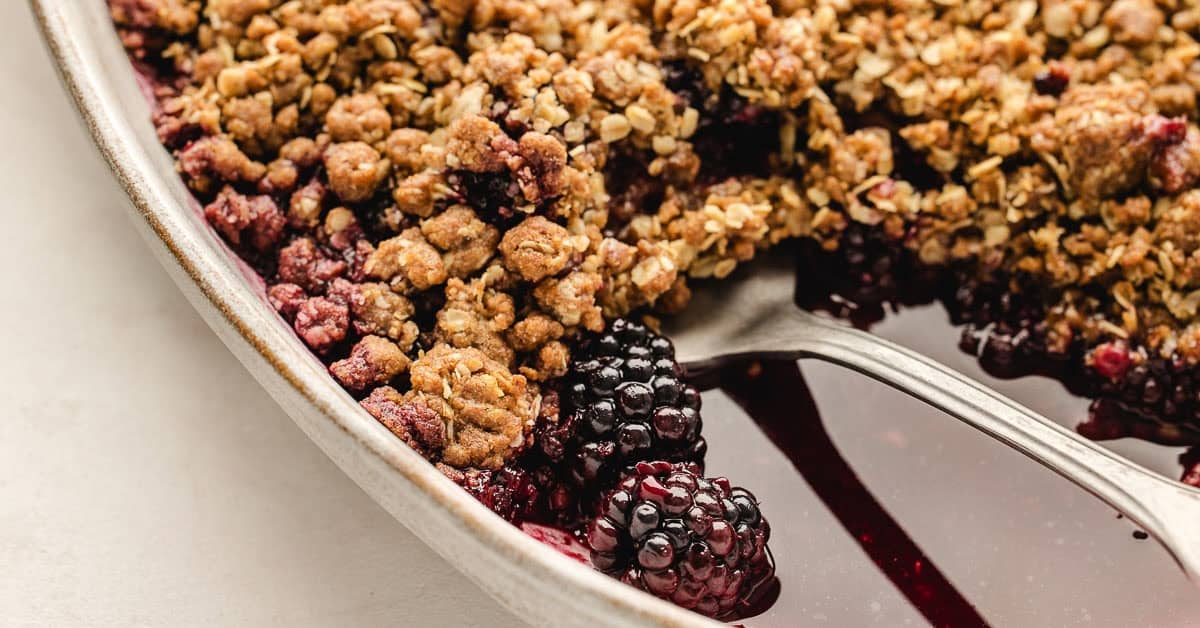
In the realm of fruit-based desserts, nomenclature is frequently dictated by the composition of the topping. The blackberry crisp is defined by its use of a "streusel" topping, a term derived from the German word streuen, meaning to strew or scatter. This topping traditionally consists of flour, sugar, and butter, but is differentiated in the "crisp" category by the inclusion of rolled oats. This addition provides a more robust fiber profile and a more pronounced crunch upon caramelization.
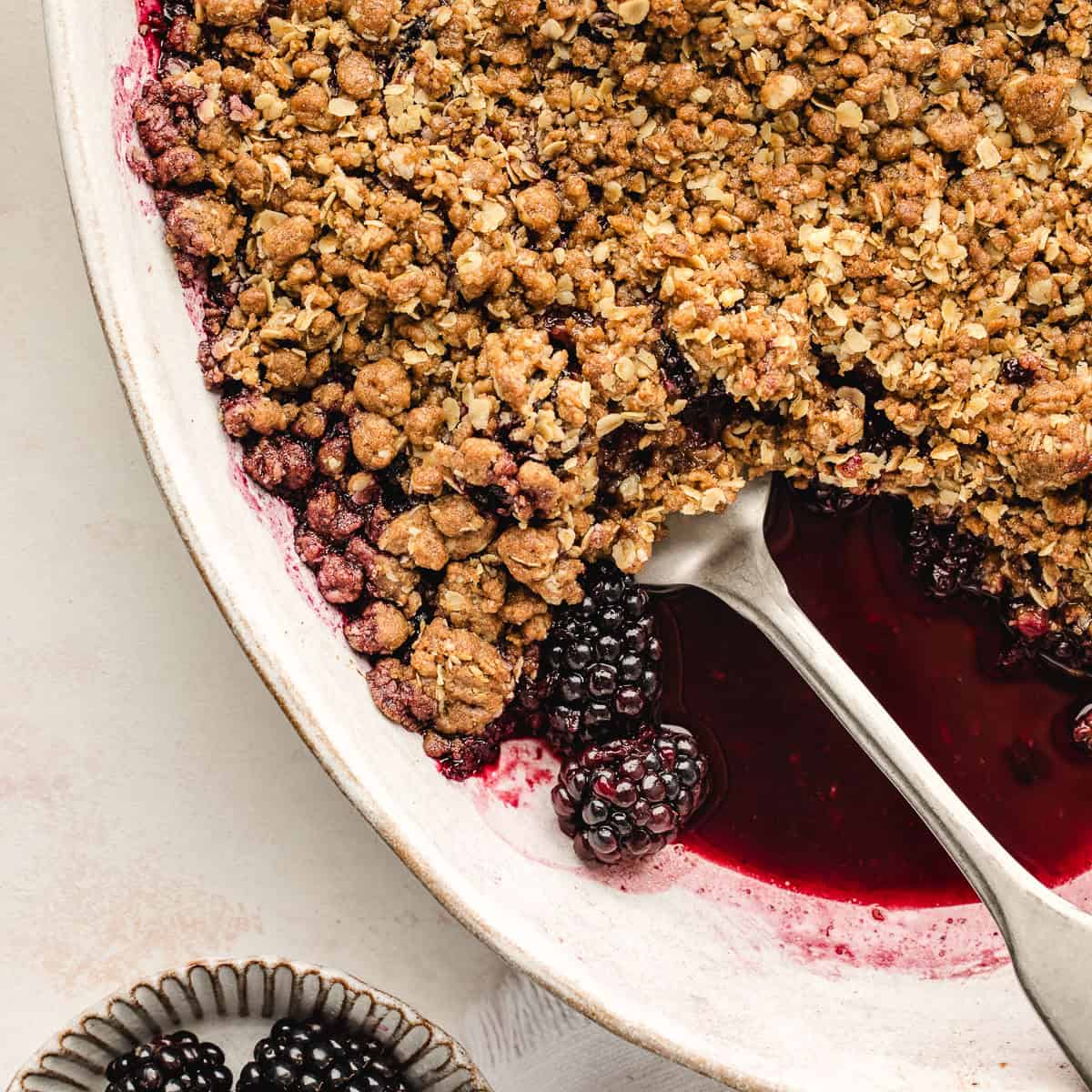
In contrast, a cobbler features a "dropped" dough or a biscuit-style crust that creates a cake-like or dumpling-like consistency. The cobbler’s topping interacts with the fruit juices by absorbing moisture, resulting in a softer, pillowy texture. The crisp, however, is designed to sit atop the fruit, creating a protective barrier that allows the berries to macerate and bubble beneath a dehydrated, crunchy shell. This structural difference is not merely aesthetic; it affects the thermodynamic properties of the dish, with the crisp topping acting as an insulator that allows for a slower, more even cook of the delicate drupelets.
Agricultural Profile and the Harvest Timeline
The blackberry, a member of the Rosaceae family, is a complex fruit consisting of numerous small drupelets. Each drupelet contains a tiny seed, and the fruit is distinguished from the raspberry by the fact that the receptacle (the core) remains attached to the fruit when picked. In the Northern Hemisphere, the blackberry harvest typically follows a strict chronological progression dictated by regional climates and specific cultivar genetics.
- Early Bloom (April – May): Pollination occurs, primarily facilitated by honeybees and wild pollinators. The health of the blackberry crop is often viewed as a bellwether for local pollinator populations.
- Fruit Set (June): Small green berries appear. During this phase, adequate rainfall is critical to ensure the berries achieve the necessary plumpness.
- The Ripening Phase (July – August): Berries transition from green to red, and finally to a deep, glossy black. This stage represents the peak of sugar concentration (Brix levels) and the optimal balance of anthocyanins—the pigments responsible for the fruit’s color and antioxidant properties.
- The Harvest (August – Early September): This period marks the peak of culinary utility. Foraging for wild blackberries, such as the Rubus armeniacus (Himalayan Blackberry), is a common late-summer activity in many temperate regions, though commercial cultivation focuses on thornless and upright varieties for ease of management.
Technical Preparation and Culinary Engineering
The successful execution of a blackberry crisp requires an understanding of the functional roles played by each ingredient. The process is a study in moisture management and Maillard browning.
The Fruit Base
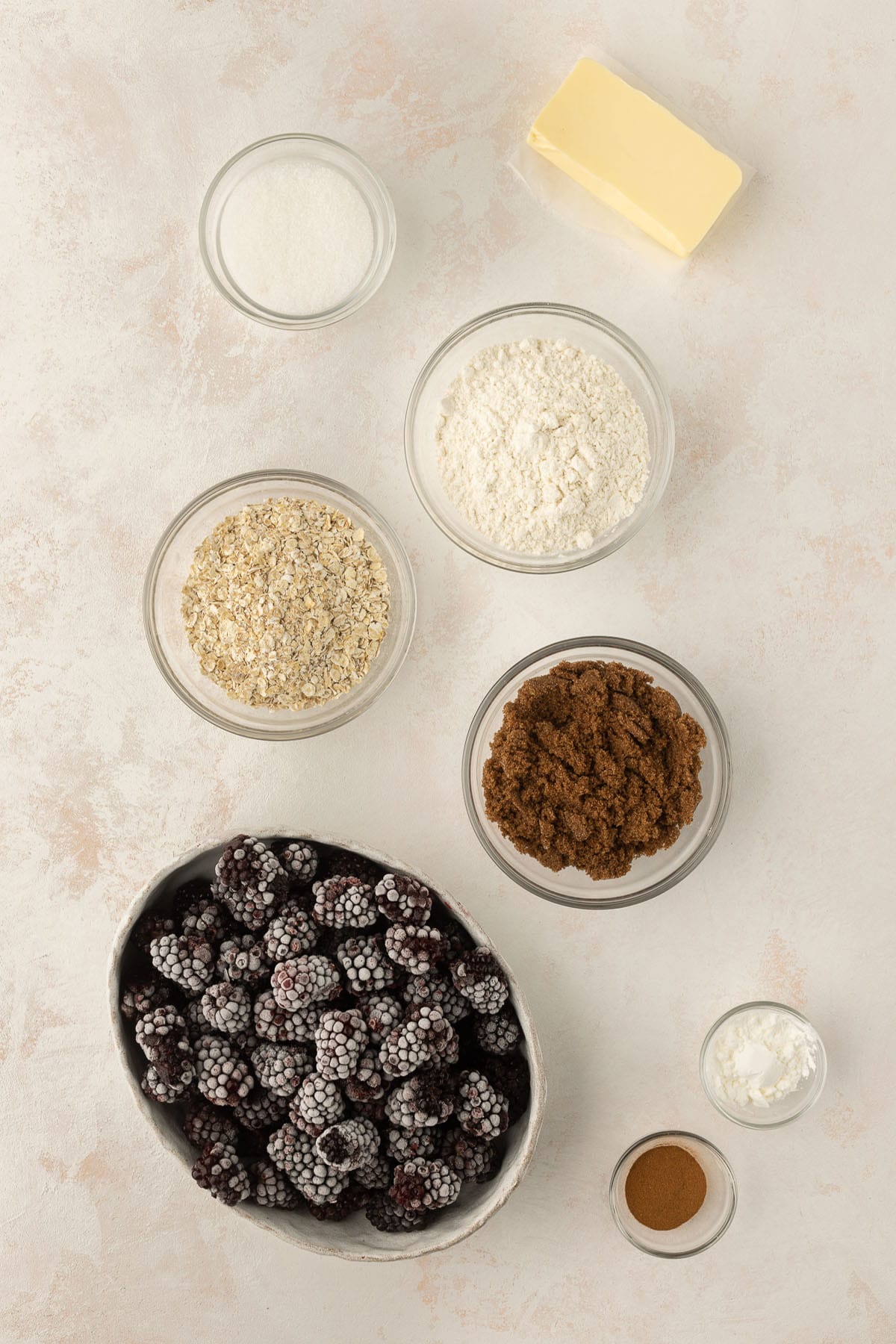
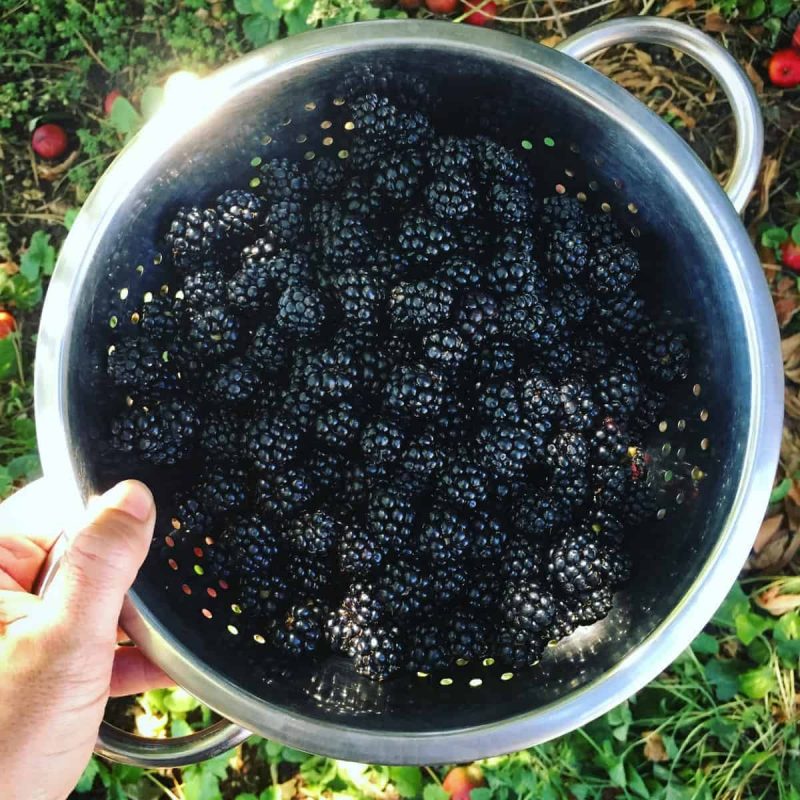
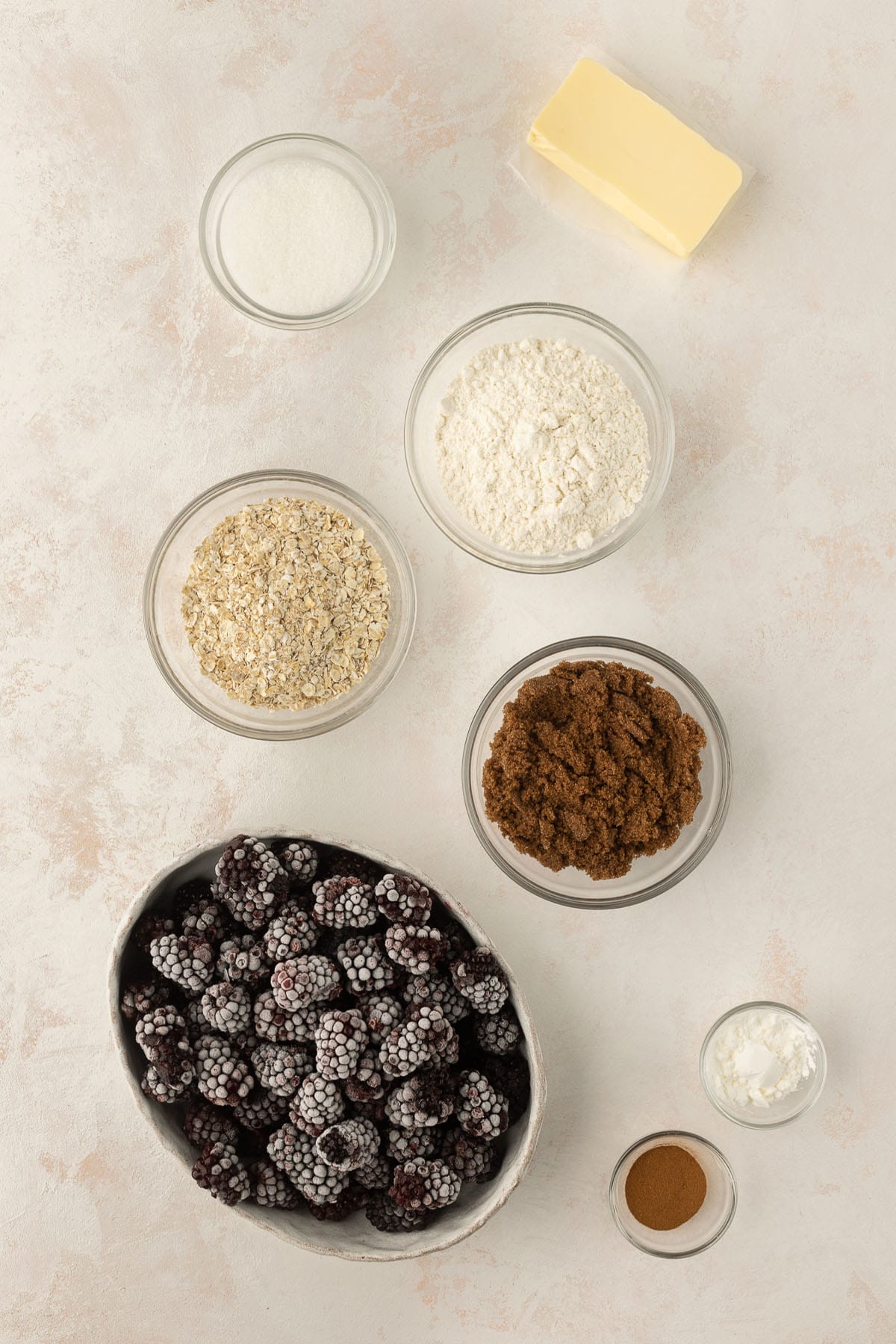
The primary challenge in berry desserts is managing the high water content of the fruit. As blackberries heat, their cellular structures collapse, releasing juice. To prevent the dessert from becoming a fruit soup, a thickening agent is required. Cornstarch or arrowroot powder is utilized to create a gel-like consistency. When the internal temperature of the fruit mixture reaches approximately 144°F (62°C) to 180°F (82°C), the starch granules swell and burst, a process known as gelatinization. This binds the fruit juices into a glossy, thick sauce that clings to the berries.
The Crisp Topping
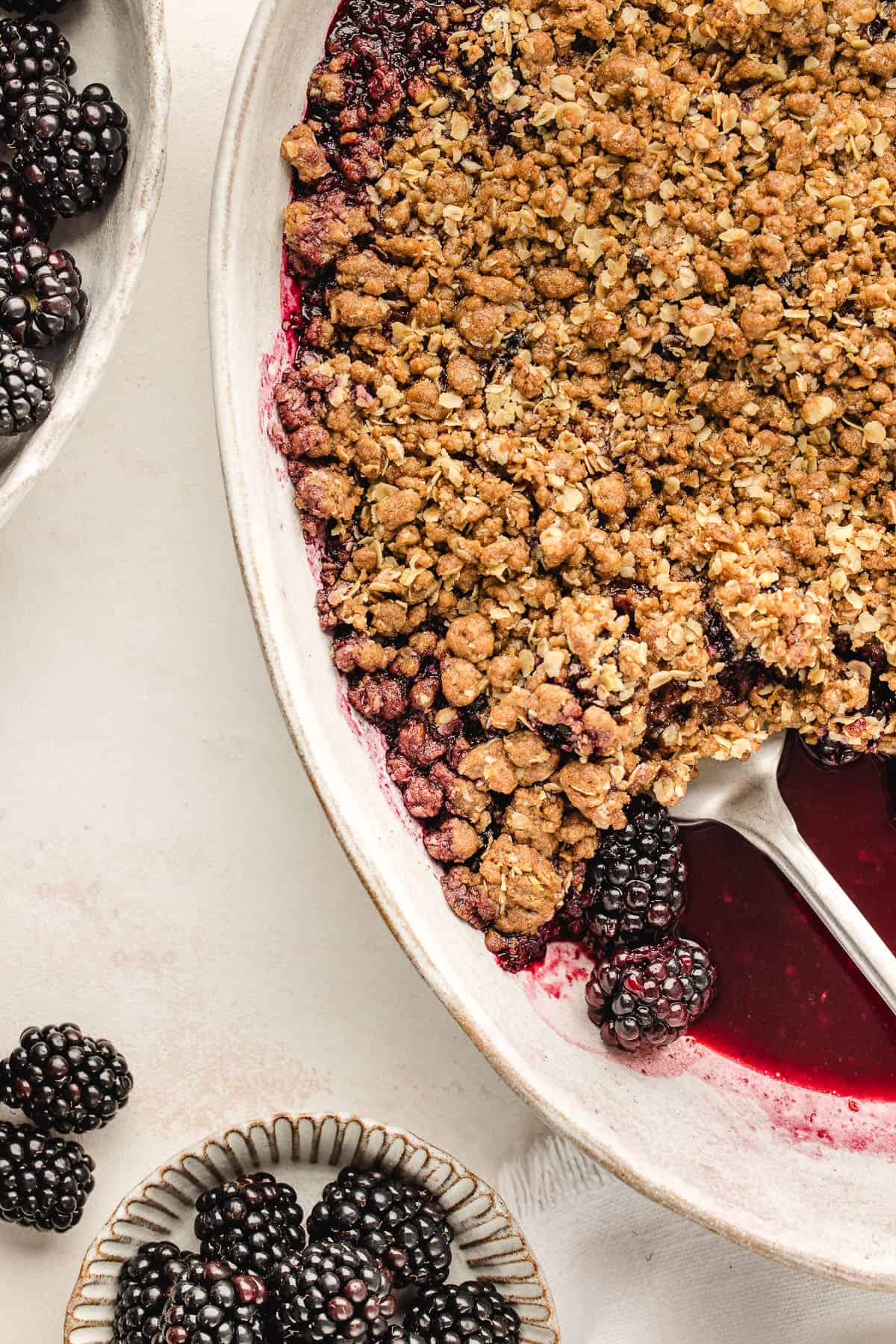
The "crisp" element is achieved through the manipulation of cold fats. The recipe mandates the use of cold, cubed butter, which is rubbed into a mixture of all-purpose flour and sugars. By keeping the butter cold, the baker ensures that small pebbles of fat remain intact. During the baking process, these fat pockets melt, creating tiny steam vents and frying the surrounding flour and oats, which results in a brittle, crunchy texture rather than a uniform, greasy mass.
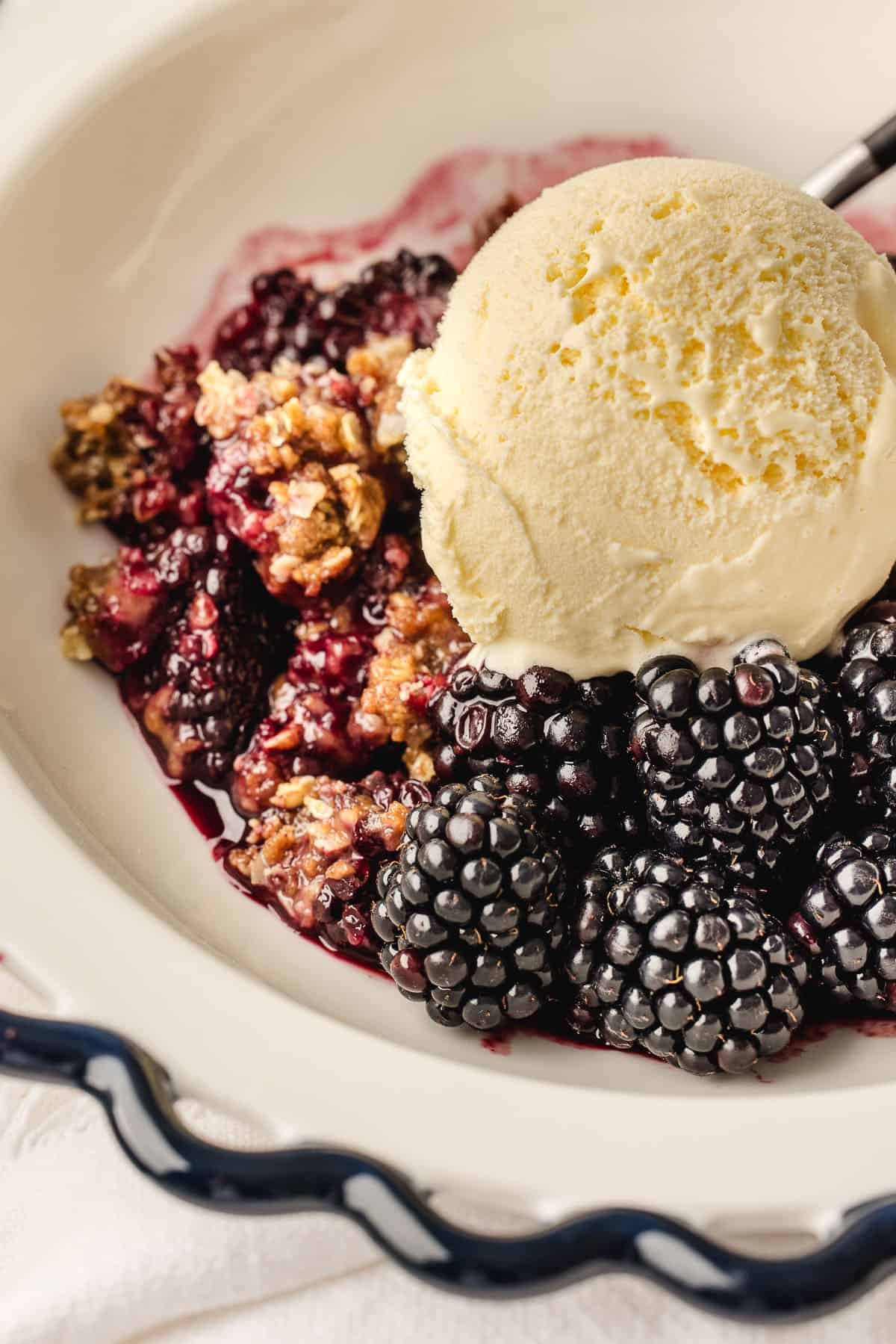
The choice of old-fashioned rolled oats is deliberate. Unlike quick-cooking oats, which are pre-steamed and rolled thinner, old-fashioned oats retain their bran and germ structure. This allows them to withstand the 35-minute baking time at 350°F (175°C) without losing their shape or becoming mushy.
Nutritional and Health Data
Blackberries are recognized by nutritionists as a "superfood" due to their high nutrient-to-calorie ratio. A standard 0.75-cup serving of blackberry crisp, while containing approximately 340 calories primarily from fats and sugars, also provides significant biological value:
- Antioxidants: Blackberries are rich in polyphenols, specifically anthocyanins, which have been linked to reduced oxidative stress and lower risks of cardiovascular disease.
- Fiber: One cup of raw blackberries contains roughly 8 grams of dietary fiber, supporting digestive health. The addition of oats in the crisp topping further augments this fiber content.
- Vitamins: The fruit is a significant source of Vitamin C (ascorbic acid), Vitamin K, and manganese.
Market Trends and Economic Impact
The berry industry has seen a marked increase in consumer demand over the last decade. According to agricultural market reports, the global blackberry market is projected to grow as consumers increasingly prioritize fresh, nutrient-dense foods. This trend has also revitalized interest in home baking and "slow food" movements.
Foraging, once a necessity, has transitioned into a high-value recreational and culinary pursuit. In regions like the Pacific Northwest of the United States and parts of the United Kingdom, wild blackberries are an abundant, free resource that supports local food security. However, commercial growers are also investing in "primocane-fruiting" varieties, which allow for two harvests per year, extending the availability of fresh blackberries into the autumn months.
Broader Impact: Sustainability and Local Food Systems
The blackberry crisp is more than a dessert; it is an example of seasonal eating that aligns with sustainable agricultural practices. By utilizing fruit at its peak ripeness, consumers reduce the need for long-distance transport and artificial ripening agents. Furthermore, the ability to use frozen blackberries allows for the preservation of seasonal surpluses, reducing food waste.
Culinary historians note that desserts like the crisp gained popularity during times of economic rationing, such as World War II, because they require less flour and butter than traditional double-crust pies. Today, this efficiency is viewed through the lens of sustainability. The "lazy summer vibe" associated with the dish reflects a cultural shift toward mindful consumption and a return to domestic food preparation.
Conclusion and Official Culinary Recommendations
Professional pastry chefs and agricultural specialists agree that the blackberry crisp remains a definitive seasonal dish due to its accessibility and the complexity of its flavor profile. To ensure the highest quality result, the following technical standards are recommended:
- Temperature Control: Ensure the oven is fully preheated to 350°F (175°C) to facilitate immediate moisture evaporation from the topping.
- Ingredient Quality: Use organic cane sugar and high-quality butter to enhance the flavor of the berries rather than masking them.
- Serving Protocols: The dish should be allowed to cool for 10 to 15 minutes post-extraction from the oven. This "resting period" allows the starch gel to set, ensuring a clean serving consistency. While vanilla ice cream is a common accompaniment, the addition of a high-fat dairy product serves a functional purpose, as the fats help to coat the palate and balance the high acidity of the blackberries.
As the agricultural cycle continues, the blackberry crisp remains a resilient and beloved fixture of the culinary landscape, bridging the gap between wild foraging traditions and modern domestic baking. Through its simple yet scientific composition, it celebrates the brief but intense window of the summer harvest.