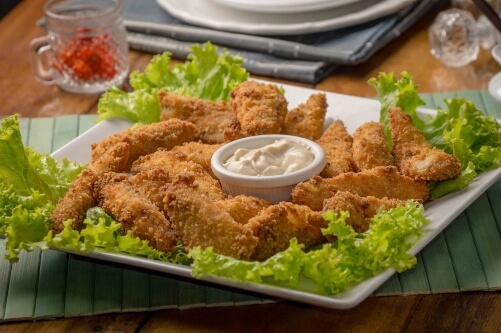
The demand for innovative and satisfying comfort food continues to shape culinary landscapes worldwide, with dishes that combine familiar textures and flavors often rising to prominence. Among these, the deep-fried chicken cheese ball has emerged as a particularly captivating creation, blending the universally beloved crispness of fried chicken with the rich, gooey indulgence of melted cheese. This culinary fusion represents more than just a simple recipe; it embodies a sophisticated interplay of sensory elements, historical influences, and modern gastronomic trends, making it a subject worthy of in-depth journalistic examination. Its growing popularity underscores a broader consumer appetite for elevated snack foods and appetizers that deliver both hearty satisfaction and an exciting textural experience, solidifying its place in contemporary culinary discourse.
The Allure of the Crispy-Creamy Combination: A Sensory Deep Dive
At the heart of the deep-fried chicken cheese ball’s widespread appeal lies its inherent duality: an exterior that shatters with a satisfying crunch, giving way to a warm, tender interior where seasoned chicken harmonizes with molten cheese. This textural contrast is a cornerstone of many successful dishes globally, from Italian arancini to Spanish croquetas, and is a key driver of consumer enjoyment. The scientific principles underpinning this sensory delight involve precise cooking techniques and carefully selected ingredients. When deep-fried, the panko breadcrumb coating undergoes the Maillard reaction, a complex series of chemical changes between amino acids and reducing sugars that gives food its distinctive browned color and rich, savory flavor. This reaction typically occurs at temperatures above 140°C (285°F), contributing significantly to the dish’s aroma and taste profile. Simultaneously, the internal temperature rapidly rises, cooking the chicken to perfection while transforming the solid cheese into a luscious, flowing state. The result is a multi-layered experience that engages both taste and touch, leaving a memorable impression on the palate.
Food scientists and culinary experts often highlight the importance of this interplay, noting that dishes that successfully combine disparate textures—like crisp and soft, or chewy and smooth—tend to have a higher hedonistic appeal. This explains why items like mozzarella sticks, fried calamari, and now, chicken cheese balls, consistently rank high in consumer preference surveys for appetizers and snack items. According to a 2022 survey by the National Restaurant Association, appetizers featuring fried textures and cheese continue to be top performers in the casual dining segment, indicating a sustained consumer demand for these sensory experiences. The intrinsic satisfaction derived from biting into something crispy and discovering a soft, yielding core is a fundamental aspect of human dietary pleasure, deeply rooted in our evolutionary preferences for calorie-dense and texturally diverse foods.
A Journey Through Culinary History: The Roots of Fried Chicken and Cheese
The concept of deep-frying food dates back millennia, with evidence of fried dishes found in ancient Egyptian, Roman, and Chinese cuisines. Historical records indicate that early forms of deep-fried dough and vegetables were consumed as far back as 2500 BCE. The specific evolution of fried chicken, however, is often attributed to Scottish immigrants in the American South, who, in the 18th and 19th centuries, brought their tradition of frying chicken in fat without seasoning. African-American cooks later introduced seasonings and spices, transforming it into the iconic dish recognized today, enriching it with flavors from West African culinary traditions and making it a staple of Southern cuisine by the mid-19th century.
Meanwhile, cheese-filled fritters and croquettes have a similarly rich history, originating in European medieval courts as a way to utilize leftover meats and cheeses, often breaded and fried. Early recipes for croquettes can be found in French cookbooks from the 17th century, where they were considered a refined dish served to nobility. These preparations gradually spread across Europe, adapting to local ingredients and preferences. The modern fusion of these two distinct culinary traditions into the contemporary chicken cheese ball is a more recent phenomenon, reflecting a global trend towards innovative comfort food combinations that gained significant momentum in the late 20th and early 21st centuries. This trend was largely driven by increased culinary globalization, the widespread availability of diverse ingredients, and advancements in cooking technologies.
The chicken cheese ball can be seen as a contemporary evolution, drawing inspiration from various cultural antecedents. For instance, it shares structural similarities with Japanese chicken katsu (a breaded and fried chicken cutlet, often with a cheese filling in modern iterations) and Italian supplì (fried rice balls with a mozzarella center, traditionally served in Rome). This cross-pollination of culinary ideas highlights a dynamic period in gastronomy where traditional boundaries are increasingly blurred, leading to exciting new dishes that resonate with a global audience. The simple act of combining familiar components like chicken, cheese, and a crispy coating represents a culinary narrative that spans continents and centuries, culminating in a dish that feels both novel and deeply comforting. This historical perspective underscores that while the dish itself may seem contemporary, its constituent elements are rooted in ancient and diverse culinary traditions.
Ingredient Spotlight: Sourcing for Superiority and Flavor Profile
The quality and type of ingredients are paramount in crafting deep-fried chicken cheese balls that transcend the ordinary, ensuring optimal flavor, texture, and structural integrity. The foundational component, chicken, ideally consists of boneless, skinless pieces, typically breast or thigh meat, which provide a lean protein base and a tender texture when cooked. A minimum of 1 kilogram (approximately 2.2 pounds) is often recommended to yield a substantial batch, ensuring uniform texture and flavor throughout the preparation process. The choice of chicken cut can subtly influence the final product; chicken breast offers a leaner, milder profile, while thigh meat contributes more moisture and a slightly richer flavor due to its higher fat content, which can be advantageous in preventing dryness.
Cheese, the co-star of the dish, offers versatility in flavor and melt characteristics. Mozzarella is a popular choice due to its exceptional meltability, yielding a stringy, gooey interior that is highly prized in fried applications. Its relatively mild flavor allows the seasoned chicken to take center stage. Alternatively, Parmesan cheese provides a sharper, more piquant note and a slightly different texture when melted, offering a sophisticated counterpoint to the chicken. Some recipes explore other cheese varieties, such as sharp cheddar for a more robust, tangy profile, or a blend of cheeses (e.g., mozzarella and Monterey Jack) to achieve a complex flavor tapestry and enhanced melt. The quality of the cheese directly impacts the dish’s creaminess and overall richness, making artisan or high-quality commercial options preferable for superior results.
For seasoning, garlic is an indispensable aromatic, contributing a foundational savory depth. The heat component is customizable, allowing for adaptation to various palates. Green banana chili peppers offer a milder, fruity heat, typically ranging from 500 to 1,000 Scoville Heat Units (SHU), making them suitable for those who prefer a subtle kick. Jalapeños deliver a more pronounced spicy kick, generally ranging from 2,500 to 8,000 SHU. Other chili varieties, such as serrano (10,000-23,000 SHU) or habanero (100,000-350,000 SHU), could be employed for those seeking extreme heat, though balance is key to avoid overpowering the chicken and cheese. Salt and black pepper are fundamental enhancers, bringing out the inherent flavors of the other ingredients. Beyond these staples, optional additions like smoked paprika, onion powder, dried oregano, or a hint of cayenne can introduce further complexity and regional flair, reflecting global spice trends.
The marinade and coating components are crucial for both flavor and texture. Eggs serve as a vital binding agent, helping the panko breadcrumbs adhere to the chicken and cheese mixture. Panko breadcrumbs, distinguished by their larger, flakier texture compared to standard breadcrumbs, are essential for achieving the signature extra-crispy exterior. Their unique porous structure absorbs less oil during frying, resulting in a lighter, airier, and more enduring crispness. The inclusion of an egg wash followed by a thorough coating in panko ensures a robust crust that encapsulates the molten interior effectively, preventing cheese leakage and creating that coveted crunch. Culinary professionals often emphasize the importance of these binding and coating agents, noting that they are not merely decorative but functional elements critical to the dish’s structural integrity and sensory appeal, directly impacting the final mouthfeel and visual presentation.
The Art and Science of Deep Frying: Achieving Perfection
Deep frying, while seemingly straightforward, is a nuanced culinary technique that demands precision and the right equipment to yield optimal results.