Dry brisket, a culinary disappointment for many barbecue enthusiasts, occurs when the precious moisture within the muscle fibers escapes at a faster rate than it can be replenished during the cooking, resting, or reheating phases. While it’s true that once brisket has lost its moisture, it’s impossible to fully restore it to its original succulence, all hope is not lost. With the application of specific finishing techniques, it is possible to significantly improve its texture and juiciness, transforming a potentially dry cut into an enjoyable meal. This comprehensive guide delves into identifying dry brisket, understanding the science behind its dryness, and implementing effective strategies for recovery and prevention.
Understanding the Dry Brisket Phenomenon
The tell-tale signs of a dry brisket often become apparent only after the initial slicing. When a slice of brisket appears crumbly, lacks a moist sheen, or leaves an unpleasantly dry sensation in the mouth, these are clear indicators that moisture has been compromised. It is crucial to understand that probe tenderness, a common benchmark for brisket doneness, does not always equate to juiciness. A brisket can be exceptionally tender to the touch of a probe, yet still be devoid of the moisture that defines a truly succulent cut. This distinction is fundamental in diagnosing and addressing the issue.
The loss of moisture can be attributed to several factors throughout the cooking process. Overcooking is a primary culprit, as prolonged exposure to heat breaks down the connective tissues but also causes the muscle fibers to contract and expel their internal moisture. Inadequate resting periods can also lead to a significant loss of moisture. During resting, the internal temperature of the brisket continues to equalize, and if not allowed sufficient time, the juices that have been redistributed to the center can escape upon slicing. Furthermore, the method of reheating can exacerbate dryness if not approached with care, often leading to further moisture evaporation.
The Science of Brisket Dryness: Moisture Dynamics
Brisket, particularly the flat cut, is characterized by its lean composition and a significant amount of connective tissue. The goal of slow cooking is to render these tough connective tissues into gelatin, which contributes to a moist and tender final product. However, the muscle fibers themselves are a complex matrix that holds water. When subjected to excessive heat or prolonged cooking times, these muscle fibers contract, squeezing out the water they contain. This process is exacerbated by the natural evaporation that occurs during smoking or any form of cooking where the meat is exposed to air.
The fat cap, when properly rendered, acts as a natural barrier, helping to retain moisture within the brisket. However, if the brisket is trimmed too aggressively or if the rendering process is insufficient, this protective layer is compromised, leaving the meat more vulnerable to drying out. The internal temperature reached during cooking plays a critical role. While a target internal temperature of around 200-205°F (93-96°C) is often cited for brisket, it is the time spent at or above certain temperatures that dictates the breakdown of connective tissue and the expulsion of moisture. Exceeding this temperature range, or holding it there for too long, can push the brisket beyond the point of optimal moisture retention.
Can You Truly Fix Dry Brisket? The Art of Improvement
While the irreversible nature of moisture loss means that a perfectly dry brisket cannot be magically restored to its former glory, significant improvements in texture and juiciness are achievable. The primary objective shifts from complete restoration to enhancing the eating experience. This involves two key strategies: reintroducing moisture and enhancing the perception of juiciness. Instead of striving for aesthetically perfect, uniform slices, the focus should be on making the brisket enjoyable and palatable. This often means accepting a slightly different presentation and prioritizing flavor and mouthfeel.

The goal is to mitigate the dryness and add back desirable elements. This can be achieved through various methods, all aimed at compensating for the lost moisture. By understanding that the muscle fibers themselves are compromised, the strategy becomes one of external support and flavor infusion. This is where finishing techniques become paramount, transforming a potentially disappointing cut into a surprisingly satisfying dish. The key is to work with what you have and to employ methods that add richness and lubrication.
Strategies for Addressing Dry Brisket During Slicing
If, upon the initial slicing, it becomes evident that the brisket is drier than desired, immediate action can be taken to mitigate further moisture loss and improve the immediate eating experience. The first few slices serve as a crucial diagnostic tool. If dryness is detected, resist the urge to continue slicing as you normally would. Instead, adopt a more cautious approach.
Immediate Salvage Techniques:
- Return to a Moist Environment: The most effective immediate step is to return the brisket to a moist environment. This can involve briefly re-wrapping the brisket in butcher paper or foil, perhaps with the addition of a small amount of liquid like beef broth, apple cider vinegar, or even a splash of your favorite barbecue sauce. Then, return it to a low-heat oven (around 250°F or 120°C) for a short period, typically 15-30 minutes, to allow the moisture to reabsorb and steam to form within the wrap. This process is akin to a quick braise, helping to soften the meat and reintroduce some moisture.
- Slice with Caution: When you do resume slicing, do so with deliberate care. Avoid sawing motions that can tear the dry meat. Use a sharp, thin-bladed knife and aim for clean, deliberate cuts.
These immediate actions are designed to arrest the drying process and begin the recovery, even if it’s a partial one. The goal is to prevent the situation from worsening while you implement a more comprehensive solution.
The Crucial Role of Slicing Technique for Dry Brisket
The manner in which brisket is sliced plays a significant role, particularly when dealing with a drier cut. The objective is to minimize further moisture evaporation and to present the meat in a way that maximizes the perception of juiciness. Thin slicing, while often desired for its delicate texture, exposes a larger surface area of the brisket to the air, accelerating any existing moisture loss. Conversely, thicker slices help to retain the moisture that remains within the meat.
Adjusting Slicing for Dry Brisket:
- Embrace Thicker Slices: Opt for slices that are approximately 1/4 to 1/2 inch thick. This reduces the exposed surface area, acting as a buffer against the environment.
- Cut Against the Grain: As with any brisket, it is paramount to slice against the grain. This technique shortens the muscle fibers, making the meat more tender and easier to chew, which can mask some of the dryness. For dry brisket, this becomes even more critical to ensure chewability.
- Minimize Time on the Board: Once sliced, the brisket should not be left exposed on the cutting board for extended periods. Serve it immediately after slicing, or transfer it to a warming tray or a covered dish to maintain its temperature and prevent further drying.
These adjustments in slicing technique are not about creating a visual masterpiece but about optimizing the eating experience. By controlling the surface area exposed to the air and ensuring tenderness, you can make the dry brisket far more enjoyable.

Serving Dry Brisket So It Still Shines: Presentation is Key
When the inherent dryness of the brisket cannot be fully corrected through immediate intervention, the focus shifts to presentation and complementary elements that enhance the overall dining experience. The goal is to mask the dryness through rich flavors, added moisture, and satisfying textures.
Elevating the Presentation of Dry Brisket:
- Embrace the "Chopped" or "Pulled" Style: Instead of aiming for pristine slices, consider chopping or pulling the brisket. This breaks down the meat further, allowing it to be mixed with flavorful sauces and rendered fats. This method is exceptionally forgiving for drier cuts, as the added moisture and fat create a cohesive and delicious dish.
- Serve with Generous Sauces: A well-made barbecue sauce can work wonders. Offer a variety of sauces on the side, allowing individuals to add moisture and flavor to their preference. A slightly thicker, richer sauce will cling better to the meat and provide a welcome lubrication.
- Incorporate into Other Dishes: Dry brisket can be a fantastic ingredient in other culinary creations. Consider using it in brisket chili, tacos, sandwiches with ample sauce, or even mixed into a savory brisket hash. These applications allow the flavor of the brisket to shine while its dryness is compensated for by other moist and flavorful components.
- Add Fat: If possible, consider adding a bit of rendered beef fat, bacon grease, or even a drizzle of good quality olive oil to the serving dish. This external fat will contribute to the richness and mouthfeel, making the brisket more palatable.
At this stage, the integrity of individual slices takes a backseat to the overall flavor, fat content, and moisture of the dish. By reframing the presentation, a dry brisket can still be a star.
Preventing Dry Brisket Next Time: Proactive Measures
The most effective way to combat dry brisket is to prevent it from happening in the first place. A brisket can lose moisture at various stages, and understanding these critical points is key to a consistently moist outcome. It’s also important to acknowledge that the quality of the starting brisket plays a significant role; a lower-grade brisket with less intramuscular fat and connective tissue will inherently have less moisture and fat to work with from the outset.
Key Prevention Strategies:
- Select Quality Brisket: Begin with a high-quality brisket, preferably USDA Prime or Choice grade. Look for good marbling – the flecks of fat distributed throughout the muscle – as this is crucial for moisture and flavor. A thick, well-formed flat and point are desirable.
- Proper Trimming: While it’s important to remove excess hard fat, do not over-trim the fat cap. Leave about 1/4 inch of fat intact. This fat cap will render during the cook, basting the meat and contributing to moisture retention.
- Master the Rub and Smoke: Apply a quality brisket rub generously. The salt in the rub helps to draw out some moisture initially, which then reabsorbs into the meat, aiding in the rendering process and flavor infusion. Maintain a consistent and controlled smoking temperature, ideally between 225°F and 275°F (107°C and 135°C). Avoid large temperature fluctuations.
- The Stall and Wrapping: Brisket often encounters a "stall" where its internal temperature plateaus for an extended period. This is a natural part of the cooking process, where evaporation cools the surface of the meat. Wrapping the brisket in butcher paper or foil (the "Texas Crutch") once it reaches an internal temperature of around 160-165°F (71-74°C) can help push through the stall and retain moisture. Butcher paper allows for more bark development while still offering a moisture barrier, whereas foil creates a more steamy environment, accelerating cooking and retaining maximum moisture.
- Monitor Internal Temperature Accurately: Use a reliable leave-in meat thermometer to monitor the internal temperature of the thickest part of the brisket, avoiding bone if present. Aim for an internal temperature in the range of 195-205°F (90-96°C), but more importantly, focus on probe tenderness.
- The Crucial Probe Test: This is the ultimate test for doneness and juiciness. Once the brisket reaches the target temperature range, insert an instant-read thermometer or a wooden skewer into multiple parts of the brisket, especially the thickest part of the flat. It should slide in with very little resistance, feeling like it’s going into warm butter. If there’s any tugging or resistance, it needs more time.
- Adequate Resting Period: This is arguably one of the most critical, and often overlooked, steps. Once the brisket is probe tender, remove it from the heat and let it rest. The best method is to re-wrap it tightly in butcher paper or foil and place it in a dry cooler or a warming oven set to a low temperature (around 150°F or 65°C) for a minimum of 2-4 hours, and ideally up to 6-8 hours for larger briskets. This resting period allows the muscle fibers to relax and reabsorb the juices that have been pushed to the center during cooking. This step is non-negotiable for a moist brisket.
Christie’s Pitmaster Take: Learning from Every Cook
"Dry brisket doesn’t signify a complete failure in the barbecue journey," states Christie Vanover, an award-winning competitive pitmaster and founder of Girls Can Grill. "More often than not, it means that the finishing stages of the cook didn’t quite align with the initial preparation and cooking process. When brisket dries out, my immediate focus shifts away from achieving perfectly uniform slices and towards optimizing how it eats. A little extra fat, the judicious choice of slice thickness, and gentle reheating can make a remarkable difference. Ultimately, the most valuable lesson learned from a dry brisket is understanding precisely when to remove it from the heat and how to execute a strong, moisture-preserving finish."
Vanover emphasizes that mastering brisket is an iterative process. Each cook, whether it yields a perfect result or a slightly drier cut, provides invaluable learning opportunities. Recognizing the subtle cues of the meat, understanding the role of temperature and time, and meticulously executing the resting phase are skills honed through experience. The ability to adapt and salvage a less-than-ideal outcome is also a hallmark of an experienced pitmaster.

Expanding Your Brisket Knowledge: A Comprehensive Approach
This exploration of dry brisket is part of a broader commitment to demystifying the art and science of barbecue. For those seeking a deeper understanding of brisket, a wealth of resources is available. The journey from selecting the right cut to the final presentation is complex, involving intricate details at every stage.
Further Brisket Resources:
- The Ultimate Brisket Guide: A comprehensive resource covering every aspect of brisket preparation and cooking, from understanding the anatomy of the cut to precise trimming techniques and optimal cooking methods.
- Brisket Anatomy and Trimming: Understanding the different muscles within a brisket and how to trim them effectively is foundational to success. Proper trimming ensures even cooking and optimal moisture retention.
- The Art of Brisket Rubs: Exploring various rubs and their impact on flavor and bark development is essential for building a complex and delicious brisket.
- Smoking Brisket: Temperature and Time: A detailed breakdown of temperature management during smoking, including strategies for navigating the stall and achieving probe tenderness.
- Brisket Resting and Slicing Techniques: Mastering the post-cook resting period and the nuances of slicing are critical for preserving moisture and ensuring a tender bite.
- Troubleshooting Brisket: Addressing common issues, such as dryness, toughness, or a poor bark, with practical solutions and expert advice.
By delving into these fundamental aspects of brisket preparation, pitmasters of all levels can refine their skills and consistently achieve outstanding results. The pursuit of perfect brisket is a continuous learning process, rewarding those who dedicate themselves to understanding its intricacies.
Fueling Your Flavor: The Power of a Dedicated Brisket Rub
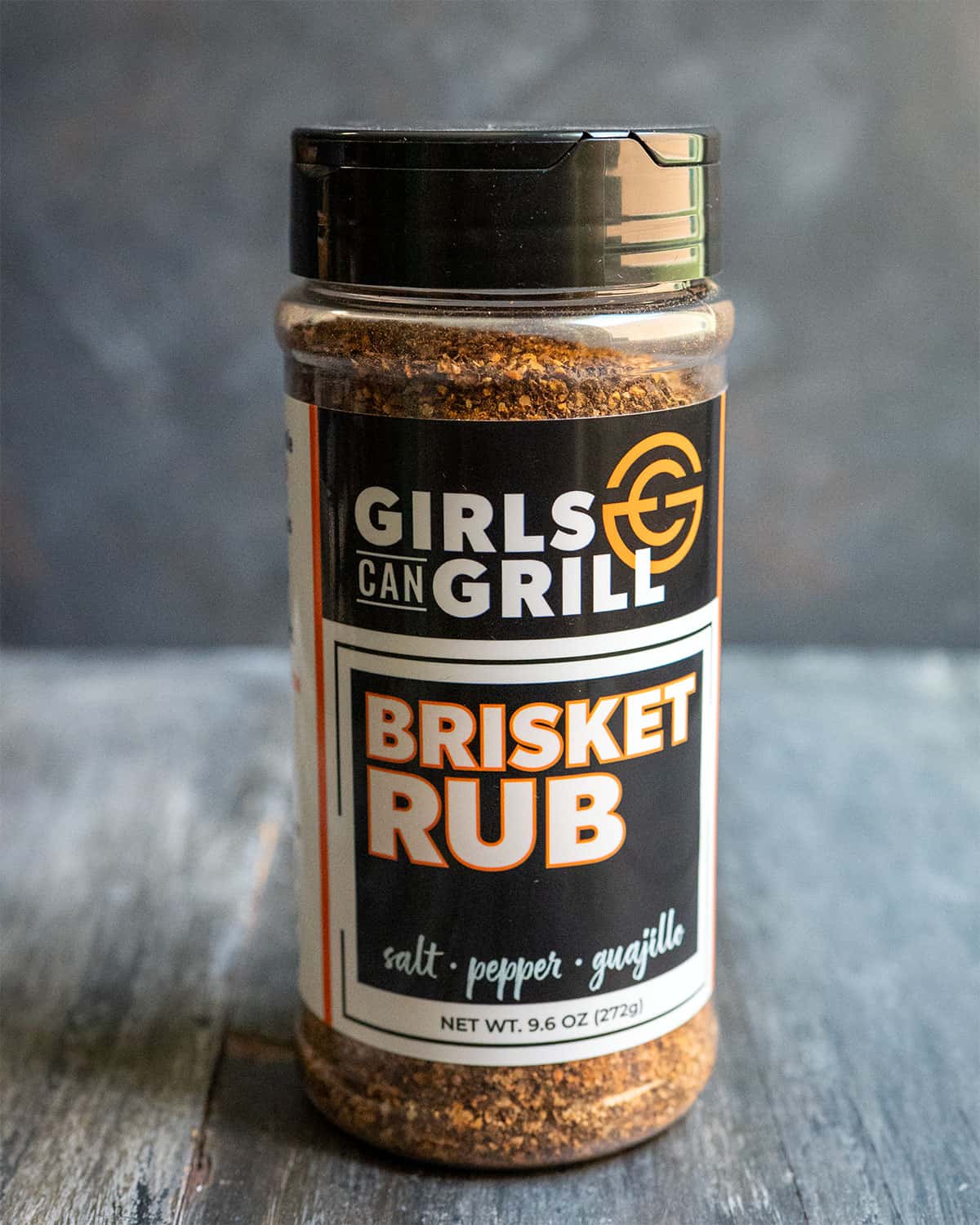
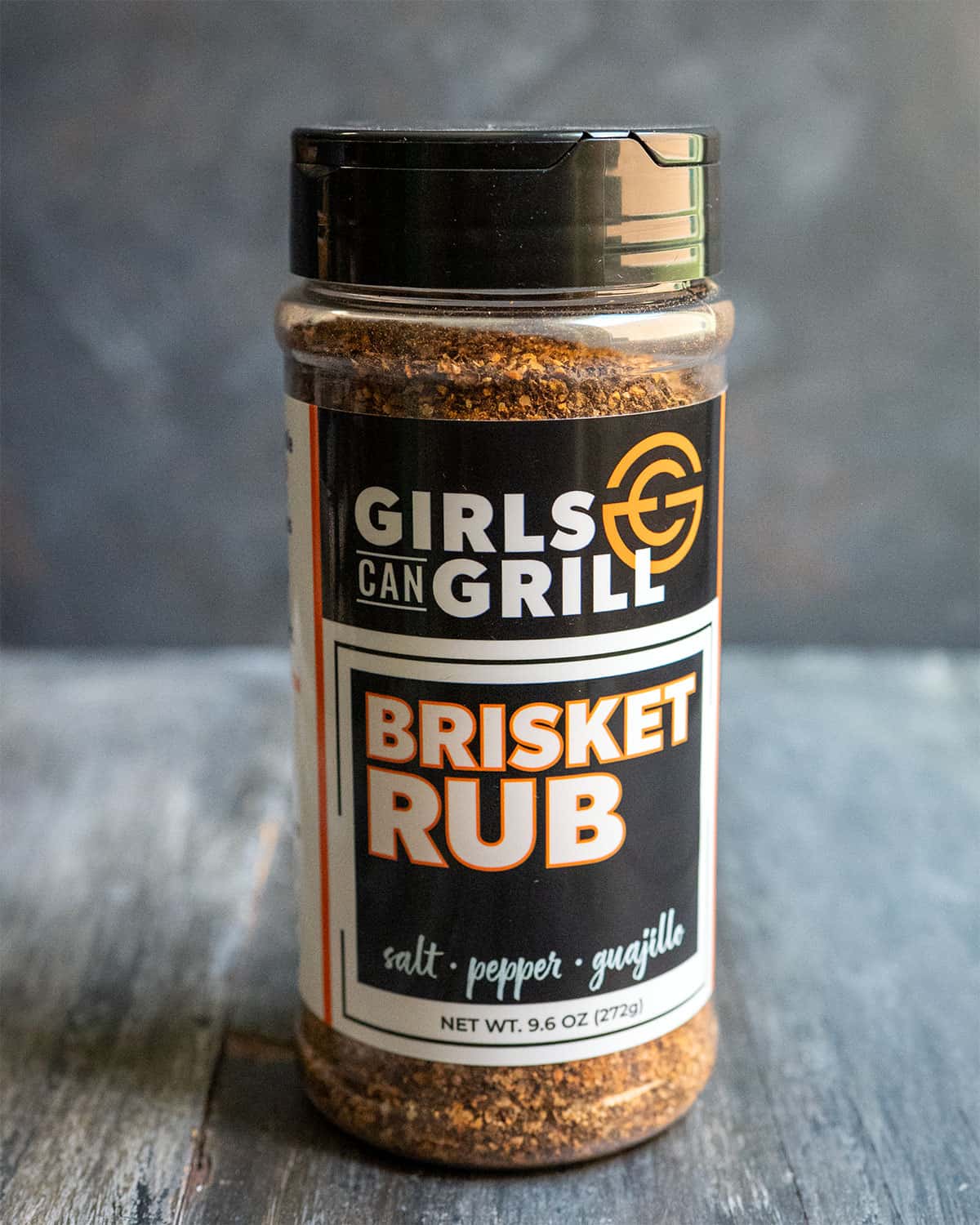
The foundation of exceptional brisket flavor and a coveted bark often begins with a carefully crafted rub. A balanced blend of seasonings not only enhances the natural beefy notes but also plays a crucial role in the Maillard reaction, creating that desirable dark, crispy exterior. The Girls Can Grill Brisket Rub, for instance, is specifically designed to build layers of flavor and texture. This blend typically incorporates coarse salt for moisture management and flavor enhancement, freshly cracked black pepper for a pungent bite, garlic powder for savory depth, and a medley of complementary spices that highlight the inherent richness of the beef without overpowering it. Such a rub is not merely an addition; it’s an integral component in achieving a well-rounded and delicious brisket.