The quest for a perfectly tender brisket, a cornerstone of barbecue and a culinary challenge for many home cooks, often culminates in a frustrating plateau: a brisket that appears visually cooked but stubbornly resists the probe, offering a chewy, tight texture instead of the desired melt-in-your-mouth succulence. This common pitfall, experienced by enthusiasts and seasoned pitmasters alike, stems from a fundamental misunderstanding of brisket’s unique composition and the complex processes involved in transforming tough muscle into tender delight. The key takeaway for achieving brisket perfection is not solely about hitting a specific internal temperature, but rather about allowing sufficient time and controlled heat to facilitate the complete breakdown of collagen, the connective tissue that defines brisket’s inherent toughness.
The Elusive Feeling of Tender Brisket
A truly tender brisket transcends mere visual appeal; it possesses a distinct tactile quality that signals its readiness. When brisket reaches optimal tenderness, it should yield effortlessly to a probe, inserting with the smooth, buttery feel of inserting into soft butter. There should be no discernible resistance, no grittiness, and the probe should slide in and out with minimal effort. This sensation is the ultimate arbiter of doneness, a sensory confirmation that the arduous journey of collagen breakdown has reached its conclusion. Conversely, if a probe meets resistance, even if a thermometer indicates a seemingly ready temperature, the brisket remains undonethe collagen has not yet rendered into gelatin, leaving the meat fibers firm and unyielding.
The Primary Culprit: Insufficient Cooking Time
The overwhelming majority of tough brisket scenarios can be attributed to a single, yet often overlooked, factor: insufficient cooking time. Brisket is a notoriously tough cut of beef, characterized by a high proportion of connective tissue, primarily collagen. This collagen acts as a binding agent within the muscle fibers, contributing to the meat’s structure and chewiness in its raw state. Only through prolonged exposure to heat, specifically within a temperature range where collagen begins to break down and transform into unctuous gelatin, does brisket achieve its signature tenderness. This transformation is a gradual process, not a race to a specific temperature. Until this molecular alchemy occurs, the meat will remain firm, regardless of external indicators. This is precisely why briskets can enter a "stall" – a period where the internal temperature appears to plateau for extended periods, even as the cooking process continues internally, working to tenderize the meat.
Temperature as a Guide, Not the Finish Line
A pervasive misconception in brisket preparation is the reliance on a single, definitive temperature as the sole indicator of doneness. While many aspiring pitmasters aim for an internal temperature around 203°F (95°C), this figure is, at best, a general guideline. The reality is far more nuanced. Brisket tenderness is not a binary state achieved at a specific degree, but rather a spectrum influenced by a confluence of factors.
Key variables that dictate when a brisket is truly tender include:

- The specific cut of brisket: Different briskets, even within the same grade, will have varying fat content and connective tissue density.
- The fat content and marbling: A well-marbled brisket with intramuscular fat will render more readily, contributing to both moisture and tenderness.
- The thickness of the brisket: Thicker portions may require longer cooking times to achieve uniform tenderness throughout.
- The cooking environment: Fluctuations in smoker temperature, wrapping techniques, and even ambient humidity can impact the rate of collagen breakdown.
Therefore, while temperature is a valuable benchmark, it should always be considered in conjunction with the tactile feel of the meat. Relying solely on a thermometer can lead to prematurely pulling a brisket that looks "done" on the outside but remains tough at its core.
Understanding the Flat vs. Point Dynamic
A common observation during the brisket cooking process is the differential in tenderness between the two primary muscles of a whole brisket: the flat and the point. It is not unusual for the leaner flat muscle to remain firm while the fattier, more marbled point begins to exhibit signs of tenderness. This disparity arises from their anatomical differences and fat distribution.
- The Flat: This is the leaner, more uniform portion of the brisket, often referred to as the "lean" or "first cut." It contains less intramuscular fat and connective tissue compared to the point.
- The Point: Also known as the "deckle" or "second cut," the point is richer in fat and has a more irregular, layered structure with a higher concentration of intramuscular fat and connective tissue.
This inherent difference means the point will typically render its fat and break down its collagen more readily than the flat. Consequently, pitmasters must resist the urge to remove the brisket when only the point feels tender. It is crucial to probe multiple areas of the entire brisket, particularly the flatter section, to ensure consistent tenderness. If the flat still presents resistance, the brisket requires additional time, even if the point feels yielding.
PRO TIP: For higher-grade briskets, ensuring the fat within the point fully renders is paramount. If this fat solidifies upon cooling, it can impart a chewy, undesirable texture. A judicious approach that considers both temperature and probe tenderness is essential for achieving an all-star brisket.
Rescuing a Tough Brisket: Salvaging the Sacrifice
Fortunately, a brisket that emerges from the cooking process feeling tough is not necessarily a lost cause, especially if it is still intact and warm. With a bit of strategic intervention, it’s often possible to salvage the situation and achieve the desired tenderness.
The most effective method for rescuing a tough brisket involves returning it to a controlled heat environment. This can be achieved by:

- Re-wrapping and continuing to cook: If the brisket has not yet rested, re-wrap it tightly in butcher paper or foil and place it back in the smoker or oven at a low temperature (around 225-250°F or 107-121°C). This allows the residual heat to continue the collagen breakdown process without drying out the meat further.
- Braising or steaming: For a more rapid rescue, the brisket can be placed in a deep pan, add a small amount of liquid (such as beef broth, apple cider vinegar, or even a dark beer), cover tightly with foil, and cook in a low oven until tender. The added moisture aids in the tenderization process.
The fundamental principle here is that continued exposure to steady, moderate heat will allow the collagen to finish its transformation into gelatin, thereby unlocking the meat’s potential for tenderness.
Addressing Brisket Toughness Post-Rest or Post-Slicing
Even if a brisket has undergone its initial rest period and still exhibits toughness, there is often recourse. Gently reheating the brisket, utilizing similar methods to those described above (re-wrapping and returning to a low heat environment, or a gentle braise), can still yield improvements in texture. The key is to add moisture to prevent further drying.
If the brisket has already been sliced, the options become more limited, but not entirely without hope. Slices can be gently reheated in a covered dish with a small amount of liquid in a low oven or even in a pan on the stovetop over low heat. While this may not achieve the same sublime tenderness as a perfectly cooked brisket, it can often mitigate the toughness and make the meat more palatable.
The overarching message for any tough brisket situation is patience. Toughness is almost invariably a sign that the brisket has not yet completed its culinary transformation.
Proactive Measures for Future Brisket Success
To proactively prevent the disappointment of a tough brisket in future endeavors, a few key strategies can be implemented during the cooking process:
- Start with quality meat: Opt for USDA Prime or high-quality Choice briskets, which generally have better marbling and a higher propensity for tenderness.
- Trim properly: Remove excess hard fat, but leave a sufficient layer of soft fat on the top of the brisket. This fat will render during cooking, basting the meat and contributing to moisture and tenderness.
- Season generously: A robust rub not only builds flavor but also helps to create a desirable bark.
- Cook low and slow: Maintain a consistent, low cooking temperature (typically 225-275°F or 107-135°C) to allow for gradual collagen breakdown.
- Embrace the stall: Understand that temperature stalls are a natural part of the brisket cooking process and do not indicate that the meat is overcooked.
- Wrap strategically: Utilizing a "Texas Crutch" (wrapping in butcher paper or foil) can help push through the stall and retain moisture, though it can sometimes soften the bark.
- Probe for tenderness, not just temperature: Develop a keen sense of touch and use a probe to assess the internal texture. It should slide in with minimal resistance.
- Rest adequately: A long rest (1-4 hours or even longer) allows the juices to redistribute throughout the meat, resulting in a more tender and moist final product.
Christie’s Pitmaster Perspective: Trust the Feel
As an award-winning competitive pitmaster, Christie Vanover of Team Girls Can Grill emphasizes the intuitive aspect of brisket cooking. "When brisket won’t get tender, it’s almost always asking for more time," she states. "I’ve cooked plenty of briskets that felt stubborn right up until the very end. Then, almost suddenly, the probe slides in and everything changes. Trust the feel. If it’s tight, it’s not done yet." This sentiment underscores the importance of developing a tactile understanding of brisket doneness, a skill honed through experience and observation.

Comprehensive Brisket Resources
For those seeking to deepen their understanding of brisket preparation, a wealth of information is available. The "Ultimate Brisket Guide" from Girls Can Grill provides a comprehensive breakdown of every step, from understanding brisket anatomy and proper trimming techniques to mastering the art of smoking. Further exploration into brisket fundamentals includes detailed guides on:
- Brisket Anatomy and Trimming: Understanding the different muscles and how to prepare them for optimal cooking.
- Brisket Rubs and Seasonings: Exploring flavor profiles and techniques for building a delicious bark.
- Brisket Cooking Temperatures: Navigating the nuances of internal temperatures and their relation to tenderness.
- Brisket Wrapping Techniques: Deciding when and how to wrap for moisture and bark development.
- Brisket Resting and Slicing: Mastering the crucial post-cook steps for maximum flavor and texture.
- Brisket Troubleshooting: Addressing common issues like tough brisket, stall, and dry meat.
These resources, combined with a commitment to patience and an understanding of the science behind tender brisket, empower cooks to achieve consistent, mouthwatering results.
The Science Behind the Sear: Building Flavor and Bark
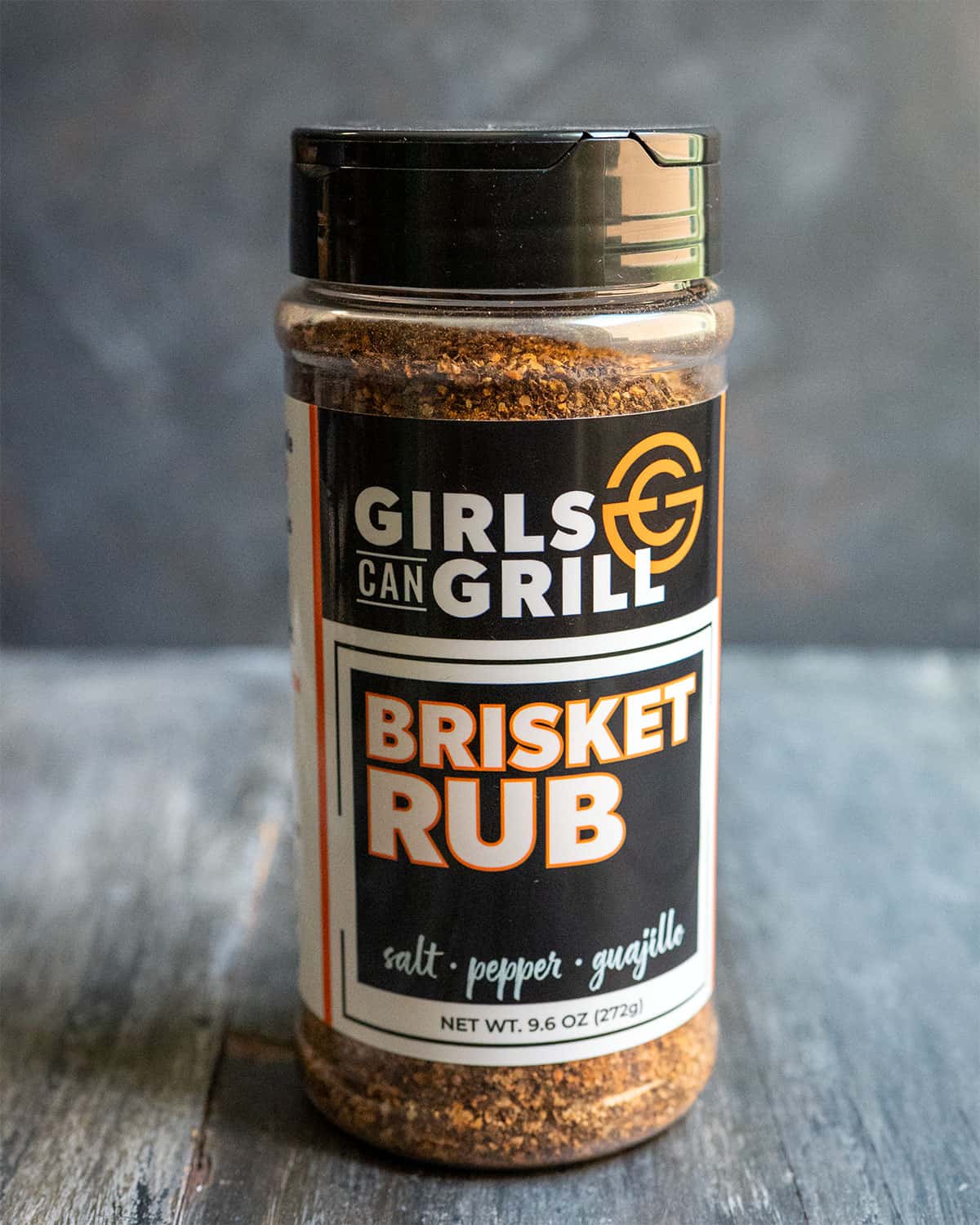
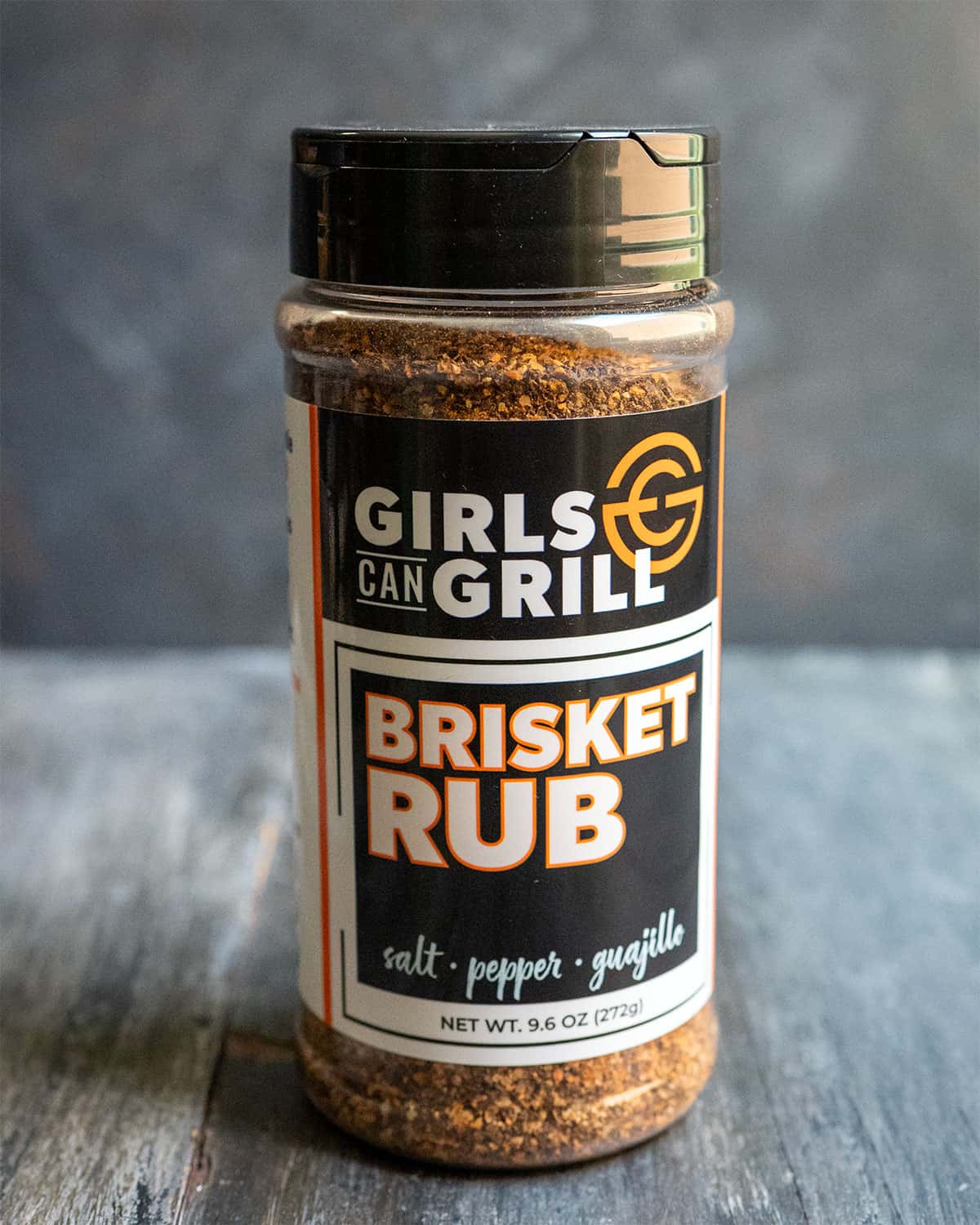
The development of a rich, flavorful bark on a brisket is as critical to the overall sensory experience as its tenderness. This desirable crust is formed through a complex interaction of Maillard reactions and caramelization of the meat’s surface, enhanced by the seasoning applied. A go-to brisket rub, such as the Girls Can Grill Brisket Rub, expertly balances salt, pepper, garlic, and savory spices. This blend not only enhances the natural beef flavor but also plays a crucial role in promoting even bark development. The salt draws out moisture, which then mixes with the spices and proteins on the surface, creating the foundation for a robust, flavorful crust that complements the succulent interior.
Featured Brisket Recipes and Products
For those inspired to put these principles into practice, a variety of brisket recipes are available, catering to different preferences and cooking methods. Furthermore, specialized products, like the Girls Can Grill Brisket Rub, are designed to elevate the flavor profile and enhance the cooking process, making them invaluable tools for any brisket enthusiast. These offerings, from curated rubs to comprehensive recipe collections, are designed to support pitmasters at every stage of their barbecue journey, from novice to seasoned competitor.