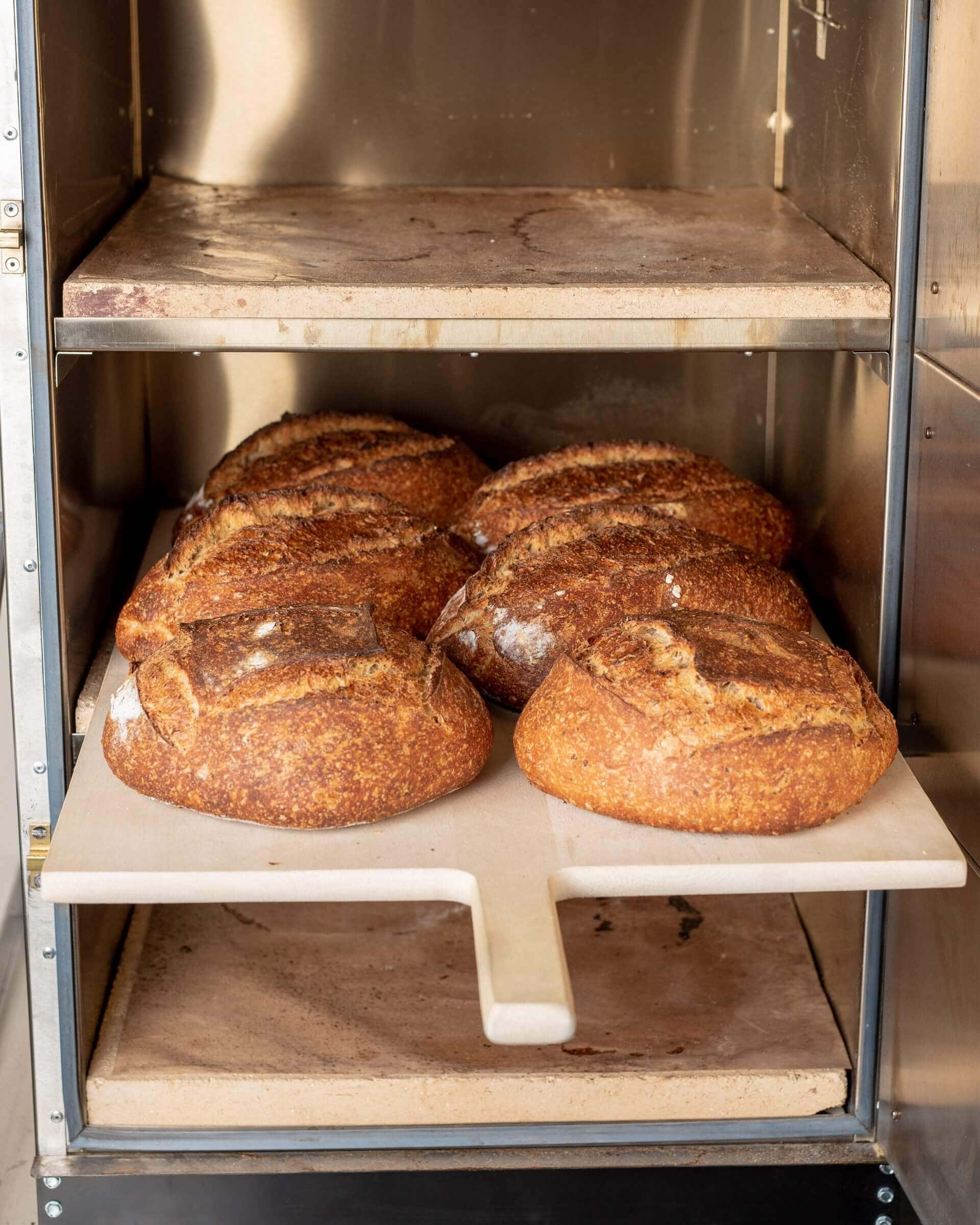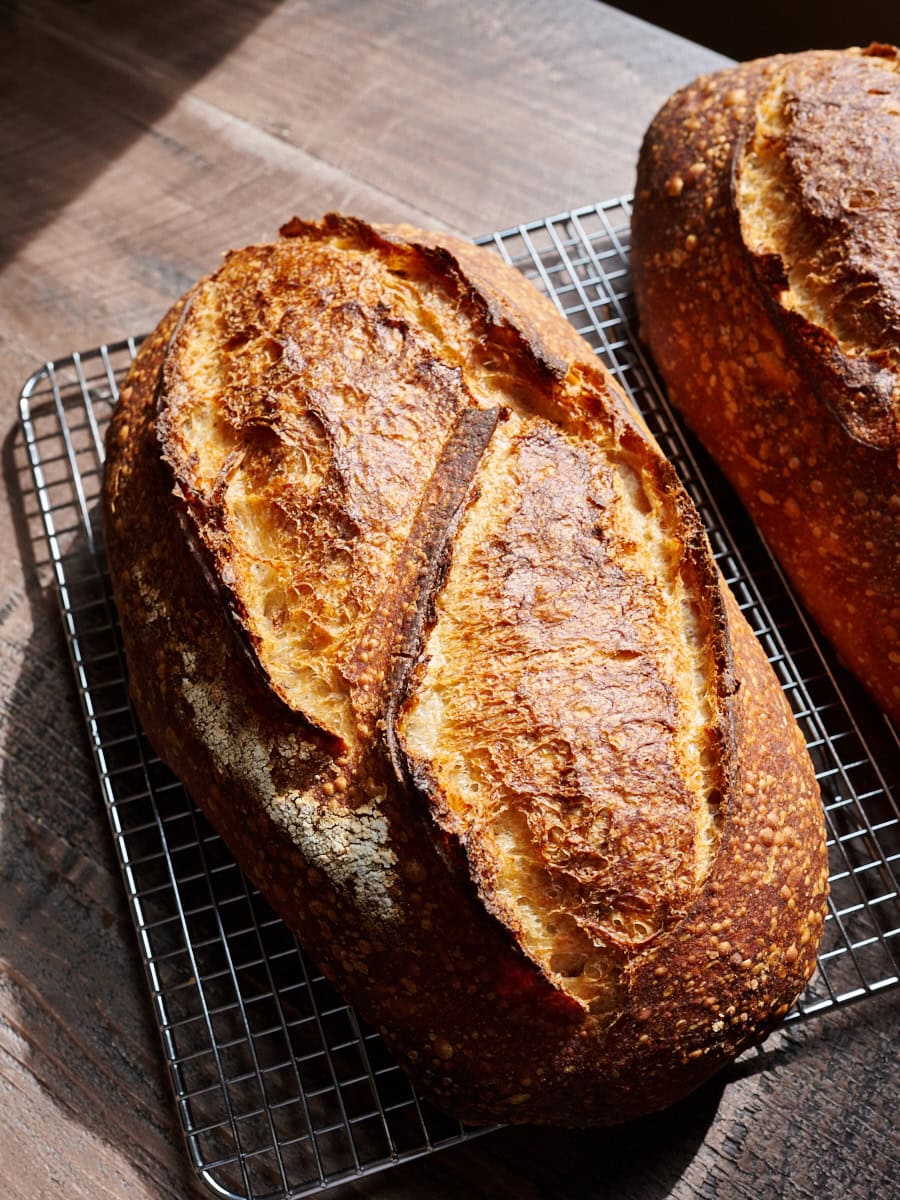
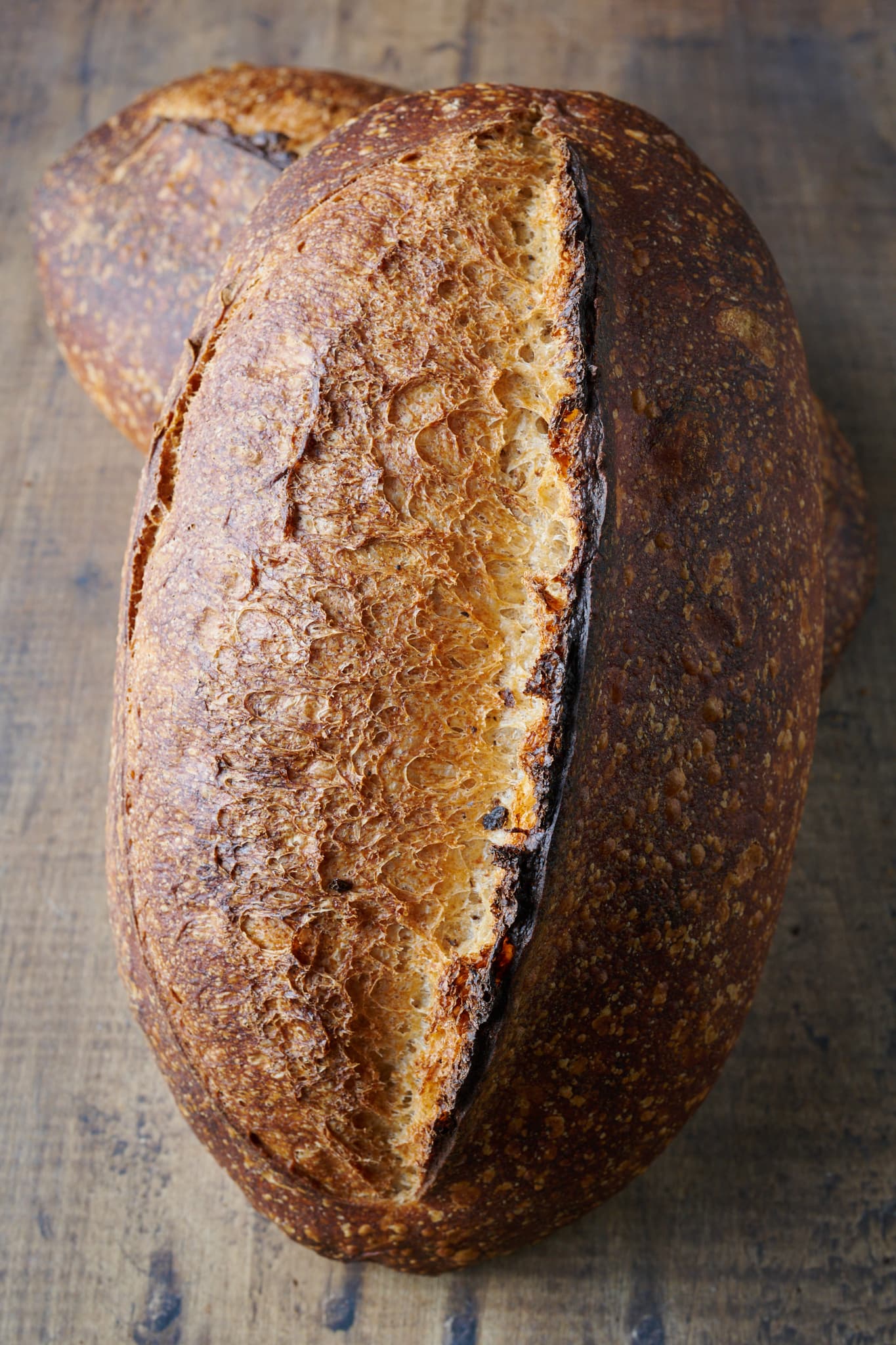
The pursuit of an exquisitely open crumb in sourdough bread has become a defining characteristic for artisan bakers and enthusiasts alike. Far more than a mere aesthetic preference, the intricate web of air pockets within a loaf signifies a masterful interplay of ingredients, fermentation, and technique. While visual appeal, such as a dark, burnished crust or a dramatic oven spring, undeniably captivates, the internal structure of the bread—its crumb—offers profound insights into the baker’s skill and the quality of the final product. The transformation of simple grain into a complex, airy matrix through fermentation is a testament to culinary alchemy, capable of elevating a humble slice of bread into a conversation-stopping experience.
However, the journey to an open crumb is often fraught with misconceptions. Many aspiring bakers, initially drawn to the seductive visual of large, irregular holes, may inadvertently mistake the signs of an underproofed loaf for a successful open crumb. True mastery lies in understanding that an ideal open crumb is characterized by an even distribution of air pockets—light and airy without colossal caverns surrounded by dense, gummy regions. This delicate balance is evidence of vigorous fermentation, meticulous dough development, and gentle handling throughout the entire process. When paired with superior flavor, this texture creates a genuinely pleasurable eating experience, transforming a simple ingredient into a culinary delight.
Historical Context and the Rise of Sourdough’s Appeal
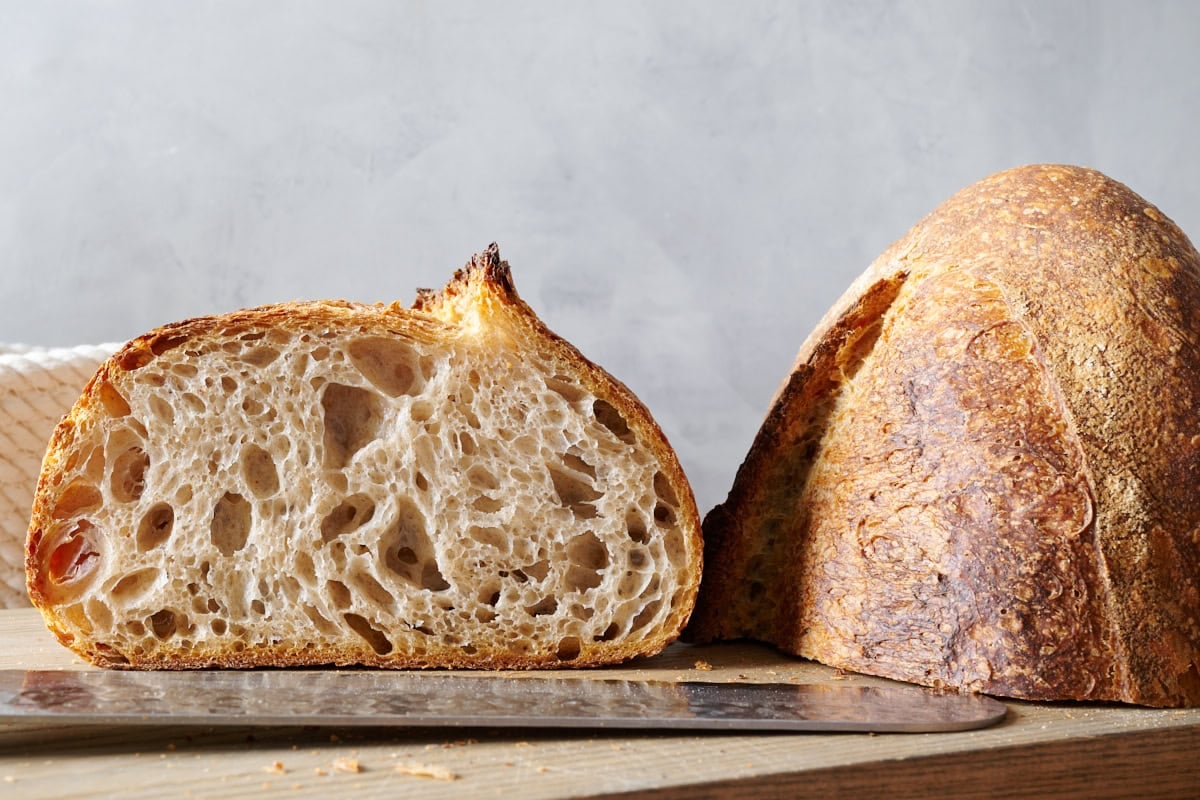
Sourdough baking, an ancient art dating back thousands of years, has witnessed a remarkable resurgence in recent decades. Originally a necessity before the advent of commercial yeast, sourdough offered a reliable method for leavening bread, utilizing naturally occurring wild yeasts and bacteria. This traditional process imparts a unique depth of flavor and improved digestibility that modern industrial bread often lacks. The artisan bread movement, gaining momentum in the late 20th and 21st centuries, championed a return to these traditional methods, with sourdough at its forefront. As consumers became more discerning about the quality and provenance of their food, the appeal of handmade, naturally leavened bread grew exponentially. The "open crumb," with its visual representation of robust fermentation and skilled craftsmanship, naturally became a highly coveted benchmark within this evolving culinary landscape. Social media platforms further amplified this trend, turning photographs of perfectly aerated sourdough interiors into symbols of baking prowess.
The Science Behind the Open Crumb: Gluten, Gas, and Gaseous Expansion
At its core, achieving an open crumb is a complex dance between flour, water, and microbial activity. The primary structural component is gluten, a protein network formed when water interacts with glutenin and gliadin proteins in wheat flour. As yeast (from the sourdough starter) ferments sugars in the dough, it produces carbon dioxide gas. This gas becomes trapped within the elastic gluten network, forming tiny bubbles. During the baking process, particularly during the initial "oven spring," these trapped gases expand rapidly due to heat, further stretching the gluten walls and solidifying the porous structure we recognize as the crumb. The key is to have a gluten network that is strong enough to trap the gas effectively but extensible enough to stretch without tearing, accommodating the expanding bubbles. A dough’s ability to achieve this balance is influenced by several critical factors, each requiring precise management.
Key Factors Influencing Open Crumb Development

1. Strategic Flour Selection for Gluten Strength
The choice of flour is arguably the most foundational decision in the quest for an open crumb. Not all flours are created equal, and their protein content directly correlates with their gluten-forming potential. Strong white flours, often labeled as "high-protein bread flour" (typically 11-13% protein), provide the necessary building blocks for a robust and elastic gluten network. This higher protein content enables the dough to trap larger volumes of gas without collapsing, acting like a premium balloon that can inflate significantly without bursting. According to studies by institutions like the American Association of Cereal Chemists International (AACCI), protein content directly impacts dough rheology and gas retention capacity.
However, there’s a delicate equilibrium to maintain. Using flour that is excessively strong (e.g., above 13% protein) can lead to a crumb that is indeed open but also overly chewy and rubbery—a texture often deemed undesirable. The sweet spot, according to experienced bakers and food scientists, lies within the 11-13% protein range for white flours. High-extraction flours, such as Type 85, can also yield excellent open crumbs, provided they are adequately hydrated, offering both texture and a richer flavor profile.
The inclusion of whole wheat flour introduces a different dynamic. While whole wheat is high in protein, the sharp bran particles present in the flour can physically sever gluten strands, hindering the formation of a continuous, elastic network. Consequently, increasing the proportion of whole wheat flour makes achieving a highly open crumb more challenging. This trade-off, however, often brings enhanced flavor and nutritional benefits, which many bakers prioritize. A 50% whole wheat loaf, for instance, will inherently possess a denser crumb than an all-white flour counterpart, a characteristic that should be appreciated rather than seen as a flaw.

2. The Vitality of the Sourdough Starter
A vigorous and healthy sourdough starter is the engine of fermentation and, consequently, the bedrock of an open crumb. A starter teeming with active wild yeasts and lactic acid bacteria ensures efficient gas production and enzymatic activity. Maintaining starter health involves consistent feeding (typically 1-2 times daily) and temperature control, ideally between 74°F and 78°F (23-25°C), to foster optimal microbial activity. Research published in journals like Food Microbiology highlights the precise temperature ranges for optimal activity of various yeast and bacterial strains in sourdough.
Crucially, the timing of starter incorporation into the main dough is paramount. An "under-ripe" starter may lack sufficient leavening power, leading to weak fermentation. Conversely, an "over-ripe" starter, having consumed most of its available food, becomes highly acidic and harbors an increased concentration of protease enzymes. While these enzymes are beneficial up to a point, breaking down gluten slightly to increase extensibility, an excess can degrade the gluten network excessively, resulting in a weaker dough structure and a tighter crumb. The ideal window is when the starter has just peaked—visibly bubbly, fragrant, and showing signs of slight collapse, indicating it has reached its maximum activity before declining.
3. Strategic Hydration: The Role of Water in Extensibility

Dough hydration, the ratio of water to flour, plays a significant role in crumb development. Higher hydration levels generally promote a more open crumb by increasing the dough’s extensibility. More water allows the gluten network to stretch and expand more readily without tearing, facilitating the formation and expansion of gas pockets. Furthermore, the increased water content generates more steam during baking, which contributes to the rapid expansion of the crumb during oven spring.
However, high hydration presents handling challenges. Wetter doughs are notoriously slack and require greater skill to develop and maintain adequate structure. Pushing hydration beyond a flour’s capacity can result in a soupy, unmanageable dough that struggles to hold its shape, irrespective of mixing efforts. For white flour doughs, a hydration range of 70% to 80% is often a practical sweet spot, though this can vary significantly based on the specific flour’s absorption capabilities and ambient environmental conditions (e.g., humidity in arid New Mexico, as noted by some bakers, demands different hydration strategies). The goal is a dough that feels alive, silky, and supple—responsive without being excessively slack. While higher hydration can simplify the path to an open crumb, it is not an absolute prerequisite; skilled bakers can achieve excellent results with moderate hydration levels (e.g., 70%).
4. Optimal Dough Development and Strengthening
Sufficient gluten development, achieved through mixing and folding, is non-negotiable for an open crumb. The mechanical action of mixing aligns and strengthens the gluten strands, creating a robust, elastic network capable of trapping and retaining gas. An under-developed dough will have a weak gluten structure, leading to gas leakage and a dense, tight crumb.

Conversely, over-mixing can render the gluten excessively tight and elastic, causing it to resist expansion and resulting in a closed crumb despite rigorous development. Most home bakers, particularly those mixing by hand, tend to err on the side of under-development. The dough may feel tighter but lacks the smooth, elastic quality and shape retention indicative of proper gluten formation. Bakers should aim to mix until the dough is smooth, pliable, and nearly passes the "windowpane test"—where a small piece can be stretched thin enough to be translucent without tearing. This requires persistent mixing, whether through repeated bowl folds, slap-and-fold techniques, or mechanical mixers.
5. Gentle Handling: Preserving the Delicate Structure
The countless gas pockets meticulously built within the dough throughout bulk fermentation are fragile. Rough handling during preshaping and final shaping can rupture these delicate gluten walls, causing gas to escape and the bubbles to coalesce into smaller, more uniform cells. This compression leads to a tighter crumb, diminishing the desired openness.
Therefore, gentle handling is paramount. Techniques that minimize degassing, such as careful stretching and folding rather than aggressive kneading, are crucial. During preshaping, the dough should be handled lightly, creating surface tension without unduly compressing the interior. Similarly, final shaping should be executed with precision and a light touch, focusing on creating structural integrity without sacrificing the airy internal matrix. This principle is a cornerstone of professional artisan baking.

6. Shaping Geometry: The Batard Advantage
While a round boule is a classic and beautiful shape, many experienced bakers observe that an oval batard consistently yields a more open interior. This phenomenon can be attributed to two main factors. Firstly, batard shaping often involves a more linear rolling motion compared to the tucking and tightening required for a boule. This gentler action is less disruptive to the developing gas pockets, helping to preserve the internal aeration built during bulk fermentation.
Secondly, the elongated profile of a batard allows for faster and more even heat penetration during baking. This uniform heating contributes to a more consistent oven spring and the development of an even, open crumb. Consider the extreme example of a baguette: its thin cross-section almost guarantees a wild, irregular, and highly open crumb, whereas a thick, round miche tends towards a tighter, more uniform interior, even with identical dough. While an open crumb is achievable with a boule, a batard can offer a more forgiving path, particularly for those striving for maximal openness.
7. Proofing to Perfection: The Final Act of Expansion
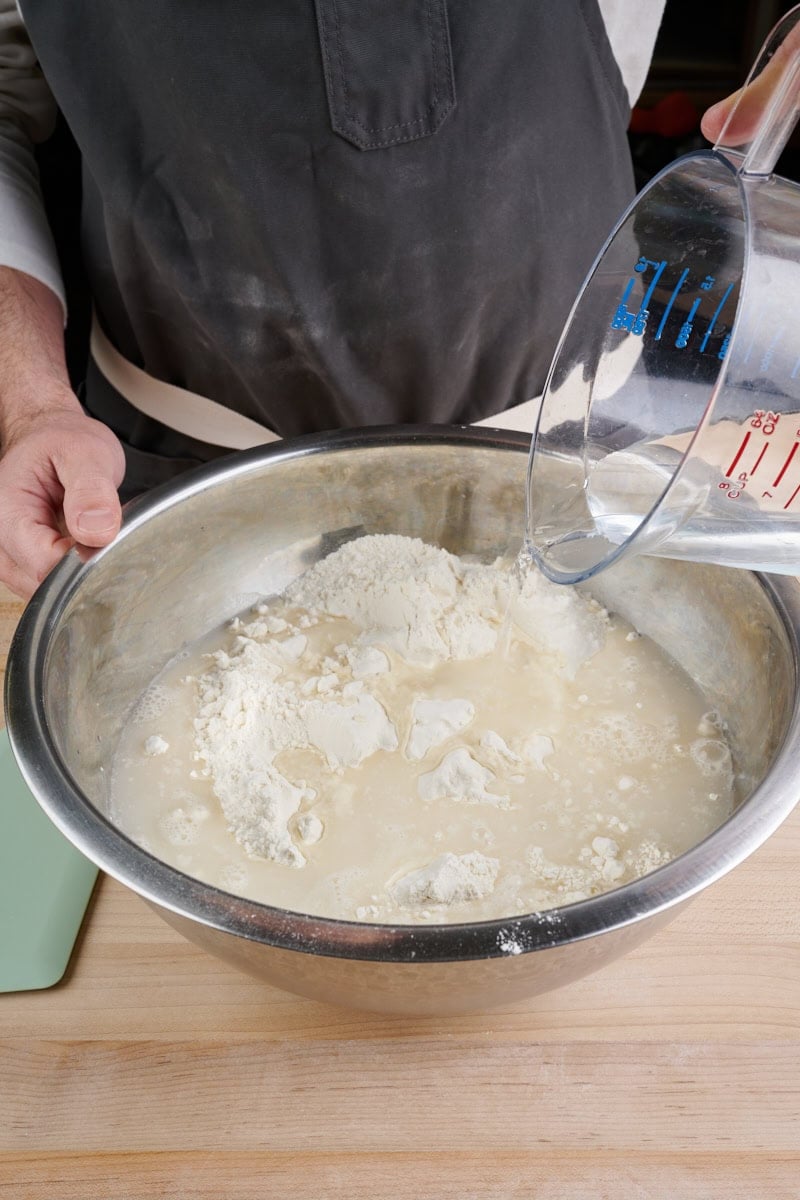
The final proof is the culmination of all previous efforts, where the dough undergoes its ultimate transformation before baking. This stage is a critical determinant of crumb structure, requiring precision to hit a narrow window of optimal expansion. The aim is for the dough to have risen approximately 75% to 80% of its full potential before entering the oven. This reserve capacity allows for a dramatic "oven spring"—the rapid expansion in the initial minutes of baking—which is crucial for pushing the crumb open.
Underproofing leaves the dough with insufficient gas production and an underdeveloped gluten network, resulting in a dense, tight crumb with potentially large, erratic holes and gummy spots. Conversely, overproofing leads to a collapsed gluten network. The protease enzymes, active throughout fermentation, eventually degrade the gluten structure to the point where it can no longer trap gas effectively. An overproofed loaf will often spread rather than rise, yielding a flatter loaf with a tight, albeit flavorful, interior.
The "poke test" is a reliable indicator of proper proofing: gently pressing a floured finger into the dough should leave an indentation that slowly springs back. If it springs back immediately, the dough is underproofed. If it stays completely indented, it is likely overproofed. Mastering this timing requires practice and the development of a baker’s intuition, fine-tuning the process based on dough feel and visual cues, a skill often highlighted by culinary educators like those at the San Francisco Baking Institute.
8. The Autolyse Technique: Enhancing Extensibility
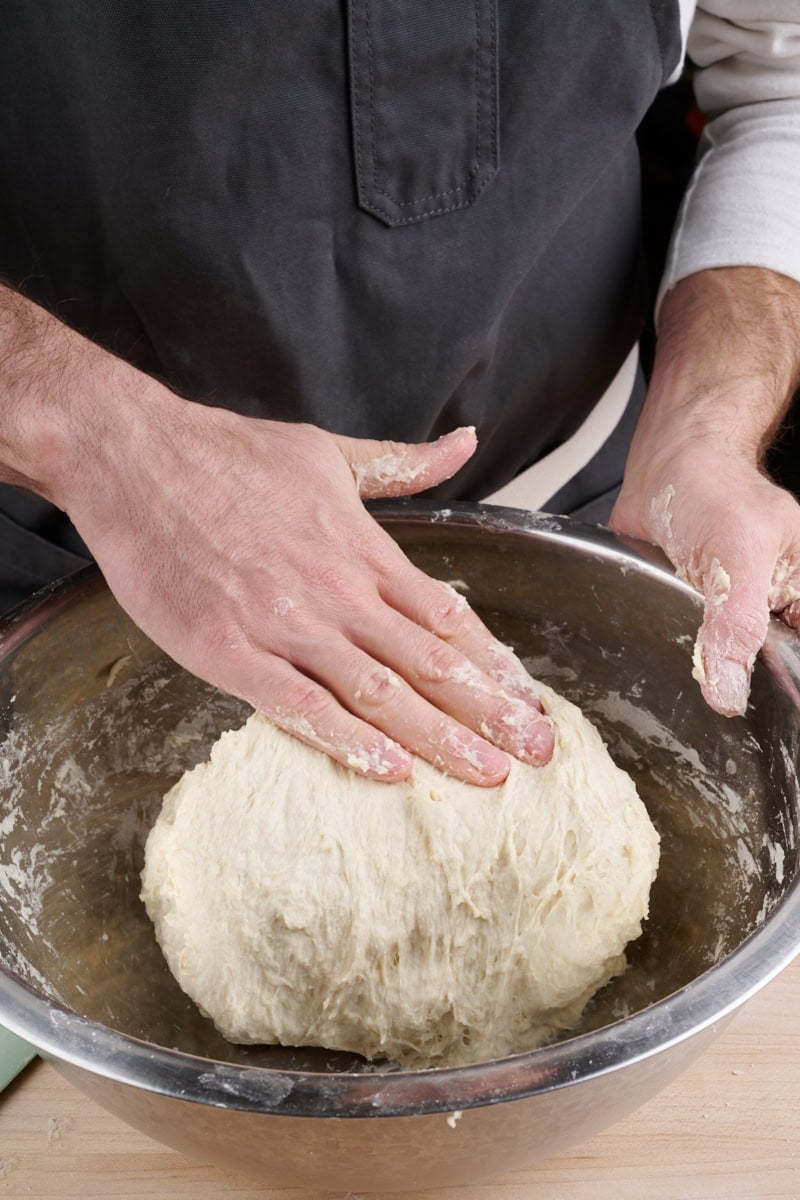
An optional yet highly beneficial technique, particularly for strong flours, is the autolyse. This involves mixing only flour and water and allowing the mixture to rest for 30 minutes to several hours before adding the salt and sourdough starter. During this rest period, naturally occurring enzymes (proteases and amylases) within the flour begin to break down protein and starch molecules.
The primary benefit of autolyse for an open crumb is increased extensibility. The enzymatic breakdown of protein bonds makes the dough more pliable and less resistant to stretching, allowing the gluten network to expand more freely during fermentation and baking. This is particularly advantageous when working with high-protein flours that can be excessively elastic. An autolyse "tames" this natural resistance, resulting in a dough that is both strong and supple, capable of accommodating large gas bubbles without tearing.
Identifying Underproofed Dough: A Common Pitfall
One of the most frequent misinterpretations in sourdough baking is mistaking an underproofed loaf for a desirable open crumb. While both may feature large holes, the characteristics differ significantly. An underproofed loaf often exhibits uneven aeration: gaping, irregular holes concentrated in certain areas, surrounded by denser, tighter regions. This often accompanies an erratic oven spring, where the score breaks open aggressively and unpredictably. The internal texture can also be gummy or slightly raw-feeling.
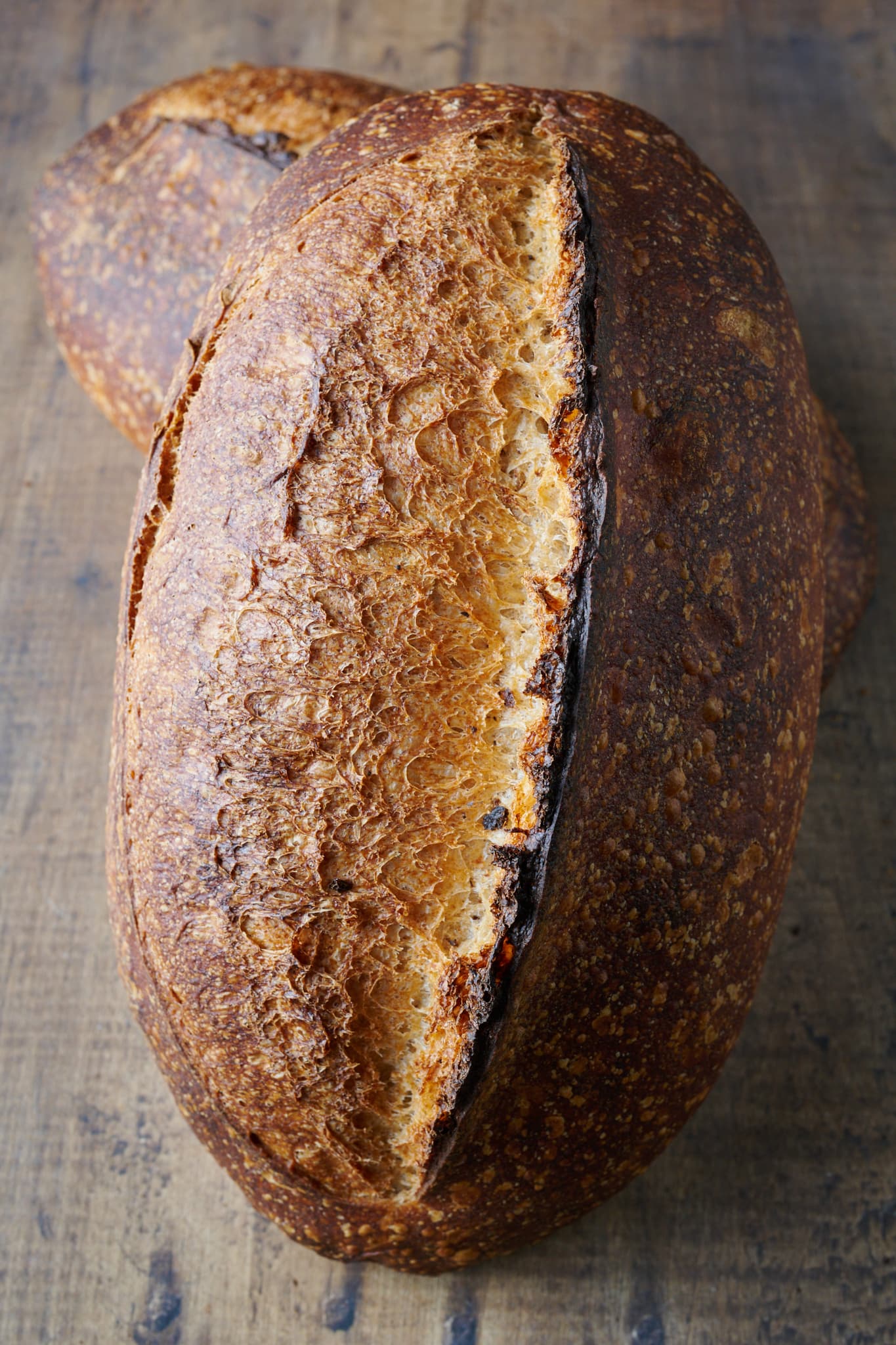
The root cause is insufficient fermentation time. The dough hasn’t had enough time for the yeast and bacteria to fully develop gas and for the gluten network to properly relax and expand uniformly. The solution is straightforward: allow for more fermentation time, either during bulk fermentation or the final proof, or both. This enables a more even distribution of gas, eliminates dense spots, and facilitates a controlled, balanced oven spring, leading to a truly open and tender crumb. Professional bakers consistently emphasize the importance of patience in fermentation.
The Holistic Approach to Sourdough Mastery
Ultimately, achieving a consistent, desirable open crumb in sourdough bread is not the result of a single magic bullet but rather the harmonious synergy of numerous deliberate choices. From the initial selection of flour to the final proofing stage, each step influences the next, creating a cascade of effects that dictate the final internal structure. Experienced bakers emphasize the importance of continuous experimentation: varying hydration levels, utilizing the starter at different stages of ripeness, experimenting with shaping techniques, and meticulously documenting observations in baking notes. This iterative process builds a baker’s intuition, a crucial, often unteachable element of mastery.
While the visual allure of an open crumb is undeniable and enhances the eating experience by providing a lighter, more tender texture for butter, jam, or sandwich fillings, it is crucial to remember that flavor remains paramount. A dense, hearty whole-grain loaf, while not boasting an expansive crumb, can be equally, if not more, satisfying. The ultimate goal is not the pursuit of an idealized "Instagram-perfect" slice, but rather the creation of bread that brings joy in both its making and its consumption. The ongoing dialogue between the baker and the dough itself remains the most profound teacher in this timeless craft.