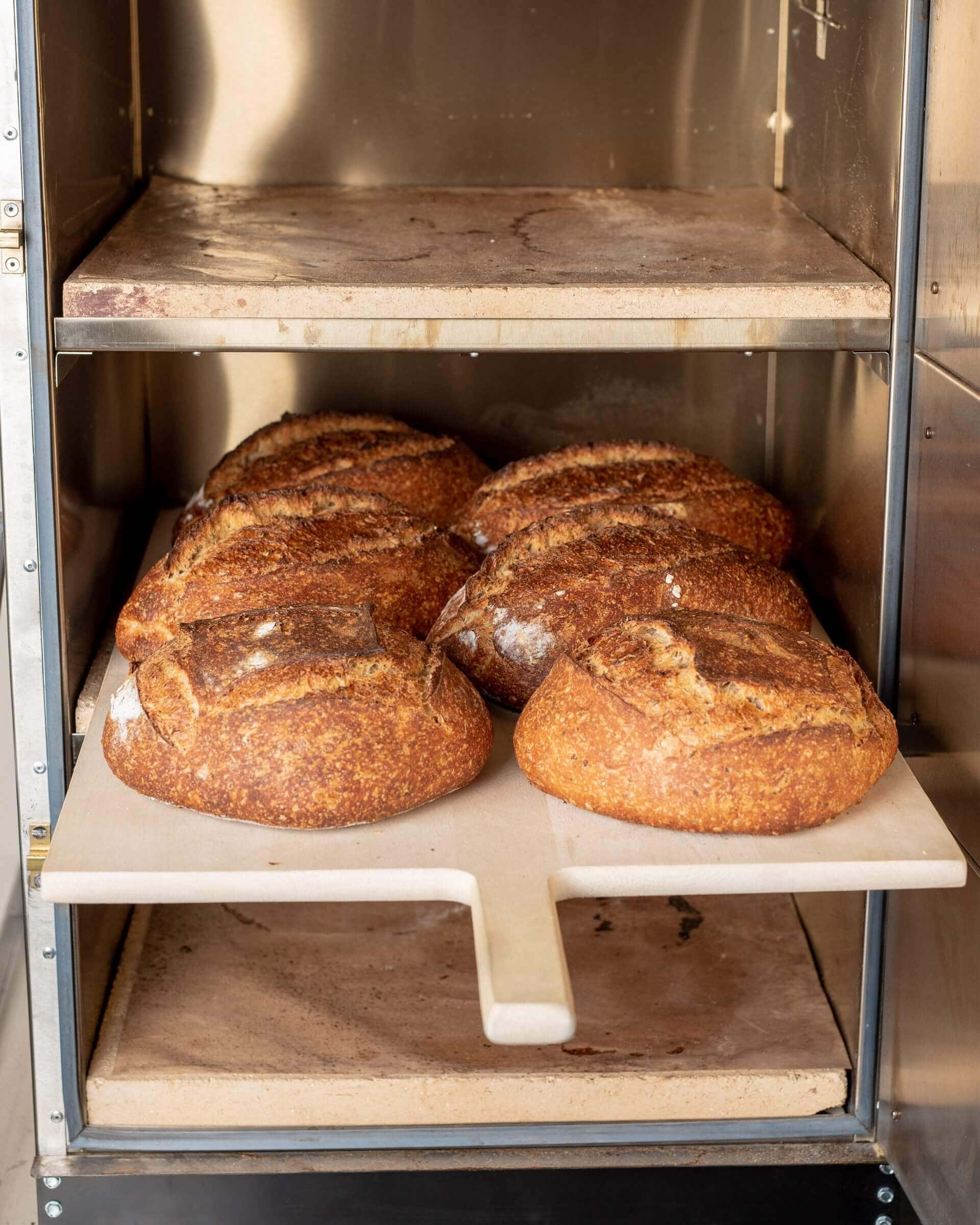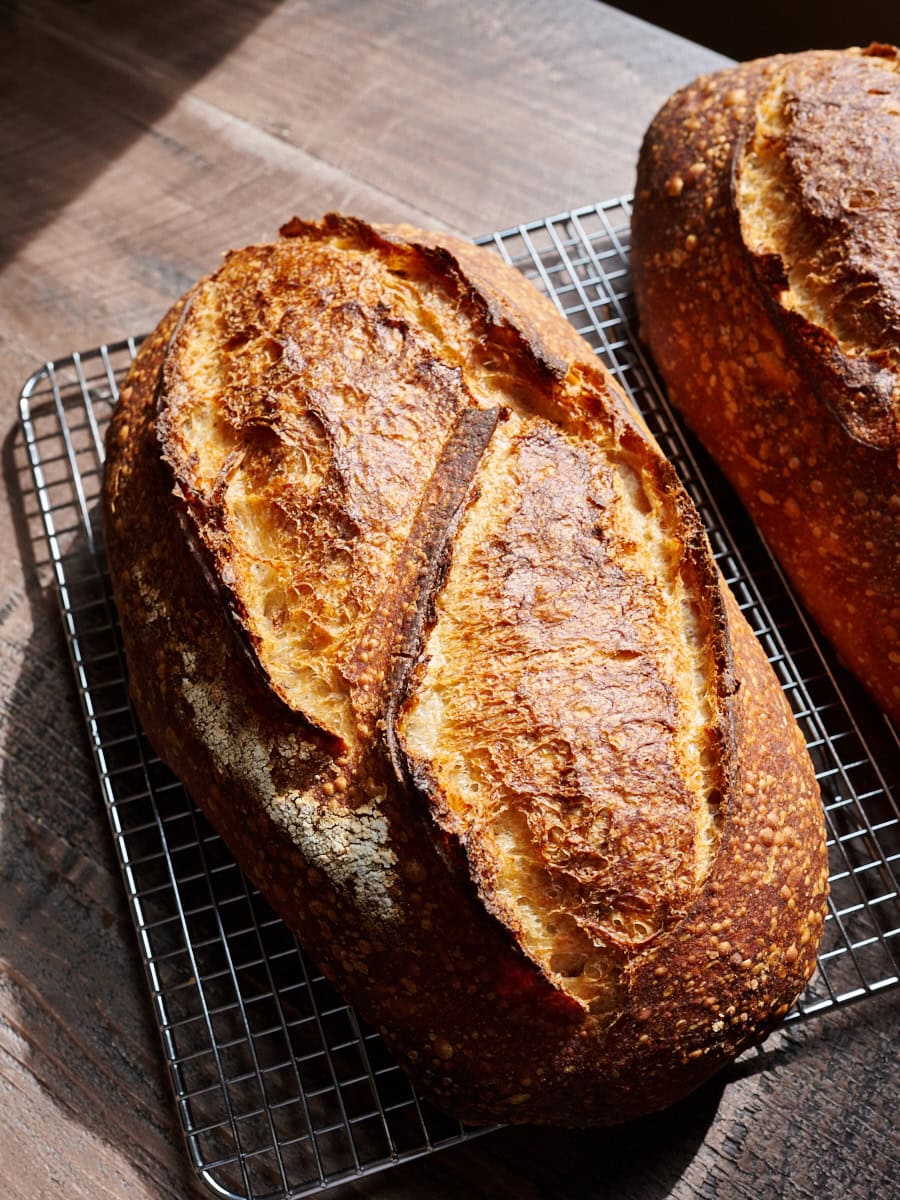
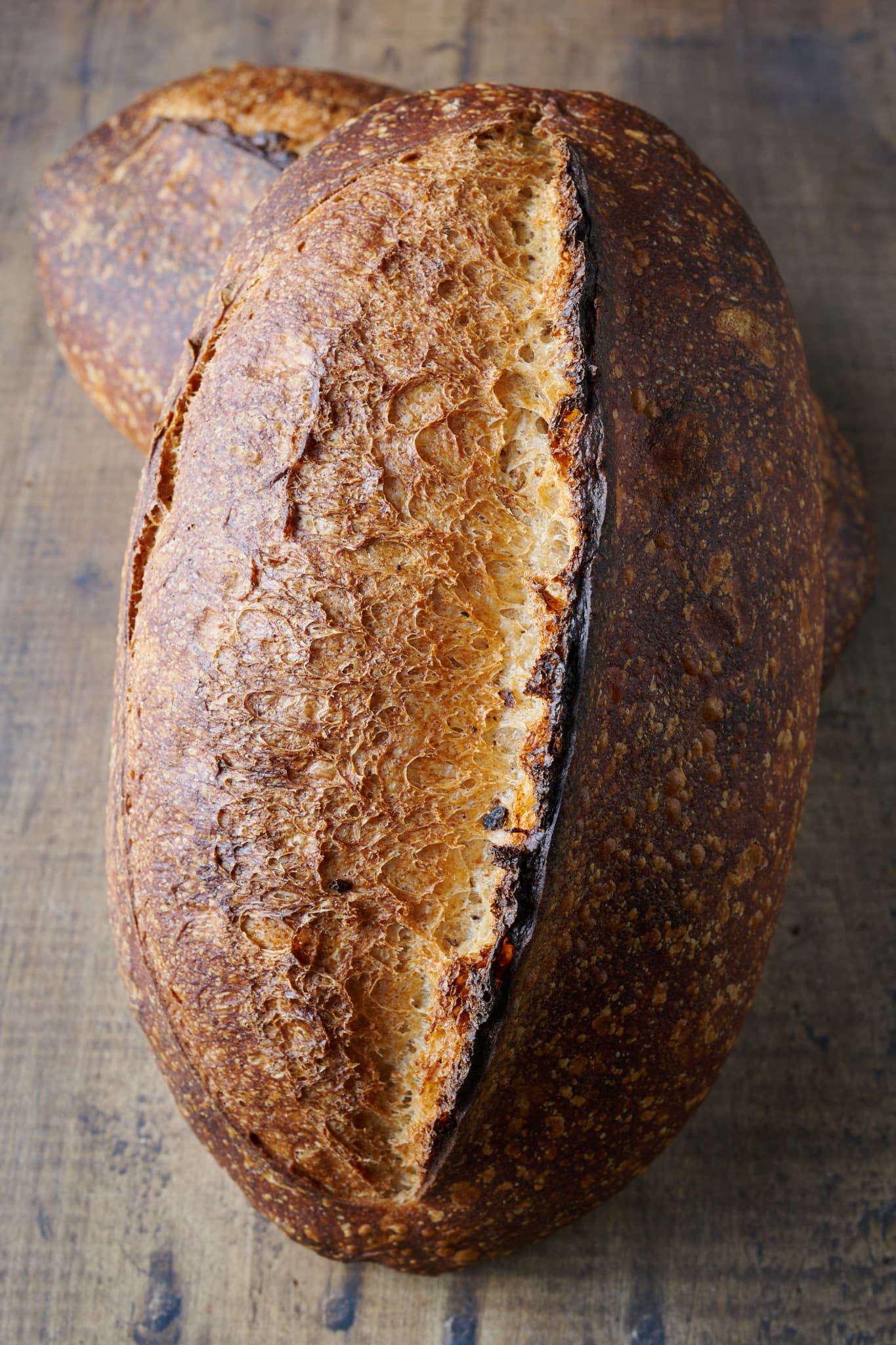
For many artisan bread enthusiasts, the pursuit of the "open crumb" in sourdough loaves represents a significant milestone in their baking journey. This distinctive internal structure, characterized by a web of well-distributed air pockets, is not merely an aesthetic preference but a tangible indicator of masterful dough handling, vigorous fermentation, and precise technique. While seasoned bakers often prioritize the nuanced flavors derived from quality ingredients and prolonged fermentation, the visual allure and tender mouthfeel of an evenly aerated crumb continue to captivate and challenge bakers globally.
The Allure of the Open Crumb: A Mark of Mastery
The desirability of an open crumb stems from several factors. Visually, it signifies a light, airy loaf, promising a delicate texture that complements its rustic exterior. Beyond aesthetics, this structure contributes significantly to the eating experience. A well-aerated crumb is often associated with a softer, more tender bite, allowing for a delightful interplay of crust and interior. It provides an ideal canvas for butter, jam, or sandwich fillings, enhancing their integration rather than competing with them. This intricate internal network is the product of controlled biological and physical processes, demanding a comprehensive understanding of ingredients and technique.
Decoding the Science of Sourdough Aeration
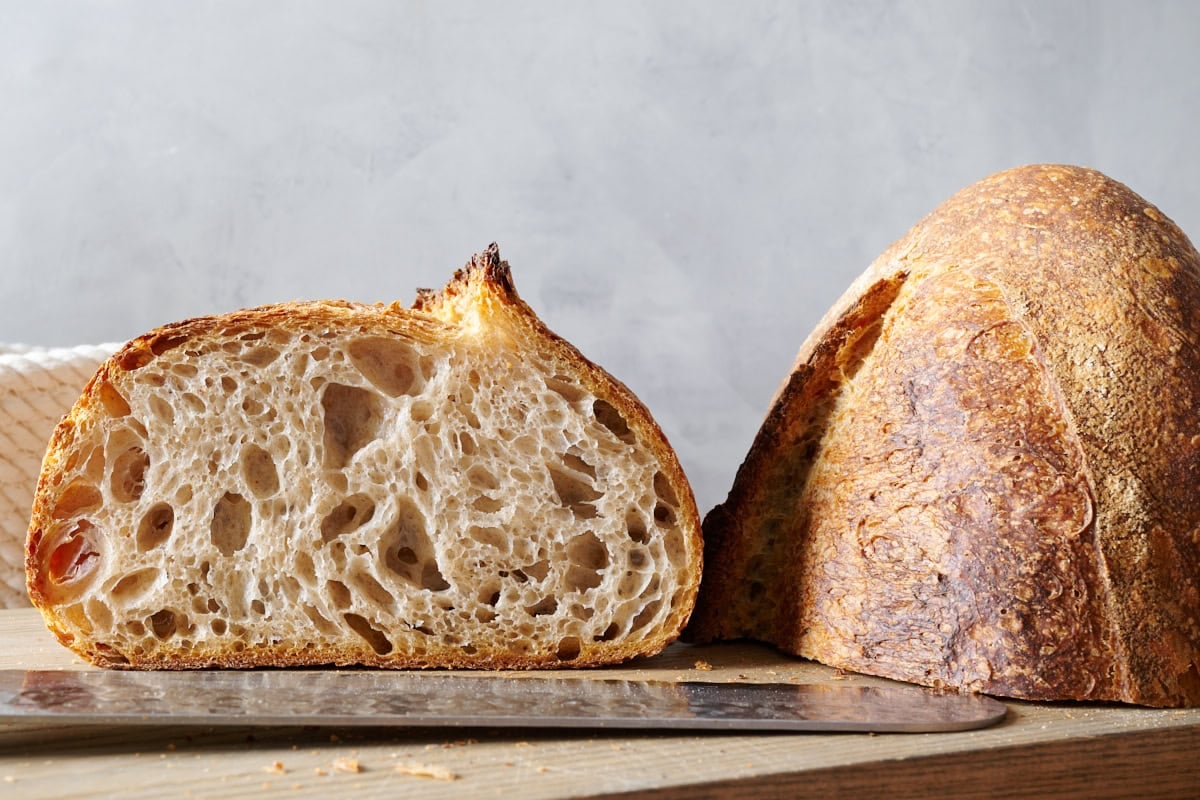
At its core, the open crumb is a testament to effective gas production and retention within the dough. Wheat flour, when hydrated and kneaded, forms gluten, a complex protein network. This network’s elasticity and extensibility are crucial for trapping the carbon dioxide gas generated by yeast and bacteria during fermentation. As the dough proofs and then undergoes the intense heat of the oven, these trapped gases expand, creating the characteristic air pockets. The interplay of flour quality, starter activity, hydration, and mechanical development (mixing and shaping) dictates the strength and flexibility of this gluten matrix, ultimately determining the final crumb structure.
Distinguishing True Open Crumb from Underproofed Loaves
A common misconception among newer bakers is equating any large holes in bread with a successful open crumb. However, an underproofed loaf can often mimic this appearance, albeit with significant qualitative differences. An underproofed sourdough typically exhibits large, cavernous holes concentrated in certain areas, surrounded by denser, often gummy, sections. This uneven structure arises from the dough’s inability to adequately expand and distribute gas evenly before baking. The gluten network, not fully relaxed or developed, resists uniform expansion, leading to erratic oven spring and a less desirable texture. In contrast, a truly open crumb features a consistent, evenly distributed network of air cells throughout the entire loaf, indicative of a balanced fermentation process and a robust, well-developed gluten structure. Expert bakers identify underproofing by a combination of visual cues—erratic oven spring, an overly domed top, and the distinct dense patches alongside large, irregular voids. Rectifying this often involves simply allowing the dough more time to ferment, enabling the yeast and bacteria to fully develop the dough’s structure and even out gas distribution.
Foundational Elements: Flour Selection and Its Pivotal Role
The choice of flour is arguably the most critical determinant in achieving an open crumb. Baking experts consistently recommend using strong white flour, characterized by a higher protein content, typically between 11% and 13%. This elevated protein level translates directly to greater gluten-forming potential. When properly hydrated and developed, this increased gluten content forms a more robust, elastic network capable of stretching significantly without tearing, thus accommodating larger gas bubbles. Think of it as the difference between a thin, easily popped balloon and a durable, high-quality one that can inflate to impressive sizes.

Conversely, flours with protein content exceeding 13% can result in an overly strong, elastic dough that resists expansion, leading to a chewy, sometimes gummy texture despite an open crumb. The sweet spot, as observed by many professionals, lies within the 11-13% range for optimal balance of strength and extensibility.
The inclusion of whole wheat flour also significantly impacts crumb structure. While rich in flavor and nutrients, the bran particles in whole wheat flour act as tiny blades, physically severing gluten strands and inhibiting the formation of a strong, continuous network. Consequently, loaves with higher percentages of whole wheat flour will naturally exhibit a denser, tighter crumb. This is not a deficiency but a characteristic trade-off, where flavor and nutritional value are prioritized over maximum openness. Bakers are advised to adjust their expectations accordingly, appreciating the unique qualities each flour type imparts. High-extraction flours, like Type 85, offer a middle ground, providing enhanced flavor while retaining sufficient gluten-forming capacity for a reasonably open crumb, especially when adequately hydrated.
The Vitality of the Sourdough Starter: The Engine of Aeration
A healthy, vigorously active sourdough starter is the cornerstone of any well-aerated loaf. Its complex microbial community of wild yeasts and lactic acid bacteria drives the fermentation process, producing the gases and acids essential for dough development and flavor. Maintaining a robust starter typically involves consistent feeding schedules and temperature control. Many professional bakers advocate for daily or twice-daily refreshments, maintaining the starter within a temperature range of 74°F to 78°F (23-25°C) to ensure peak activity.
Crucially, the timing of starter incorporation into the main dough is paramount for achieving an open crumb. The starter should be used at its peak ripeness, just as it begins to show signs of maximum activity—doubling in size, exhibiting a domed top, and displaying numerous internal bubbles. Using an over-fermented starter introduces an excess of active protease enzymes into the dough. While some enzymatic activity is beneficial for extensibility, an overabundance can lead to excessive gluten breakdown, resulting in a weaker dough structure and a tighter crumb that struggles to retain gas. Therefore, recognizing the precise moment of ripeness is a critical skill for bakers aiming for optimal crumb development.

Hydration Strategy: A Double-Edged Sword in Dough Development
Dough hydration, the ratio of water to flour, plays a significant role in crumb openness. Generally, higher hydration levels (more water) contribute to a more extensible dough that can stretch and expand more readily without tearing. Furthermore, the increased water content generates more steam during baking, which aids in pushing the crumb open and creating larger air pockets.
However, higher hydration is not a universal solution and comes with inherent challenges. Wetter doughs are notoriously more difficult to handle, requiring greater skill and experience to develop adequate strength and tension during mixing and shaping. Pushing hydration beyond a flour’s capacity or a baker’s skill level can result in a soupy, structurally weak dough that collapses rather than holds its form, regardless of other efforts.
For many white flour doughs, a hydration range of 70% to 80% is often cited as a practical sweet spot, though this is highly relative to the specific flour’s absorption capabilities and environmental conditions (e.g., humidity). The ultimate goal is to achieve a dough that feels "alive"—silky, supple, and responsive—capable of free expansion without sacrificing structural integrity. While an open crumb can certainly be achieved at lower hydrations, increased hydration generally facilitates the process for experienced bakers comfortable with wetter doughs.
Dough Development: Building the Gluten Matrix for Gas Retention

Adequate gluten development through mixing and strengthening is non-negotiable for an open crumb. The mixing process intertwines the gluten-forming proteins in flour, creating a strong, elastic network. This network acts as the primary scaffolding, trapping the fermentation gases and allowing the dough to inflate. Under-developed dough lacks the necessary strength and elasticity, leading to weak pockets that collapse, resulting in a dense, tight crumb.
Conversely, over-mixing, particularly with high-speed mechanical mixers, can lead to a phenomenon known as gluten degradation, where the network becomes overly tight and rubbery, resisting expansion. This results in a closed crumb from the opposite extreme. For most home bakers, especially those working by hand, under-development is a more common issue. Experts often advise mixing the dough for a few minutes longer than initially feels necessary, employing techniques such as repeated bowl folds, slap and folds, or sustained mechanical mixing on medium speed. The aim is to achieve a dough that is smooth, elastic, and capable of holding its shape, ultimately passing a rudimentary "windowpane test" where a small piece can be stretched thin enough to see light through without tearing.
Gentle Handling: Preserving the Delicate Internal Structure
Throughout the bulk fermentation and shaping stages, the dough accumulates thousands of delicate gas pockets, each encased by the developing gluten walls. Aggressive or rough handling—excessive pressing, slapping, or tearing—can rupture these bubbles, collapsing the meticulously built internal structure. This premature degasification leads to smaller, more uniform air cells and ultimately a denser crumb.
Therefore, gentle handling is paramount, particularly during preshaping and final shaping. Bakers are encouraged to work with a light touch, minimizing compression and stretching the dough just enough to build surface tension without deflating the internal gases. This careful approach ensures that the delicate airy structure developed during bulk fermentation is preserved, allowing for maximum expansion during the final proof and baking.

Shaping Dynamics: The Impact of Form on Crumb Structure
The chosen loaf shape can also subtly influence crumb openness. Many artisan bakers observe that an oval batard often yields a more open interior compared to a round boule. This phenomenon can be attributed to two primary factors. Firstly, batard shaping typically involves a more linear rolling motion, which is generally gentler on the dough compared to the circular tucking and tension-building required for a boule. This linear method is less prone to compressing the delicate gas pockets.
Secondly, the geometry of the loaf affects heat penetration during baking. A batard’s thinner, elongated profile allows heat to penetrate faster and more evenly throughout the dough. This uniform heat transfer contributes to a more consistent oven spring and, consequently, a more even and open crumb. Consider the extreme example of a long, slender baguette, which almost invariably boasts a wild, irregular, and highly open crumb, contrasted with a large, thick miche, which tends towards a tighter, more uniform interior, even when made from the same dough. While an open crumb is achievable with boules, bakers struggling with density might find switching to a batard shape a beneficial adjustment.
The Art of Proofing: Timing is Everything for Final Expansion
The final proof is the culminating stage where all previous efforts coalesce, transforming the shaped dough into a structure ready for its dramatic expansion in the oven. The goal is to allow the dough to rise approximately 75% to 80% of its potential height, retaining a reserve of strength for the final "oven spring." This crucial burst of expansion in the initial minutes of baking is what truly opens up the crumb.

Over-proofing, however, is a common pitfall. If the dough ferments for too long, the gluten network begins to weaken significantly due to the continued activity of protease enzymes. The dough loses its structural integrity and its capacity to trap gas, resulting in a sluggish oven spring and a dense, tight, often gummy interior. While an overproofed loaf might still offer excellent flavor, its texture will be compromised.
To ascertain sufficient proofing, bakers rely on tactile cues and the "poke test." A well-proofed dough should feel puffy, light, and yielding. When gently pressed with a floured finger, the indentation should slowly spring back, indicating a balanced state of gas production and gluten elasticity. An immediate rebound suggests under-proofing, while an indentation that remains completely signifies over-proofing. Developing this intuition for the perfect proof point is a cornerstone of advanced sourdough baking.
Enhancing Extensibility: The Autolyse Technique
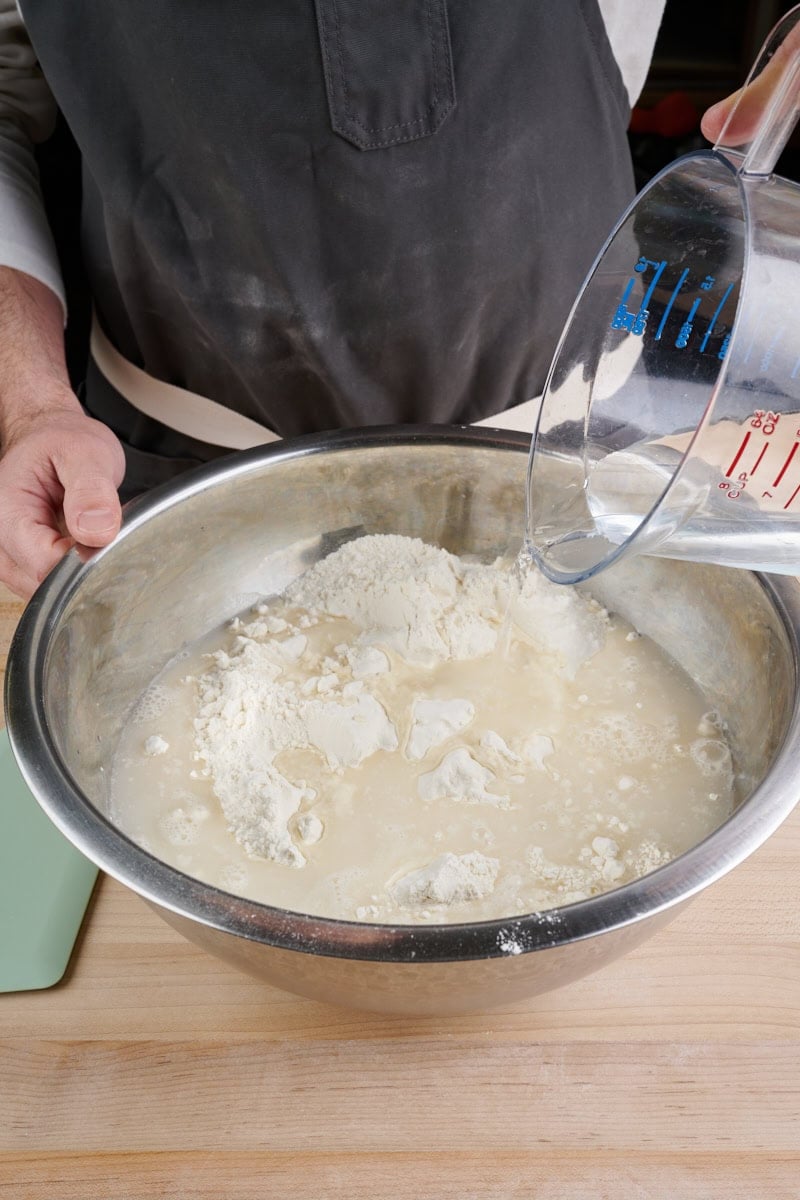
An optional yet highly effective technique for improving dough extensibility and promoting an open crumb is the autolyse. This involves initially mixing only the flour and water, allowing the mixture to rest for 30 minutes to several hours before adding the salt and starter. During this rest period, naturally occurring enzymes in the flour, primarily protease and amylase, begin to break down protein and starch bonds. This enzymatic activity gently softens the gluten network, making the dough more extensible and less elastic or "springy."
The autolyse is particularly beneficial when working with high-protein white flours, which tend to exhibit significant natural elasticity. The rest period tames this resistance, allowing the dough to expand more freely during subsequent fermentation and baking. The result is a dough that is both strong and supple, capable of accommodating large gas bubbles without tearing. For bakers aiming for a notably open crumb, incorporating an autolyse, even for a short duration, can provide a measurable advantage in dough handling and final texture.
A Holistic Approach to Sourdough Mastery
Achieving an open crumb in sourdough bread is not the result of a single magical trick but rather the culmination of numerous deliberate decisions and meticulous execution throughout the entire baking process. From the initial selection of flour and the vitality of the sourdough starter to precise hydration, thorough dough development, gentle handling, thoughtful shaping, and accurate proofing, each step intricately influences the next. Understanding these interconnected elements is fundamental to mastering the craft.
Baking, at its heart, is an iterative learning process. Experimentation is encouraged: varying hydration levels, utilizing the starter at different stages of ripeness, employing diverse shaping techniques, and meticulously documenting observations through baking notes. This empirical approach fosters a deeper understanding of dough behavior and allows bakers to adapt their methods to achieve desired results.
While the pursuit of a visually striking open crumb is a worthy endeavor, it is crucial to remember that the ultimate goal of baking is to create delicious and satisfying bread. A dense, wholesome whole wheat loaf can be as profoundly rewarding as an airy, open-crumbed batard. The level of aeration, ultimately, is a personal preference. The true success in baking lies in the joy of the process and the satisfaction derived from producing bread that brings happiness to both the baker and the consumer. The dough, in its infinite complexity, is a patient teacher, continually guiding the dedicated baker toward deeper understanding and skill.
Open Crumb Bread FAQs
How can the formation of an open crumb be intentionally avoided?
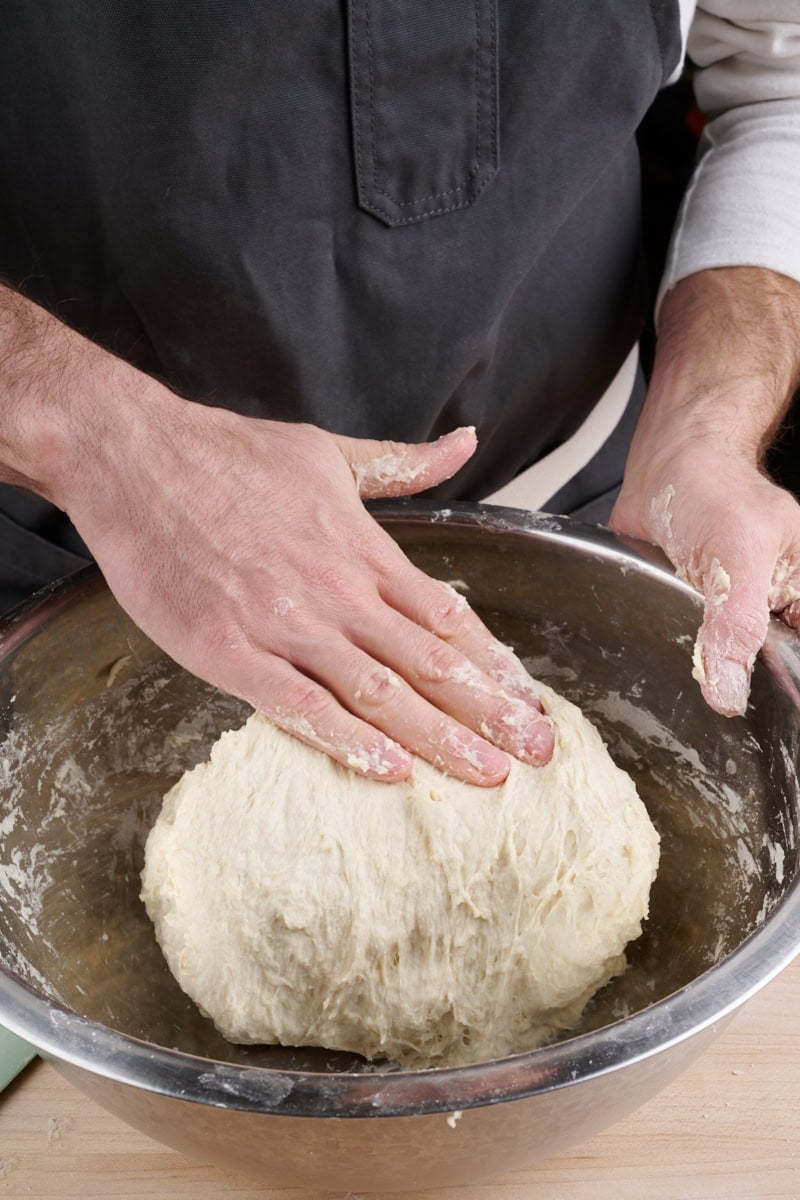
To achieve a tighter crumb and reduce the incidence of large, irregular holes, bakers can implement a gentle degassing step during the shaping process. This involves using a flat hand to lightly pat down the dough from top to bottom just before the final shaping, which helps redistribute the accumulated gases and creates a more uniform internal structure with smaller, more evenly distributed air cells. This technique is particularly useful for bread styles where a denser, more consistent crumb is desired.
What causes an open crumb bread to have a gummy or tough texture?
An open crumb that exhibits a gummy or tough texture often indicates the use of flour with an excessively high protein content, or potentially over-development of the gluten. While high protein is beneficial for forming a strong gluten network capable of trapping large gas bubbles, flour with protein levels significantly above the ideal range (e.g., over 13-14% for general sourdough) can result in a dough that becomes overly elastic and resilient. This excessive elasticity can translate into a bread with a rubbery mouthfeel, despite its visually open interior. Achieving the optimal balance of strength and extensibility in the gluten network is key to a tender, open crumb.