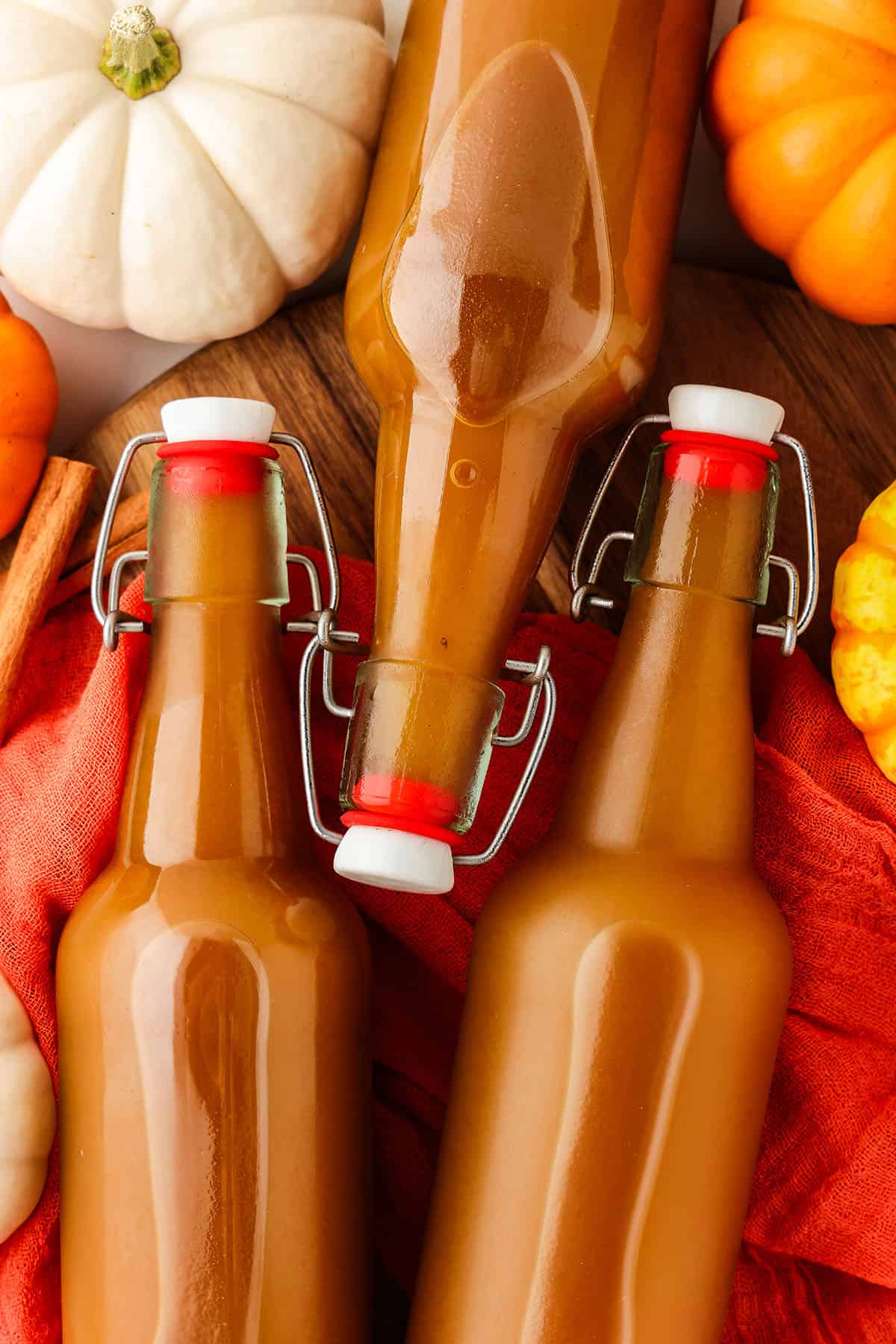
The global artisanal beverage sector has witnessed a significant transformation over the last decade, characterized by a move away from highly processed, high-sugar sodas toward functional, fermented drinks that offer both probiotic benefits and complex flavor profiles. Central to this movement is the increasing popularity of home-brewed kombucha, a fermented tea beverage that utilizes a symbiotic culture of bacteria and yeast (SCOBY). As the winter season approaches, the focus within the fermentation community has shifted toward seasonal botanicals, most notably the North American cranberry (Vaccinium macrocarpon). By integrating cranberry and orange into the secondary fermentation process, brewers are creating a beverage that serves not only as a festive culinary staple but also as a nutrient-dense tool for digestive health.
The Convergence of Traditional Fermentation and Seasonal Nutrition
The resurgence of fermentation is more than a culinary trend; it is a return to traditional methods of food preservation that align with modern nutritional science. Cranberry orange kombucha represents a sophisticated application of these methods. The process relies on "second fermentation," a stage where the primary fermented tea is bottled with additional sugars and flavorings. This stage is critical because it facilitates carbonation—the natural effervescence that consumers associate with premium soft drinks—without the need for artificial pressurized CO2.
Cranberries, which reach peak harvest in the late autumn and early winter months, are uniquely suited for this process. Their natural tartness and high acidity provide a structural balance to the residual sweetness of the kombucha base. When paired with the aromatic oils found in orange zest and the citric acid of orange juice, the resulting flavor profile is both bright and deeply nuanced. From a journalistic and economic perspective, this shift toward seasonal brewing reflects a broader consumer desire for "clean label" products that utilize whole-food ingredients rather than synthetic flavorings.
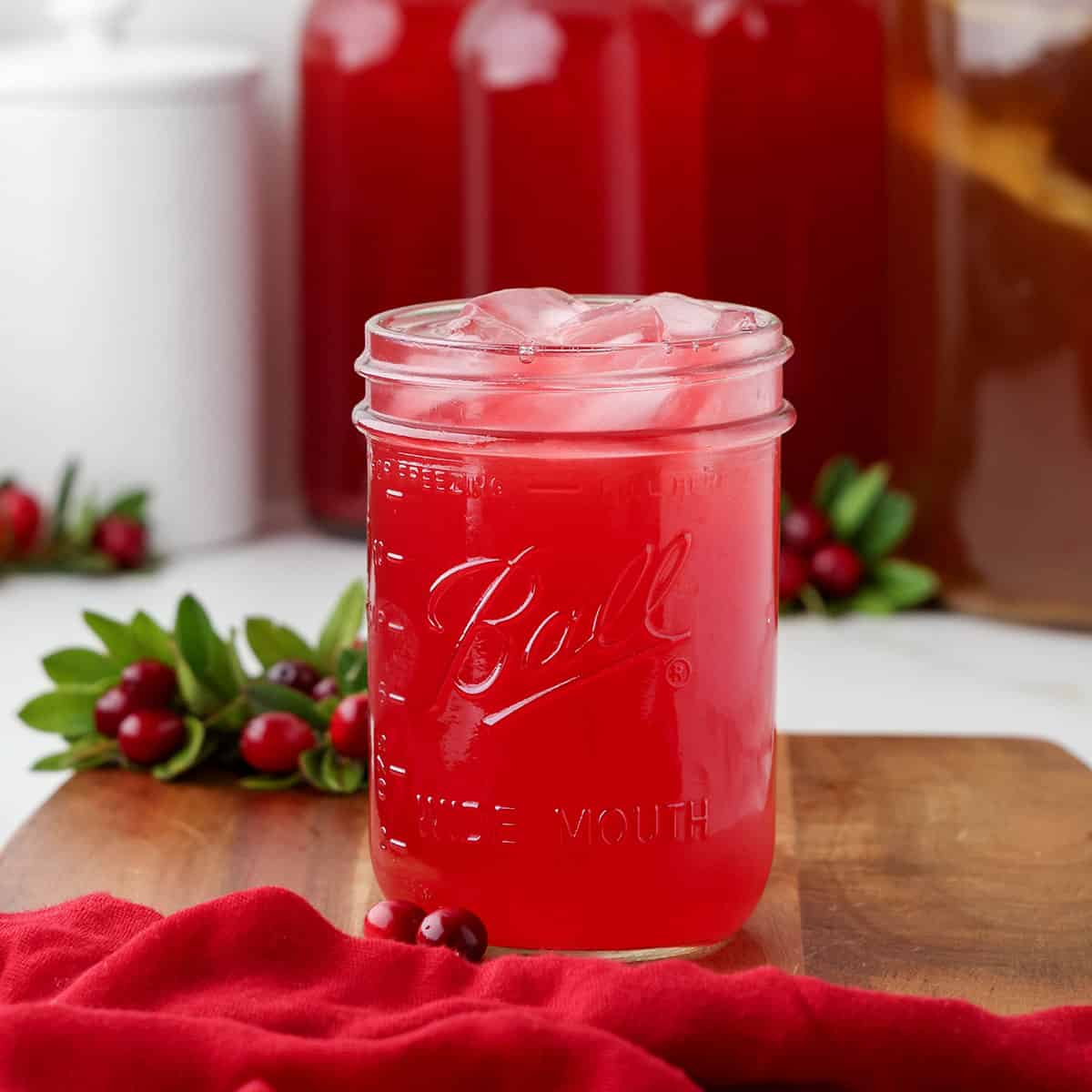
The Scientific Framework of the Second Fermentation Process
To understand the rise of cranberry orange kombucha, one must examine the underlying biochemistry of the fermentation process. Primary fermentation begins with a base of sweetened black or green tea. The SCOBY metabolizes the sucrose, converting it into organic acids, enzymes, and B vitamins. Once the primary ferment has reached the desired pH level—typically between 2.5 and 3.5—the liquid is ready for flavoring.
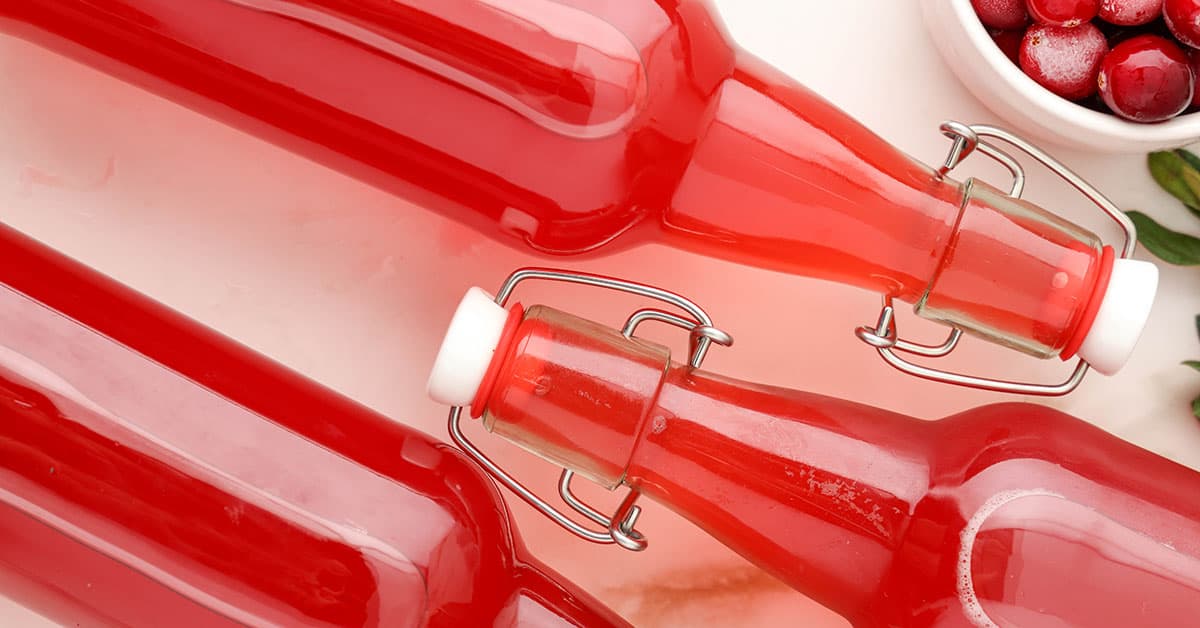
The introduction of cranberry orange syrup initiates the secondary fermentation. This syrup serves a dual purpose: it provides the palate with the seasonal flavors of the holidays and supplies the yeast with a fresh source of fermentable sugars. As the yeast consumes the fructose and glucose from the syrup within a sealed "swing-top" bottle, it produces carbon dioxide. Because the gas cannot escape the airtight container, it dissolves into the liquid, creating a fine, natural mousse.

Scientific analysis of this process suggests that the secondary ferment does more than just add "fizz." It continues the breakdown of complex compounds, potentially increasing the bioavailability of the antioxidants found in the cranberries. This bio-transformation is a key reason why fermented beverages are categorized as "functional foods"—products that provide health benefits beyond basic nutrition.
Technical Methodology: A Chronology of Production
The production of high-quality cranberry orange kombucha follows a strict chronological sequence designed to maximize flavor extraction and ensure safety.

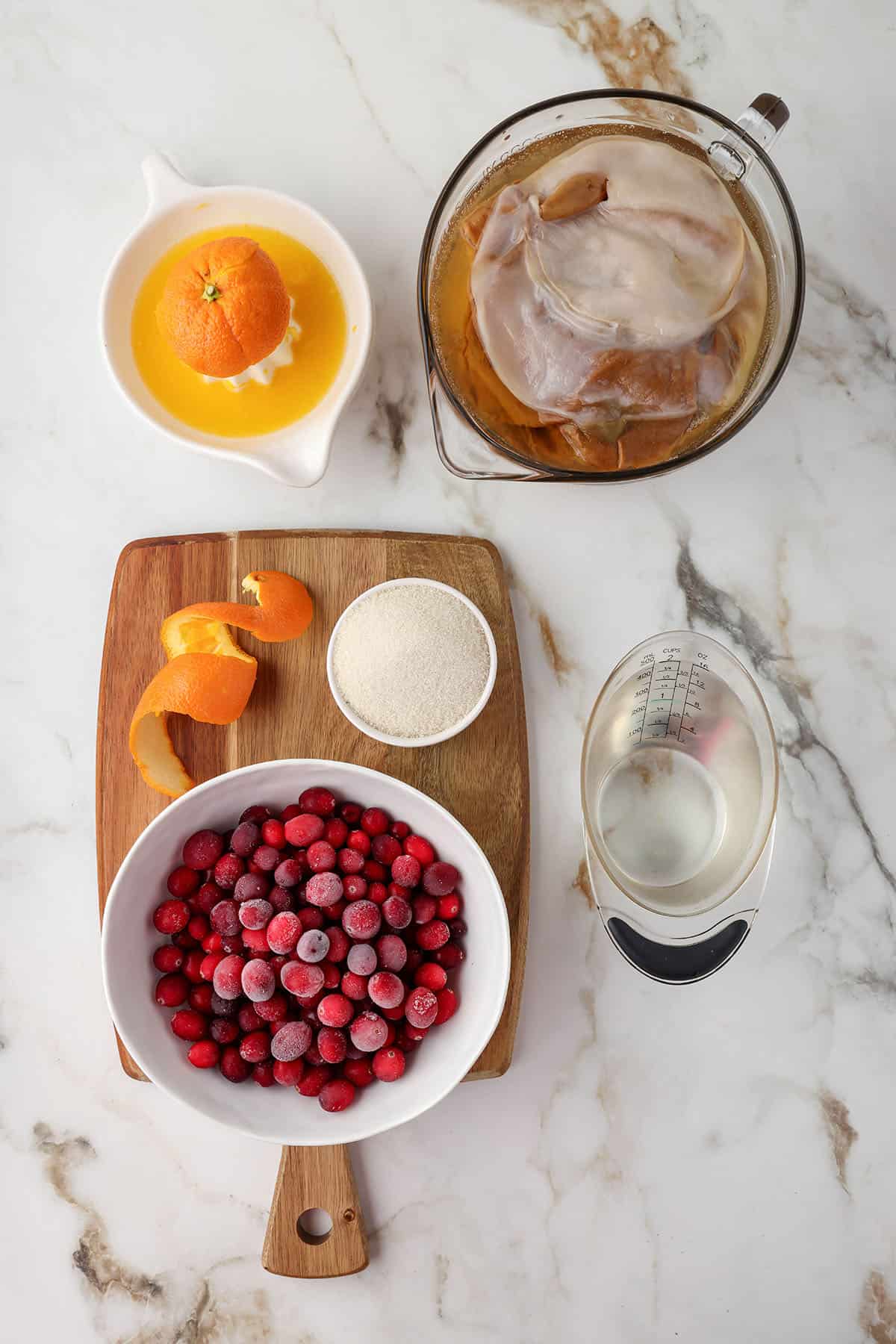
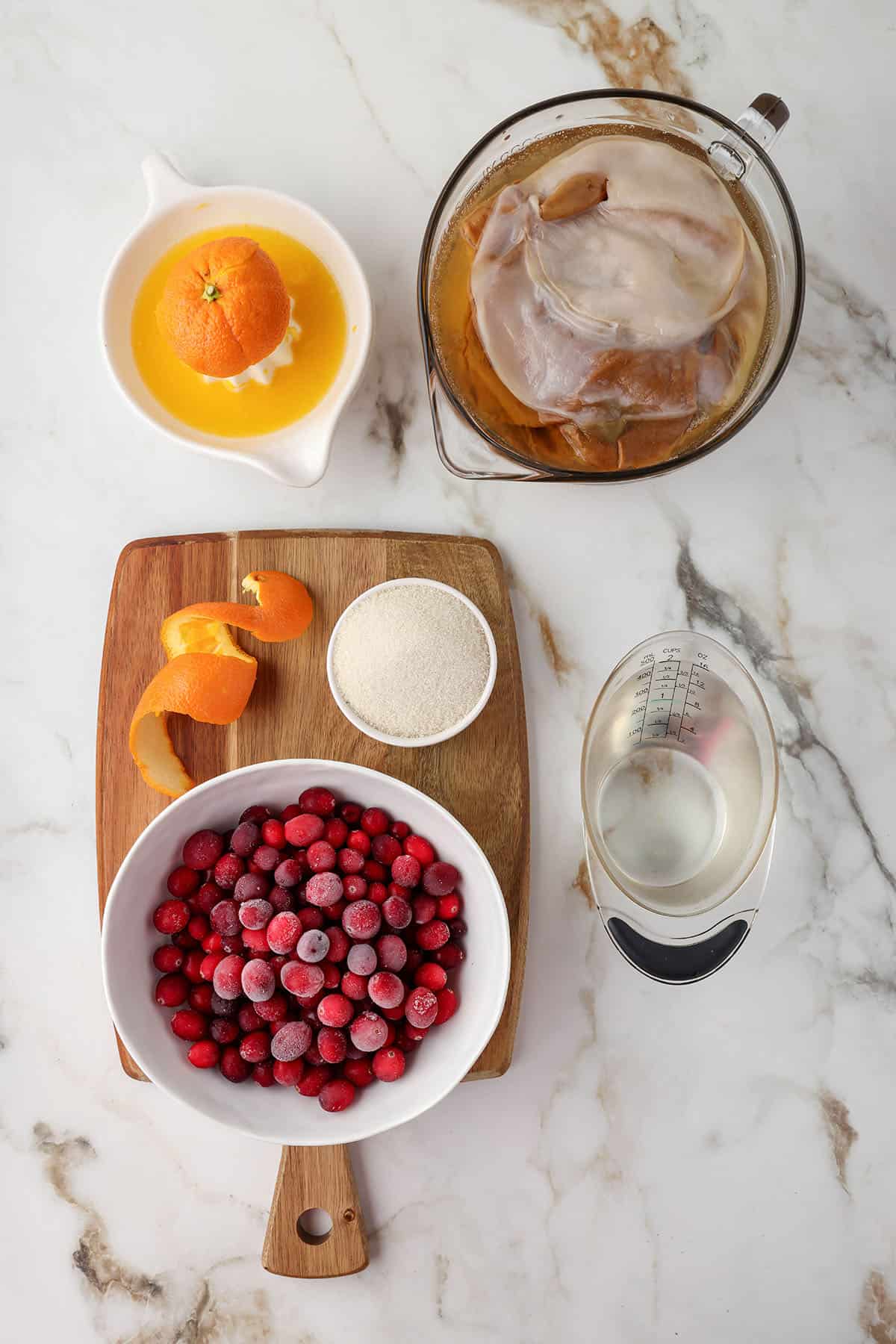
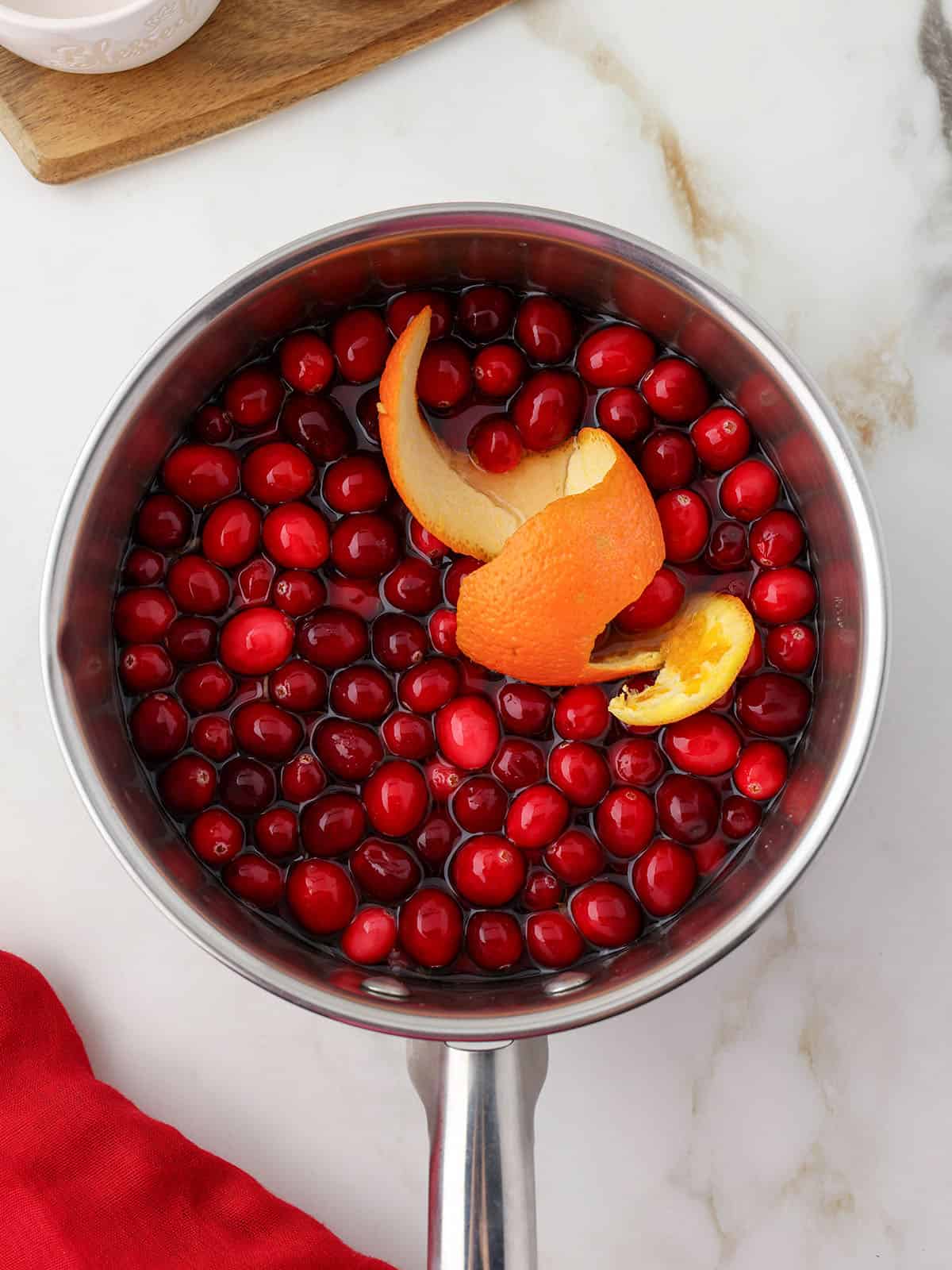
- Preparation of the Infusion (Minutes 1-30): The process begins with the creation of a concentrated fruit syrup. Fresh or frozen cranberries are combined with organic cane sugar, fresh orange juice, and orange zest. This mixture is brought to a simmer for approximately five to seven minutes. This thermal application is necessary to break the tough outer skins of the cranberries, allowing the release of pectin and anthocyanins.
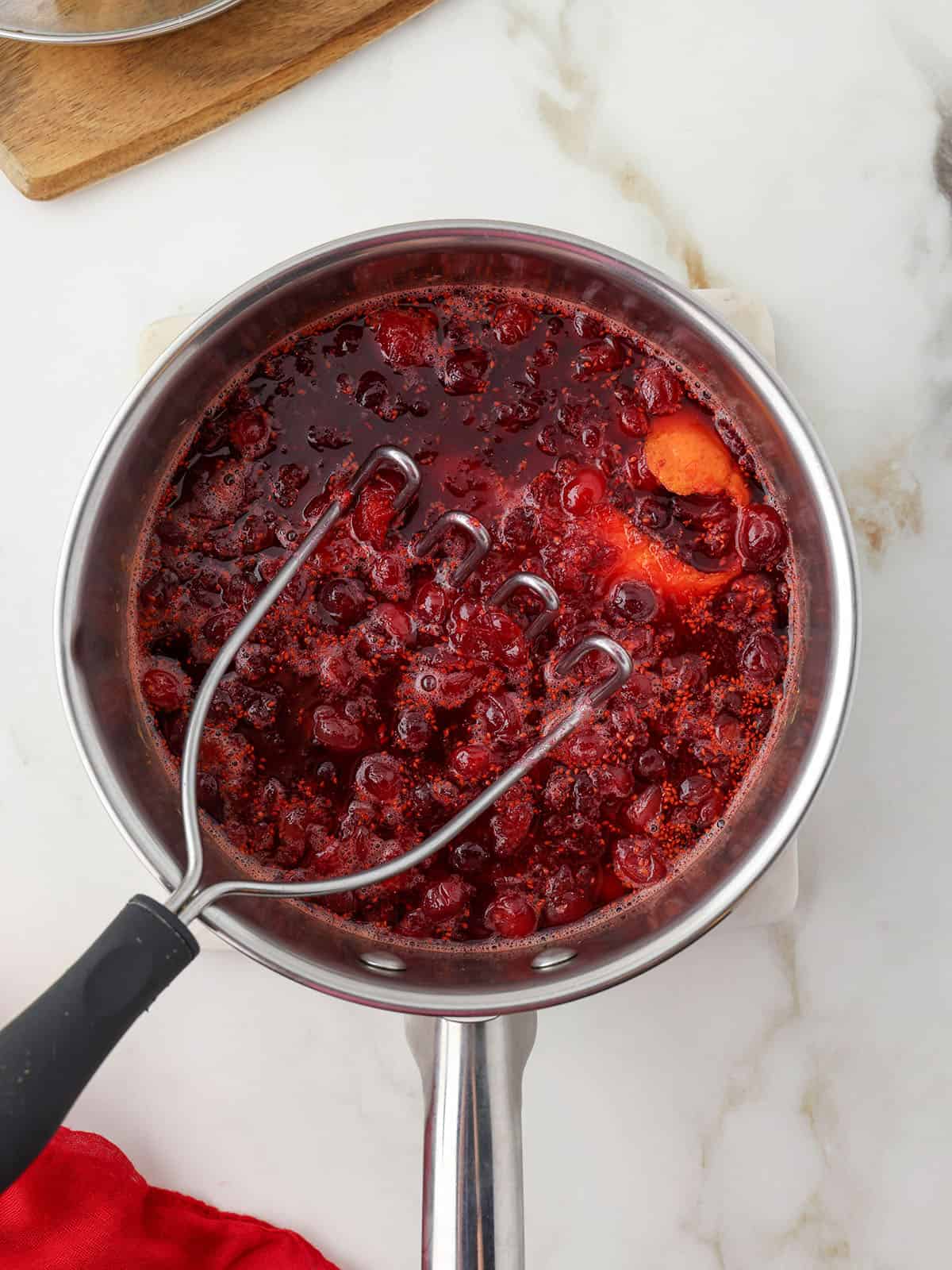
- The Maceration Phase (Minutes 30-45): After simmering, the fruit is mashed to ensure total juice extraction and allowed to steep. This 15-minute resting period allows the volatile oils from the orange peel to infuse into the syrup, creating a more robust aromatic profile.
- Filtration and Integration: The cooled syrup is strained through a fine-mesh sieve and cheesecloth. Journalistic observations of artisanal methods emphasize the importance of removing solid pulp at this stage to prevent the finished beverage from becoming overly "yeasty" or developing an inconsistent texture.
- Secondary Fermentation (Days 1-3): The syrup is blended with the primary kombucha—roughly two cups of syrup to seven cups of tea—and bottled. These bottles are stored in a dark environment at room temperature. The duration of this phase is highly dependent on ambient temperature; warmer environments accelerate microbial activity, while cooler winter kitchens may require the full three days to achieve optimal carbonation.
- Stabilization and Chilling: Once the desired carbonation is reached—monitored by "burping" the bottles to check pressure—the beverage is moved to cold storage. Refrigeration effectively halts the fermentation process, stabilizing the flavor and preventing the buildup of excess pressure that could lead to bottle failure.
Nutritional Profile and Clinical Implications
The integration of cranberries into kombucha is supported by a wealth of clinical data regarding the fruit’s health properties. Cranberries are a significant source of Vitamin C and various polyphenols. Most notably, they contain high concentrations of proanthocyanidins (PACs), which have been the subject of numerous human intervention trials.
Research indicates that PACs are effective at preventing urinary tract infections (UTIs) by inhibiting the adhesion of E. coli bacteria to the bladder wall. When delivered via a fermented medium like kombucha, these benefits are complemented by the presence of probiotics—beneficial bacteria such as Lactobacillus and Bifidobacterium. Medical professionals often note that a healthy gut microbiome is the cornerstone of a robust immune system, making this beverage particularly relevant during the winter months when seasonal illnesses are more prevalent.

Furthermore, the acidity of the kombucha, combined with the enzymes produced during fermentation, can aid in the digestion of heavy holiday meals. The beverage acts as a natural digestive bitter, stimulating the production of gastric juices and bile, which facilitates the breakdown of fats and complex proteins.
Market Analysis: The Economic Expansion of Probiotic Beverages
The rise of recipes like cranberry orange kombucha is a microcosm of a massive shift in the global beverage market. According to industry reports, the global kombucha market was valued at approximately $2.59 billion in 2021 and is projected to expand at a compound annual growth rate (CAGR) of 15.6% through 2030.
This growth is driven by a "health and wellness" demographic that prioritizes probiotic content and natural ingredients. However, as the commercial market becomes saturated with standardized flavors, there has been a secondary surge in "home-craft" fermentation. Consumers are increasingly seeking out DIY recipes to gain control over sugar content and to utilize local, seasonal produce. This movement mirrors the craft beer revolution of the late 20th century, where enthusiasts moved away from mass-produced lagers in favor of small-batch, ingredient-driven ales.
Environmental and Culinary Sustainability
A notable aspect of the cranberry orange kombucha process is its potential for zero-waste production. In an era where food waste is a major environmental concern, the "byproducts" of this fermentation are highly versatile. The cranberry and orange pulp remaining after the syrup is strained is rich in pectin, a natural thickening agent.
Culinary experts recommend blending this leftover pulp with a small amount of water or honey to create a "refrigerator jam." This secondary product can be used as a topping for yogurt, oatmeal, or desserts, ensuring that the entire nutrient profile of the raw fruit is utilized. This holistic approach to food preparation resonates with the growing "slow food" movement, which emphasizes the ethical and environmental implications of our dietary choices.
Official Responses and Expert Perspectives
Food safety experts and master fermenters emphasize the importance of precision when executing second fermentations. "The primary risk in home fermentation is not pathogen growth—due to the high acidity of the kombucha—but rather physical safety regarding carbonation," states one industry consultant. The use of "swing-top" or "Grolsch-style" bottles is recommended because they are designed to withstand the internal pressure generated by CO2.
Nutritionists also point out that while the recipe calls for cane sugar, much of this sugar is converted by the SCOBY. Therefore, the final glycemic impact of cranberry kombucha is significantly lower than that of fruit juices or sodas. This makes it a viable alternative for individuals looking to manage their sugar intake without sacrificing the sensory experience of a flavored beverage.
Future Outlook: The Role of Fermentation in the Evolving Global Diet
As we look toward the future of nutrition, it is clear that fermented botanicals will play a central role. Cranberry orange kombucha is more than a seasonal drink; it is a demonstration of how traditional wisdom can be distilled into a modern, health-promoting format. The combination of seasonal availability, scientific health benefits, and the artisanal satisfaction of home brewing creates a compelling narrative for the continued growth of the fermentation movement.

In conclusion, the development of cranberry orange kombucha represents a perfect synergy of flavor, health, and tradition. By utilizing the natural properties of winter fruits and the biological power of the SCOBY, brewers are able to produce a beverage that is as functional as it is festive. As the public’s understanding of the gut-brain axis and the importance of the microbiome continues to evolve, the demand for these types of sophisticated, fermented beverages is expected to reach new heights, cementing their place in the modern pantry.