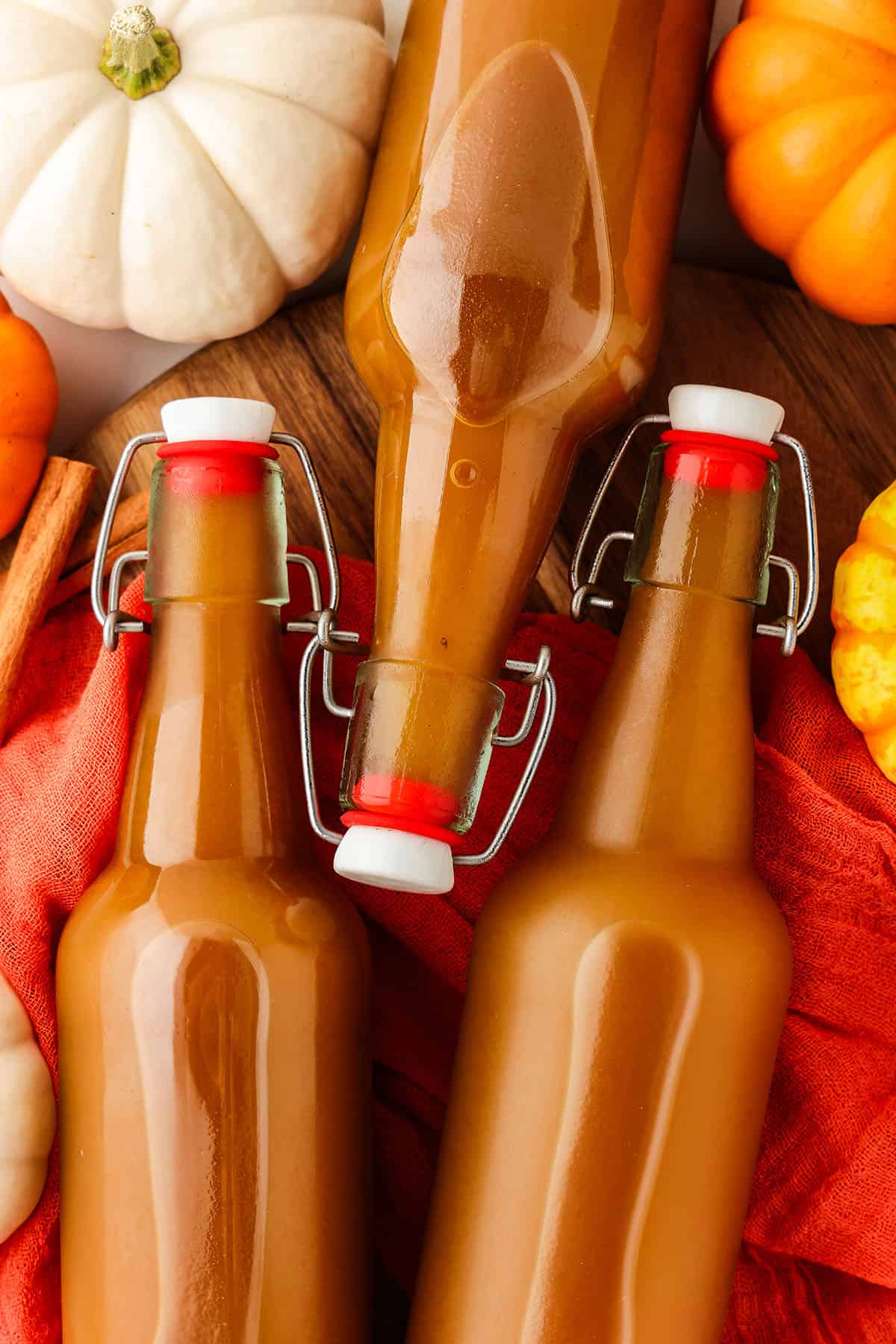
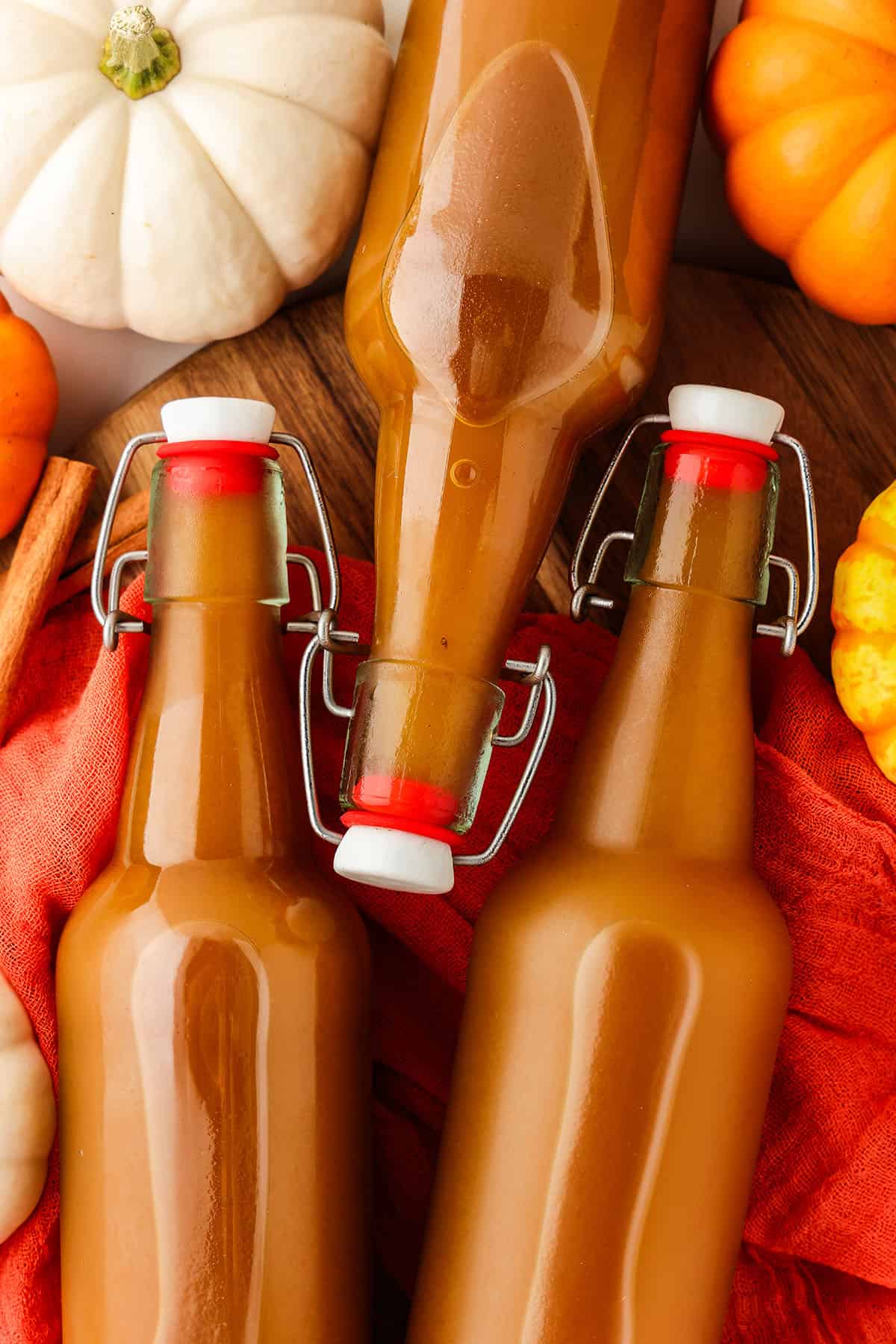
The global functional beverage market has witnessed a significant shift toward artisanal and fermented products, with kombucha emerging as a leading category in the probiotic sector. As consumer demand for seasonal flavors evolves beyond traditional high-sugar offerings, the integration of autumnal staples like pumpkin and warming spices into fermented tea has become a focal point for home brewers and commercial producers alike. This development represents a convergence of traditional preservation techniques and modern nutritional science, offering a complex, carbonated alternative to the ubiquitous seasonal latte.
The Rise of Functional Seasonal Beverages
The "pumpkin spice" phenomenon, once limited to coffee shop menus, has expanded into a multibillion-dollar industry affecting diverse sectors of the food and beverage market. However, a growing demographic of health-conscious consumers is increasingly skeptical of synthetic flavorings and high glycemic loads. Data from market research firms indicate a 15% year-over-year increase in the demand for "clean label" seasonal products. In this context, pumpkin kombucha serves as a bridge between the desire for festive, comforting flavors and the requirement for metabolic-friendly, nutrient-dense ingredients.
Kombucha itself is an ancient beverage, believed to have originated in Northeast China around 220 B.C. for its purported healing properties. It is produced through the fermentation of sugared tea using a Symbiotic Culture of Bacteria and Yeast, commonly referred to as a SCOBY. The resulting liquid is rich in acetic acid, B vitamins, and a variety of probiotic strains, including Lactobacillus and Saccharomyces. The transition from a primary fermentation to a secondary, flavored fermentation is where the "pumpkin spice" profile is meticulously developed.
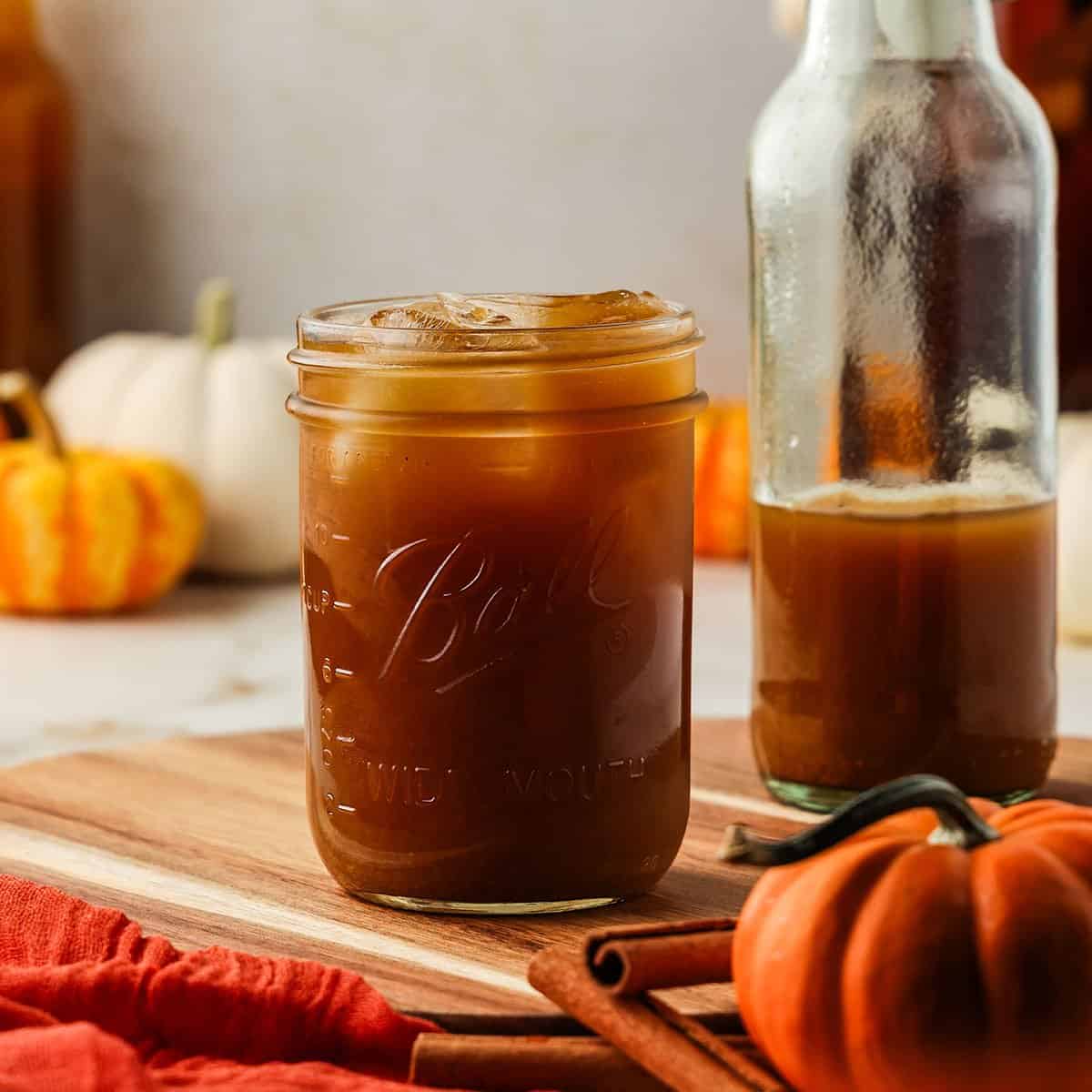
The Biochemistry of Second Fermentation
The production of pumpkin kombucha relies on the "second fermentation" (F2) process. While the primary fermentation occurs in an aerobic environment—allowing the SCOBY to breathe and convert sugars into acids—the second fermentation is anaerobic. By bottling the fermented tea with new sugar sources, such as pumpkin puree and maple syrup, the residual yeast consumes the fresh sugars. Because the vessel is sealed, the byproduct of this metabolic activity, carbon dioxide (CO2), is trapped within the liquid, creating natural carbonation.
In this specific formulation, the use of real pumpkin puree provides more than just flavor; it offers a complex carbohydrate source and a unique texture. Pumpkin is a nutrient-dense winter squash, rich in beta-carotene, which the body converts into Vitamin A. When integrated into the acidic environment of kombucha (typically maintaining a pH between 2.5 and 3.5), the earthy notes of the squash are preserved while the sugars are metabolized, resulting in a drink that is significantly lower in calories than its non-fermented counterparts.
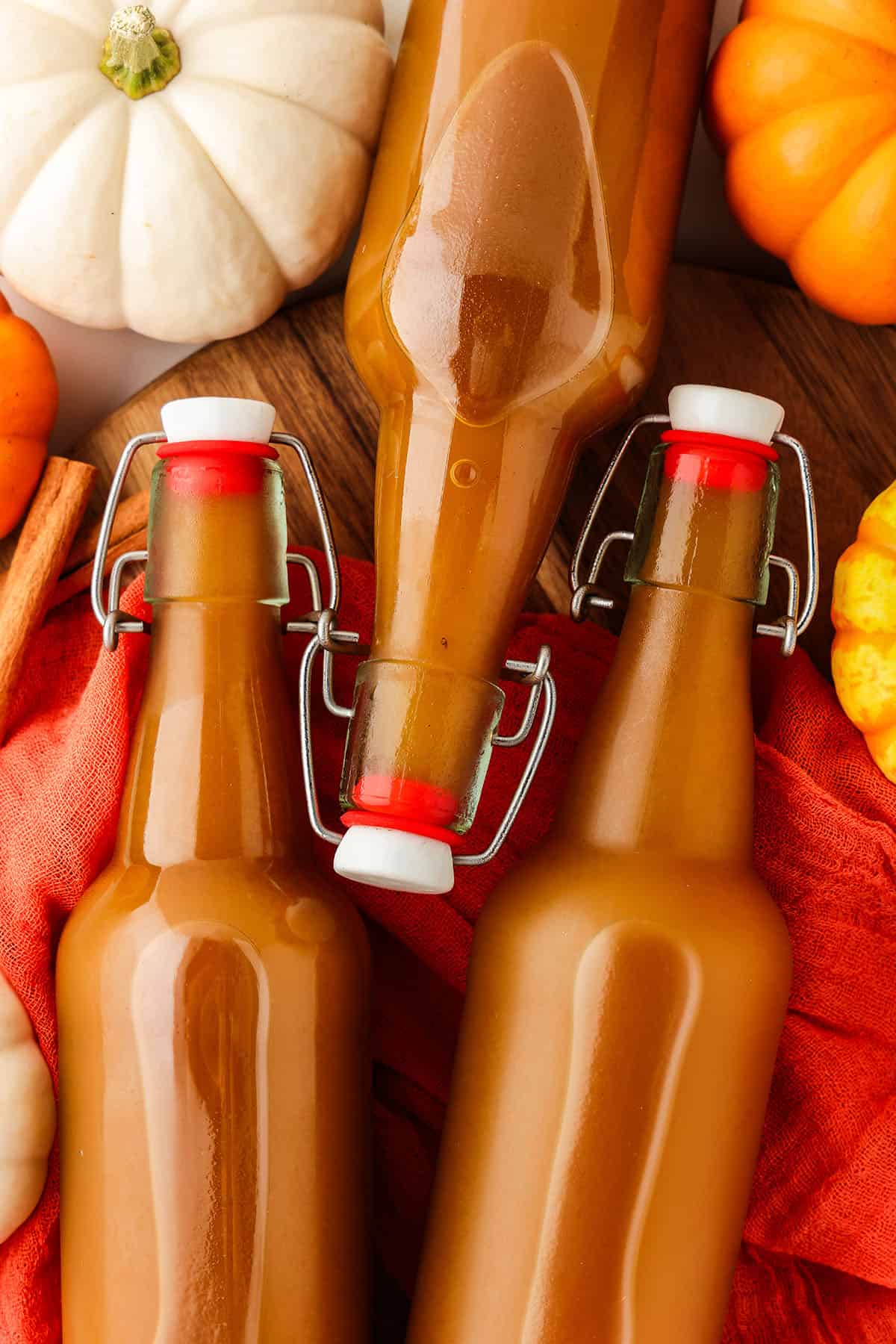
Technical Protocol for Pumpkin Kombucha Production
The production of this seasonal beverage requires precision in both ingredient selection and environmental control. The following protocol outlines the standard procedure for generating approximately six 16-to-18-ounce units.
Ingredient Specifications
- Base Ferment: Finished kombucha derived from either Camellia sinensis (black tea) or green tea. The base must be fully fermented but not yet "vinegary," providing a balanced acidic foundation.
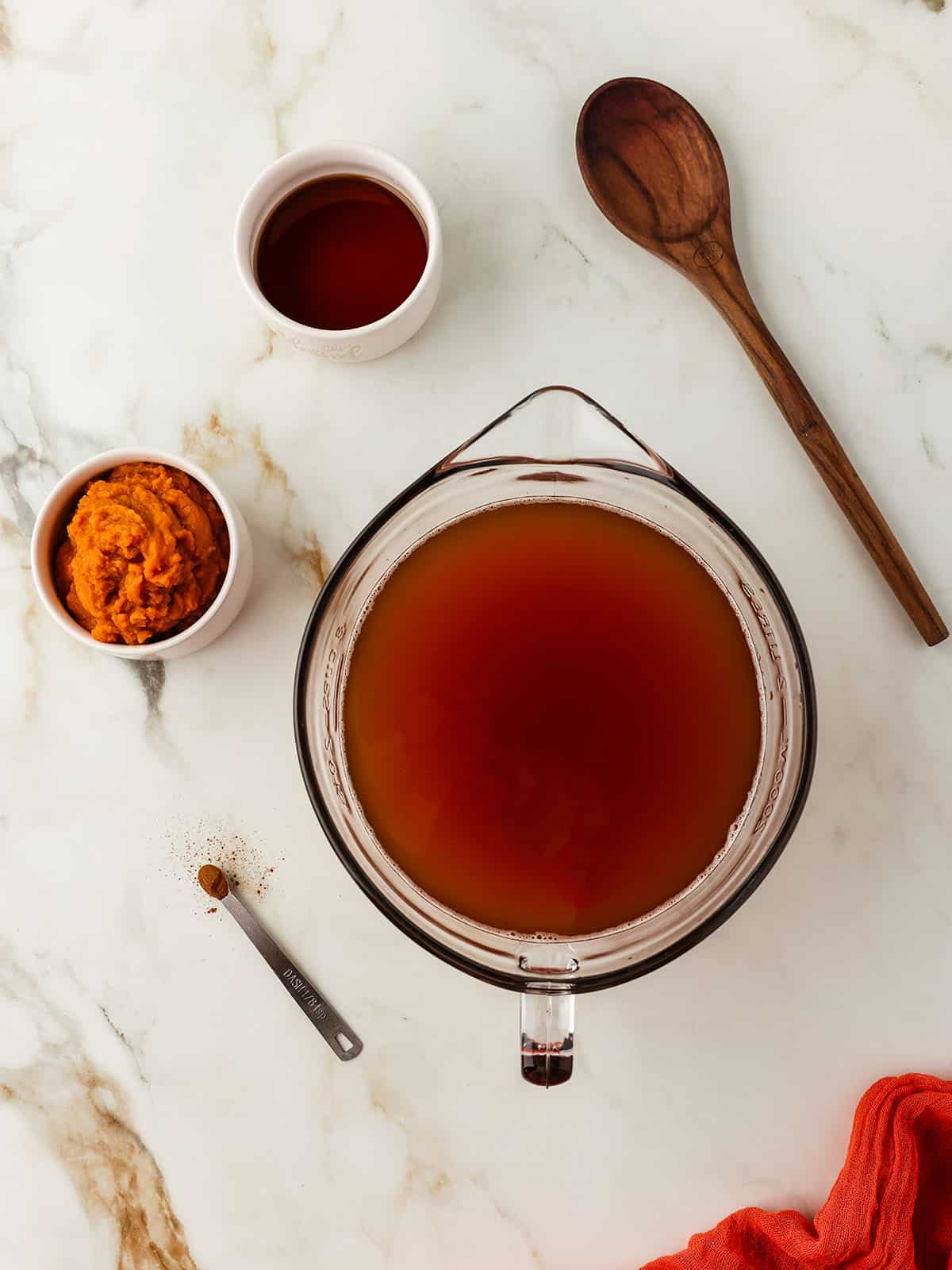
- Fruit Substrate: Pumpkin puree, either prepared from roasted "Sugar Pie" pumpkins or sourced as a high-quality canned organic product. The puree must be free of additives or preservatives that could inhibit microbial activity.
- Priming Sugar: Pure maple syrup. This serves as the primary fuel for carbonation. Maple syrup is preferred over refined sucrose for its trace mineral content and its ability to complement the earthy notes of the squash.
- Aromatic Adjuncts: Ground cinnamon. This spice contains cinnamaldehyde, which provides the characteristic "warmth" associated with autumn flavors.
Chronology of Production
The timeline for pumpkin kombucha production is divided into several critical phases:
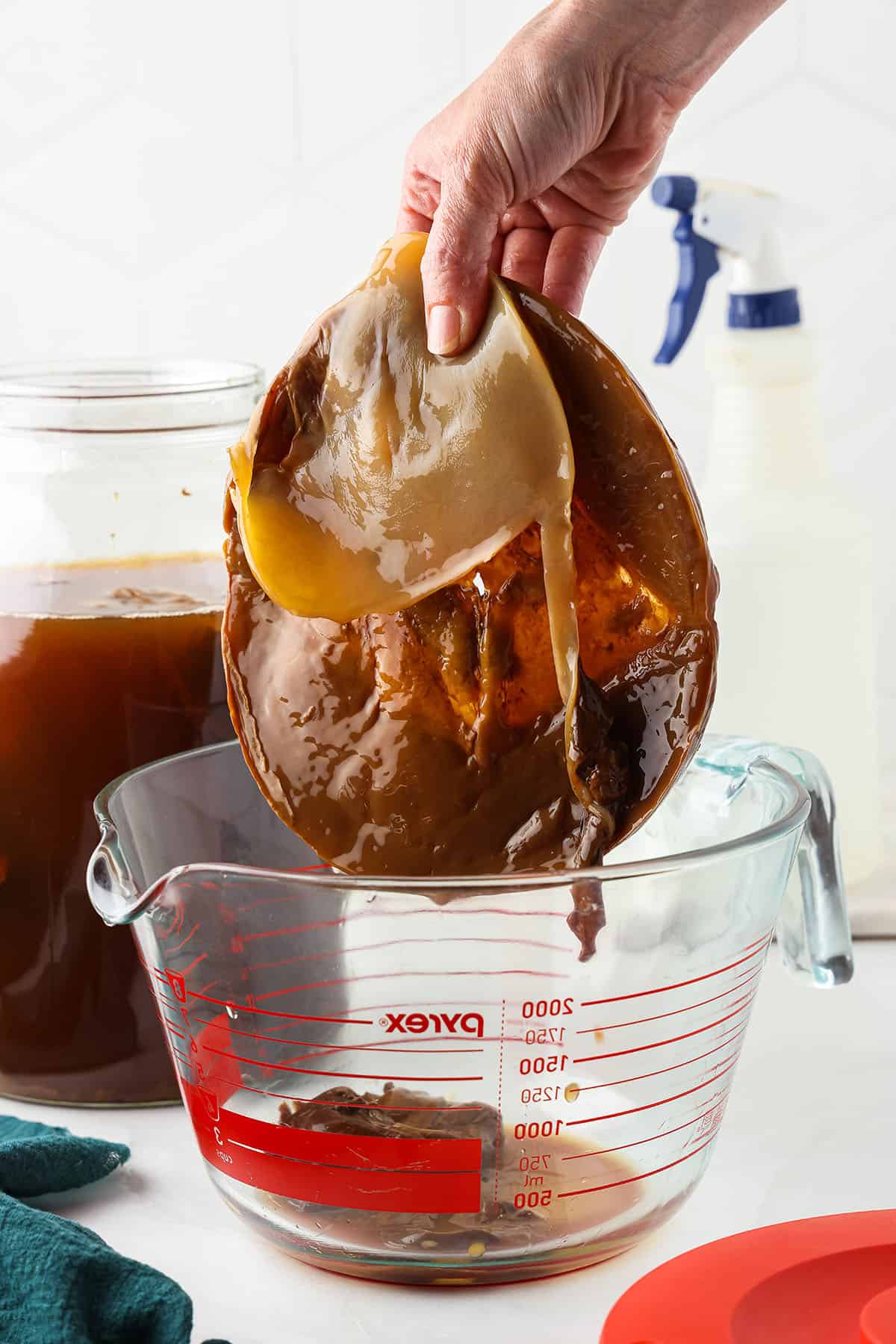
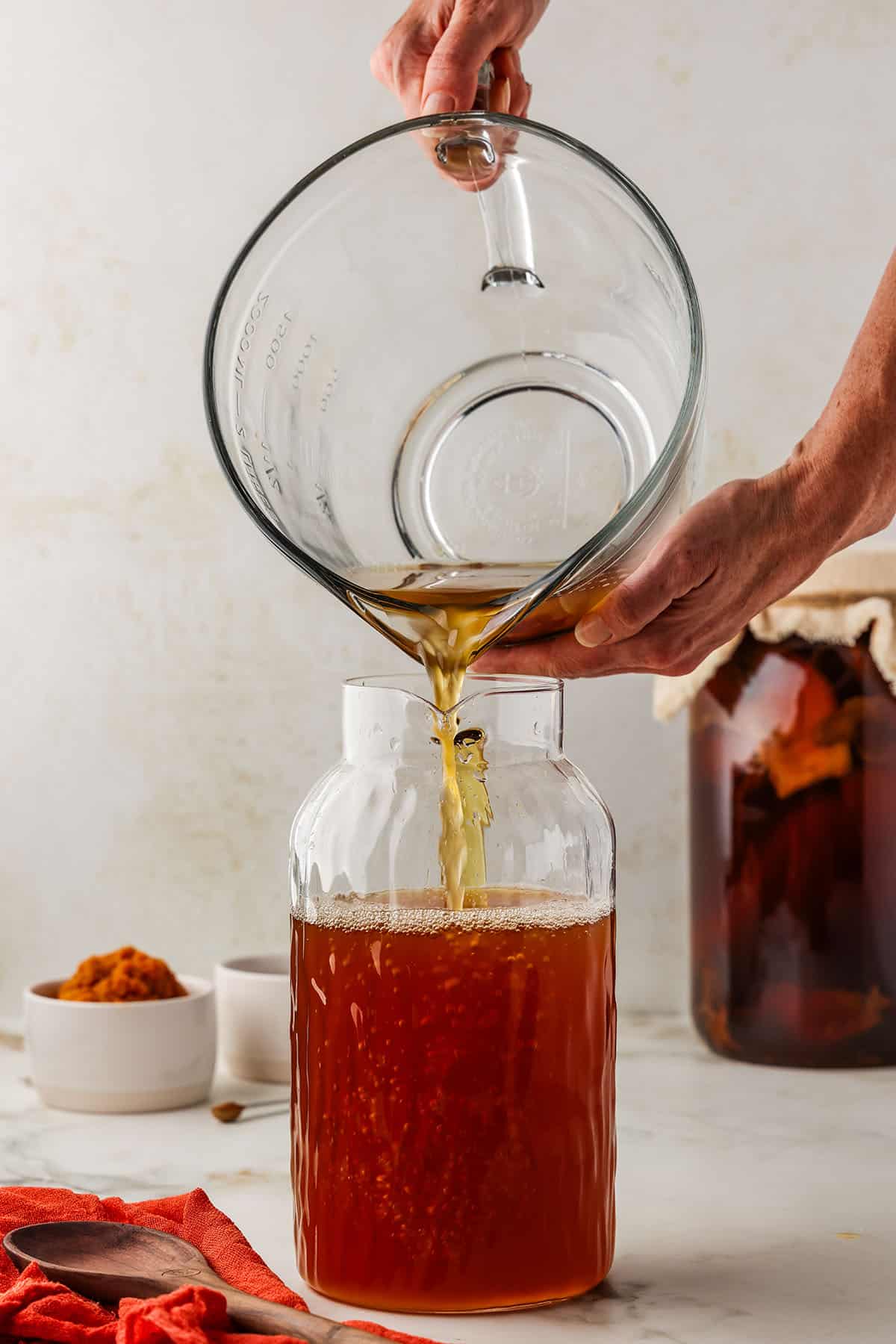
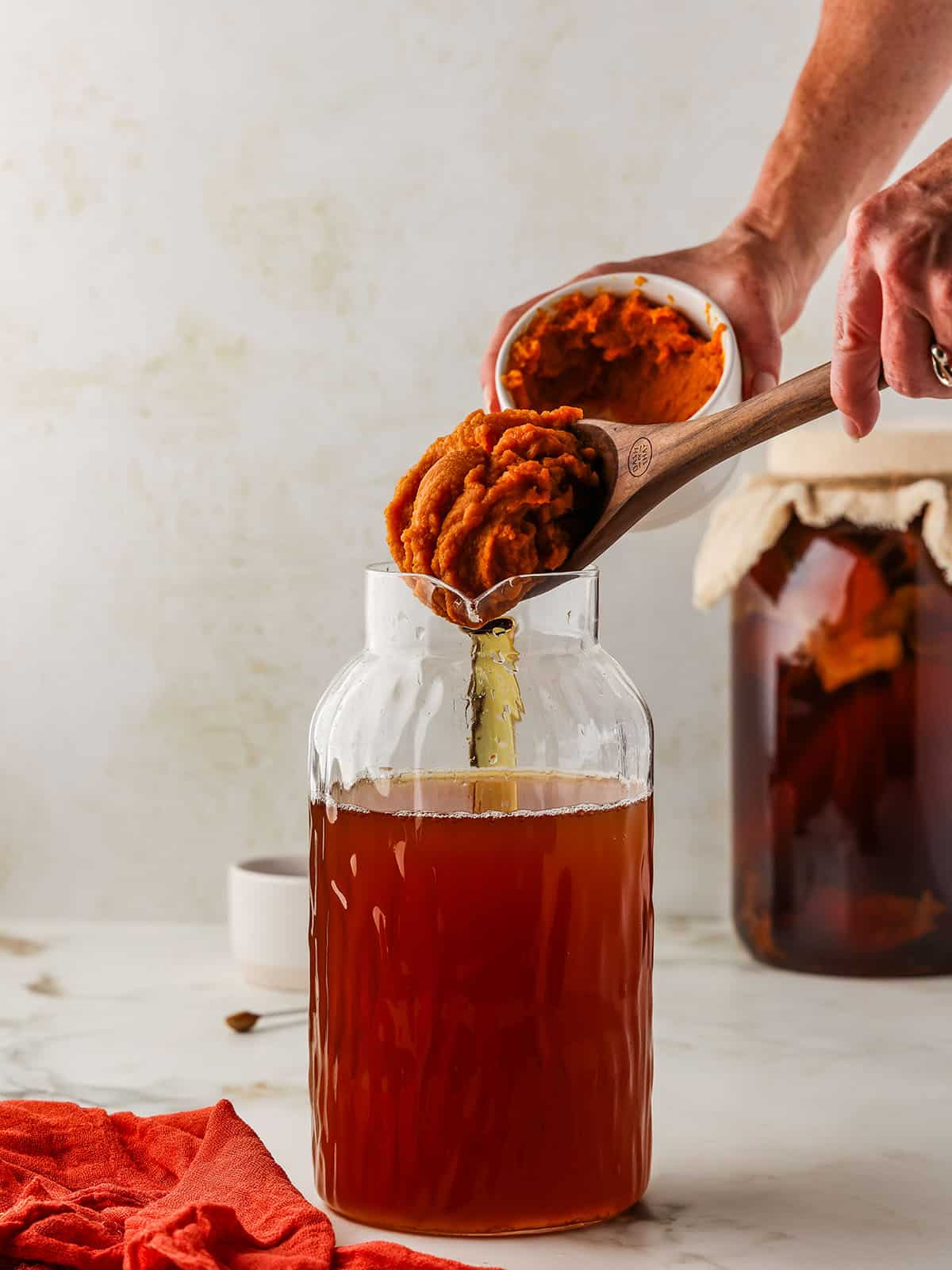
- Phase I: Preparation and Blending (Day 1): The raw kombucha is transferred to a sanitized mixing vessel. The pumpkin puree, maple syrup, and cinnamon are introduced. Stirring must be thorough to ensure the yeast has access to the new sugars.
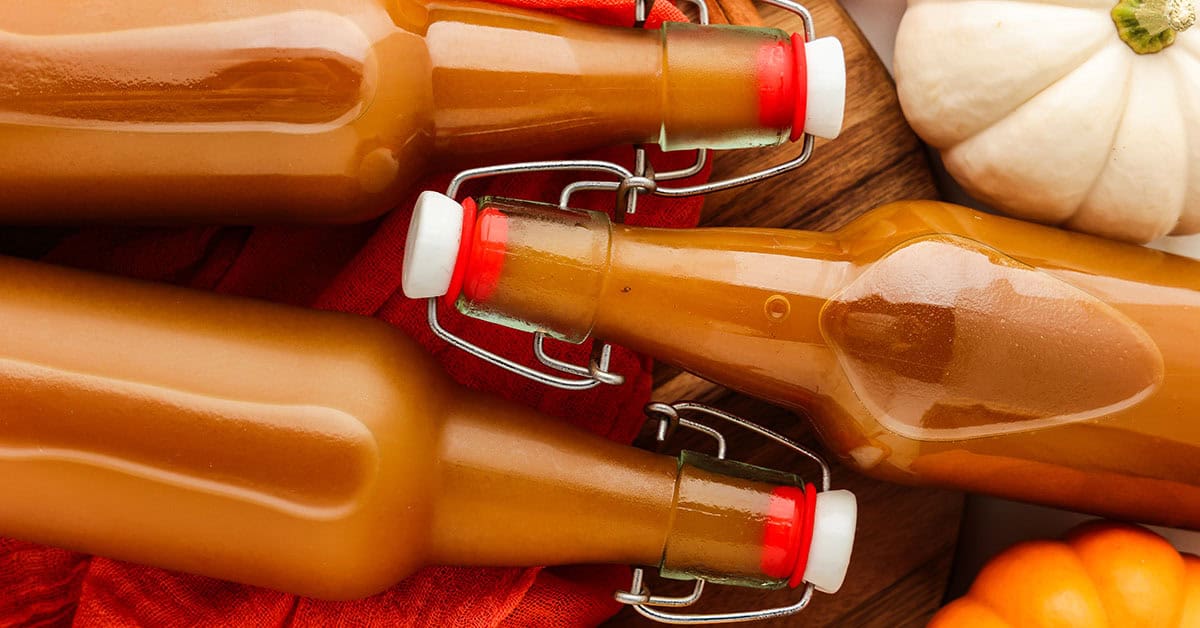
- Phase II: Bottling: The mixture is funneled into pressure-rated, swing-top glass bottles. A "headspace" of approximately one to two inches is maintained at the top of the bottle to allow for gas expansion.
- Phase III: Anaerobic Fermentation (Days 1–5): The bottles are stored in a dark environment at room temperature (ideally between 68°F and 78°F). In cooler climates, this process may extend to seven days, while in warmer environments, carbonation can occur in as little as 48 hours.
- Phase IV: Maintenance: Because pumpkin solids tend to settle, the bottles should be gently inverted once or twice daily to redistribute the yeast and sugars.
- Phase V: Carbonation Check and Cold Crash: Once the desired level of effervescence is achieved, the bottles are moved to refrigeration. This "cold crash" halts the fermentation process and prevents the buildup of excessive pressure.
Safety Considerations and Quality Control
A significant concern in home fermentation is the management of internal bottle pressure. The transition from a pleasant sparkle to a "bottle bomb" can occur rapidly if sugar levels are too high or temperatures are unregulated. Professional fermentation experts recommend using swing-top bottles specifically designed for carbonated beverages, as these are tempered to withstand higher PSI (pounds per square inch) than standard decorative glassware.
Furthermore, the choice of pumpkin is paramount. While any edible winter squash, such as Kabocha or Butternut, can be utilized, the "Sugar Pie" variety is favored for its high sugar-to-starch ratio and smooth texture. Using large "Jack-o’-lantern" pumpkins is generally discouraged by culinary professionals due to their watery consistency and fibrous, bland flesh.
Nutritional and Metabolic Analysis
When compared to a standard 16-ounce Pumpkin Spice Latte, which can contain upwards of 50 grams of sugar and 380 calories, a 16-ounce serving of home-brewed pumpkin kombucha typically contains between 30 and 60 calories and 4 to 8 grams of sugar. The fermentation process essentially "pre-digests" the sugars, making the beverage a viable option for those monitoring their glycemic index.
The presence of cinnamon also provides potential metabolic benefits. Clinical studies have suggested that cinnamon can help improve insulin sensitivity and stabilize blood sugar levels. When combined with the gut-brain axis benefits of probiotics, pumpkin kombucha represents a sophisticated tool for dietary management during a season often characterized by overindulgence.
Industry Perspectives and Market Implications
The movement toward craft fermentation reflects a broader "DIY" trend that gained momentum during the 2020 global pandemic. According to data from the Fermentation Association, the home fermentation kit market grew by nearly 25% in the last three years. This shift suggests that consumers are no longer satisfied with passive consumption; they seek to understand the microbial processes behind their food.
Industry analysts suggest that the "witch’s brew" aesthetic often associated with autumn ferments is more than just marketing; it is a reclamation of traditional foodways. "We are seeing a return to the pantry as a laboratory," states one industry consultant. "Pumpkin kombucha is the perfect example of taking a commercialized, often artificial flavor profile and returning it to its botanical and microbial roots."
Broader Impact and Conclusion
The successful production of pumpkin kombucha illustrates the potential for seasonal flavors to be both indulgent and health-promoting. By utilizing real squash, natural sweeteners, and live cultures, brewers can create a beverage that satisfies the cultural craving for autumn aesthetics while supporting digestive health.
As the functional beverage industry continues to expand, the emphasis on "real food" ingredients and biological transparency is expected to become the new standard. Pumpkin kombucha is not merely a seasonal trend; it is a testament to the versatility of fermentation as a method for enhancing flavor and nutrition. Whether served alongside a Halloween charcuterie board or enjoyed as a midday tonic, this effervescent brew stands as a sophisticated alternative to the sugar-laden traditions of the past, marking a new chapter in the evolution of the American palate.