The practice of dehydrating kimchi, a traditional Korean staple composed of lacto-fermented vegetables, has emerged as a sophisticated method for extending shelf life while maintaining the complex flavor profiles and biological benefits of the original product. As food preservation technology continues to evolve, both home practitioners and culinary professionals are utilizing low-temperature dehydration to transform highly perishable fermented goods into shelf-stable snacks, seasonings, and emergency food supplies. This process requires a precise understanding of thermal dynamics and microbiology to ensure that the beneficial bacteria, primarily from the Lactobacillus genus, remain viable throughout the preservation cycle.
The Biological Context of Kimchi Fermentation
Kimchi is fundamentally a product of anaerobic fermentation, typically utilizing napa cabbage, radishes, scallions, and a paste of red chili pepper, garlic, ginger, and salted seafood. The primary appeal of kimchi, beyond its pungent and spicy flavor, lies in its status as a probiotic powerhouse. During the fermentation process, lactic acid bacteria (LAB) proliferate, contributing to gut health and enhancing the bioavailability of nutrients.
When transitioning from a fresh fermented state to a dehydrated state, the primary challenge is the preservation of these delicate microorganisms. Most probiotic bacteria begin to denature at temperatures exceeding 115°F (46°C). Consequently, the dehydration process must be categorized into two distinct methodologies: "living" dehydration, which preserves enzymatic and probiotic activity, and "standard" dehydration, which is used for commercially processed or heat-treated kimchi where biological activity is no longer a primary concern.
Technical Parameters for Successful Dehydration
The dehydration of kimchi is not merely a matter of moisture removal but a controlled reduction of water activity (Aw) to a level that inhibits spoilage while preventing the oxidation of volatile flavor compounds. Experts in the field, including preservation specialists like Darcy Baldwin, emphasize the necessity of specific equipment and environmental controls to achieve an optimal result.
Temperature Regulation and Nutrient Protection
For those seeking to maintain the nutritional integrity of home-fermented or refrigerated kimchi, the dehydrator must be set to a temperature below 115°F (35°C). This lower thermal threshold ensures that the heat does not kill the beneficial cultures. However, the trade-off for this biological preservation is an extended processing time. Conversely, if the kimchi has been previously pasteurized or shelf-stabilized through canning—a process that already eliminates probiotics—the dehydration temperature can be safely increased to 140°F (60°C) to accelerate the moisture extraction process.
Surface Area and Density Management
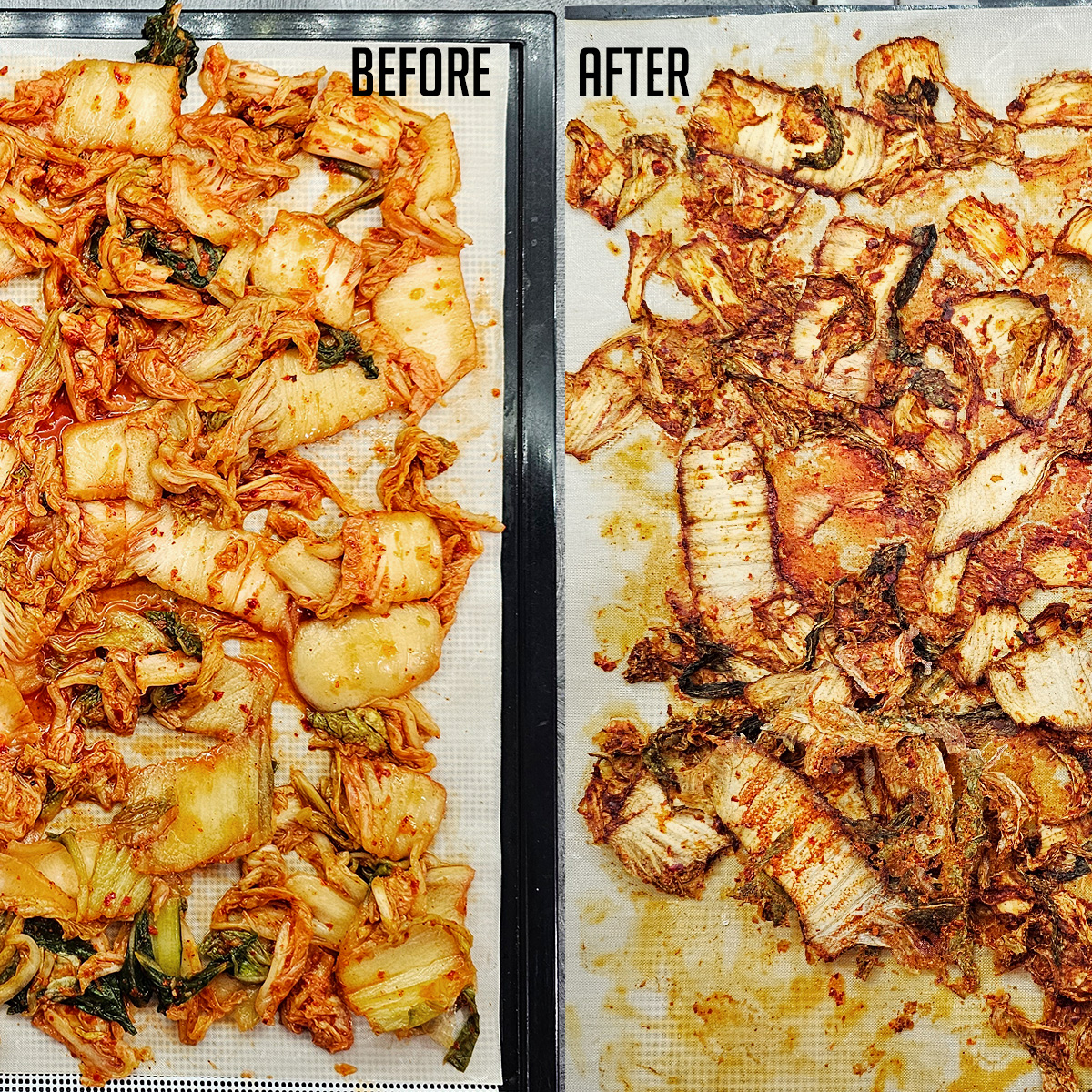
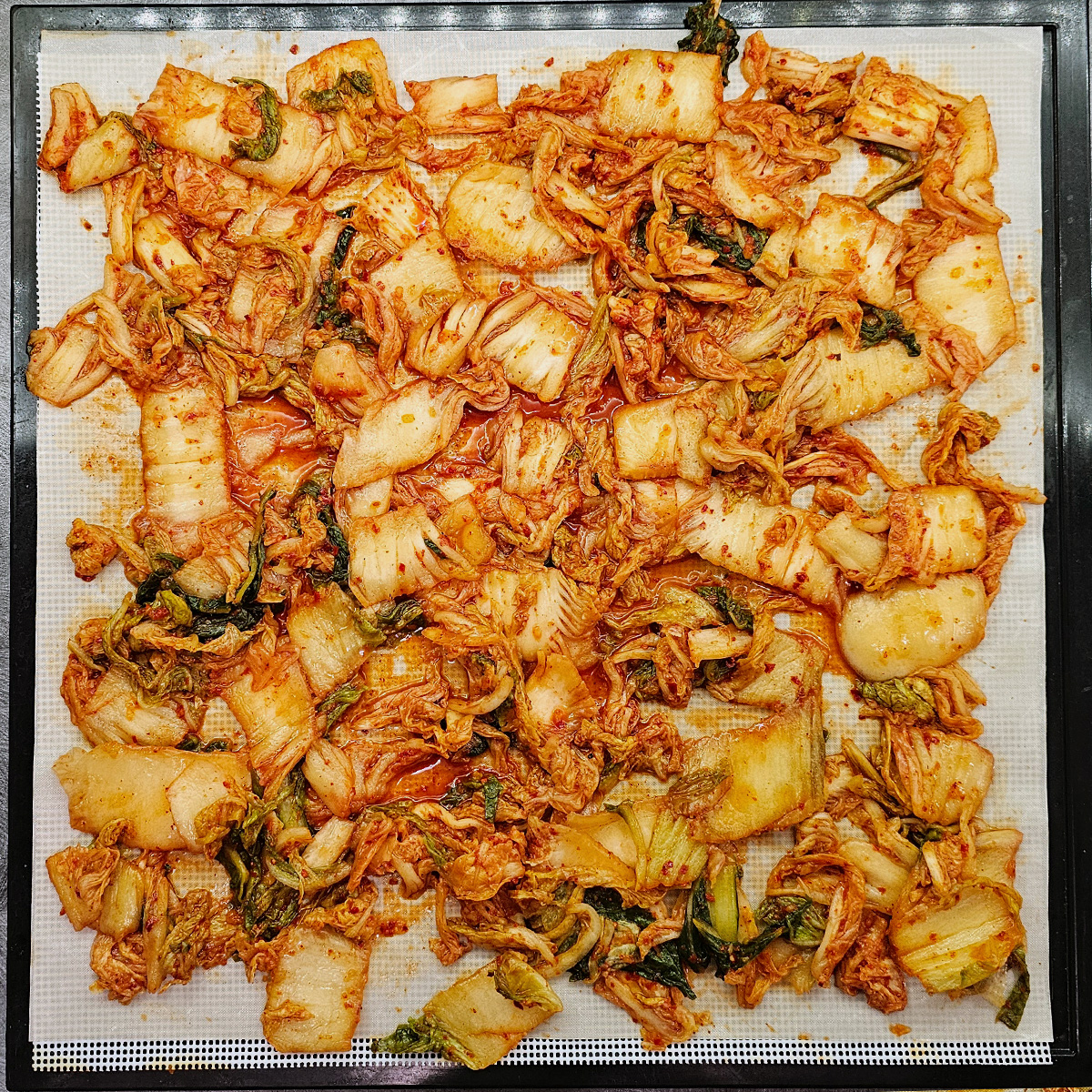
The physical preparation of the kimchi is critical for even drying. Because kimchi is characterized by high water content and a viscous seasoning paste, it is prone to uneven dehydration if piled too thickly. Practitioners are advised to use parchment paper or specialized fruit leather sheets (silicone liners) to prevent the acidic and pigment-rich brine from staining the dehydrator trays. While the cabbage leaves do not require individual placement, spreading the mixture to a uniform thickness is essential to prevent "case hardening," where the exterior dries into a hard shell that traps moisture inside, leading to potential mold growth during storage.
Chronology of the Dehydration and Stabilization Process
The transformation of kimchi from a wet, fermented product to a dry, stable medium follows a rigorous timeline that spans several days when accounting for the necessary stabilization phases.
- Initial Preparation (Hour 0): The kimchi is drained of excess free-standing liquid (which can be saved for other culinary uses) and spread across lined trays.
- The Dehydration Phase (Hours 1–24): Depending on the ambient humidity and the specific moisture content of the vegetables, the drying process typically requires between 12 and 24 hours. The goal is a product that is brittle or slightly pliable but shows no signs of internal moisture when broken.
- The Testing Phase (Completion of Drying): A physical assessment is conducted. Pieces should break relatively easily. If the material feels "leathery" or "tacky," it requires additional time in the dehydrator.
- The Conditioning Phase (Days 1–5): This is perhaps the most overlooked step in food preservation. Once removed from the dehydrator, the dried kimchi is placed in a glass jar, which is sealed and shaken daily for five days. This allows any residual moisture to redistribute evenly among the pieces. If condensation appears on the glass, the batch must be returned to the dehydrator to prevent spoilage.
- Long-Term Storage (Post-Conditioning): Once conditioned, the product is moved to an airtight container, such as a Mylar bag with an oxygen absorber or a vacuum-sealed canning jar, where it can remain shelf-stable for up to two years.
Quantitative Analysis of Nutritional Density
The dehydration process significantly alters the weight and volume of kimchi, leading to a concentrated nutritional profile. According to data provided by The Purposeful Pantry, the caloric and mineral content of dehydrated foods should be calculated based on their fresh equivalents, generally following a 4:1 ratio.
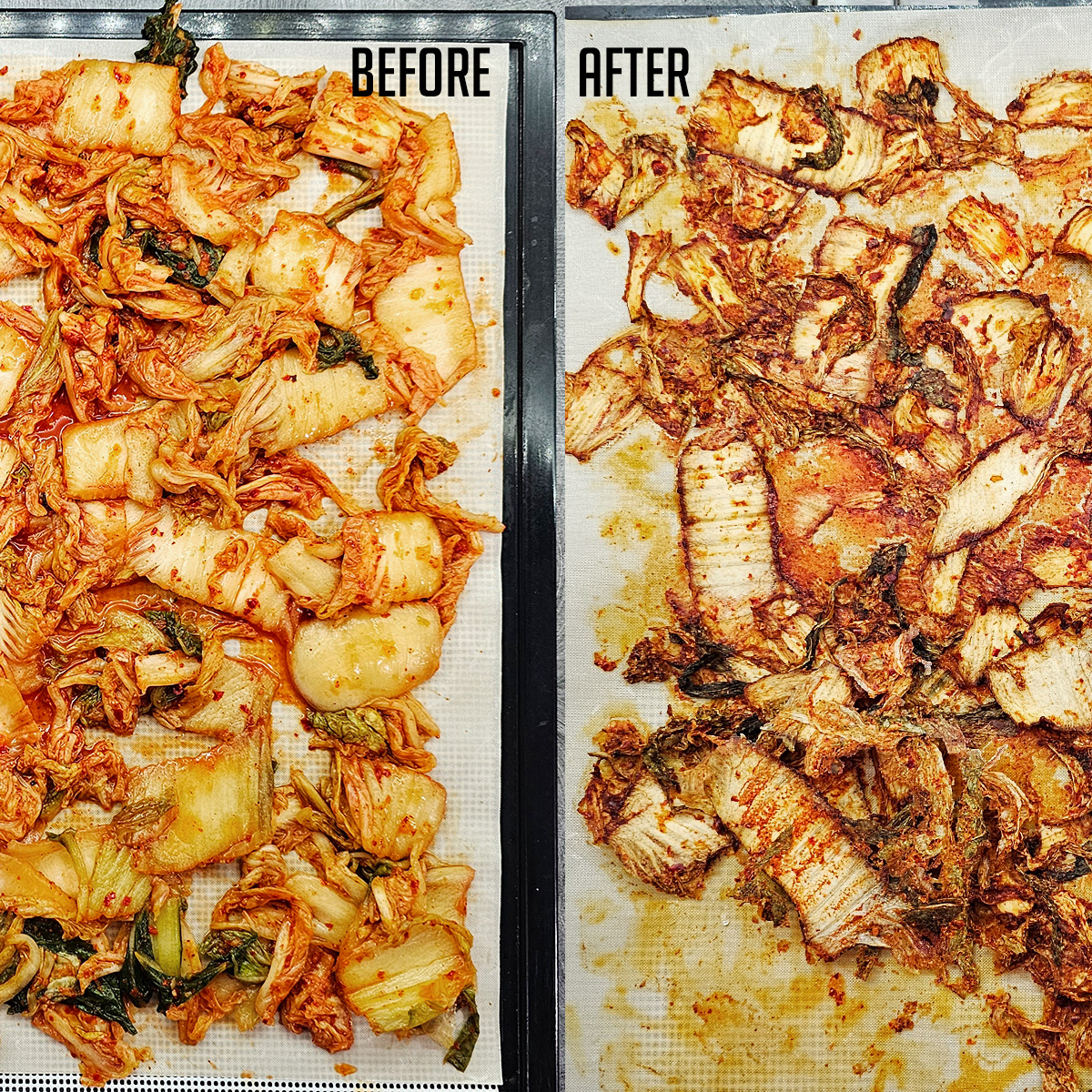
A standard serving of kimchi (approximately 1 cup fresh) contains roughly 17 calories, 3 grams of carbohydrates, and 573 milligrams of sodium. When dehydrated, these nutrients are concentrated into a much smaller volume. Therefore, 1/4 cup of dried kimchi provides the same nutritional load—specifically the high sodium and potassium levels—as a full cup of the fresh product. This concentration makes dehydrated kimchi an efficient source of electrolytes for high-exertion activities such as backpacking or long-distance trekking.
| Nutrient | Amount (Fresh Equivalent) |
|---|---|
| Calories | 17 kcal |
| Carbohydrates | 3 g |
| Sodium | 573 mg |
| Potassium | 174 mg |
| Fiber | 2 g |
| Protein | 1 g |
Culinary Applications and the Rise of Kimchi Powder
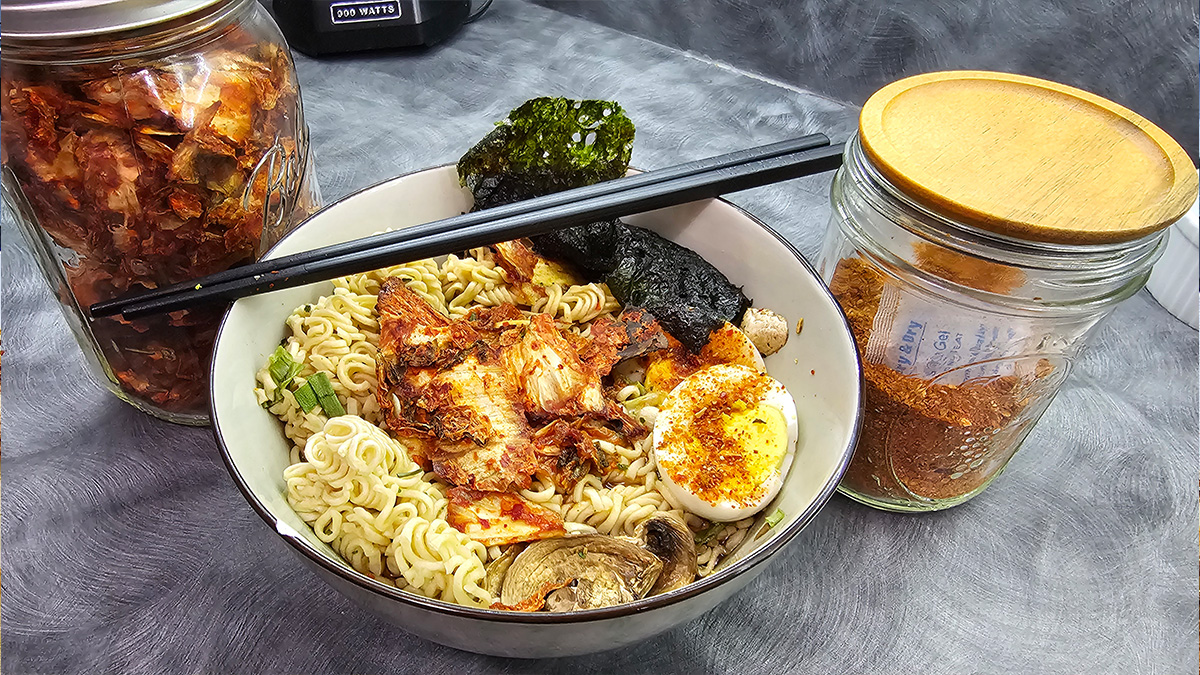
The utility of dehydrated kimchi extends beyond simple preservation; it has created a new category of "umami-rich" seasonings. By grinding the fully dried and conditioned kimchi pieces in a high-speed blender, users can create a fine kimchi powder. This substance acts as a potent flavor enhancer, providing a spicy, tangy, and fermented "bite" to various dishes without adding the bulk or moisture of fresh cabbage.
Industry analysts note that kimchi powder is increasingly used in the production of gourmet snacks, such as dusted vegetable chips, and as a primary seasoning for high-end ramen kits. In a domestic setting, the powder is frequently used as a dry rub for proteins or as a salt substitute in savory porridges. For those seeking to rehydrate the product, the addition of warm water allows the cabbage to regain a texture suitable for soups and stews, though it will not regain the exact "crunch" of fresh, raw kimchi.
Economic and Environmental Implications
The move toward home dehydration of fermented foods reflects a broader societal shift toward reducing food waste and increasing food security. Kimchi is often sold in large quantities or fermented in bulk carboys; dehydration offers a solution for consumers who cannot consume the product before it becomes overly sour or "mushy" in the refrigerator.
Furthermore, the reduction in weight—often exceeding 80%—has significant implications for the carbon footprint associated with transport. For the outdoor industry, dehydrated kimchi provides a lightweight, nutrient-dense option that supports gut health, a common concern for hikers relying on highly processed freeze-dried meals.
Official Guidance and Safety Standards
Food safety authorities emphasize that while dehydration is an effective preservation method, it is not a substitute for proper fermentation. The kimchi must be fully fermented and have reached a safe pH level (typically below 4.6) before the dehydration process begins. This acidity, combined with the removal of water, creates a dual-hurdle preservation system that effectively prevents the growth of pathogenic bacteria such as Clostridium botulinum or Salmonella.
Experts also warn against the use of oil-heavy kimchi varieties in long-term dehydration, as fats can turn rancid even in a dry environment. The focus should remain on traditional cabbage and radish-based recipes which are naturally low in fat.
As the interest in "pantry-stocking" and DIY food processing grows, the dehydration of kimchi stands as a prime example of how traditional culinary wisdom can be integrated with modern technology. By following strict temperature controls and conditioning protocols, individuals can preserve the vibrant heritage of Korean fermentation in a format that is versatile, portable, and durable. This convergence of microbiology and food engineering ensures that the "purposeful pantry" of the future remains both nutritionally dense and culinarily diverse.