
The global surge in residential food production and sustainable landscaping has transformed the traditional gardening market into a specialized industry focused on durability, ecological harmony, and small-space efficiency. As the holiday season approaches, the demand for high-quality gardening implements and educational resources has reached a seasonal peak, driven by a growing demographic of "permaculture" practitioners—those who design agricultural ecosystems intended to be sustainable and self-sufficient. This comprehensive guide analyzes the essential tools, technologies, and literature currently defining the backyard gardening landscape, providing a factual overview of the most effective gifts for the modern horticulturist.
The Evolution of the Backyard Gardening Market
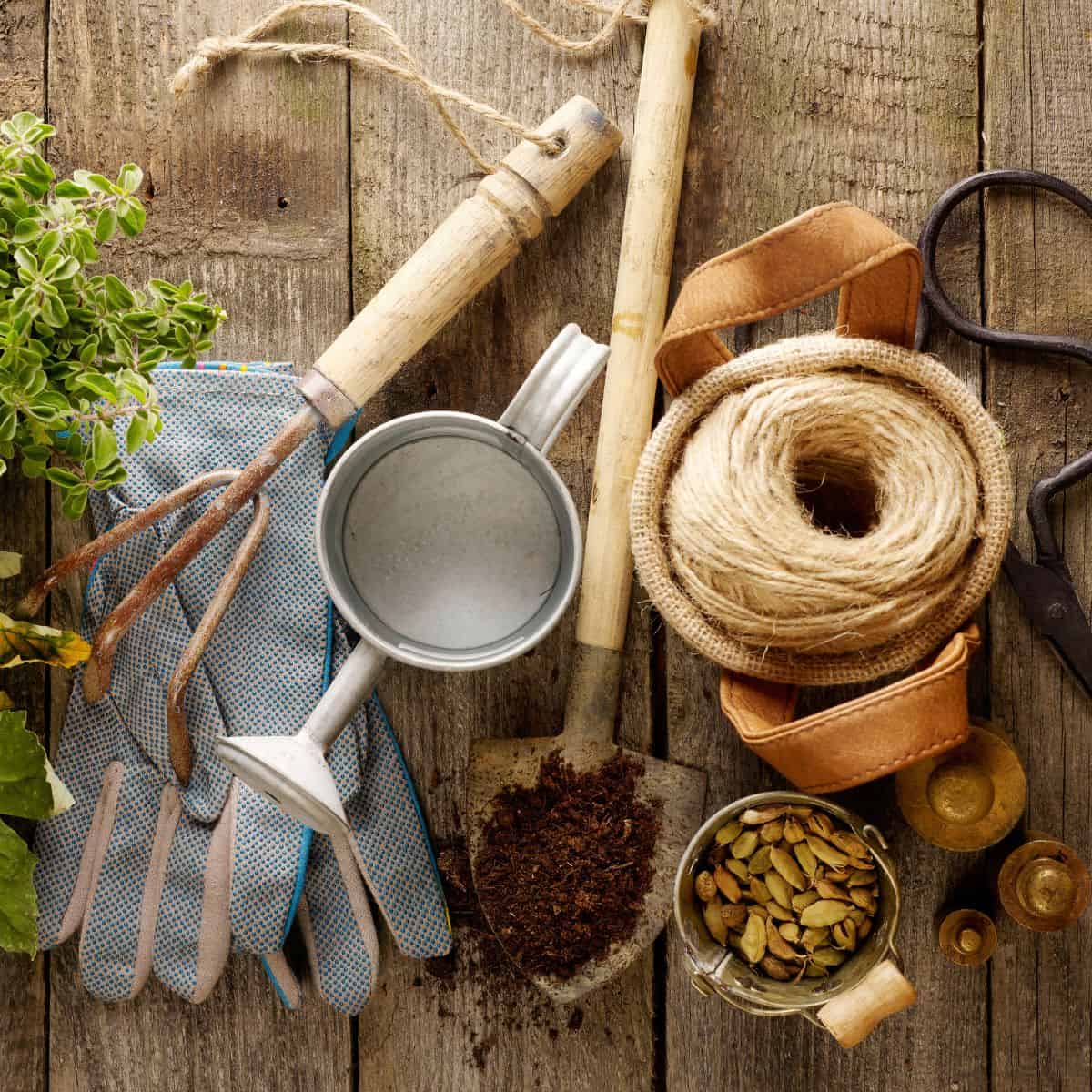
Data from the National Gardening Association indicates a significant uptick in food gardening over the last five years, with a particular emphasis on urban and suburban "micro-farming." This shift has moved the market away from disposable, plastic-heavy tools toward professional-grade equipment that mirrors the standards of commercial organic farming but is scaled for the residential backyard. Permaculture, a design system rooted in observing natural patterns, has further influenced this trend, prioritizing multi-functional tools and systems that minimize waste and maximize soil health.

Precision Hand Tools and Ergonomic Implements
In the realm of hand tools, versatility and metallurgical quality are the primary benchmarks for value. The Hori Hori Garden Knife, a traditional Japanese implement, has emerged as a centerpiece for permaculture enthusiasts. Constructed from heavy-duty stainless or carbon steel, it functions as a trowel, saw, and measuring device. Its ability to perform deep-root weeding and precision planting makes it a superior alternative to standard garden trowels.
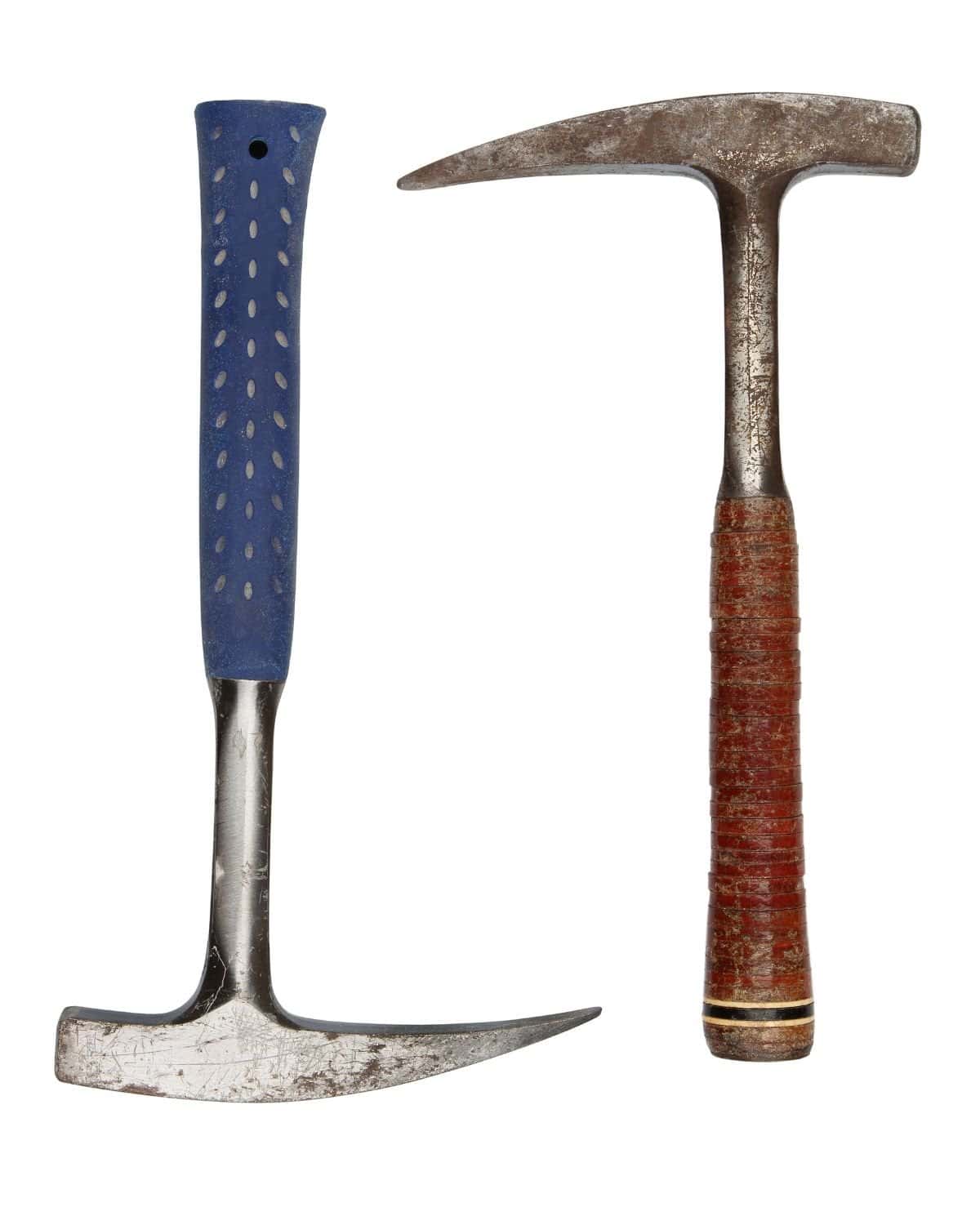
Complementing the Hori Hori is the CobraHead Weeder and Cultivator. This tool utilizes a unique "steel fingernail" design that mimics the motion of a human hand, allowing for the extraction of deeply rooted weeds without excessive soil disturbance—a key tenet of "no-till" gardening. For heavier landscape modifications, many practitioners have adopted the Estwing Rock Pick. Though originally designed for geological surveys, its high-carbon steel construction and shock-reduction grip have made it a preferred tool for breaking through compacted soil and managing rocky terrain in new garden beds.
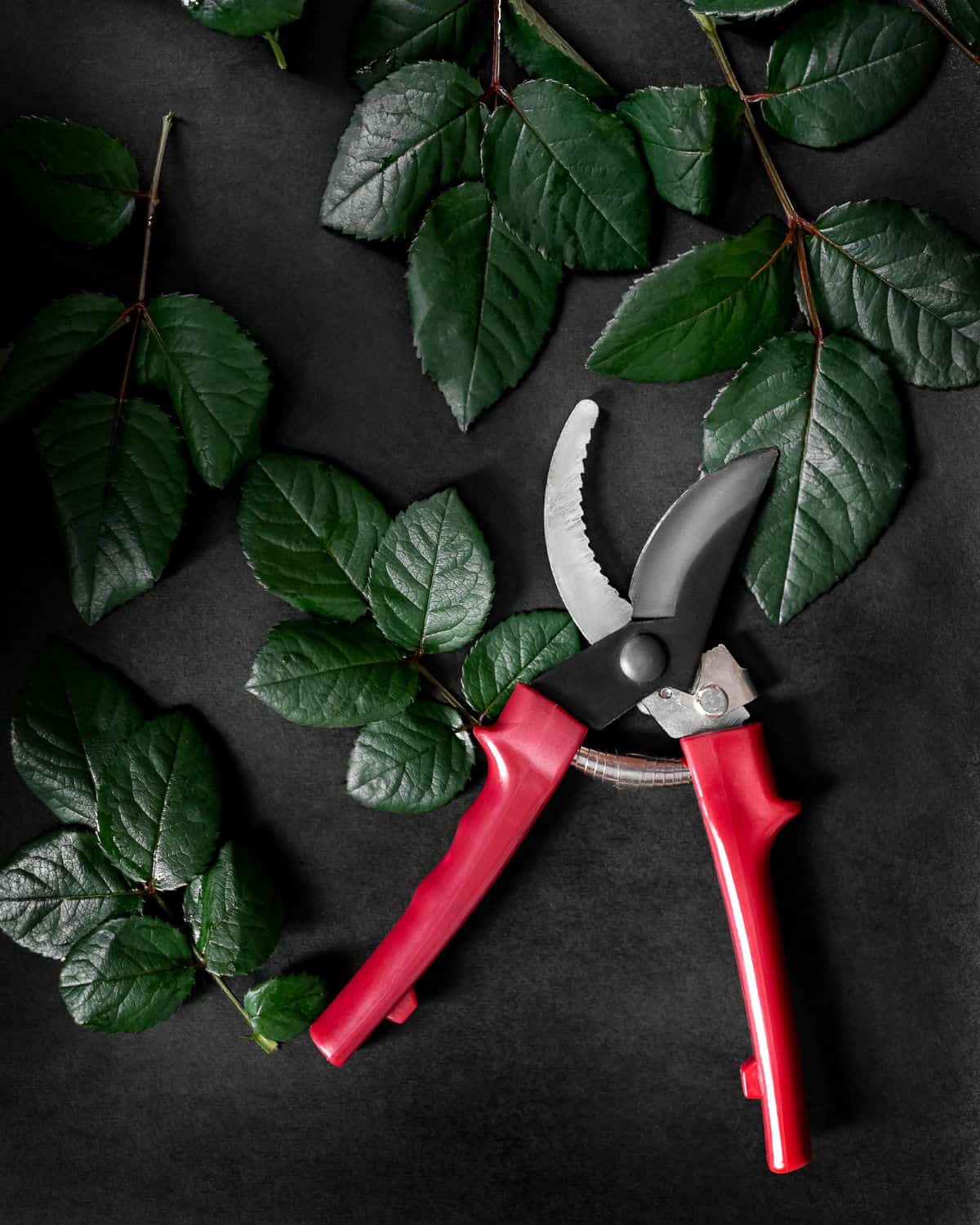
Pruning technology remains a critical investment for the maintenance of perennial systems. The Felco brand, particularly the Felco 2 model, is widely regarded by horticultural professionals as the gold standard due to its forged aluminum alloy handles and hardened steel blades. The durability of these pruners is often contrasted with more affordable alternatives, such as Corona pruners, which offer a high performance-to-cost ratio for hobbyists who may not require the lifetime-repairability of the Felco line. For the harvesting of delicate greens and herbs like lavender or lettuce, specialized Corona shears provide the necessary precision to prevent plant tissue damage.

Hydration Systems and Non-Toxic Irrigation
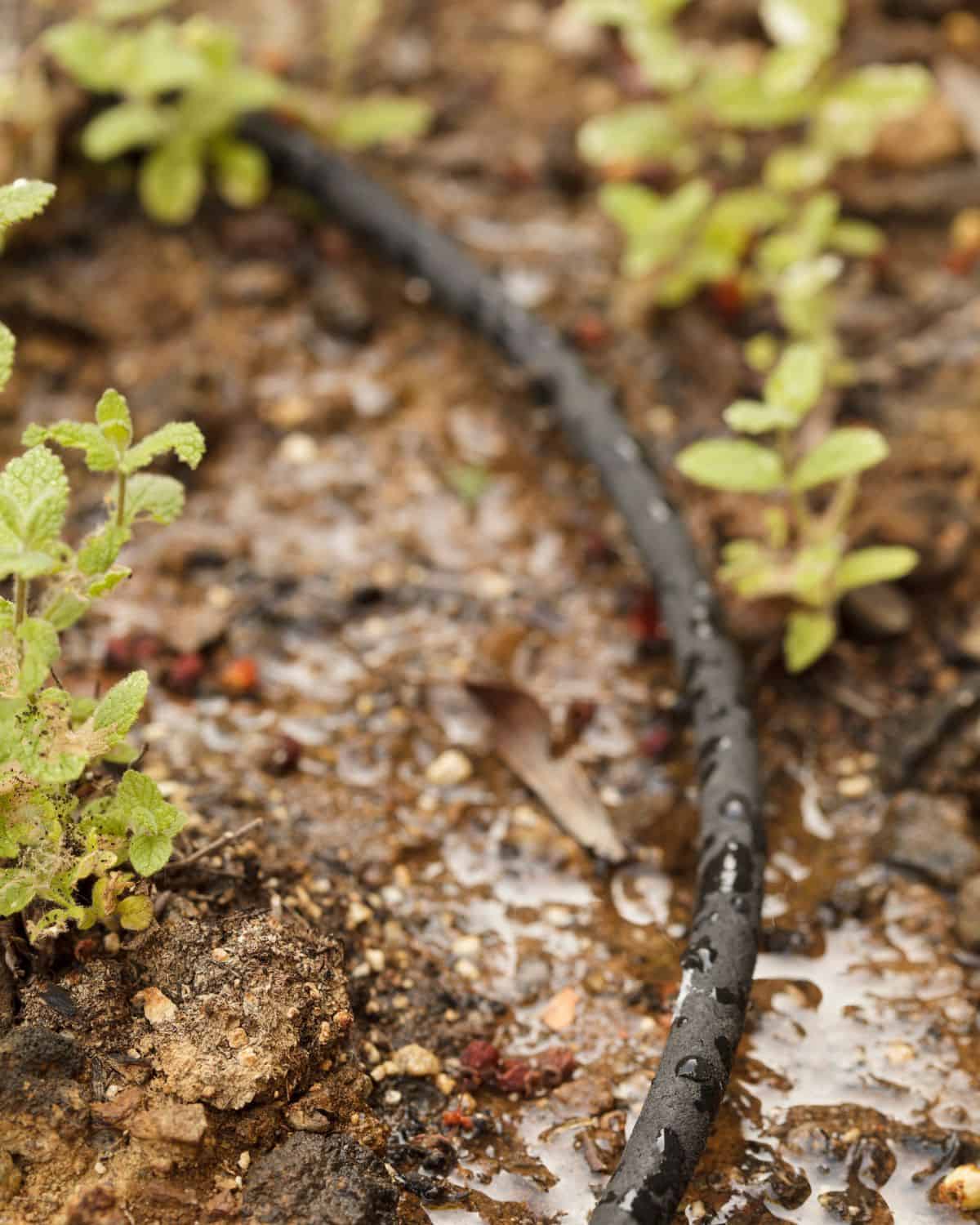
The infrastructure of garden watering has undergone a shift toward material safety and environmental durability. Traditional garden hoses are frequently manufactured with polyvinyl chloride (PVC), which can leach lead and phthalates into the water supply. Market analysis shows a growing preference for "drinking water safe" hoses, such as those produced by Water Right. These hoses are manufactured from UV-stabilized polyurethane, ensuring they remain flexible in cold temperatures and do not contaminate the food crop with heavy metals.

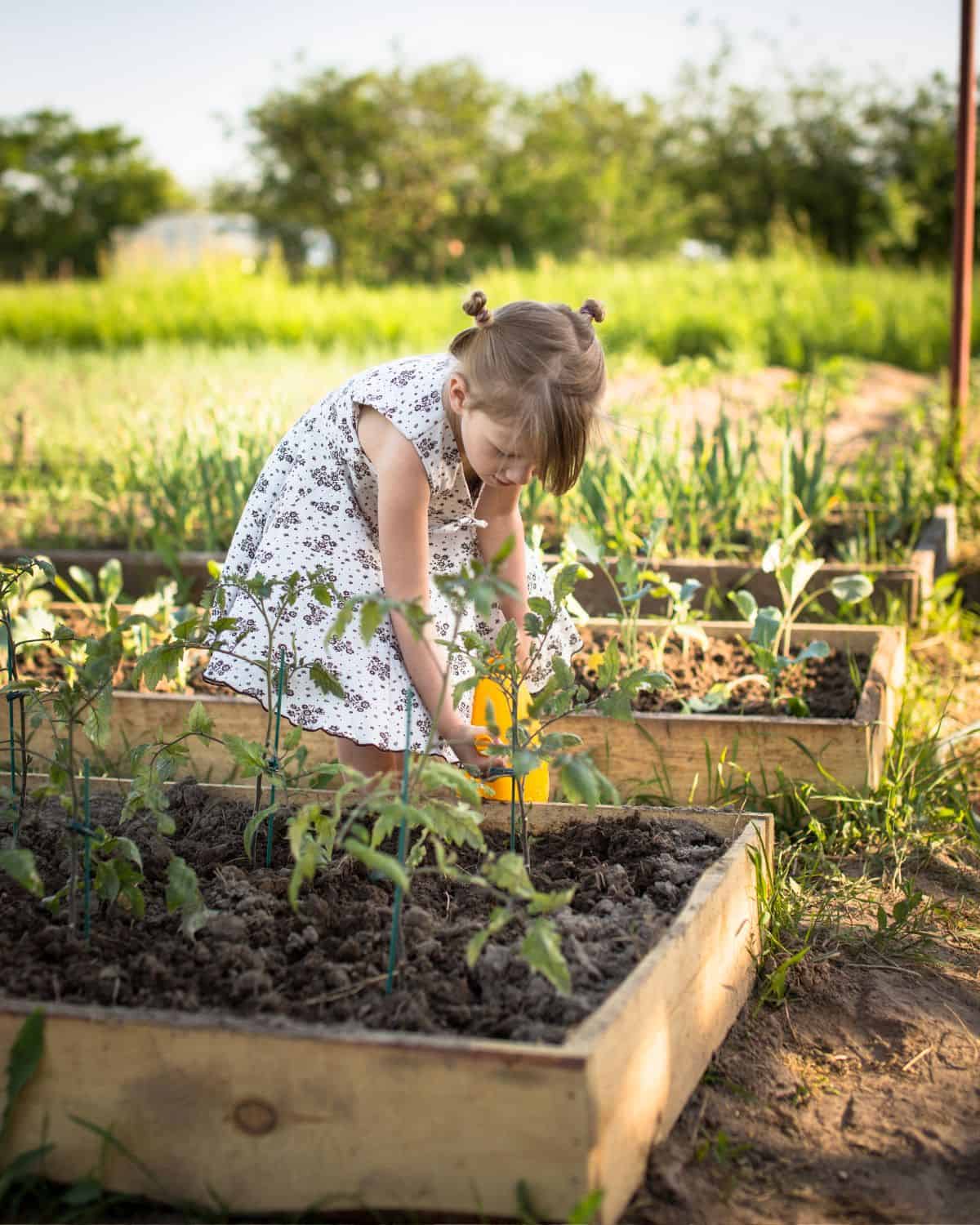
For localized watering, the galvanized metal watering can remains a staple of the functional garden. Unlike plastic counterparts, galvanized steel is resistant to UV degradation and provides a significant aesthetic and functional lifespan. This focus on durability extends to the younger generation of gardeners; sets like the Green Toys watering kit utilize recycled high-density polyethylene (HDPE) to provide a non-toxic, sustainable entry point for children participating in family food production.

Advanced Seed Starting and Season Extension
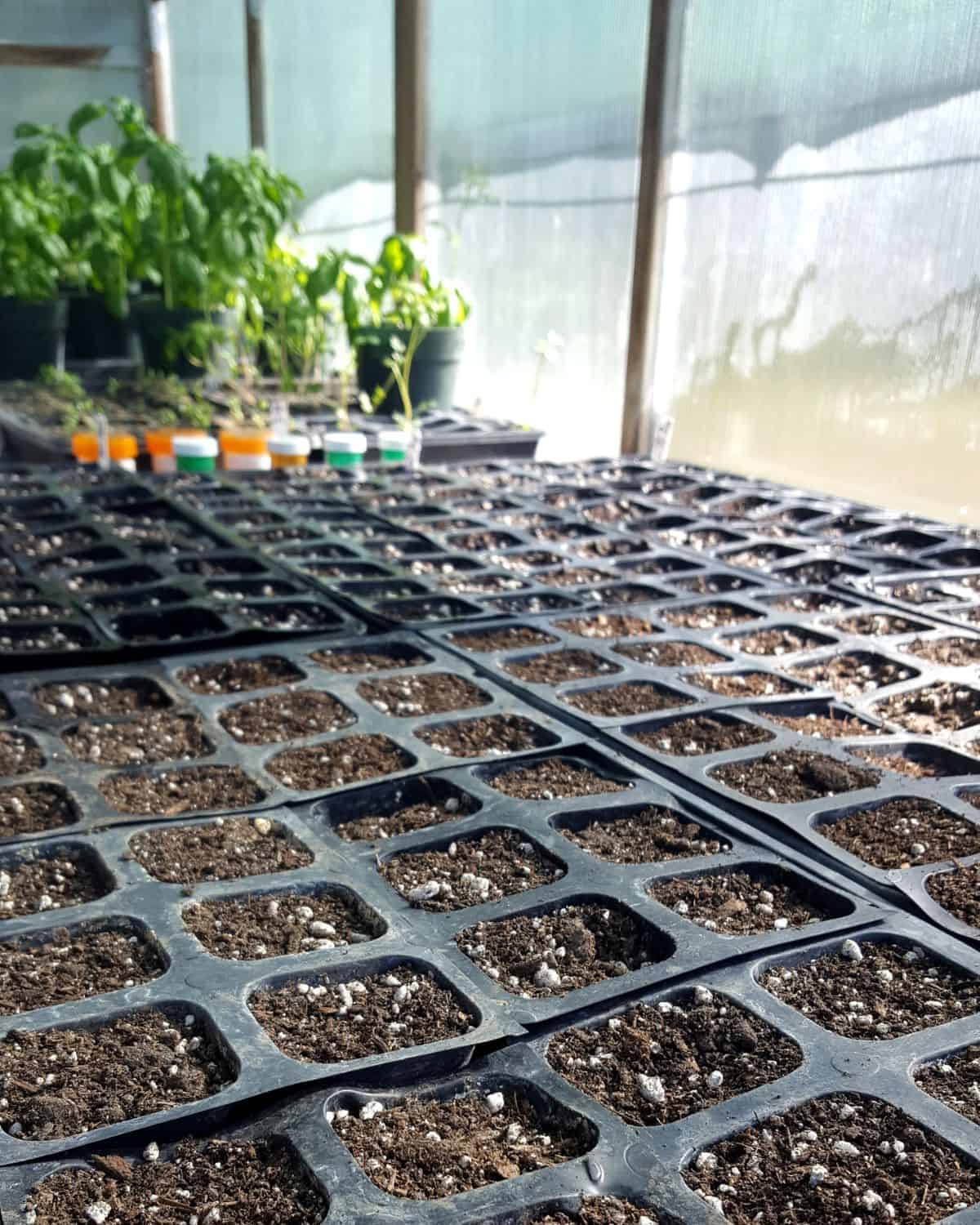
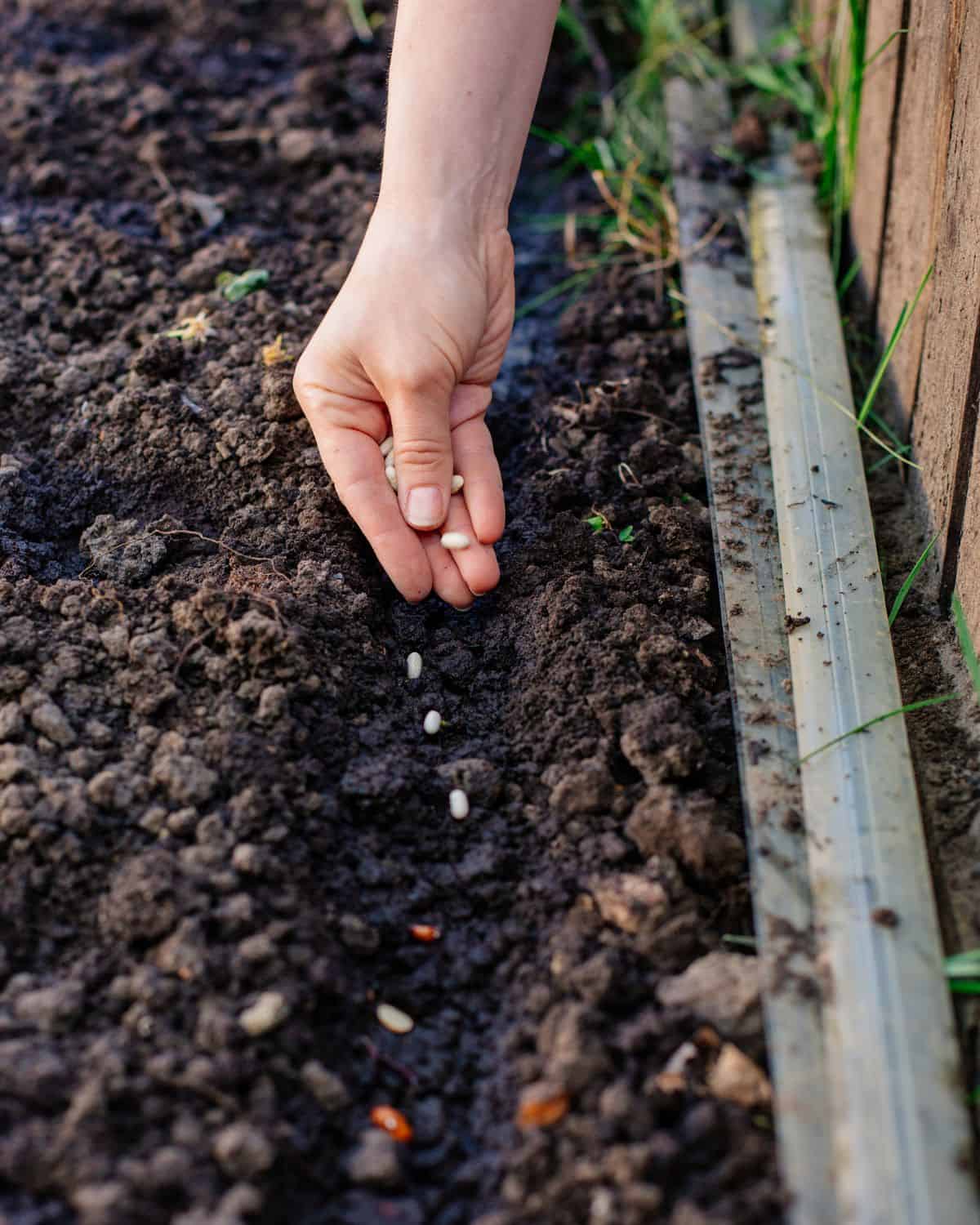
The transition from purchasing seedlings to starting plants from seed is a major milestone for backyard gardeners. This process requires specific hardware to ensure high germination rates. Standard seed starting trays remain the baseline, but "soil block makers" represent a more advanced, waste-reducing technology. By compressing potting media into self-standing cubes, soil blockers eliminate the need for plastic cell trays and prevent "root-bound" conditions by allowing for natural air-pruning of the root system.
Seed selection has also become a focal point of the holiday gift market. "Seed vaults" or curated kits, such as the Survival Garden Seeds vegetable vault or Garden Republic’s organic herb kits, offer gardeners a diverse genetic library. These kits often prioritize heirloom and open-pollinated varieties, which are essential for those practicing seed saving—a core component of the permaculture philosophy.
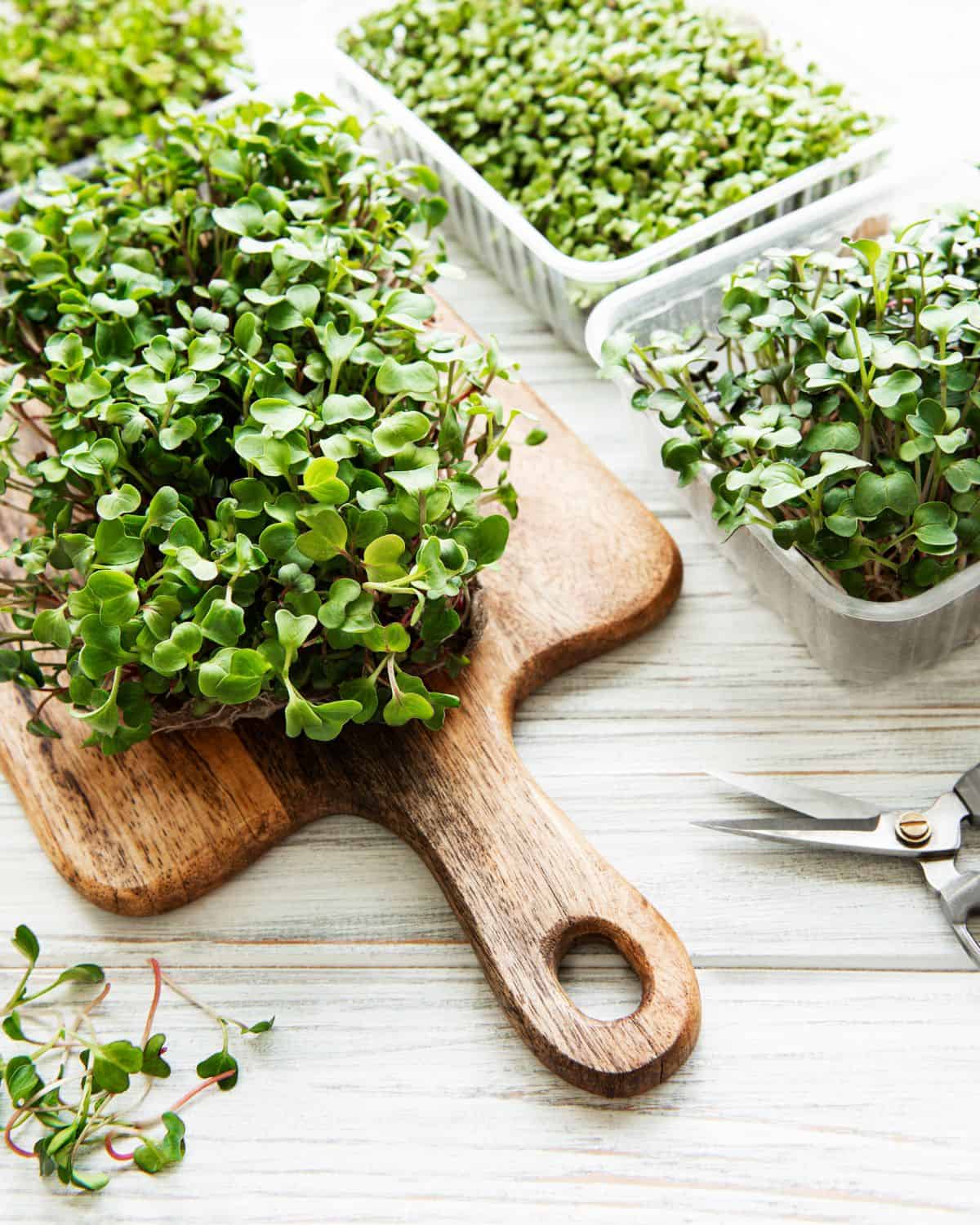
To mitigate the limitations of seasonal weather, mini-greenhouses and microgreen kits have become essential for year-round production. Compact greenhouse units allow for the early hardening of spring starts in limited outdoor spaces, while indoor microgreen systems provide a high-density source of nutrition during winter months, requiring minimal square footage and utilizing hydroponic or soil-based mediums.
Protective Gear and Material Science
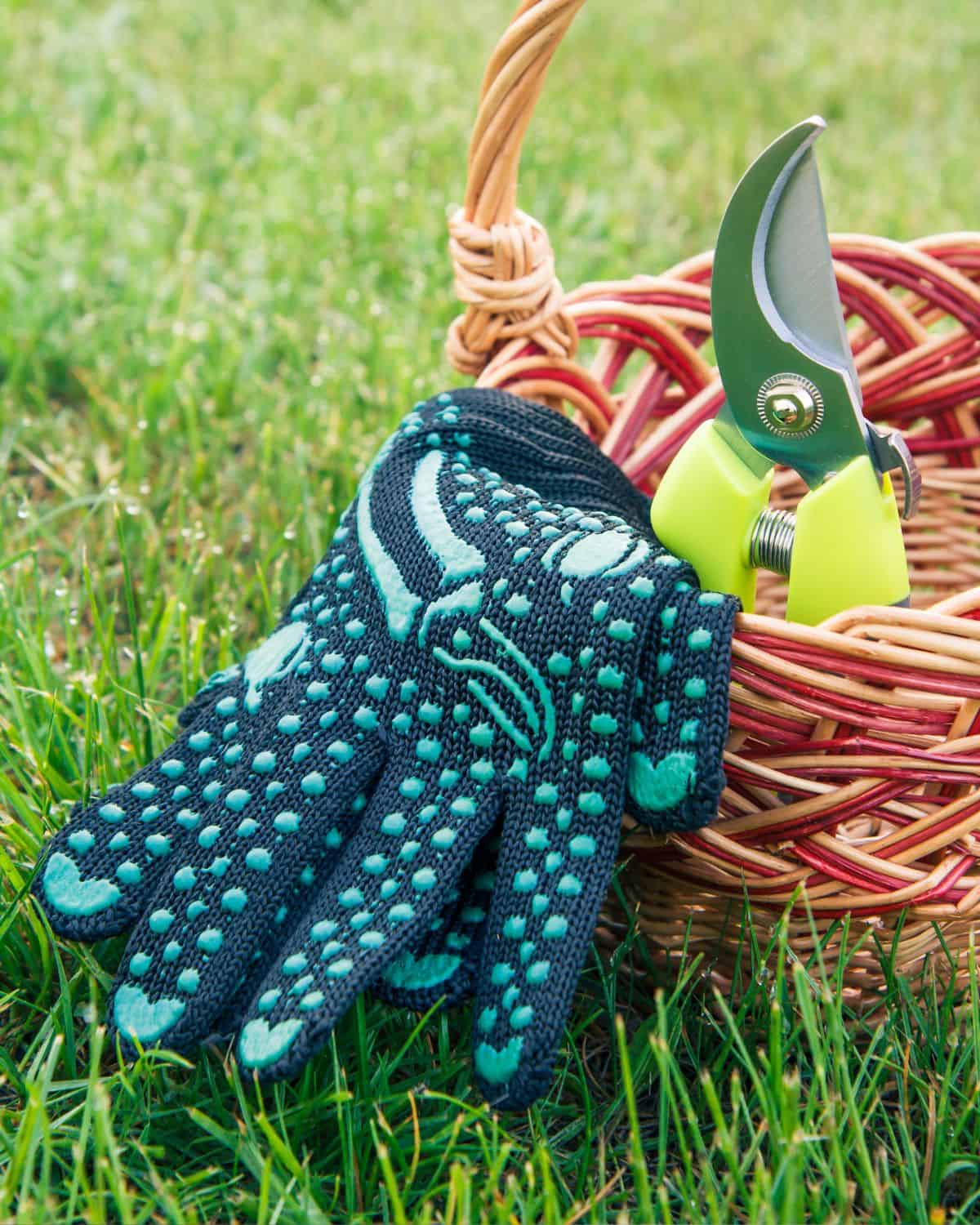
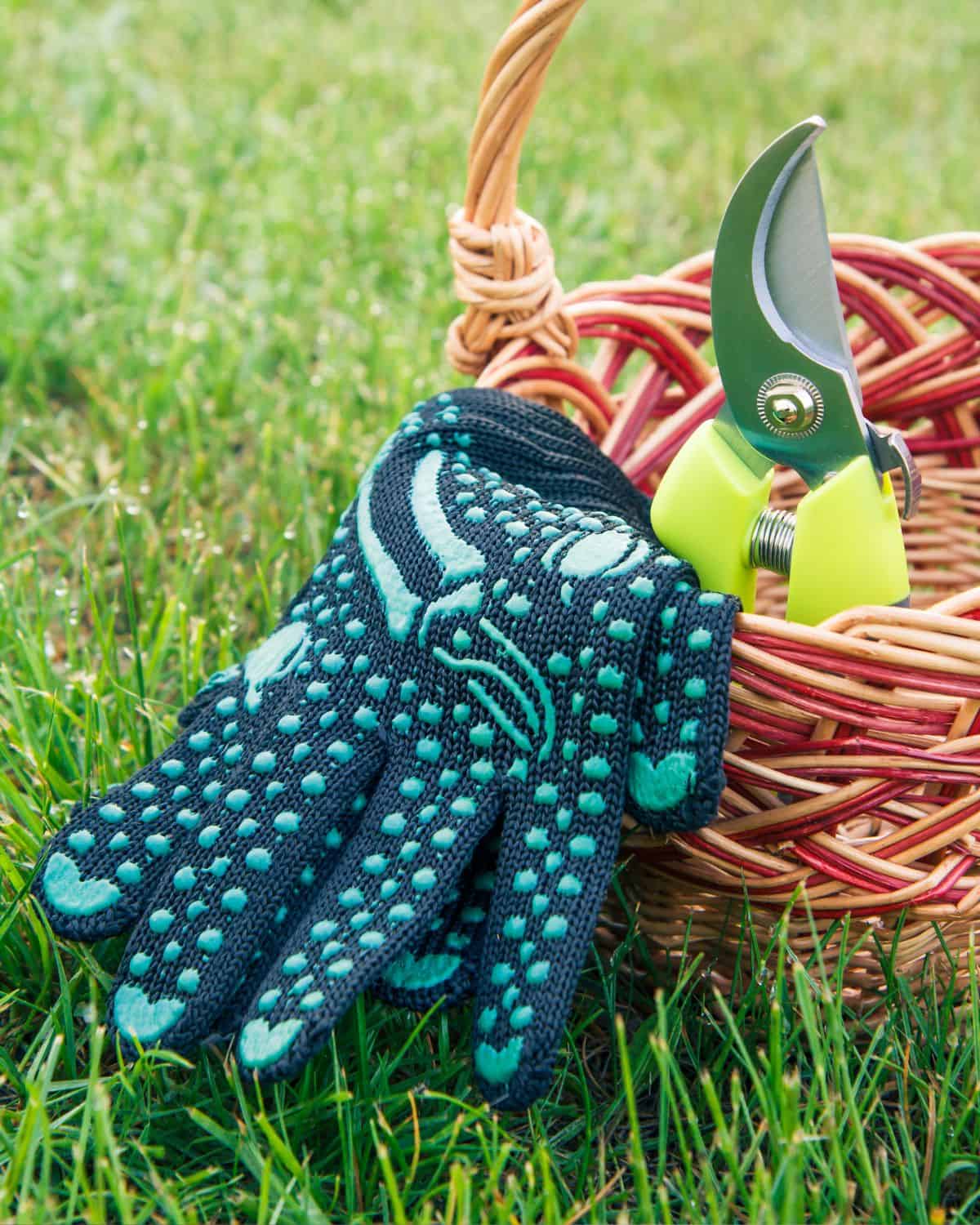
Hand protection in the garden is no longer limited to heavy leather. Modern gardening gloves, such as those constructed from bamboo fibers, offer a combination of breathability and puncture resistance. Bamboo is naturally hypoallergenic and antimicrobial, making it an ideal material for long-duration use in damp soil conditions. For younger participants, the market has expanded to include scaled-down versions of professional gloves, ensuring that safety standards are maintained across all age groups during tasks like wood stacking or weeding.
Educational Resources and Permaculture Literature
The intellectual foundation of a successful garden is often built on a library of foundational texts. Several key publications have been identified as transformative for both beginners and advanced practitioners:
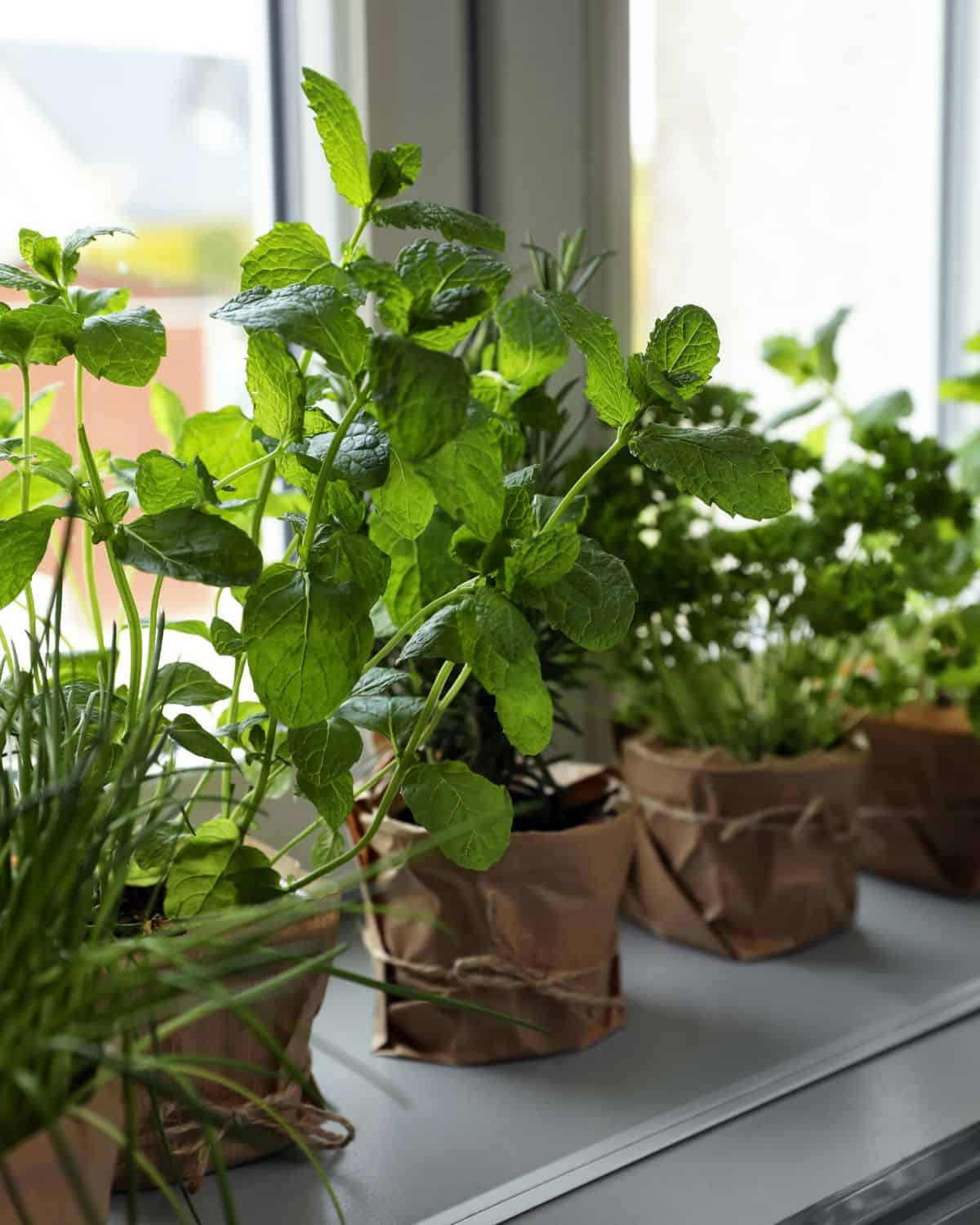
- The Suburban Micro-Farm by Amy Stross: This text focuses on the logistical challenges of implementing permaculture in a residential setting, providing data-on-yield expectations and labor management.
- Square Foot Gardening by Mel Bartholomew: A revolutionary approach to high-density planting, this method is statistically proven to increase vegetable yields while reducing water and space requirements by up to 80%.
- Gardening Without Work by Ruth Stout: A classic of the "no-dig" movement, Stout’s work advocates for heavy mulching to suppress weeds and build soil fertility with minimal physical labor.
- Gaia’s Garden by Toby Hemenway: Widely considered the best-selling permaculture book of all time, it translates complex ecological principles into actionable backyard design.
- The Resilient Farm and Homestead by Ben Falk: For those seeking a whole-systems approach, Falk provides a technical manual on water catchment, site design, and long-term land stewardship.
For those specifically interested in the "food forest" model—a multi-layered planting strategy that mimics a natural woodland—specialized eBooks like The Backyard Forest Garden provide step-by-step design instructions. These resources are critical for understanding the "guild" system, where different plant species are grouped to support one another through nutrient cycling and pest management.
Broader Impact and Implications
The shift toward high-quality gardening gifts reflects a broader societal movement toward self-reliance and environmental stewardship. By investing in tools that last a lifetime rather than a single season, gardeners reduce the carbon footprint associated with manufacturing and waste. Furthermore, the emphasis on permaculture-based gifts suggests a growing public understanding of the importance of soil health and biodiversity.
From a socio-economic perspective, the democratization of gardening knowledge through books and digital guides empowers individuals to offset rising food costs. The inclusion of children’s tools in these guides indicates a long-term cultural investment in ecological literacy. As backyard gardening continues to evolve from a hobby into a critical component of household resilience, the tools and resources identified in this guide represent the essential infrastructure for a sustainable future.

In conclusion, the selection of a gift for a backyard gardener is an opportunity to support a more resilient and ecologically sound lifestyle. Whether through precision steel tools, non-toxic irrigation systems, or foundational literature, these items provide the practical means to turn a standard lawn into a productive, self-sustaining ecosystem.