Achieving true deli-style brisket pastrami in your own kitchen is a rewarding culinary journey. This comprehensive guide details the entire process, from the initial cure to the final, mouthwatering slice. While it requires a commitment of several days for curing, the payoff is unparalleled: juicy, tender pastrami with that signature, peppery crust, surpassing anything typically found in a deli case. The recipe involves a meticulous corned beef brine, a robust pastrami rub, and a slow, low smoke to achieve perfect tenderness and flavor.
For those new to the art of pastrami making, a one-page game plan is available, outlining the essential steps: Cure, Season, and Smoke. This printable guide is ideal for quick reference. For an even deeper dive into the nuances of pastrami preparation, the Ultimate Pastrami Guide offers more in-depth tips and techniques.
Understanding the Essence of Pastrami
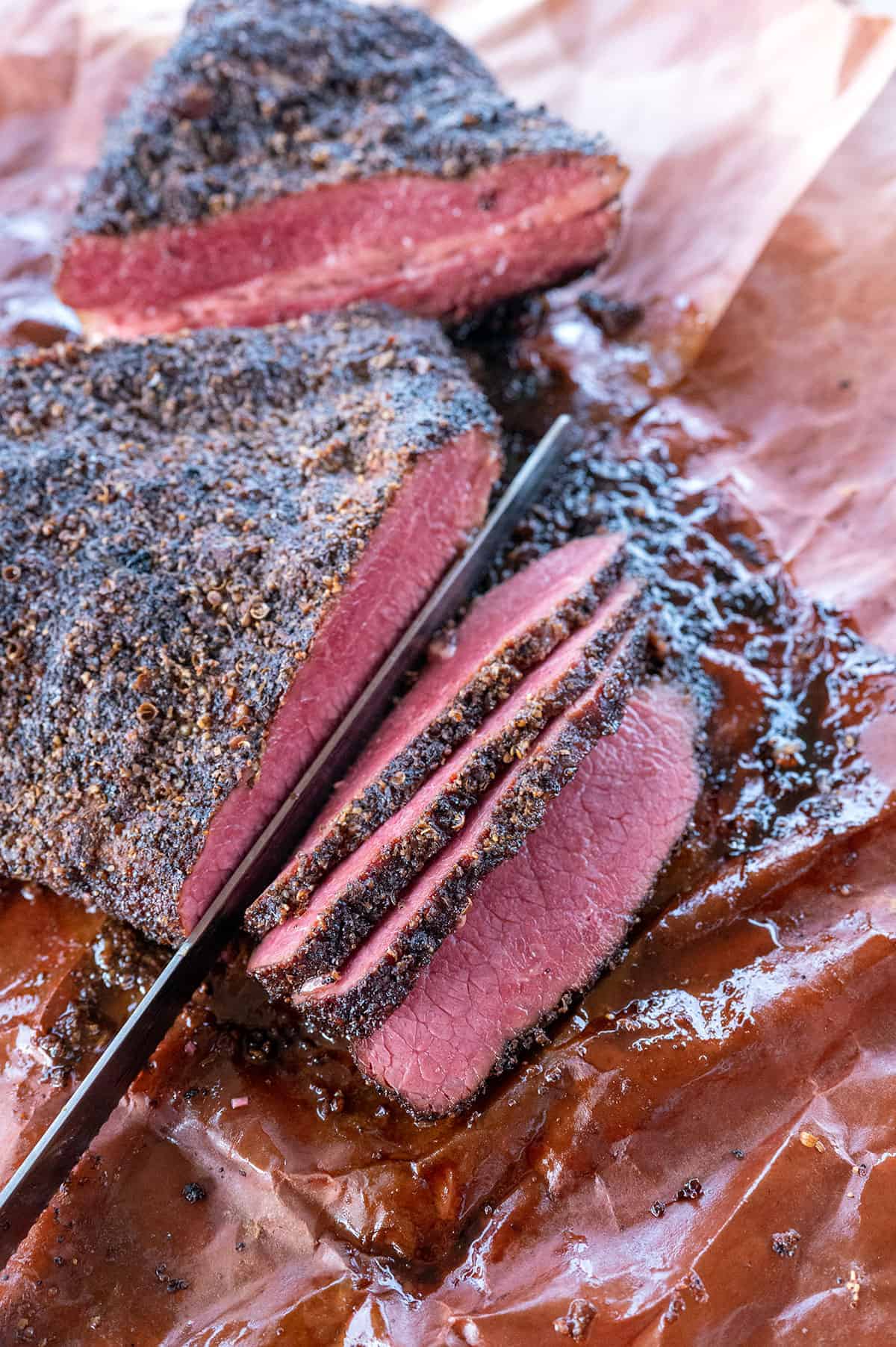
Pastrami, in its most common iteration, refers to beef that has undergone a rigorous curing process, followed by smoking and a generous coating of bold spices. This combination creates an intensely flavorful crust that defines the dish. While beef brisket and beef navel are the most traditional cuts, alternative cuts like beef chuck roast can also be transformed into delicious pastrami.
Historically, pastrami’s origins are more diverse than commonly believed. Articles exploring the history of pastrami reveal its roots in Eastern European and Turkish culinary traditions, where it was prepared from a variety of meats, including goat, mutton, and even geese. The fundamental distinction between pastrami and its close relative, corned beef, lies in the cooking method: pastrami is smoked, whereas corned beef is typically simmered or baked without smoke.
The Comprehensive Process: From Brine to Smoke
Creating exceptional pastrami is a multi-stage endeavor, each step crucial for developing the complex flavors and textures characteristic of this beloved delicacy.

Step 1: Preparing the Brisket
The process begins with selecting and trimming the brisket. For a finished product weighing approximately six pounds, it’s recommended to start with an untrimmed brisket of 10-11 pounds. Alternatively, pre-trimmed brisket flats or points can be sourced from a grocery store. The initial trimming involves removing excess fat to ensure even cooking and optimal flavor absorption. For those seeking detailed guidance on this crucial step, resources on how to trim a brisket are readily available.
Step 2: The Crucial Cure (Brining the Brisket)
Curing is the cornerstone of pastrami preparation, laying the foundation for its unique taste and preservation. This involves creating a flavorful corned beef brine. A standard recipe for this brine, sufficient for a gallon, is essential. Once prepared, the brine must be completely cooled before use. The trimmed brisket is then placed in a meat preparation bag, and the cooled brine is poured over it. The brisket is then refrigerated for a period of 5 to 7 days, allowing the curing agents to penetrate the meat thoroughly.
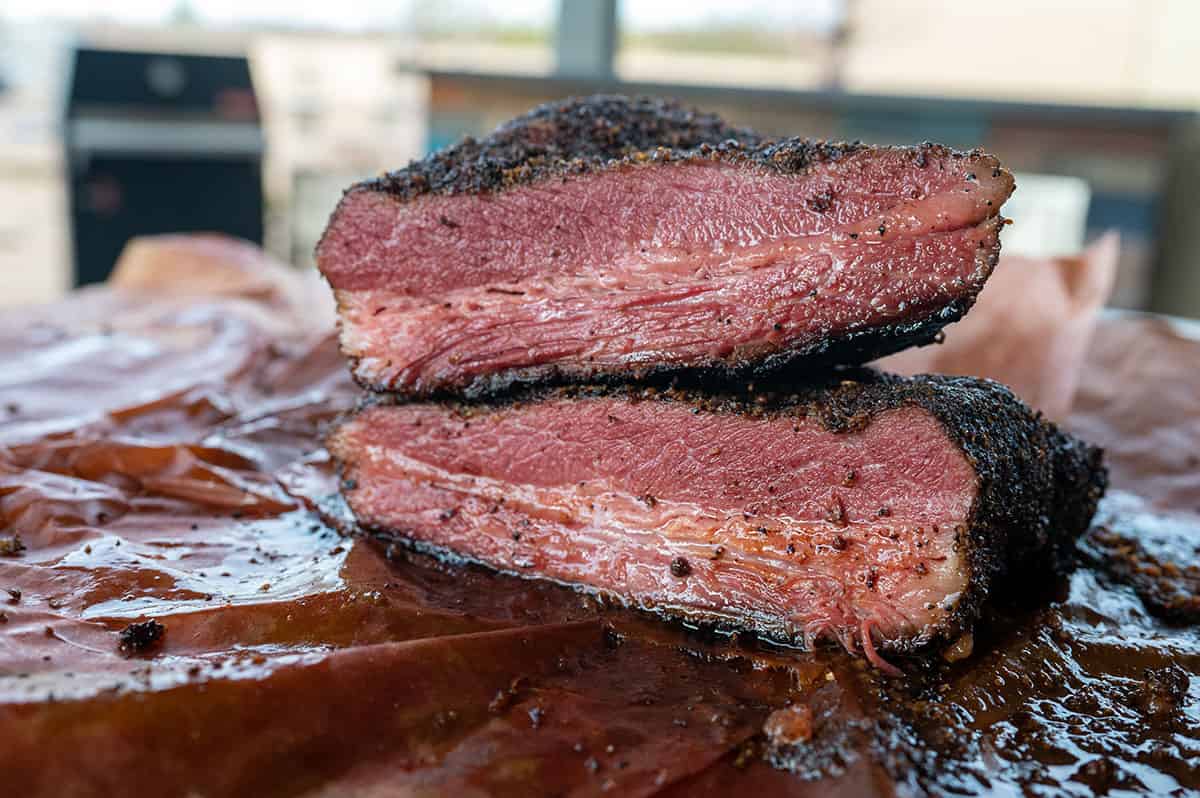
Step 3: The Art of Seasoning
Following the curing period, the brisket is removed from the brine and thoroughly rinsed to eliminate any residual saltiness. It is then patted dry to prepare it for the pastrami rub. A specially formulated homemade pastrami rub, typically featuring a blend of black pepper, coriander, mustard seed, and other aromatic spices, is generously applied. After seasoning, the brisket is placed on a rack and refrigerated, uncovered, for an additional day. This allows the rub to adhere and the surface to dry slightly, promoting a better bark formation during smoking.
Step 4: The Slow and Low Smoke
The smoking phase is where the meat truly transforms. The grill or smoker is preheated to a temperature range of 225-275°F (107-135°C), ensuring an indirect heat setup. The seasoned brisket is then placed on the smoker over the indirect heat zone. During the smoking process, the brisket is spritzed every 30 minutes with apple cider vinegar. This not only adds moisture but also helps to develop a beautiful, flavorful bark.
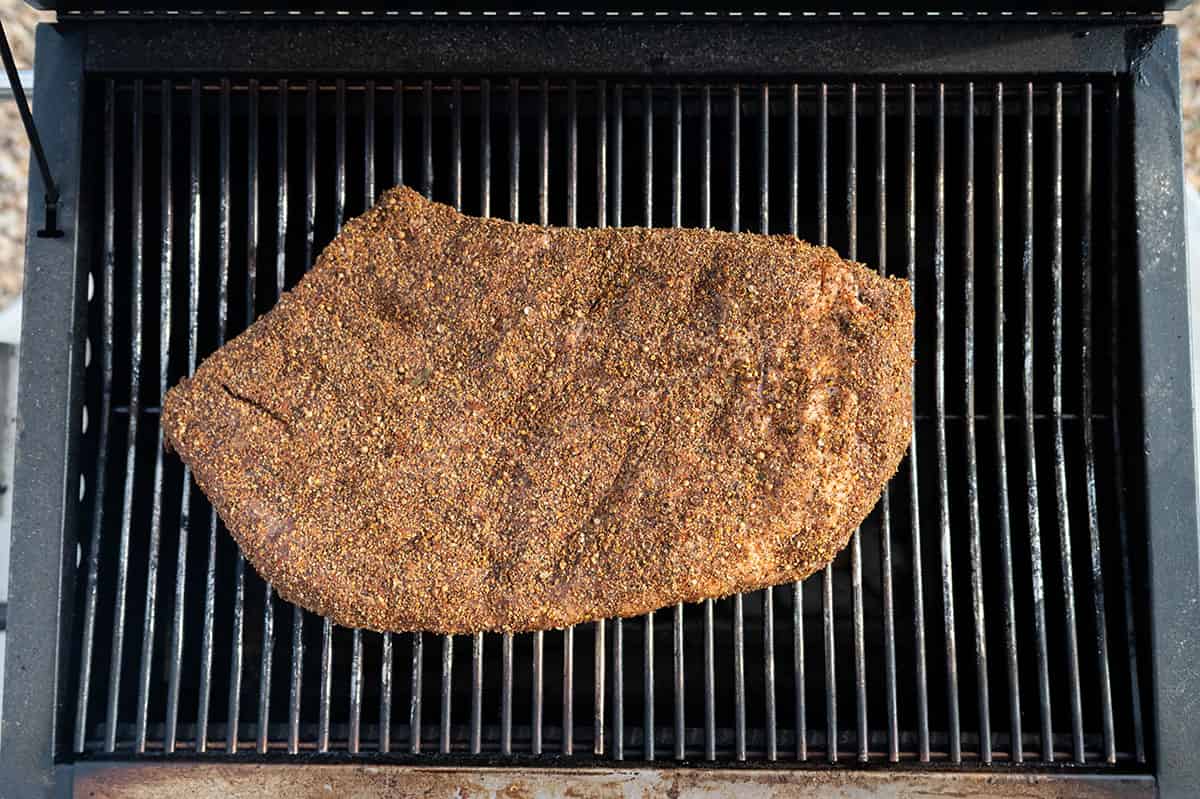
A typical six-pound brisket, when smoked at 250-275°F, will take approximately 4 hours to reach the initial target internal temperature. Smoking at a lower temperature of 225°F will extend this cooking time.
Step 5: The Wrap for Tenderness
Once the brisket reaches an internal temperature of 160-170°F (71-77°C) and has developed a desirable bark, it is removed from the smoker. The next step involves wrapping the brisket to continue the cooking process and ensure maximum tenderness. Two sheets of butcher paper are laid out, and the brisket is placed on top. Additional spritzing with apple cider vinegar is applied, followed by a few tablespoons of rendered beef tallow. The butcher paper is then wrapped tightly around the brisket, creating a sealed environment.
Step 6: Completing the Cook
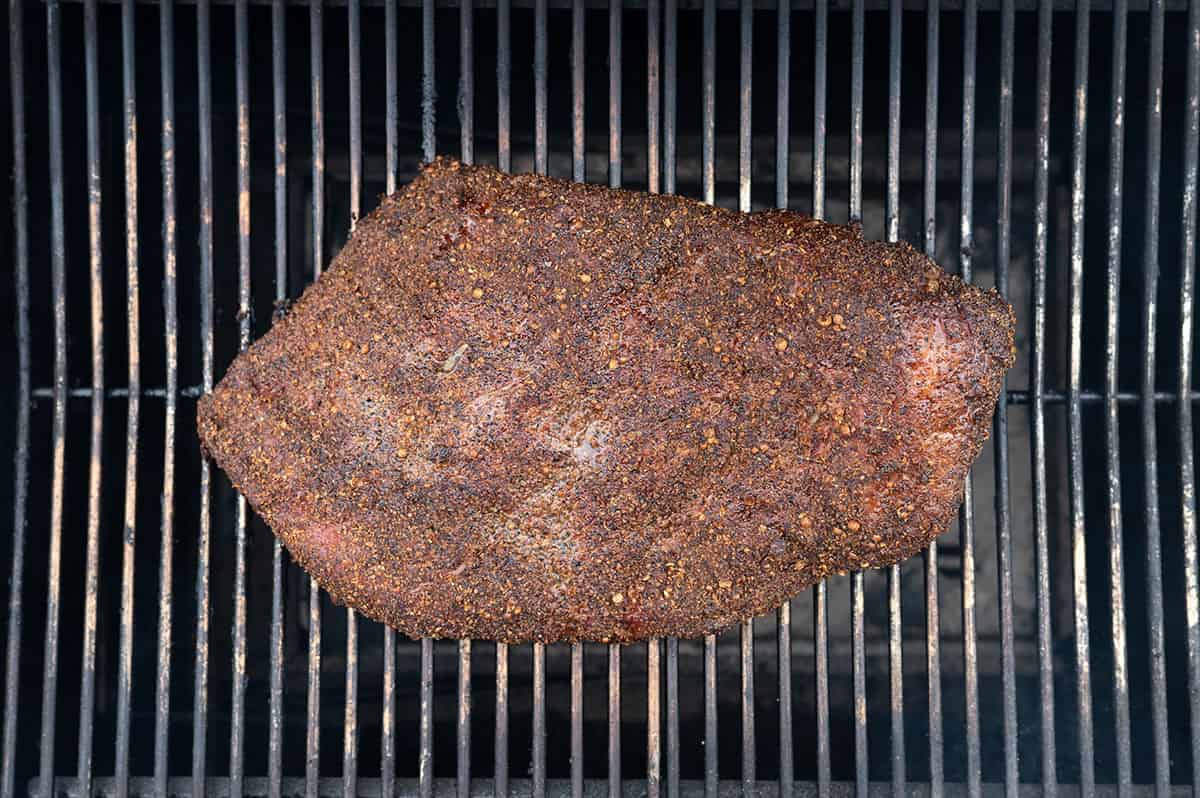
The wrapped brisket is returned to the smoker. It continues to cook until it reaches an internal temperature of 205-210°F (96-99°C). This higher temperature range is crucial for breaking down the connective tissues in the brisket, resulting in the incredibly tender texture that defines great pastrami.
Step 7: The Essential Rest
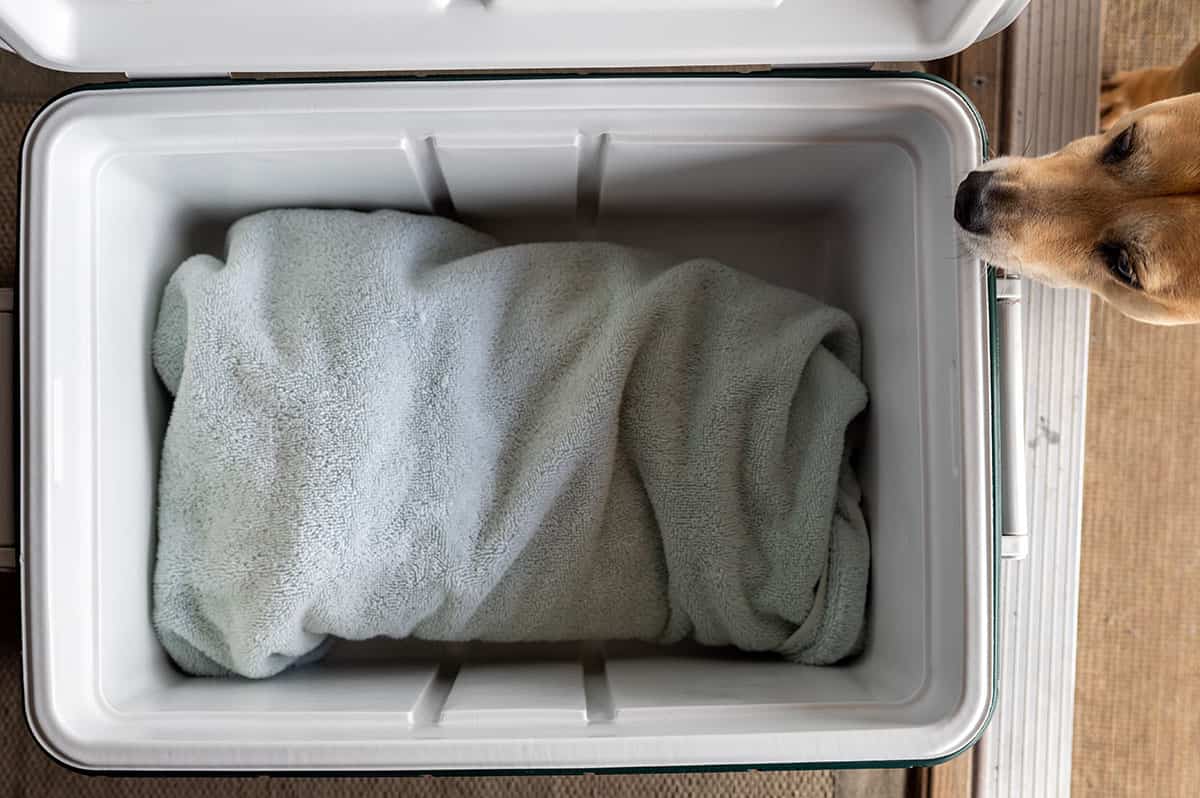
The final, yet critical, step before slicing is the rest period. Once the brisket reaches its target internal temperature, it is removed from the smoker. It is then wrapped in a clean towel and placed inside a cooler without ice. The cooler is closed, and the brisket is allowed to rest for at least one hour. This resting period allows the juices to redistribute throughout the meat, ensuring a moist and flavorful final product.
Serving and Enjoying Your Homemade Pastrami
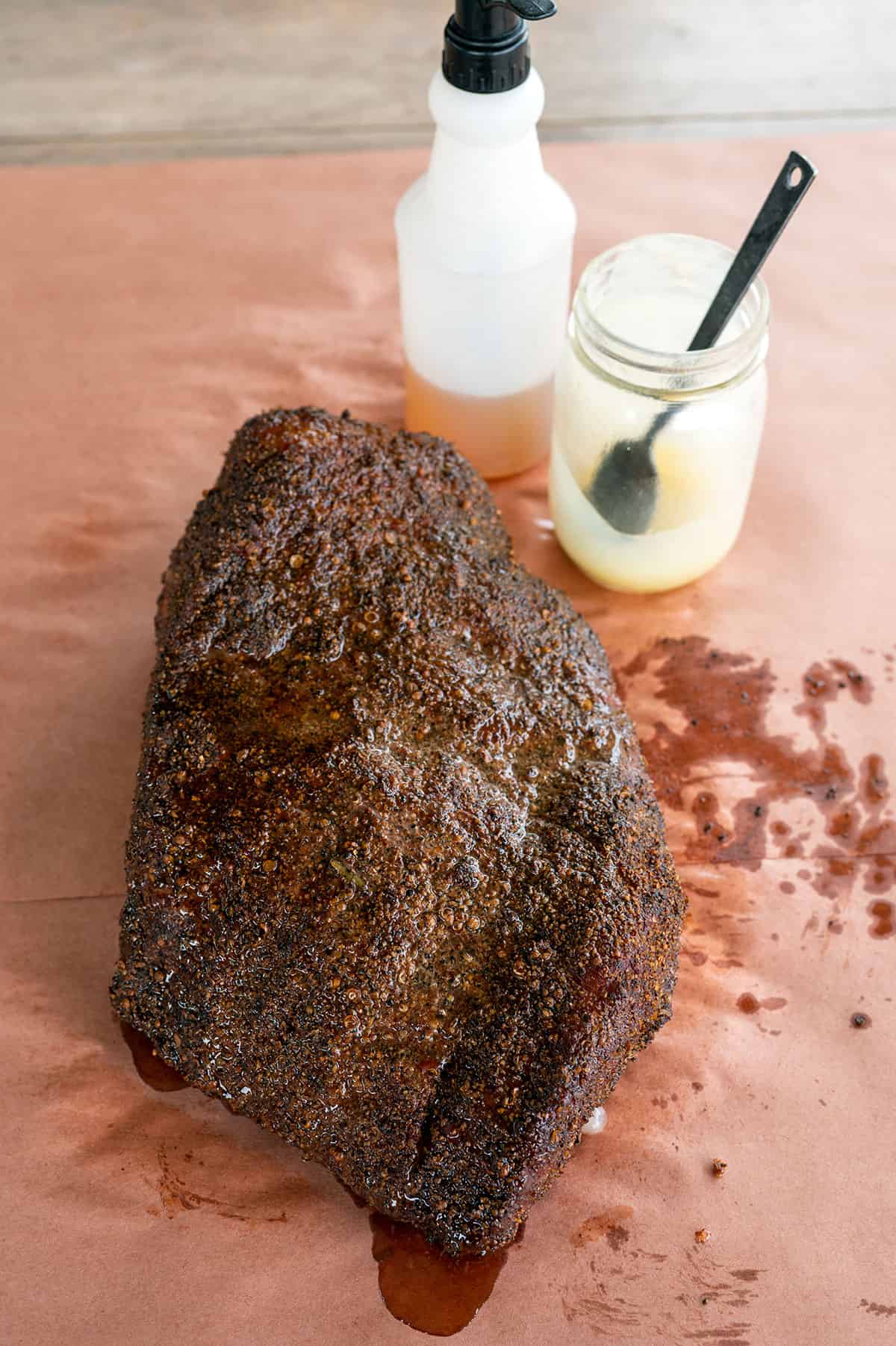
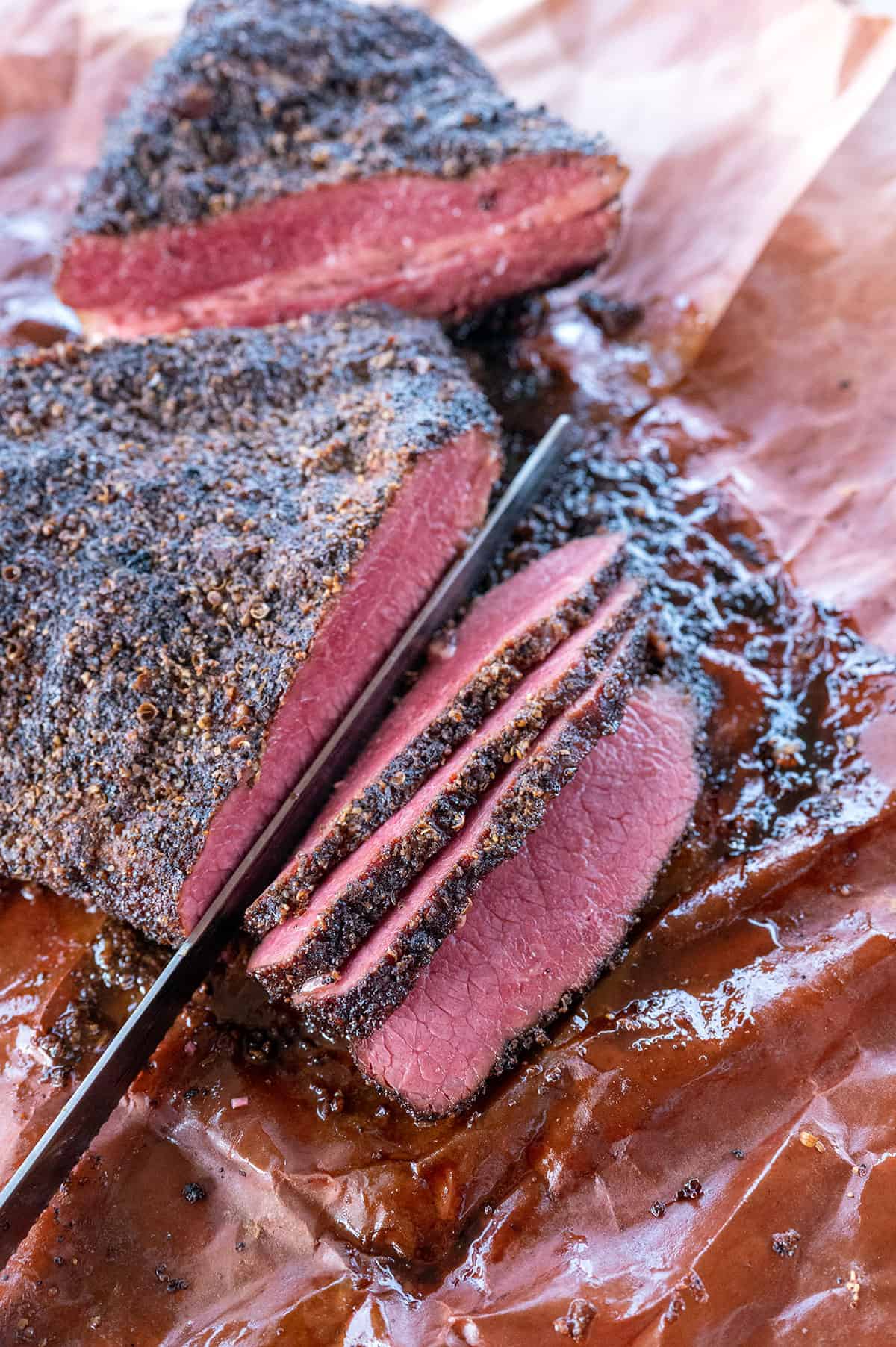
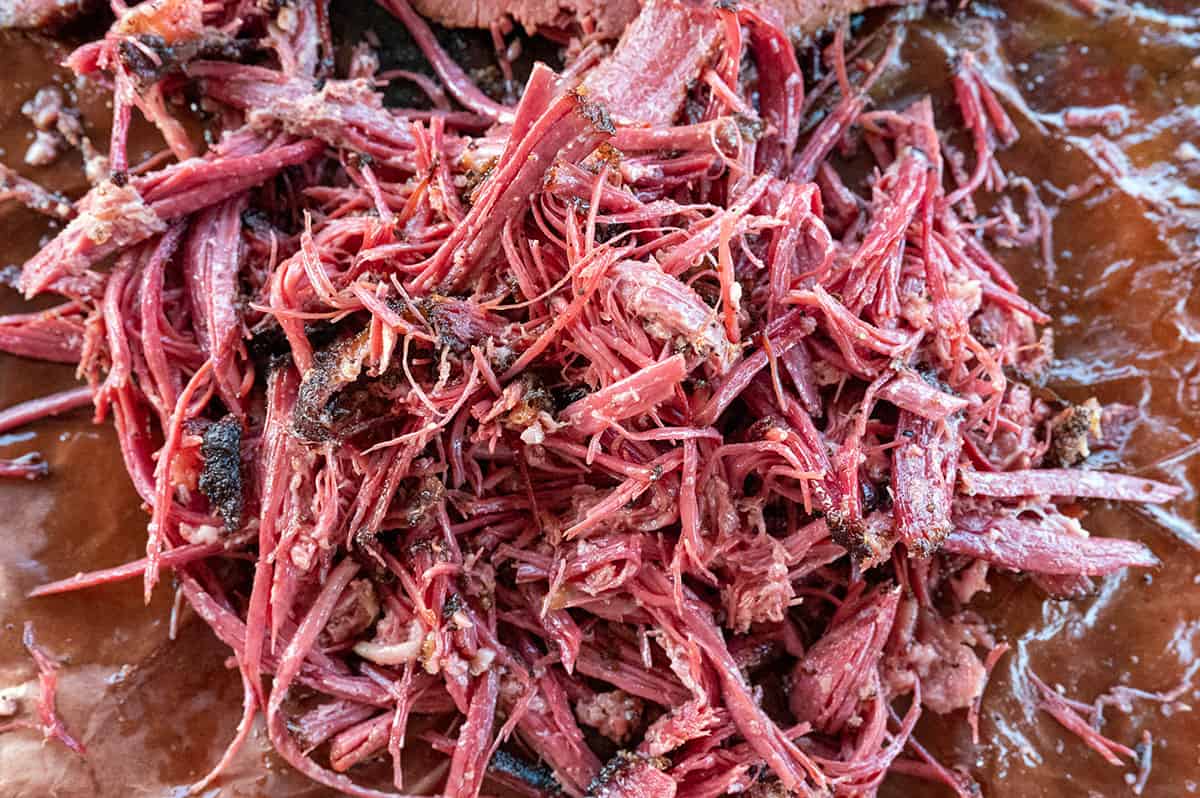
The way pastrami is sliced significantly impacts its texture and enjoyment. For brisket pastrami, it is imperative to slice the flat end of the meat against the grain. Slices can be cut either thick or thin, with thinner slices being ideal for classic pastrami sandwiches. The point meat, often more marbled, can be pulled apart and shredded for a different texture. This pulling or shredding method is also recommended for pastrami made from other cuts like pork shoulder or lamb shoulder.
For exceptionally thin, deli-style slices, chilling the meat for about an hour after resting can make it easier to slice. Using a meat slicer set to a thin setting will yield the perfect shaved pieces.
A traditional pastrami sandwich is a culinary icon, typically served on rye bread with generous layers of pastrami, Russian dressing, Swiss cheese, and sauerkraut. However, the versatility of pastrami extends far beyond sandwiches. It pairs wonderfully as a standalone dish with classic sides like cabbage and potatoes. Many families enjoy it served cold on a charcuterie board or as a flavorful addition to breakfast hashes, macaroni and cheese, stir-fried rice, or even as a pizza topping.
Storage and Leftover Potential
Due to its curing and cooking process, pastrami can be stored in an airtight container in the refrigerator for up to 40 days, according to USDA guidelines. For longer storage, freezing is a recommended option, allowing the pastrami to retain its quality for several months.
The potential for using pastrami leftovers is vast. From breakfast scrambles to gourmet sandwiches and even innovative culinary creations, pastrami offers a rich and savory ingredient that can elevate a multitude of dishes.
Pro Pitmaster Tips for Pastrami Perfection
- Fat Cap Management: When trimming the brisket, leave a ¼-inch fat cap on the presentation side. This fat will render during the cook, basting the meat and contributing to its moisture and flavor.
- Rub Adhesion: Ensure the brisket is dry before applying the pastrami rub. A slightly tacky surface will help the rub adhere better.
- Spritzing Strategy: Regular spritzing with apple cider vinegar helps to keep the surface of the brisket moist, preventing it from drying out and promoting the development of a good bark.
- Butcher Paper vs. Foil: While both can be used for wrapping, butcher paper breathes more than foil, allowing for better bark development while still retaining moisture.
- Tallow’s Role: Adding beef tallow during the wrap phase significantly enhances the richness and moisture of the finished pastrami.
- Temperature Monitoring: Use a reliable meat thermometer to ensure accurate internal temperature readings throughout the cooking process.
Frequently Asked Questions About Pastrami
-
What’s the difference between pastrami and corned beef?
The primary distinction lies in the cooking method. Corned beef is cured and then cooked without smoke, often by simmering, baking, or using a slow cooker. Pastrami, on the other hand, is cured and then smoked, imparting a distinct smoky flavor and a characteristic crust. -
Is pastrami healthy?
The health profile of pastrami depends on the cut of meat used and its preparation. Cuts with higher fat content, such as brisket or pork belly, will be less healthy than leaner options like poultry or pork loin. Furthermore, pastrami is typically high in sodium, making moderation advisable, especially for individuals monitoring their blood pressure. -
Can dogs eat pastrami?
While a small, occasional piece of pastrami is unlikely to cause severe harm to a dog, it is not recommended as a regular part of their diet. The high salt and fat content can be detrimental to canine health. For specific dietary advice for pets, consulting a veterinarian is always the best course of action.