The intersection of the holiday gift-giving season and the burgeoning movement toward residential food sovereignty has created a specialized market for high-utility gardening equipment, sustainable seed-starting systems, and educational literature. As more homeowners transition from traditional ornamental landscaping to edible permaculture systems, the demand for tools that offer longevity and ergonomic efficiency has reached a decade-high peak. This guide analyzes the essential categories of equipment and resources that are currently defining the modern backyard gardening landscape, providing a comprehensive overview for those seeking to support the horticultural pursuits of others.
The Evolution of Residential Agriculture and Tool Specialization
Modern gardening has moved beyond the simple aesthetic of the "white picket fence" garden. Today’s practitioners often utilize permaculture—a design system rooted in agricultural and social design principles centered on simulating or directly utilizing the patterns and resilient features observed in natural ecosystems. This shift requires a different class of tools that can handle diverse tasks in tighter, more complex spaces such as forest gardens, swale-based planting beds, and high-density raised gardens.
Market data from the National Gardening Association indicates a significant uptick in "food gardening" over the last five years, with younger demographics leading the charge into urban and suburban homesteading. For these individuals, the holiday season serves as a critical preparation period for the spring planting cycle. Consequently, gifts that bridge the gap between winter planning and spring execution are increasingly prioritized.
Precision Instruments for Soil Management and Weeding
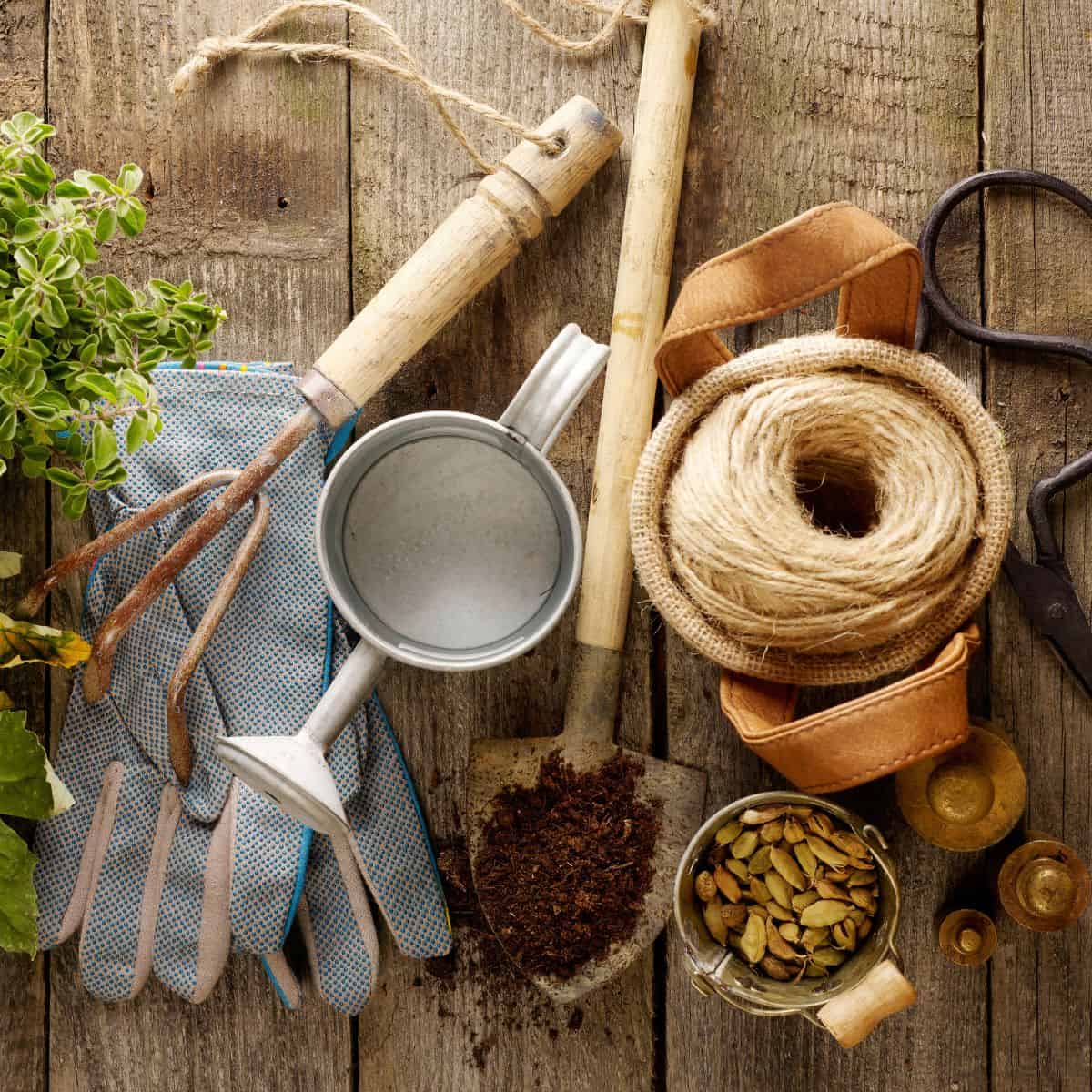
In the realm of small-scale permaculture, the "one-size-fits-all" shovel has been replaced by precision hand tools designed for specific soil interactions. The Hori Hori garden knife, a tool with Japanese origins, has emerged as a staple for backyard enthusiasts. Characterized by its dual-edged blade—one serrated and one sharp—the Hori Hori functions as a trowel, a saw, and a measuring device for bulb planting. Its popularity stems from its ability to minimize the need for multiple tools in a forest garden setting where space between perennial plants may be limited.
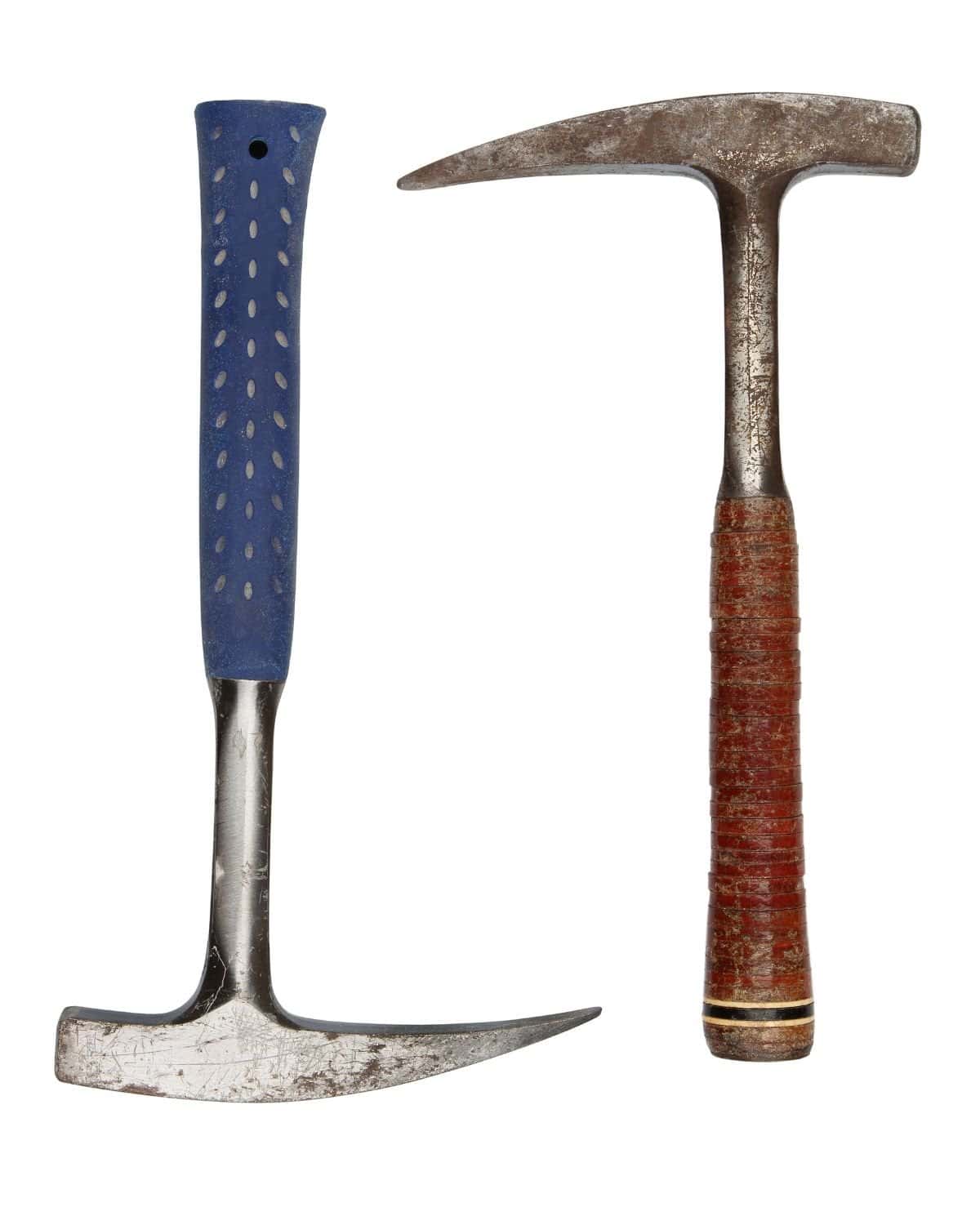
Complementing the Hori Hori is the CobraHead weeder and cultivator. Ergonomically designed to mimic the action of a "steel fingernail," this tool allows gardeners to remove deep-rooted weeds without disrupting the surrounding soil structure—a key tenet of "no-dig" gardening. For more intensive soil work, particularly in rocky terrain or when constructing permaculture swales, the Estwing Rock Pick has become an unconventional favorite. While originally designed for geological work, its durability and ability to break through compacted clay or move stones for garden borders make it an essential asset for heavy-duty backyard projects.

Pruning Technology and Long-Term Durability
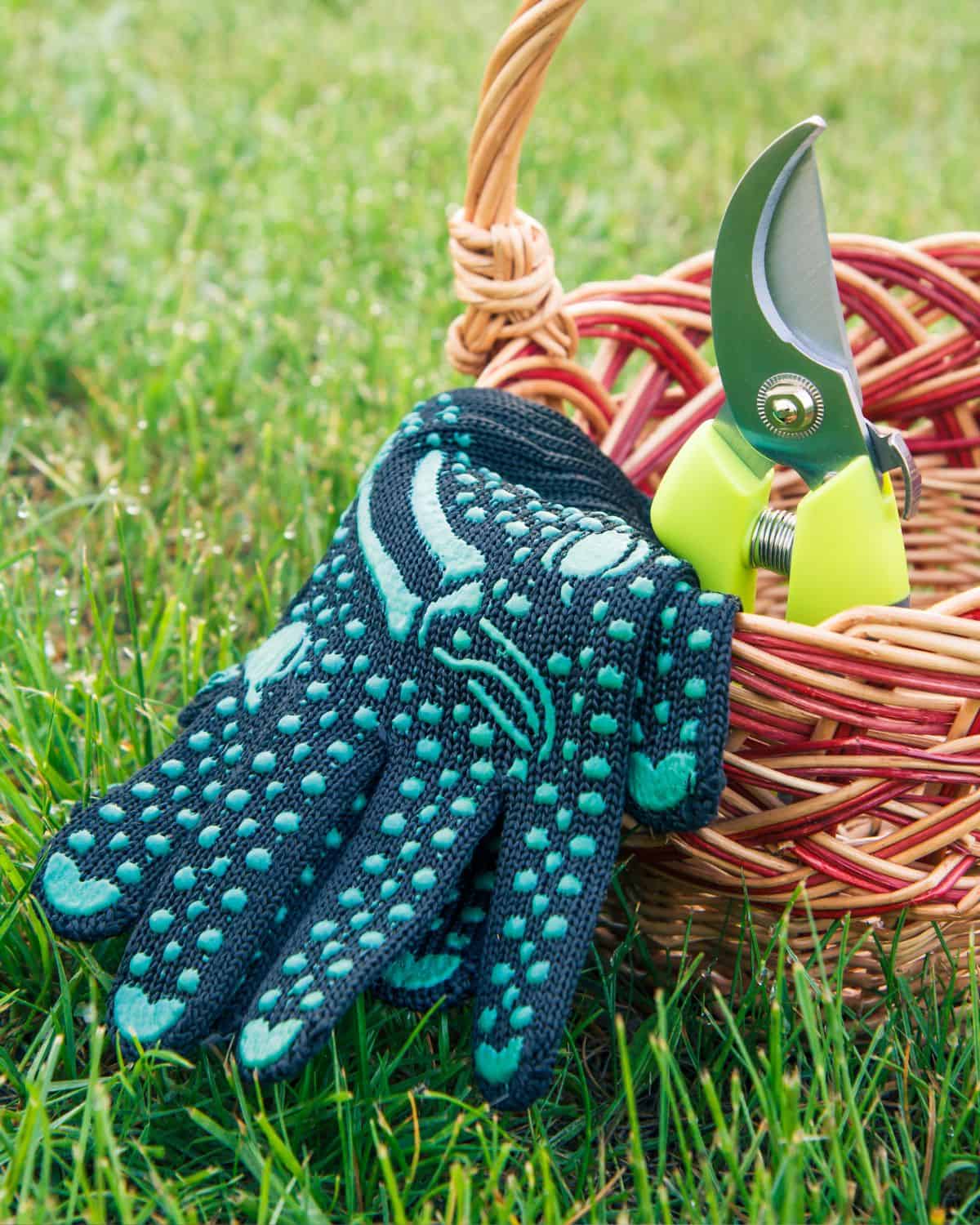
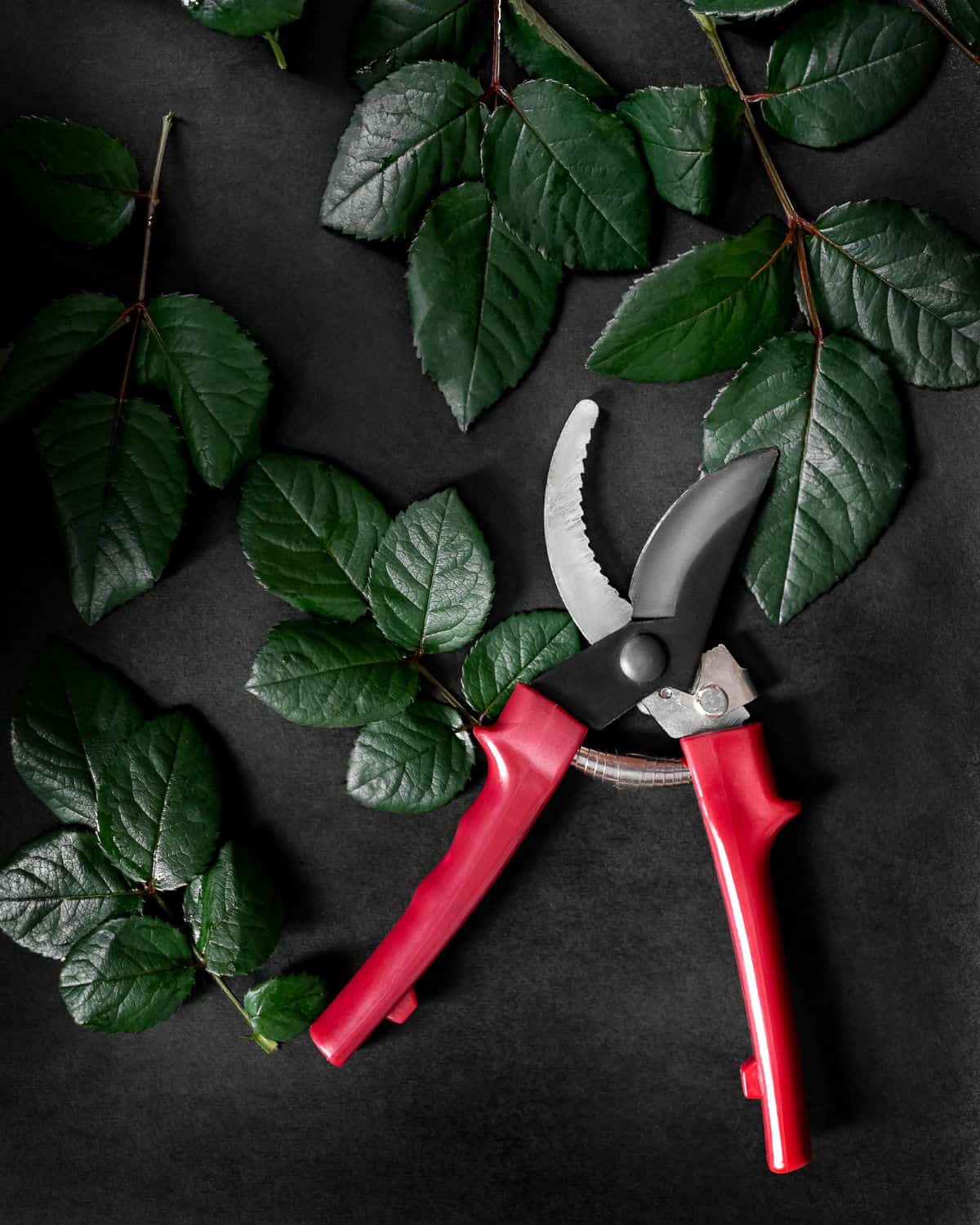
Pruning is a fundamental task in maintaining the health of a food forest or backyard orchard. Industry standards for pruning shears are often measured against the Swiss-made Felco brand. Recognized for their forged aluminum handles and hardened steel blades, Felco pruners are frequently cited by horticulturalists as a "lifetime" tool due to the availability of replaceable parts. For the gift-giver, choosing high-quality pruners represents an investment in the recipient’s long-term success.
However, the market also offers high-performance alternatives for those operating on different budget scales. Corona pruners and shears provide a middle ground, offering professional-grade sharpness and durability at a lower price point. For larger harvesting tasks—such as gathering lavender, lettuce mixes, or biomass for composting—Corona shears are preferred for their speed and clean-cutting action.
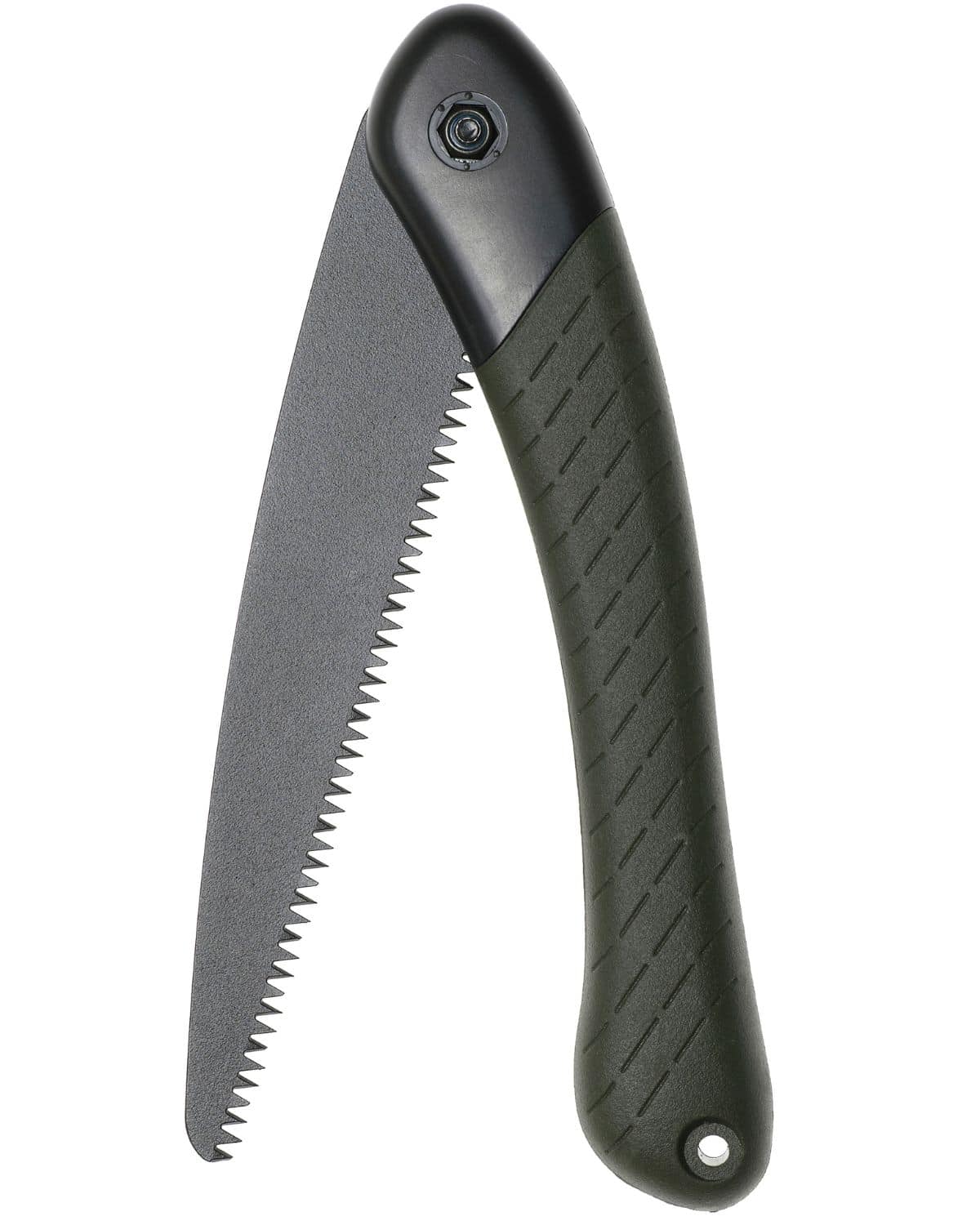
When tasks escalate to the management of small tree branches or the processing of kindling, the Bahco Laplander folding saw is the industry benchmark. Its popularity in both the gardening and bushcraft communities is due to its XT toothing, which cuts on both the push and pull strokes, and its specialized coating that reduces friction and prevents rust.
Sustainable Hydration and Irrigation Systems
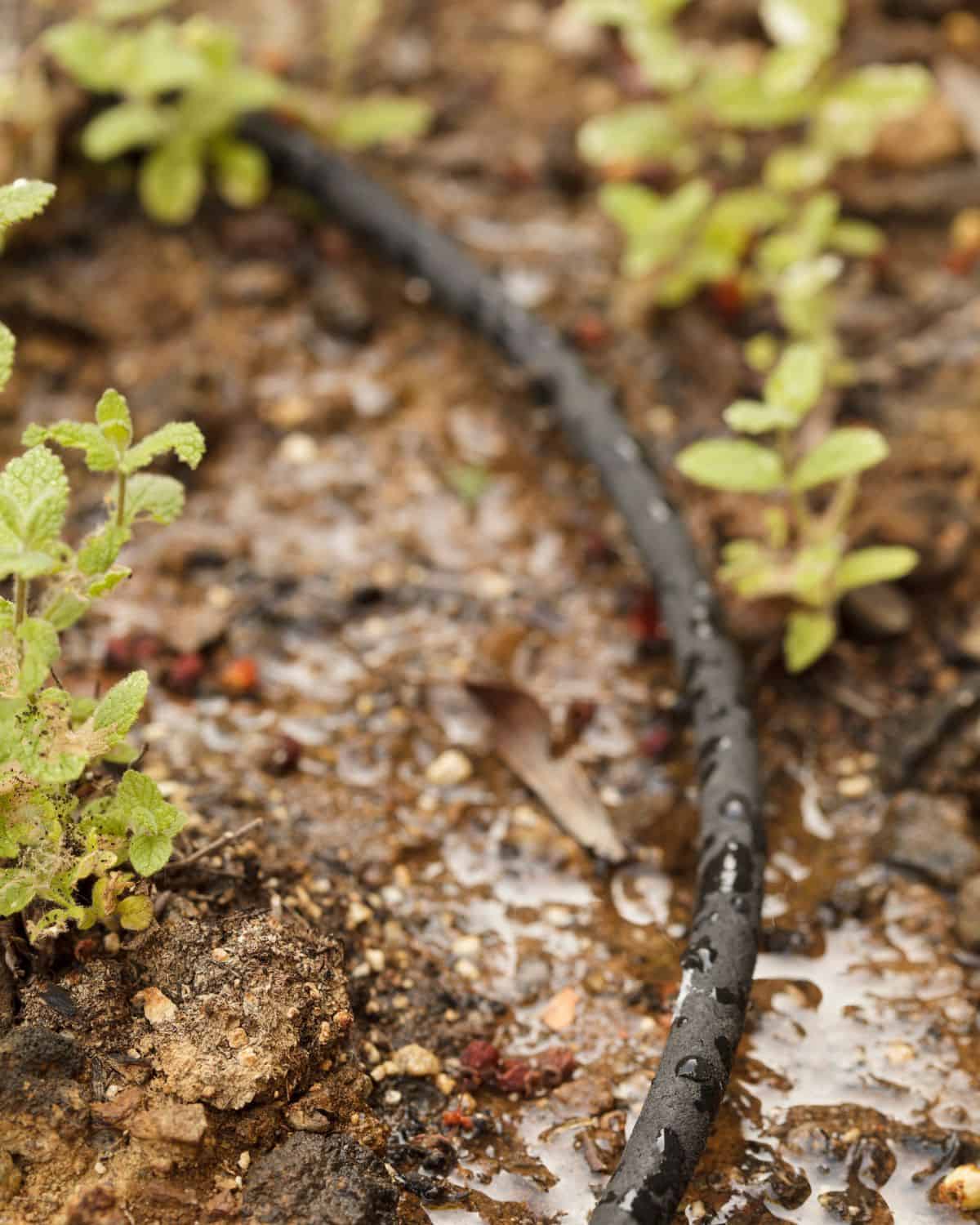
Water management is perhaps the most critical component of any gardening system. While many modern gardens utilize automated drip irrigation, the precision and ritual of manual watering remain essential for seed starting and container gardening. The shift toward plastic-free gardening has revitalized interest in galvanized metal watering cans. These vessels are not only durable and resistant to UV degradation—unlike their plastic counterparts—but also serve as aesthetic focal points in the garden landscape.
Furthermore, the safety of the water being delivered to edible crops has become a primary concern for health-conscious gardeners. Standard PVC garden hoses often contain lead, phthalates, and other chemicals that can leach into the water supply. Consequently, "drinking water safe" hoses, such as those produced by Water Right, have become a high-priority gift item. These hoses are typically made from UV-stabilized polyurethane and are free from BPA and lead, ensuring that the water used for irrigation is as clean as the organic soil it saturates.
The Science of Seed Propagation and Season Extension
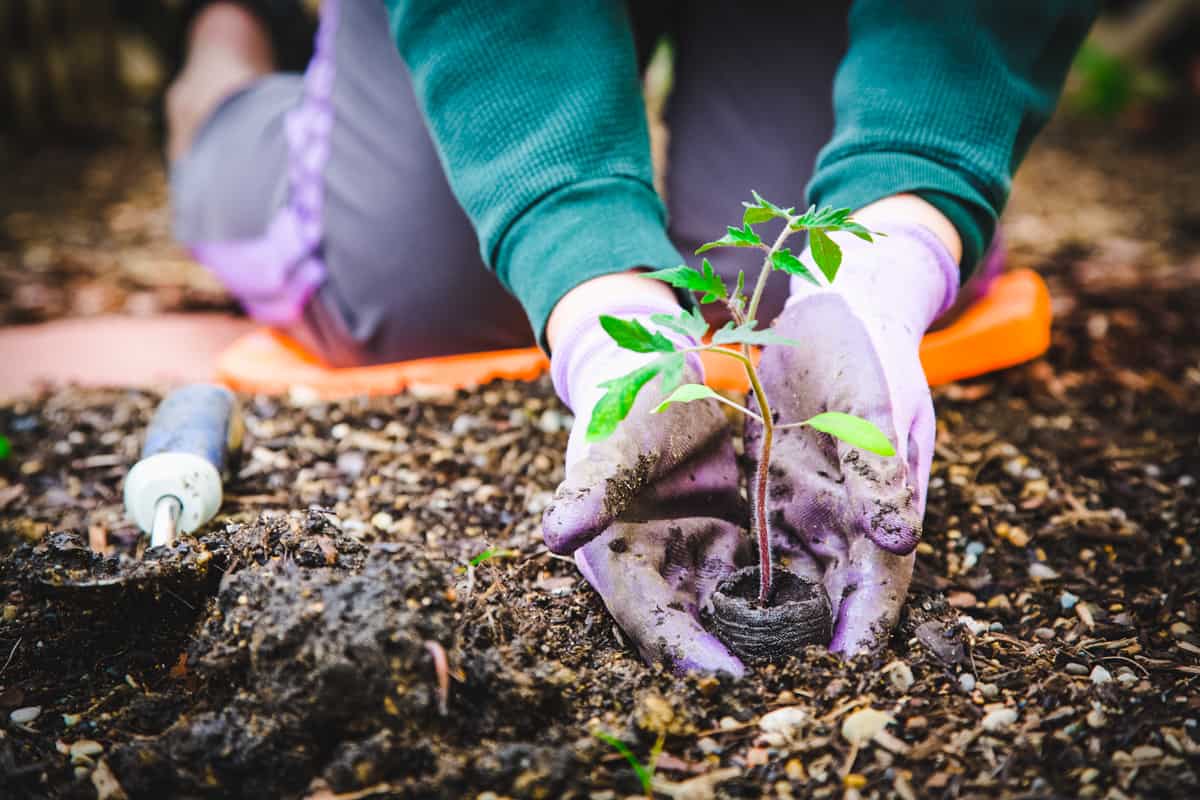
As the cost of organic produce continues to rise, more gardeners are opting to start their plants from seed rather than purchasing starts from nurseries. This transition requires a technical setup that includes seed starting trays, soil media, and often, specialized equipment like soil block makers. Soil blocking is a technique that eliminates the need for plastic pots by compressing soil into self-standing cubes. This method prevents root-binding and reduces transplant shock, making it a favorite for DIY-inclined permaculture practitioners.

Gift-giving in this category often focuses on "seed vaults" or curated herb kits. Companies like Garden Republic and Survival Garden Seeds have developed kits that include non-GMO, heirloom seeds packaged for long-term viability. These kits often come with wooden storage boxes and plant markers, providing an organized foundation for a kitchen herb garden or a full-scale vegetable patch.
To mitigate the limitations of climate, mini-greenhouses and microgreens kits allow for year-round production. A compact greenhouse provides the necessary microclimate to start warm-weather crops like tomatoes and peppers weeks before the last frost. For those in colder climates, microgreens kits offer a way to grow nutrient-dense greens indoors on a windowsill, ensuring a continuous harvest of fresh enzymes and vitamins throughout the winter months.
Educational Resources and the Permaculture Movement
The complexity of permaculture design necessitates a robust library of reference materials. Literature is often considered the most valuable gift for a gardener, as it provides the conceptual framework for all physical labor. Several key texts have shaped the modern movement:
- Suburban Micro-Farm by Amy Stross: This text focuses on the logistical challenges of high-yield gardening on small residential lots, providing a bridge between traditional gardening and complex permaculture.
- Square Foot Gardening by Mel Bartholomew: A revolutionary approach that maximizes yield in minimal space, making it ideal for urban environments.
- Gardening Without Work by Ruth Stout: A classic text advocating for heavy mulching and minimal soil disturbance, which aligns with modern regenerative agriculture practices.
- Gaia’s Garden by Toby Hemenway: Widely considered the definitive guide for home-scale permaculture, this book introduces readers to the concept of ecological "guilds" and forest gardening.
- The Resilient Farm and Homestead by Ben Falk: For those looking toward total food security and whole-systems design, Falk’s work provides a data-driven look at landscape restoration and survival.
Additionally, digital resources like The Backyard Forest Garden ebook offer step-by-step design instructions tailored specifically for small-scale food forests. These resources provide plant lists for various layers of the forest garden—including canopy trees, shrubs, ground covers, and vines—enabling gardeners to build multi-dimensional ecosystems.

Economic and Environmental Implications of Home Food Production
The rise in backyard gardening is not merely a hobbyist trend but a response to global shifts in food security and environmental health. Analysts suggest that for every dollar spent on gardening seeds and tools, a household can produce approximately $7 to $10 worth of organic produce. This return on investment (ROI) is a compelling driver for the gift-giving season, as tools and seeds represent a form of "productive capital" for the recipient.
From an environmental perspective, permaculture gardens act as carbon sinks and provide essential habitats for pollinators. By gifting tools that facilitate these practices, donors are contributing to a decentralized network of biodiversity. The move toward non-toxic hoses, reusable metal cans, and heirloom seeds further reduces the carbon footprint associated with industrial agriculture and plastic waste.
Conclusion
The selection of a holiday gift for a backyard gardener or permaculture enthusiast requires an understanding of the recipient’s specific ecological goals and the physical demands of their landscape. Whether it is the precision of a Hori Hori knife, the durability of Felco pruners, or the foundational knowledge found in a permaculture text, these gifts serve as the building blocks for more resilient and productive households. As the movement toward residential agriculture continues to expand, the value of high-quality, sustainable, and educational gifts will only continue to grow, fostering a deeper connection between the gardener and the land they tend.