The global market for fermented foods and beverages has witnessed an unprecedented surge over the last decade, driven by a growing consumer interest in gut health, probiotics, and the resurgence of traditional culinary practices. As the holiday season approaches, the demand for specialized fermentation and homebrewing equipment has reached a record high, reflecting a broader societal shift toward self-sufficiency and artisanal food production. This comprehensive guide outlines the essential tools, starters, and educational resources currently defining the market, providing a technical and practical roadmap for those looking to support the fermenter or homebrewer in their life.
The Economic and Cultural Context of Home Fermentation
Recent market analysis indicates that the global probiotics market is projected to exceed $100 billion by 2030, with a significant portion of this growth attributed to home-based production. What was once considered a niche hobby relegated to rural homesteads has transitioned into a mainstream wellness movement. The "slow food" philosophy, combined with the accessibility of high-quality fermentation hardware, has lowered the barrier to entry for beginners. Analysts suggest that the COVID-19 pandemic acted as a primary catalyst for this trend, as millions of individuals turned to sourdough baking, kombucha brewing, and vegetable pickling during periods of domestic isolation. Today, this interest has matured into a sophisticated industry of specialized kits and high-performance kitchen technology.
Essential Equipment for Vegetable Fermentation
Vegetable fermentation, specifically lacto-fermentation, is the process by which bacteria—primarily Lactobacillus—convert sugars into lactic acid, creating a preservative environment while enhancing the nutritional profile of the food. While traditional methods required only salt and a vessel, modern technology has introduced precision tools designed to minimize the risk of spoilage and mold.
Precision Fermentation Kits and Lids
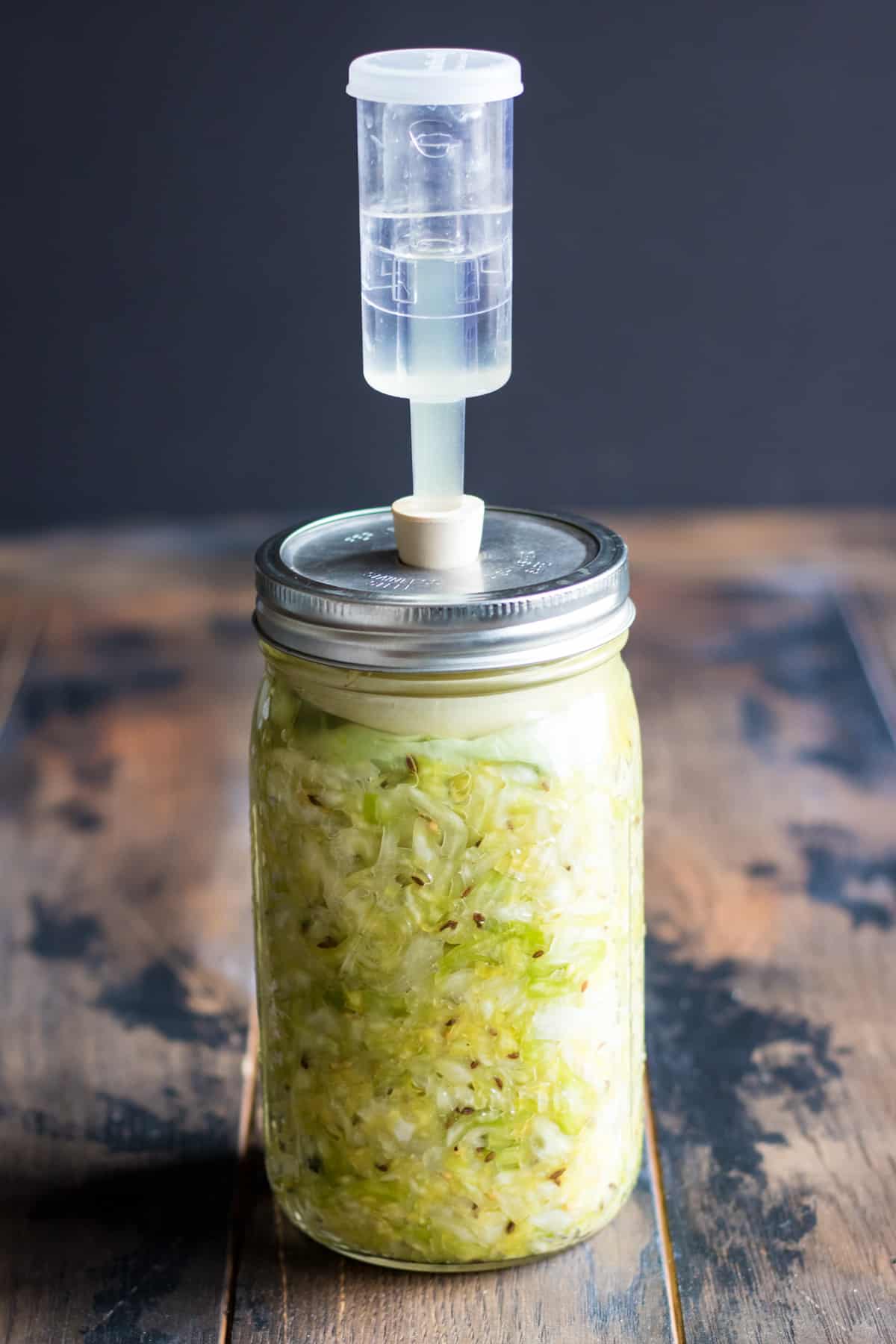
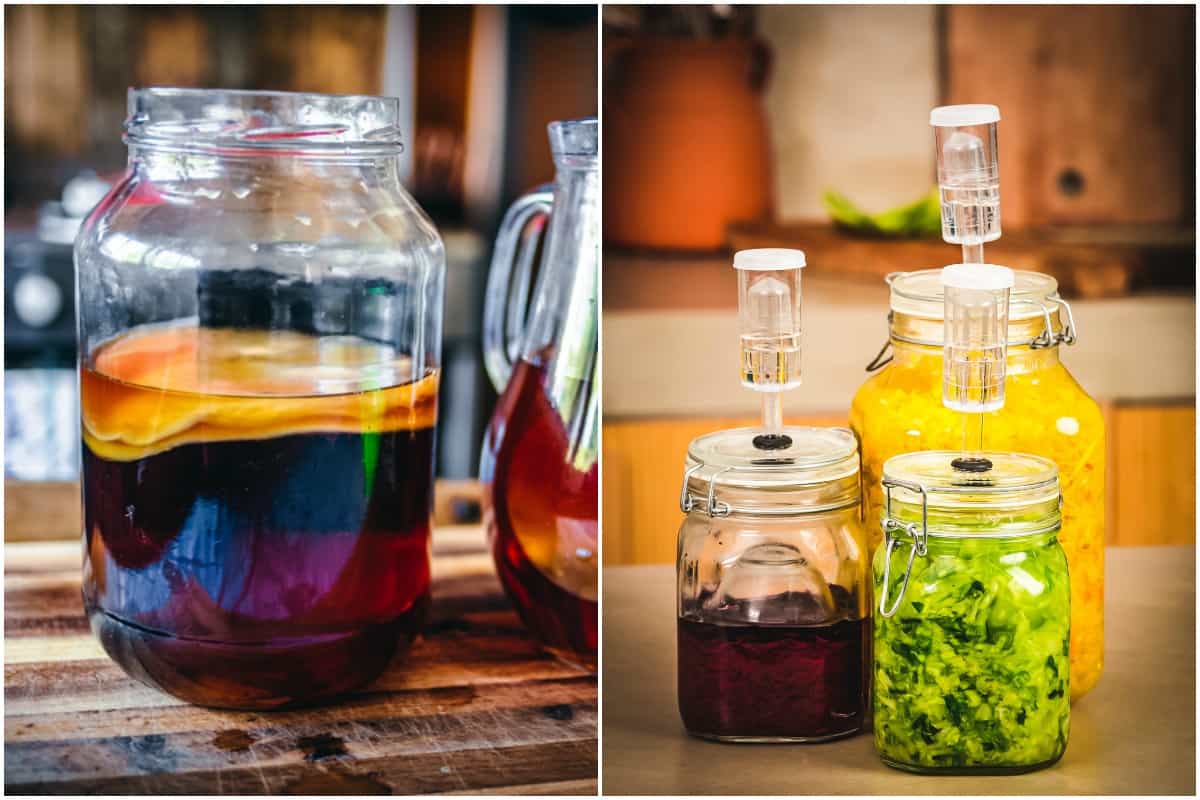
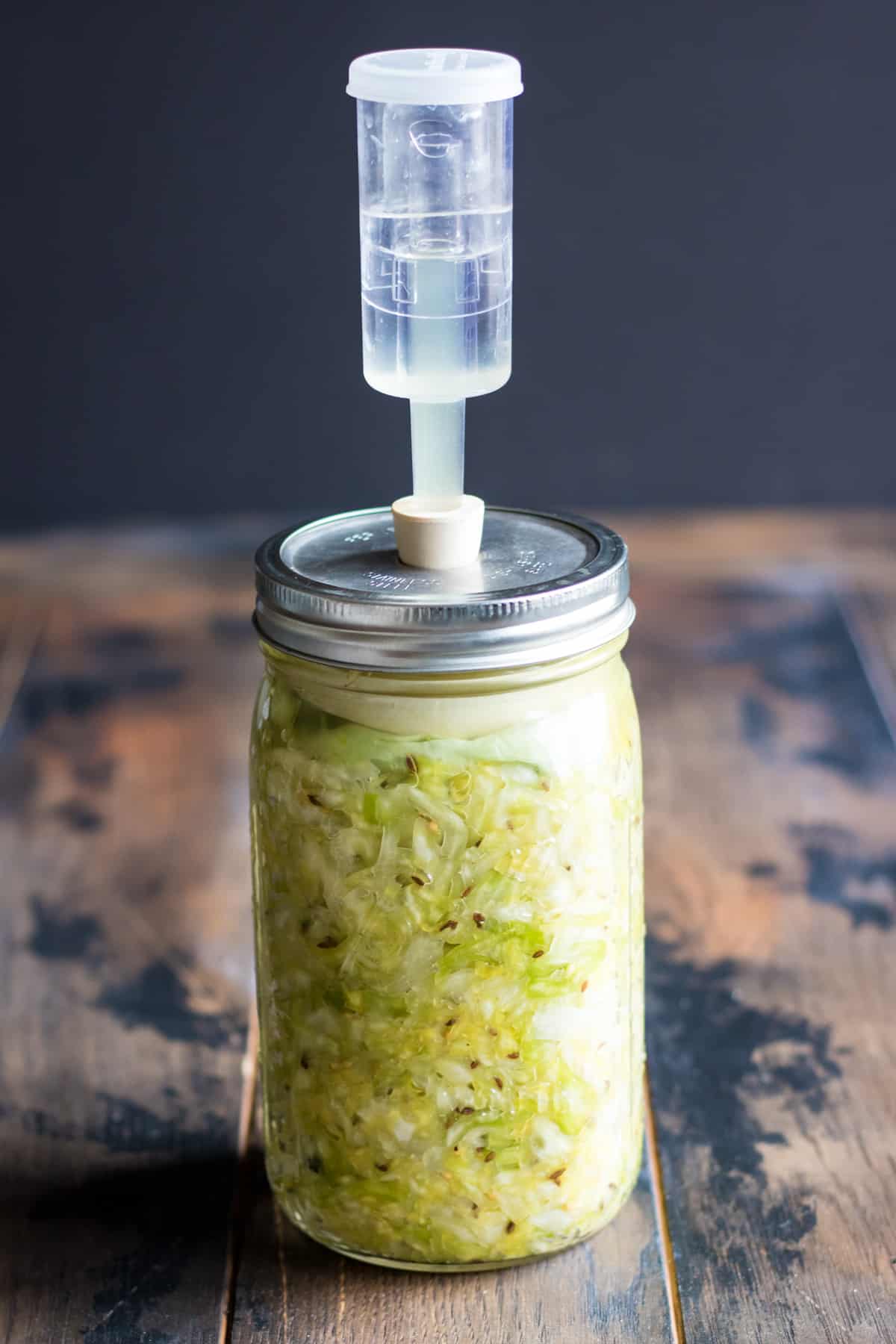
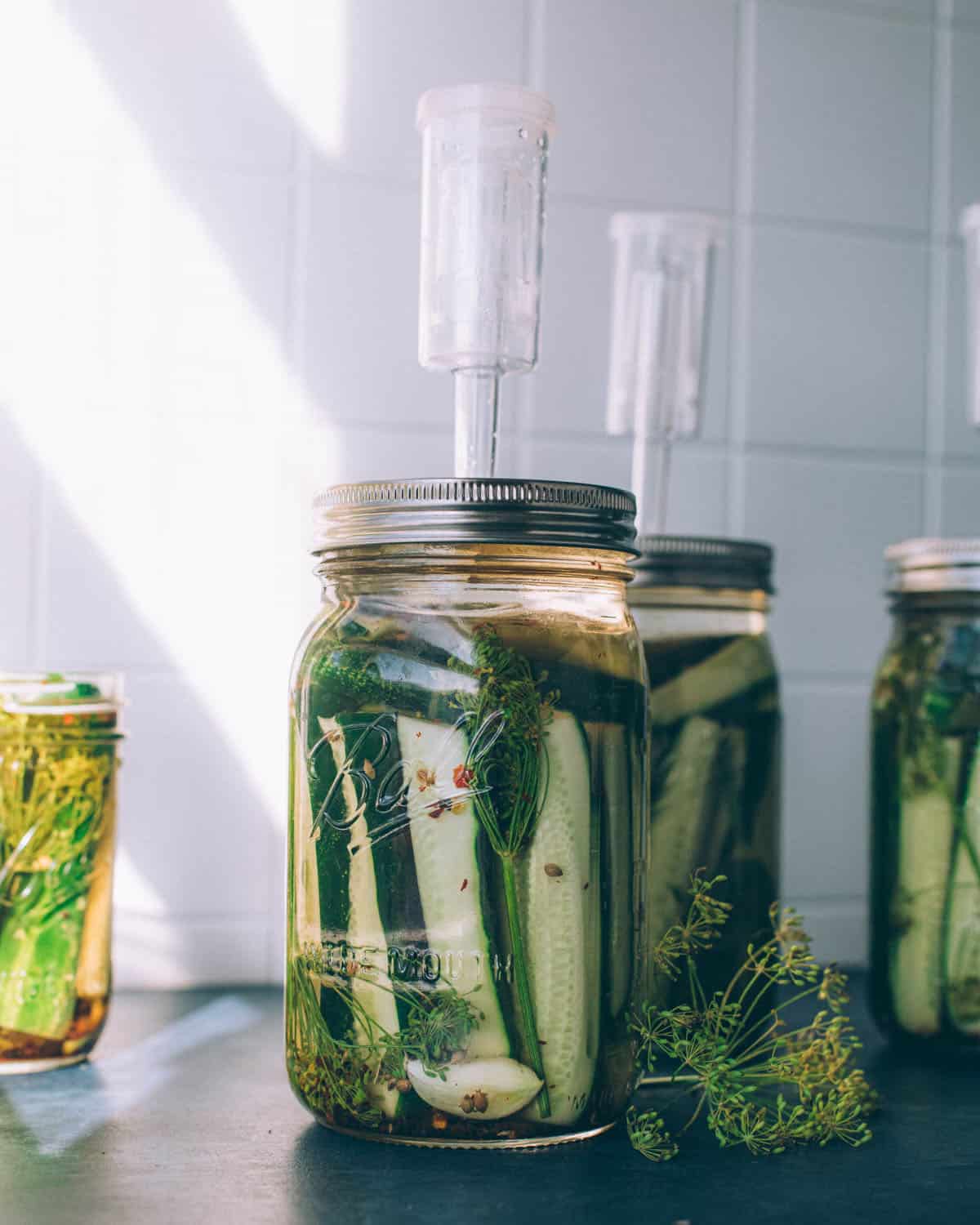
For the entry-level enthusiast, specialized lids such as the Easy Fermenter or stainless steel airlock systems are considered industry standards. These devices utilize a one-way valve system that allows carbon dioxide (CO2) to escape while preventing oxygen and environmental contaminants from entering the jar. This anaerobic environment is critical for preventing the growth of Kahm yeast or blue mold.
Supporting hardware often includes:
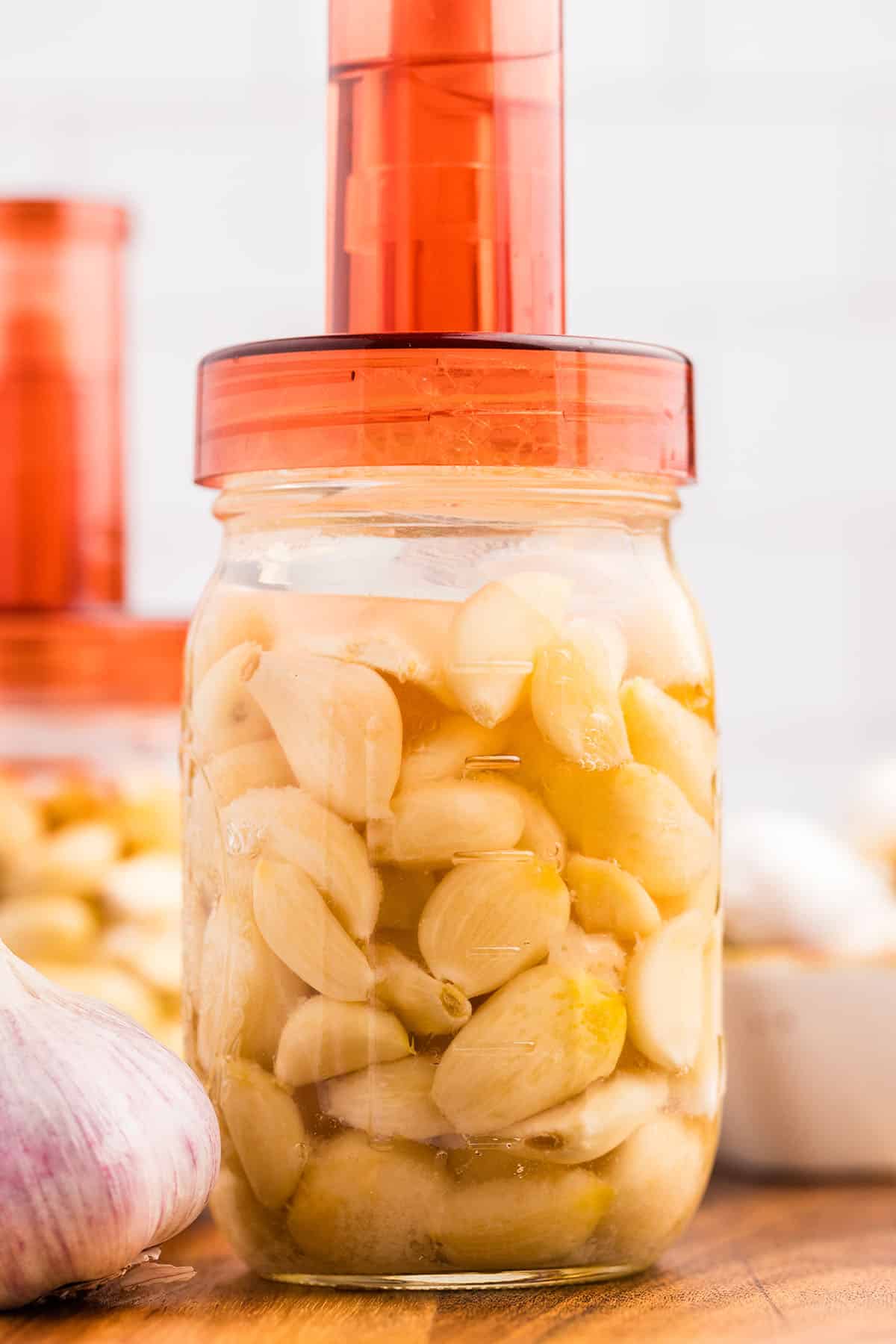
- Glass Fermentation Weights: These are designed to keep organic matter submerged beneath the brine, ensuring a consistent ferment and preventing oxidation at the surface.
- Tamper Tools: Products like the "Pickle Packer" allow users to tightly pack shredded vegetables, such as cabbage for sauerkraut, into jars to eliminate air pockets.
- Ceramic Crocks: For high-volume producers, a three-gallon ceramic crock remains the gold standard. Ceramic offers superior temperature stability compared to glass, which is vital for long-term ferments that may last several weeks.
The Rise of Functional Beverages: Kombucha and Kefir
Kombucha and kefir have become the face of the functional beverage movement. Kombucha, a fermented tea, and kefir, a fermented milk or water-based drink, rely on complex symbiotic cultures of bacteria and yeast (SCOBY).
Starters and Continuous Brew Systems
The most critical component for any brewer is a healthy culture. Market leaders like Kombucha Kamp and Cultures for Health have standardized the distribution of live SCOBYs and kefir grains, ensuring that homebrewers receive pathogen-free, vigorous starters.

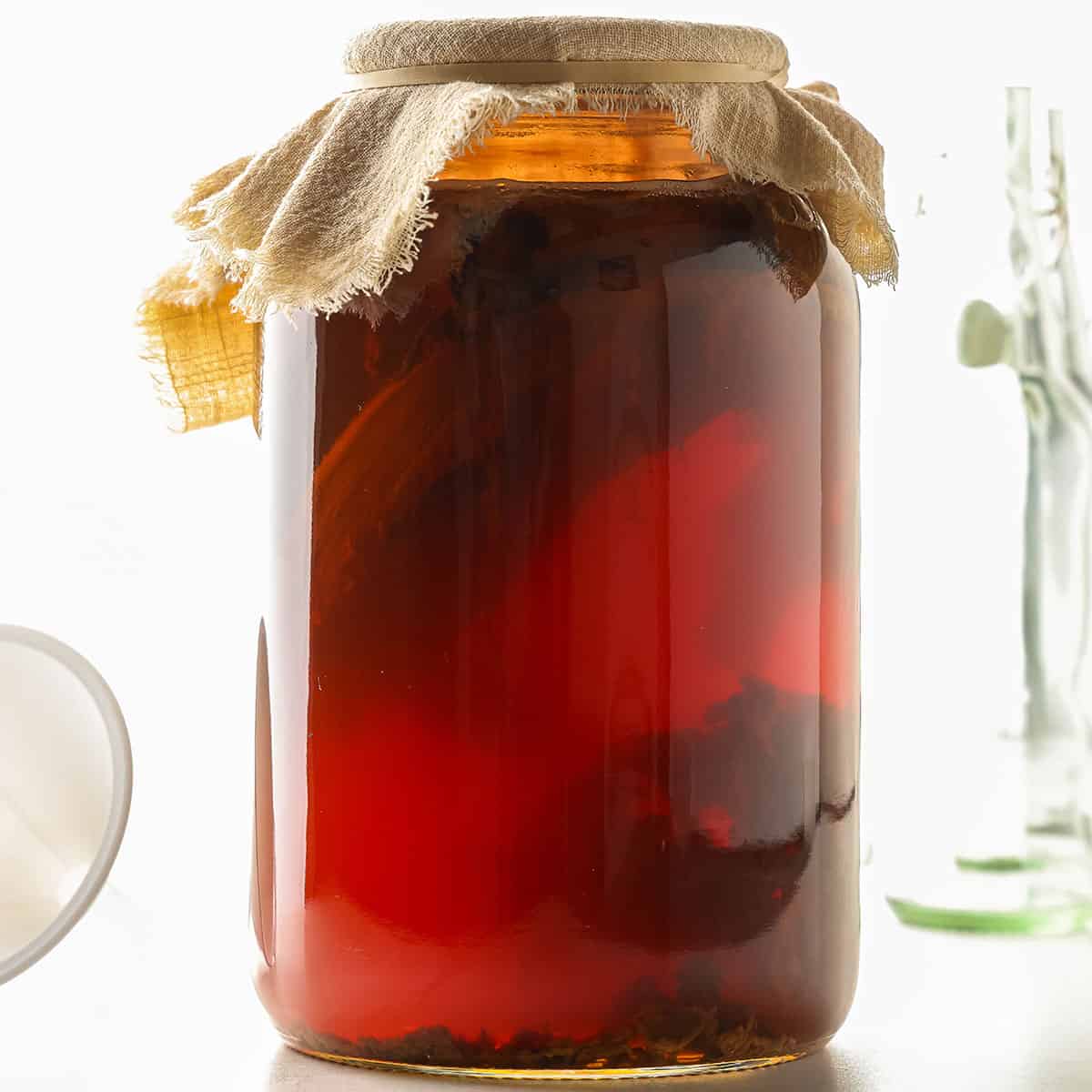
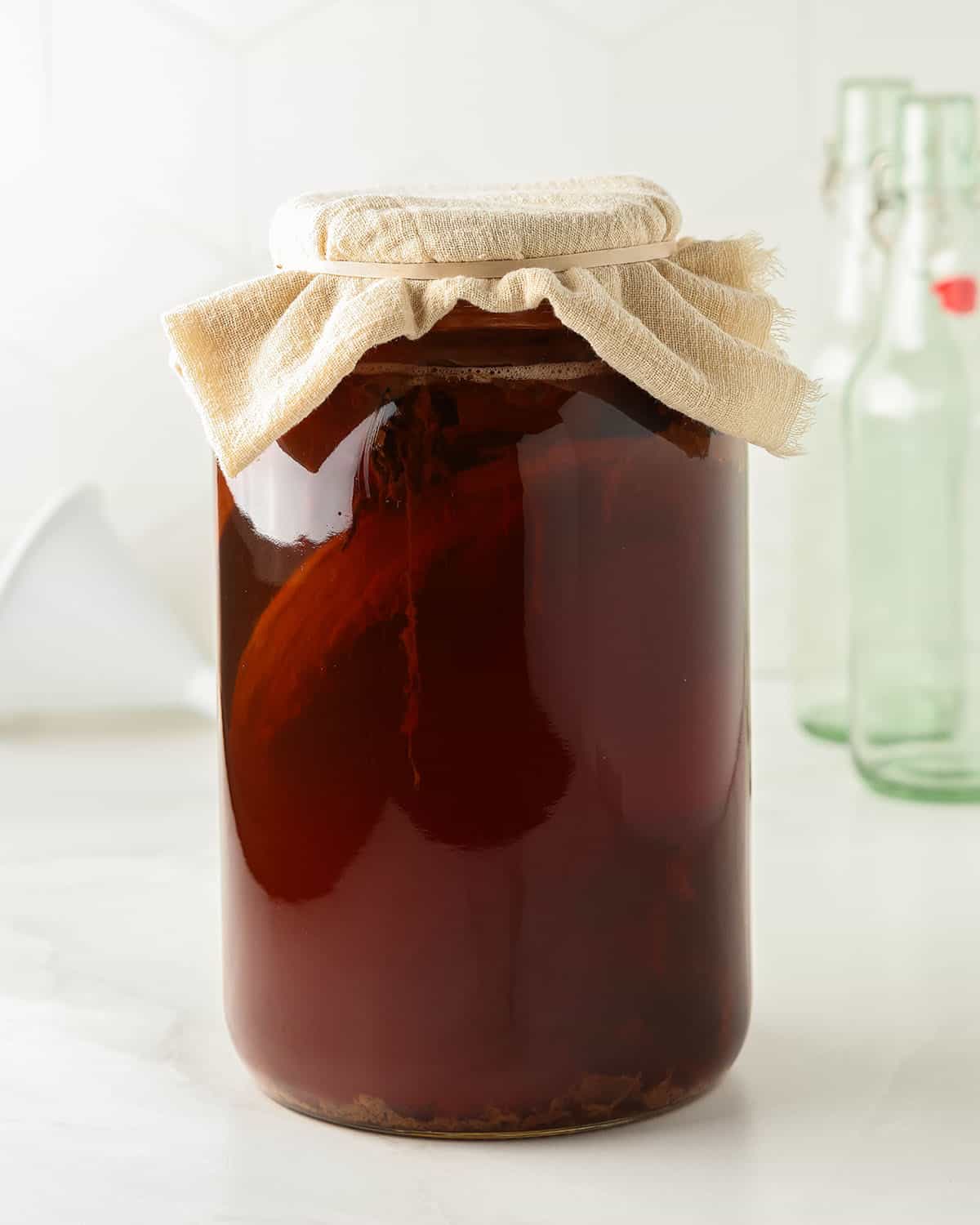
For those seeking to scale their production, the "continuous brew" method has gained popularity. This involves using a large vessel with a spigot, allowing the brewer to draw off finished kombucha while adding fresh tea to the top, maintaining a perpetual cycle. One-gallon wide-mouth glass jars remain the preferred vessel for smaller batches, as they allow for the necessary surface area-to-volume ratio required for the SCOBY to thrive.
Homebrewing Hardware: Mead, Cider, and Craft Beer
Beyond non-alcoholic ferments, the homebrewing of mead, cider, and beer represents a significant sector of the DIY market. Mead, often cited as the world’s oldest alcoholic beverage, has seen a particular revival among younger demographics interested in honey-based fermentation.
Small-Batch Brewing Essentials
The modern homebrewer often starts with a one-gallon carboy or jug. This manageable scale allows for experimentation without the financial risk of larger five-gallon batches.
- Yeast Selection: The choice of yeast—ranging from champagne yeast for a dry, bubbly finish to specialized wine yeasts for complex flavor profiles—is the most influential factor in the final product.
- Ingredients: High-quality raw honey is the foundational ingredient for mead, while beer brewing requires specific malts and hops.
- Complete Kits: Industry data shows that "all-in-one" kits, which include a brewing pot, siphon, hydrometer, and recipe ingredients, are the most frequently gifted items in the homebrew category.
Storage and Bottling Solutions
The final stage of any fermentation or brewing process is carbonation and storage. For kombucha and water kefir, a "second ferment" in a sealed bottle is necessary to create the effervescence synonymous with these drinks.

The Importance of Pressure-Rated Glassware
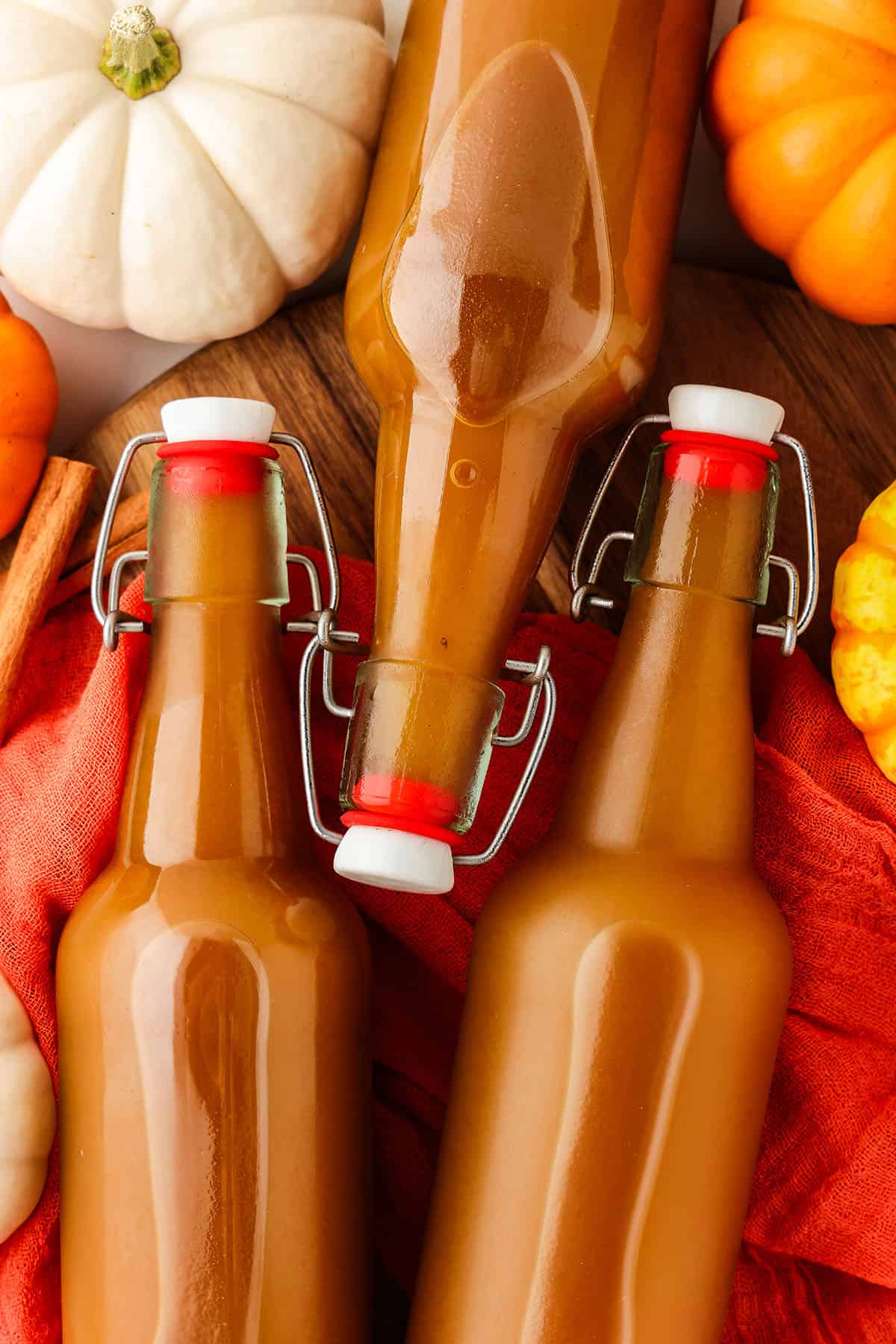
Amber flip-top bottles (Grolsch-style) are highly recommended by safety experts. The amber glass protects the contents from UV light, which can degrade the flavor and quality of the ferment, while the flip-top mechanism provides a secure, pressure-rated seal. It is a critical safety point in the industry to ensure that any glassware used for carbonated beverages is specifically designed to withstand the internal pressure generated by CO2.
Educational Resources and Literature
As fermentation involves the management of live bacterial cultures, education is a vital component of the hobby. The literature in this field has evolved from simple recipe books to deep scientific explorations of microbiology and history.
Foundational Texts
- Sandor Katz: Often referred to as the "father of the fermentation revival," Katz’s books Wild Fermentation and The Art of Fermentation are considered essential reading. These texts provide the theoretical framework for understanding how microbes interact with human food systems.
- Specialized Guides: Authors like Kirsten and Christopher Shockey have expanded the field with focused works like Fermented Vegetables and Fiery Ferments, which provide granular detail on technical spice applications and vegetable-specific techniques.
Chronology of the Fermentation Revival
- Pre-2000s: Fermentation remains largely a traditional preservation method used by rural communities and specific ethnic enclaves.
- 2003: Publication of Wild Fermentation by Sandor Katz begins to spark interest in urban "DIY" circles.
- 2010-2015: Commercial kombucha becomes a multi-million dollar industry, leading consumers to seek home-brewing alternatives to high retail prices.
- 2020: Global lockdowns lead to a 300% increase in searches for "sourdough" and "home fermentation," according to search engine data.
- 2024: The market stabilizes with a focus on high-end, durable equipment and specialized cultures, as fermentation becomes a permanent fixture in the modern kitchen.
Expert Analysis: The Broader Impact of Home Fermentation
Public health experts and food scientists have noted that the rise of home fermentation has significant implications for public health. By reintroducing diverse microbial strains into the diet, consumers are taking a proactive approach to metabolic and digestive health. Furthermore, home fermentation contributes to environmental sustainability by reducing the reliance on plastic-packaged commercial probiotics and decreasing food waste through traditional preservation methods.
Industry analysts suggest that the next phase of the fermentation movement will likely involve "precision fermentation," where homebrewers use more scientific methods to isolate specific bacterial strains for targeted health benefits. As technology continues to integrate with traditional practices, the tools listed in this guide will remain the foundation of a growing global community of makers.
Summary of Gift Recommendations
For those navigating the holiday market, the following categories represent the most impactful investments for a fermenter or homebrewer:
- Hardware: Ceramic crocks, stainless steel airlock lids, and glass weights.
- Starters: Live SCOBYs, milk kefir grains, and water kefir grains from reputable suppliers.
- Brewing Kits: One-gallon mead or beer kits for those interested in alcoholic fermentation.
- Bottling: Pressure-rated amber flip-top bottles for safe carbonation.
- Education: Hardcover reference books by established experts in the field.
By providing the right tools and knowledge, gift-givers can support a hobby that offers both creative fulfillment and long-term health benefits, ensuring that the ancient art of fermentation continues to thrive in the modern era.