The rising global interest in artisanal food production and gut-health-conscious lifestyles has catalyzed a significant resurgence in home fermentation and brewing. As the holiday season approaches, the demand for specialized equipment, starter cultures, and educational literature has reached a decadal high, reflecting a broader cultural shift toward self-sufficiency and probiotic-rich diets. This comprehensive guide outlines the essential components for both novice and experienced practitioners, providing a strategic roadmap for selecting high-quality gifts that facilitate the production of fermented vegetables, probiotic beverages, and small-batch alcoholic brews.
The Economic and Cultural Context of Home Fermentation
The global fermented food and beverage market is projected to reach a valuation of approximately $575 billion by 2030, driven largely by consumer awareness of the microbiome’s role in systemic health. This commercial growth is mirrored in the domestic sphere, where "DIY" fermentation has transitioned from a niche survivalist skill to a mainstream culinary hobby. Industry analysts note that the holiday season typically sees a 35% increase in the sale of fermentation "starter kits," as consumers look for gifts that offer both experiential value and long-term utility.
The chronology of this movement can be traced from ancient preservation traditions to the 2012 publication of Sandor Katz’s seminal work, The Art of Fermentation, which many experts credit with sparking the modern "fermentation revival." Today, the hobby encompasses a diverse range of activities, from the lactic acid fermentation of seasonal vegetables to the complex biochemistry of homebrewing mead and craft beer.
Foundational Equipment for Vegetable Fermentation
Vegetable fermentation, primarily involving the "lacto-fermentation" process, requires an anaerobic environment to ensure the growth of beneficial Lactobacillus bacteria while suppressing spoilage-inducing molds and yeasts. While traditional methods relied on simple salt-and-crock setups, modern engineering has introduced precision tools that increase the success rate for beginners.
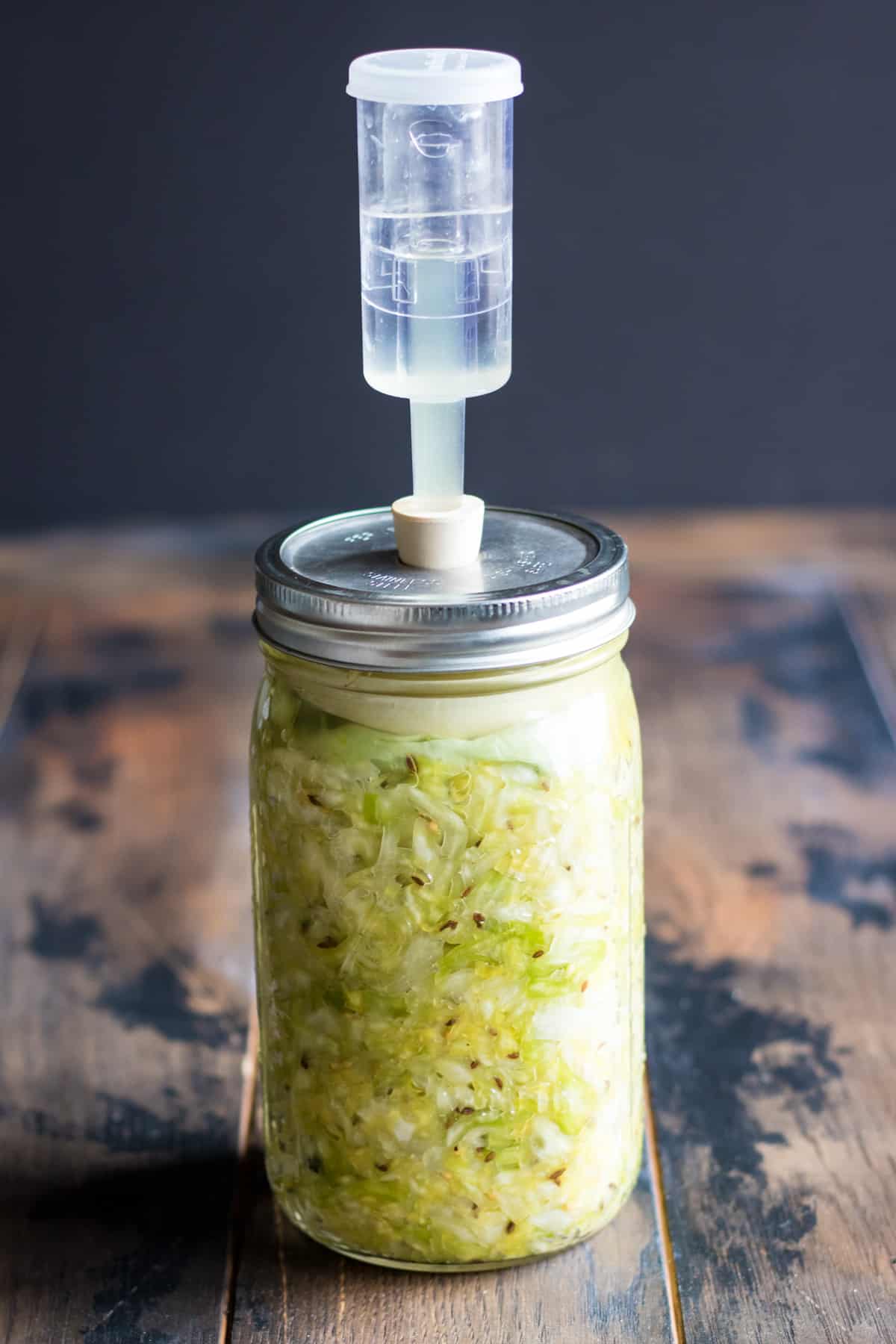
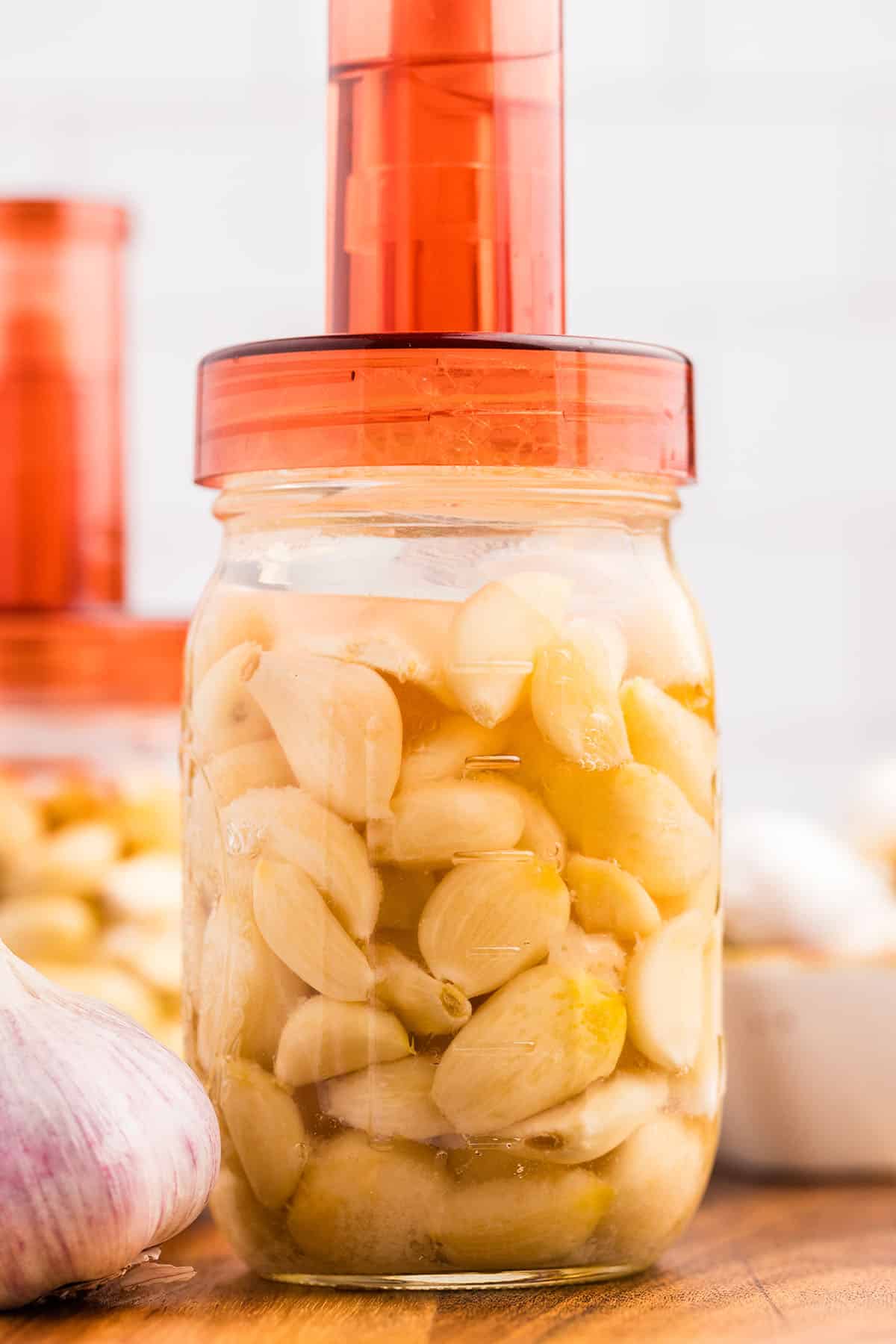
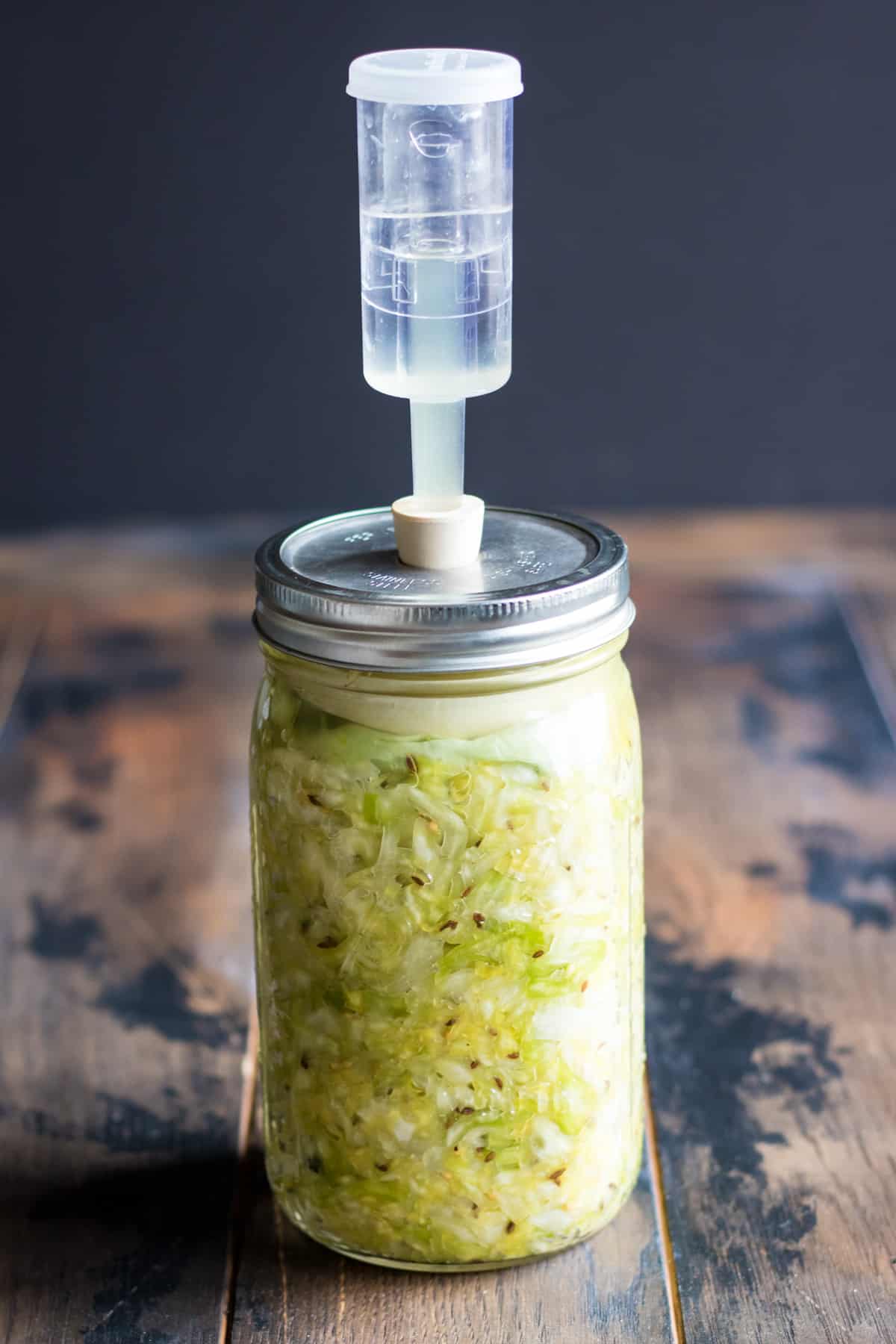
The "Easy Fermenter" kit represents a significant advancement in this category. These kits typically include specialized airlock lids designed to fit standard wide-mouth Mason jars. The integrated vacuum-seal technology allows carbon dioxide—a byproduct of fermentation—to escape without permitting oxygen to enter the vessel. This mechanical advantage is often supplemented by glass or ceramic fermentation weights, which serve the critical function of keeping solid vegetable matter submerged beneath the brine level.
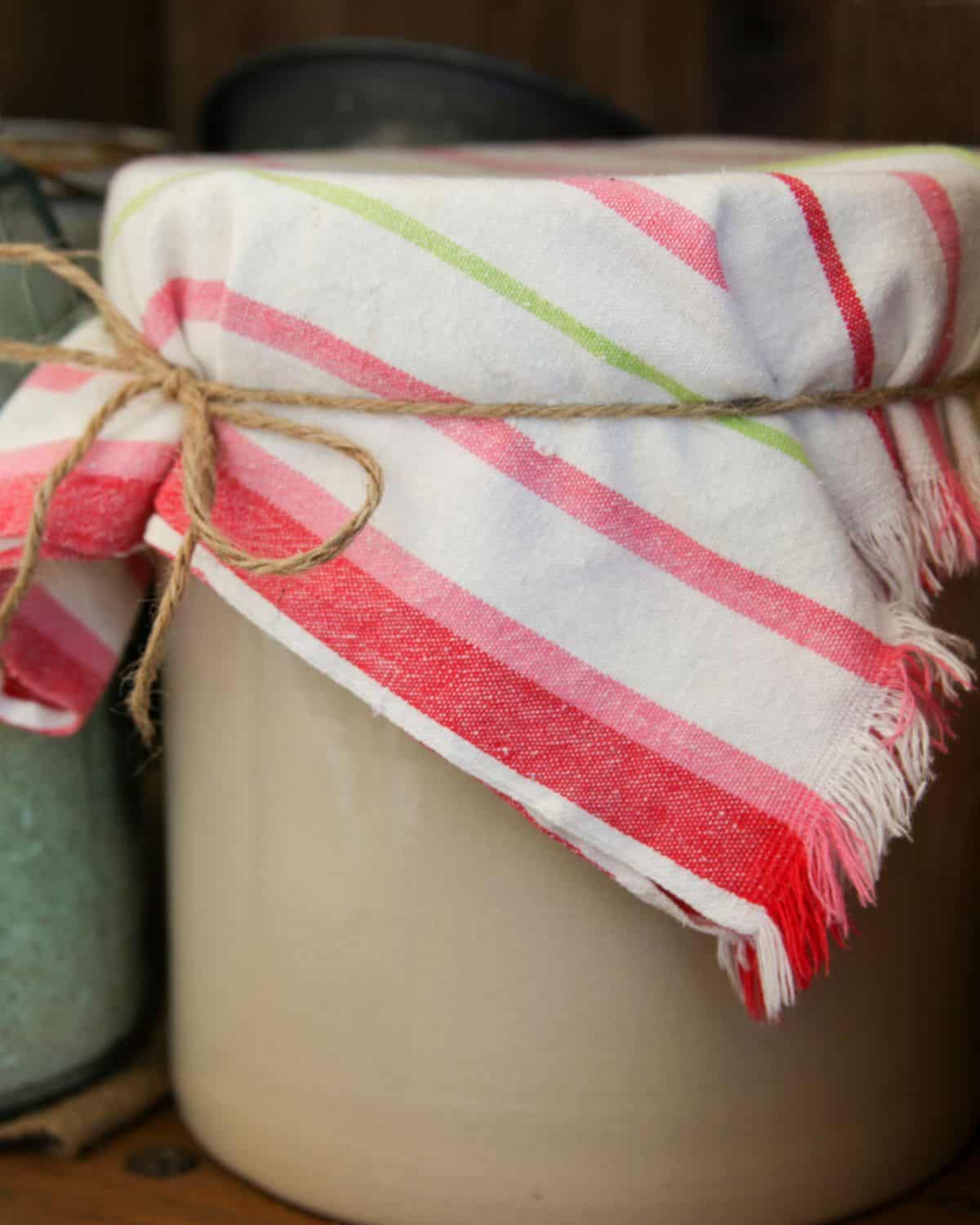
For practitioners operating on a larger scale, the three-gallon ceramic crock remains the industry standard. Brands like Ohio Stoneware provide heavy-duty, lead-free vessels that offer the thermal mass necessary to maintain stable fermentation temperatures. Experts recommend pairing these crocks with dedicated "Pickle Packers"—wooden tampers designed to bruise vegetable fibers and release the natural juices required for a self-brining ferment.
The Probiotic Beverage Boom: Kombucha and Kefir
The market for functional beverages has seen kombucha and kefir emerge as dominant categories. For the home enthusiast, the barrier to entry is relatively low, but the quality of the "mother" culture—the SCOBY (Symbiotic Culture of Bacteria and Yeast)—is paramount.

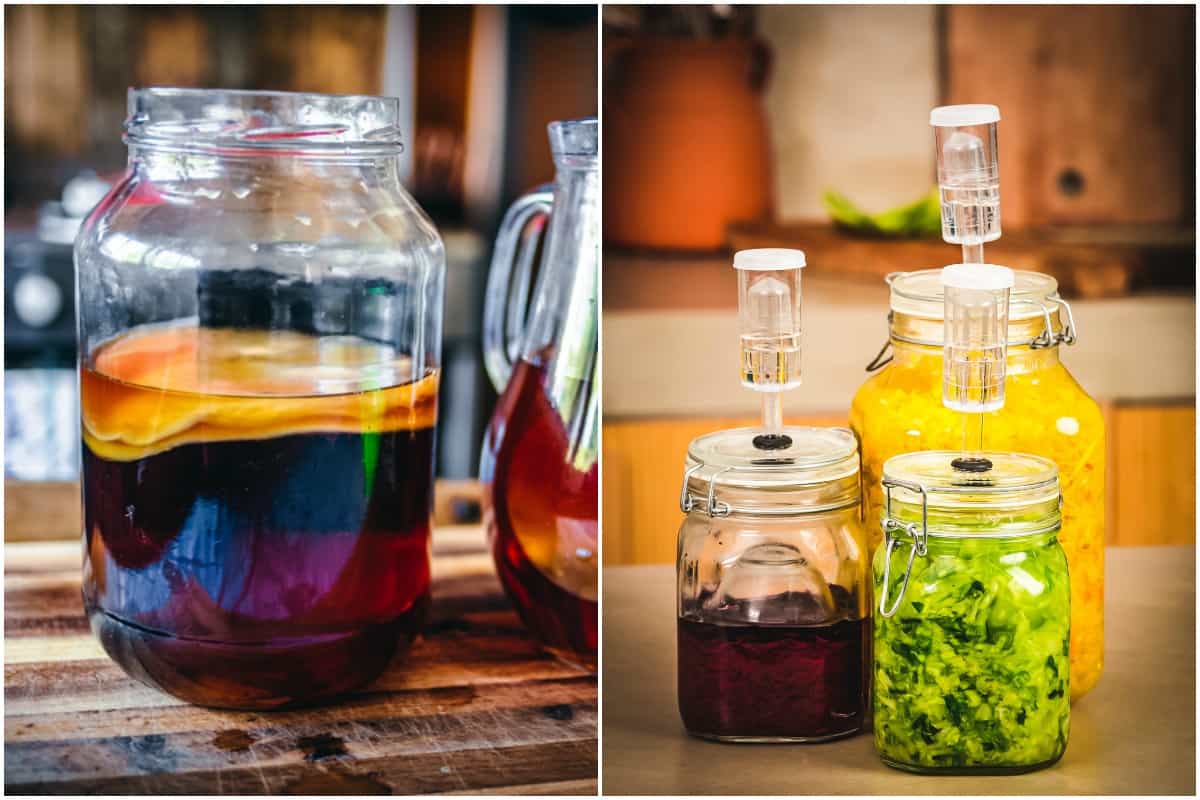
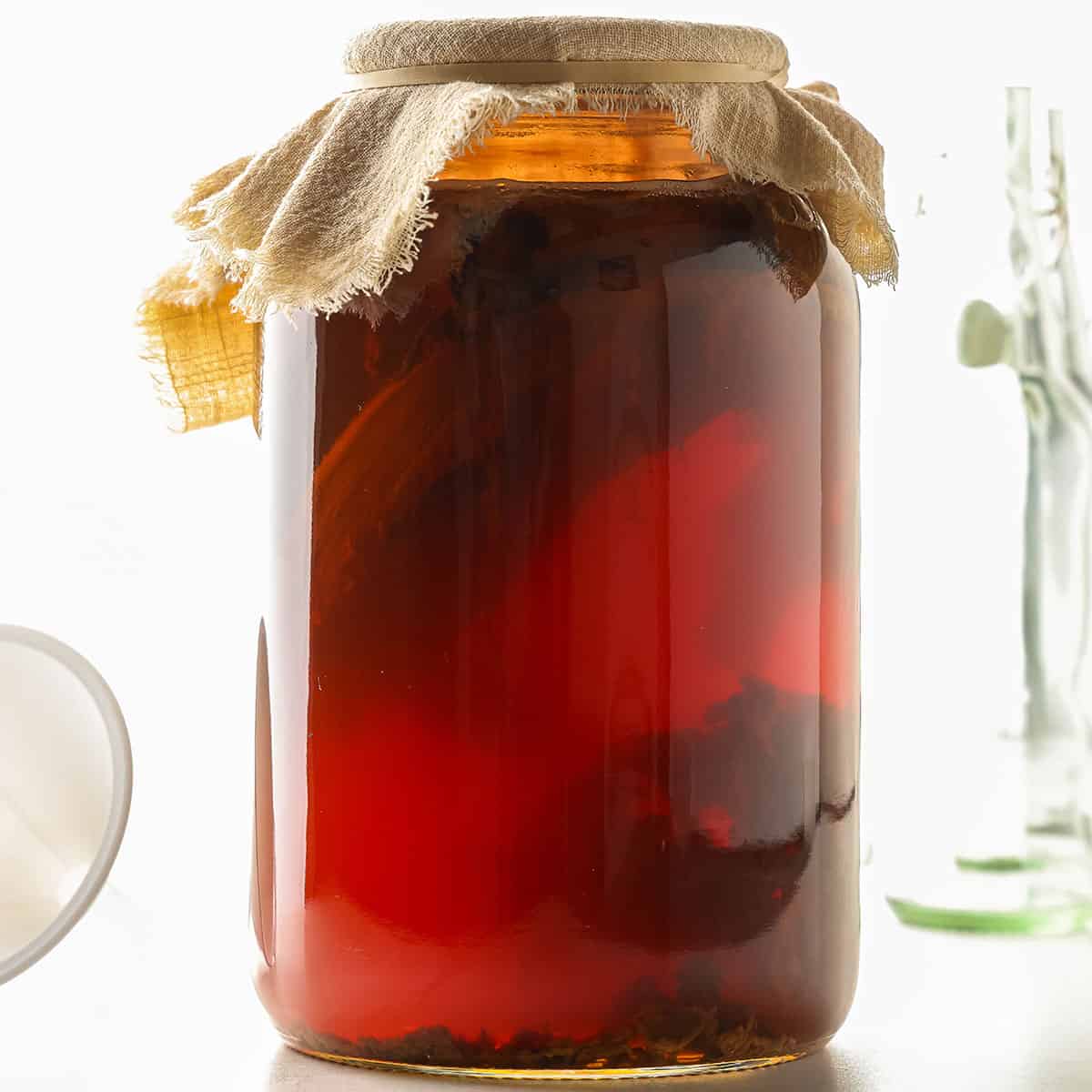
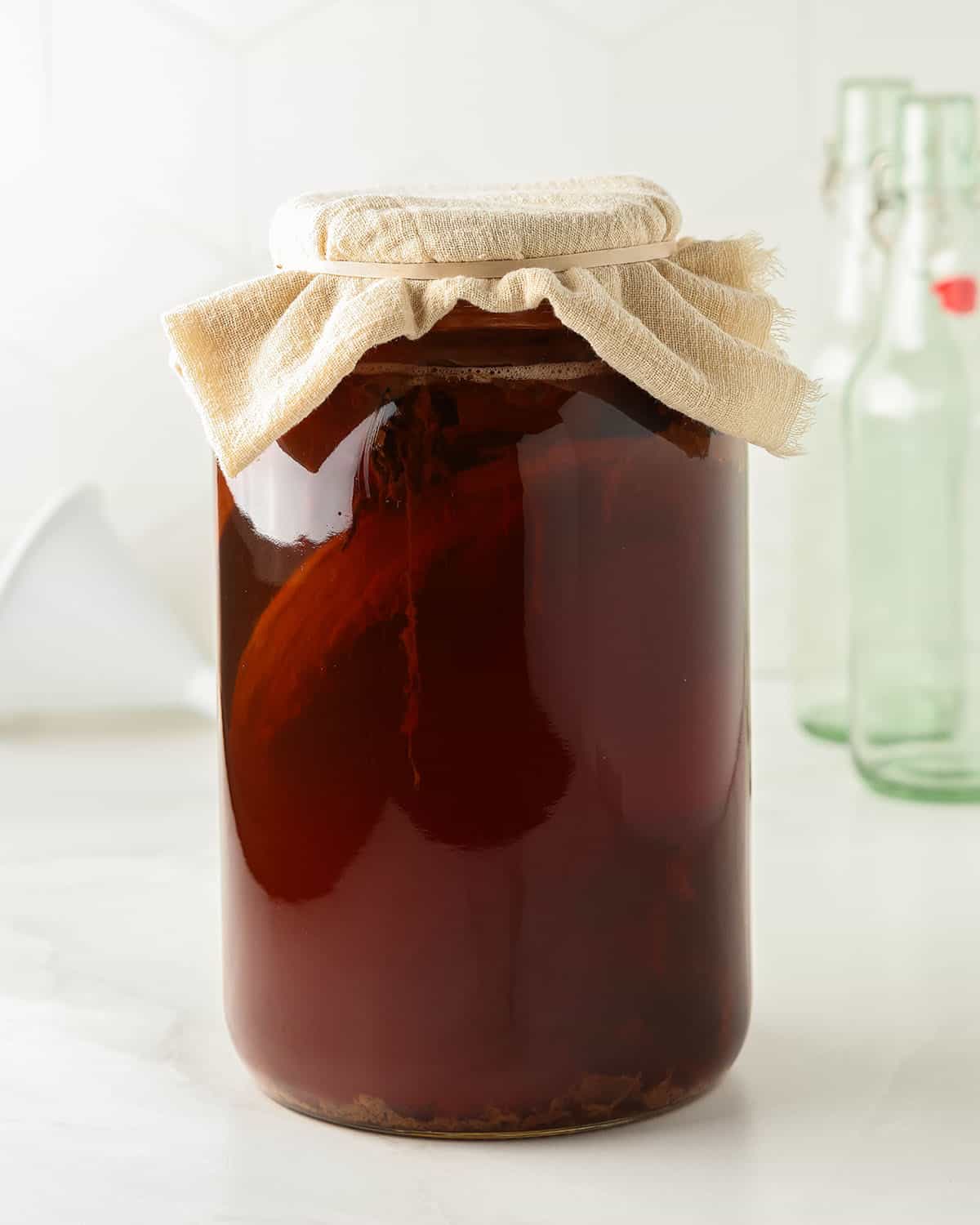
Kombucha brewing requires a one-gallon wide-mouth glass jar to allow for adequate surface area during the primary aerobic fermentation phase. Proponents of home brewing, such as the specialists at Kombucha Kamp, emphasize that the health of the SCOBY determines the flavor profile and probiotic density of the final product. Consequently, a high-quality, live SCOBY is considered a premier gift for those entering the field.
Similarly, milk and water kefir cultures have gained popularity as sustainable alternatives to store-bought probiotics. Starter kits from organizations like Cultures for Health provide dehydrated or live grains that can be reused indefinitely if properly maintained. These kits often include straining equipment and detailed temperature-monitoring tools, which are vital for maintaining the delicate balance of the yeast and bacteria populations within the grains.
Advanced Homebrewing: Mead, Cider, and Craft Beer
The transition from non-alcoholic ferments to homebrewing represents an increase in biochemical complexity. Mead—the ancient practice of fermenting honey—has seen a particular resurgence due to its gluten-free profile and the relative simplicity of its base ingredients.
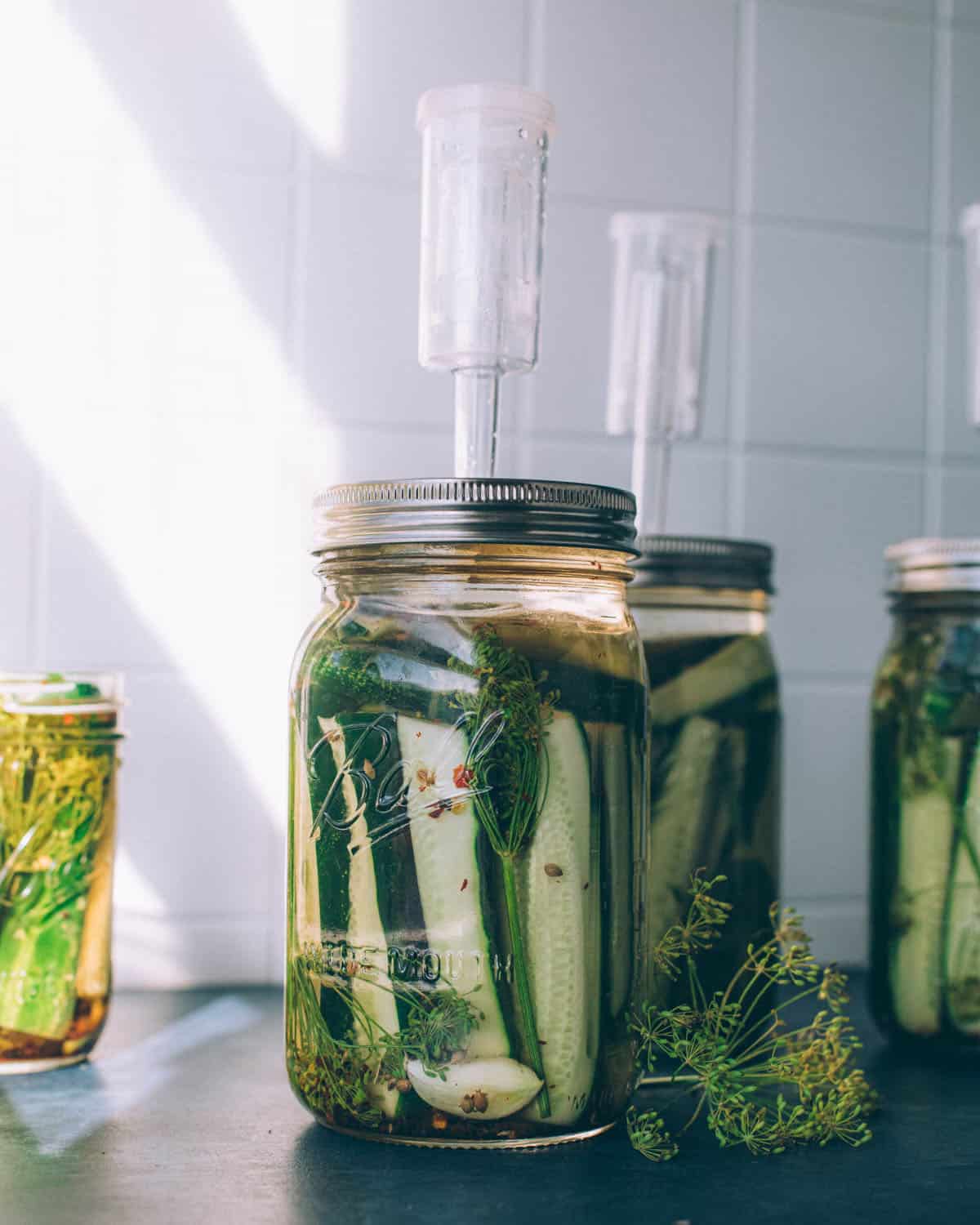
A foundational one-gallon mead-making setup is an ideal entry point for the aspiring vintner. This setup typically includes a glass carboy, a bung, and a S-shape or three-piece airlock. The choice of yeast is a critical variable; champagne yeasts are frequently recommended for beginners due to their high alcohol tolerance and reliable fermentation kinetics. When paired with high-quality raw honey, these tools allow a user to produce professional-grade mead within a domestic kitchen.
In the realm of beer brewing, the complexity of the mashing and boiling process often necessitates a more robust equipment suite. Comprehensive homebrew kits now include stainless steel brewing pots, hydrometers for measuring sugar density, and specific recipe ingredients for styles ranging from IPAs to stouts. Analysts suggest that the "all-in-one" kit model has lowered the barrier to entry for beer brewing, allowing hobbyists to bypass the steep learning curve traditionally associated with grain-to-glass production.
Storage Solutions and the Science of Carbonation
A critical, yet often overlooked, aspect of fermentation is the secondary fermentation or "conditioning" phase. This is the stage where beverages develop natural carbonation. To safely handle the internal pressure generated by CO2, brewers must utilize pressure-rated glassware.
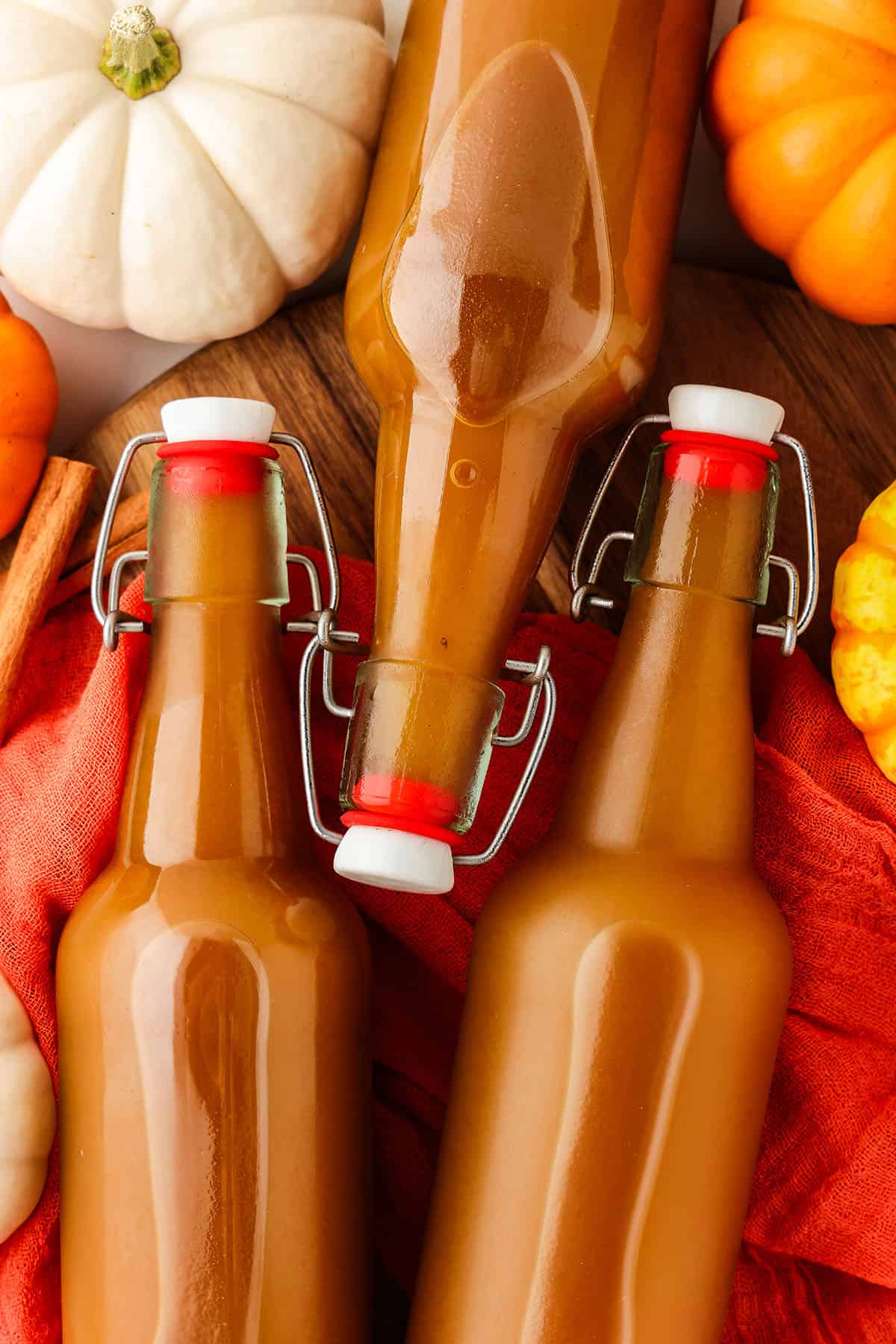
Amber flip-top bottles (Grolsch-style) are widely regarded as the superior choice for home use. The amber glass serves a functional purpose by filtering out ultraviolet light, which can react with hop compounds in beer or sensitive polyphenols in kombucha, leading to "light-struck" or off-flavors. The integrated swing-top gasket provides a reliable seal that can withstand the volumes of CO2 required for a "fizzy" mouthfeel without the need for specialized capping equipment.
Educational Foundations: Essential Literature
Given the scientific nature of fermentation, educational resources are as valuable as physical tools. The literature in this field serves both as a safety manual and a source of creative inspiration.
Sandor Katz’s Wild Fermentation and The Art of Fermentation remain the definitive texts in the industry. These volumes provide the historical and biological context necessary to understand why fermentation works, moving beyond simple recipes to explain the underlying ecology of the process. For those focusing specifically on the culinary applications of vegetables and spices, Fermented Vegetables and Fiery Ferments by Kirsten and Christopher Shockey are frequently cited by professional chefs as essential references.
The "Kombucha Revolution" and "The Big Book of Kombucha" provide specialized deep dives into flavor infusions and continuous-brew systems, catering to the growing demographic of "booch" enthusiasts. These books are often treated as "bibles" within the community, offering troubleshooting guides that are indispensable for maintaining long-term cultures.

Broader Implications of the Fermentation Movement
The proliferation of home fermentation tools and knowledge has broader implications for food security and public health. By empowering individuals to preserve their own harvests through traditional methods, the reliance on industrial food supply chains is marginally reduced. Furthermore, the consumption of live-culture foods is increasingly linked by clinical research to improved immune function and mental health via the gut-brain axis.
From a sustainability perspective, home fermentation significantly reduces packaging waste. A single gallon of home-brewed kombucha replaces approximately eight to ten single-use plastic or glass bottles from a commercial retailer. When viewed through this lens, the gifting of fermentation equipment is not merely a hobbyist gesture but an investment in a more sustainable and health-oriented lifestyle.
Conclusion: Selecting the Optimal Gift
The selection of a gift for a fermenter or homebrewer should be guided by their current level of expertise and their specific area of interest. For the beginner, an all-inclusive kit that removes the guesswork is most appropriate. For the seasoned practitioner, high-quality "consumables" such as rare honey, specialized yeast strains, or professional-grade ceramic crocks offer the most value.
As the "slow food" movement continues to gain momentum, the tools of fermentation remain a testament to the intersection of ancient wisdom and modern convenience. This holiday season, providing the means for someone to cultivate their own living food is perhaps one of the most enduring and impactful gifts possible.