Undercooked brisket is a culinary conundrum that can leave even seasoned pitmasters feeling disheartened. This common issue, particularly prevalent among novice cooks or those who prematurely remove brisket from the heat, stems from a fundamental misunderstanding of the slow-cooking process required to transform tough cuts of beef into tender, succulent masterpieces. The primary culprit is insufficient time for the connective tissues, specifically collagen, to break down into gelatin. This breakdown is crucial for achieving the desired texture and mouthfeel that defines a perfectly cooked brisket.
The tell-tale signs of an undercooked brisket are distinct and provide clear indicators to the pitmaster. When probed, the meat will feel unyieldingly tight, resisting the gentle insertion of a thermometer or skewer. Unlike a properly rendered brisket, which yields with minimal pressure, an undercooked specimen will stubbornly hold its form. Furthermore, attempts to slice it will result in ragged edges and a distinct lack of clean separation, with the meat tearing rather than slicing smoothly. This visual and tactile evidence signals that the collagen has not yet completed its transformation, leaving the meat tough and chewy. While these signs can be alarming, the good news is that, in most instances, an undercooked brisket is a salvageable situation, requiring only a modest extension of cooking time and controlled heat.
The Science Behind Undercooked Brisket
At its core, the challenge of undercooked brisket lies in the intricate molecular changes that occur during low-and-slow cooking. Brisket, a cut derived from the chest of a cow, is rich in connective tissue, primarily collagen. This tough protein network provides structure to the muscle but, when subjected to heat, undergoes a remarkable transformation. Over extended periods at moderate temperatures (typically between 195°F and 205°F internal temperature for brisket), collagen begins to denature and break down into softer, more palatable gelatin. This gelatin acts as a natural basting agent, imparting moisture and richness to the meat.
When brisket is pulled from the heat before this process is complete, the collagen remains largely intact, resulting in a rubbery texture and a chewy bite. The internal temperature might appear sufficient on a thermometer, but temperature alone is not the sole determinant of doneness for large cuts like brisket. The physical state of the connective tissue, often assessed through "probe tenderness," is the more reliable indicator. A probe should slide into the meat with the same resistance as pushing it into room-temperature butter. If it feels tight or encounters significant resistance, the collagen has not yet rendered adequately.
Factors Contributing to Premature Removal
Several common scenarios lead to briskets being pulled from the heat before they reach optimal tenderness. The most frequent cause is simply pulling the brisket too early. This often occurs when pitmasters become anxious about the cooking time, especially when hosting guests or adhering to a strict schedule. The allure of serving a meal on time can override the patience required for brisket.
Another contributing factor is an over-reliance on internal temperature readings without considering probe tenderness. While a thermometer is an essential tool, it should be used in conjunction with tactile feedback. A brisket might register an internal temperature of 200°F, yet still possess tight connective tissues. This can happen if the brisket cooked quickly or if the ambient temperature of the cooking environment fluctuated significantly.
Furthermore, inconsistencies in cooking equipment can play a role. A smoker or oven that does not maintain a stable temperature can lead to uneven cooking, where some parts of the brisket may seem done while others remain tough. This necessitates careful monitoring and adjustment of the heat source. Finally, a lack of experience can lead new cooks to underestimate the extended cooking times often required for brisket, especially larger cuts. The "stall," a period where the internal temperature plateaus due to evaporative cooling, can also cause concern and lead to premature removal if not understood and managed.

Rectifying Undercooked Brisket: The Smoker Solution
Fortunately, if an undercooked brisket is identified while still warm, the situation is generally reversible by returning it to the heat source. For those employing a smoker, this is the preferred method for continued cooking. The key is to reintroduce the brisket to the smoker, ideally after wrapping it to preserve moisture.
Steps for Smoker Rectification:
- Wrap the Brisket: If the brisket is not already wrapped, generously wrap it in butcher paper or heavy-duty aluminum foil. This barrier will prevent further moisture loss and create a steamy environment that aids in collagen breakdown.
- Return to the Smoker: Place the wrapped brisket back into the smoker at the same or a slightly increased temperature (e.g., 250°F to 275°F). The goal is to continue cooking without drying out the exterior.
- Monitor for Tenderness: Continue cooking and periodically check for probe tenderness. Insert a probe into the thickest part of the brisket. It should slide in with minimal resistance.
- Rest Appropriately: Once probe tender, remove the brisket from the smoker and allow it to rest, still wrapped, for at least 1-2 hours. This resting period is crucial for the juices to redistribute throughout the meat, enhancing its moisture and flavor.
This method leverages the sustained, low heat of the smoker to facilitate the final stages of collagen rendering, ensuring the brisket achieves the desired tenderness without becoming dry or overcooked on the exterior. The wrapping is critical; it acts as a braising vessel within the smoker, pushing the meat through the final breakdown phase effectively.
Rectifying Undercooked Brisket: The Oven Alternative
In situations where the smoker is unavailable or impractical, the oven serves as an excellent alternative for finishing an undercooked brisket. At this stage, the brisket has already absorbed the majority of its smoke flavor, so the primary objective becomes achieving consistent, steady heat to complete the rendering process.
Steps for Oven Rectification:
- Preheat the Oven: Set your oven to a moderate temperature, typically between 275°F and 300°F.
- Wrap the Brisket: As with the smoker method, ensure the brisket is well-wrapped in butcher paper or foil to retain moisture.
- Bake Until Tender: Place the wrapped brisket in the preheated oven. Cook time will vary, but the focus should remain on achieving probe tenderness. Periodically check the brisket by inserting a probe into the thickest part.
- Rest: Once probe tender, remove the brisket from the oven and allow it to rest, still wrapped, for a minimum of 1-2 hours.
The oven’s consistent, radiant heat provides an even cooking environment, which is ideal for finishing a brisket that requires additional time to break down its connective tissues. This approach effectively mimics the braising process, ensuring the meat becomes tender and juicy.
Addressing Sliced Undercooked Brisket
The challenge intensifies when an undercooked brisket has already been sliced. Once the integrity of the large cut is compromised, it becomes more difficult to salvage the texture. However, all hope is not lost, especially if the undercooking is only slight.
For Slightly Undercooked Slices:

- Gentle Reheating: The most effective method for sliced brisket is gentle reheating. Arrange the slices in a single layer in an oven-safe dish. Add a small amount of beef broth or au jus to the dish. Cover tightly with foil and place in a low oven (around 250°F) for 15-30 minutes, or until the slices are warmed through and have slightly softened. This method reintroduces moisture and heat without further toughening the meat.
- Slow Cooker Transformation: For a more significant textural change, the slices can be placed in a slow cooker on a low setting with a bit of beef broth. Over several hours, this will transform the slices into tender, shredded meat. This shredded brisket is ideal for use in dishes like tacos, sandwiches, or barbecue sliders.
While these methods may not replicate the perfect texture of a brisket cooked from the start, they can significantly improve the palatability and enjoyment of the meat, preventing a complete culinary loss.
The Timeline for Brisket Rescue
The timeframe for rescuing an undercooked brisket is not fixed and depends heavily on the degree of undercooking and the size of the cut. Unlike recipes with precise cooking times, brisket is cooked to feel, not to a clock.
Some briskets may only require an additional 30 minutes to an hour of cooking to achieve probe tenderness. Others, especially larger or denser cuts that were significantly undercooked, might need several more hours. The critical factor is continuous monitoring for probe tenderness rather than fixating on a predetermined cooking duration. Patience and consistent checks are paramount. The goal is to reach that buttery-soft feel, indicating that the collagen has fully rendered.
Preventing Undercooked Brisket in the Future
The most effective strategy for dealing with undercooked brisket is prevention. By understanding the nuances of brisket cooking, pitmasters can significantly reduce the likelihood of this issue.
Key Preventive Measures:
- Embrace Patience: Brisket is a labor of love that demands time. Do not rush the process. Allow the brisket to cook until it is undeniably probe tender.
- Trust Probe Tenderness: Rely on the feel of the probe entering the meat more than the internal temperature reading. When the probe glides in with minimal resistance, the brisket is ready.
- Maintain Stable Heat: Ensure your smoker or oven maintains a consistent temperature throughout the cooking process. Fluctuations can lead to uneven cooking.
- Consider the Stall: Understand the brisket stall and be prepared for it. Wrapping the brisket during the stall can help push it through this phase more quickly.
- Utilize a Reliable Recipe: Following a well-tested recipe, such as the "no-fail brisket recipe" often recommended, can provide a solid framework and guidance on expected cooking times and temperatures.
- Start Early: Give yourself ample buffer time. It is far better to have a perfectly cooked brisket ready ahead of schedule than to be scrambling to finish an undercooked one.
Christie’s Pitmaster Perspective: An Unfinished Journey, Not a Failure
Christie Vanover, an award-winning competitive pitmaster and founder of Girls Can Grill, offers a valuable perspective on the undercooked brisket predicament: "Undercooked brisket isn’t a failure; it’s simply unfinished. If the brisket feels tight, all it’s asking for is more time. Give it steady heat, keep it wrapped, and let the collagen finish breaking down. I’d much rather fix an undercooked brisket than an overcooked one. Time can still work in your favor." This philosophy underscores that culinary challenges are opportunities for learning and refinement, and that with the right approach, even seemingly problematic outcomes can be salvaged.
The journey of cooking a brisket is a testament to the transformative power of time and heat. By understanding the science behind collagen breakdown, recognizing the signs of undercooking, and employing appropriate corrective measures, pitmasters can overcome this common hurdle. Furthermore, by focusing on preventive strategies and adopting a patient, attentive approach, the likelihood of consistently producing tender, flavorful brisket is significantly enhanced. The rewards of a perfectly cooked brisket—its melt-in-your-mouth texture and rich, smoky flavor—are well worth the effort and dedication.
Comprehensive Brisket Guides and Resources
For those looking to deepen their understanding and mastery of brisket preparation, a wealth of resources is available. These guides often cover every facet of the brisket cooking process, from selecting the right cut of meat and trimming it effectively to mastering various cooking techniques and troubleshooting common issues. Exploring these comprehensive resources can equip aspiring pitmasters with the knowledge and confidence to tackle brisket with success.

- The Ultimate Brisket Guide: This overarching resource typically provides a holistic view of brisket preparation, covering everything from its anatomy and trimming techniques to detailed cooking instructions and advanced tips.
- Brisket Troubleshooting Guide: Specifically designed to address common problems encountered during brisket cooking, such as undercooking, overcooking, or a dry bark, offering practical solutions.
- Smoked Brisket Recipes: Access to tried-and-true recipes that outline specific ingredient lists, smoking temperatures, times, and techniques for achieving optimal results.
- Brisket Rubs and Seasonings: Understanding the role of rubs in developing flavor and bark is crucial. Resources may detail specific spice blends and their application.
- Brisket Wrapping Techniques: Information on when and how to wrap brisket (e.g., using butcher paper or foil) can significantly impact moisture retention and cooking time.
- Brisket Resting and Slicing: Guidance on the critical post-cooking stages of resting and slicing ensures the brisket reaches its peak tenderness and flavor.
These guides, often developed by experienced pitmasters and culinary experts, serve as invaluable tools for anyone aiming to perfect their brisket game.
The Art of Building Flavor: Brisket Rubs and Bark
A critical component of a stellar brisket is the development of a flavorful, dark, and slightly crispy bark. This is achieved through the judicious application of a brisket rub. A well-formulated rub not only enhances the natural beef flavor but also aids in the Maillard reaction, the chemical process responsible for browning and creating complex savory notes.
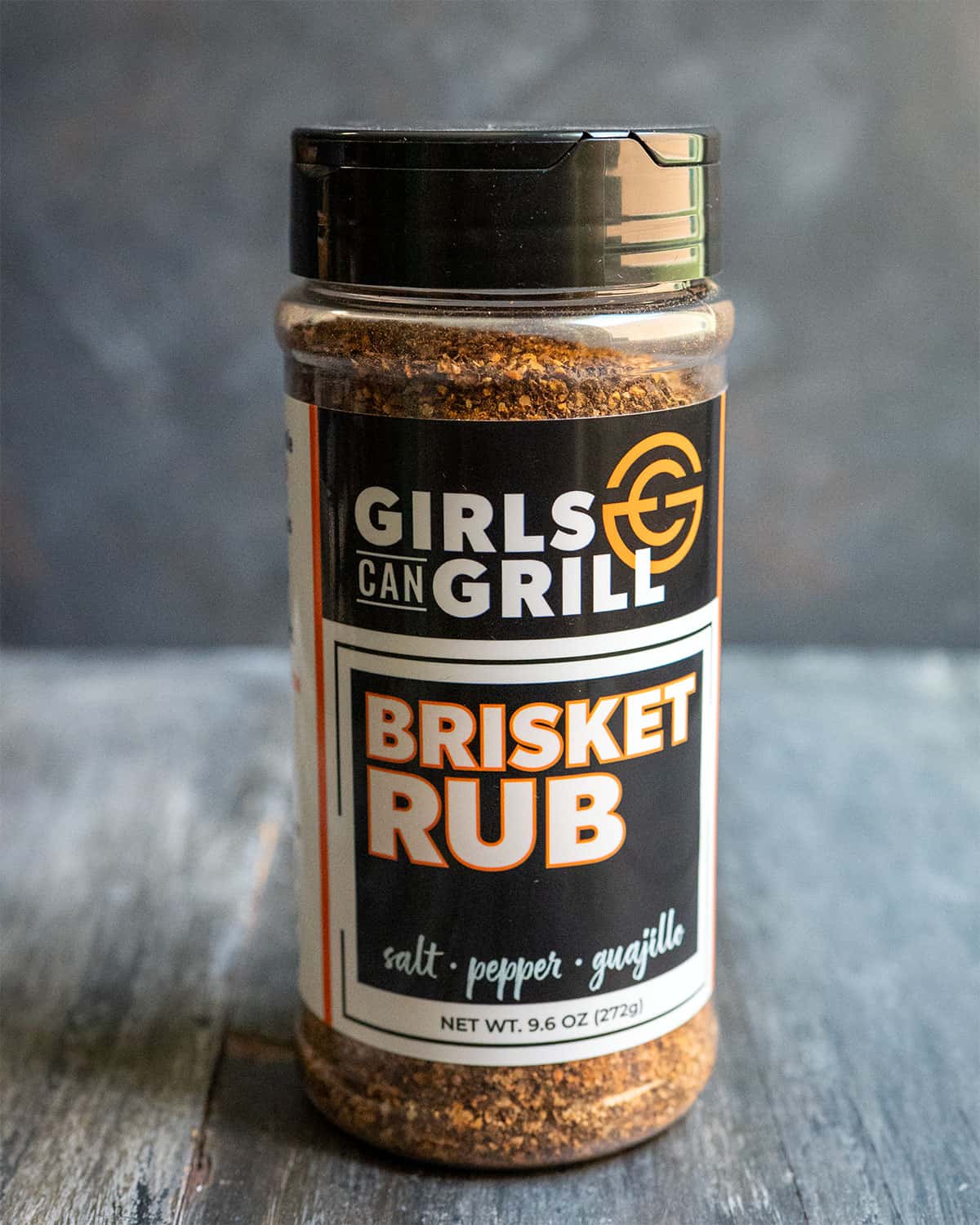
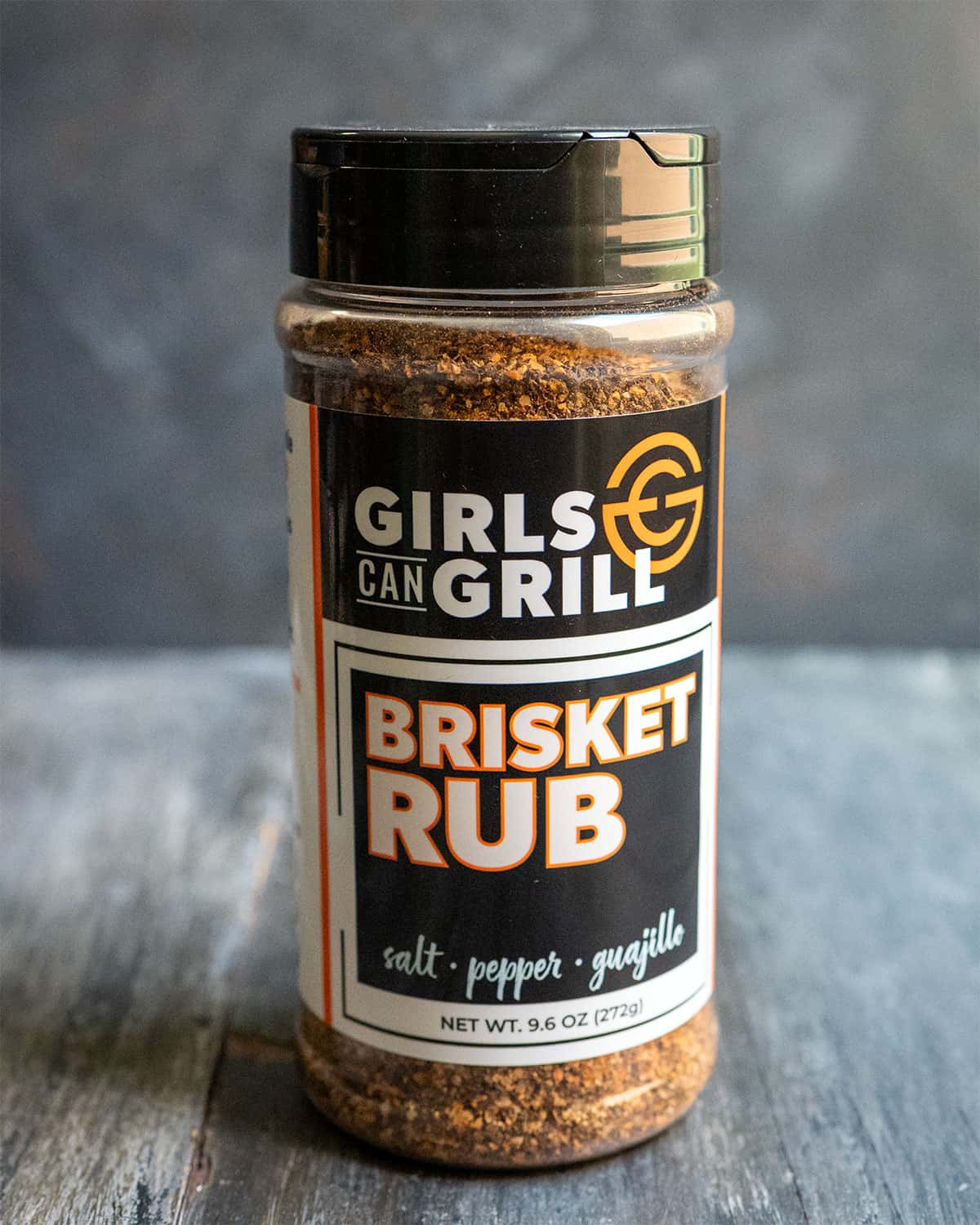
A common and highly effective brisket rub, such as the Girls Can Grill Brisket Rub, often features a balanced blend of coarse salt, black pepper, garlic powder, and other savory spices. This combination works synergistically to:
- Draw out Moisture: The salt helps to pull moisture to the surface, which then mixes with the rub to form a paste that adheres to the meat.
- Enhance Flavor: The spices penetrate the meat during the cooking process, adding depth and complexity to the overall flavor profile.
- Promote Bark Formation: The sugars and proteins in the rub caramelize and crisp up under the heat, forming the desirable bark.
The application of the rub is as important as the ingredients themselves. It should be applied evenly over the entire surface of the brisket, ensuring all sides are coated. For an even more robust bark, some pitmasters apply a binder, such as mustard or Worcestershire sauce, before the rub.
Conclusion: A Continuous Learning Process
The journey of mastering brisket is an ongoing one, filled with learning experiences. An undercooked brisket, while frustrating in the moment, is a valuable lesson in the importance of patience and sensory evaluation in barbecue. By understanding the underlying principles of collagen rendering, recognizing the critical signs of doneness, and employing reliable methods for rectification and prevention, pitmasters can confidently navigate this common challenge. The pursuit of the perfect brisket is a testament to the dedication and passion that defines the world of barbecue, where every cook offers an opportunity for growth and delicious discovery.