Overcooked brisket, a culinary misadventure that plagues pitmasters and home cooks alike, typically occurs when the prized cut of beef lingers on the heat for too long or continues its cooking journey beyond its optimal point due to residual heat and resting periods. This extended exposure to high temperatures irrevocably alters the meat’s delicate structure. Instead of yielding clean, distinct slices that showcase its tender, juicy interior, an overcooked brisket surrenders its integrity, fragmenting into a pile of falling-apart chunks, crumbles, or shreds. While the damage of an overcooked brisket cannot be entirely reversed, a range of techniques can significantly improve its texture and salvage it from becoming an unappetizing dish.
Decoding the Signs of Overcooked Brisket
The tell-tale signs of an overcooked brisket are a direct consequence of the meat exceeding its prime cooking window. At this stage, the crucial breakdown of collagen, which renders brisket tender and moist, has been surpassed. The muscle fibers, instead of retaining their succulence, begin to dehydrate and break down excessively. This leads to a texture that is not only dry but also crumbly and lacks the satisfying chew that defines a perfectly cooked brisket.
Common indicators that a brisket has ventured into overcooked territory include:
- Lack of Structure: The most visually apparent sign is the meat’s inability to hold its form. When you attempt to slice it, the brisket doesn’t slice cleanly. Instead, it tears, crumbles, or shreds with minimal pressure, indicating a severe loss of structural integrity.
- Dryness: While some moisture may be present on the surface, the internal meat will feel dry and stringy. This dryness is not due to a lack of fat but rather the complete breakdown and expulsion of moisture from the muscle fibers.
- Powdery Texture: In severe cases of overcooking, the meat can develop a powdery or mealy texture. This occurs when the muscle fibers have been over-denatured and essentially disintegrate.
- Excessive Softness (Misleading): A common misconception is that extreme softness upon probing is always a sign of perfect tenderness. However, with an overcooked brisket, this extreme softness is not an indicator of succulence but rather a testament to the complete disintegration of the muscle fiber structure. The meat feels overly yielding because it has lost its cohesive matrix.
It is crucial to distinguish between true tenderness, achieved through proper collagen breakdown, and the mushy, crumbly texture of an overcooked brisket. The former is desirable, while the latter signifies a culinary misstep.
The Root Causes of Overcooked Brisket
The vast majority of overcooked brisket incidents occur after the meat has already achieved its desired tenderness. This critical juncture, often referred to as the "probe tender" stage, represents a narrow window where the brisket is perfectly cooked. Beyond this point, the cooking process can quickly escalate from ideal to overdone.
Several factors commonly contribute to a brisket being overcooked:

- Extended Cooking Time Beyond Tenderness: The most frequent culprit is simply leaving the brisket on the heat for too long once it has reached the probe tender stage. Pitmasters often monitor the internal temperature, but the texture is a more accurate indicator of doneness for brisket. Relying solely on temperature can lead to overcooking.
- Carryover Cooking: Brisket continues to cook even after it’s removed from the heat source. This "carryover cooking" can add several degrees to the internal temperature during the resting period. If the brisket is pulled too late, this residual heat can push it past its prime.
- Insufficient Resting Period: While a long rest is essential for brisket, an improperly managed rest can also contribute to overcooking. If the brisket is wrapped too tightly and kept in a too-hot environment during the rest, it can continue to cook significantly.
- Inaccurate Temperature Monitoring: Using an unreliable thermometer or misreading temperature probes can lead to the assumption that the brisket is not yet ready, resulting in prolonged cooking.
- Unforeseen Delays in Service: Sometimes, a perfectly cooked brisket is held for an extended period before serving, leading to it overcooking in its holding environment.
The unforgiving nature of brisket cooking lies in the small margin of error between being perfectly tender and being irrevocably overcooked. Once probe tenderness is achieved, the clock is ticking, and precise timing becomes paramount.
Salvaging the Overcooked Brisket: Strategies for Improvement
While the inherent moisture within dehydrated muscle fibers cannot be fully restored, the eating experience of an overcooked brisket can be significantly enhanced. The primary objectives in such a scenario are to:
- Enhance Perceived Moisture: By introducing external moisture or fat, the illusion of a juicier product can be created, masking the dryness of the muscle fibers.
- Improve Palatability: Adjusting the way the brisket is prepared and served can mask textural flaws and highlight its remaining flavor.
- Embrace the Texture: Instead of fighting the inherent crumbly nature, the goal is to work with it, transforming it into a desirable characteristic.
The key principle is to shift the focus from achieving pristine slices to maximizing flavor and creating a satisfying eating experience, even if it deviates from the traditional presentation.
The Art of Slicing for Overcooked Brisket
Slicing plays a pivotal role in managing the texture of an overcooked brisket. When brisket loses its structural integrity, thin slices are prone to disintegrating completely upon contact. To counteract this, opting for thicker slices is a strategic move. These thicker cuts provide more surface area for the meat to hold together, thus retaining more moisture on the plate and presenting a more appealing visual.
If your brisket exhibits excessive tenderness and a tendency to fall apart:
- Increase Slice Thickness: Instead of aiming for the wafer-thin slices typical of a perfectly cooked brisket, cut slices approximately 1/4 to 1/2 inch thick. This provides a more substantial piece of meat that is less likely to crumble.
- Adjust Slicing Angle: While not a primary fix, slightly adjusting the slicing angle can sometimes help maintain integrity. However, the thickness is the more impactful factor.
- Embrace the "Shredded" Look: If the flat is particularly fragile, embrace the inevitable. Slicing it slightly thicker can still result in a presentation that is more appealing than a pile of disconnected crumbles.
These slicing adjustments will not miraculously transform an overcooked brisket back into a perfectly sliced specimen. However, they can be the crucial difference between serving a dish that appears to be falling apart and one that, while not perfectly sliced, is still enjoyable and worth savoring.
Revitalizing Brisket That Has Already Fallen Apart
When a brisket has already reached the point of being crumbly or shredded, the most effective approach is to fully embrace this characteristic. Fighting against its disintegrated state is futile; instead, the culinary strategy should be to lean into the texture, transforming it into a desirable attribute.

Excellent options for repurposing overcooked and fallen-apart brisket include:
- Brisket Tacos or Burritos: The shredded brisket is ideal for filling tacos or burritos. Its loose texture allows it to meld perfectly with other ingredients like salsa, onions, cilantro, and cheese.
- Brisket Sandwiches (Pulled Brisket Style): Similar to pulled pork, the shredded brisket can be tossed with barbecue sauce and piled high on buns for a flavorful sandwich. The sauce helps to add moisture and bind the meat.
- Brisket Chili or Stew: Incorporating the shredded brisket into a hearty chili or a rich stew is an excellent way to mask textural imperfections. The slow simmering process allows the flavors to meld, and the shredded meat integrates seamlessly into the dish.
- Brisket Nachos: The crumbled brisket can be a delectable topping for loaded nachos, adding a smoky, savory element to the dish.
In these applications, the visual appeal of sliced brisket is no longer a concern. The focus shifts entirely to maximizing flavor and moisture, ensuring that the dish is a delicious success, irrespective of the brisket’s initial state.
The Art of Reheating Overcooked Brisket Without Further Degradation
Reheating brisket, especially if it has already been overcooked, presents a significant challenge. The process can easily exacerbate dryness if not handled with extreme care. The primary goal is to reintroduce moisture and heat the meat gently without further stripping it of any remaining liquids.
To reheat overcooked brisket effectively:
- Low and Slow Heat: Reheat the brisket in a low-temperature oven (around 250-300°F or 120-150°C) or on a stovetop over very low heat. The aim is to warm it through gradually.
- Add Moisture: This is a critical step. Place the brisket in a baking dish or pot and add a generous amount of liquid. This can include beef broth, a flavorful braising liquid, barbecue sauce, or even a mixture of water and apple cider vinegar. Cover the dish or pot tightly to trap the steam.
- Consider Vacuum Sealing: If you have vacuum-sealed portions of brisket, they can be gently reheated in a water bath (sous vide style) at a low temperature, which helps to retain moisture.
- Avoid High Heat or Uncovered Reheating: High temperatures will accelerate moisture loss, turning an already dry brisket into a desiccated husk. Reheating uncovered will allow steam to escape, further contributing to dryness.
By employing these gentle reheating methods, you can help to restore some semblance of moisture and tenderness to overcooked brisket, making it palatable for a second go-around.
Preventing the Pitfall: Strategies for Future Brisket Success
The most effective approach to dealing with overcooked brisket is, of course, to prevent it from happening in the first place. Mastering the art of brisket cooking requires vigilance and a keen understanding of the meat’s transformation.
To avoid overcooking brisket in the future:

- Master the "Probe Tender" Test: This is the most crucial skill. Learn to identify when the brisket is tender by inserting a probe or thermometer into the thickest part of the flat. It should slide in with very little resistance, akin to probing room-temperature butter.
- Understand the Stall and Temperature Creep: Be aware of the "stall," a period where the brisket’s internal temperature plateaus. This is normal. Also, account for carryover cooking; pull the brisket 5-10°F below your target final temperature if you plan to rest it for several hours.
- Utilize a Reliable Thermometer: Invest in a high-quality digital meat thermometer. Calibrate it regularly to ensure accuracy.
- Control Your Heat Source: Maintain a consistent and stable cooking temperature. Fluctuations can lead to uneven cooking and make it harder to predict when the brisket will be done.
- Don’t Rely Solely on Internal Temperature: While temperature is a guide, texture is the ultimate arbiter of doneness for brisket. Look for both the probe tender feel and the appropriate internal temperature.
- Plan Your Cooking Timeline Wisely: Start your brisket early enough to allow for a proper cook and a sufficient resting period. Rushing the process often leads to mistakes.
- Embrace the Rest: A minimum rest of 2-4 hours is essential, and longer rests (up to 12 hours) in a cooler or a low-temperature oven can further improve tenderness and moisture retention.
Once brisket reaches probe tender, the margin for error narrows significantly. A few extra minutes on the heat can mean the difference between a masterpiece and a culinary disappointment. Vigilance, experience, and a deep understanding of the cooking process are your best allies.
Christie’s Pitmaster Perspective: Embracing Imperfection
Christie Vanover, an award-winning competitive pitmaster and the force behind Girls Can Grill, offers a pragmatic approach to overcooked brisket. "Overcooked brisket isn’t ruined," she states, "but it’s no longer a slicing brisket." Her philosophy centers on adaptation: "When that happens, I stop fighting it. I add moisture, change how I serve it, and focus on flavor instead of appearance." This pitmaster’s take underscores the importance of flexibility and resourcefulness in the barbecue world, transforming potential failures into delicious successes.
Expanding Your Brisket Knowledge
This exploration of overcooked brisket is part of a broader commitment to providing comprehensive barbecue guidance. For those seeking to deepen their understanding of this iconic cut, a wealth of resources is available. The "Ultimate Brisket Guide" offers an exhaustive breakdown of every facet, from understanding the anatomy of a brisket to mastering trimming techniques and executing flawless cooking methods.
Further insights into brisket fundamentals can be gained by exploring related topics such as:
- Brisket Anatomy: The Definitive Guide
- Trimming Brisket: A Step-by-Step Tutorial
- The Art of Brisket Rubs: Flavor and Bark Development
- Smoking Brisket: The Complete Guide
- Brisket Temps: Your Guide to Perfect Doneness
- The Importance of the Brisket Rest
- Troubleshooting Brisket: Common Problems and Solutions
Enhancing Flavor with Expert Rubs
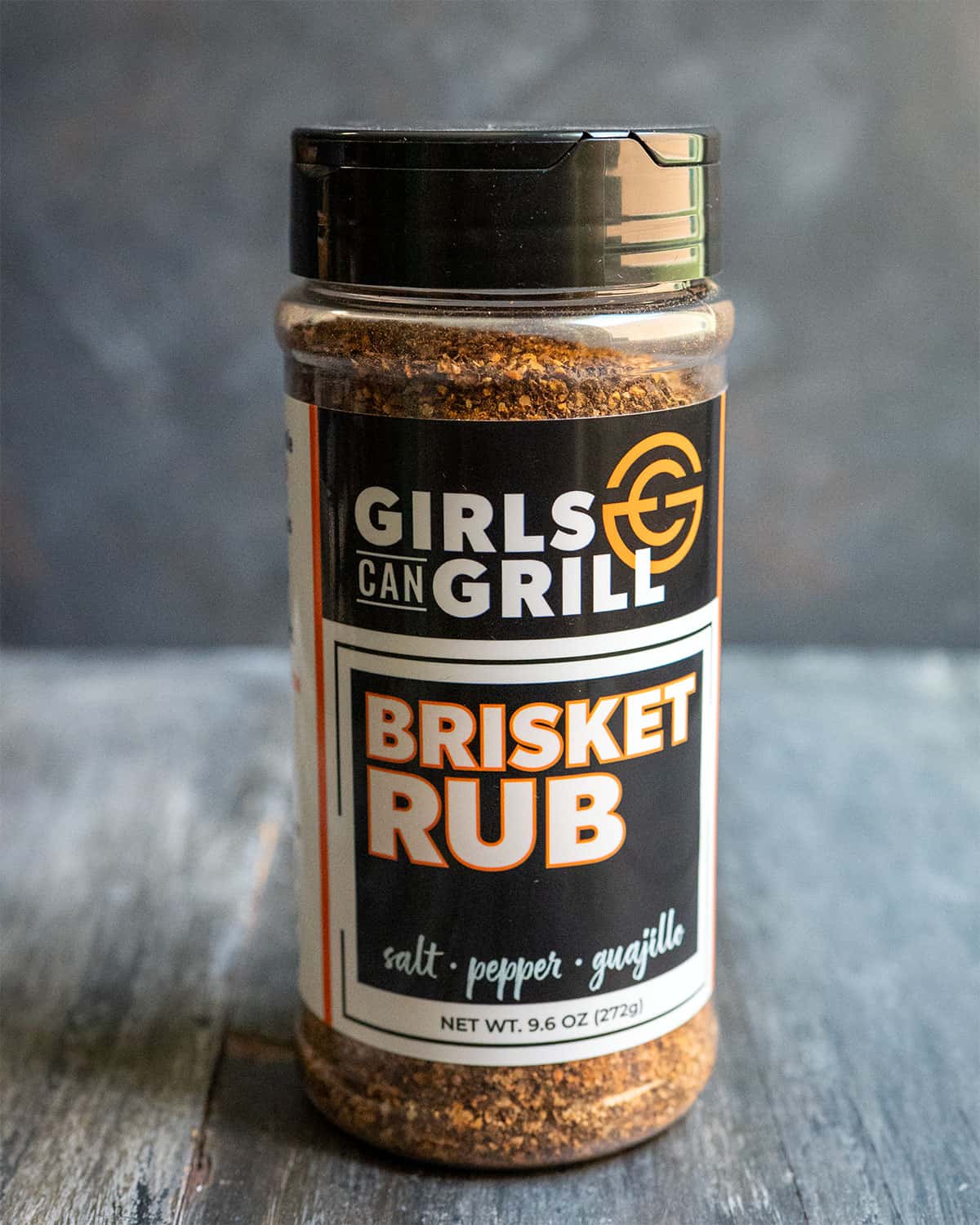
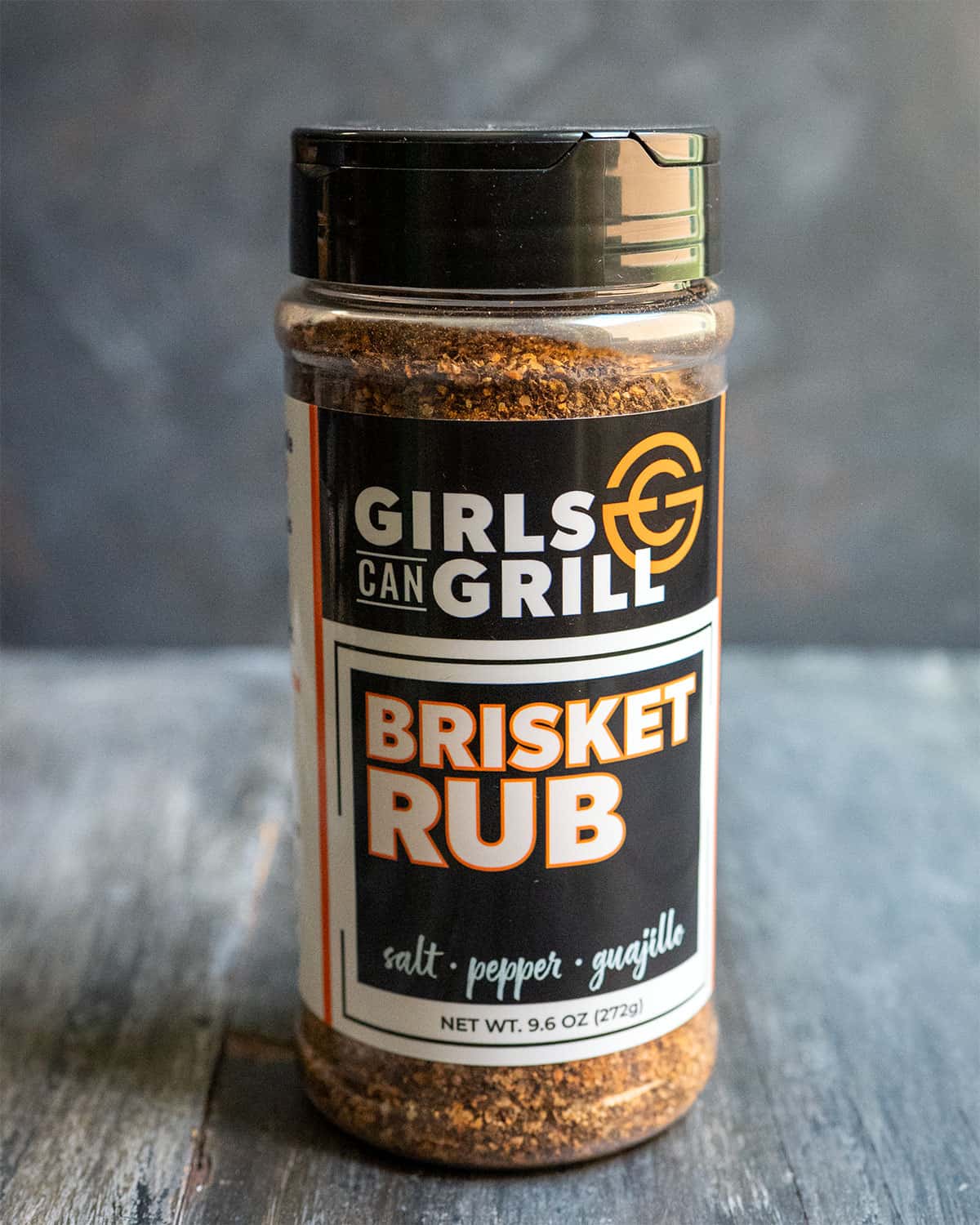
The foundation of a great brisket, even one that has experienced minor textural challenges, lies in its flavor. Christie Vanover’s "Girls Can Grill Brisket Rub" is a testament to this principle. This meticulously crafted blend of salt, pepper, garlic, and savory spices is designed not only to complement the natural beef flavor but also to encourage the development of an even, delicious bark. Applying such a rub is a critical step in building layers of flavor that can elevate any brisket, regardless of its final texture.
The pursuit of barbecue excellence is an ongoing journey, and understanding the nuances of cuts like brisket, including how to rectify common issues, is a vital part of that journey. By learning from mistakes and embracing adaptive strategies, pitmasters of all levels can continue to produce outstanding results.