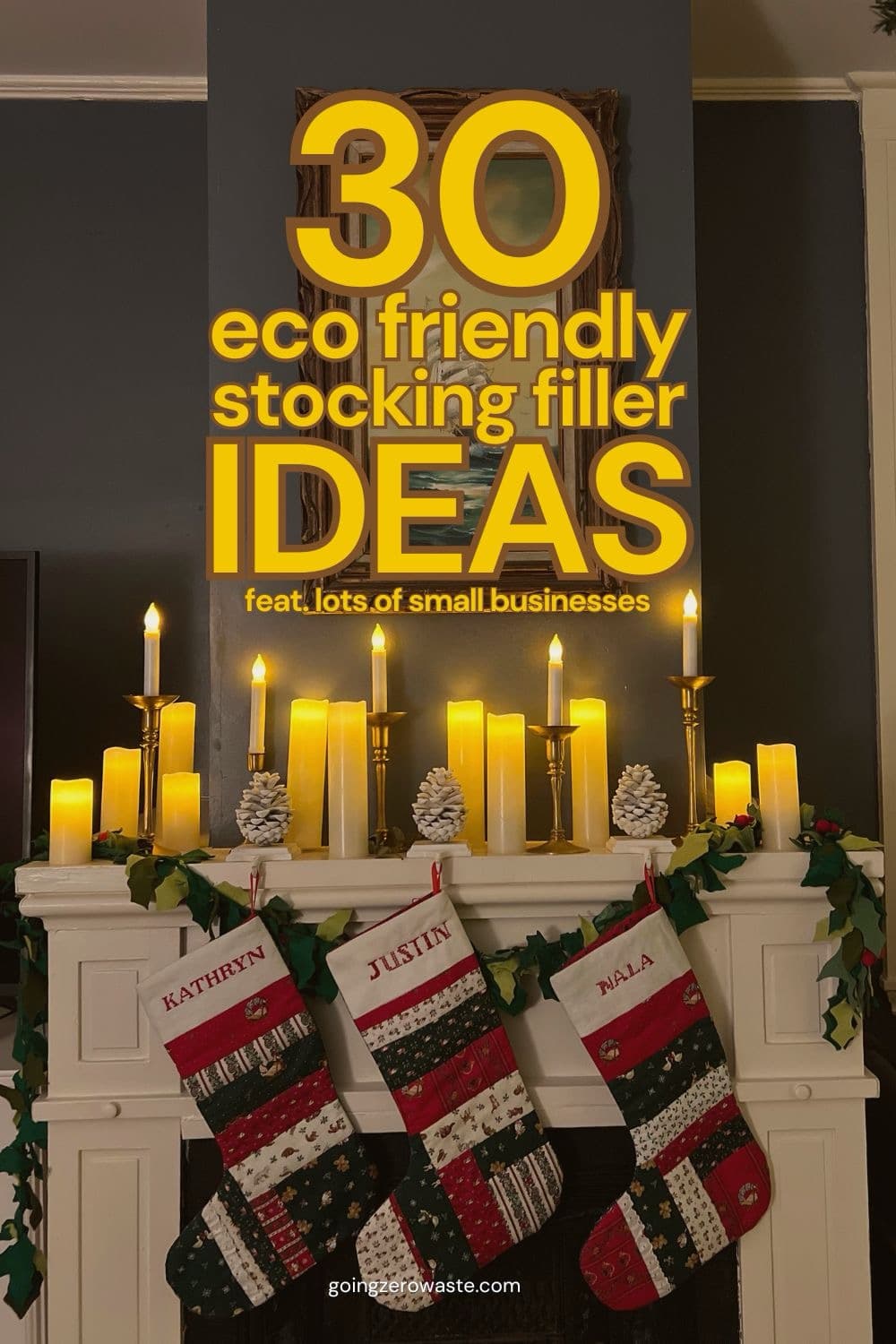
The 2025 holiday season marks a significant pivot in global consumer behavior as the demand for sustainable, zero-waste products reaches an all-time high. Retail analysts and environmental advocacy groups report that the "green gifting" movement, once a niche market, has moved into the mainstream, driven by a combination of heightened climate awareness and a desire for higher-quality, durable goods. As households prepare for December festivities, the tradition of filling Christmas stockings is being reimagined through the lens of environmental stewardship. By prioritizing plastic-free materials, non-toxic ingredients, and ethical supply chains, consumers are seeking to mitigate the environmental impact of a season historically characterized by excessive waste.

The Environmental Context of Holiday Consumerism
The transition toward eco-friendly stocking stuffers is supported by sobering data regarding seasonal waste. According to the United States Environmental Protection Agency (EPA), household waste in the U.S. generally increases by approximately 25% between Thanksgiving and New Year’s Day. This surge results in an additional one million tons of trash per week, encompassing everything from plastic packaging and non-recyclable wrapping paper to discarded low-cost trinkets.
Furthermore, the "fast-gift" industry—comprising inexpensive plastic gadgets and novelty items often found in stockings—contributes significantly to microplastic pollution and carbon emissions associated with short-lived consumer goods. In response, the 2025 market has seen a 15% increase in the availability of "circular economy" products, which are designed to be reused, composted, or recycled indefinitely.
A Chronology of the Zero-Waste Movement in Retail
The shift toward the sustainable gift options highlighted in recent industry guides did not occur overnight. The timeline of this transition reflects a decade of evolving consumer values:

- 2015–2018: The rise of the "Zero Waste" lifestyle on social media platforms encourages consumers to reduce their reliance on single-use plastics.
- 2019–2021: Major retailers begin introducing "sustainable" collections, though many are criticized for "greenwashing." Independent brands focused on transparency gain significant market share.
- 2022–2024: The implementation of stricter packaging regulations in the European Union and several U.S. states forces manufacturers to reconsider plastic-heavy designs.
- 2025: Sustainability becomes a primary filter for holiday shoppers, with "eco-friendly stocking stuffers" becoming a top-trending search category.
Practical Self-Care: The Evolution of Sustainable Beauty
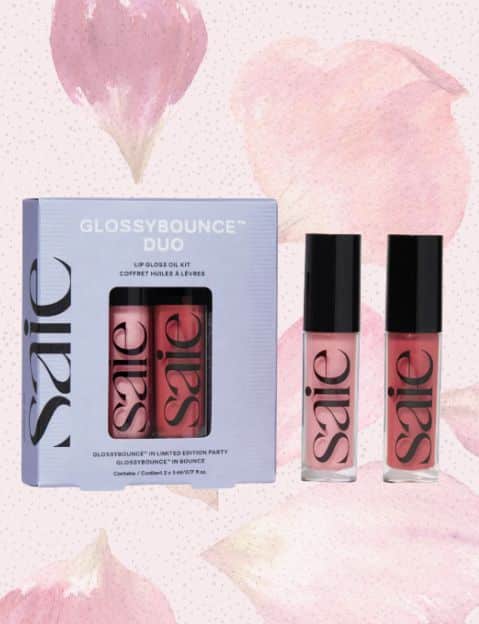
The personal care sector has seen some of the most innovative advancements in zero-waste technology. In 2025, the focus is on "waterless" formulations and infinitely recyclable packaging. High-performance brands are now offering travel-sized essentials that fit perfectly into holiday stockings without the traditional plastic footprint.
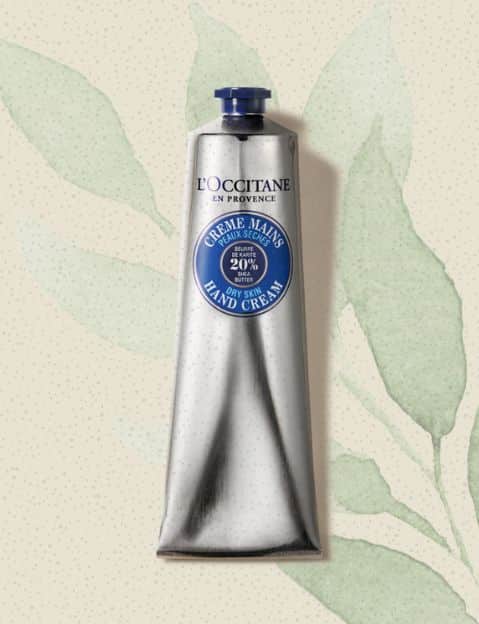
Industry leaders such as Josie Maran and Osea have pioneered the use of glass and aluminum containers for their skincare lines. The Josie Maran "Face Babies" set and Osea Body Oil represent a broader trend toward "clean beauty," a market valued at over $15 billion globally this year. These products prioritize botanical ingredients over synthetic chemicals, reducing the toxic load on both the user and the water systems into which they are eventually washed.

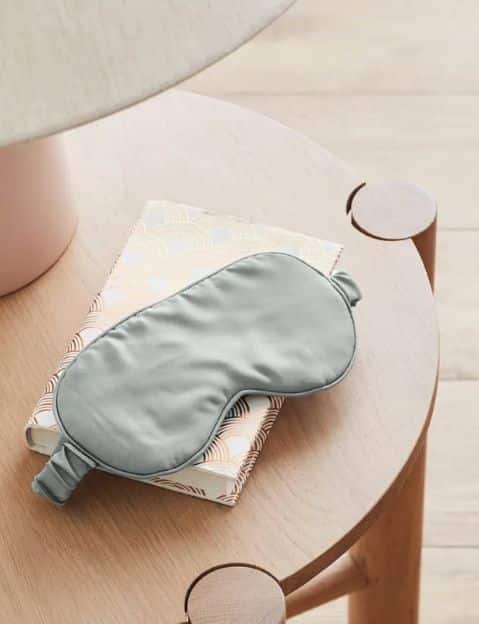
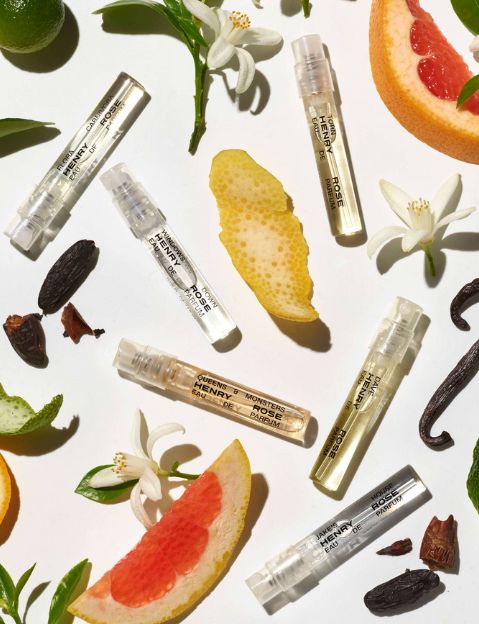
In the realm of textiles, the Ettitude sateen eye mask serves as a prime example of the shift toward regenerative materials. Made from bamboo lyocell, these items require significantly less water to produce than traditional cotton and are biodegradable at the end of their lifecycle. Similarly, the fragrance industry, represented by the Henry Rose discovery set, has moved toward full ingredient transparency, a move praised by environmental health watchdogs.
Literary and Stationery Goods: Promoting Education and Circularity
The 2025 holiday season also highlights a return to "slow media" and sustainable stationery. As digital fatigue grows, physical books and high-quality writing instruments have seen a resurgence in popularity. However, the environmental cost of paper production remains a concern for many.

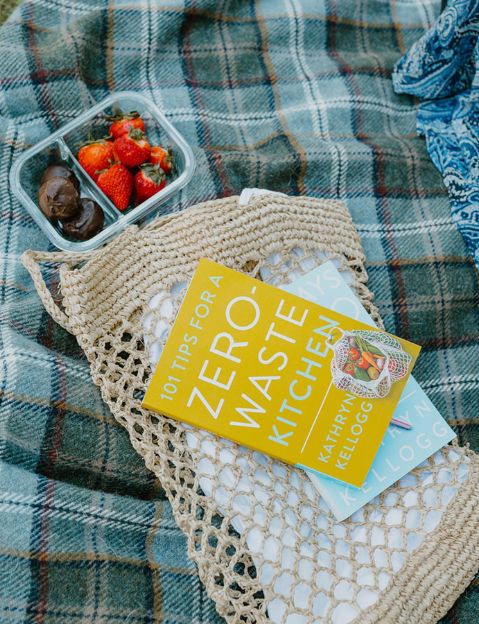
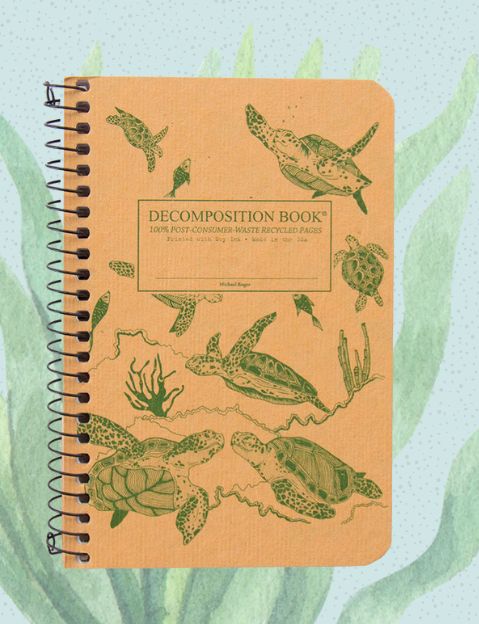
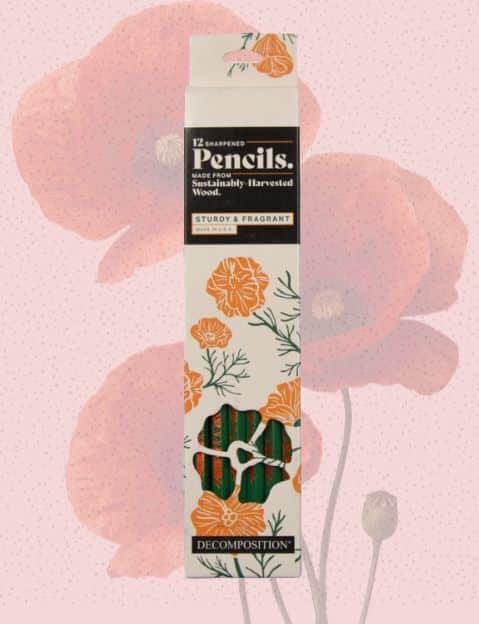
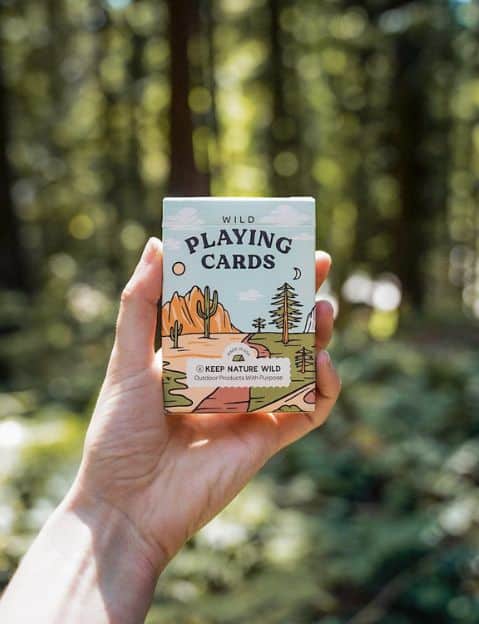
To address this, brands like Decomposition have introduced pocket notebooks and pencils made from 100% post-consumer recycled waste. These products utilize soy-based inks and are manufactured in facilities powered by renewable energy. The inclusion of educational resources, such as "101 Tips for a Zero Waste Kitchen" or the ecological card game "Cards Against Climate Change," reflects a consumer desire for gifts that provide long-term value and foster environmental literacy.
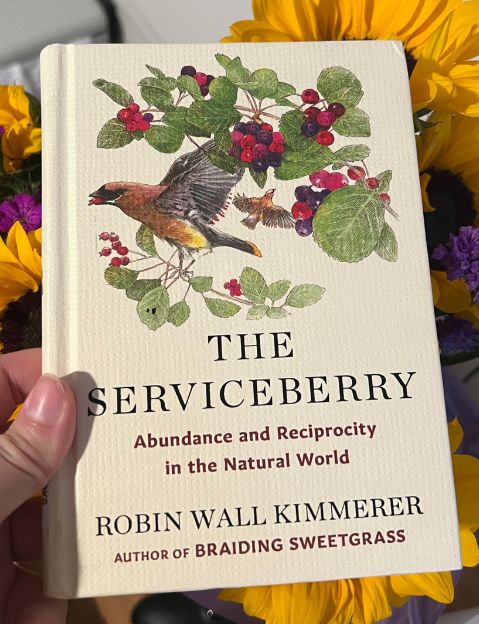
The literary world has also embraced the "Serviceberry" philosophy—inspired by indigenous wisdom and the gift economy—which encourages consumers to view goods not as commodities to be hoarded, but as resources to be shared and cycled through the community.
Home and Lifestyle: The Rise of Compostable Innovations
Gifts designed for the home now emphasize "passive" sustainability. The Grove passive diffuser, for instance, eliminates the need for electricity or disposable plastic cartridges, utilizing natural porous materials to distribute essential oils.
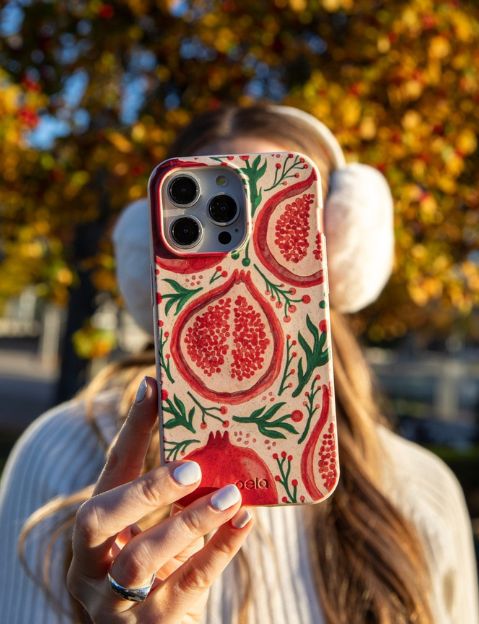
The tech accessory market is also undergoing a radical transformation. The Pela Case, a frequent recommendation for sustainable stockings, is the world’s first 100% compostable phone case. With over 1.5 billion phone cases thrown away annually, the shift toward flax-based, compostable alternatives represents a significant reduction in landfill contributions.
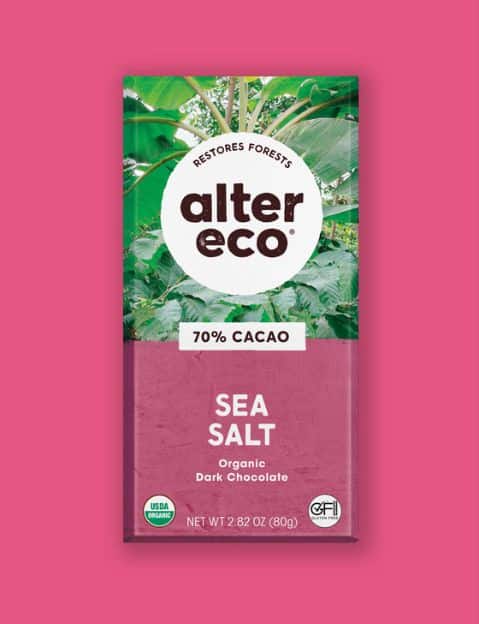
In the culinary space, ethical treats like Alter Eco sea salt chocolate bars are leading the way in regenerative agriculture. These products are often packaged in compostable wrappers made from eucalyptus and birch pulp, ensuring that the "waste" from a holiday treat can return to the soil within a matter of months.

Cold Weather Essentials and Ethical Apparel
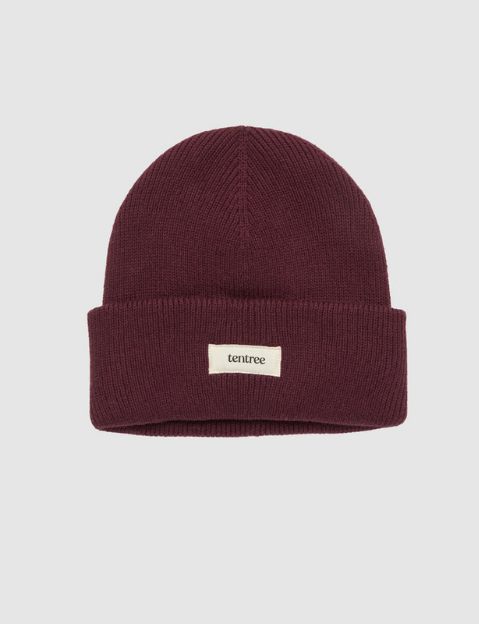
As winter temperatures drop, the demand for ethically produced apparel increases. Brands such as Tentree and Cotopaxi have set new standards for the industry by achieving B-Corp certification, which requires rigorous verification of social and environmental performance.
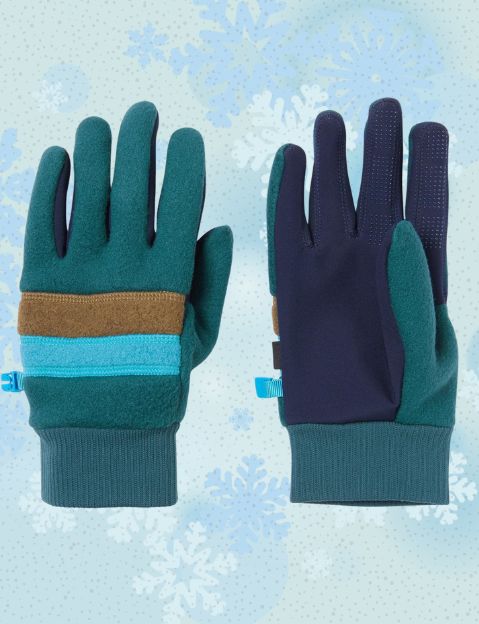
The Tentree beanie, for example, is often part of a "buy one, plant ten" program, contributing to global reforestation efforts. Cotopaxi’s "Del Día" line, including gloves and hip packs, utilizes remnant fabric scraps from other companies’ large production runs. This "upcycling" process prevents high-quality synthetic materials from entering landfills and ensures that every item produced is unique.

Furthermore, the personal care items required for winter—such as EcoRoots lotion bars and lip balms—have moved away from plastic tubes in favor of compostable paperboard packaging. These "solid" formulations also eliminate the need for plastic bottles and reduce shipping weight, thereby lowering the overall carbon footprint of the product.
Fitness and Wellness: A Sustainable Start to the New Year
With the New Year approaching, fitness-related stocking stuffers are a perennial favorite. In 2025, the focus is on apparel made from recycled ocean plastics and vitamins packaged in glass rather than plastic.

Wolven and Organic Basics are two brands at the forefront of this movement, utilizing recycled PET bottles and organic cotton for their leggings and tops. Meanwhile, the supplement industry is being challenged by companies like MegaFood, which emphasizes soil health and regenerative farming practices in the production of their B12 vitamins.
Even small items like Brixy deodorant bars are making a significant impact. By removing the plastic applicator and water from the formula, these products provide a concentrated, effective alternative that aligns with the zero-waste ethos.
Economic Analysis: The "Green Premium" vs. Long-Term Value
A common critique of sustainable products is their higher initial price point, often referred to as the "green premium." However, economic analysts in 2025 note a shift in consumer perception. While an eco-friendly lotion bar may cost more than a mass-market plastic bottle, the higher concentration of ingredients and the durability of the product often result in a lower "cost per use."
Furthermore, the "buy less, buy better" mentality is gaining traction as a financial strategy. By investing in high-quality, sustainable stocking stuffers, consumers are reducing the need for frequent replacements, ultimately saving money while supporting ethical businesses.
Broader Impact and Global Implications
The cumulative effect of choosing 30+ zero-waste stocking stuffers over conventional alternatives is substantial. If every household in a mid-sized city opted for plastic-free stocking fillers, it would prevent millions of individual pieces of plastic from entering the waste stream in a single season.

Environmental scientists emphasize that while individual choices are important, the primary benefit of this trend is the signal it sends to global supply chains. When consumers consistently demand zero-waste options, it incentivizes large-scale manufacturers to invest in sustainable materials and circular production methods.

Conclusion
The 2025 holiday season demonstrates that sustainability and tradition are not mutually exclusive. By selecting eco-friendly stocking stuffers—from compostable phone cases to regeneratively sourced chocolate—consumers are participating in a global movement toward a more responsible and intentional way of living. As the zero-waste market continues to mature, these small, thoughtful gifts serve as a reminder that the most memorable parts of the holiday season are those that respect the planet and the future generations who will inherit it.